-
الصناعات
-
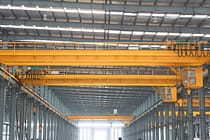
التصنيع العام
-
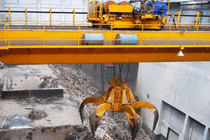
معالجة النفايات
-
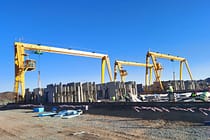
مسبقة الصنع
-
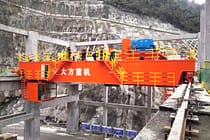
قوة
-
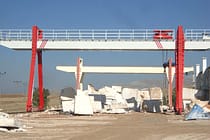
حجر
-
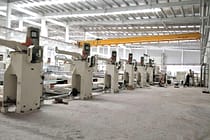
صناعة الورق
-
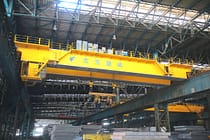
انتاج المعادن
-
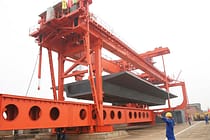
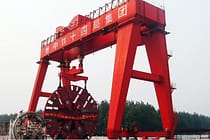
بناء الجسر
-
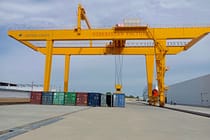
رافعات الموانئ: لمناولة الحاويات والمواد السائبة
-
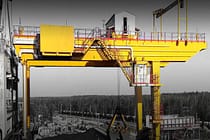
الرافعات العلوية لصناعة البترول والغاز: تعزيز الكفاءة التشغيلية
-
الرافعات العلوية لصناعة السيارات: حلول أتمتة فعّالة
-
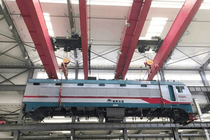
حلول الرافعات العلوية للسكك الحديدية: وضع المسارات، وصيانة المركبات المتحركة، ومناولة الحاويات
-
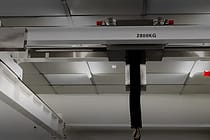
الرافعات العلوية للأغذية والمشروبات: حلول موثوقة للتعامل الفعال
-
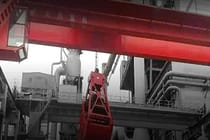
رافعات علوية لتصنيع الأسمنت والزجاج والطوب والخرسانة الجاهزة بكفاءة
-
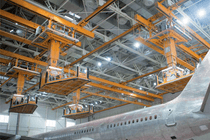
الرافعات العلوية لصناعة الطيران: صيانة وتجميع الطائرات
-
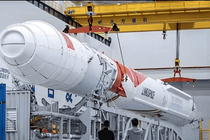
الرافعات العلوية في مجال الطيران والفضاء: رفع دقيق لإطلاق الصواريخ ونقلها
-
-
منتجات
-
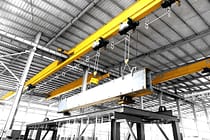
الرافعات العلوية
-
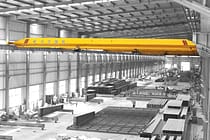
الرافعات العلوية ذات العارضة الواحدة
-
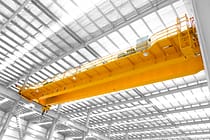
الرافعات العلوية ذات العارضة المزدوجة
-
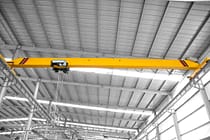
رافعات علوية أحادية العارضة من النوع الأوروبي
-
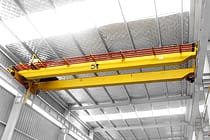
رافعات علوية مزدوجة العارضة من النوع الأوروبي
-
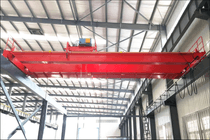
الرافعات العلوية المقاومة للانفجار
-
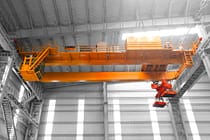
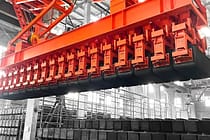
الرافعات العلوية المغناطيسية والإمساك
-
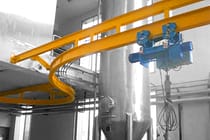
الرافعات أحادية السكة
-
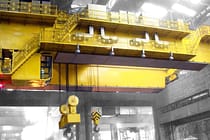
الرافعات العلوية مسبك
-
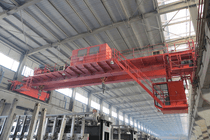
رافعات علوية معزولة
-
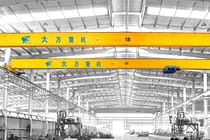
رافعات علوية ذات ارتفاع رأس منخفض
-
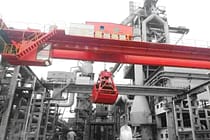
الاستيلاء على الرافعات العلوية
-
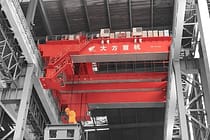
رافعات علوية مغرفة
-
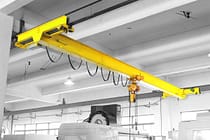
رافعات علوية معلقة
-
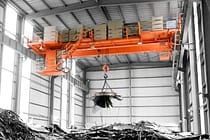
الرافعات الكهرومغناطيسية العلوية
-
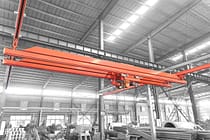
رافعات محطات العمل: تصميم خفيف الوزن، سهولة التركيب، وتشغيل سلس
-
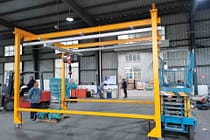
رافعات جسرية لمحطات العمل المستقلة
-
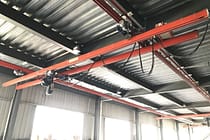
رافعة جسرية مثبتة على السقف
-
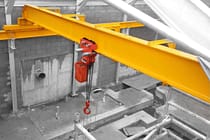
الرافعات العلوية اليدوية
-
-
رافعات
-
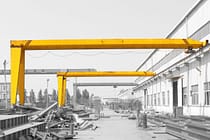
رافعات نصف قنطرية
-
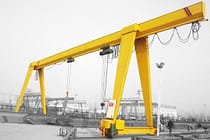
الرافعات الجسرية ذات العارضة الواحدة
-
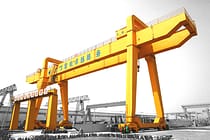
الرافعات الجسرية ذات العارضة المزدوجة
-
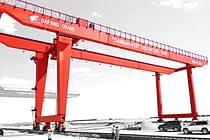
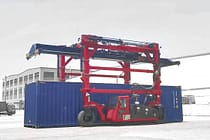
الرافعات الجسرية للحاويات
-
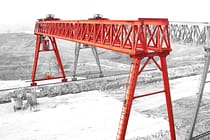
رافعات جسرية تروس
-
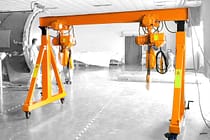
الرافعات الجسرية القابلة للتعديل
-
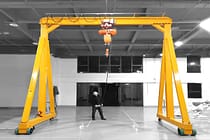
الرافعات الجسرية المحمولة
-
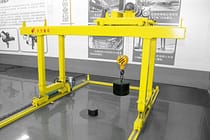
الرافعات الجسرية الأوروبية
-
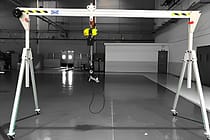
الرافعات الجسرية المصنوعة من الألومنيوم
-
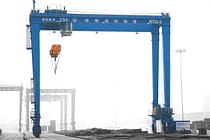
رافعات حاويات ذات إطارات مطاطية
-
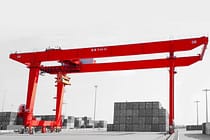
رافعات حاويات جسرية مثبتة على سكة حديدية
-
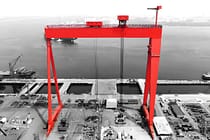
رافعة جسرية لحوض بناء السفن
-
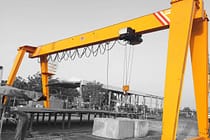
رافعات جسرية أوروبية أحادية العارضة
-
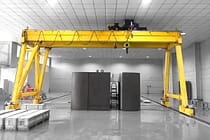
رافعات جسرية أوروبية مزدوجة العوارض
-
- الرافعات الجيب
- رافعات خاصة
- روافع كهربائية
- عربات النقل
-
الرافعات العلوية
-
قطع غيار رافعة
-
دلاء الاستيلاء
-
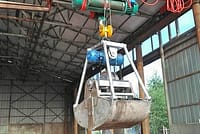
دلو كهربائي من الفولاذ المقاوم للصدأ
-
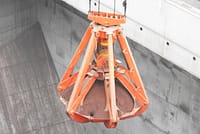
قابض ميكانيكي بأربعة حبال لقشر البرتقال
-
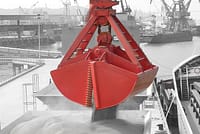
دلو ميكانيكي مزود بأربعة حبال صدفية
-
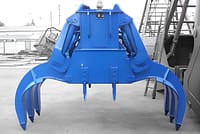
مقابض كهروهيدروليكية مستطيلة الشكل
-
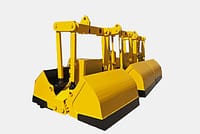
مقابض صدفية هيدروليكية كهربائية
-
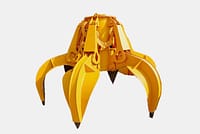
قابضات قشر البرتقال الكهربائية الهيدروليكية، قابضات الصبار الهيدروليكية
-
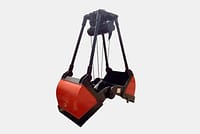
محرك كهربائي
-
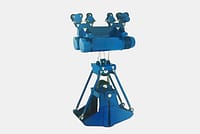
دلو كهربائي أحادي السكة مع رافعة أحادية السكة
-
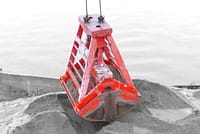
جهاز التحكم عن بعد بمقابض صدفية
-
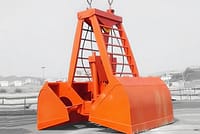
قابضات ميكانيكية ذات حبلين
-
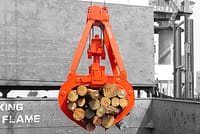
مسكات الأخشاب
-
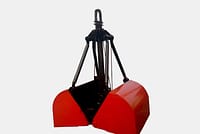
دلو حمل بحبل واحد
-
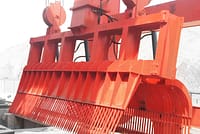
آلات تنظيف رفوف القمامة
-
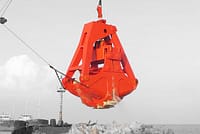
التجريف الاستيلاء
-
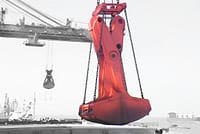
تقليم الاستيلاء
-
- ناشرة الرافعة
-
قطع غيار الرافعات
-
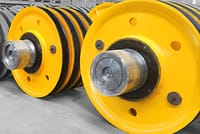
بكرات الرافعة
-
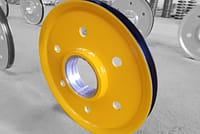
حزم حبل الأسلاك
-
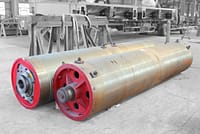
طبل حبل الرافعة
-
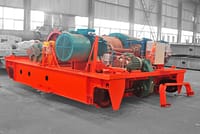
عربة كرين
-
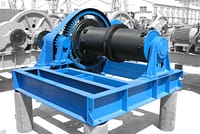
ونش كهربائي
-
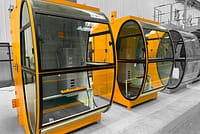
كابينة مشغل الرافعة
-
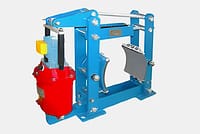
فرامل الرافعات العلوية
-
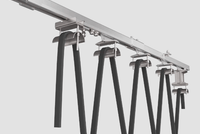
كابلات الرافعات العلوية
-
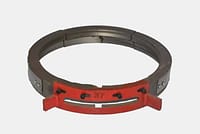
أدلة حبل الرافعة العلوية
-
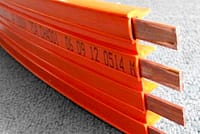
موصلات الرافعات العلوية وخطوط إمداد الطاقة
-
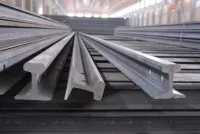
قضبان الرافعة العلوية
-
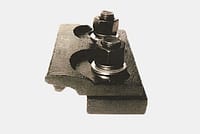
مشابك سكك الرافعة العلوية
-
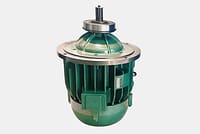
محركات الرافعات العلوية
-
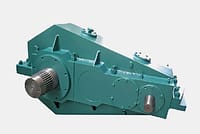
مخفضات الرافعات العلوية
-
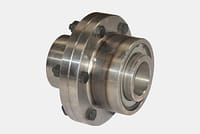
وصلات للرافعات العلوية
-
- عجلات الرافعة
-
دلاء الاستيلاء
- شركة
- اتصال

-
الصناعات
-
التصنيع العام
-
معالجة النفايات
-
مسبقة الصنع
-
قوة
-
حجر
-
صناعة الورق
-
انتاج المعادن
-
بناء الجسر
-
رافعات الموانئ: لمناولة الحاويات والمواد السائبة
-
الرافعات العلوية لصناعة البترول والغاز: تعزيز الكفاءة التشغيلية
-
الرافعات العلوية لصناعة السيارات: حلول أتمتة فعّالة
-
حلول الرافعات العلوية للسكك الحديدية: وضع المسارات، وصيانة المركبات المتحركة، ومناولة الحاويات
-
الرافعات العلوية للأغذية والمشروبات: حلول موثوقة للتعامل الفعال
-
رافعات علوية لتصنيع الأسمنت والزجاج والطوب والخرسانة الجاهزة بكفاءة
-
الرافعات العلوية لصناعة الطيران: صيانة وتجميع الطائرات
-
الرافعات العلوية في مجال الطيران والفضاء: رفع دقيق لإطلاق الصواريخ ونقلها
-
-
منتجات
-
الرافعات العلوية
-
الرافعات العلوية ذات العارضة الواحدة
-
الرافعات العلوية ذات العارضة المزدوجة
-
رافعات علوية أحادية العارضة من النوع الأوروبي
-
رافعات علوية مزدوجة العارضة من النوع الأوروبي
-
الرافعات العلوية المقاومة للانفجار
-
الرافعات العلوية المغناطيسية والإمساك
-
الرافعات أحادية السكة
-
الرافعات العلوية مسبك
-
رافعات علوية معزولة
-
رافعات علوية ذات ارتفاع رأس منخفض
-
الاستيلاء على الرافعات العلوية
-
رافعات علوية مغرفة
-
رافعات علوية معلقة
-
الرافعات الكهرومغناطيسية العلوية
-
رافعات محطات العمل: تصميم خفيف الوزن، سهولة التركيب، وتشغيل سلس
-
رافعات جسرية لمحطات العمل المستقلة
-
رافعة جسرية مثبتة على السقف
-
الرافعات العلوية اليدوية
-
-
رافعات
-
رافعات نصف قنطرية
-
الرافعات الجسرية ذات العارضة الواحدة
-
الرافعات الجسرية ذات العارضة المزدوجة
-
الرافعات الجسرية للحاويات
-
رافعات جسرية تروس
-
الرافعات الجسرية القابلة للتعديل
-
الرافعات الجسرية المحمولة
-
الرافعات الجسرية الأوروبية
-
الرافعات الجسرية المصنوعة من الألومنيوم
-
رافعات حاويات ذات إطارات مطاطية
-
رافعات حاويات جسرية مثبتة على سكة حديدية
-
رافعة جسرية لحوض بناء السفن
-
رافعات جسرية أوروبية أحادية العارضة
-
رافعات جسرية أوروبية مزدوجة العوارض
-
- الرافعات الجيب
- رافعات خاصة
- روافع كهربائية
- عربات النقل
-
الرافعات العلوية
-
قطع غيار رافعة
-
دلاء الاستيلاء
-
دلو كهربائي من الفولاذ المقاوم للصدأ
-
قابض ميكانيكي بأربعة حبال لقشر البرتقال
-
دلو ميكانيكي مزود بأربعة حبال صدفية
-
مقابض كهروهيدروليكية مستطيلة الشكل
-
مقابض صدفية هيدروليكية كهربائية
-
قابضات قشر البرتقال الكهربائية الهيدروليكية، قابضات الصبار الهيدروليكية
-
محرك كهربائي
-
دلو كهربائي أحادي السكة مع رافعة أحادية السكة
-
جهاز التحكم عن بعد بمقابض صدفية
-
قابضات ميكانيكية ذات حبلين
-
مسكات الأخشاب
-
دلو حمل بحبل واحد
-
آلات تنظيف رفوف القمامة
-
التجريف الاستيلاء
-
تقليم الاستيلاء
-
- ناشرة الرافعة
-
قطع غيار الرافعات
-
بكرات الرافعة
-
حزم حبل الأسلاك
-
طبل حبل الرافعة
-
عربة كرين
-
ونش كهربائي
-
كابينة مشغل الرافعة
-
فرامل الرافعات العلوية
-
كابلات الرافعات العلوية
-
أدلة حبل الرافعة العلوية
-
موصلات الرافعات العلوية وخطوط إمداد الطاقة
-
قضبان الرافعة العلوية
-
مشابك سكك الرافعة العلوية
-
محركات الرافعات العلوية
-
مخفضات الرافعات العلوية
-
وصلات للرافعات العلوية
-
- عجلات الرافعة
-
دلاء الاستيلاء
- شركة
- اتصال



Overhead Crane Capacity Upgrade: Structural Checks When Moving from 30 to 50 Tonnes
جدول المحتويات
An overhead crane capacity upgrade from 30 to 50 tonnes raises an important question: does the existing building need reinforcement? The answer depends on the original structural design conditions, the new crane’s specifications, and the actual operating duty. Rated lifting capacity alone cannot determine the outcome.
For a customer considering this change, we first need to review the original structural drawings, crane design conditions, and production requirements. The columns, foundations, and crane runway beams then require separate assessment. The following factory renovation case illustrates how these factors affect the reinforcement decision.
1. Original Design Conditions: Two 30T Overhead Cranes in One Bay
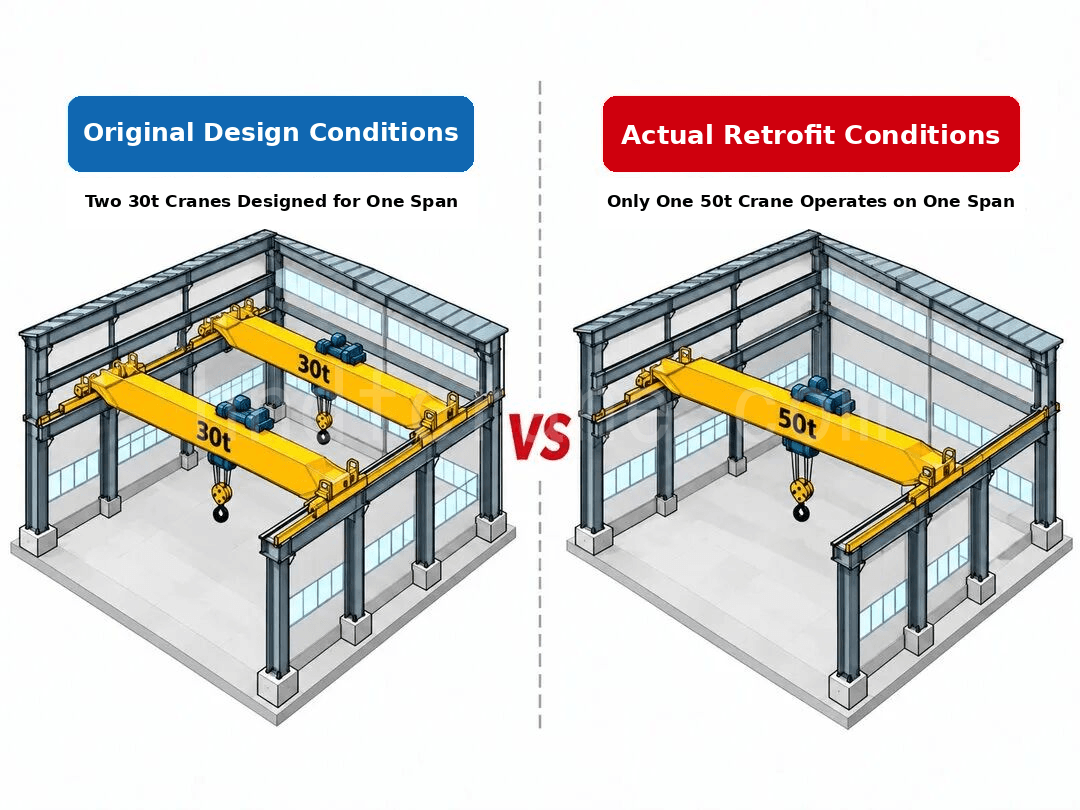
Although the factory had been operating only one 30-tonne crane, the original structural design allowed for the unfavorable loading condition of two 30-tonne cranes operating simultaneously in the same bay.
The customer planned to replace the existing crane with one 50-tonne crane. Only this single crane would be installed and operated in the bay. The assessment therefore compared the following conditions:
| غرض | Original structural design | Proposed operating conditions |
|---|---|---|
| Crane quantity and capacity | Two 30-tonne cranes in the same bay | One 50-tonne crane in the same bay |
| Operating combination | Unfavorable simultaneous operation of two cranes | Operation of a single crane |
It would be incorrect to conclude that “30 × 2 = 60, so 50 tonnes must be acceptable.” The loads acting on the building also depend on crane self-weight, wheel loads, wheel spacing, and operating positions.
In this case, recalculation using the actual specifications of the 50-tonne crane showed that the columns and foundations met the requirements. Under those conditions, the primary structural reinforcement that concerned the customer was unnecessary.
2. Runway Beams Still Require a Separate Assessment
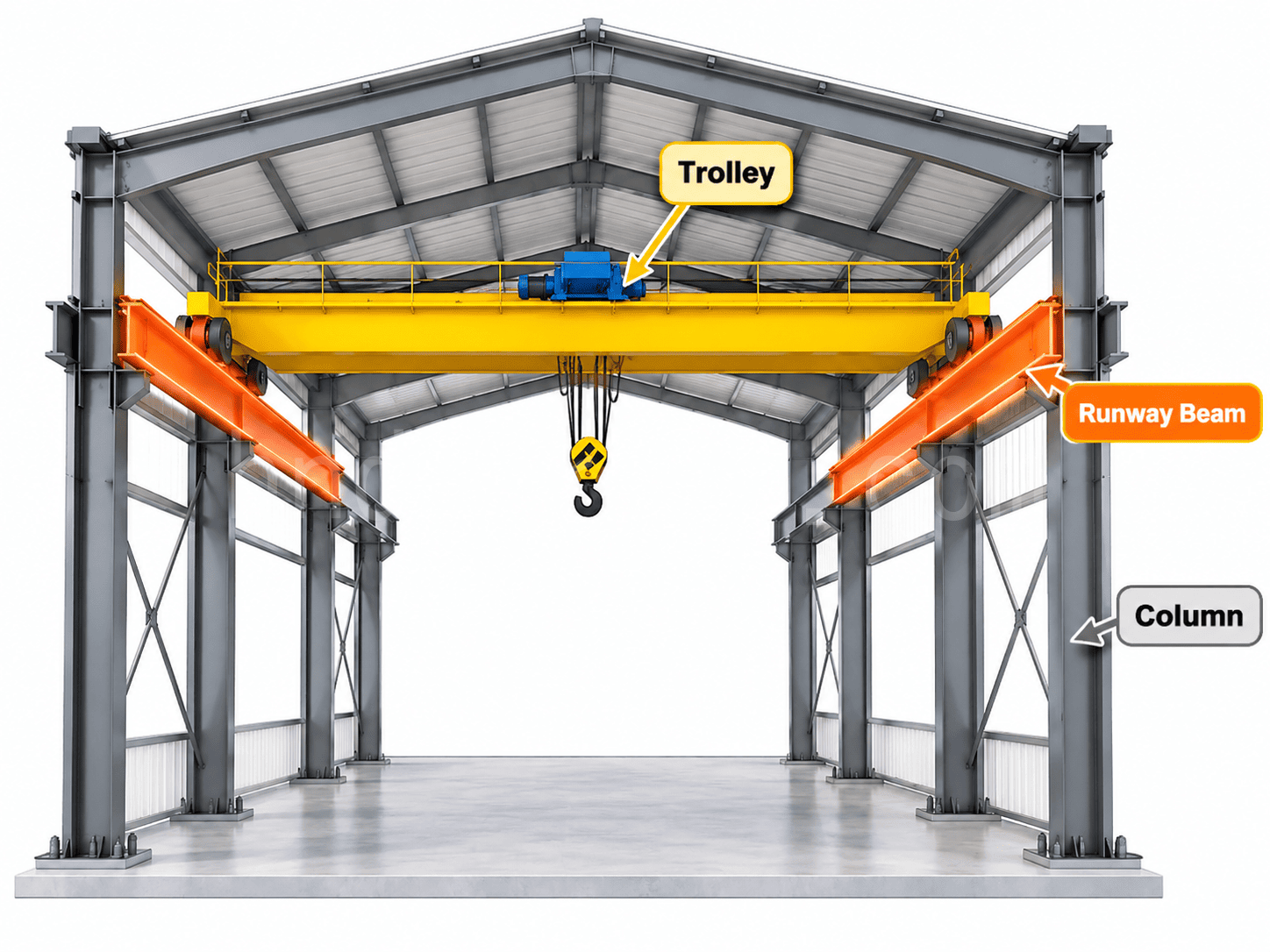
Crane runway beams sit beneath the rails and directly carry the crane’s wheel loads. An acceptable assessment of the columns and foundations does not remove the need to check these beams.
The existing runway beams had been designed for a 30-tonne crane with an A5 duty classification. When the new 50-tonne crane was assessed under A5 operating conditions, the runway beams did not meet the deflection and fatigue requirements.
Deflection describes how much a beam deforms under load. Fatigue concerns the effects of repeated loading over time. The runway-beam assessment must therefore address both individual loading events and long-term operation.
At this stage, reinforcement or replacement of the runway beams might have been necessary. Before selecting a solution, however, the customer’s actual need for A5 duty had to be established.
3. Overhead Crane Capacity Upgrade: Capacity and Duty Classification
Customers need to specify both rated lifting capacity and duty classification. A 50-tonne rating describes the crane’s lifting capacity, while its duty classification reflects factors including frequency of use and load conditions.
Two cranes with the same 50-tonne capacity may perform very different work. One might operate frequently every day, while another only occasionally lifts heavy equipment. Their effects on long-term repeated structural loading can therefore differ.
For broadly comparable load conditions, this case used the following cycle ranges as an approximate explanation:
| Duty classification | Total operating cycles used to illustrate the case |
|---|---|
| أ4 | Approximately 125,000–250,000 cycles |
| أ5 | Approximately 250,000–500,000 cycles |
These figures must be understood together with the load conditions and classification basis. They should not be treated as fixed cycle limits for every A4 or A5 crane.
4. Confirming Duty Against the Customer’s Actual Requirements
Further review of the production requirements showed that the customer needed to lift heavy equipment only occasionally. Daily, frequent operation of a 50-tonne crane was not required.
The customer needed 50-tonne lifting capability. Based on the actual operating conditions, the selection in this case was revised from A5 to A4, which was considered sufficient for the application.
Duty classification must reflect real production conditions; it must not be reduced arbitrarily to make a calculation pass. After reassessment using the actual parameters of a 50-tonne A4 crane, the reported outcome was that the existing runway beams also met the requirements.
5. Case Outcome and Application Limits
The final assessment reported that the columns, foundations, and runway beams met the requirements. Reinforcement of these components was therefore not carried out.
This result does not mean that every factory operating a 30-tonne crane can directly accommodate a 50-tonne replacement. The decision still depends on the original design conditions, the replacement crane’s actual specifications, the number and combination of cranes, and the operating duty.
For a customer planning an overhead crane capacity upgrade, we should confirm these conditions and complete the structural assessment before defining the reinforcement scope. Making proper use of the existing structure’s design provisions can sometimes avoid unnecessary reinforcement work. The final decision must be based on the assessment of the specific project.

أنا سيندي، ولدي 10 سنوات من الخبرة العملية في صناعة الرافعات واكتسبت ثروة من المعرفة المهنية. لقد اخترت الرافعات المرضية لأكثر من 500 عميل. إذا كانت لديك أي احتياجات أو أسئلة حول الرافعات، فلا تتردد في الاتصال بي، وسأستخدم خبرتي وخبرتي العملية لمساعدتك في حل المشكلة!
أرسل استفسارك
- بريد إلكتروني: sales@hndfcrane.com
- واتساب: +86 191 3738 6654
- برقية: +86 191 3738 6654
- هاتف: +86-373-581 8299
- فاكس: +86-373-215 7000
- إضافة: منطقة Changnao الصناعية ، مدينة Xinxiang ، مقاطعة Henan ، الصين
 وي تشات
- الرافعات العلوية
- الرافعات العلوية ذات العارضة المزدوجة
- الرافعات العلوية ذات العارضة الواحدة
- رافعات علوية أحادية العارضة من النوع الأوروبي
- الرافعات العلوية المقاومة للانفجار
- الرافعات العلوية المغناطيسية والإمساك
- الرافعات أحادية السكة
- الرافعات العلوية مسبك
- رافعات محطات العمل: تصميم خفيف الوزن، سهولة التركيب، وتشغيل سلس
- الرافعات الجيب
- رافعات الجيب المثبتة على الحائط
- رافعات جسرية متحركة على الحائط
- رافعات الجيب القائمة بذاتها
- رافعات ذراعية من الألومنيوم: خفيفة الوزن، ذراع دوارة ناعمة لسهولة الرفع
- رافعات ذراع التوازن: رفع خفيف وفعال للتجميع الميكانيكي لمسافات قصيرة
- رافعات ذراعية يدوية قائمة بذاتها: حلول رفع يدوية فعّالة للعمليات في المساحات المحدودة
- رافعات ذراع كهربائية قائمة بذاتها: حل كهربائي بالكامل لرفع سريع وعالي القدرة
- رافعات ذراع مفصلية: رفع دقيق مع مرونة الذراع المزدوجة
- رافعات
- الرافعات الجسرية ذات العارضة المزدوجة
- رافعات نصف قنطرية
- الرافعات الجسرية ذات العارضة الواحدة
- رافعات جسرية تروس
- الرافعات الجسرية للحاويات
- الرافعات الجسرية القابلة للتعديل
- الرافعات الجسرية المحمولة
- الرافعات الجسرية الأوروبية
- الصناعات
- التصنيع العام
- معالجة النفايات
- مسبقة الصنع
- قوة
- حجر
- صناعة الورق
- انتاج المعادن
- بناء الجسر
- رافعات الموانئ: لمناولة الحاويات والمواد السائبة
- الرافعات العلوية لصناعة البترول والغاز: تعزيز الكفاءة التشغيلية
- الرافعات العلوية لصناعة السيارات: حلول أتمتة فعّالة
- حلول الرافعات العلوية للسكك الحديدية: وضع المسارات، وصيانة المركبات المتحركة، ومناولة الحاويات
- روافع كهربائية
- رافعات حبل الأسلاك الكهربائية
- الرافعات الكهربائية
- رافعات كهربائية من النوع الأوروبي
- الرافعات الكهربائية الأوروبية: تشغيل سلس، وانخفاض الضوضاء، وكفاءة الطاقة
- رافعات يدوية: مثالية لمهام السحب والرفع
- رافعات سلسلة يدوية: رفع يدوي للمناطق التي لا تتوفر فيها الطاقة
- رافعات كهربائية ذات ارتفاع منخفض: تصميم مضغوط لتحقيق أقصى قدر من كفاءة المساحة
- رافعات السلسلة الهوائية: التعامل السلس للاستخدام الصناعي
- رافعات سلسلة يدوية مقاومة للانفجار: مصنوعة من سبائك نحاسية مقاومة للشرر للمناطق الخطرة
- رافعات سلسلة كهربائية مقاومة للانفجار لرفع الأحمال في المناطق الخطرة
- عن
- حالات
- أخبار
- الأسئلة الشائعة
- تحميل
- المدونات
- أدوات حساب حمولة عجلات الرافعة عبر الإنترنت
- VR بانوراما
- اتصل بنا
- بريد إلكتروني: sales@hndfcrane.com
- واتساب: +86 191 3738 6654
- برقية: +86 191 3738 6654
- هاتف: +86-373-581 8299
-