

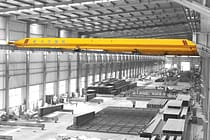
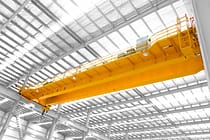
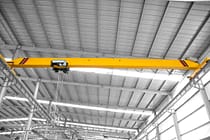
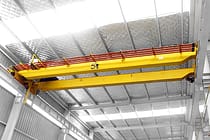
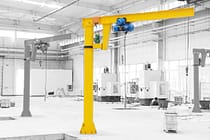
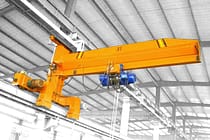
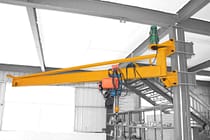
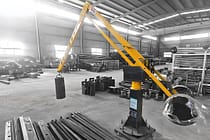
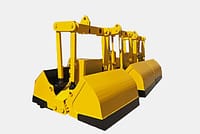
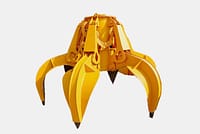
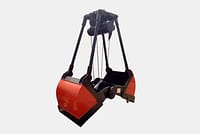
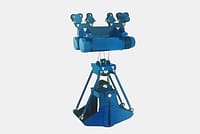
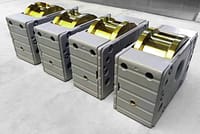
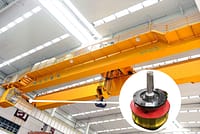
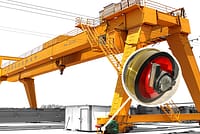
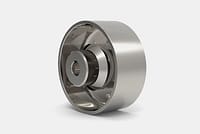





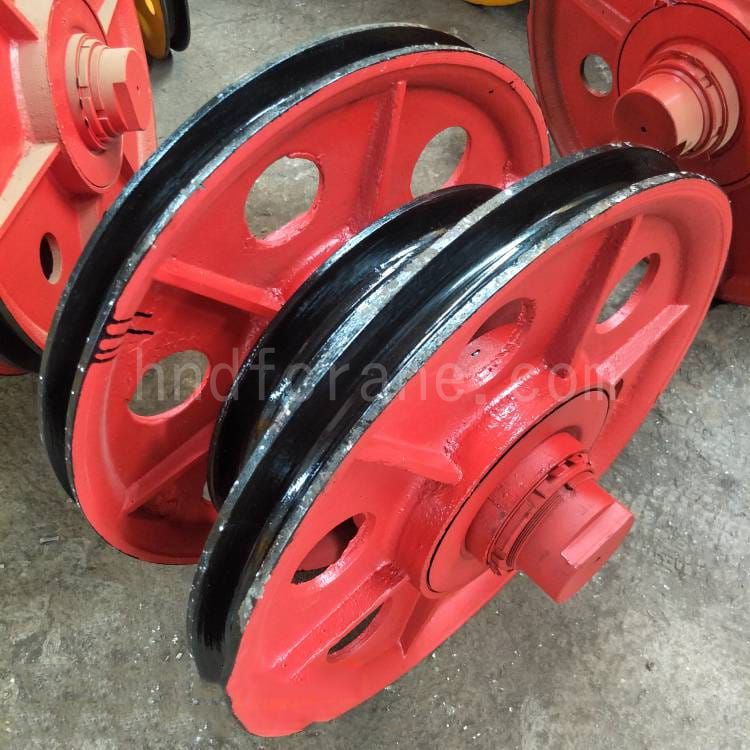
Produktintroduksjon til støpte kranskiver
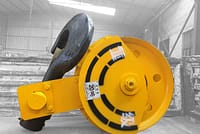
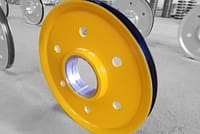
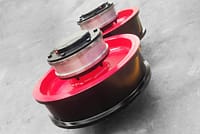
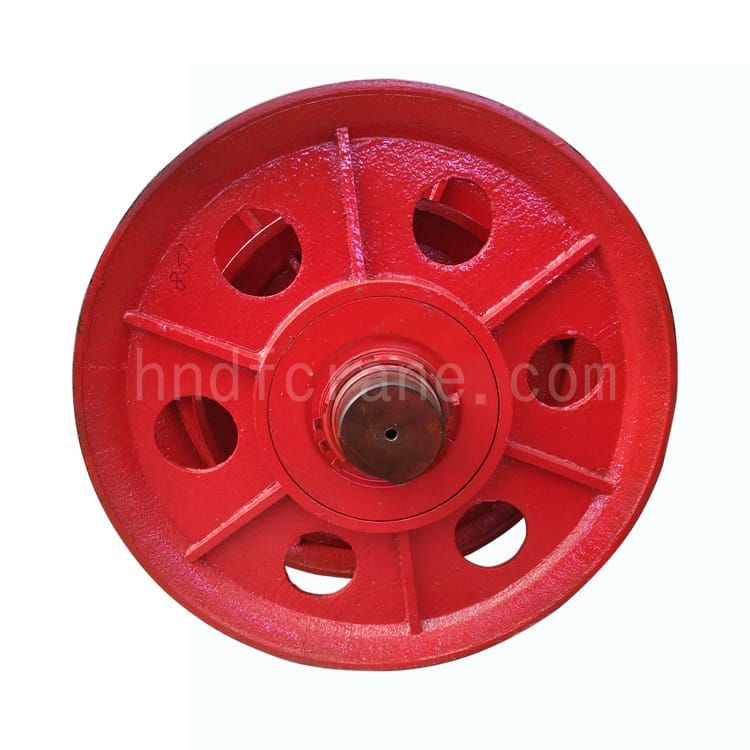
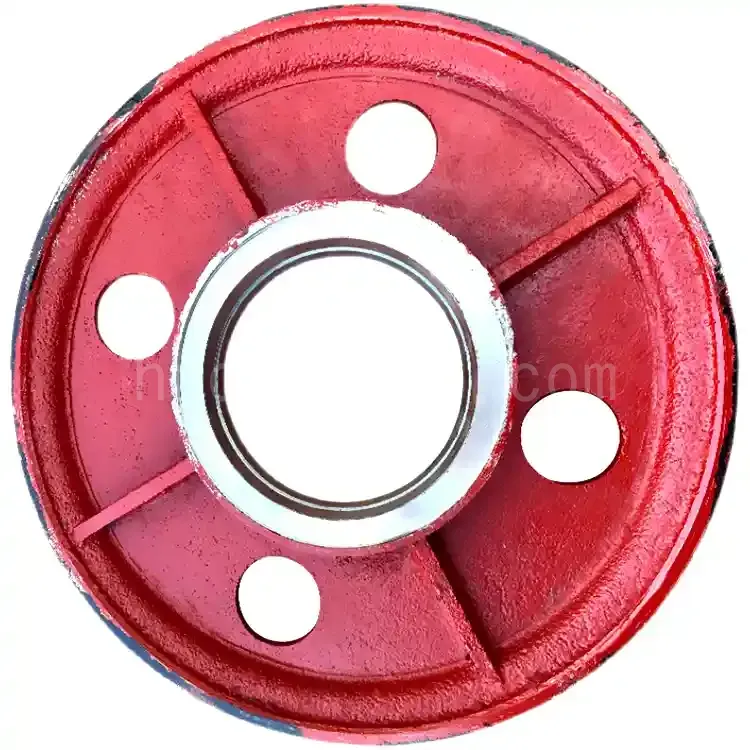
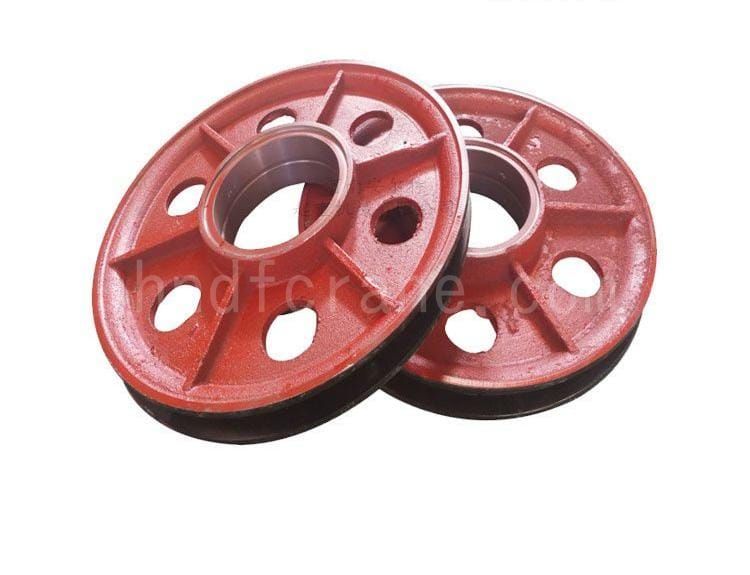
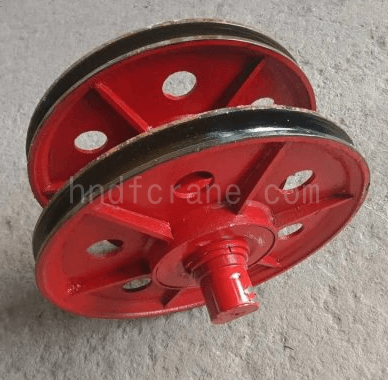
Cast crane sheaves are a production process in which metal is smelted into a molten state that meets specified requirements and then poured into the mold for casting. After cooling, solidification, and cleaning, the pulley’s predetermined shape, size, and performance are achieved. Because the casting pulley blanks are almost fully formed, free machining or small-scale machining is used, reducing costs and production time to some extent. This method offers low production costs and high efficiency. For some pulley products with large size, irregular shape, and complex structure, casting is an ideal production method. Pulley casting is the basic process of the modern device manufacturing industry.
Klassifisering av støpte kranskiver
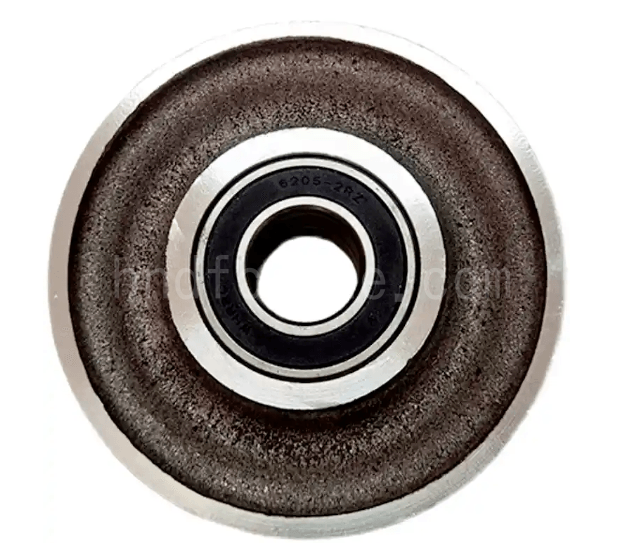
- Kapasitet: Opptil 200 tonn
- Høy hardhet: ZG25Ⅱ-materialet har høy tetthet og ekstremt høy hardhet.
- God slitestyrke: dens egen tetthet er litt høyere, slitestyrken er høy, og bæreevnen er sterkere.
- God seighet og lett vekt: god mekanisk seighet og sterk slagfasthet.
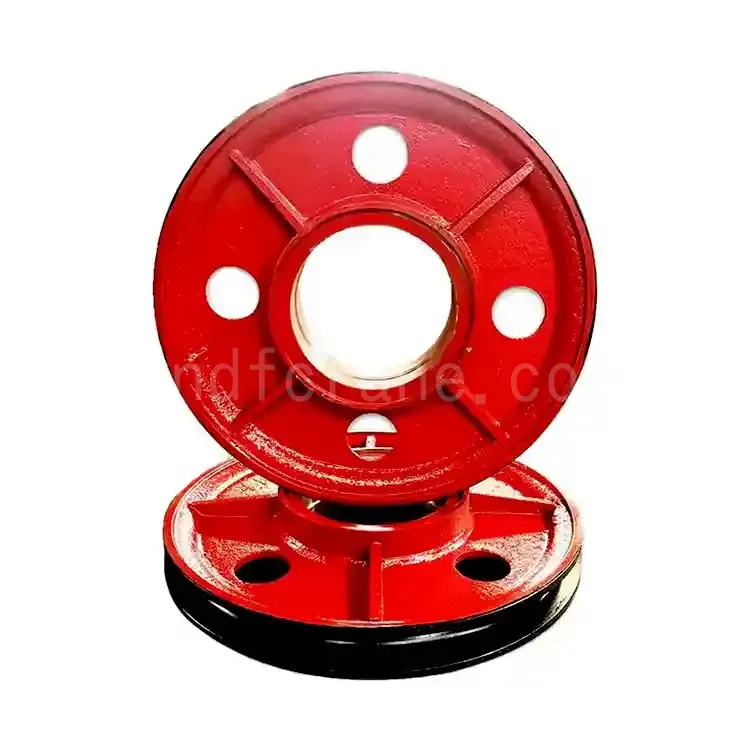
- Kapasitet: Opptil 100 tonn
- Slitasjen på ståltauet er relativt liten: the HT250 material contains graphite and has self-lubricating properties, which effectively reduce friction and provide good shock-absorption performance.
- Kostnadseffektiv: Sandstøpeprosessen er enkel og råmaterialene er omfattende, noe som reduserer anskaffelseskostnadene betydelig samtidig som standardkravene oppfylles.
Kranskiver i støpt stål
Cast SteelCrane Sheaves Introduction
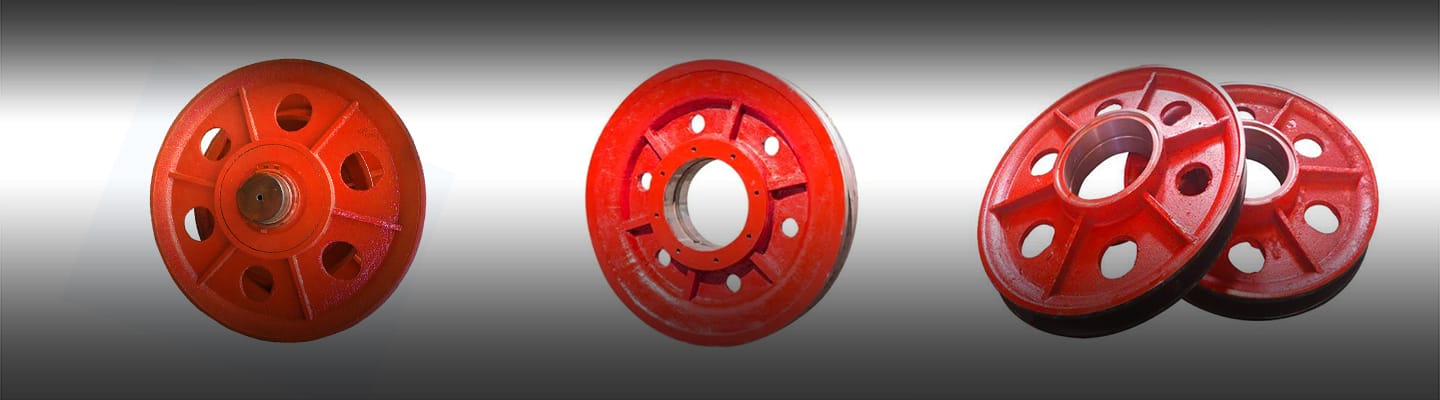
Cast steel crane sheaves have higher strength and can withstand greater tensile pressure, but the wear on the wire rope is greater than that of cast iron sheaves. It is ideal for occasions with high operating conditions. Standard cast steel pulleys generally use lost foam casting, which has a low production cost and high efficiency. For some pulley products with large size, non-standard shape and complex technology, cast steel pulleys are an ideal way to make them. Moreover, the lost foam casting method is used, and the pulley is not limited by the equipment in terms of diameter and other dimensions, which is more flexible. However, due to the influence of factors such as casting technology, the quality directly depends on the quality of the casting blank.
Støpt stål Fordeler med kranskiver
Forbedret seighet og plastisitet
Kranskiver i støpt stål er konstruert med materialegenskaper som ligner på høykvalitetsstål. De har høyere hardhet og overlegen fleksibilitet sammenlignet med støpejern, noe som resulterer i større plastisitet og slagfasthet. Dette gjør dem svært allsidige for et bredere spekter av industrielle applikasjoner.
Lett design for driftseffektivitet
På grunn av den lavere tettheten til støpt stål sammenlignet med tradisjonelt jern, er kranskiver i støpt stål betydelig lettere for samme volum. I løfteoperasjoner, der den bevegelige trinsen beveger seg med lasten, reduserer en lettere skive energiforbruket og den manuelle arbeidsintensiteten, noe som forklarer dens utbredte bruk i forhold til støpejernsalternativer.
Korrosjonsbestandighet og forlenget levetid
Under drift utvikler kranskiver av støpt stål et naturlig beskyttende overflatelag som beskytter komponenten mot regn og kjemisk erosjon. I motsetning til støpejern, som er utsatt for rust og strukturell nedbrytning når det utsettes for fuktighet, beholder støpt stål sin integritet og gir en betydelig lengre levetid.
Avansert slitestyrke gjennom flammeherding
Ved å optimalisere karboninnholdet overgår den strukturelle styrken til disse skivene jern. Mer spesifikt, med flammeslokking, når overflatehardheten HRC48–HRC52, noe som forlenger levetiden med mer enn 30%.
Optimalisert stressfordeling for tung løfting
Featuring a dual-hub design, these sheaves uniformly disperse stress across the structure. This makes them the definitive choice for high-tonnage lifting operations where structural reliability is non-negotiable. Optional configurations with tapered roller bearings or sliding bearings support a wide operating temperature range from -40°C to 200°C. Fully ISO 14001 certified, these cast steel crane sheaves are the ideal choice for extreme environments such as metallurgical blast furnaces and offshore oil drilling platforms.
Cast Steel Crane Sheaves Application
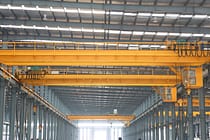
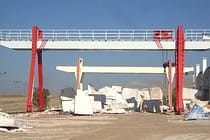
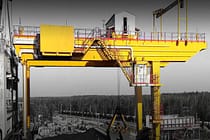
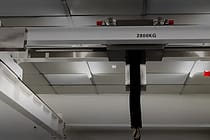
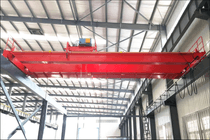
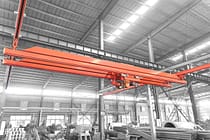
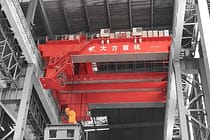
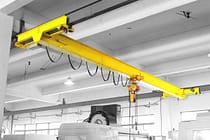
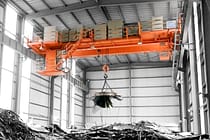
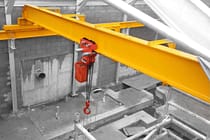
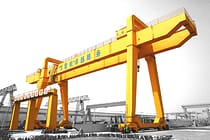
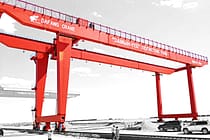
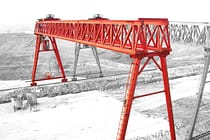
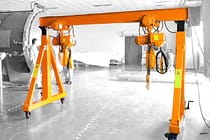
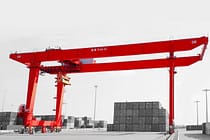
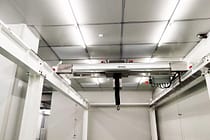
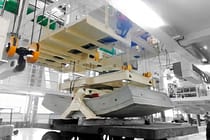
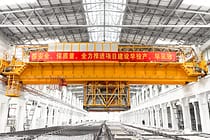
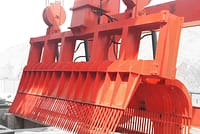
Støpte kranskiver for eksplosjonssikre traverskraner
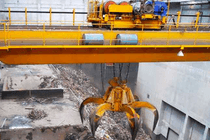
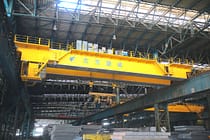
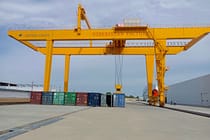
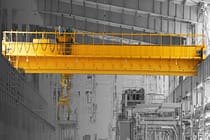
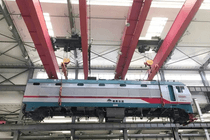
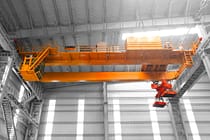
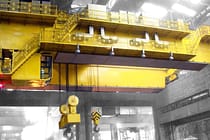
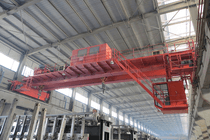
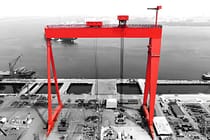
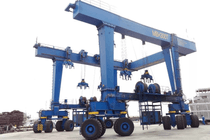
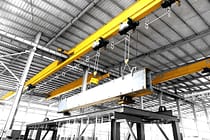
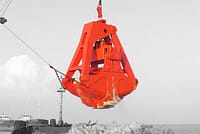
Støpte kranskiver for støperikraner
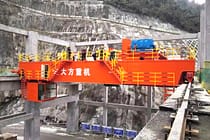
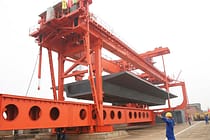
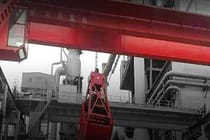
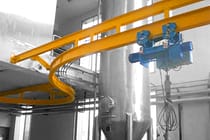
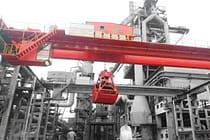
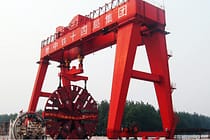
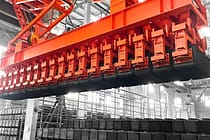
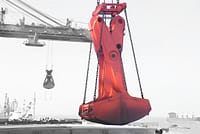
Støpte kranskiver for intelligent kokstankkran
Kranskiver i støpejern
Introduksjon til støpejernskranskiver
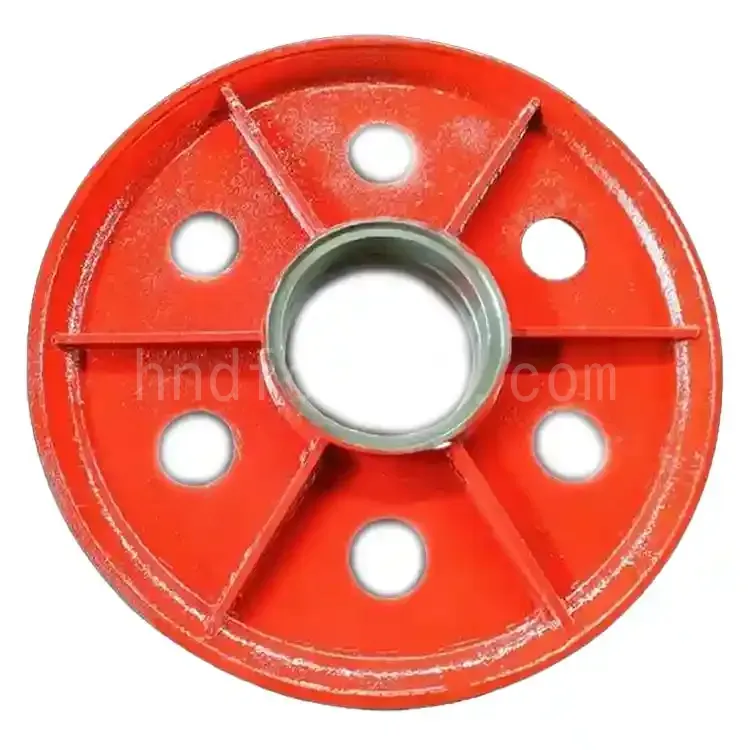
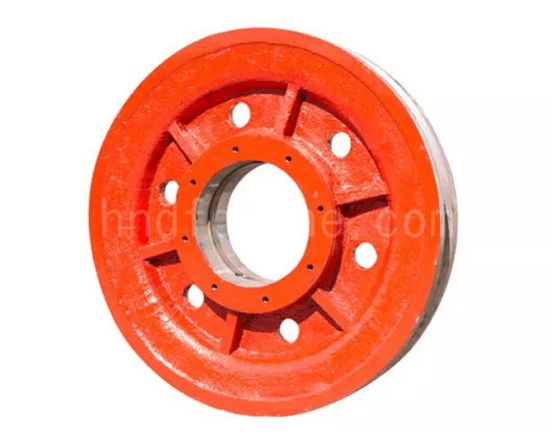
Cast iron crane sheaves uses gray cast iron (HT15-33) or ductile iron (QT-10). The pulley has good process performance and is easy to cut, especially the wear on the wire rope is small, but because of its low strength and brittleness, poor durability, it can easily cause rim fracture and crushing when used, and it is more economical and ideal for small tonnage or infrequent equipment use. Cast iron crane sheaves use sand-cast iron casting technology; cast iron is an ideal material for making crane pulleys because of its good fluidity during casting and relatively few casting defects.
Cast Iron Crane Sheaves Advantage
- Høy bæreevne og stabilitet: High-quality cast iron materials coupled with heat treatment technology ensure reliable carrying capacity.The recommended static safety factor is ≥3 (depending on the application conditions).
- Lang levetid: Grafitt i støpejern gir naturlig smøring, kombinert med bråkjøling, anløping og kuleblåsingsbehandling, som kan redusere friksjon og overflateslitasje.
- Kostnadseffektiv produksjon: The casting process can achieve integrated, complex geometries, and reduce unit costs in large-scale production.