-
শিল্প
-
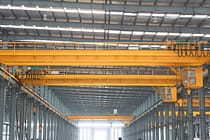
সাধারণ উত্পাদন
-
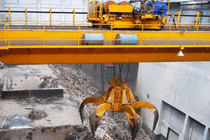
বর্জ্য হ্যান্ডলিং
-
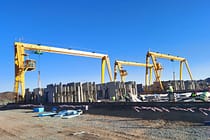
প্রিকাস্ট
-
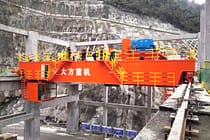
শক্তি
-
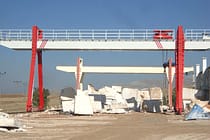
পাথর
-
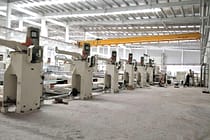
কাগজ তৈরি
-
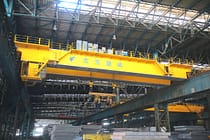
ধাতু উত্পাদন
-
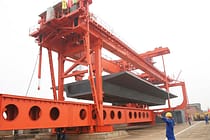
সেতু নির্মাণ
-
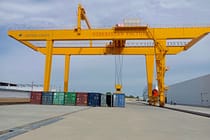
পোর্ট ক্রেন: কন্টেইনার এবং বাল্ক ম্যাটেরিয়াল হ্যান্ডলিংয়ের জন্য
-

পেট্রোলিয়াম ও গ্যাস শিল্পের জন্য ওভারহেড ক্রেন: কর্মক্ষম দক্ষতা বৃদ্ধি করুন
-

জাহাজে দক্ষ কার্গো লোডিংয়ের জন্য সামুদ্রিক ক্রেন
-

মোটরগাড়ি শিল্পের জন্য ওভারহেড ক্রেন: দক্ষ অটোমেশন সমাধান
-
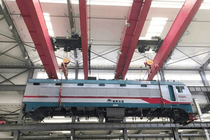
রেলওয়ের জন্য ওভারহেড ক্রেন সমাধান: ট্র্যাক লেইং, রোলিং স্টক রক্ষণাবেক্ষণ এবং কন্টেইনার হ্যান্ডলিং
-
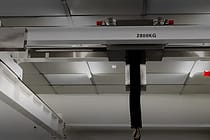
খাদ্য ও পানীয়ের জন্য ওভারহেড ক্রেন: দক্ষ পরিচালনার জন্য নির্ভরযোগ্য সমাধান
-
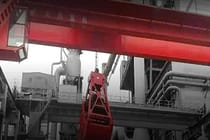
দক্ষ সিমেন্ট, কাচ, ইট এবং প্রিকাস্ট কংক্রিট উৎপাদনের জন্য ওভারহেড ক্রেন
-
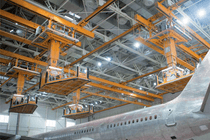
বিমান শিল্পের জন্য ওভারহেড ক্রেন: বিমান রক্ষণাবেক্ষণ এবং সমাবেশ
-
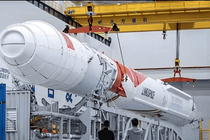
মহাকাশ ওভারহেড ক্রেন: রকেট উৎক্ষেপণ এবং পরিবহনের জন্য যথার্থ উত্তোলন
-
-
পণ্য
-
ওভারহেড ক্রেনস
-
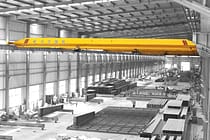
একক গার্ডার ওভারহেড ক্রেন
-
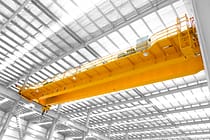
ডাবল গার্ডার ওভারহেড ক্রেন
-
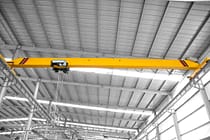
ইউরোপীয় ধরণের একক গার্ডার ওভারহেড ক্রেন
-
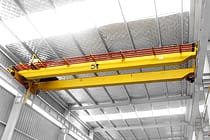
ইউরোপীয় ধরণের ডাবল গার্ডার ওভারহেড ক্রেন
-
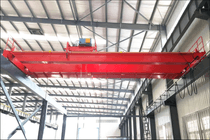
বিস্ফোরণ প্রমাণ ওভারহেড ক্রেন
-
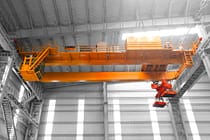
গ্র্যাব এবং ম্যাগনেটিক ওভারহেড ক্রেন
-
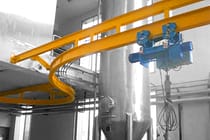
মনোরেল ক্রেন
-
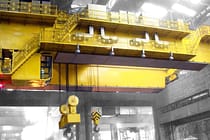
ফাউন্ড্রি ওভারহেড ক্রেন
-
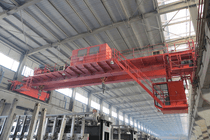
নিরোধক ওভারহেড ক্রেন
-
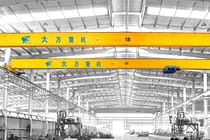
লো হেডরুম ওভারহেড ক্রেন
-
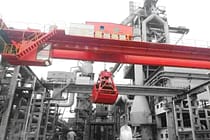
ওভারহেড ক্রেন ধরুন
-
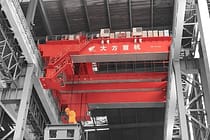
ল্যাডল ওভারহেড ক্রেন
-
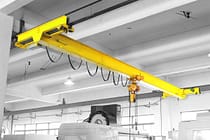
আন্ডারহ্যাং ওভারহেড ক্রেন
-
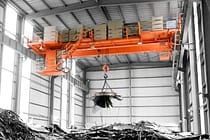
ইলেক্ট্রোম্যাগনেটিক ওভারহেড ক্রেন
-
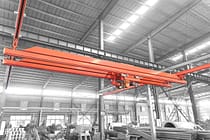
ওয়ার্কস্টেশন ক্রেন: হালকা ডিজাইন, সহজ স্থাপন এবং অনায়াস পরিচালনা
-
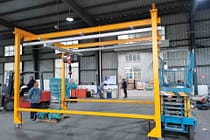
ফ্রি স্ট্যান্ডিং ওয়ার্কস্টেশন ব্রিজ ক্রেন
-
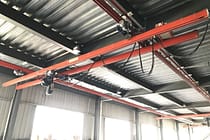
সিলিং মাউন্টেড ব্রিজ ক্রেন
-
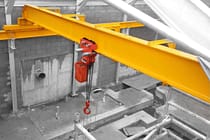
ম্যানুয়াল ওভারহেড ক্রেন
-
-
গ্যান্ট্রি ক্রেনস
-
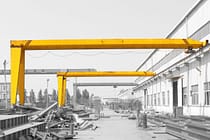
সেমি গ্যান্ট্রি ক্রেনস
-
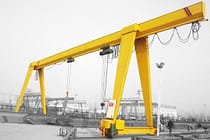
একক গার্ডার গ্যান্ট্রি ক্রেন
-
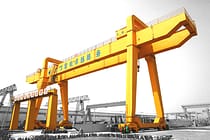
ডাবল গার্ডার গ্যান্ট্রি ক্রেন
-
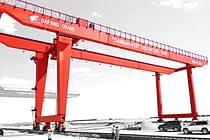
কনটেইনার গ্যান্ট্রি ক্রেন
-
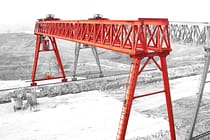
ট্রাস গ্যান্ট্রি ক্রেনস
-
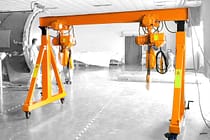
সামঞ্জস্যযোগ্য গ্যান্ট্রি ক্রেন
-
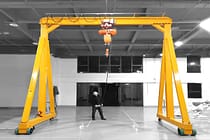
পোর্টেবল গ্যান্ট্রি ক্রেন
-
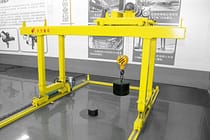
ইউরোপীয় গ্যান্ট্রি ক্রেনস
-
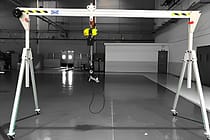
অ্যালুমিনিয়াম গ্যান্ট্রি ক্রেন
-
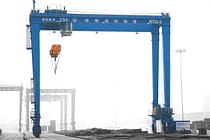
রাবার টায়ার্ড কনটেইনার গ্যান্ট্রি ক্রেন
-
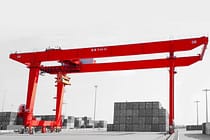
রেল মাউন্ট করা কনটেইনার গ্যান্ট্রি ক্রেন
-
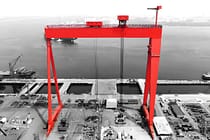
শিপইয়ার্ড গ্যান্ট্রি ক্রেন
-
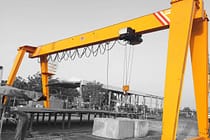
ইউরোপীয় একক গার্ডার গ্যান্ট্রি ক্রেন
-
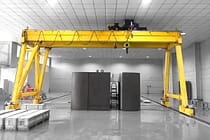
ইউরোপীয় ডাবল গার্ডার গ্যান্ট্রি ক্রেন
-
- জিব ক্রেনস
- বিশেষ ক্রেন
- বৈদ্যুতিক উত্তোলন
- ট্রান্সফার কার্ট
-
ওভারহেড ক্রেনস
-
ক্রেন যন্ত্রাংশ
-
বালতি ধরুন
-
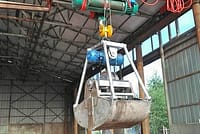
বৈদ্যুতিক স্টেইনলেস স্টীল দখল বালতি
-
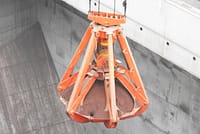
যান্ত্রিক চার দড়ি কমলার খোসা grabs
-
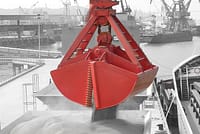
মেকানিক্যাল ফোর রোপ ক্ল্যামশেল বালতি ধরে
-
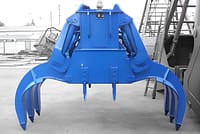
ইলেক্ট্রো হাইড্রোলিক আয়তক্ষেত্রাকার গ্রাবস
-
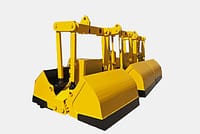
ইলেক্ট্রো হাইড্রোলিক ক্ল্যামশেল গ্র্যাবস
-
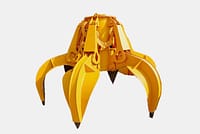
ইলেক্ট্রো হাইড্রোলিক অরেঞ্জ পিল গ্র্যাবস, হাইড্রোলিক ক্যাকটাস গ্র্যাব
-
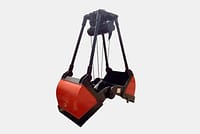
বৈদ্যুতিক মোটর দখল
-
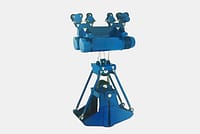
মনোরেল উত্তোলন সহ বৈদ্যুতিক মনোরেল গ্র্যাব বাকেট
-
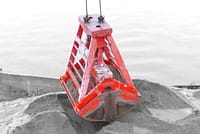
রিমোট কন্ট্রোল ক্ল্যামশেল গ্র্যাবস
-
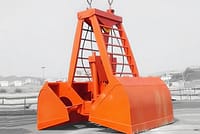
যান্ত্রিক দুই দড়ি Clamshell grabs
-
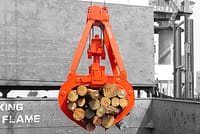
টিম্বার গ্রাবস
-
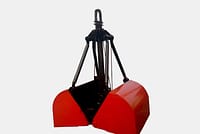
একক দড়ি ধরা বালতি
-
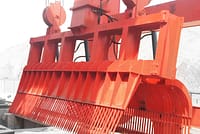
ট্র্যাশ র্যাক পরিষ্কারের মেশিন
-
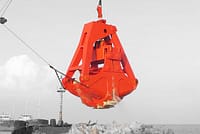
ড্রেজিং গ্রাবস
-
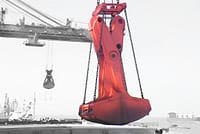
ট্রিমিং গ্র্যাবস
-
- ক্রেন স্প্রেডার
-
ক্রেন খুচরা যন্ত্রাংশ
-
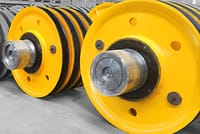
ক্রেন শিভস
-
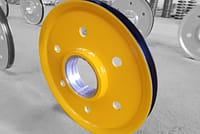
তারের দড়ি শেভস
-
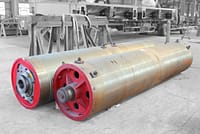
ক্রেন দড়ি ড্রাম
-
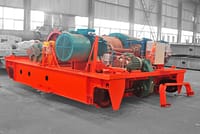
ক্রেন ট্রলি
-
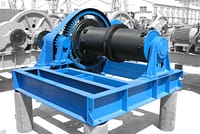
বৈদ্যুতিক উইঞ্চ
-
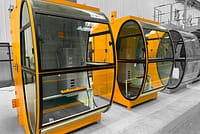
ক্রেন অপারেটর কেবিন
-
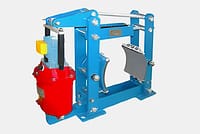
ওভারহেড ক্রেন ব্রেক
-
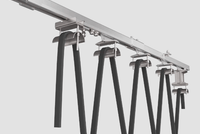
ওভারহেড ক্রেন তারের
-
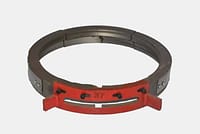
ওভারহেড ক্রেন দড়ি গাইড
-
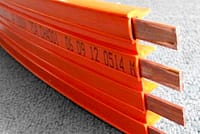
ওভারহেড ক্রেন কন্ডাক্টর এবং পাওয়ার সাপ্লাই লাইন
-
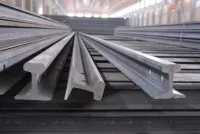
ওভারহেড ক্রেন রেল
-
ওভারহেড ক্রেন রেল ক্লিপ
-
ওভারহেড ক্রেন মোটর
-
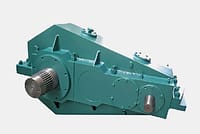
ওভারহেড ক্রেন রিডুসার
-
ওভারহেড ক্রেনের জন্য কাপলিং
-
- ক্রেন হুইলস
-
বালতি ধরুন
- প্রতিষ্ঠান
- যোগাযোগ




-
শিল্প
-
সাধারণ উত্পাদন
-
বর্জ্য হ্যান্ডলিং
-
প্রিকাস্ট
-
শক্তি
-
পাথর
-
কাগজ তৈরি
-
ধাতু উত্পাদন
-
সেতু নির্মাণ
-
পোর্ট ক্রেন: কন্টেইনার এবং বাল্ক ম্যাটেরিয়াল হ্যান্ডলিংয়ের জন্য
-
পেট্রোলিয়াম ও গ্যাস শিল্পের জন্য ওভারহেড ক্রেন: কর্মক্ষম দক্ষতা বৃদ্ধি করুন
-
জাহাজে দক্ষ কার্গো লোডিংয়ের জন্য সামুদ্রিক ক্রেন
-
মোটরগাড়ি শিল্পের জন্য ওভারহেড ক্রেন: দক্ষ অটোমেশন সমাধান
-
রেলওয়ের জন্য ওভারহেড ক্রেন সমাধান: ট্র্যাক লেইং, রোলিং স্টক রক্ষণাবেক্ষণ এবং কন্টেইনার হ্যান্ডলিং
-
খাদ্য ও পানীয়ের জন্য ওভারহেড ক্রেন: দক্ষ পরিচালনার জন্য নির্ভরযোগ্য সমাধান
-
দক্ষ সিমেন্ট, কাচ, ইট এবং প্রিকাস্ট কংক্রিট উৎপাদনের জন্য ওভারহেড ক্রেন
-
বিমান শিল্পের জন্য ওভারহেড ক্রেন: বিমান রক্ষণাবেক্ষণ এবং সমাবেশ
-
মহাকাশ ওভারহেড ক্রেন: রকেট উৎক্ষেপণ এবং পরিবহনের জন্য যথার্থ উত্তোলন
-
-
পণ্য
-
ওভারহেড ক্রেনস
-
একক গার্ডার ওভারহেড ক্রেন
-
ডাবল গার্ডার ওভারহেড ক্রেন
-
ইউরোপীয় ধরণের একক গার্ডার ওভারহেড ক্রেন
-
ইউরোপীয় ধরণের ডাবল গার্ডার ওভারহেড ক্রেন
-
বিস্ফোরণ প্রমাণ ওভারহেড ক্রেন
-
গ্র্যাব এবং ম্যাগনেটিক ওভারহেড ক্রেন
-
মনোরেল ক্রেন
-
ফাউন্ড্রি ওভারহেড ক্রেন
-
নিরোধক ওভারহেড ক্রেন
-
লো হেডরুম ওভারহেড ক্রেন
-
ওভারহেড ক্রেন ধরুন
-
ল্যাডল ওভারহেড ক্রেন
-
আন্ডারহ্যাং ওভারহেড ক্রেন
-
ইলেক্ট্রোম্যাগনেটিক ওভারহেড ক্রেন
-
ওয়ার্কস্টেশন ক্রেন: হালকা ডিজাইন, সহজ স্থাপন এবং অনায়াস পরিচালনা
-
ফ্রি স্ট্যান্ডিং ওয়ার্কস্টেশন ব্রিজ ক্রেন
-
সিলিং মাউন্টেড ব্রিজ ক্রেন
-
ম্যানুয়াল ওভারহেড ক্রেন
-
-
গ্যান্ট্রি ক্রেনস
-
সেমি গ্যান্ট্রি ক্রেনস
-
একক গার্ডার গ্যান্ট্রি ক্রেন
-
ডাবল গার্ডার গ্যান্ট্রি ক্রেন
-
কনটেইনার গ্যান্ট্রি ক্রেন
-
ট্রাস গ্যান্ট্রি ক্রেনস
-
সামঞ্জস্যযোগ্য গ্যান্ট্রি ক্রেন
-
পোর্টেবল গ্যান্ট্রি ক্রেন
-
ইউরোপীয় গ্যান্ট্রি ক্রেনস
-
অ্যালুমিনিয়াম গ্যান্ট্রি ক্রেন
-
রাবার টায়ার্ড কনটেইনার গ্যান্ট্রি ক্রেন
-
রেল মাউন্ট করা কনটেইনার গ্যান্ট্রি ক্রেন
-
শিপইয়ার্ড গ্যান্ট্রি ক্রেন
-
ইউরোপীয় একক গার্ডার গ্যান্ট্রি ক্রেন
-
ইউরোপীয় ডাবল গার্ডার গ্যান্ট্রি ক্রেন
-
- জিব ক্রেনস
- বিশেষ ক্রেন
- বৈদ্যুতিক উত্তোলন
- ট্রান্সফার কার্ট
-
ওভারহেড ক্রেনস
-
ক্রেন যন্ত্রাংশ
-
বালতি ধরুন
-
বৈদ্যুতিক স্টেইনলেস স্টীল দখল বালতি
-
যান্ত্রিক চার দড়ি কমলার খোসা grabs
-
মেকানিক্যাল ফোর রোপ ক্ল্যামশেল বালতি ধরে
-
ইলেক্ট্রো হাইড্রোলিক আয়তক্ষেত্রাকার গ্রাবস
-
ইলেক্ট্রো হাইড্রোলিক ক্ল্যামশেল গ্র্যাবস
-
ইলেক্ট্রো হাইড্রোলিক অরেঞ্জ পিল গ্র্যাবস, হাইড্রোলিক ক্যাকটাস গ্র্যাব
-
বৈদ্যুতিক মোটর দখল
-
মনোরেল উত্তোলন সহ বৈদ্যুতিক মনোরেল গ্র্যাব বাকেট
-
রিমোট কন্ট্রোল ক্ল্যামশেল গ্র্যাবস
-
যান্ত্রিক দুই দড়ি Clamshell grabs
-
টিম্বার গ্রাবস
-
একক দড়ি ধরা বালতি
-
ট্র্যাশ র্যাক পরিষ্কারের মেশিন
-
ড্রেজিং গ্রাবস
-
ট্রিমিং গ্র্যাবস
-
- ক্রেন স্প্রেডার
-
ক্রেন খুচরা যন্ত্রাংশ
-
ক্রেন শিভস
-
তারের দড়ি শেভস
-
ক্রেন দড়ি ড্রাম
-
ক্রেন ট্রলি
-
বৈদ্যুতিক উইঞ্চ
-
ক্রেন অপারেটর কেবিন
-
ওভারহেড ক্রেন ব্রেক
-
ওভারহেড ক্রেন তারের
-
ওভারহেড ক্রেন দড়ি গাইড
-
ওভারহেড ক্রেন কন্ডাক্টর এবং পাওয়ার সাপ্লাই লাইন
-
ওভারহেড ক্রেন রেল
-
ওভারহেড ক্রেন রেল ক্লিপ
-
ওভারহেড ক্রেন মোটর
-
ওভারহেড ক্রেন রিডুসার
-
ওভারহেড ক্রেনের জন্য কাপলিং
-
- ক্রেন হুইলস
-
বালতি ধরুন
- প্রতিষ্ঠান
- যোগাযোগ



4 Types of Crane Gearbox: Key Differences and Selection Guide
সূচিপত্র
This gearbox comparison examines four common types used in industrial power transmission: inline helical, parallel-shaft helical, helical-bevel, and helical-worm gearboxes. All four combine hardened gear technology with modular design, offering a range of sizes, reduction ratios, and combined configurations to meet different application requirements. Their transmission structures, however, create differences in shaft arrangement, efficiency, load-carrying capacity, and installation requirements. Understanding these differences is the starting point for selecting the right gearbox for your operating conditions.
R Series: Inline Helical Gearbox
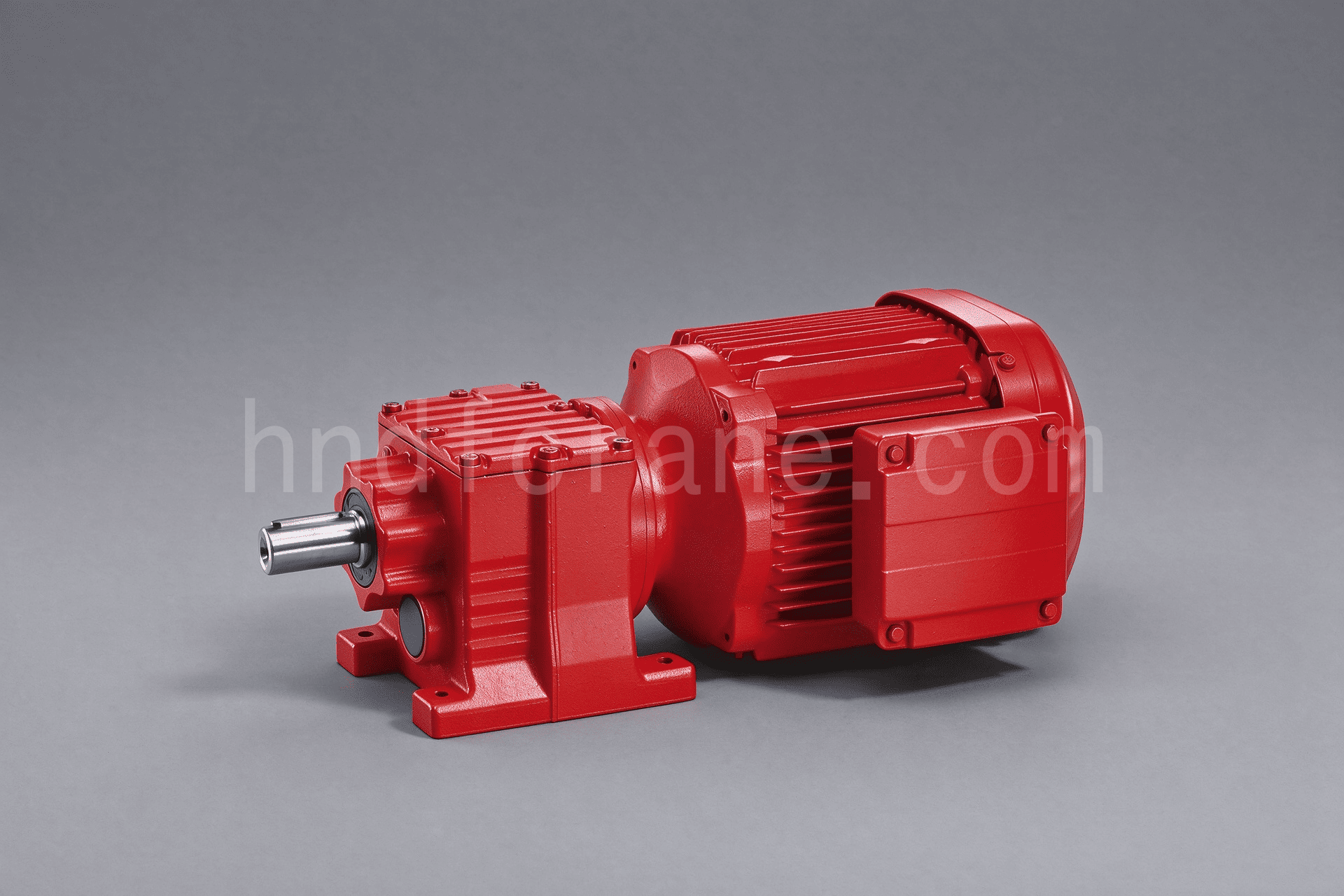
The R series is often called a coaxial helical gearbox, although “coaxial” is mainly an industry shorthand. Its actual structure uses a slightly offset output arrangement: the gears are not perfectly collinear inside the housing, and the small offset improves the use of housing space. The input and output shafts generally point in the same direction, giving the unit a compact axial layout.
The basic ratio range is approximately 3.33–289.74. An R/R combination can reach a ratio of about 27001, and the common torque range is approximately 85–18,000 N·m. Average efficiency is about 96% for two-stage transmission, 94% for three-stage transmission, and 85% for an R/R combination.
The R series is suitable for low to medium torque applications that require relatively high efficiency and limited axial space, such as conveyor lines, mixers, packaging machinery, and fan or pump drives in environmental equipment. The RM variant can provide increased axial and radial load capacity. However, the R series does not change the output direction, does not provide self-locking, and has a lower torque limit than the K series.
F Series: Parallel-Shaft Helical Gearbox
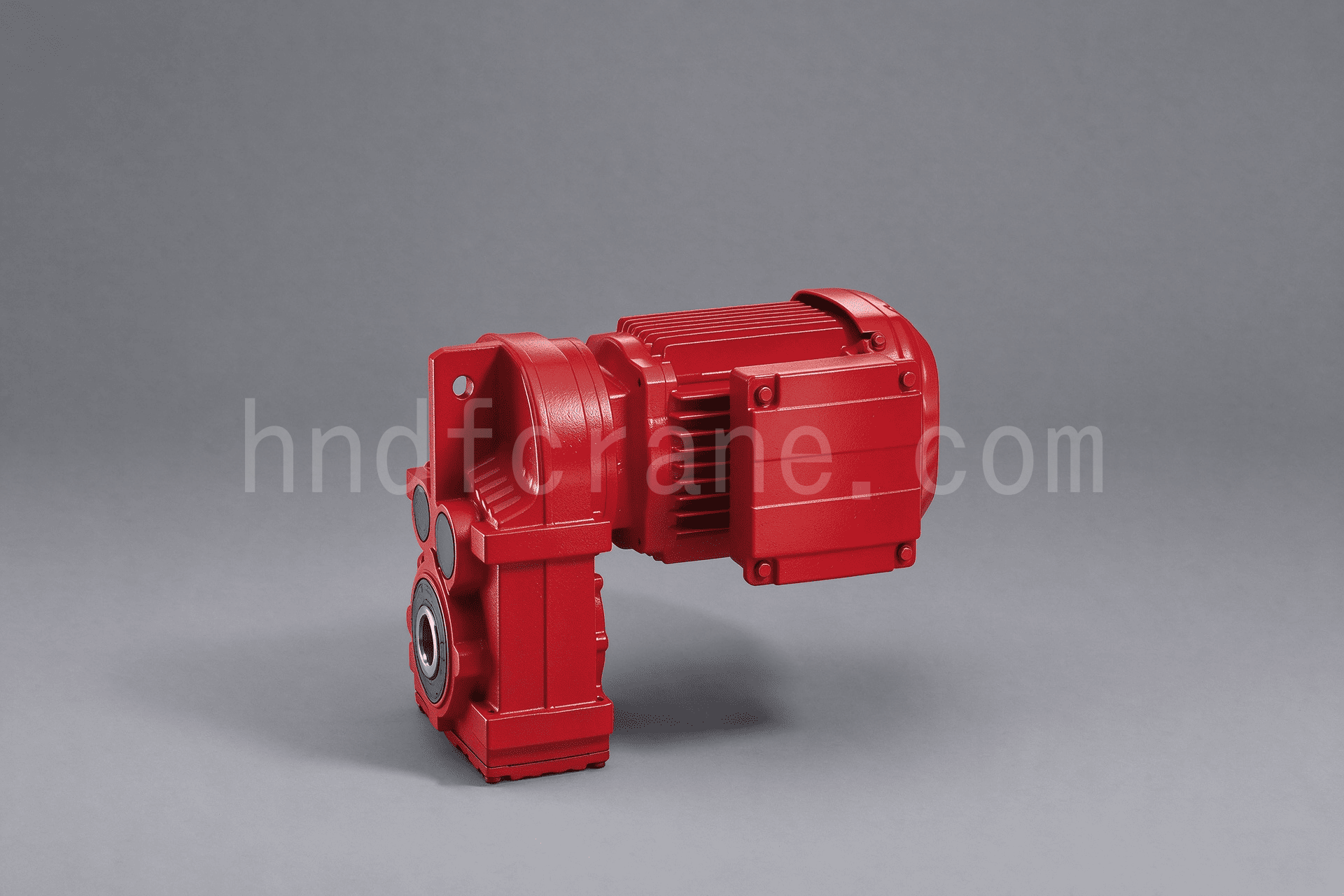
The F series and R series both use helical gearing. Average efficiency is about 96% for two-stage transmission and 94% for three-stage transmission. The torque range is approximately 200–18,000 N·m, the basic ratio range is approximately 3.81–281.71, and an F/R combination can reach 31434.
The key difference is the shaft geometry. The input and output shafts are parallel but have a clear offset. Compared with the R series, this arrangement provides a larger center distance and a lower, flatter housing profile. When installation height is limited, or when the motor and load must be spaced laterally, a parallel-shaft layout can fit the machine frame more naturally. For applications involving significant radial loads from pulleys or drums, the F series can also provide a more suitable output-shaft bearing arrangement.
The essential value of the F series is that it uses parallel-shaft geometry to provide installation flexibility and radial load capacity while retaining the efficiency advantages of helical gearing.
K Series: Helical-Bevel Gearbox
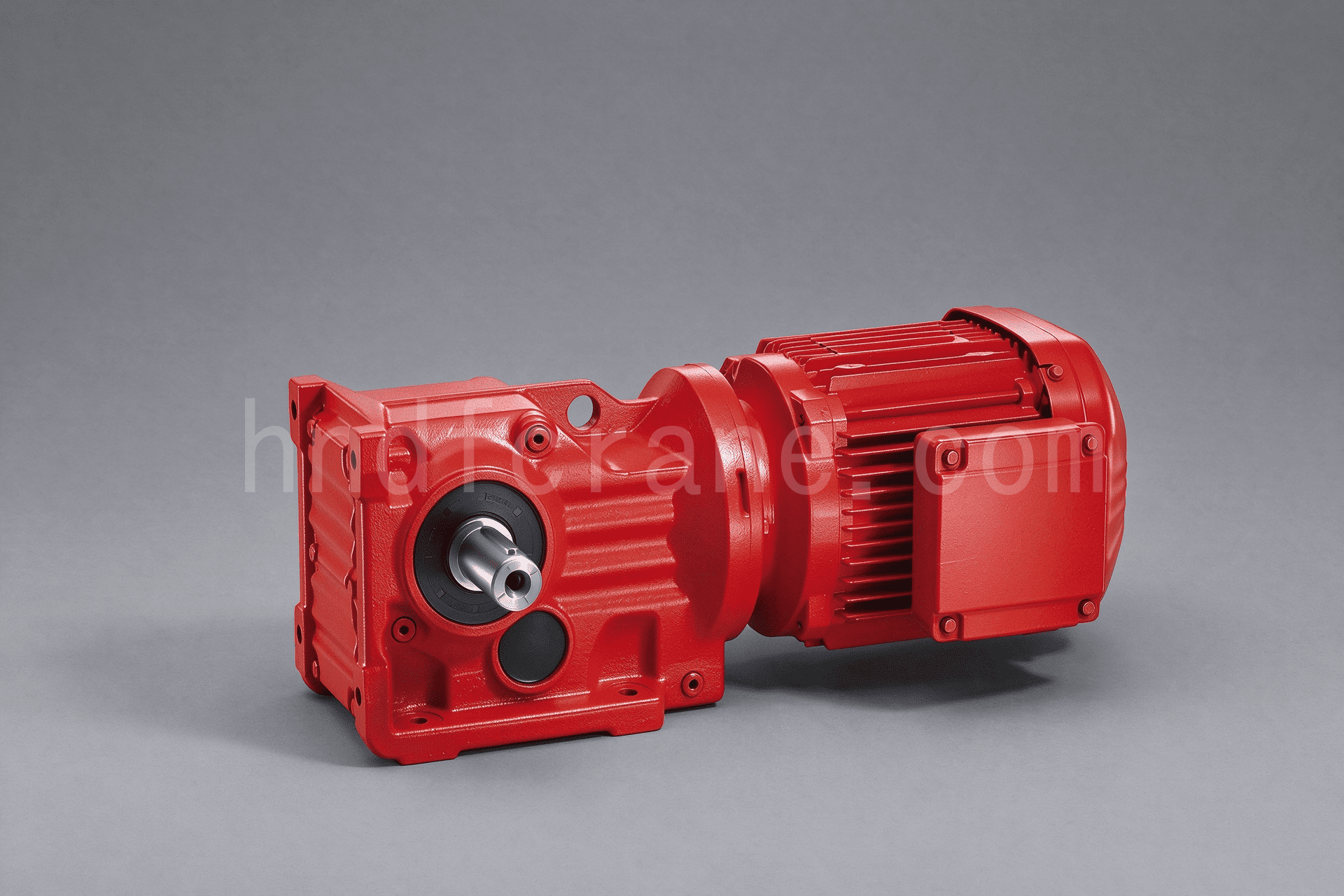
The K series first uses helical gears for pre-reduction and then uses spiral bevel gears to turn the direction of rotation by 90°. Compared with straight bevel gears, the spiral tooth profile meshes more smoothly and is suitable for right-angle transmission and higher-torque applications.
Public technical sources do not always state the efficiency of the K series in exactly the same way. A common description is efficiency above 95%, while some sources give an average efficiency of about 94%. Therefore, an unsupported fixed value such as 97% should not be treated as universal. A more cautious description is that K series efficiency is generally high among right-angle reduction solutions, while the actual value depends on the number of stages, ratio, and operating conditions.
The maximum output torque of the K series can reach approximately 50,000 N·m. The basic ratio range is approximately 5.36–197.37, and a K/R combination can reach 32625. Applications that require both a right-angle layout and resistance to high torque or shock loads—such as mining crushers, port cranes, metallurgical rolling mills, and slewing mechanisms on large construction machinery—are generally better suited to the K series.
S Series: Helical-Worm Gearbox
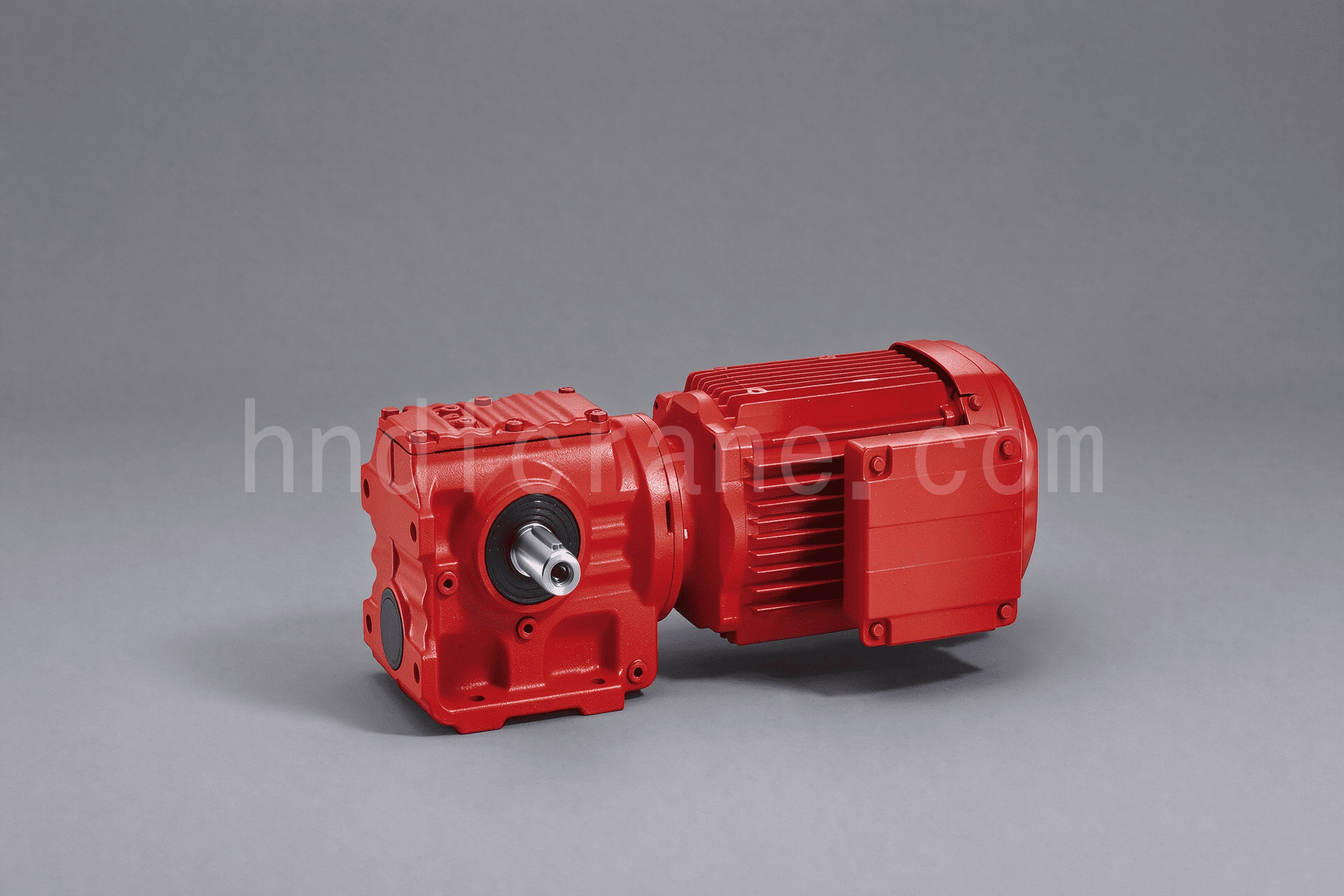
The S series uses helical pre-reduction followed by worm gearing and also provides a right-angle output. Because the worm gear pair works mainly through sliding friction, the S series can provide static self-locking or resistance to reverse movement under certain conditions.
However, “self-locking” must always be understood within its conditions. Technical documentation indicates that static self-locking of a helical-worm gearbox is related to forward efficiency. If the braking effect of self-locking is to be used, the manufacturer should be consulted. More importantly, self-locking must not be used as the sole safety function of a hoist or lifting device, and it cannot replace a brake or another independent safety device.
The efficiency of the S series is generally lower than that of the R, F, and K series. The reference ranges stated in the source are approximately 77% average efficiency at ratios of 7.5–69.39, about 62% at ratios of 70.43–288, and about 57% for an S/R combination. The torque limit is approximately 4,200 N·m, the power limit is approximately 22 kW, and the basic ratio range is approximately 9.96–288.
The S series is therefore more suitable for right-angle applications involving low to medium power, high reduction ratios, conditional resistance to reverse movement, or frequent starting and stopping. For hoisting, suspended loads, or personnel-safety-related applications, the worm gear’s self-locking effect must not be relied on by itself.
Selection Logic: Check the Structure Before the Parameters
- If the output shaft must point in the same direction as the input shaft and axial space is limited, consider the R series first.
- If the shafts must be parallel but the layout requires an offset, a low-profile housing, or stronger radial load capacity, consider the F series.
- If a right-angle output is required and the load involves high torque or shock loading, consider the K series.
- If a right-angle output is required and the main requirements are a high ratio or conditional static resistance to reverse movement, consider the S series. For lifting safety, a brake or another independent safety device must be confirmed separately.
There is no single “best” series. The R series trades a small offset for axial compactness; the F series trades parallel offset for installation flexibility and radial capacity; the K series uses spiral bevel gearing for heavy-duty right-angle transmission; and the S series trades efficiency for a high ratio and conditional resistance to reverse movement. The right choice should begin with output direction, installation space, torque, ratio, radial load, and safety constraints.

আমি সিন্ডি, ক্রেন শিল্পে 10 বছরের কাজের অভিজ্ঞতা এবং প্রচুর পেশাদার জ্ঞান সঞ্চয় করেছি। আমি 500+ গ্রাহকদের জন্য সন্তোষজনক ক্রেন বেছে নিয়েছি। ক্রেন সম্পর্কে আপনার কোন প্রয়োজন বা প্রশ্ন থাকলে, অনুগ্রহ করে নির্দ্বিধায় আমার সাথে যোগাযোগ করুন, আমি আপনাকে সমস্যা সমাধানে সহায়তা করার জন্য আমার দক্ষতা এবং বাস্তব অভিজ্ঞতা ব্যবহার করব!
আপনার তদন্ত পাঠান
- ইমেইল: sales@hndfcrane.com
- হোয়াটসঅ্যাপ: +86 191 3738 6654
- টেলিগ্রাম: +86 191 3738 6654
- টেলিফোন: +86-373-581 8299
- ফ্যাক্স: +86-373-215 7000
- যোগ করুন: চাংনাও শিল্প জেলা, জিনজিয়াং সিটি, হেনান প্রদেশ, চীন
 উইচ্যাট
- ওভারহেড ক্রেনস
- ডাবল গার্ডার ওভারহেড ক্রেন
- একক গার্ডার ওভারহেড ক্রেন
- ইউরোপীয় ধরণের একক গার্ডার ওভারহেড ক্রেন
- বিস্ফোরণ প্রমাণ ওভারহেড ক্রেন
- গ্র্যাব এবং ম্যাগনেটিক ওভারহেড ক্রেন
- মনোরেল ক্রেন
- ফাউন্ড্রি ওভারহেড ক্রেন
- ওয়ার্কস্টেশন ক্রেন: হালকা ডিজাইন, সহজ স্থাপন এবং অনায়াস পরিচালনা
- জিব ক্রেনস
- ওয়াল মাউন্ট করা জিব ক্রেন
- ওয়াল ট্রাভেলিং জিব ক্রেন
- ফ্রি স্ট্যান্ডিং জিব ক্রেন
- অ্যালুমিনিয়াম জিব ক্রেন: সহজে উত্তোলনের জন্য হালকা, মসৃণ ঘূর্ণায়মান বাহু
- ব্যালেন্স জিব ক্রেন: স্বল্প দূরত্বের যান্ত্রিক সমাবেশের জন্য দক্ষ আলো উত্তোলন
- ম্যানুয়াল ফ্রি স্ট্যান্ডিং জিব ক্রেন: সীমিত স্থান পরিচালনার জন্য দক্ষ ম্যানুয়াল উত্তোলন সমাধান
- বৈদ্যুতিক ফ্রি স্ট্যান্ডিং জিব ক্রেন: উচ্চ ক্ষমতা সম্পন্ন দ্রুত উত্তোলনের জন্য সম্পূর্ণ বৈদ্যুতিক সমাধান
- জিব ক্রেনগুলিকে আর্টিকুলেটিং করা: দ্বৈত বাহু নমনীয়তার সাথে নির্ভুল উত্তোলন
- গ্যান্ট্রি ক্রেনস
- ডাবল গার্ডার গ্যান্ট্রি ক্রেন
- সেমি গ্যান্ট্রি ক্রেনস
- একক গার্ডার গ্যান্ট্রি ক্রেন
- ট্রাস গ্যান্ট্রি ক্রেনস
- কনটেইনার গ্যান্ট্রি ক্রেন
- সামঞ্জস্যযোগ্য গ্যান্ট্রি ক্রেন
- পোর্টেবল গ্যান্ট্রি ক্রেন
- ইউরোপীয় গ্যান্ট্রি ক্রেনস
- শিল্প
- সাধারণ উত্পাদন
- বর্জ্য হ্যান্ডলিং
- প্রিকাস্ট
- শক্তি
- পাথর
- কাগজ তৈরি
- ধাতু উত্পাদন
- সেতু নির্মাণ
- পোর্ট ক্রেন: কন্টেইনার এবং বাল্ক ম্যাটেরিয়াল হ্যান্ডলিংয়ের জন্য
- পেট্রোলিয়াম ও গ্যাস শিল্পের জন্য ওভারহেড ক্রেন: কর্মক্ষম দক্ষতা বৃদ্ধি করুন
- জাহাজে দক্ষ কার্গো লোডিংয়ের জন্য সামুদ্রিক ক্রেন
- মোটরগাড়ি শিল্পের জন্য ওভারহেড ক্রেন: দক্ষ অটোমেশন সমাধান
- বৈদ্যুতিক উত্তোলন
- বৈদ্যুতিক তারের দড়ি Hoists
- বৈদ্যুতিক চেইন Hoists
- ইউরোপীয় টাইপ বৈদ্যুতিক Hoists
- ইউরোপীয় বৈদ্যুতিক চেইন হোস্ট: মসৃণ অপারেশন, কম শব্দ, এবং শক্তি দক্ষতা
- ম্যানুয়াল লিভার উত্তোলন: টানা এবং উত্তোলনের কাজের জন্য আদর্শ
- হ্যান্ড চেইন উত্তোলন: বিদ্যুৎবিহীন এলাকার জন্য ম্যানুয়াল উত্তোলন
- কম হেডরুম বৈদ্যুতিক উত্তোলন: সর্বাধিক স্থান দক্ষতার জন্য কম্প্যাক্ট নকশা
- বায়ুসংক্রান্ত চেইন উত্তোলন: শিল্প ব্যবহারের জন্য মসৃণ হ্যান্ডলিং
- বিস্ফোরণ-প্রমাণ ম্যানুয়াল চেইন হোস্ট: বিপজ্জনক এলাকার জন্য স্পার্ক প্রতিরোধী তামার খাদ নির্মাণ
- বিপজ্জনক এলাকায় উত্তোলনের জন্য বিস্ফোরণরোধী বৈদ্যুতিক চেইন হোইস্ট
- সম্পর্কিত
- মামলা
- খবর
- প্রশ্নাবলী
- ডাউনলোড করুন
- ব্লগ
- অনলাইন ক্রেন হুইল লোড গণনার সরঞ্জাম
- ভিআর প্যানোরামা
- যোগাযোগ করুন
- ইমেইল: sales@hndfcrane.com
- হোয়াটসঅ্যাপ: +86 191 3738 6654
- টেলিগ্রাম: +86 191 3738 6654
- টেলিফোন: +86-373-581 8299
-