
-
Βιομηχανίες
-
Γενική Βιομηχανία
-
Χειρισμός Απορριμμάτων
-
Προκατασκευασμένο
-
Εξουσία
-
Πέτρα
-
Χαρτοποιία
-
Παραγωγή Μετάλλων
-
Κατασκευή Γέφυρας
-
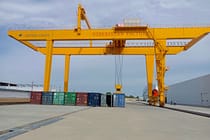
Γερανοί λιμένων: Για χειρισμό εμπορευματοκιβωτίων και χύδην υλικών
-
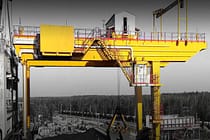
Γερανογέφυρες για τη βιομηχανία πετρελαίου και φυσικού αερίου: Βελτίωση της λειτουργικής αποδοτικότητας
-
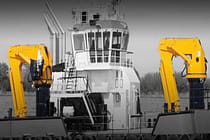
Θαλάσσιοι Γερανοί για Αποδοτική Φόρτωση Φορτίου σε Πλοία
-
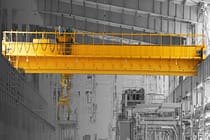
Γερανογέφυρες για την αυτοκινητοβιομηχανία: Αποδοτικές λύσεις αυτοματισμού
-
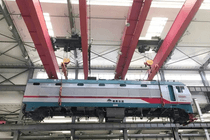
Λύσεις Γερανογεφυρών για Σιδηροδρόμους: Τοποθέτηση Γραμμών, Συντήρηση Τροχαίου Υλικού και Χειρισμός Εμπορευματοκιβωτίων
-
Γερανογέφυρες για τρόφιμα και ποτά: Αξιόπιστες λύσεις για αποτελεσματικό χειρισμό
-
Γερανογέφυρες για Αποδοτική Παραγωγή Τσιμέντου, Γυαλιού, Τούβλων και Προκατασκευασμένου Σκυροδέματος
-
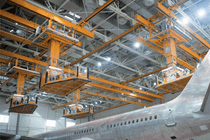
Γερανοί Υπέργειας για την Αεροπορική Βιομηχανία: Συντήρηση και Συναρμολόγηση Αεροσκαφών
-
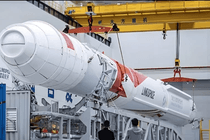
Αεροδιαστημικοί Γερανοί: Ακριβής Ανύψωση για Εκτόξευση και Μεταφορά Πυραύλων
-
-
Προϊόντα
-
Εναέριοι γερανοί
-
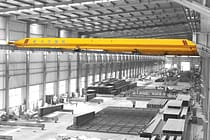
Εναέριοι γερανοί μονής δοκού
-
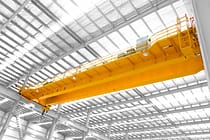
Γερανοί διπλής δοκού
-
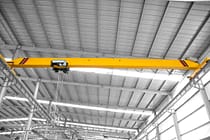
Γερανοί μονής δοκού ευρωπαϊκού τύπου
-
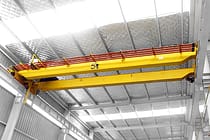
Γερανοί με διπλή δοκό ευρωπαϊκού τύπου
-
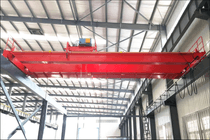
Εναέριοι γερανοί με αντιεκρηκτική προστασία
-
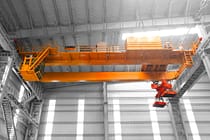
Γερανοί αρπαγής και μαγνητικός
-
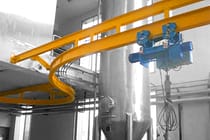
Μονοτροχοί Γερανοί
-
Εναέριοι Γερανοί Χυτηρίου
-
Μονωτικοί γερανοί
-
Γερανοί χαμηλού ύψους
-
Πιάσε τους γερανούς
-
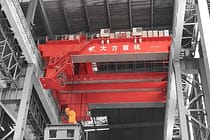
Γερανοί με κουτάλα
-
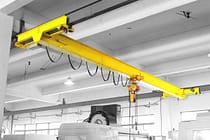
Υπερυψωμένοι γερανοί
-
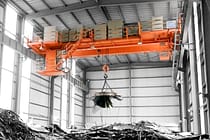
Ηλεκτρομαγνητικοί γερανοί
-
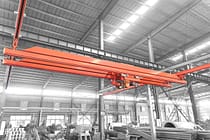
Γερανοί σταθμών εργασίας
-
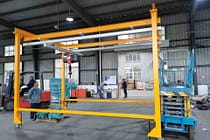
Γερανοί Γέφυρας Ελεύθερου Σταθμού Εργασίας
-
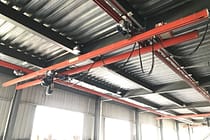
Γερανός γέφυρας τοποθετημένος στην οροφή
-
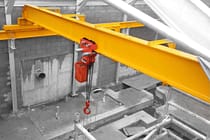
Χειροκίνητες Γερανοί
-
-
Γερανός ατσάλινων σκελετών
-
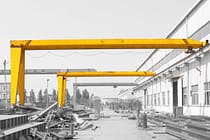
Ημιπυλωτοί Γερανοί
-
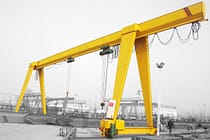
Μονοδοκοί Πυλωτοί Γερανοί
-
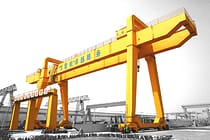
Διδοκοί Πυλωτοί Γερανοί
-
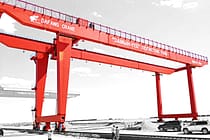
Πυλωτοί Γερανοί Εμπορευματοκιβωτίων
-
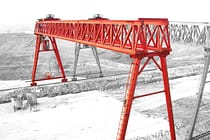
Δικτυωτοί Πυλωτοί Γερανοί
-
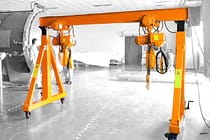
Ρυθμιζόμενοι Πυλωτοί Γερανοί
-
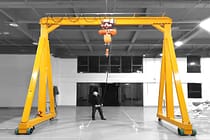
Φορητοί Πυλωτοί Γερανοί
-
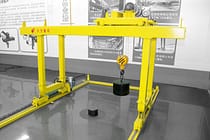
Ευρωπαϊκοί γερανοί γερανογέφυρων
-
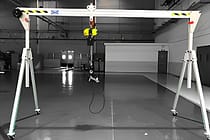
Πυλωτοί Γερανοί Αλουμινίου
-
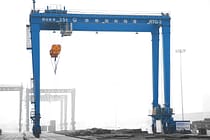
Πυλωτοί Γερανοί Εμπορευματοκιβωτίων με Ελαστικά
-
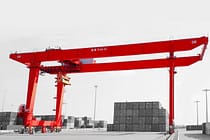
Γερανοί γερανογέφυρων εμπορευματοκιβωτίων που τοποθετούνται σε ράγα
-
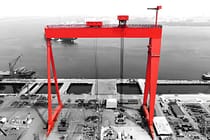
Πυλωτός Γερανός Ναυπηγείου
-
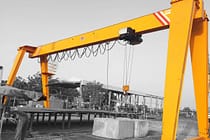
Ευρωπαϊκές γερανογέφυρες μονής δοκού
-
Ευρωπαϊκές γερανογέφυρες διπλής δοκού
-
-
Γερανοί Jib
-
Ελεύθεροι όρθιοι γερανοί φλόκων
-
Τοίχοι Ταξιδιωτικοί Γερανοί Jib
-
Επιτοίχιοι γερανοί φλόκων
-
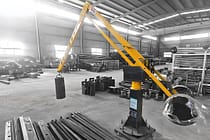
Γερανοί ισορροπίας με φλόκο
-
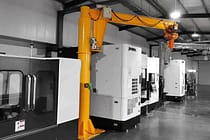
Ηλεκτρικοί γερανοί με κρεμάστρα
-
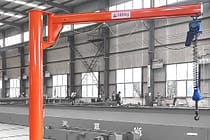
Χειροκίνητοι γερανοί ελεύθερης τοποθέτησης
-
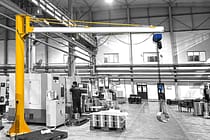
Γερανοί αλουμινίου με φλόκο
-
Γερανοί αρθρώσεων
-
Έξυπνοι γερανοί Jib
-
Γερανοί FEM Standard Jib
-
Φορητοί γερανοί Jib
-
- Ειδικοί Γερανοί
- Ηλεκτρικά Ανυψωτικά
- Καρότσια μεταφοράς
-
Εναέριοι γερανοί
-
Ανταλλακτικά γερανού
-
Πιάστε Κουβάδες
-
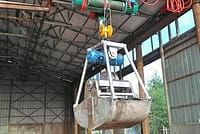
Ηλεκτρικός κάδος από ανοξείδωτο ατσάλι
-
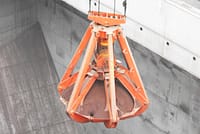
Μηχανικές αρπαγές φλούδας πορτοκαλιού με τέσσερα σχοινιά
-
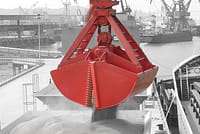
Μηχανικός κάδος αρπαγής με τετρά σχοινιά
-
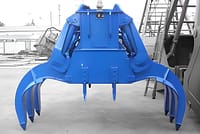
Ηλεκτροϋδραυλικές ορθογώνιες λαβές
-
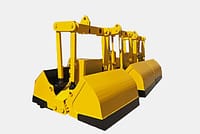
Ηλεκτροϋδραυλικές λαβές Clamshell
-
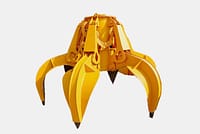
Ηλεκτροϋδραυλικές αρπαγές φλούδας πορτοκαλιού, Υδραυλικές αρπαγές για κάκτους
-
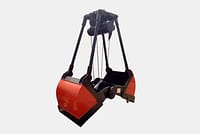
Ηλεκτρική λαβή κινητήρα
-
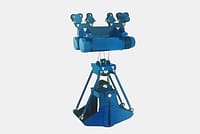
Ηλεκτρικός κάδος αρπάγης μονότροχου με ανυψωτικό μονότροχου
-
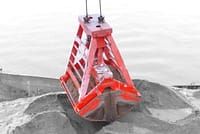
Τηλεχειριστήριο λαβές Clamshell
-
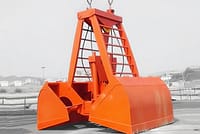
Μηχανικές αρπαγές με δύο σχοινιά
-
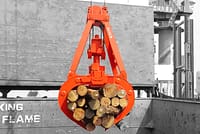
Αρπαγές ξυλείας
-
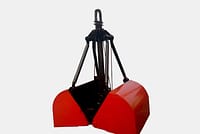
Κάδος αρπαγής με σχοινί
-
Μηχανήματα Καθαρισμού Σχάρων Απορριμμάτων
-
Βυθοκόρηση Αρπαγές
-
Αρπαγές κοπής
-
- Εξοπλισμός ανύψωσης γερανών
-
Ανταλλακτικά γερανών
-
Τροχαλίες γερανών
-
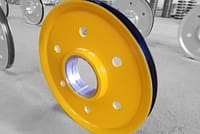
Συρματόσχοινα στάχυα
-
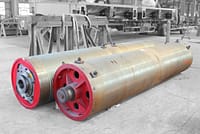
Τύμπανο σχοινιού γερανού
-
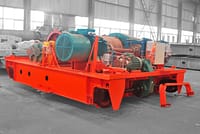
Τρόλεϊ γερανού
-
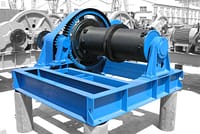
Ηλεκτρικό Βαρούλκο
-
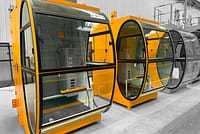
Καμπίνα χειριστή γερανού
-
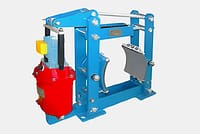
Φρένα γερανού οροφής
-
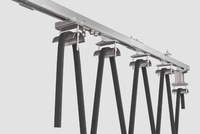
Καλώδια εναέριων γερανών
-
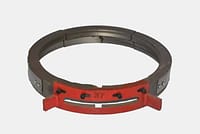
Οδηγοί σχοινιού γερανού
-
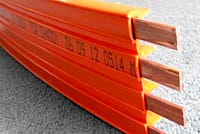
Αγωγοί εναέριων γερανών και γραμμές παροχής ρεύματος
-
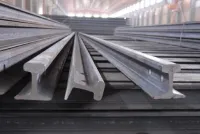
Ράγες γερανού
-
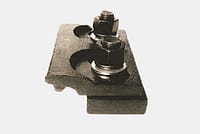
Κλιπ ραγών γερανού
-
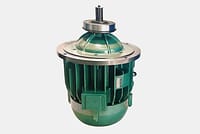
Κινητήρες Γερανών
-
Μειωτήρες Γερανών
-
Σύνδεσμοι για εναέριο γερανό
-
- Τροχοί γερανού
-
Πιάστε Κουβάδες
- Εταιρία
- Επικοινωνία
-
Βιομηχανίες
-
Γενική Βιομηχανία
-
Χειρισμός Απορριμμάτων
-
Προκατασκευασμένο
-
Εξουσία
-
Πέτρα
-
Χαρτοποιία
-
Παραγωγή Μετάλλων
-
Κατασκευή Γέφυρας
-
Γερανοί λιμένων: Για χειρισμό εμπορευματοκιβωτίων και χύδην υλικών
-
Γερανογέφυρες για τη βιομηχανία πετρελαίου και φυσικού αερίου: Βελτίωση της λειτουργικής αποδοτικότητας
-
Θαλάσσιοι Γερανοί για Αποδοτική Φόρτωση Φορτίου σε Πλοία
-
Γερανογέφυρες για την αυτοκινητοβιομηχανία: Αποδοτικές λύσεις αυτοματισμού
-
Λύσεις Γερανογεφυρών για Σιδηροδρόμους: Τοποθέτηση Γραμμών, Συντήρηση Τροχαίου Υλικού και Χειρισμός Εμπορευματοκιβωτίων
-
Γερανογέφυρες για τρόφιμα και ποτά: Αξιόπιστες λύσεις για αποτελεσματικό χειρισμό
-
Γερανογέφυρες για Αποδοτική Παραγωγή Τσιμέντου, Γυαλιού, Τούβλων και Προκατασκευασμένου Σκυροδέματος
-
Γερανοί Υπέργειας για την Αεροπορική Βιομηχανία: Συντήρηση και Συναρμολόγηση Αεροσκαφών
-
Αεροδιαστημικοί Γερανοί: Ακριβής Ανύψωση για Εκτόξευση και Μεταφορά Πυραύλων
-
-
Προϊόντα
-
Εναέριοι γερανοί
-
Εναέριοι γερανοί μονής δοκού
-
Γερανοί διπλής δοκού
-
Γερανοί μονής δοκού ευρωπαϊκού τύπου
-
Γερανοί με διπλή δοκό ευρωπαϊκού τύπου
-
Εναέριοι γερανοί με αντιεκρηκτική προστασία
-
Γερανοί αρπαγής και μαγνητικός
-
Μονοτροχοί Γερανοί
-
Εναέριοι Γερανοί Χυτηρίου
-
Μονωτικοί γερανοί
-
Γερανοί χαμηλού ύψους
-
Πιάσε τους γερανούς
-
Γερανοί με κουτάλα
-
Υπερυψωμένοι γερανοί
-
Ηλεκτρομαγνητικοί γερανοί
-
Γερανοί σταθμών εργασίας
-
Γερανοί Γέφυρας Ελεύθερου Σταθμού Εργασίας
-
Γερανός γέφυρας τοποθετημένος στην οροφή
-
Χειροκίνητες Γερανοί
-
-
Γερανός ατσάλινων σκελετών
-
Ημιπυλωτοί Γερανοί
-
Μονοδοκοί Πυλωτοί Γερανοί
-
Διδοκοί Πυλωτοί Γερανοί
-
Πυλωτοί Γερανοί Εμπορευματοκιβωτίων
-
Δικτυωτοί Πυλωτοί Γερανοί
-
Ρυθμιζόμενοι Πυλωτοί Γερανοί
-
Φορητοί Πυλωτοί Γερανοί
-
Ευρωπαϊκοί γερανοί γερανογέφυρων
-
Πυλωτοί Γερανοί Αλουμινίου
-
Πυλωτοί Γερανοί Εμπορευματοκιβωτίων με Ελαστικά
-
Γερανοί γερανογέφυρων εμπορευματοκιβωτίων που τοποθετούνται σε ράγα
-
Πυλωτός Γερανός Ναυπηγείου
-
Ευρωπαϊκές γερανογέφυρες μονής δοκού
-
Ευρωπαϊκές γερανογέφυρες διπλής δοκού
-
-
Γερανοί Jib
-
Ελεύθεροι όρθιοι γερανοί φλόκων
-
Τοίχοι Ταξιδιωτικοί Γερανοί Jib
-
Επιτοίχιοι γερανοί φλόκων
-
Γερανοί ισορροπίας με φλόκο
-
Ηλεκτρικοί γερανοί με κρεμάστρα
-
Χειροκίνητοι γερανοί ελεύθερης τοποθέτησης
-
Γερανοί αλουμινίου με φλόκο
-
Γερανοί αρθρώσεων
-
Έξυπνοι γερανοί Jib
-
Γερανοί FEM Standard Jib
-
Φορητοί γερανοί Jib
-
- Ειδικοί Γερανοί
- Ηλεκτρικά Ανυψωτικά
- Καρότσια μεταφοράς
-
Εναέριοι γερανοί
-
Ανταλλακτικά γερανού
-
Πιάστε Κουβάδες
-
Ηλεκτρικός κάδος από ανοξείδωτο ατσάλι
-
Μηχανικές αρπαγές φλούδας πορτοκαλιού με τέσσερα σχοινιά
-
Μηχανικός κάδος αρπαγής με τετρά σχοινιά
-
Ηλεκτροϋδραυλικές ορθογώνιες λαβές
-
Ηλεκτροϋδραυλικές λαβές Clamshell
-
Ηλεκτροϋδραυλικές αρπαγές φλούδας πορτοκαλιού, Υδραυλικές αρπαγές για κάκτους
-
Ηλεκτρική λαβή κινητήρα
-
Ηλεκτρικός κάδος αρπάγης μονότροχου με ανυψωτικό μονότροχου
-
Τηλεχειριστήριο λαβές Clamshell
-
Μηχανικές αρπαγές με δύο σχοινιά
-
Αρπαγές ξυλείας
-
Κάδος αρπαγής με σχοινί
-
Μηχανήματα Καθαρισμού Σχάρων Απορριμμάτων
-
Βυθοκόρηση Αρπαγές
-
Αρπαγές κοπής
-
- Εξοπλισμός ανύψωσης γερανών
-
Ανταλλακτικά γερανών
-
Τροχαλίες γερανών
-
Συρματόσχοινα στάχυα
-
Τύμπανο σχοινιού γερανού
-
Τρόλεϊ γερανού
-
Ηλεκτρικό Βαρούλκο
-
Καμπίνα χειριστή γερανού
-
Φρένα γερανού οροφής
-
Καλώδια εναέριων γερανών
-
Οδηγοί σχοινιού γερανού
-
Αγωγοί εναέριων γερανών και γραμμές παροχής ρεύματος
-
Ράγες γερανού
-
Κλιπ ραγών γερανού
-
Κινητήρες Γερανών
-
Μειωτήρες Γερανών
-
Σύνδεσμοι για εναέριο γερανό
-
- Τροχοί γερανού
-
Πιάστε Κουβάδες
- Εταιρία
- Επικοινωνία



Ανάλυση ρωγμών ιστού δοκού εναέριας γερανογέφυρας: Αιτίες και λύσεις
Πίνακας περιεχομένων
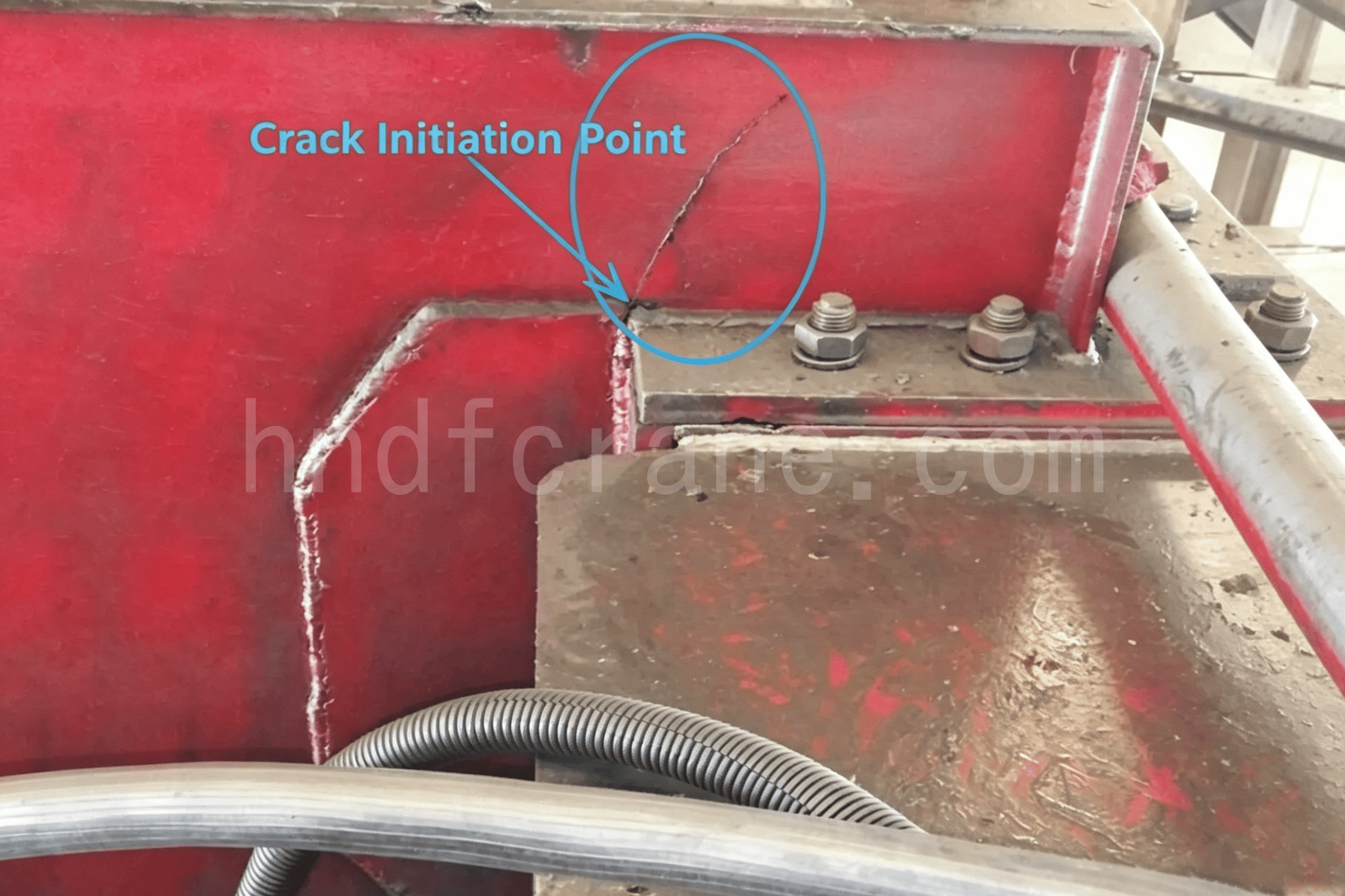
Η ρωγμή ιστού στη μεταβλητή διατομή στο άκρο της κύριας δοκού είναι ένα κοινό και σοβαρό πρόβλημα στις εναέριες γερανογέφυρες κατά τη διάρκεια μακροχρόνιας λειτουργίας. Η κατανόηση των αιτιών σχηματισμού ρωγμών είναι απαραίτητη για την πρόληψη και την επίλυση. Ακολουθεί μια ανάλυση των αιτιών της ρωγμής ιστού στη μεταβλητή διατομή στο άκρο της κύριας δοκού μιας εναέριας γερανογέφυρας.
1. Βασικές αιτίες ρωγμάτωσης του ιστού δοκού γερανογέφυρας
1.1 Συγκέντρωση στρες
Για την κάλυψη των απαιτήσεων διαστάσεων καθώς και των αναγκών αντοχής και ακαμψίας υπό διάφορες συνθήκες εργασίας, το άκρο της κύριας δοκού συχνά σχεδιάζεται με μεταβλητή διατομή. Ωστόσο, η γεωμετρική ασυνέχεια στην αλλαγή διατομής δημιουργεί συγκέντρωση τάσεων, που σημαίνει ότι η τάση στη μεταβλητή διατομή είναι σημαντικά υψηλότερη από ό,τι σε άλλες περιοχές. Οι ζώνες συγκέντρωσης τάσεων είναι επιρρεπείς στην έναρξη και διάδοση ρωγμών. Για παράδειγμα, μια μηχανική ανάλυση ενός γερανού δείχνει ότι το ισοδύναμο περίγραμμα τάσεων παρουσιάζει αισθητά υψηλότερη τάση στη μεταβλητή διατομή από ό,τι αλλού.
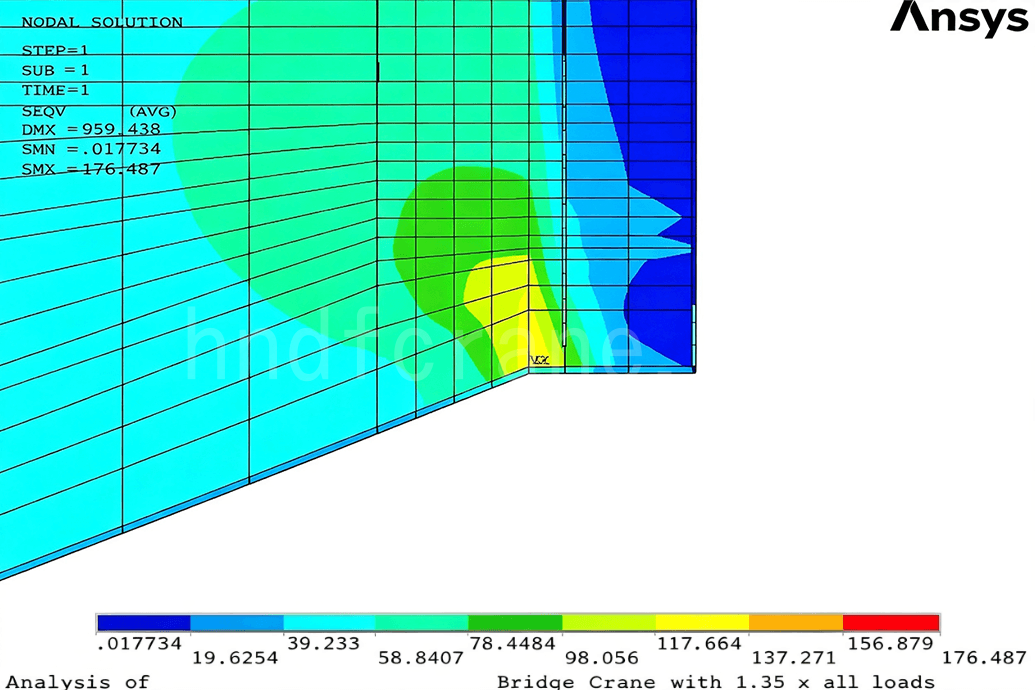
Το προϊόν που αναλύθηκε παραπάνω παρουσιάζει μια κεκλιμένη μετάβαση στη μεταβλητή διατομή, ενώ η κατασκευή σε αυτήν την περίπτωση χρησιμοποιεί μια ορθογώνια μετάβαση, η οποία δημιουργεί μια ακόμη πιο σοβαρή συνθήκη συγκέντρωσης τάσεων.
1.2 Ποιότητα συγκόλλησης
Η ποιότητα συγκόλλησης επηρεάζει άμεσα την ασφάλεια της κατασκευής και τη διάρκεια ζωής. Οι ακατάλληλες εργασίες συγκόλλησης μπορούν εύκολα να προκαλέσουν ελαττώματα όπως πορώδες, εγκλείσματα σκωρίας, ατελή διείσδυση και ρωγμές συγκόλλησης. Αυτά τα ελαττώματα λειτουργούν ως σημεία συγκέντρωσης τάσεων και εύκολα γίνονται σημεία έναρξης ρωγμών υπό εξωτερικά φορτία. Τα προβλήματα ποιότητας συγκόλλησης είναι πιο πιθανό να εμφανιστούν σε μεταβλητές διατομές λόγω της πολυπλοκότητας της γεωμετρίας της συγκόλλησης. Σε αυτήν την περίπτωση, η ποιότητα συγκόλλησης είναι δύσκολο να εγγυηθεί στη γωνία ορθής γωνίας της συγκόλλησης μεταβλητής διατομής.
1.3 Ελαττώματα Υλικού
Εσωτερικά ελαττώματα όπως μη μεταλλικά εγκλείσματα, πορώδες και μικρορωγμές ενδέχεται να υπάρχουν στον χάλυβα λόγω προβλημάτων διεργασίας κατά την παραγωγή. Αυτά τα ελαττώματα τείνουν να εξαπλώνονται υπό τάση και να εξελίσσονται σε ορατές ρωγμές. Επιπλέον, οι διακυμάνσεις στις ιδιότητες των υλικών μεταξύ διαφορετικών παρτίδων μπορούν να προκαλέσουν τοπική συγκέντρωση τάσης, ενδεχομένως να προκαλέσουν ρωγμές. Δεν υπάρχουν διαθέσιμες πληροφορίες για το υλικό σε αυτήν την περίπτωση, επομένως τα ελαττώματα του υλικού δεν μπορούν να αποκλειστούν ως παράγοντας που συμβάλλει.
1.4 Φόρτιση Κόπωσης
Οι γερανογέφυρες υπόκεινται συχνά σε επαναλαμβανόμενα δυναμικά φορτία κατά τη λειτουργία τους. Η μεταβλητή διατομή της κύριας δοκού υφίσταται κυκλικές μεταβολές τάσης, ιδιαίτερα κατά την ανύψωση φορτίων. Αυτός ο επαναλαμβανόμενος κύκλος τάσης οδηγεί σε αστοχία λόγω κόπωσης του υλικού — ρωγμές κόπωσης μπορούν να εμφανιστούν μετά από παρατεταμένη λειτουργία ακόμη και όταν τα επίπεδα τάσης παραμένουν κάτω από το όριο διαρροής του υλικού. Η μεταβλητή διατομή είναι πιο ευάλωτη σε ρωγμές λόγω των συνδυασμένων επιδράσεων της συγκέντρωσης τάσης και της κόπωσης του υλικού.
1.5 Ελλείψεις σχεδιασμού
Παράγοντες σχεδιασμού που αυξάνουν τον κίνδυνο ρωγμών περιλαμβάνουν απότομες μεταβάσεις διατομής χωρίς ομαλή διαμόρφωση, μη επαρκή συνεκτίμηση των επιδράσεων συγκέντρωσης τάσεων και παραμέληση των παραμέτρων σχεδιασμού λόγω κόπωσης. Η παράλειψη οπλισμού στη μεταβλητή διατομή κατά τη φάση σχεδιασμού μπορεί επίσης να οδηγήσει σε ρωγμές κατά τη μακροχρόνια λειτουργία. Επομένως, ο σωστός σχεδιασμός παίζει σημαντικό ρόλο στη μείωση του σχηματισμού ρωγμών.
1.6 Υπερφόρτωση και ακατάλληλη χρήση
Παρόλο που οι γερανοί σχεδιάζονται με ένα ορισμένο περιθώριο ασφαλείας σύμφωνα με τα ισχύοντα πρότυπα, η υπερφόρτωση και η λοξή έλξη ή η διαγώνια ανύψωση δεν είναι ασυνήθιστες στην πράξη. Η συχνή υπερφόρτωση και οι ακατάλληλες πρακτικές ανύψωσης υποβάλλουν την κύρια δοκό σε τάσεις πέραν των τιμών σχεδιασμού, οδηγώντας σε τοπική συγκέντρωση τάσεων, επιταχυνόμενη κόπωση υλικού και τελικά σε σχηματισμό ρωγμών. Η υπερφόρτωση μπορεί επίσης να προκαλέσει δομική παραμόρφωση, εντείνοντας περαιτέρω τη συγκέντρωση τάσεων και την εξάπλωση των ρωγμών.
1.7 Κραδασμοί και κρούσεις
Οι γερανοί αναπόφευκτα υπόκεινται σε κραδασμούς και κρούσεις κατά τη λειτουργία. Τα υπερβολικά κενά στις σιδηροδρομικές συνδέσεις μπορούν να δημιουργήσουν σημαντικά φορτία κρούσης καθώς ο γερανός κινείται κατά μήκος των σιδηροδρομικών συνδέσεων. Οι μακροχρόνιοι κραδασμοί και κρούσεις προκαλούν ζημιές από κόπωση και προάγουν την εξάπλωση μικρορωγμών. Οι ρωγμές είναι πιο πιθανό να ξεκινήσουν και να εξαπλωθούν σε μεταβλητές διατομές όπου υπάρχει ήδη συγκέντρωση τάσης.
2. Λύσεις για ρωγμές σε κορμούς δοκών γερανογέφυρας
Θα πρέπει να ληφθεί ένα ολοκληρωμένο σύνολο μέτρων για την πρόληψη και τη μείωση των ρωγμών στον κορμό στη μεταβλητή διατομή στο άκρο μιας κύριας δοκού γερανογέφυρας:
2.1 Βελτίωση του Σχεδιασμού Δόμησης
Βελτιστοποιήστε τον σχεδιασμό μεταβλητής διατομής χρησιμοποιώντας ομαλές, σταδιακές μεταβάσεις για τη μείωση της συγκέντρωσης τάσεων. Ενσωματώστε τον σχεδιασμό κόπωσης για την αντιμετώπιση μακροπρόθεσμων προβλημάτων κόπωσης. Τα συνιστώμενα διορθωτικά μέτρα ενίσχυσης περιλαμβάνουν:
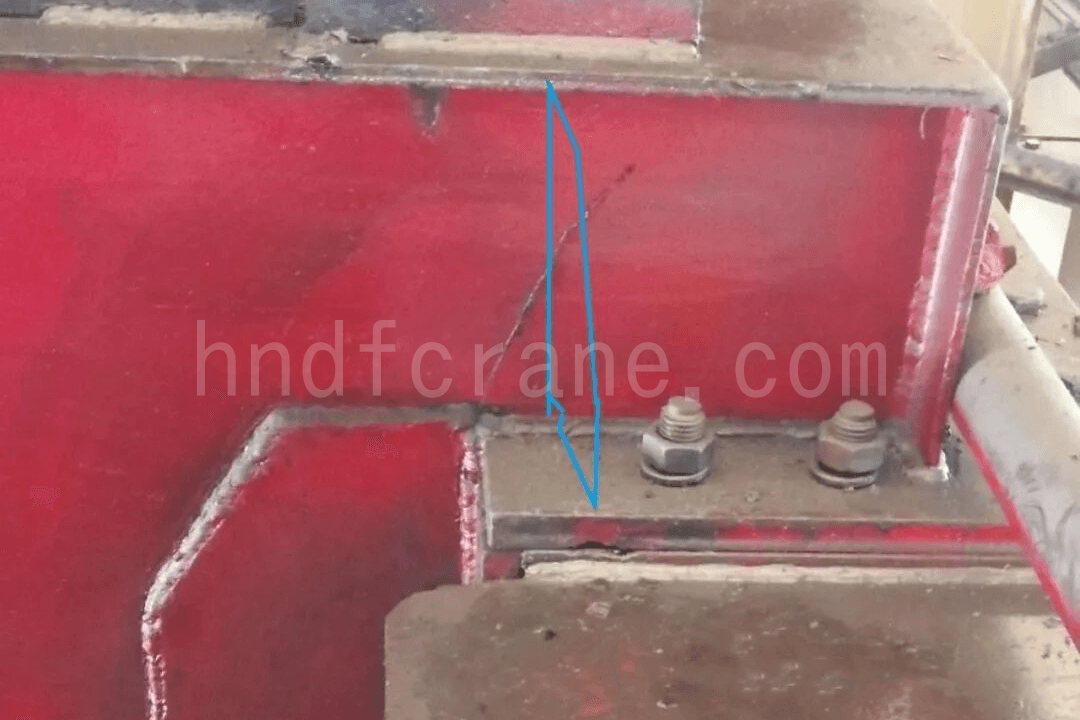
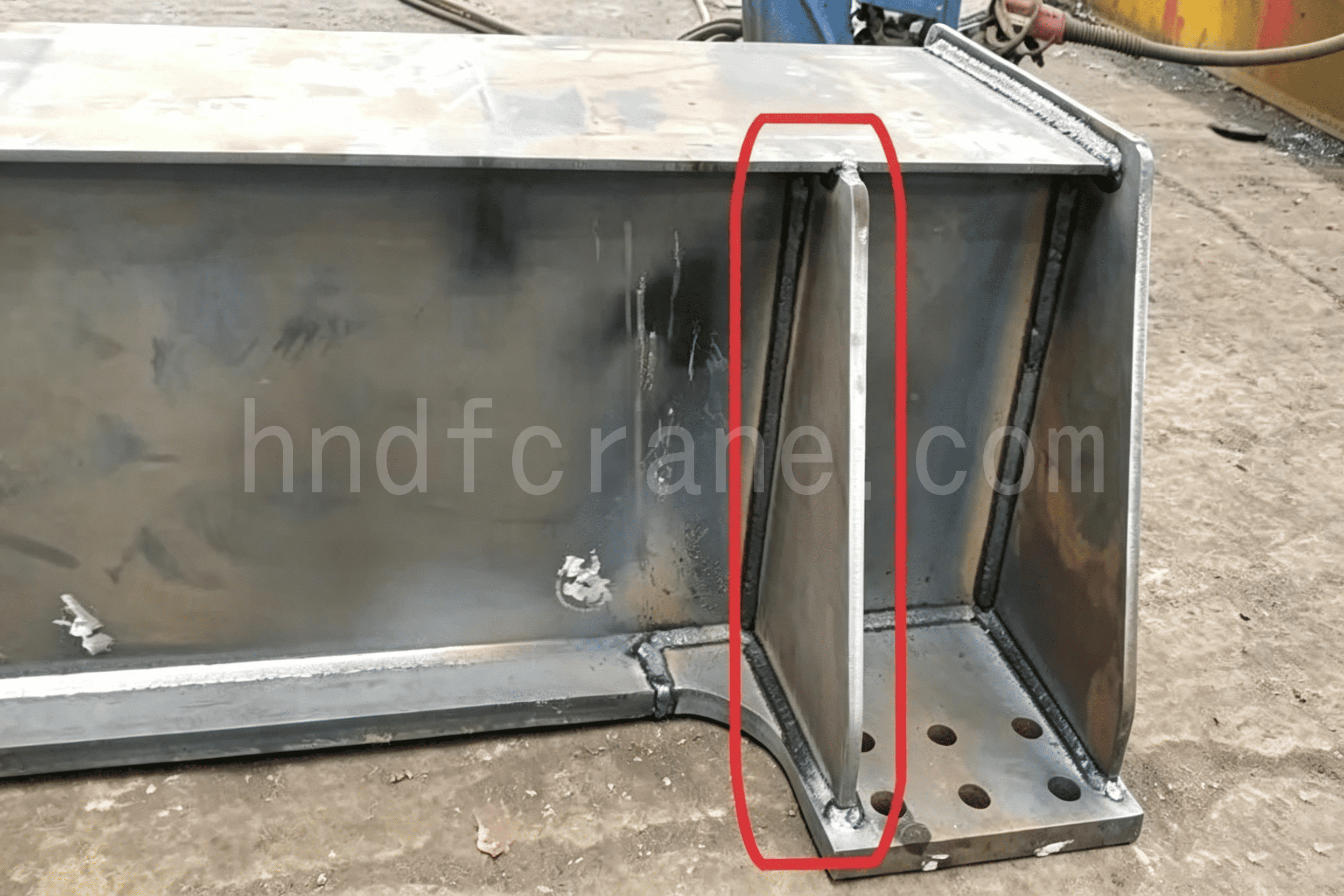
Προσθέστε τριγωνικές πλάκες στήριξης στη σύνδεση, όπως φαίνεται στο παρακάτω σχήμα, για να βελτιώσετε την τοπική ακαμψία.
Μια άλλη προσέγγιση είναι η ενίσχυση με επιδιόρθωση, όπως φαίνεται στο παρακάτω σχήμα.
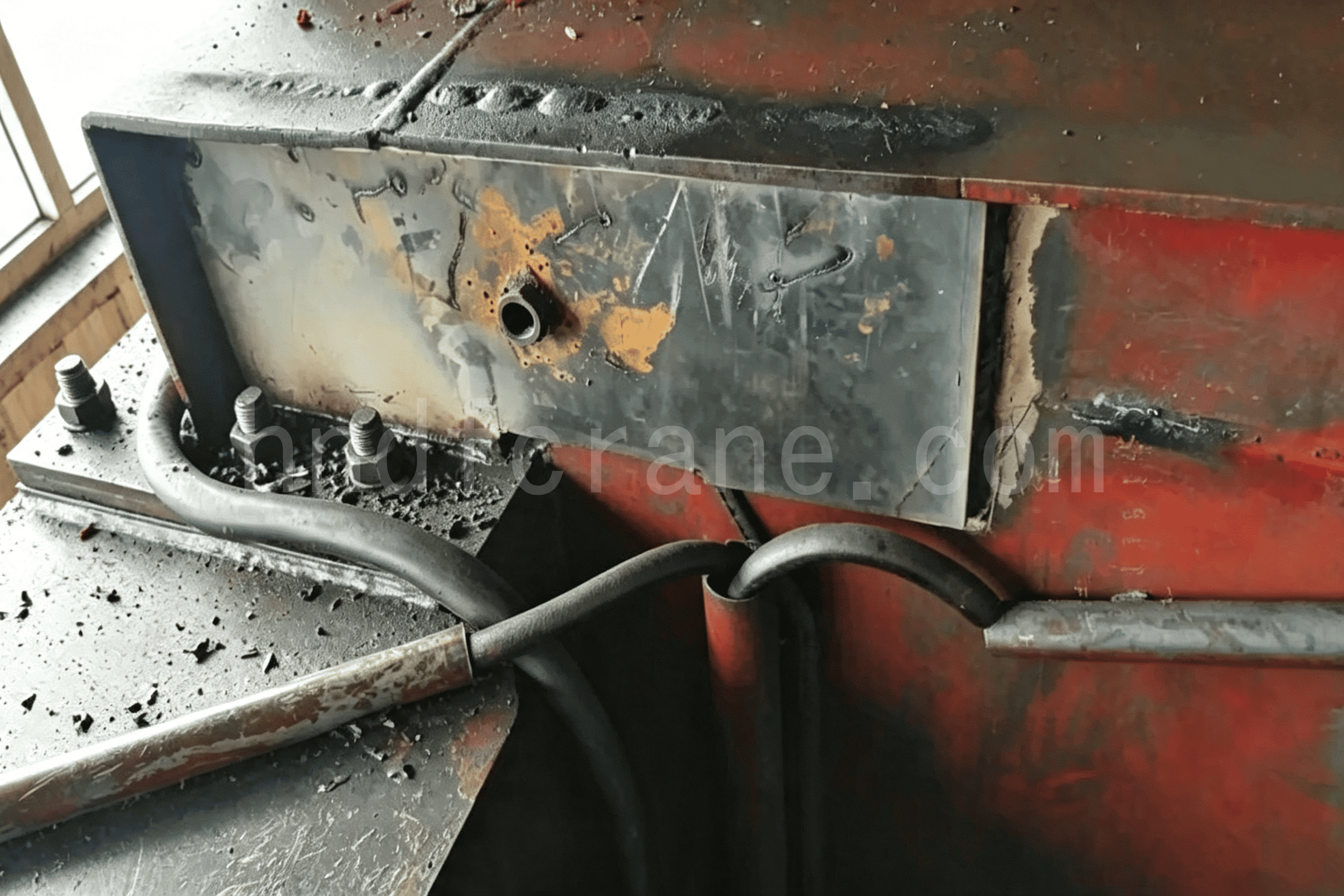
Ωστόσο, επειδή η αρχική δομή διαθέτει ήδη μια ενισχυτική πλάκα στο κάτω μέρος του ιστού, οποιαδήποτε νέα ενισχυτική πλάκα πρέπει να τοποθετηθεί έτσι ώστε να αποφεύγεται η υπάρχουσα. Αυτό δημιουργεί ένα συγκεκριμένο πρόβλημα συγκέντρωσης τάσεων στις παρακείμενες συγκολλήσεις.
2.2 Βελτίωση της ποιότητας συγκόλλησης
Ελέγχετε αυστηρά τη διαδικασία συγκόλλησης για να διασφαλίσετε συγκολλήσεις χωρίς ελαττώματα. Χρησιμοποιήστε προηγμένες τεχνικές συγκόλλησης και μεθόδους επιθεώρησης, όπως υπερηχητικές δοκιμές (UT) και ακτινογραφικές δοκιμές (RT), για την άμεση ανίχνευση και επιδιόρθωση ελαττωμάτων συγκόλλησης.
2.3 Εξασφαλίστε την ποιότητα του υλικού
Χρησιμοποιήστε υλικά υψηλής ποιότητας χωρίς αρχικά ελαττώματα. Εκτελέστε τακτικές δοκιμές υλικών για να επιβεβαιώσετε ότι οι ιδιότητες των υλικών πληρούν τις απαιτήσεις.
2.4 Σωστή λειτουργία του εξοπλισμού
Παρέχετε την απαραίτητη εκπαίδευση στους χειριστές για την αποφυγή υπερφόρτωσης. Χειριστείτε και συντηρήστε τον εξοπλισμό σύμφωνα με τις προδιαγραφές σχεδιασμού για να παρατείνετε τη διάρκεια ζωής του.
2.5 Εκτελέστε τακτική συντήρηση και επιθεώρηση
Διεξάγετε τακτικούς ελέγχους συντήρησης σε γερανογέφυρες, με ιδιαίτερη προσοχή στην παρακολούθηση των μεταβλητών διατομών, για την άμεση ανίχνευση και επισκευή ρωγμών.
Σύναψη
Τα μέτρα που περιγράφονται σε αυτήν την ανάλυση ρωγμών ιστού δοκού γερανού μπορούν να αποτρέψουν και να μειώσουν αποτελεσματικά τις ρωγμές ιστού στη μεταβλητή διατομή στο άκρο μιας κύριας δοκού γερανού, διασφαλίζοντας την ασφαλή λειτουργία του εξοπλισμού.

Είμαι η Cindy, με 10ετή εργασιακή εμπειρία στη βιομηχανία γερανών και συσσωρευμένη πληθώρα επαγγελματικών γνώσεων. Έχω επιλέξει τους ικανοποιητικούς γερανούς για 500+ πελάτες. Εάν έχετε οποιεσδήποτε ανάγκες ή ερωτήσεις σχετικά με τους γερανούς, μη διστάσετε να επικοινωνήσετε μαζί μου, θα χρησιμοποιήσω την τεχνογνωσία και την πρακτική εμπειρία μου για να σας βοηθήσω να λύσετε το πρόβλημα!
Στείλτε το ερώτημά σας
- ΗΛΕΚΤΡΟΝΙΚΗ ΔΙΕΥΘΥΝΣΗ: sales@hndfcrane.com
- WhatsApp: +86 191 3738 6654
- Τηλεγράφημα: +86 191 3738 6654
- Τηλ: +86-373-581 8299
- Φαξ: +86-373-215 7000
- Προσθήκη: Changnao Industrial District, πόλη Xinxiang, επαρχία Henan, Κίνα
 WeChat
- Εναέριοι γερανοί
- Γερανοί διπλής δοκού
- Εναέριοι γερανοί μονής δοκού
- Γερανοί μονής δοκού ευρωπαϊκού τύπου
- Εναέριοι γερανοί με αντιεκρηκτική προστασία
- Γερανοί αρπαγής και μαγνητικός
- Μονοτροχοί Γερανοί
- Εναέριοι Γερανοί Χυτηρίου
- Γερανοί σταθμών εργασίας
- Γερανοί Jib
- Επιτοίχιοι γερανοί φλόκων
- Τοίχοι Ταξιδιωτικοί Γερανοί Jib
- Ελεύθεροι όρθιοι γερανοί φλόκων
- Γερανοί αλουμινίου με βραχίονα: Ελαφρύς, ομαλός περιστρεφόμενος βραχίονας για εύκολη ανύψωση
- Γερανοί με ζυγοστάθμιση: Αποδοτική ελαφριά ανύψωση για μηχανική συναρμολόγηση σε μικρές αποστάσεις
- Χειροκίνητες Ελεύθερες Γερανογέφυρες Jib: Αποδοτικές Λύσεις Χειροκίνητης Ανύψωσης για Εργασίες σε Περιορισμένο Χώρο
- Ηλεκτρικοί γερανοί με βραχίονα ανύψωσης: Πλήρως ηλεκτρική λύση για γρήγορη ανύψωση υψηλής χωρητικότητας
- Αρθρωτοί γερανοί Jib: Ανύψωση ακριβείας με ευελιξία διπλού βραχίονα
- Γερανός ατσάλινων σκελετών
- Διδοκοί Πυλωτοί Γερανοί
- Ημιπυλωτοί Γερανοί
- Μονοδοκοί Πυλωτοί Γερανοί
- Δικτυωτοί Πυλωτοί Γερανοί
- Πυλωτοί Γερανοί Εμπορευματοκιβωτίων
- Ρυθμιζόμενοι Πυλωτοί Γερανοί
- Φορητοί Πυλωτοί Γερανοί
- Ευρωπαϊκοί γερανοί γερανογέφυρων
- Βιομηχανίες
- Γενική Βιομηχανία
- Χειρισμός Απορριμμάτων
- Προκατασκευασμένο
- Εξουσία
- Πέτρα
- Χαρτοποιία
- Παραγωγή Μετάλλων
- Κατασκευή Γέφυρας
- Γερανοί λιμένων: Για χειρισμό εμπορευματοκιβωτίων και χύδην υλικών
- Γερανογέφυρες για τη βιομηχανία πετρελαίου και φυσικού αερίου: Βελτίωση της λειτουργικής αποδοτικότητας
- Θαλάσσιοι Γερανοί για Αποδοτική Φόρτωση Φορτίου σε Πλοία
- Γερανογέφυρες για την αυτοκινητοβιομηχανία: Αποδοτικές λύσεις αυτοματισμού
- Ηλεκτρικά Ανυψωτικά
- Ηλεκτρικά συρματόσχοινα ανυψωτικά
- Ηλεκτρικά Ανυψωτικά Αλυσίδας
- Ηλεκτρικά Ανυψωτικά Ευρωπαϊκού Τύπου
- Ευρωπαϊκοί ηλεκτρικοί ανυψωτήρες αλυσίδας: Ομαλή λειτουργία, χαμηλός θόρυβος και ενεργειακή απόδοση
- Χειροκίνητα βαρούλκα με μοχλό: Ιδανικά για εργασίες έλξης και ανύψωσης
- Χειροκίνητα βαρούλκα με αλυσίδα: Χειροκίνητη ανύψωση για περιοχές χωρίς ρεύμα
- Ηλεκτρικά ανυψωτικά με χαμηλό ύψος κεφαλής: Συμπαγής σχεδιασμός για μέγιστη απόδοση χώρου
- Πνευματικά βαρούλκα αλυσίδας: Ομαλό χειρισμό για βιομηχανική χρήση
- Χειροκίνητα βαρούλκα αλυσίδας με αντιεκρηκτική προστασία: Κατασκευή από κράμα χαλκού με αντοχή σε σπινθήρες για επικίνδυνες περιοχές
- Ηλεκτρικά βαρούλκα αλυσίδας με αντιεκρηκτική προστασία για ανύψωση σε επικίνδυνες περιοχές
- Σχετικά με
- Υποθέσεις
- Νέα
- Συχνές ερωτήσεις
- Κατεβάστε
- Blogs
- Εργαλεία υπολογισμού φορτίου τροχού γερανού στο διαδίκτυο
- Πανόραμα VR
- Επικοινωνήστε μαζί μας
- ΗΛΕΚΤΡΟΝΙΚΗ ΔΙΕΥΘΥΝΣΗ: sales@hndfcrane.com
- WhatsApp: +86 191 3738 6654
- Τηλεγράφημα: +86 191 3738 6654
- Τηλ: +86-373-581 8299
-