
-
industrier
-
Allmän tillverkning
-
Avfallshantering
-
Förtillverkad
-
Kraft
-
Sten
-
Papperstillverkning
-
Metallproduktion
-
Brokonstruktion
-
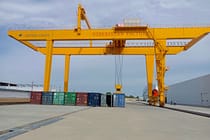
Hamnkranar: För container- och bulkhantering
-
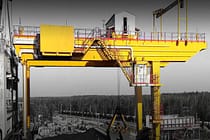
Traverskranar för olje- och gasindustrin: Förbättra driftseffektiviteten
-
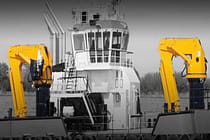
Marina kranar för effektiv lastning på fartyg
-
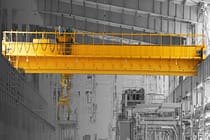
Traverskranar för fordonsindustrin: Effektiva automationslösningar
-
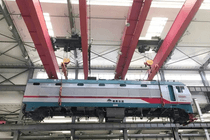
Traverskranlösningar för järnvägar: Spårläggning, underhåll av rullande materiel och containerhantering
-
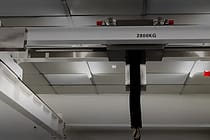
Traverskranar för livsmedel och drycker: Tillförlitliga lösningar för effektiv hantering
-
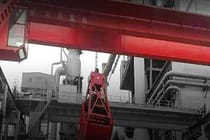
Traverskranar för effektiv tillverkning av cement, glas, tegel och prefabricerad betong
-
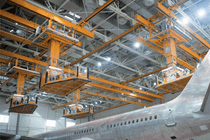
Traverskranar för flygindustrin: Flygplansunderhåll och montering
-
Traverskranar för flyg- och rymdfart: Precisionslyft för raketuppskjutning och transport
-
-
Produkter
-
Luftkranar
-
Enbalks traverskranar
-
Dubbelbalk överheadkranar
-
Traverskranar av europeisk typ med en balk
-
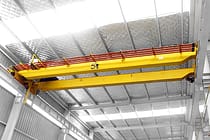
Europeiska dubbelbalkskranar
-
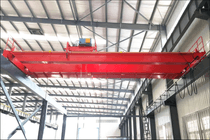
Explosionssäkra luftkranar
-
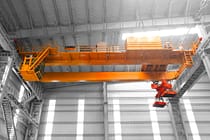
Grab och Magnetiska Overhead Kranar
-
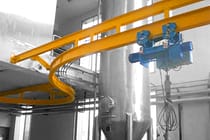
Monorail kranar
-
Gjuteri kranar
-
Isolering traverser
-
Låg takhöjd traverskranar
-
Ta tag i luftkranar
-
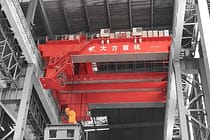
Slev traverskranar
-
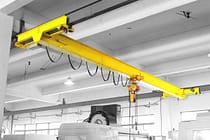
Underhängda traverskranar
-
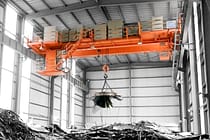
Elektromagnetiska traverskranar
-
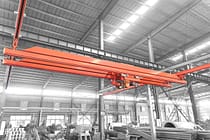
Arbetsstationskranar
-
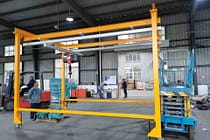
Fristående arbetsstationsbrokranar
-
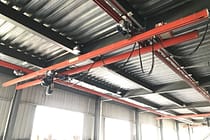
Takmonterad brokran
-
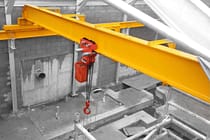
Manuella traverskranar
-
-
Gantry kranar
-
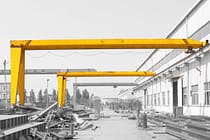
Semi portalkranar
-
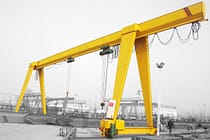
Enkelbalks portalkranar
-
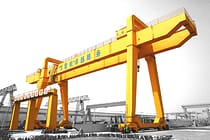
Dubbelbalk portalkranar
-
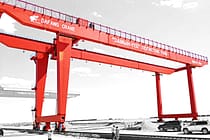
Container portalkranar
-
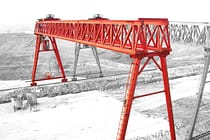
Truss portalkranar
-
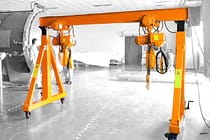
Justerbara portalkranar
-
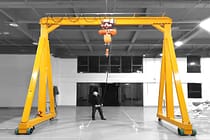
Bärbara portalkranar
-
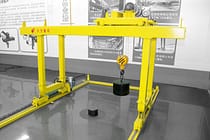
Europeiska portalkranar
-
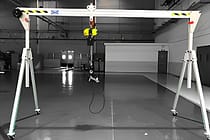
Portalkranar i aluminium
-
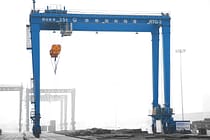
Gummi däckade container portalkranar
-
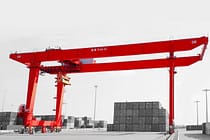
Rälsmonterade containerportalkranar
-
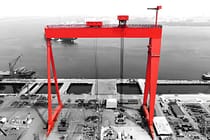
Shipyard Gantry Crane
-
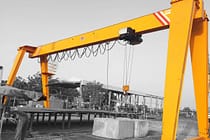
Europeiska portalkranar med en balk
-
Europeiska portalkranar med dubbla balkar
-
- Fockkranar
- Specialkranar
- Elektriska lyftar
- Transfervagnar
-
Luftkranar
-
Kran delar
-
Ta tag i hinkar
-
Elektrisk gripskopa i rostfritt stål
-
Mekaniska fyra rep av apelsinskal
-
Mekanisk gripskopa med fyra rep
-
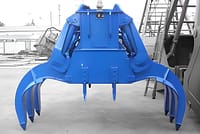
Elektrohydrauliska rektangulära grepp
-
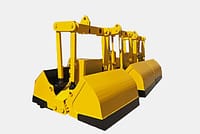
Elektrohydrauliska Clamshell-grepp
-
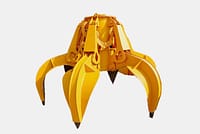
Elektrohydrauliska apelsinskalgrepp, hydrauliska kaktusgrepp
-
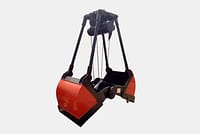
Elmotorgrepp
-
Elektrisk Monorail gripskopa med Monorail-lyft
-
Fjärrkontroll Clamshell Grip
-
Mekaniska grepp med två rep
-
Timmergriper
-
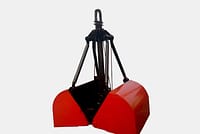
Enkeltrep
-
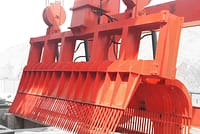
Rengöringsmaskiner för papperskorgen
-
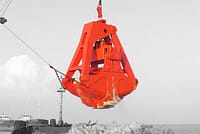
Muddringsgrepp
-
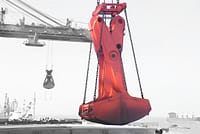
Trimningsgrepp
-
- Kranspridare
- Kran reservdelar
- Kranhjul
-
Ta tag i hinkar
- Företag
- Kontakt
-
industrier
-
Allmän tillverkning
-
Avfallshantering
-
Förtillverkad
-
Kraft
-
Sten
-
Papperstillverkning
-
Metallproduktion
-
Brokonstruktion
-
Hamnkranar: För container- och bulkhantering
-
Traverskranar för olje- och gasindustrin: Förbättra driftseffektiviteten
-
Marina kranar för effektiv lastning på fartyg
-
Traverskranar för fordonsindustrin: Effektiva automationslösningar
-
Traverskranlösningar för järnvägar: Spårläggning, underhåll av rullande materiel och containerhantering
-
Traverskranar för livsmedel och drycker: Tillförlitliga lösningar för effektiv hantering
-
Traverskranar för effektiv tillverkning av cement, glas, tegel och prefabricerad betong
-
Traverskranar för flygindustrin: Flygplansunderhåll och montering
-
Traverskranar för flyg- och rymdfart: Precisionslyft för raketuppskjutning och transport
-
-
Produkter
-
Luftkranar
-
Enbalks traverskranar
-
Dubbelbalk överheadkranar
-
Traverskranar av europeisk typ med en balk
-
Europeiska dubbelbalkskranar
-
Explosionssäkra luftkranar
-
Grab och Magnetiska Overhead Kranar
-
Monorail kranar
-
Gjuteri kranar
-
Isolering traverser
-
Låg takhöjd traverskranar
-
Ta tag i luftkranar
-
Slev traverskranar
-
Underhängda traverskranar
-
Elektromagnetiska traverskranar
-
Arbetsstationskranar
-
Fristående arbetsstationsbrokranar
-
Takmonterad brokran
-
Manuella traverskranar
-
-
Gantry kranar
-
Semi portalkranar
-
Enkelbalks portalkranar
-
Dubbelbalk portalkranar
-
Container portalkranar
-
Truss portalkranar
-
Justerbara portalkranar
-
Bärbara portalkranar
-
Europeiska portalkranar
-
Portalkranar i aluminium
-
Gummi däckade container portalkranar
-
Rälsmonterade containerportalkranar
-
Shipyard Gantry Crane
-
Europeiska portalkranar med en balk
-
Europeiska portalkranar med dubbla balkar
-
- Fockkranar
- Specialkranar
- Elektriska lyftar
- Transfervagnar
-
Luftkranar
-
Kran delar
-
Ta tag i hinkar
-
Elektrisk gripskopa i rostfritt stål
-
Mekaniska fyra rep av apelsinskal
-
Mekanisk gripskopa med fyra rep
-
Elektrohydrauliska rektangulära grepp
-
Elektrohydrauliska Clamshell-grepp
-
Elektrohydrauliska apelsinskalgrepp, hydrauliska kaktusgrepp
-
Elmotorgrepp
-
Elektrisk Monorail gripskopa med Monorail-lyft
-
Fjärrkontroll Clamshell Grip
-
Mekaniska grepp med två rep
-
Timmergriper
-
Enkeltrep
-
Rengöringsmaskiner för papperskorgen
-
Muddringsgrepp
-
Trimningsgrepp
-
- Kranspridare
- Kran reservdelar
- Kranhjul
-
Ta tag i hinkar
- Företag
- Kontakt



Analys av sprickor i traversbalkar: Orsaker och lösningar
Innehållsförteckning
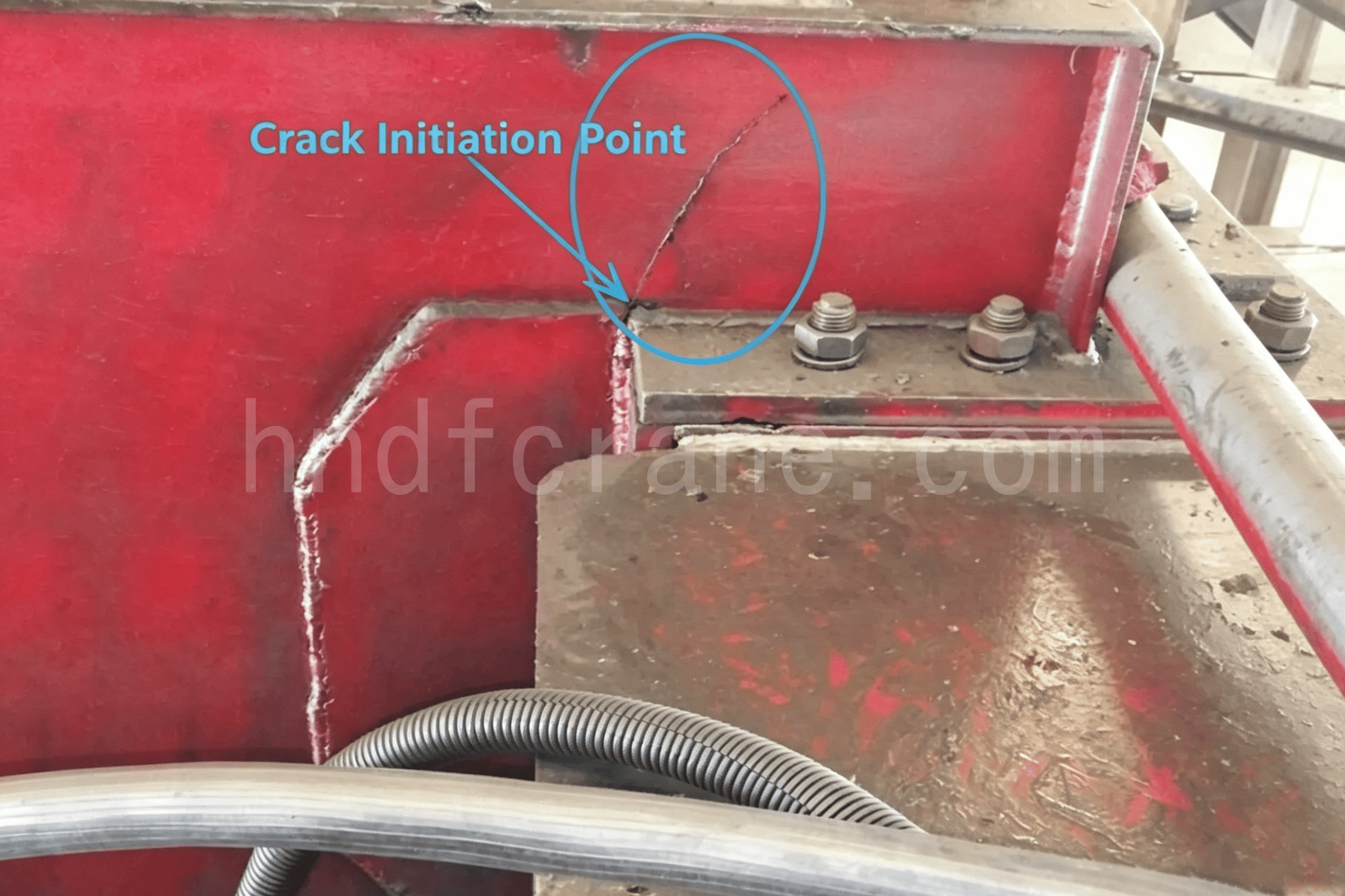
Sprickbildning i livbjälken vid det variabla tvärsnittet i änden av huvudbalken är ett vanligt och allvarligt problem hos traverskranar under långvarig drift. Att förstå orsakerna till sprickbildning är avgörande för att förebygga och åtgärda. Följande är en analys av orsakerna till sprickbildning i livbjälken vid det variabla tvärsnittet i änden av en traverskrans huvudbalk.
1. Grundorsaker till sprickbildning i traversbalkens webb
1.1 Stresskoncentration
För att möta dimensionskrav samt behov av hållfasthet och styvhet under olika arbetsförhållanden, är huvudbalkens ände ofta utformad med ett variabelt tvärsnitt. Emellertid skapar den geometriska diskontinuiteten vid tvärsnittsförändringen spänningskoncentration, vilket innebär att spänningen vid det variabla tvärsnittet är betydligt högre än i andra områden. Spänningskoncentrationszoner är benägna att initiera och utbreda sprickor. Till exempel visar en mekanisk analys av en traverskran att den motsvarande spänningskonturen uppvisar märkbart högre spänning vid det variabla tvärsnittet än på andra ställen.
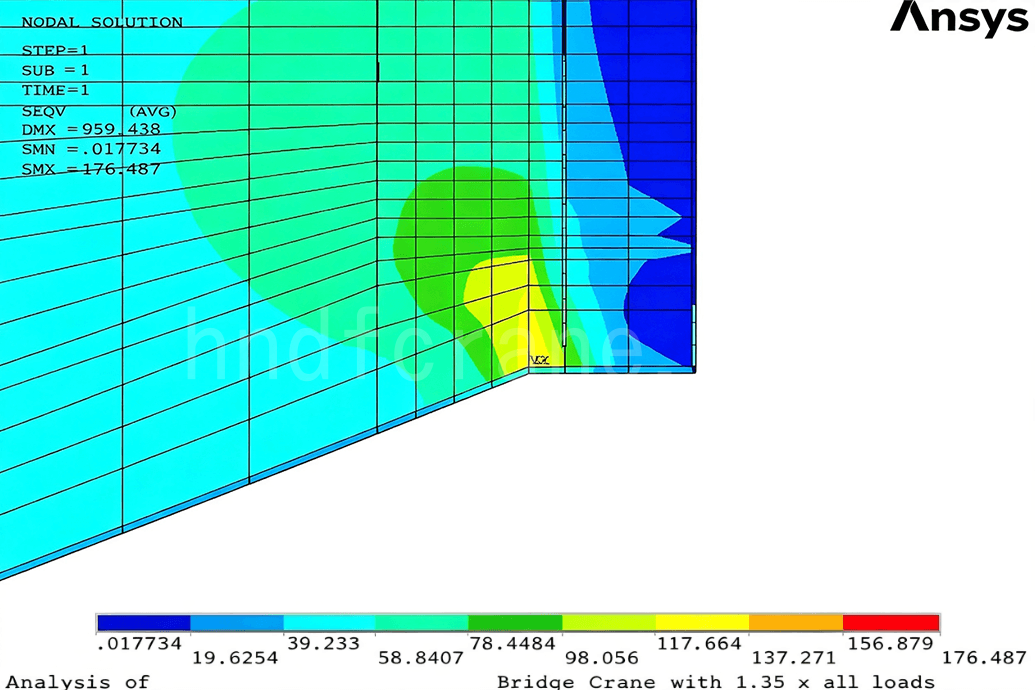
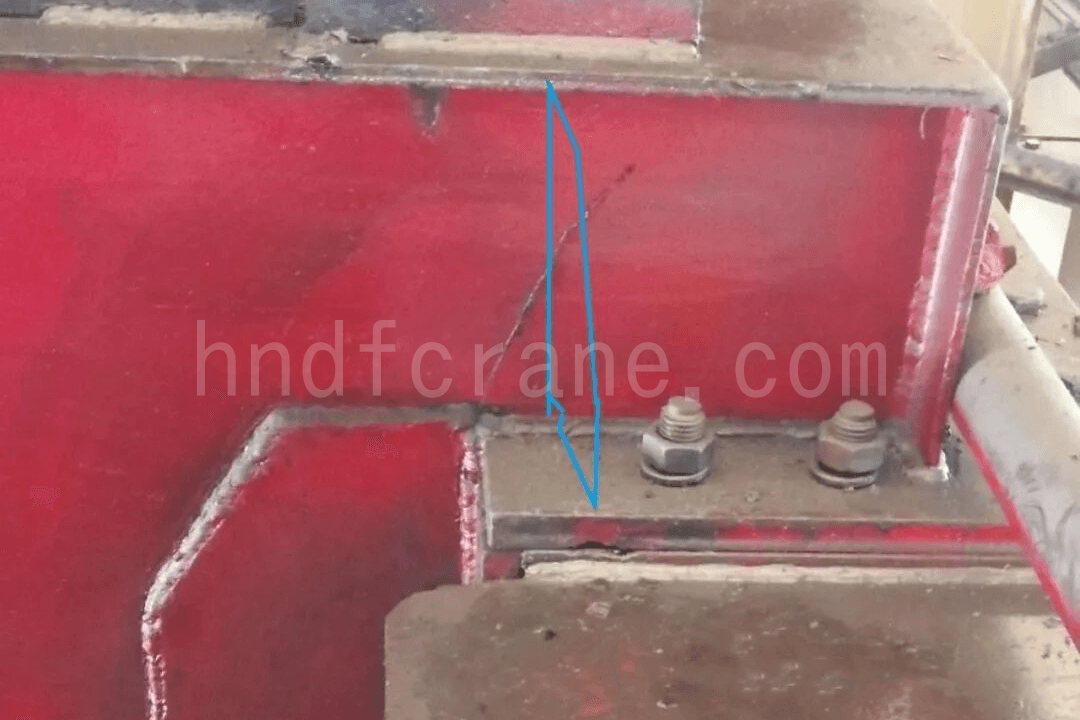
Produkten som analyserats ovan har en lutande övergång vid det variabla tvärsnittet, medan strukturen i detta fall använder en rätvinklig övergång, vilket skapar ett ännu allvarligare spänningskoncentrationsförhållande.
1.2 Svetskvalitet
Svetskvaliteten påverkar direkt konstruktionens säkerhet och livslängd. Felaktiga svetsoperationer kan lätt orsaka defekter som porositet, slagginneslutningar, ofullständig penetration och svetssprickor. Dessa defekter fungerar som spänningskoncentrationer och blir lätt sprickstartplatser under externa belastningar. Problem med svetskvaliteten är mer benägna att uppstå vid variabla tvärsnitt på grund av svetsgeometrins komplexitet. I detta fall är svetskvaliteten svår att garantera i det rätvinkliga hörnet av svetsen med variabelt tvärsnitt.
1.3 Materialfel
Interna defekter såsom icke-metalliska inneslutningar, porositet och mikrosprickor kan förekomma i stål på grund av processproblem under produktionen. Dessa defekter tenderar att fortplanta sig under spänning och utvecklas till synliga sprickor. Dessutom kan variationer i materialegenskaper mellan olika batcher orsaka lokal spänningskoncentration, vilket potentiellt kan utlösa sprickor. Materialinformation är inte tillgänglig för detta fall, så materialdefekter kan inte uteslutas som en bidragande faktor.
1.4 Utmattningsbelastning
Traverskranar utsätts ofta för upprepade dynamiska belastningar under drift. Huvudbalkens variabla tvärsnitt upplever cykliska spänningsvariationer, särskilt vid lyft av laster. Denna upprepade spänningscykling leder till utmattningsbrott i materialet – utmattningssprickor kan uppstå efter långvarig drift även när spänningsnivåerna förblir under materialets sträckgräns. Det variabla tvärsnittet är mer känsligt för sprickbildning på grund av de kombinerade effekterna av spänningskoncentration och materialutmattning.
1.5 Designbrister
Konstruktionsfaktorer som ökar risken för sprickbildning inkluderar abrupta tvärsnittsövergångar utan jämn konturering, underlåtenhet att tillräcklig hänsyn ta till spänningskoncentrationseffekter och försummelse av utmattningsdimensioneringsaspekter. Att utelämna armering vid det variabla tvärsnittet under konstruktionsfasen kan också leda till sprickbildning under långvarig användning. Korrekt konstruktion spelar därför en viktig roll för att minska sprickbildning.
1.6 Överbelastning och felaktig användning
Även om kranar konstrueras med en viss säkerhetsmarginal enligt gällande standarder, är överbelastning och sneddragning eller diagonallyft inte ovanligt i praktiken. Frekvent överbelastning och felaktiga lyftmetoder utsätter huvudbalken för påfrestningar utöver konstruktionsvärdena, vilket leder till lokal spänningskoncentration, accelererad materialutmattning och slutligen sprickbildning. Överbelastning kan också orsaka strukturell deformation, vilket ytterligare intensifierar spänningskoncentration och sprickutbredning.
1.7 Vibrationer och stötar
Kranar utsätts oundvikligen för vibrationer och stötar under drift. För stora glipor i rälsskarvarna kan generera betydande stötbelastningar när kranen rör sig över rälsskarvarna. Långvariga vibrationer och stötar orsakar utmattningsskador och främjar spridning av mikrosprickor. Sprickor är mer benägna att initieras och fortplanta sig vid varierande tvärsnitt där spänningskoncentrationen redan finns.
2. Lösningar för sprickbildning i traversbalkens webb
En omfattande uppsättning åtgärder bör vidtas för att förhindra och minska livsprickbildning vid det variabla tvärsnittet vid änden av en traverskrans huvudbalk:
2.1 Förbättra strukturell design
Optimera dimensioneringen för variabelt tvärsnitt genom att använda mjuka, gradvisa övergångar för att minska spänningskoncentrationen. Införliva utmattningsdimensionering för att hantera problem med långsiktig utmattning. Rekommenderade åtgärder för förstärkning inkluderar:
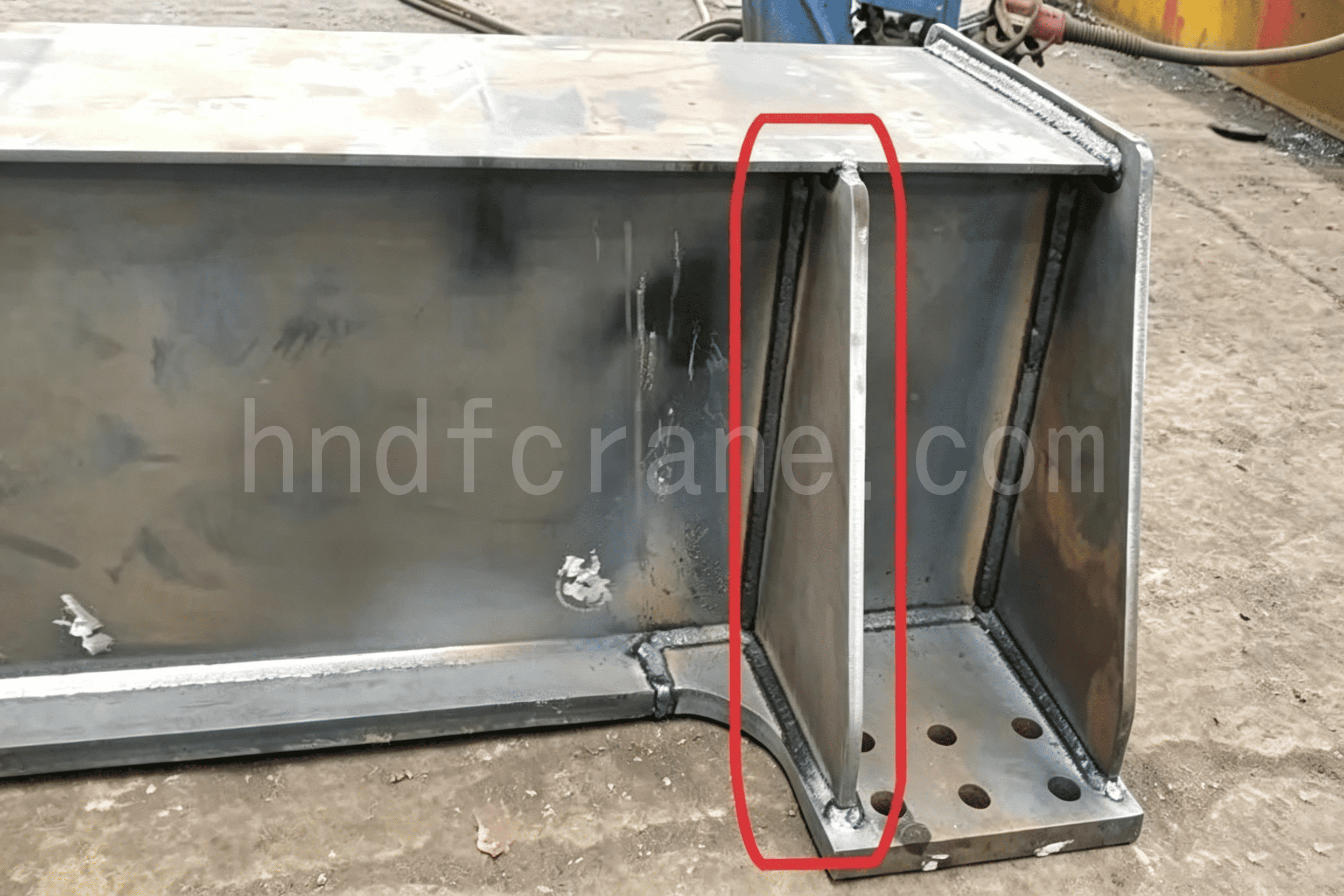
Lägg till triangulära vinkelplattor vid anslutningen, som visas i figuren nedan, för att förbättra den lokala styvheten.
Ett annat tillvägagångssätt är förstärkning genom lappning, som visas i figuren nedan.
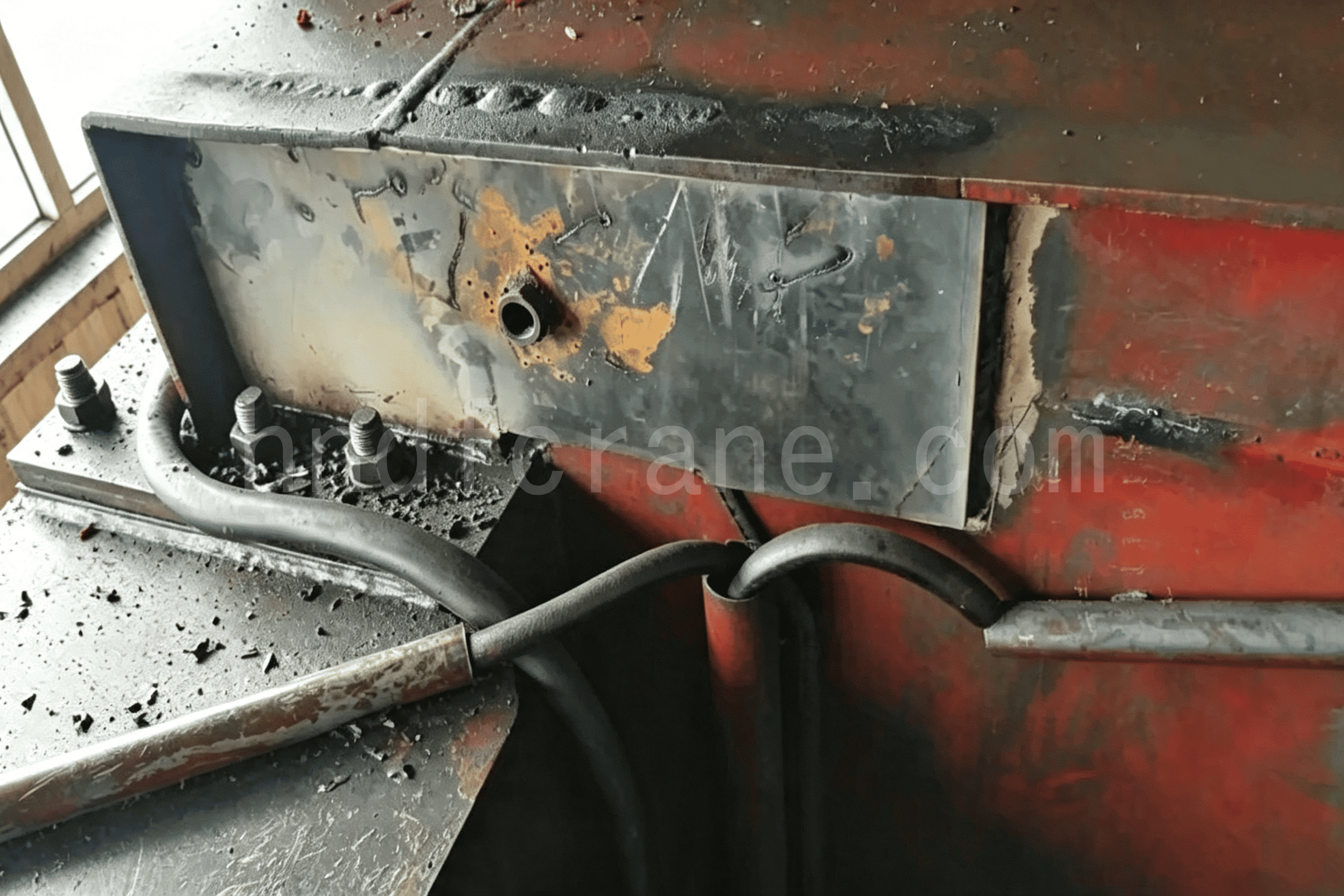
Eftersom den ursprungliga konstruktionen redan har en förstärkningsplatta på den nedre delen av livet, måste dock en ny förstärkningsplatta placeras så att den undviker den befintliga. Detta skapar ett visst spänningskoncentrationsproblem vid intilliggande svetsar.
2.2 Förbättra svetskvaliteten
Kontrollera svetsproceduren noggrant för att säkerställa defektfria svetsar. Använd avancerade svetstekniker och inspektionsmetoder som ultraljudsprovning (UT) och radiografisk provning (RT) för att snabbt upptäcka och reparera svetsfel.
2.3 Säkerställ materialkvaliteten
Använd högkvalitativa material utan initiala defekter. Utför regelbundna materialtester för att bekräfta att materialegenskaperna uppfyller kraven.
2.4 Använd utrustningen korrekt
Ge nödvändig utbildning till operatörer för att förhindra överbelastning. Använd och underhåll utrustningen i enlighet med konstruktionsspecifikationerna för att förlänga dess livslängd.
2.5 Utför regelbundet underhåll och inspektion
Utför regelbundna underhållsinspektioner av traverskranar, med särskild uppmärksamhet på att övervaka varierande tvärsnittsareor, för att upptäcka och reparera sprickor snabbt.
Slutsats
Åtgärderna som beskrivs i denna analys av sprickbildning i traversbalkens liv kan effektivt förhindra och minska livsprickbildning vid det variabla tvärsnittet vid änden av en traversbalks huvudbalk, vilket säkerställer säker drift av utrustningen.

Jag är Cindy, med 10 års arbetslivserfarenhet inom kranbranschen och samlat på mig en mängd professionell kunskap. Jag har valt de tillfredsställande kranarna för 500+ kunder. Om du har några behov eller frågor om kranar är du välkommen att kontakta mig, jag kommer att använda min expertis och praktiska erfarenhet för att hjälpa dig att lösa problemet!
Skicka din förfrågan
- E-post: sales@hndfcrane.com
- WhatsApp: +86 191 3738 6654
- Telegram: +86 191 3738 6654
- Tel: +86-373-581 8299
- Fax: +86-373-215 7000
- Lägg till: Changnao Industrial District, Xinxiang City, Henan-provinsen, Kina
 WeChat
- Luftkranar
- Dubbelbalk överheadkranar
- Enbalks traverskranar
- Traverskranar av europeisk typ med en balk
- Explosionssäkra luftkranar
- Grab och Magnetiska Overhead Kranar
- Monorail kranar
- Gjuteri kranar
- Arbetsstationskranar
- Fockkranar
- Väggmonterade kranar
- Väggfockkranar
- Fristående jibbkranar
- Aluminiumsvängkranar: Lätt, smidig roterande arm för enkel lyftning
- Balanssvängkranar: Effektiva lätta lyft för mekanisk montering över korta avstånd
- Manuella fristående svängkranar: Effektiva manuella lyftlösningar för operationer med begränsat utrymme
- Elektriska fristående svängkranar: Helelektrisk lösning för högkapacitets snabba lyft
- Ledsvängkranar: Precisionslyft med dubbelarmsflexibilitet
- Gantry kranar
- Dubbelbalk portalkranar
- Semi portalkranar
- Enkelbalks portalkranar
- Truss portalkranar
- Container portalkranar
- Justerbara portalkranar
- Bärbara portalkranar
- Europeiska portalkranar
- industrier
- Allmän tillverkning
- Avfallshantering
- Förtillverkad
- Kraft
- Sten
- Papperstillverkning
- Metallproduktion
- Brokonstruktion
- Hamnkranar: För container- och bulkhantering
- Traverskranar för olje- och gasindustrin: Förbättra driftseffektiviteten
- Marina kranar för effektiv lastning på fartyg
- Traverskranar för fordonsindustrin: Effektiva automationslösningar
- Elektriska lyftar
- Elektriska vajertelfer
- Elektriska kedjetelfer
- Elektriska lyftanordningar av europeisk typ
- Europeiska elektriska kedjetelfer: Jämn drift, lågt ljud och energieffektivitet
- Manuella lyftanordningar: Perfekta för drag- och lyftuppgifter
- Handkättingtelfrar: Manuell lyftning för områden utan ström
- Elektriska lyftanordningar med låg takhöjd: Kompakt design för maximal utrymmeseffektivitet
- Pneumatiska kedjetelfrar: Smidig hantering för industriellt bruk
- Explosionssäkra manuella kättingtelfrar: Gnistsäker kopparlegeringskonstruktion för explosionsfarliga områden
- Explosionssäkra elektriska kättingtelfrar för lyft i farliga områden
- Handla om
- Fall
- Nyheter
- Vanliga frågor
- Ladda ner
- Bloggar
- Onlineverktyg för beräkning av kranhjulslast
- VR Panorama
- Kontakta oss
- E-post: sales@hndfcrane.com
- WhatsApp: +86 191 3738 6654
- Telegram: +86 191 3738 6654
- Tel: +86-373-581 8299
-