-
শিল্প
-
সাধারণ উত্পাদন
-
বর্জ্য হ্যান্ডলিং
-
প্রিকাস্ট
-
শক্তি
-
পাথর
-
কাগজ তৈরি
-
ধাতু উত্পাদন
-
সেতু নির্মাণ
-
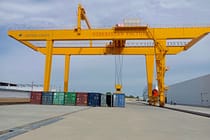
পোর্ট ক্রেন: কন্টেইনার এবং বাল্ক ম্যাটেরিয়াল হ্যান্ডলিংয়ের জন্য
-
পেট্রোলিয়াম ও গ্যাস শিল্পের জন্য ওভারহেড ক্রেন: কর্মক্ষম দক্ষতা বৃদ্ধি করুন
-

মোটরগাড়ি শিল্পের জন্য ওভারহেড ক্রেন: দক্ষ অটোমেশন সমাধান
-
রেলওয়ের জন্য ওভারহেড ক্রেন সমাধান: ট্র্যাক লেইং, রোলিং স্টক রক্ষণাবেক্ষণ এবং কন্টেইনার হ্যান্ডলিং
-
খাদ্য ও পানীয়ের জন্য ওভারহেড ক্রেন: দক্ষ পরিচালনার জন্য নির্ভরযোগ্য সমাধান
-
দক্ষ সিমেন্ট, কাচ, ইট এবং প্রিকাস্ট কংক্রিট উৎপাদনের জন্য ওভারহেড ক্রেন
-
বিমান শিল্পের জন্য ওভারহেড ক্রেন: বিমান রক্ষণাবেক্ষণ এবং সমাবেশ
-
মহাকাশ ওভারহেড ক্রেন: রকেট উৎক্ষেপণ এবং পরিবহনের জন্য যথার্থ উত্তোলন
-
-
পণ্য
-
ওভারহেড ক্রেনস
-
একক গার্ডার ওভারহেড ক্রেন
-
ডাবল গার্ডার ওভারহেড ক্রেন
-
ইউরোপীয় ধরণের একক গার্ডার ওভারহেড ক্রেন
-
ইউরোপীয় ধরণের ডাবল গার্ডার ওভারহেড ক্রেন
-
বিস্ফোরণ প্রমাণ ওভারহেড ক্রেন
-
গ্র্যাব এবং ম্যাগনেটিক ওভারহেড ক্রেন
-
মনোরেল ক্রেন
-
ফাউন্ড্রি ওভারহেড ক্রেন
-
নিরোধক ওভারহেড ক্রেন
-
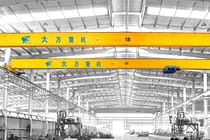
লো হেডরুম ওভারহেড ক্রেন
-
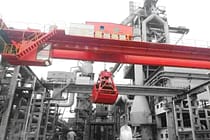
ওভারহেড ক্রেন ধরুন
-
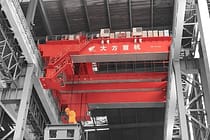
ল্যাডল ওভারহেড ক্রেন
-
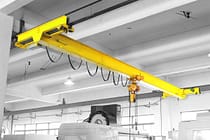
আন্ডারহ্যাং ওভারহেড ক্রেন
-
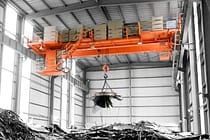
ইলেক্ট্রোম্যাগনেটিক ওভারহেড ক্রেন
-
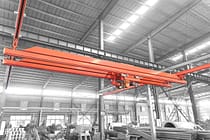
ওয়ার্কস্টেশন ক্রেন: হালকা ডিজাইন, সহজ স্থাপন এবং অনায়াস পরিচালনা
-
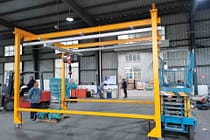
ফ্রি স্ট্যান্ডিং ওয়ার্কস্টেশন ব্রিজ ক্রেন
-
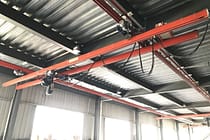
সিলিং মাউন্টেড ব্রিজ ক্রেন
-
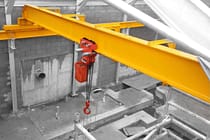
ম্যানুয়াল ওভারহেড ক্রেন
-
-
গ্যান্ট্রি ক্রেনস
-
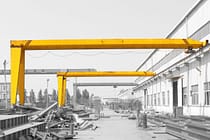
সেমি গ্যান্ট্রি ক্রেনস
-
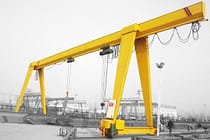
একক গার্ডার গ্যান্ট্রি ক্রেন
-
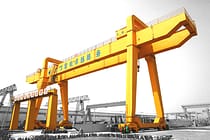
ডাবল গার্ডার গ্যান্ট্রি ক্রেন
-
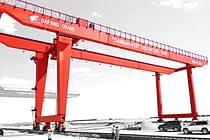
কনটেইনার গ্যান্ট্রি ক্রেন
-
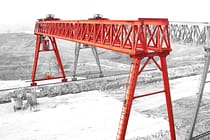
ট্রাস গ্যান্ট্রি ক্রেনস
-
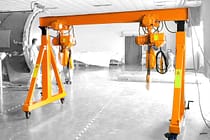
সামঞ্জস্যযোগ্য গ্যান্ট্রি ক্রেন
-
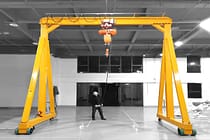
পোর্টেবল গ্যান্ট্রি ক্রেন
-
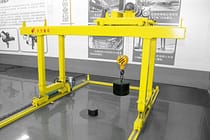
ইউরোপীয় গ্যান্ট্রি ক্রেনস
-
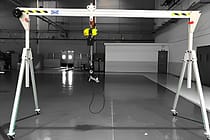
অ্যালুমিনিয়াম গ্যান্ট্রি ক্রেন
-
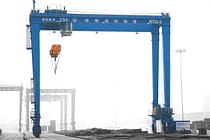
রাবার টায়ার্ড কনটেইনার গ্যান্ট্রি ক্রেন
-
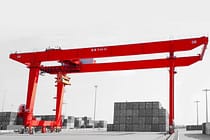
রেল মাউন্ট করা কনটেইনার গ্যান্ট্রি ক্রেন
-
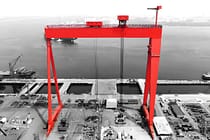
শিপইয়ার্ড গ্যান্ট্রি ক্রেন
-
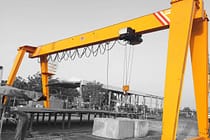
ইউরোপীয় একক গার্ডার গ্যান্ট্রি ক্রেন
-
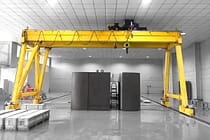
ইউরোপীয় ডাবল গার্ডার গ্যান্ট্রি ক্রেন
-
- জিব ক্রেনস
- বিশেষ ক্রেন
- বৈদ্যুতিক উত্তোলন
- ট্রান্সফার কার্ট
-
ওভারহেড ক্রেনস
-
ক্রেন যন্ত্রাংশ
-
বালতি ধরুন
-
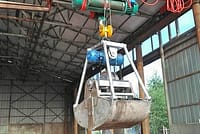
বৈদ্যুতিক স্টেইনলেস স্টীল দখল বালতি
-
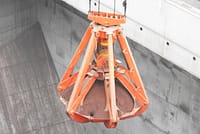
যান্ত্রিক চার দড়ি কমলার খোসা grabs
-
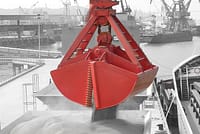
মেকানিক্যাল ফোর রোপ ক্ল্যামশেল বালতি ধরে
-
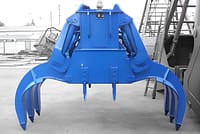
ইলেক্ট্রো হাইড্রোলিক আয়তক্ষেত্রাকার গ্রাবস
-
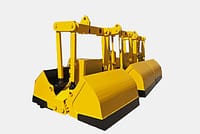
ইলেক্ট্রো হাইড্রোলিক ক্ল্যামশেল গ্র্যাবস
-
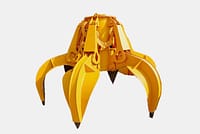
ইলেক্ট্রো হাইড্রোলিক অরেঞ্জ পিল গ্র্যাবস, হাইড্রোলিক ক্যাকটাস গ্র্যাব
-
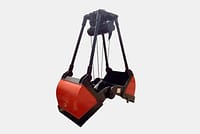
বৈদ্যুতিক মোটর দখল
-
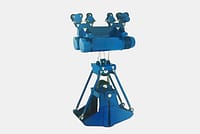
মনোরেল উত্তোলন সহ বৈদ্যুতিক মনোরেল গ্র্যাব বাকেট
-
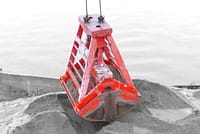
রিমোট কন্ট্রোল ক্ল্যামশেল গ্র্যাবস
-
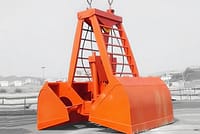
যান্ত্রিক দুই দড়ি Clamshell grabs
-
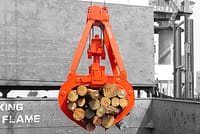
টিম্বার গ্রাবস
-
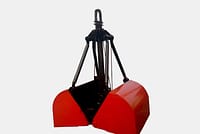
একক দড়ি ধরা বালতি
-
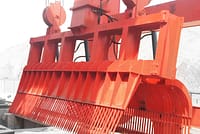
ট্র্যাশ র্যাক পরিষ্কারের মেশিন
-
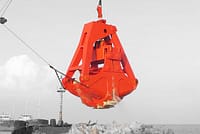
ড্রেজিং গ্রাবস
-
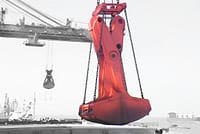
ট্রিমিং গ্র্যাবস
-
- ক্রেন স্প্রেডার
-
ক্রেন খুচরা যন্ত্রাংশ
-
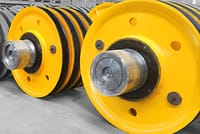
ক্রেন শিভস
-
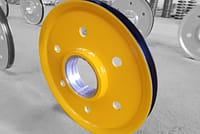
তারের দড়ি শেভস
-
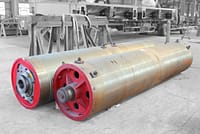
ক্রেন দড়ি ড্রাম
-
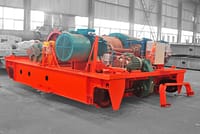
ক্রেন ট্রলি
-
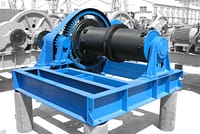
বৈদ্যুতিক উইঞ্চ
-
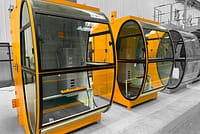
ক্রেন অপারেটর কেবিন
-
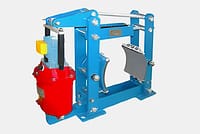
ওভারহেড ক্রেন ব্রেক
-
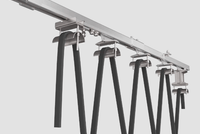
ওভারহেড ক্রেন তারের
-
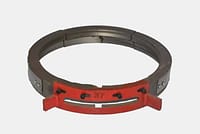
ওভারহেড ক্রেন দড়ি গাইড
-
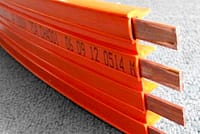
ওভারহেড ক্রেন কন্ডাক্টর এবং পাওয়ার সাপ্লাই লাইন
-
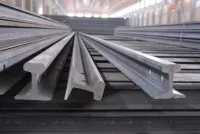
ওভারহেড ক্রেন রেল
-
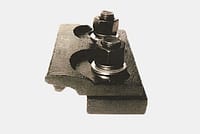
ওভারহেড ক্রেন রেল ক্লিপ
-
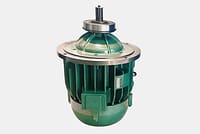
ওভারহেড ক্রেন মোটর
-
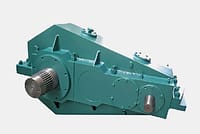
ওভারহেড ক্রেন রিডুসার
-
ওভারহেড ক্রেনের জন্য কাপলিং
-
- ক্রেন হুইলস
-
বালতি ধরুন
- প্রতিষ্ঠান
- যোগাযোগ
-
শিল্প
-
সাধারণ উত্পাদন
-
বর্জ্য হ্যান্ডলিং
-
প্রিকাস্ট
-
শক্তি
-
পাথর
-
কাগজ তৈরি
-
ধাতু উত্পাদন
-
সেতু নির্মাণ
-
পোর্ট ক্রেন: কন্টেইনার এবং বাল্ক ম্যাটেরিয়াল হ্যান্ডলিংয়ের জন্য
-
পেট্রোলিয়াম ও গ্যাস শিল্পের জন্য ওভারহেড ক্রেন: কর্মক্ষম দক্ষতা বৃদ্ধি করুন
-
মোটরগাড়ি শিল্পের জন্য ওভারহেড ক্রেন: দক্ষ অটোমেশন সমাধান
-
রেলওয়ের জন্য ওভারহেড ক্রেন সমাধান: ট্র্যাক লেইং, রোলিং স্টক রক্ষণাবেক্ষণ এবং কন্টেইনার হ্যান্ডলিং
-
খাদ্য ও পানীয়ের জন্য ওভারহেড ক্রেন: দক্ষ পরিচালনার জন্য নির্ভরযোগ্য সমাধান
-
দক্ষ সিমেন্ট, কাচ, ইট এবং প্রিকাস্ট কংক্রিট উৎপাদনের জন্য ওভারহেড ক্রেন
-
বিমান শিল্পের জন্য ওভারহেড ক্রেন: বিমান রক্ষণাবেক্ষণ এবং সমাবেশ
-
মহাকাশ ওভারহেড ক্রেন: রকেট উৎক্ষেপণ এবং পরিবহনের জন্য যথার্থ উত্তোলন
-
-
পণ্য
-
ওভারহেড ক্রেনস
-
একক গার্ডার ওভারহেড ক্রেন
-
ডাবল গার্ডার ওভারহেড ক্রেন
-
ইউরোপীয় ধরণের একক গার্ডার ওভারহেড ক্রেন
-
ইউরোপীয় ধরণের ডাবল গার্ডার ওভারহেড ক্রেন
-
বিস্ফোরণ প্রমাণ ওভারহেড ক্রেন
-
গ্র্যাব এবং ম্যাগনেটিক ওভারহেড ক্রেন
-
মনোরেল ক্রেন
-
ফাউন্ড্রি ওভারহেড ক্রেন
-
নিরোধক ওভারহেড ক্রেন
-
লো হেডরুম ওভারহেড ক্রেন
-
ওভারহেড ক্রেন ধরুন
-
ল্যাডল ওভারহেড ক্রেন
-
আন্ডারহ্যাং ওভারহেড ক্রেন
-
ইলেক্ট্রোম্যাগনেটিক ওভারহেড ক্রেন
-
ওয়ার্কস্টেশন ক্রেন: হালকা ডিজাইন, সহজ স্থাপন এবং অনায়াস পরিচালনা
-
ফ্রি স্ট্যান্ডিং ওয়ার্কস্টেশন ব্রিজ ক্রেন
-
সিলিং মাউন্টেড ব্রিজ ক্রেন
-
ম্যানুয়াল ওভারহেড ক্রেন
-
-
গ্যান্ট্রি ক্রেনস
-
সেমি গ্যান্ট্রি ক্রেনস
-
একক গার্ডার গ্যান্ট্রি ক্রেন
-
ডাবল গার্ডার গ্যান্ট্রি ক্রেন
-
কনটেইনার গ্যান্ট্রি ক্রেন
-
ট্রাস গ্যান্ট্রি ক্রেনস
-
সামঞ্জস্যযোগ্য গ্যান্ট্রি ক্রেন
-
পোর্টেবল গ্যান্ট্রি ক্রেন
-
ইউরোপীয় গ্যান্ট্রি ক্রেনস
-
অ্যালুমিনিয়াম গ্যান্ট্রি ক্রেন
-
রাবার টায়ার্ড কনটেইনার গ্যান্ট্রি ক্রেন
-
রেল মাউন্ট করা কনটেইনার গ্যান্ট্রি ক্রেন
-
শিপইয়ার্ড গ্যান্ট্রি ক্রেন
-
ইউরোপীয় একক গার্ডার গ্যান্ট্রি ক্রেন
-
ইউরোপীয় ডাবল গার্ডার গ্যান্ট্রি ক্রেন
-
- জিব ক্রেনস
- বিশেষ ক্রেন
- বৈদ্যুতিক উত্তোলন
- ট্রান্সফার কার্ট
-
ওভারহেড ক্রেনস
-
ক্রেন যন্ত্রাংশ
-
বালতি ধরুন
-
বৈদ্যুতিক স্টেইনলেস স্টীল দখল বালতি
-
যান্ত্রিক চার দড়ি কমলার খোসা grabs
-
মেকানিক্যাল ফোর রোপ ক্ল্যামশেল বালতি ধরে
-
ইলেক্ট্রো হাইড্রোলিক আয়তক্ষেত্রাকার গ্রাবস
-
ইলেক্ট্রো হাইড্রোলিক ক্ল্যামশেল গ্র্যাবস
-
ইলেক্ট্রো হাইড্রোলিক অরেঞ্জ পিল গ্র্যাবস, হাইড্রোলিক ক্যাকটাস গ্র্যাব
-
বৈদ্যুতিক মোটর দখল
-
মনোরেল উত্তোলন সহ বৈদ্যুতিক মনোরেল গ্র্যাব বাকেট
-
রিমোট কন্ট্রোল ক্ল্যামশেল গ্র্যাবস
-
যান্ত্রিক দুই দড়ি Clamshell grabs
-
টিম্বার গ্রাবস
-
একক দড়ি ধরা বালতি
-
ট্র্যাশ র্যাক পরিষ্কারের মেশিন
-
ড্রেজিং গ্রাবস
-
ট্রিমিং গ্র্যাবস
-
- ক্রেন স্প্রেডার
-
ক্রেন খুচরা যন্ত্রাংশ
-
ক্রেন শিভস
-
তারের দড়ি শেভস
-
ক্রেন দড়ি ড্রাম
-
ক্রেন ট্রলি
-
বৈদ্যুতিক উইঞ্চ
-
ক্রেন অপারেটর কেবিন
-
ওভারহেড ক্রেন ব্রেক
-
ওভারহেড ক্রেন তারের
-
ওভারহেড ক্রেন দড়ি গাইড
-
ওভারহেড ক্রেন কন্ডাক্টর এবং পাওয়ার সাপ্লাই লাইন
-
ওভারহেড ক্রেন রেল
-
ওভারহেড ক্রেন রেল ক্লিপ
-
ওভারহেড ক্রেন মোটর
-
ওভারহেড ক্রেন রিডুসার
-
ওভারহেড ক্রেনের জন্য কাপলিং
-
- ক্রেন হুইলস
-
বালতি ধরুন
- প্রতিষ্ঠান
- যোগাযোগ



রাশিয়ার জন্য ৩২ টন ডাবল গার্ডার গ্যান্ট্রি ক্রেন: -৪৫° সেলসিয়াস তাপমাত্রায় রেলওয়ে নির্মাণ প্রকল্পের জন্য ডিজাইনকৃত।
সূচিপত্র
We supplied two MG double girder gantry cranes to handle materials for a railway construction project in Russia. The site’s ambient temperature range was −45°C to +40°C. We selected Q355E structural steel, motor heaters, and a heated enclosed operator cabin. Each crane has a 32 t main hook, a 12.5 t auxiliary hook, and cantilevers at both ends for lifting between the rails, beyond either rail, and below rail level.
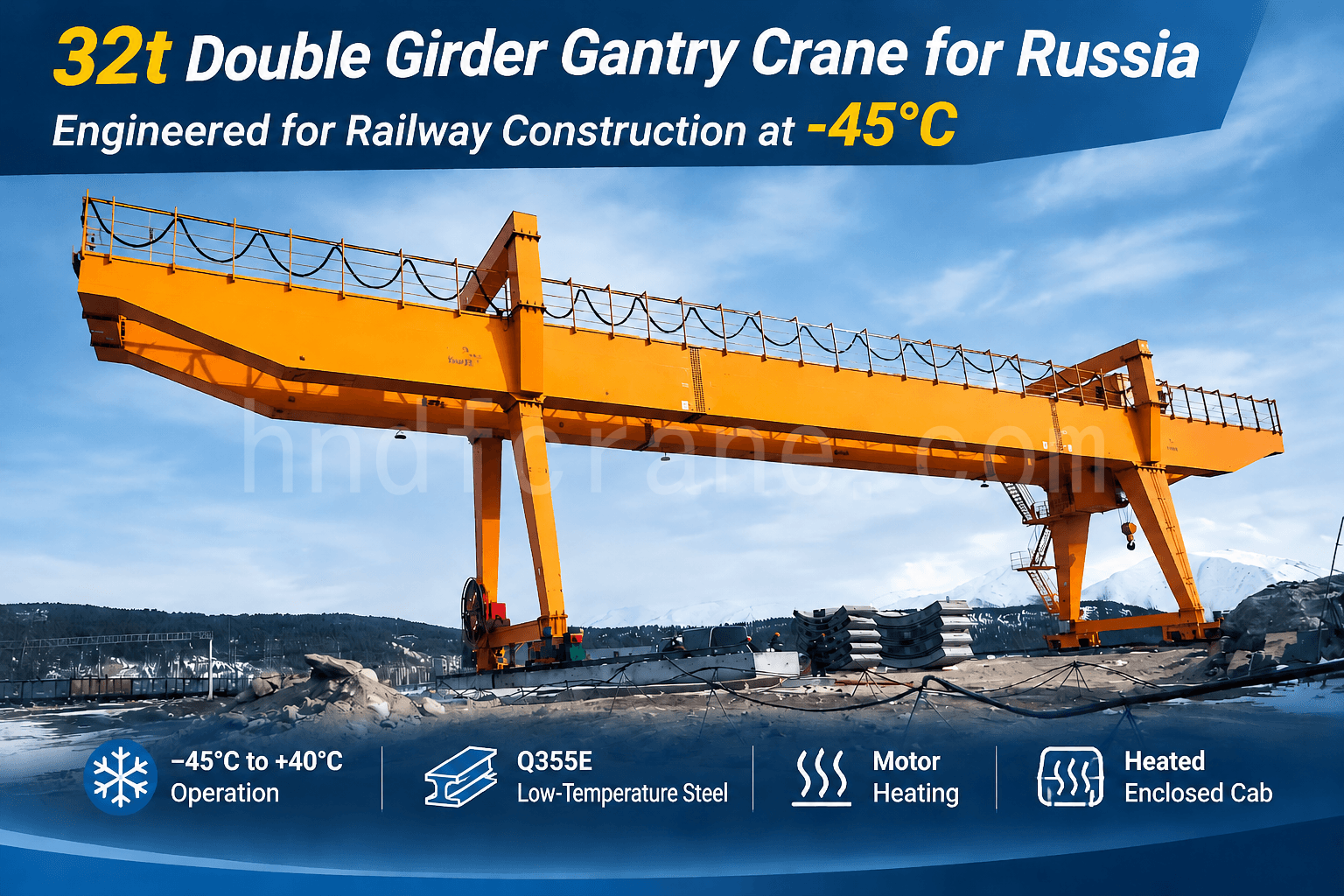
Customer Requirements: Low Temperatures, Two Hooks, and Lifting Beyond the Rails
The cranes had to travel along ground-level rails and handle materials of different weights. They needed to reach both sides of the runway as well as the area between the rails. Some load handling positions were below rail level, so both hooks needed enough downward travel to reach them.
- Ambient temperature: −45°C to +40°C in both operating and non-operating conditions.
- Lifting capacity and duty: A 32 t main hook and a 12.5 t auxiliary hook on each crane, with an overall A6 duty classification. Hoisting, trolley travel, and gantry travel all required variable speeds.
- Horizontal reach: A 32 m span with a 12.5 m cantilever at each end.
- Vertical reach: The main hook can lift 10 m above rail level and the auxiliary hook 11 m. Both hooks can lower to 10 m below rail level.
আমাদের সমাধান
Cold-Weather Configuration: Q355E Steel, Motor Heaters, and a Heated Cabin
We configured the load-bearing structure, drive mechanisms, and operator cabin for the railway site’s cold conditions.
- Q355E structural steel. We used Q355E steel for the main girders and gantry frame. The material provides the strength required to carry the loads and low-temperature impact toughness to help reduce the risk of brittle fracture under impact.
- Heaters for hoist and travel motors. The main hoist, auxiliary hoist, trolley travel, and gantry travel motors all have anti-condensation heaters. These help keep the motor interiors warm when stopped, reducing the risk of condensation as the motors cool and helping protect the winding insulation.
- Heated, insulated operator cabin. The enclosed operator cabin is mounted beneath the hoist trolley and travels with it. The enclosure limits air exchange, insulation reduces heat loss, and the heater supplies warmth for the operator.
Dual-Hook Lifting: 32T Main Hook, 12.5T Auxiliary Hook, and Variable Speeds
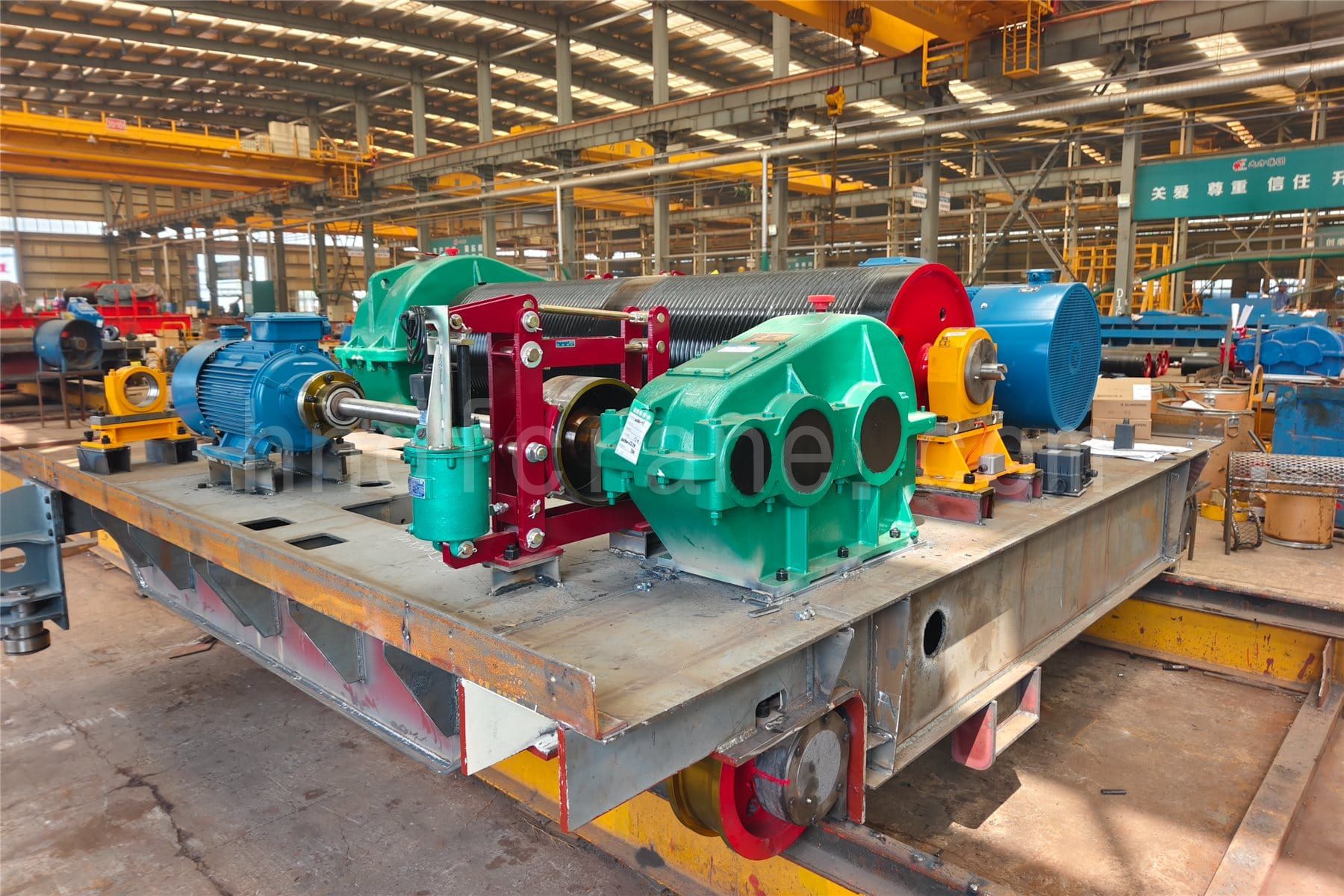
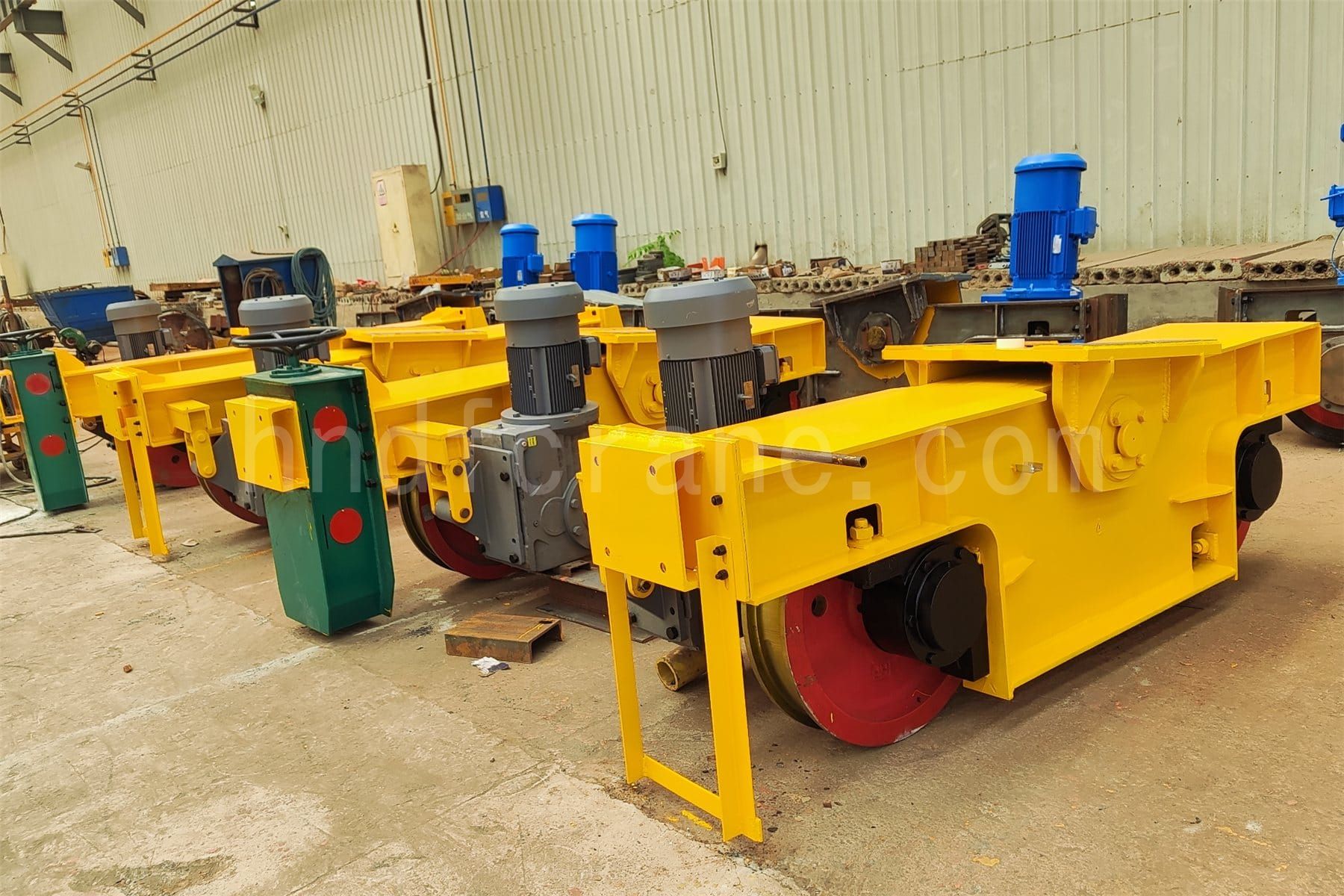
Each crane has two hoisting mechanisms. The 32 t main hook handles heavier loads, while the 12.5 t auxiliary hook handles loads within its own rated capacity. The overall crane duty class is A6. The main hoist and gantry travel mechanisms are M6; the auxiliary hoist and trolley travel mechanisms are M5.
The speed ranges are:
- Main hoist: 0.95–9.5 m/min
- Auxiliary hoist: 1.33–13.3 m/min
- Trolley travel: 3.7–37 m/min
- Gantry travel: 3.2–32 m/min
The auxiliary hook can lift faster within its rated capacity. Near the set-down point, the operator can use a lower hoisting speed to adjust hook height and use trolley and gantry travel to position the load horizontally.
Working Range: 32 m Long-Span Design with 12.5 m Double-Side Cantilevers
We employ a gantry with a 32m span, featuring 12.5m cantilevers on each side of the main girder, providing a total lateral coverage of 57 meters. The trolley can travel from within the span onto either cantilever, allowing the hooks to reach pickup and set-down points outside the rails. For example, the crane can pick up materials from outside the runway and move them inward for placement, or move a load from inside the span out to a cantilever for unloading.
Both hoists can lower 10 m below the gantry rail level. Using rail level as the reference, the main hook can lift 10 m above it and the auxiliary hook 11 m above it.
Double Girder Gantry Cranes Packing and Shipment
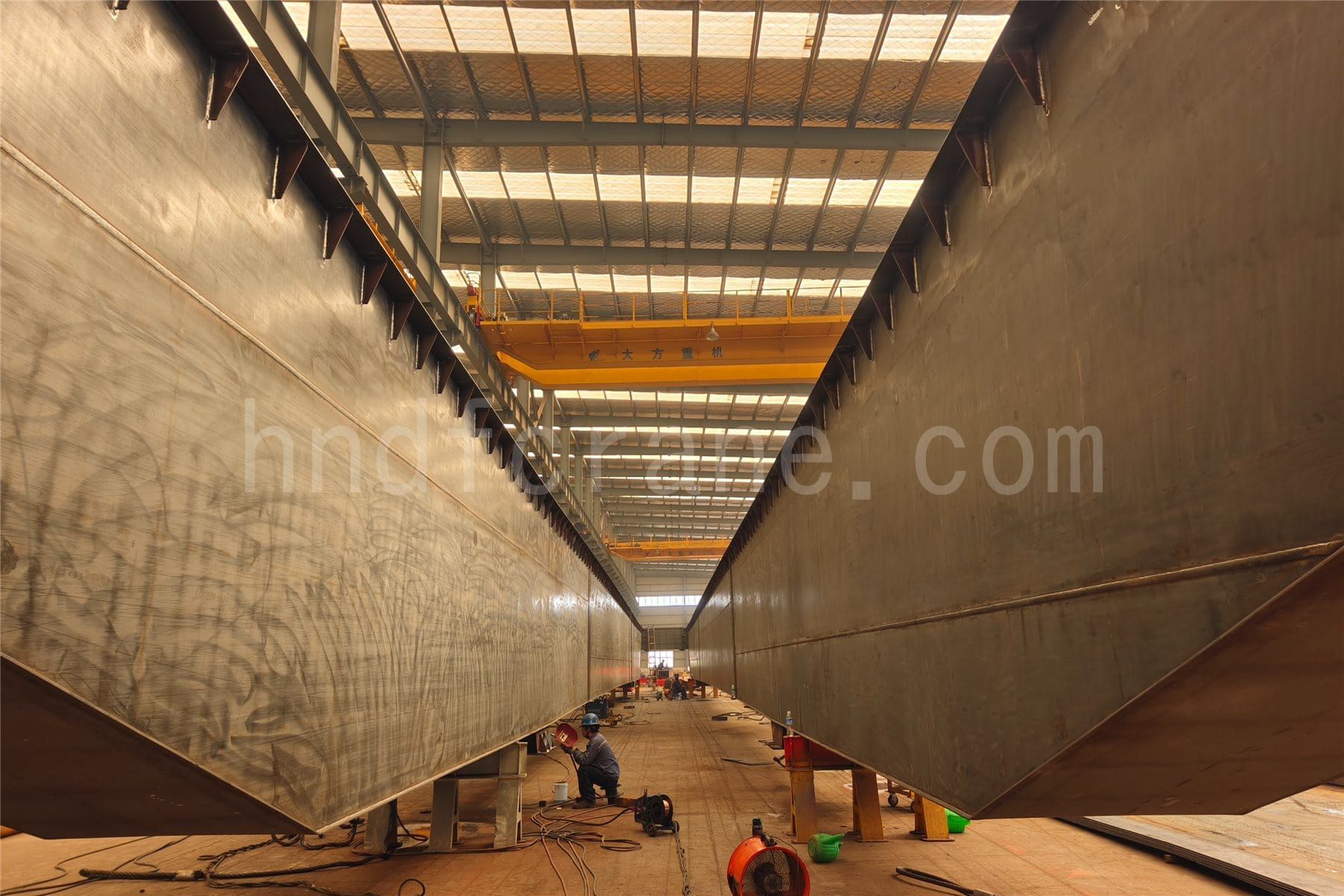
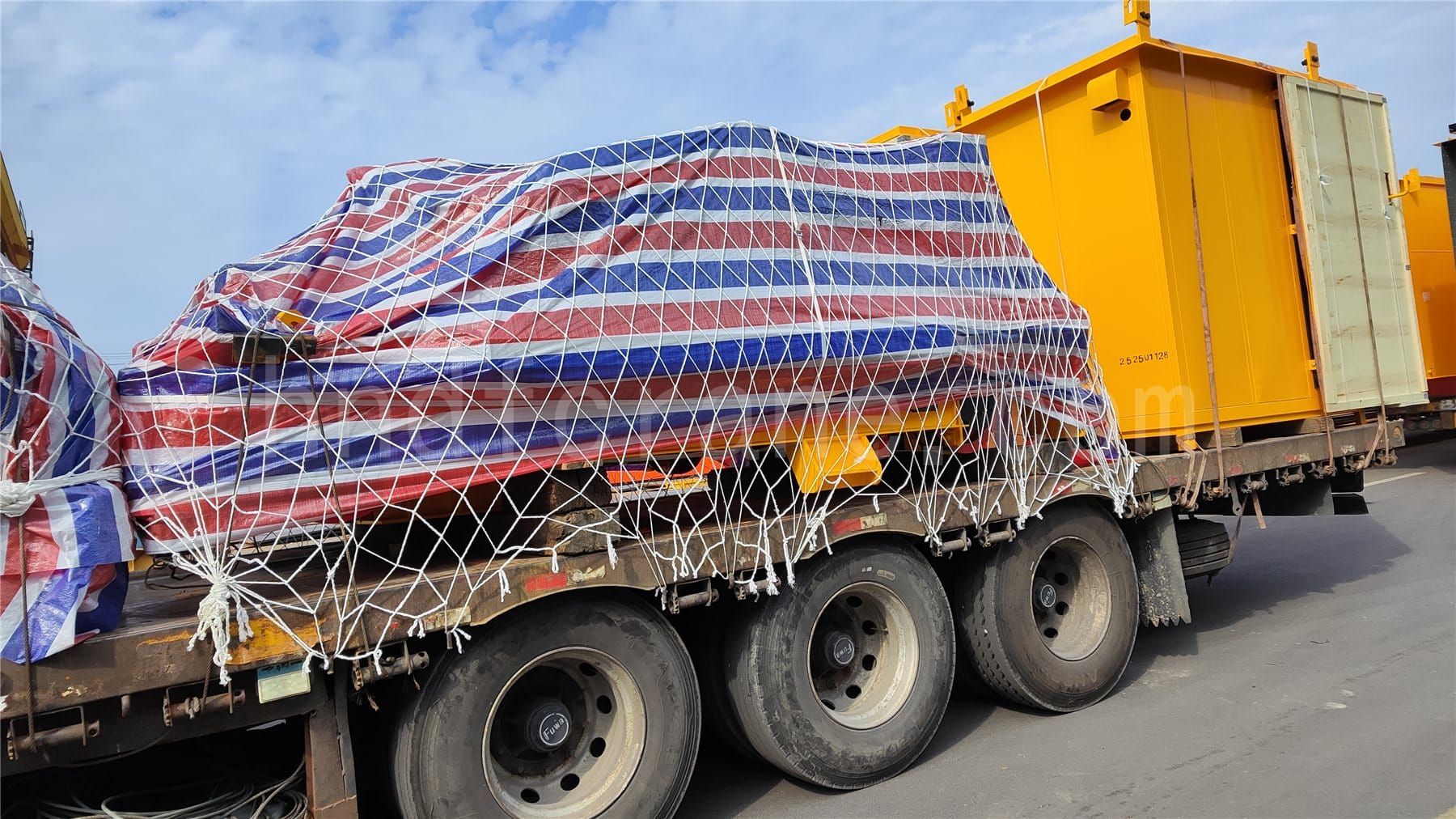
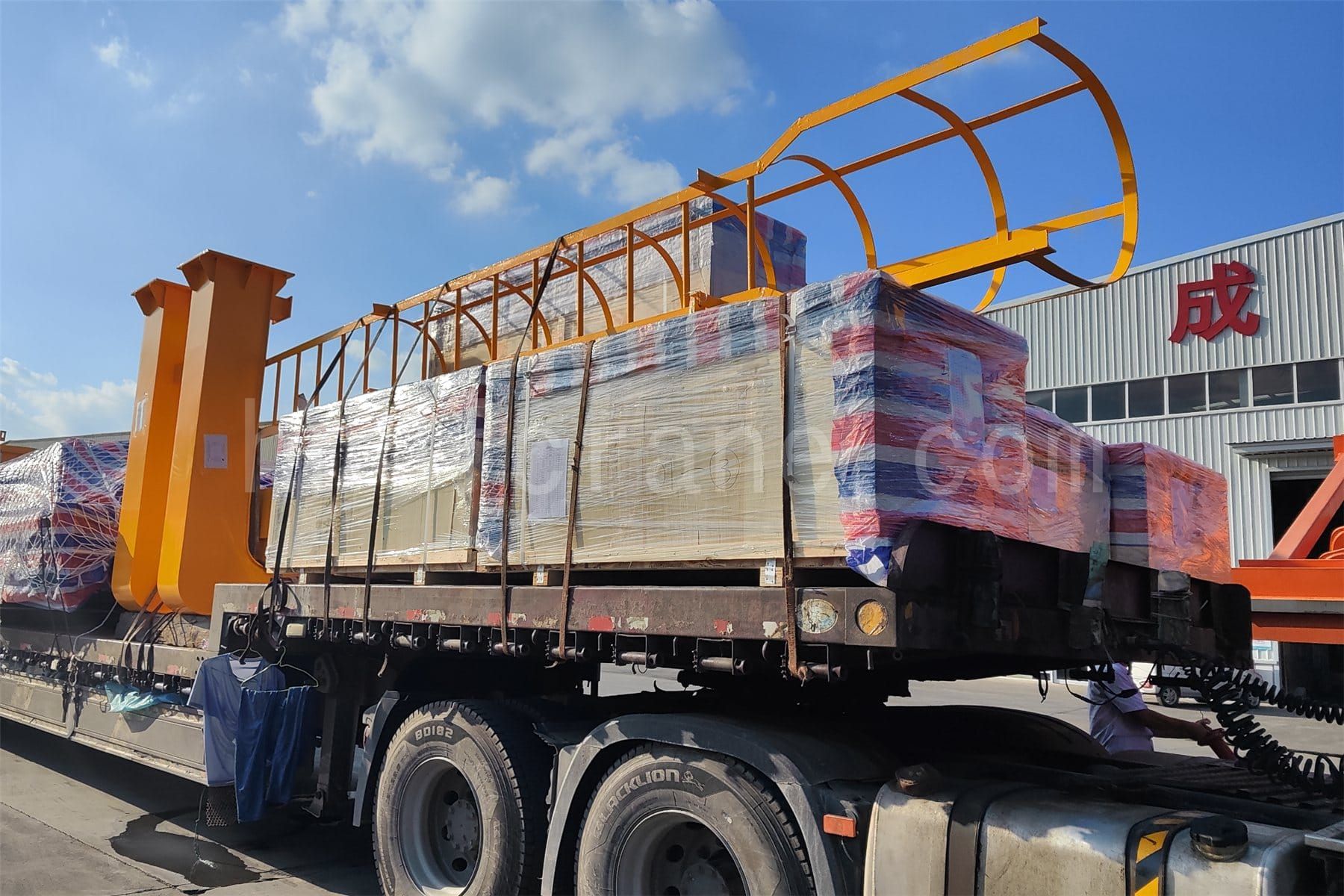
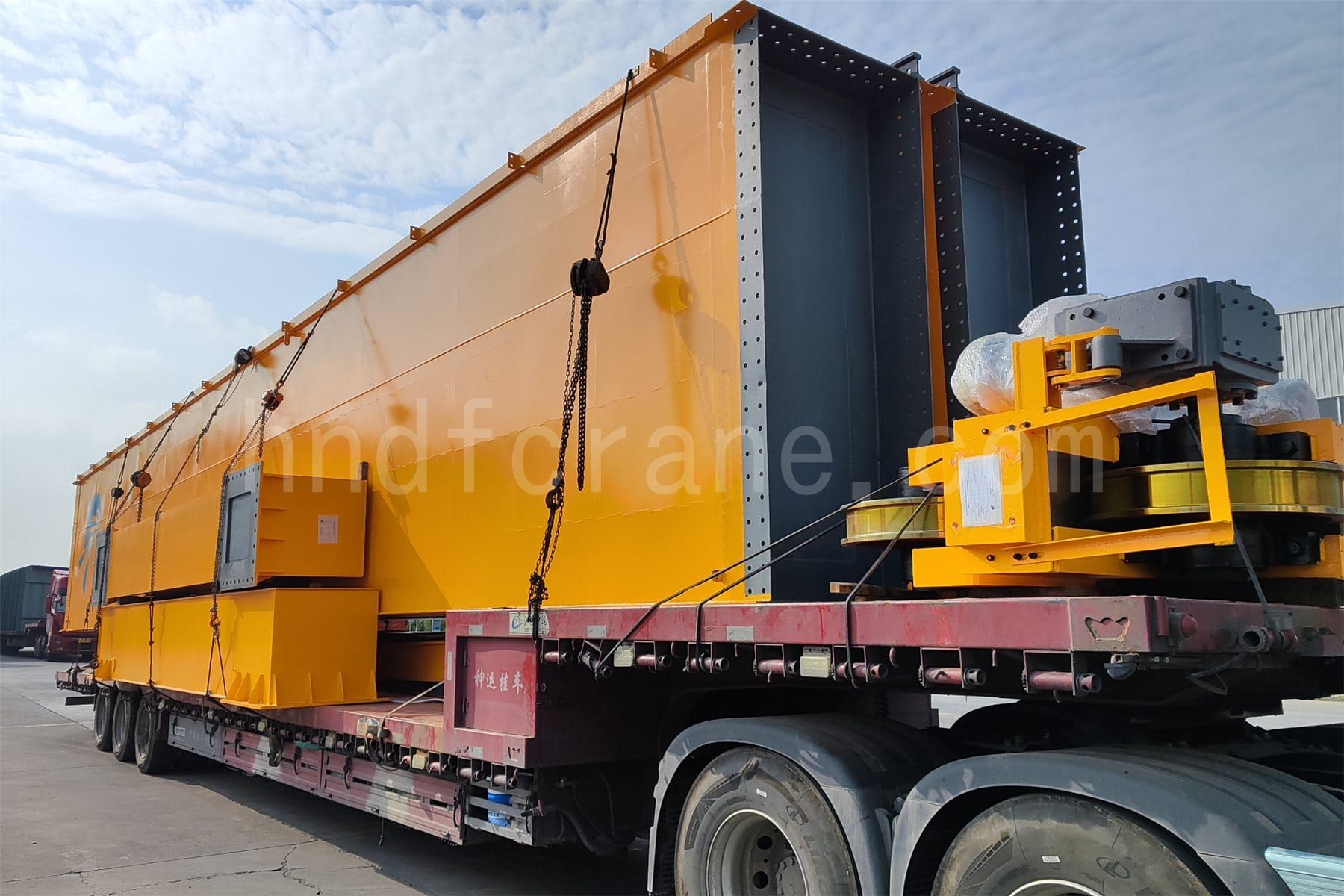
Before shipment to Russia, we packed the equipment according to each component’s dimensions, shape, and protection needs. The box girders, legs, and travel mechanisms were shipped separately. The long girders were placed lengthwise on the vehicles and secured with straps to limit movement in transit. Protective covers were fitted to the mating faces of selected girder sections to reduce the risk of impact during handling and loading.
The hoist trolley was covered with a tarpaulin to protect its exposed mechanisms. Cabin glass and smaller components were packed in wooden crates to protect them from impacts during loading, unloading, and transport.
The shipment included Russian-language technical passports, general arrangement drawings, and electrical drawings to help the site team check assembly positions and electrical connections when the equipment arrived.
Selecting a Gantry Crane for a Cold-Weather Site?
If your project involves lifting materials in a cold climate, tell us what you need to lift and where the crane will operate. We can start with the work itself, even if the span and capacity are still open. Based on site conditions and the required lifting range, we can help define the crane specifications, cold-weather options, and scope of supply, and provide a proposal and quotation.

আমি সিন্ডি, ক্রেন শিল্পে 10 বছরের কাজের অভিজ্ঞতা এবং প্রচুর পেশাদার জ্ঞান সঞ্চয় করেছি। আমি 500+ গ্রাহকদের জন্য সন্তোষজনক ক্রেন বেছে নিয়েছি। ক্রেন সম্পর্কে আপনার কোন প্রয়োজন বা প্রশ্ন থাকলে, অনুগ্রহ করে নির্দ্বিধায় আমার সাথে যোগাযোগ করুন, আমি আপনাকে সমস্যা সমাধানে সহায়তা করার জন্য আমার দক্ষতা এবং বাস্তব অভিজ্ঞতা ব্যবহার করব!
আপনার তদন্ত পাঠান
- ইমেইল: sales@hndfcrane.com
- হোয়াটসঅ্যাপ: +86 191 3738 6654
- টেলিগ্রাম: +86 191 3738 6654
- টেলিফোন: +86-373-581 8299
- ফ্যাক্স: +86-373-215 7000
- যোগ করুন: চাংনাও শিল্প জেলা, জিনজিয়াং সিটি, হেনান প্রদেশ, চীন
 উইচ্যাট
- ওভারহেড ক্রেনস
- ডাবল গার্ডার ওভারহেড ক্রেন
- একক গার্ডার ওভারহেড ক্রেন
- ইউরোপীয় ধরণের একক গার্ডার ওভারহেড ক্রেন
- বিস্ফোরণ প্রমাণ ওভারহেড ক্রেন
- গ্র্যাব এবং ম্যাগনেটিক ওভারহেড ক্রেন
- মনোরেল ক্রেন
- ফাউন্ড্রি ওভারহেড ক্রেন
- ওয়ার্কস্টেশন ক্রেন: হালকা ডিজাইন, সহজ স্থাপন এবং অনায়াস পরিচালনা
- জিব ক্রেনস
- ওয়াল মাউন্ট করা জিব ক্রেন
- ওয়াল ট্রাভেলিং জিব ক্রেন
- ফ্রি স্ট্যান্ডিং জিব ক্রেন
- অ্যালুমিনিয়াম জিব ক্রেন: সহজে উত্তোলনের জন্য হালকা, মসৃণ ঘূর্ণায়মান বাহু
- ব্যালেন্স জিব ক্রেন: স্বল্প দূরত্বের যান্ত্রিক সমাবেশের জন্য দক্ষ আলো উত্তোলন
- ম্যানুয়াল ফ্রি স্ট্যান্ডিং জিব ক্রেন: সীমিত স্থান পরিচালনার জন্য দক্ষ ম্যানুয়াল উত্তোলন সমাধান
- বৈদ্যুতিক ফ্রি স্ট্যান্ডিং জিব ক্রেন: উচ্চ ক্ষমতা সম্পন্ন দ্রুত উত্তোলনের জন্য সম্পূর্ণ বৈদ্যুতিক সমাধান
- জিব ক্রেনগুলিকে আর্টিকুলেটিং করা: দ্বৈত বাহু নমনীয়তার সাথে নির্ভুল উত্তোলন
- গ্যান্ট্রি ক্রেনস
- ডাবল গার্ডার গ্যান্ট্রি ক্রেন
- সেমি গ্যান্ট্রি ক্রেনস
- একক গার্ডার গ্যান্ট্রি ক্রেন
- ট্রাস গ্যান্ট্রি ক্রেনস
- কনটেইনার গ্যান্ট্রি ক্রেন
- সামঞ্জস্যযোগ্য গ্যান্ট্রি ক্রেন
- পোর্টেবল গ্যান্ট্রি ক্রেন
- ইউরোপীয় গ্যান্ট্রি ক্রেনস
- শিল্প
- সাধারণ উত্পাদন
- বর্জ্য হ্যান্ডলিং
- প্রিকাস্ট
- শক্তি
- পাথর
- কাগজ তৈরি
- ধাতু উত্পাদন
- সেতু নির্মাণ
- পোর্ট ক্রেন: কন্টেইনার এবং বাল্ক ম্যাটেরিয়াল হ্যান্ডলিংয়ের জন্য
- পেট্রোলিয়াম ও গ্যাস শিল্পের জন্য ওভারহেড ক্রেন: কর্মক্ষম দক্ষতা বৃদ্ধি করুন
- মোটরগাড়ি শিল্পের জন্য ওভারহেড ক্রেন: দক্ষ অটোমেশন সমাধান
- রেলওয়ের জন্য ওভারহেড ক্রেন সমাধান: ট্র্যাক লেইং, রোলিং স্টক রক্ষণাবেক্ষণ এবং কন্টেইনার হ্যান্ডলিং
- বৈদ্যুতিক উত্তোলন
- বৈদ্যুতিক তারের দড়ি Hoists
- বৈদ্যুতিক চেইন Hoists
- ইউরোপীয় টাইপ বৈদ্যুতিক Hoists
- ইউরোপীয় বৈদ্যুতিক চেইন হোস্ট: মসৃণ অপারেশন, কম শব্দ, এবং শক্তি দক্ষতা
- ম্যানুয়াল লিভার উত্তোলন: টানা এবং উত্তোলনের কাজের জন্য আদর্শ
- হ্যান্ড চেইন উত্তোলন: বিদ্যুৎবিহীন এলাকার জন্য ম্যানুয়াল উত্তোলন
- কম হেডরুম বৈদ্যুতিক উত্তোলন: সর্বাধিক স্থান দক্ষতার জন্য কম্প্যাক্ট নকশা
- বায়ুসংক্রান্ত চেইন উত্তোলন: শিল্প ব্যবহারের জন্য মসৃণ হ্যান্ডলিং
- বিস্ফোরণ-প্রমাণ ম্যানুয়াল চেইন হোস্ট: বিপজ্জনক এলাকার জন্য স্পার্ক প্রতিরোধী তামার খাদ নির্মাণ
- বিপজ্জনক এলাকায় উত্তোলনের জন্য বিস্ফোরণরোধী বৈদ্যুতিক চেইন হোইস্ট
- সম্পর্কিত
- মামলা
- খবর
- প্রশ্নাবলী
- ডাউনলোড করুন
- ব্লগ
- অনলাইন ক্রেন হুইল লোড গণনার সরঞ্জাম
- ভিআর প্যানোরামা
- যোগাযোগ করুন
- ইমেইল: sales@hndfcrane.com
- হোয়াটসঅ্যাপ: +86 191 3738 6654
- টেলিগ্রাম: +86 191 3738 6654
- টেলিফোন: +86-373-581 8299
-