
-
Industrier
-
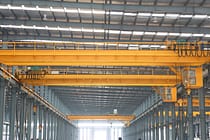
Generel fremstilling
-
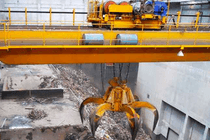
Affaldshåndtering
-
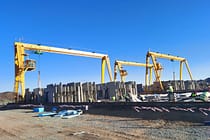
Præfabrikeret
-
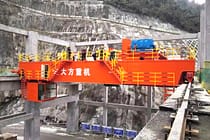
Strøm
-
Sten
-
Papirfremstilling
-
Metalproduktion
-
Brobygning
-
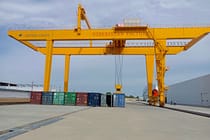
Havnekraner: Til håndtering af containere og bulkmaterialer
-
Traverskraner til olie- og gasindustrien: Forbedrer driftseffektiviteten
-
Marinekraner til effektiv lastning på skibe
-
Traverskraner til bilindustrien: Effektive automatiseringsløsninger
-
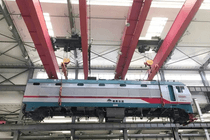
Traverskranløsninger til jernbaner: Sporlægning, vedligeholdelse af rullende materiel og containerhåndtering
-
Traverskraner til fødevarer og drikkevarer: Pålidelige løsninger til effektiv håndtering
-
Traverskraner til effektiv fremstilling af cement, glas, mursten og præfabrikeret beton
-
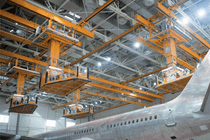
Traverskraner til luftfartsindustrien: Flyvedligeholdelse og montering
-
Traverskraner til luftfart: Præcisionsløft til raketopsendelse og -transport
-
-
Produkter
-
Løftekraner
-
Enkeltbjælke overheadkraner
-
Dobbeltdrager overhead kraner
-
Europæiske type enkeltbjælkekraner
-
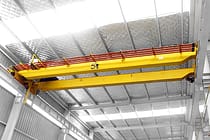
Europæiske dobbeltbjælkekraner
-
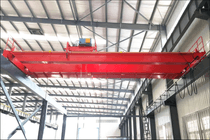
Eksplosionssikre traverskraner
-
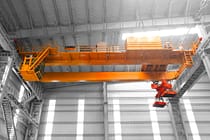
Grab og magnetiske traverskraner
-
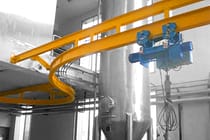
Monorail kraner
-
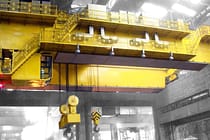
Støbehovedkraner
-
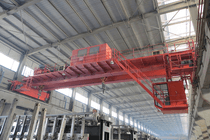
Isolering traverskraner
-
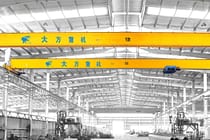
Løftekraner med lav frihøjde
-
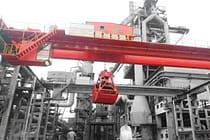
Få fat i traverskraner
-
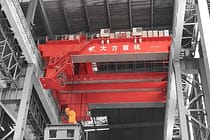
Løse overhead kraner
-
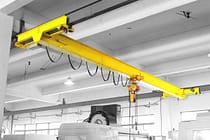
Underhængte traverskraner
-
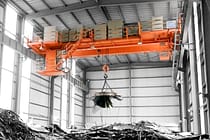
Elektromagnetiske traverskraner
-
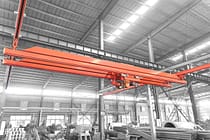
Arbejdsstationskraner
-
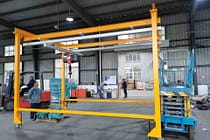
Fritstående arbejdsstationsbrokraner
-
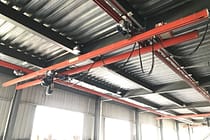
Loftmonteret brokran
-
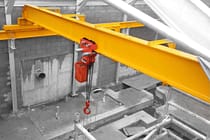
Manuelle traverskraner
-
-
Gantry kraner
-
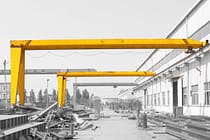
Semi portalkraner
-
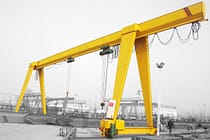
Enkeltbjælke portalkraner
-
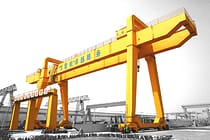
Dobbeltbjælke portalkraner
-
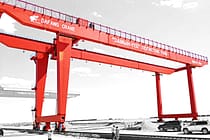
Container portalkraner
-
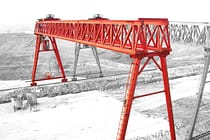
Truss portalkraner
-
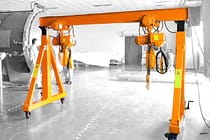
Justerbare portalkraner
-
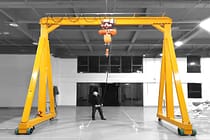
Bærbare portalkraner
-
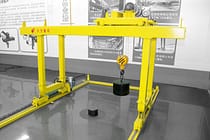
Europæiske portalkraner
-
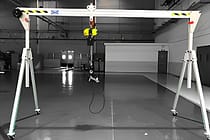
Portalkraner i aluminium
-
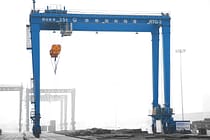
Gummibelagte containerportalkraner
-
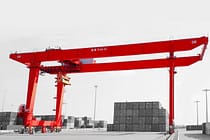
Skinnemonterede containerportalkraner
-
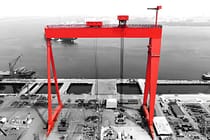
Skibsværfts portalkran
-
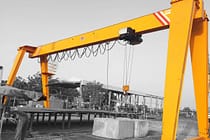
Europæiske portalkraner med enkelt bjælke
-
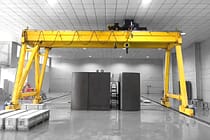
Europæiske dobbeltbjælkeportalkraner
-
- Fokkekraner
- Særlige kraner
- Elektriske hejser
- Overførselsvogne
-
Løftekraner
-
Kran dele
-
Grib Bøtter
-
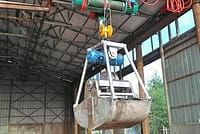
Elektrisk gribespand i rustfrit stål
-
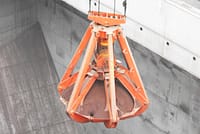
Mekaniske greb med fire reb appelsinskal
-
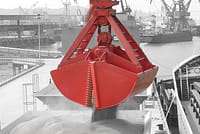
Mekanisk gribespand med fire reb
-
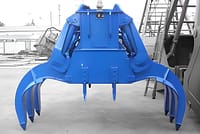
Elektrohydrauliske rektangulære gribere
-
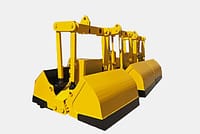
Elektrohydrauliske Clamshell-greb
-
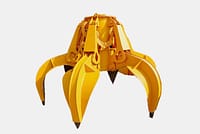
Elektrohydrauliske appelsinskræller, hydrauliske kaktusgreb
-
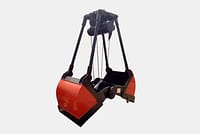
Grib til elektrisk motor
-
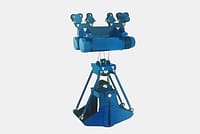
Elektrisk Monorail gribespand med Monorail hejs
-
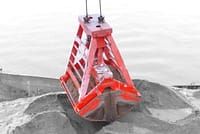
Fjernbetjening Clamshell Gribs
-
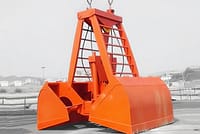
Mekaniske to-reb Clamshell-greb
-
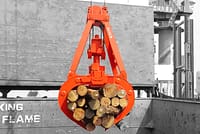
Trægreb
-
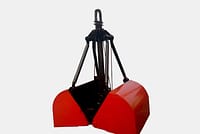
Grab-spand med enkelt reb
-
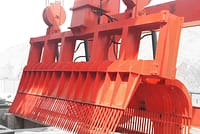
Rengøringsmaskiner til affaldsstativ
-
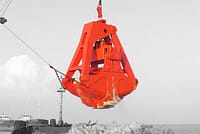
Uddybningsgreb
-
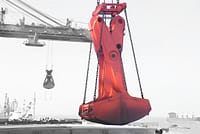
Trimningsgreb
-
- Kranspreder
-
Kran Reservedele
-
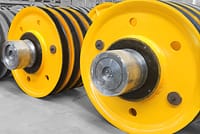
Kranskiver
-
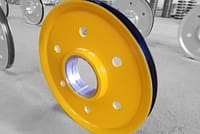
Ståltovskiver
-
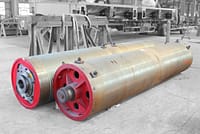
Kranetromle
-
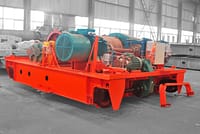
Kranvogn
-
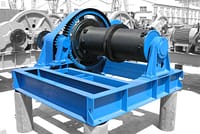
Elektrisk spil
-
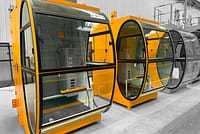
Kranførerkabine
-
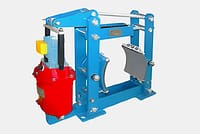
Overheadkranbremser
-
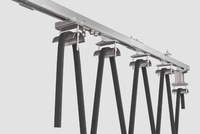
Overheadkrankabler
-
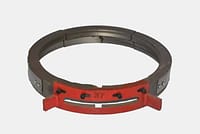
Overhead kran reb guider
-
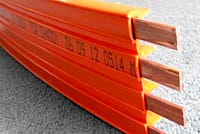
Luftkranledere og strømforsyningsledninger
-
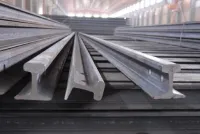
Skinner til traverskraner
-
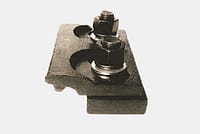
Skinneklemmer til traverskraner
-
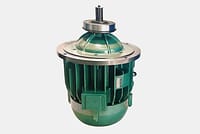
Traverskranmotorer
-
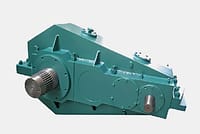
Reduktionsgear til traverskraner
-
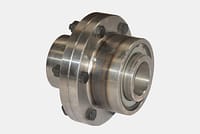
Koblinger til traverskran
-
- Kranhjul
-
Grib Bøtter
- Selskab
- Kontakt

-
Industrier
-
Generel fremstilling
-
Affaldshåndtering
-
Præfabrikeret
-
Strøm
-
Sten
-
Papirfremstilling
-
Metalproduktion
-
Brobygning
-
Havnekraner: Til håndtering af containere og bulkmaterialer
-
Traverskraner til olie- og gasindustrien: Forbedrer driftseffektiviteten
-
Marinekraner til effektiv lastning på skibe
-
Traverskraner til bilindustrien: Effektive automatiseringsløsninger
-
Traverskranløsninger til jernbaner: Sporlægning, vedligeholdelse af rullende materiel og containerhåndtering
-
Traverskraner til fødevarer og drikkevarer: Pålidelige løsninger til effektiv håndtering
-
Traverskraner til effektiv fremstilling af cement, glas, mursten og præfabrikeret beton
-
Traverskraner til luftfartsindustrien: Flyvedligeholdelse og montering
-
Traverskraner til luftfart: Præcisionsløft til raketopsendelse og -transport
-
-
Produkter
-
Løftekraner
-
Enkeltbjælke overheadkraner
-
Dobbeltdrager overhead kraner
-
Europæiske type enkeltbjælkekraner
-
Europæiske dobbeltbjælkekraner
-
Eksplosionssikre traverskraner
-
Grab og magnetiske traverskraner
-
Monorail kraner
-
Støbehovedkraner
-
Isolering traverskraner
-
Løftekraner med lav frihøjde
-
Få fat i traverskraner
-
Løse overhead kraner
-
Underhængte traverskraner
-
Elektromagnetiske traverskraner
-
Arbejdsstationskraner
-
Fritstående arbejdsstationsbrokraner
-
Loftmonteret brokran
-
Manuelle traverskraner
-
-
Gantry kraner
-
Semi portalkraner
-
Enkeltbjælke portalkraner
-
Dobbeltbjælke portalkraner
-
Container portalkraner
-
Truss portalkraner
-
Justerbare portalkraner
-
Bærbare portalkraner
-
Europæiske portalkraner
-
Portalkraner i aluminium
-
Gummibelagte containerportalkraner
-
Skinnemonterede containerportalkraner
-
Skibsværfts portalkran
-
Europæiske portalkraner med enkelt bjælke
-
Europæiske dobbeltbjælkeportalkraner
-
- Fokkekraner
- Særlige kraner
- Elektriske hejser
- Overførselsvogne
-
Løftekraner
-
Kran dele
-
Grib Bøtter
-
Elektrisk gribespand i rustfrit stål
-
Mekaniske greb med fire reb appelsinskal
-
Mekanisk gribespand med fire reb
-
Elektrohydrauliske rektangulære gribere
-
Elektrohydrauliske Clamshell-greb
-
Elektrohydrauliske appelsinskræller, hydrauliske kaktusgreb
-
Grib til elektrisk motor
-
Elektrisk Monorail gribespand med Monorail hejs
-
Fjernbetjening Clamshell Gribs
-
Mekaniske to-reb Clamshell-greb
-
Trægreb
-
Grab-spand med enkelt reb
-
Rengøringsmaskiner til affaldsstativ
-
Uddybningsgreb
-
Trimningsgreb
-
- Kranspreder
-
Kran Reservedele
-
Kranskiver
-
Ståltovskiver
-
Kranetromle
-
Kranvogn
-
Elektrisk spil
-
Kranførerkabine
-
Overheadkranbremser
-
Overheadkrankabler
-
Overhead kran reb guider
-
Luftkranledere og strømforsyningsledninger
-
Skinner til traverskraner
-
Skinneklemmer til traverskraner
-
Traverskranmotorer
-
Reduktionsgear til traverskraner
-
Koblinger til traverskran
-
- Kranhjul
-
Grib Bøtter
- Selskab
- Kontakt



Wire til traverskraner: Almindelige typer og sikkerhedskrav
Indholdsfortegnelse
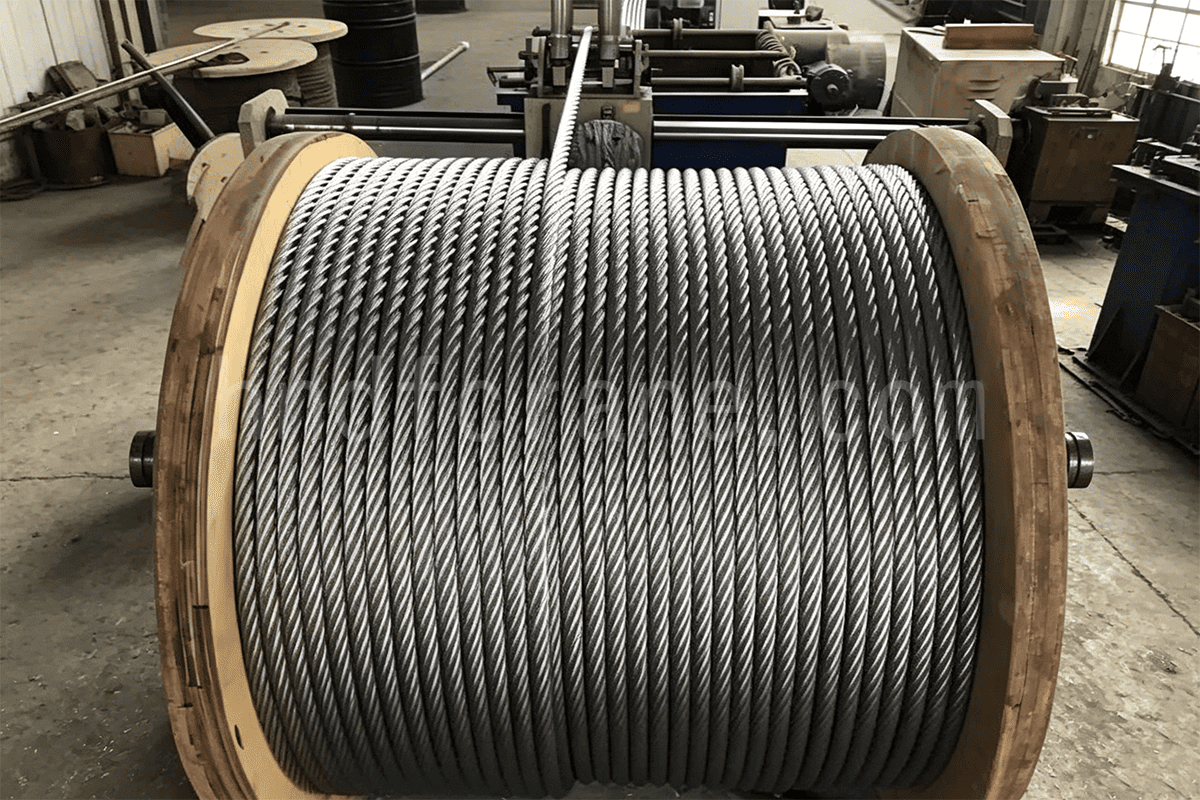
In lifting operations, the overhead crane wire rope is the “lifeline.” It directly affects hoisting safety, equipment stability, and personnel safety. Once it is incorrectly selected, poorly maintained, or used beyond safety standards, serious accidents such as rope breakage and falling loads can easily occur.
Wire ropes used on cranes shall conform to the GB/T 20118 standard; where higher requirements apply, wire ropes conforming to the GB/T 8918 standard are adopted. Line contact wire ropes are generally used, and the wire rope safety factor shall conform to GB/T 3811 or the contract.
The selected wire rope is determined according to the wire rope model, wire strength, wire rope diameter, core material, wire surface condition, and wire grade. The wire rope must be lubricated on time and correctly, and a wire rope oiler may be added as required.
Purpose and Construction of the Overhead Crane Wire Rope
Wire rope is widely used in the hoisting, luffing, and traction mechanisms of lifting machinery, and is also used in slinging, lashing, and tensioning operations.
According to the requirements of use, wire rope is divided into three grades by toughness (allowable number of bending cycles): special-grade rope is used for passenger elevators, Grade I rope for cranes, and Grade II rope for slinging, tensioning, and traction operations.
To prevent corrosion, the wire rope surface is galvanized. According to corrosion resistance, galvanized ropes are divided into three grades—A, B, and C—with Grade A offering the strongest corrosion resistance.
A wire rope is formed by laying steel wires around a core. The tensile strength of overhead crane wire ropes is generally 1570–1960 N/mm²; at present, to make electric hoist drums and sheaves lighter and more compact, wire ropes tend toward higher strength and smaller diameter, so the tensile strength of wire ropes used on foreign electric hoists is currently mostly above 2000 N/mm², making them noticeably lighter and more compact.
The core supports, stabilizes, and lubricates the wire rope and increases its flexibility. Cores are divided into steel cores (steel wires or a thin wire rope), organic cores (hemp core or fiber core), and asbestos cores; steel-core ropes are used for high temperatures or multi-layer winding.
Classification of the Overhead Crane Wire Rope
1. Classification by Number of Twisting Operations
There are single-lay ropes and double-lay ropes.
- Single-lay rope: It is twisted directly from steel wires into a rope in one operation, without the process of first twisting wires into strands and then strands into a rope. It has high rigidity and poor flexibility, is not easy to bend, and is mostly used for tensioning, guy ropes, or load-bearing applications where frequent bending is not required.
- Double-lay rope: The steel wires are first twisted into strands, and then the strands are twisted into a rope, going through two twisting operations. It has good flexibility and bends easily, making it suitable for passing over pulleys and drums, and it is the most widely used wire rope in cranes.
2. Classification by Lay Direction
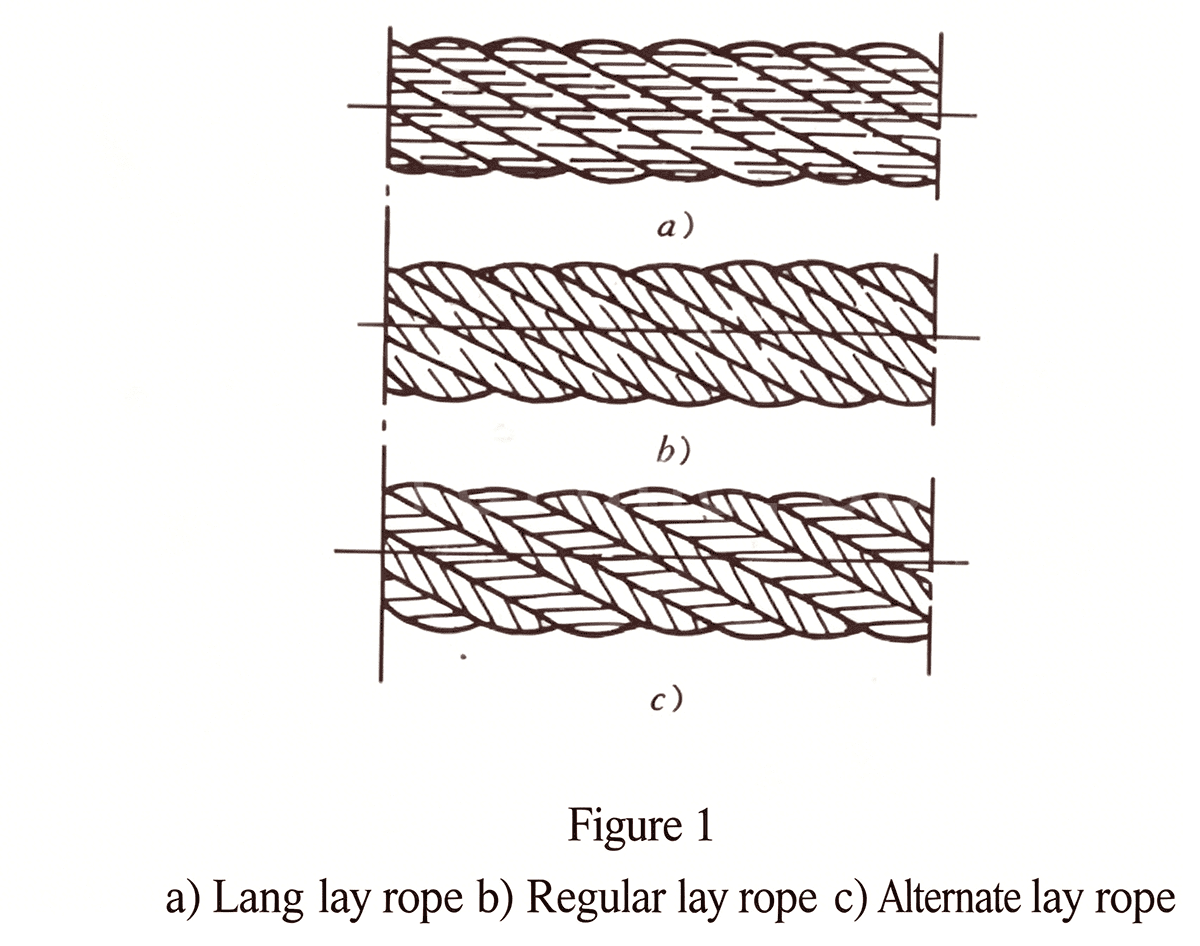
There are lang lay ropes, regular lay ropes, and alternate lay ropes, as shown in Fig. 1. Among them, regular lay ropes are not prone to twisting or loosening and are commonly used.
3. Classification by Lay Type
Direction of lay of the strands: left lay s, right lay z, with the outer wires laid along the strand axis; direction of lay of the rope: left lay S, right lay Z, with the outer strands laid along the wire rope axis.
In the wire rope designation, the first letter is the strand lay direction and the second letter is the rope lay direction; that is, the small strand is first laid as s or z, and the finished large rope is finally laid as S or Z. According to the direction of lay and the type of lay, wire ropes are divided into four types: left regular lay SZ, right regular lay ZS, right lang lay ZZ, and left lang lay SS.
- Regular lay wire rope (sZ, zS): does not loosen or twist, and is commonly used in lifting machinery; however, it has poor contact and a short service life.
- Lang lay wire rope (zZ, sS): has good contact, low wear, a smooth surface, good flexibility, and a long service life; however, it rotates on its own and is prone to loosening.
- Alternate lay wire rope (aZ, aS): has excellent performance (but the process is complex and it is rarely used).
4. Classification by Wire Contact Condition
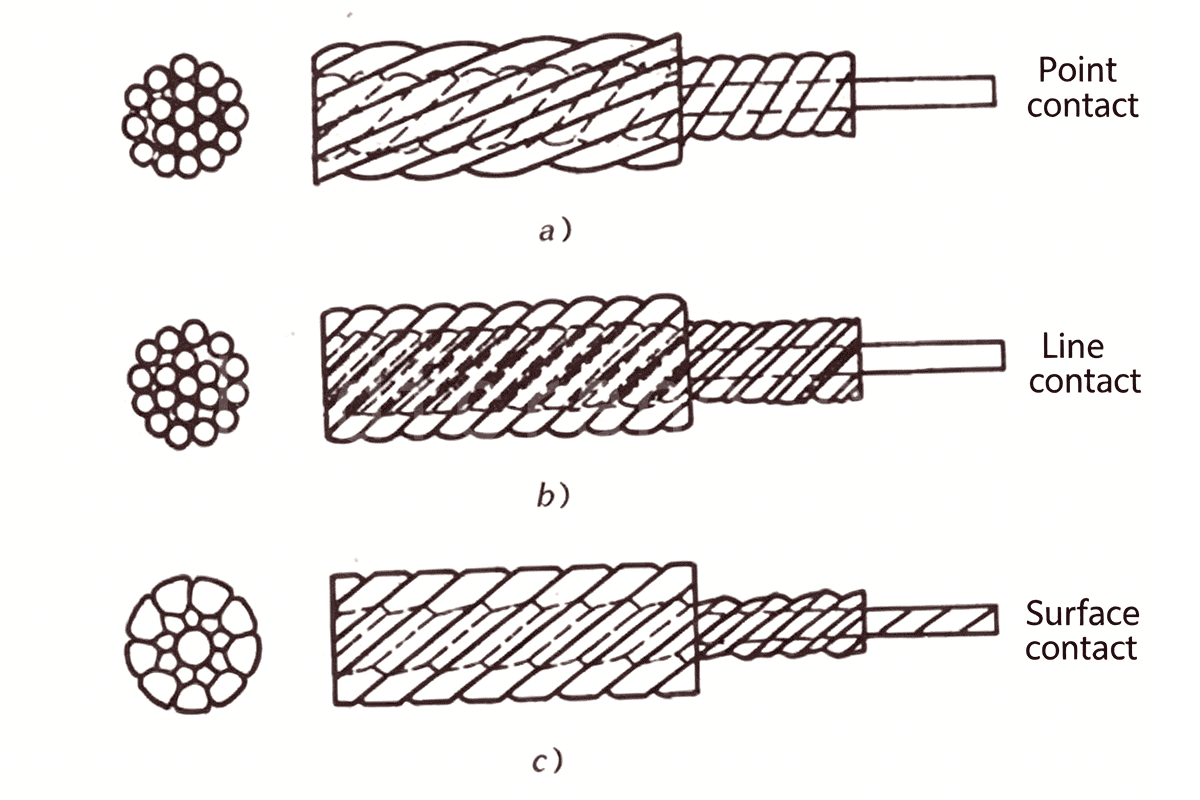
There are point contact ropes, line contact ropes, and face contact ropes, as shown in the following figure. Among them, line contact ropes are widely used on cranes because of their low contact stress between wires, good wear resistance, and long service life.
By cross-section structure, line contact ropes are divided into the coarse outer type (X—Seale type), the coarse-fine type (W—Warrington type), and the dense type (T—Filler type), as shown in Fig. a is the coarse outer type, b is the coarse-fine type, and c is the dense type. Among them, the coarse-fine type b), that is, the Warrington W-type rope, is adopted by electric hoists because of its high fill factor, good flexibility, and strong load-bearing capacity.
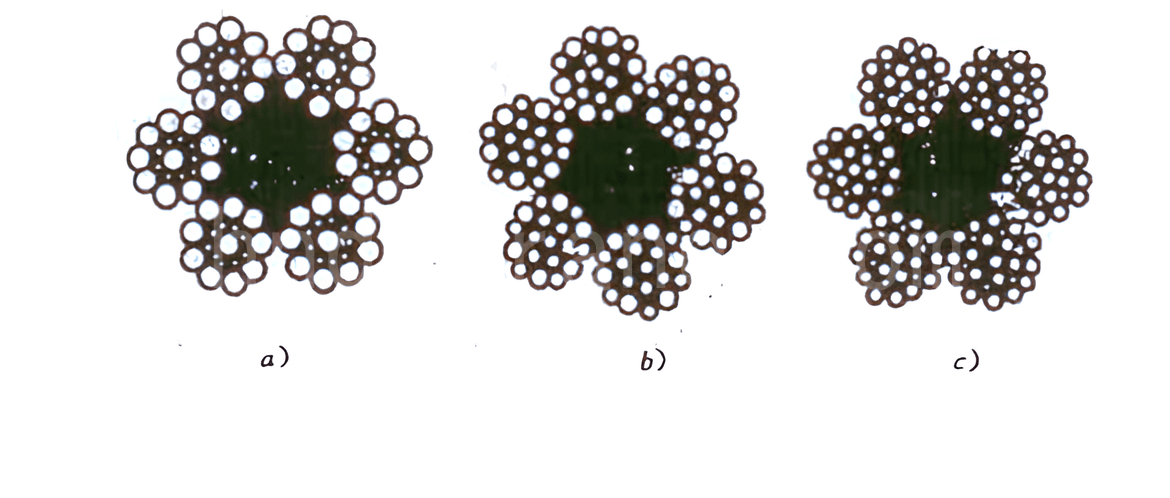
The hoisting mechanism of a crane should preferably adopt a double-lay, line contact, coarse-fine type (W) regular lay wire rope.
5. Non-Standard Steel Wire Ropes
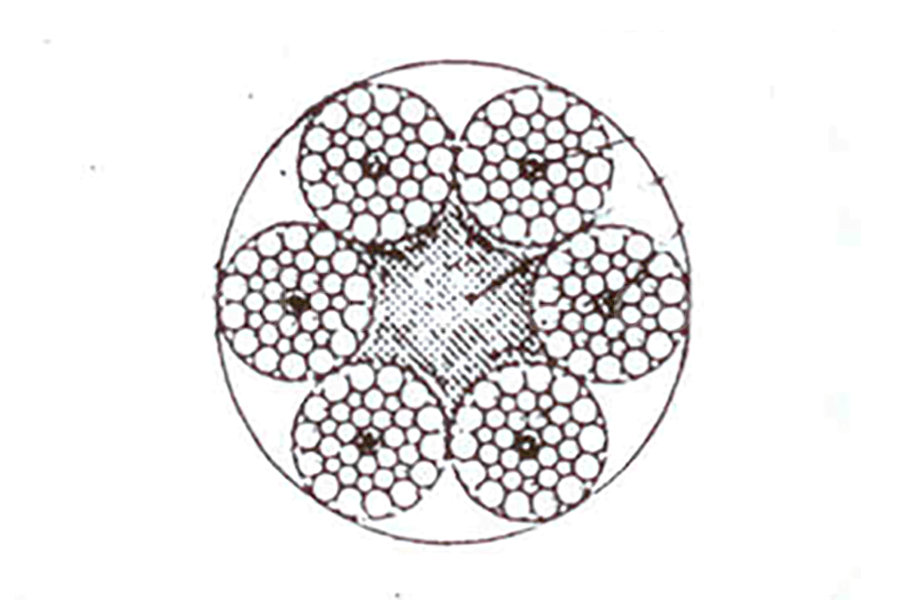
To improve the tensile strength of the wire rope and to reduce its diameter as much as possible, dedicated non-standard wire ropes are currently used abroad. For example, the AS-type electric hoists of Germany’s STAHL company mostly use the German non-standard 6×35+7 (fiber core) Warrington–Seale round-strand wire rope, as shown in the following figure.
6. Low-rotation ropes and non-rotating ropes
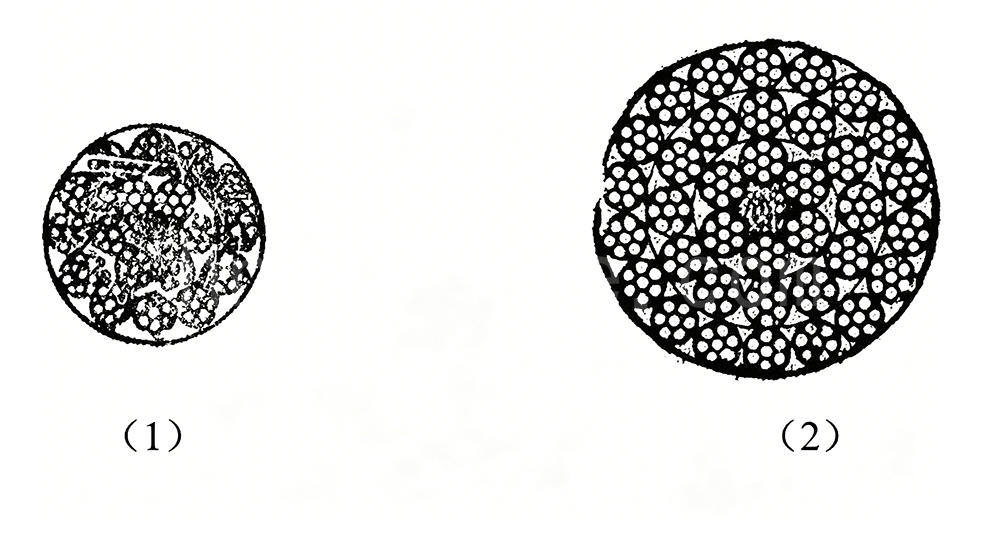
When the hoist reeving ratio is 1/1, that is, with a single-fall hook, a low-rotation rope should be selected, such as the 18×7 (fiber core) rope shown in Fig. (1); when the lifting capacity is large or the lifting height is high (H ≥ 40 m), a non-rotating rope should be adopted, such as the 36×7 (steel core) rope shown in Fig. (2).
Safety Technical Requirements for Overhead Crane Wire Rope Use
- Before use, the wire rope must be checked for damage; before operation, check for broken wires, deformation, corrosion, and flattening.
- The wire rope shall not have defects such as sharp bends, loops, popped wires, or flattening.
- When a loop is formed at the end of the wire rope, at least three wire rope clips shall be used; if the splicing method is used, the spliced length shall be no less than 15 times the wire rope diameter, but no less than 300 mm.
- The wire rope is strictly forbidden to be connected by knotting, and wire rope used on a winch shall have no splices.
- If oil seepage is found on the wire rope during use (except for a new wire rope), it indicates that the wire rope has deformed greatly; work shall be stopped immediately and the rope checked and handled.
- The wire rope shall be kept clean at all times and generally oiled once a year, using wire rope oil or cylinder oil (the oil temperature shall not exceed 80 °C).
- The wire rope on the overhead crane drum must retain at least 3 safety coils.
Overhead Crane Wire Rope Inspection and Maintenance Requirements
- Perform a visual inspection before operation each day.
- Carry out a detailed inspection and record it each week.
- Perform a full maintenance and lubrication once a month.
- Establish a wire rope usage ledger to track service life.

Jeg er Cindy, med 10 års erhvervserfaring i kranindustrien og oparbejdet et væld af faglig viden. Jeg har valgt de tilfredsstillende kraner til 500+ kunder. Hvis du har behov eller spørgsmål til kraner, er du velkommen til at kontakte mig, jeg vil bruge min ekspertise og praktiske erfaring til at hjælpe dig med at løse problemet!
Send din forespørgsel
- E-mail: sales@hndfcrane.com
- WhatsApp: +86 191 3738 6654
- Telegram: +86 191 3738 6654
- Tlf.: +86-373-581 8299
- Fax: +86-373-215 7000
- Tilføj: Changnao Industrial District, Xinxiang City, Henan-provinsen, Kina
 WeChat
- Løftekraner
- Dobbeltdrager overhead kraner
- Enkeltbjælke overheadkraner
- Europæiske type enkeltbjælkekraner
- Eksplosionssikre traverskraner
- Grab og magnetiske traverskraner
- Monorail kraner
- Støbehovedkraner
- Arbejdsstationskraner
- Fokkekraner
- Vægmonterede svingkraner
- Vægkørende svingkraner
- Fritstående svingkraner
- Aluminiumsvingkraner: Let, jævnt roterende arm for nem løftning
- Balancesvingkraner: Effektiv let løftning til mekanisk montering over korte afstande
- Manuelle fritstående svingkraner: Effektive manuelle løfteløsninger til operationer med begrænset plads
- Elektriske fritstående svingkraner: Fuldt elektrisk løsning til hurtig løft med høj kapacitet
- Leddelte svingkraner: Præcisionsløft med dobbeltarmsfleksibilitet
- Gantry kraner
- Dobbeltbjælke portalkraner
- Semi portalkraner
- Enkeltbjælke portalkraner
- Truss portalkraner
- Container portalkraner
- Justerbare portalkraner
- Bærbare portalkraner
- Europæiske portalkraner
- Industrier
- Generel fremstilling
- Affaldshåndtering
- Præfabrikeret
- Strøm
- Sten
- Papirfremstilling
- Metalproduktion
- Brobygning
- Havnekraner: Til håndtering af containere og bulkmaterialer
- Traverskraner til olie- og gasindustrien: Forbedrer driftseffektiviteten
- Marinekraner til effektiv lastning på skibe
- Traverskraner til bilindustrien: Effektive automatiseringsløsninger
- Elektriske hejser
- Elektriske wireløftere
- Elektriske kædetaljer
- Elektriske hejser af europæisk type
- Europæiske elektriske kædetaljer: Jævn drift, lav støj og energieffektivitet
- Manuelle løfteanordninger: Ideel til træk- og løfteopgaver
- Håndkædetaljer: Manuel løftning til områder uden strøm
- Elektriske løftere med lav frihøjde: Kompakt design for maksimal pladseffektivitet
- Pneumatiske kædetaljer: Nem håndtering til industriel brug
- Eksplosionssikre manuelle kædetaljer: Gnistsikker konstruktion af kobberlegering til eksplosionsfarlige områder
- Eksplosionssikre elektriske kædetaljer til løft i farlige områder
- Om
- Sager
- Nyheder
- Ofte stillede spørgsmål
- Hent
- Blogs
- Onlineværktøjer til beregning af kranhjulsbelastning
- VR Panorama
- Kontakt os
- E-mail: sales@hndfcrane.com
- WhatsApp: +86 191 3738 6654
- Telegram: +86 191 3738 6654
- Tlf.: +86-373-581 8299
-