-
อุตสาหกรรม
-
การผลิตทั่วไป
-
การจัดการของเสีย
-
พรีคาสท์
-
พลัง
-
หิน
-
การทำกระดาษ
-
การผลิตโลหะ
-
การก่อสร้างสะพาน
-
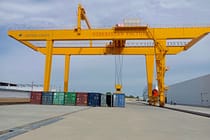
เครนท่าเรือ: สำหรับการจัดการคอนเทนเนอร์และวัสดุจำนวนมาก
-

เครนเหนือศีรษะสำหรับอุตสาหกรรมปิโตรเลียมและก๊าซ: เพิ่มประสิทธิภาพการดำเนินงาน
-

เครนทางทะเลเพื่อการบรรทุกสินค้าบนเรืออย่างมีประสิทธิภาพ
-
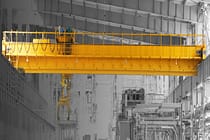
เครนเหนือศีรษะสำหรับอุตสาหกรรมยานยนต์: โซลูชันระบบอัตโนมัติที่มีประสิทธิภาพ
-
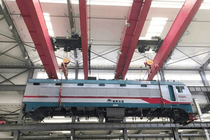
โซลูชันเครนเหนือศีรษะสำหรับทางรถไฟ: การวางราง การบำรุงรักษาตู้รถไฟ และการจัดการตู้คอนเทนเนอร์
-
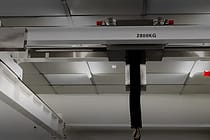
เครนเหนือศีรษะสำหรับอาหารและเครื่องดื่ม: โซลูชันที่เชื่อถือได้สำหรับการจัดการที่มีประสิทธิภาพ
-
เครนเหนือศีรษะเพื่อการผลิตซีเมนต์ แก้ว อิฐ และคอนกรีตสำเร็จรูปที่มีประสิทธิภาพ
-
เครนเหนือศีรษะสำหรับอุตสาหกรรมการบิน: การบำรุงรักษาและการประกอบเครื่องบิน
-
เครนเหนือศีรษะสำหรับการบินและอวกาศ: การยกที่แม่นยำสำหรับการปล่อยจรวดและการขนส่ง
-
-
สินค้า
-
เครนเหนือศีรษะ
-
เครนเหนือศีรษะแบบคานเดี่ยว
-
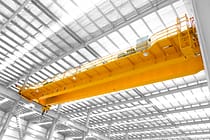
เครนเหนือศีรษะคานคู่
-
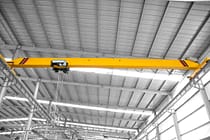
เครนเหนือศีรษะแบบคานเดี่ยวแบบยุโรป
-
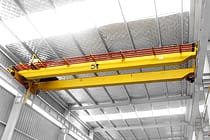
เครนเหนือศีรษะแบบคานคู่ชนิดยุโรป
-
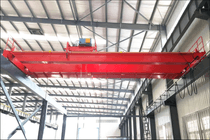
เครนเหนือศีรษะป้องกันการระเบิด
-
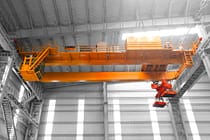
คว้าและเครนเหนือศีรษะแม่เหล็ก
-
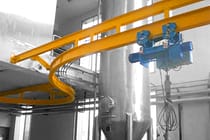
โมโนเรลเครน
-
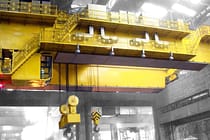
เครนเหนือศีรษะโรงหล่อ
-
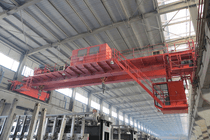
เครนเหนือศีรษะแบบฉนวน
-
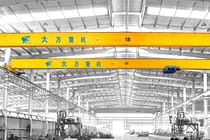
เครนเหนือศีรษะที่มีพื้นที่ว่างเหนือศีรษะต่ำ
-
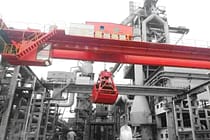
คว้าเครนเหนือศีรษะ
-
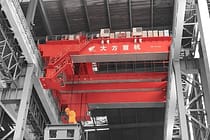
เครนเหนือศีรษะแบบทัพพี
-
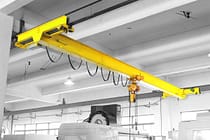
เครนเหนือศีรษะแบบแขวนใต้พื้น
-
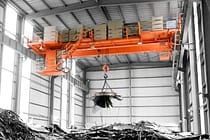
เครนเหนือศีรษะแบบแม่เหล็กไฟฟ้า
-
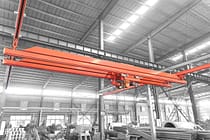
เครนยกชิ้นงานสำหรับสถานีทำงาน: ดีไซน์น้ำหนักเบา ติดตั้งง่าย และใช้งานสะดวก
-
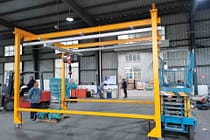
เครนสะพานสำหรับสถานีงานแบบยืนอิสระ
-
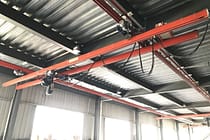
เครนสะพานติดเพดาน
-
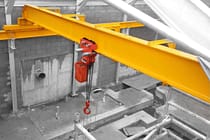
เครนเหนือศีรษะแบบใช้มือ
-
-
ปั้นจั่น
-
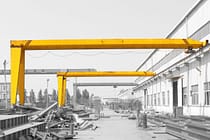
ปั้นจั่นกึ่งโครงสำหรับตั้งสิ่งของ
-
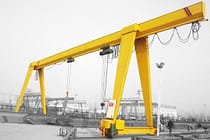
ปั้นจั่นคานเดี่ยว
-
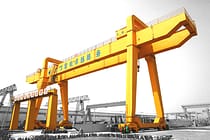
ปั้นจั่นคานคู่
-
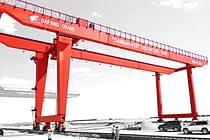
เครนยกตู้คอนเทนเนอร์
-
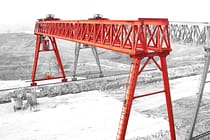
ทรัสโครงสำหรับตั้งสิ่งของเครน
-
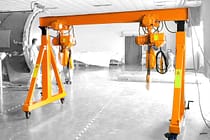
เครนโครงสำหรับตั้งสิ่งของแบบปรับได้
-
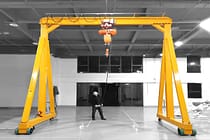
เครนโครงสำหรับตั้งสิ่งของแบบพกพา
-
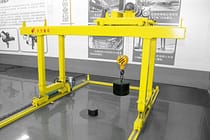
เครนโครงสำหรับตั้งสิ่งของยุโรป
-
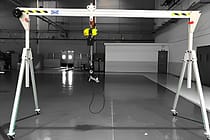
เครนโครงสำหรับตั้งสิ่งของอลูมิเนียม
-
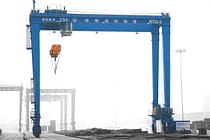
เครนโครงตู้คอนเทนเนอร์แบบมีล้อยาง
-
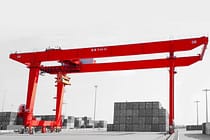
เครนโครงเครนติดตั้งบนราง
-
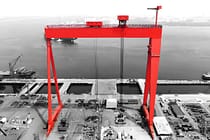
เครนสนามสำหรับอู่ต่อเรือ
-
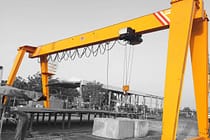
เครนโครงสร้างคานเดี่ยวแบบยุโรป
-
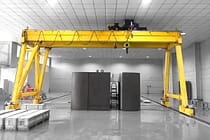
เครนโครงสร้างคานคู่แบบยุโรป
-
- จิ๊บเครน
- เครนพิเศษ
- รอกไฟฟ้า
- รถเข็นขนย้าย
-
เครนเหนือศีรษะ
-
อะไหล่รถเครน
-
คว้าถัง
-
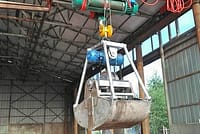
ถังคว้าไฟฟ้าสแตนเลส
-
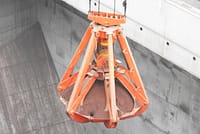
ที่จับเปลือกส้มแบบสี่เชือก
-
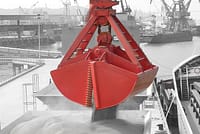
ถังคว้าหอยสองฝาแบบมีเชือกสี่เส้น
-
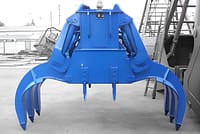
ที่จับสี่เหลี่ยมไฮดรอลิกไฟฟ้า
-
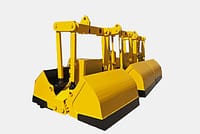
ด้ามจับแบบไฮดรอลิกไฟฟ้า
-
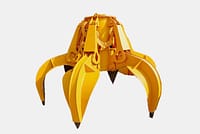
ที่จับเปลือกส้มไฮดรอลิกแบบไฟฟ้า, ที่จับกระบองเพชรไฮดรอลิก
-
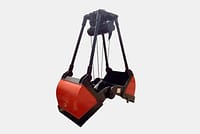
มอเตอร์ไฟฟ้า
-
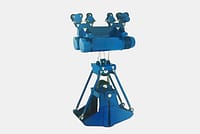
รถเข็นรางเดี่ยวไฟฟ้าพร้อมรอกรางเดี่ยว
-
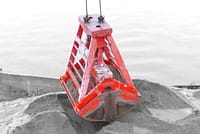
ที่จับแบบฝาพับควบคุมระยะไกล
-
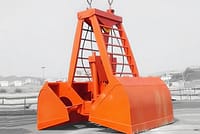
กลไกจับหอยสองเส้น
-
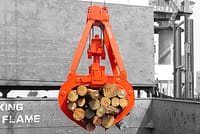
คว้าไม้
-
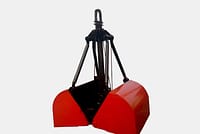
ถังจับเชือกเดี่ยว
-
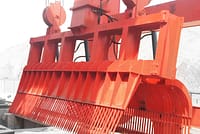
เครื่องทำความสะอาดชั้นวางขยะ
-
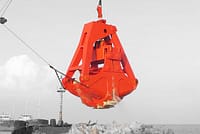
ขุดลอกคว้า
-
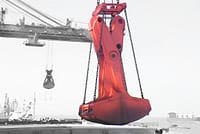
ด้ามจับตัดแต่ง
-
- เครื่องกระจายเครน
- อะไหล่รถเครน
- ล้อเครน
-
คว้าถัง
- บริษัท
- ติดต่อ


-
อุตสาหกรรม
-
การผลิตทั่วไป
-
การจัดการของเสีย
-
พรีคาสท์
-
พลัง
-
หิน
-
การทำกระดาษ
-
การผลิตโลหะ
-
การก่อสร้างสะพาน
-
เครนท่าเรือ: สำหรับการจัดการคอนเทนเนอร์และวัสดุจำนวนมาก
-
เครนเหนือศีรษะสำหรับอุตสาหกรรมปิโตรเลียมและก๊าซ: เพิ่มประสิทธิภาพการดำเนินงาน
-
เครนทางทะเลเพื่อการบรรทุกสินค้าบนเรืออย่างมีประสิทธิภาพ
-
เครนเหนือศีรษะสำหรับอุตสาหกรรมยานยนต์: โซลูชันระบบอัตโนมัติที่มีประสิทธิภาพ
-
โซลูชันเครนเหนือศีรษะสำหรับทางรถไฟ: การวางราง การบำรุงรักษาตู้รถไฟ และการจัดการตู้คอนเทนเนอร์
-
เครนเหนือศีรษะสำหรับอาหารและเครื่องดื่ม: โซลูชันที่เชื่อถือได้สำหรับการจัดการที่มีประสิทธิภาพ
-
เครนเหนือศีรษะเพื่อการผลิตซีเมนต์ แก้ว อิฐ และคอนกรีตสำเร็จรูปที่มีประสิทธิภาพ
-
เครนเหนือศีรษะสำหรับอุตสาหกรรมการบิน: การบำรุงรักษาและการประกอบเครื่องบิน
-
เครนเหนือศีรษะสำหรับการบินและอวกาศ: การยกที่แม่นยำสำหรับการปล่อยจรวดและการขนส่ง
-
-
สินค้า
-
เครนเหนือศีรษะ
-
เครนเหนือศีรษะแบบคานเดี่ยว
-
เครนเหนือศีรษะคานคู่
-
เครนเหนือศีรษะแบบคานเดี่ยวแบบยุโรป
-
เครนเหนือศีรษะแบบคานคู่ชนิดยุโรป
-
เครนเหนือศีรษะป้องกันการระเบิด
-
คว้าและเครนเหนือศีรษะแม่เหล็ก
-
โมโนเรลเครน
-
เครนเหนือศีรษะโรงหล่อ
-
เครนเหนือศีรษะแบบฉนวน
-
เครนเหนือศีรษะที่มีพื้นที่ว่างเหนือศีรษะต่ำ
-
คว้าเครนเหนือศีรษะ
-
เครนเหนือศีรษะแบบทัพพี
-
เครนเหนือศีรษะแบบแขวนใต้พื้น
-
เครนเหนือศีรษะแบบแม่เหล็กไฟฟ้า
-
เครนยกชิ้นงานสำหรับสถานีทำงาน: ดีไซน์น้ำหนักเบา ติดตั้งง่าย และใช้งานสะดวก
-
เครนสะพานสำหรับสถานีงานแบบยืนอิสระ
-
เครนสะพานติดเพดาน
-
เครนเหนือศีรษะแบบใช้มือ
-
-
ปั้นจั่น
-
ปั้นจั่นกึ่งโครงสำหรับตั้งสิ่งของ
-
ปั้นจั่นคานเดี่ยว
-
ปั้นจั่นคานคู่
-
เครนยกตู้คอนเทนเนอร์
-
ทรัสโครงสำหรับตั้งสิ่งของเครน
-
เครนโครงสำหรับตั้งสิ่งของแบบปรับได้
-
เครนโครงสำหรับตั้งสิ่งของแบบพกพา
-
เครนโครงสำหรับตั้งสิ่งของยุโรป
-
เครนโครงสำหรับตั้งสิ่งของอลูมิเนียม
-
เครนโครงตู้คอนเทนเนอร์แบบมีล้อยาง
-
เครนโครงเครนติดตั้งบนราง
-
เครนสนามสำหรับอู่ต่อเรือ
-
เครนโครงสร้างคานเดี่ยวแบบยุโรป
-
เครนโครงสร้างคานคู่แบบยุโรป
-
- จิ๊บเครน
- เครนพิเศษ
- รอกไฟฟ้า
- รถเข็นขนย้าย
-
เครนเหนือศีรษะ
-
อะไหล่รถเครน
-
คว้าถัง
-
ถังคว้าไฟฟ้าสแตนเลส
-
ที่จับเปลือกส้มแบบสี่เชือก
-
ถังคว้าหอยสองฝาแบบมีเชือกสี่เส้น
-
ที่จับสี่เหลี่ยมไฮดรอลิกไฟฟ้า
-
ด้ามจับแบบไฮดรอลิกไฟฟ้า
-
ที่จับเปลือกส้มไฮดรอลิกแบบไฟฟ้า, ที่จับกระบองเพชรไฮดรอลิก
-
มอเตอร์ไฟฟ้า
-
รถเข็นรางเดี่ยวไฟฟ้าพร้อมรอกรางเดี่ยว
-
ที่จับแบบฝาพับควบคุมระยะไกล
-
กลไกจับหอยสองเส้น
-
คว้าไม้
-
ถังจับเชือกเดี่ยว
-
เครื่องทำความสะอาดชั้นวางขยะ
-
ขุดลอกคว้า
-
ด้ามจับตัดแต่ง
-
- เครื่องกระจายเครน
- อะไหล่รถเครน
- ล้อเครน
-
คว้าถัง
- บริษัท
- ติดต่อ



Crane Hoist Wire Rope Fatigue: Causes, Prevention, and Inspection
สารบัญ
Why does crane hoist wire rope fatigue occur even without obvious overloading? During repeated lifting and lowering, wire ropes bend around drums and sheaves under tension, allowing small defects to develop into fatigue cracks and eventually cause broken wires. Inadequate lubrication, improper sheave sizing, and uneven spooling can accelerate this process. Understanding the causes, prevention measures, and testing methods is essential to managing fatigue risks and maintaining safe crane operation.
What Is Crane Hoist Wire Rope Fatigue Breakage?
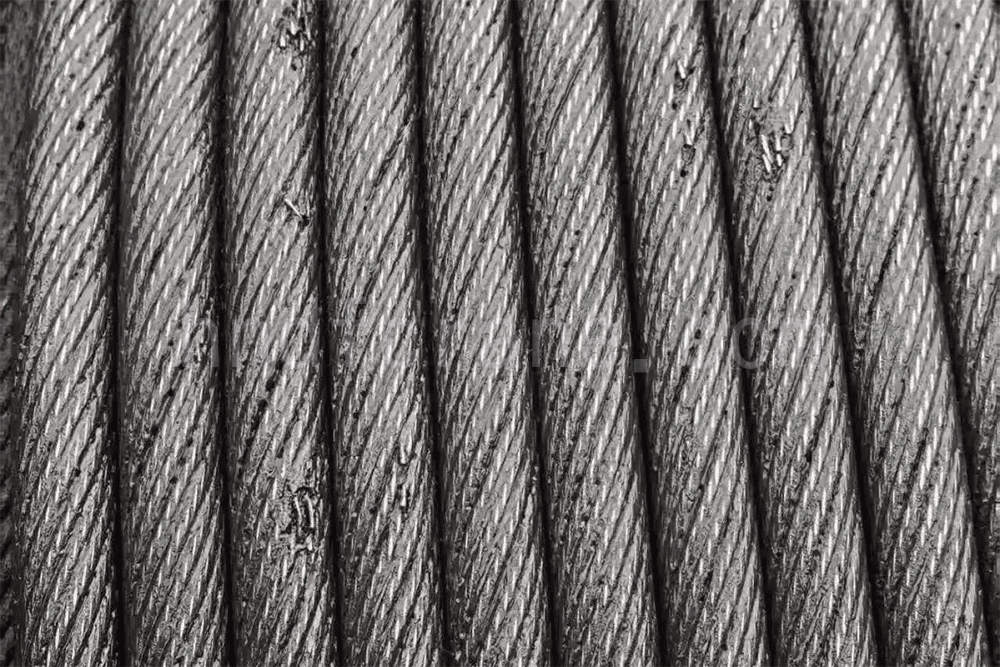
Crane hoist wire rope fatigue develops during repeated winding and unwinding on a hoist drum and sheaves. The wires are continuously exposed to alternating stresses caused by tension, bending, and compression. When repeated stress exceeds the fatigue resistance of the wire material, small fatigue cracks form on the wire surface. As operating cycles continue, the cracks grow inward and eventually cause wire breakage.
Fatigue breaks commonly have relatively flat fracture surfaces and usually show no obvious necking or plastic deformation. Broken wires are often concentrated where the rope contacts and carries load over a sheave or drum, and the breaks may appear in a regular distribution. This differs from the cup-shaped plastic fracture of an overload break and the sharp abrasive fracture associated with wear.
Main Causes of Fatigue Breaks in Crane Hoist Wire Rope
1. Alternating Bending Stress
Every time the wire rope passes over a กลองเชือกเครน หรือ crane sheave, the wires experience another forward or reverse bend. Reverse bending generally has a greater effect on rope fatigue life than bending in the same direction. When the ratio of drum or sheave diameter to rope diameter, D/d, is too small, the bending curvature increases, local stress concentration becomes more severe, and fatigue life can be significantly shortened. Frequent lifting and lowering allow small cracks to accumulate under cyclic loading.
2. Internal Fretting Wear
When the rope is loaded, small relative movements occur between strands and between individual wires. This produces fretting wear. Stress concentrations and small pits can form on the wire surface, creating sites where fatigue cracks may initiate. Lack of lubrication or dried-out grease accelerates internal wear and reduces fatigue life.
3. Impact Loads and Variable-Amplitude Stress
Sudden lifting or lowering, emergency braking, side pulling, and braking impacts can create short-duration additional dynamic loads. Every start and stop changes the actual rope tension and produces variable-amplitude fatigue stress, accelerating crack growth.
4. Drum and Sheave Condition Problems
Worn or unevenly worn sheave grooves, deformed grooves, poor rope spooling, crossed or disordered wraps, and crushing in multilayer winding can all create uneven rope loading. The resulting local stress concentration may cause fatigue damage to appear prematurely in specific rope sections.
5. Corrosion–Fatigue Interaction
Outdoor or humid environments can cause rust and pitting on the rope surface. A corrosion pit can itself become a fatigue-crack initiation site. When corrosion and cyclic fatigue act together, failure can accelerate. Internal corrosion and fatigue damage may be difficult to identify by visual inspection alone.
6. Inadequate Rope Selection or Arrangement
The fatigue performance of point-contact rope construction is generally lower than that of line-contact construction. Poor reeving or sheave arrangement, including repeated reverse bending, can create a fatigue weakness at the equipment-design stage.
How to Prevent Fatigue Breaks in Crane Hoist Wire Rope
1. Control Equipment Selection and the D/d Ratio
Select drum and sheave diameters in accordance with the applicable requirements. Avoid undersized drums or sheaves that impose excessive bending curvature. Depending on the operating conditions, consider a line-contact rope construction with good fatigue resistance, such as the 6×36WS type. When arranging the reeving system, minimize reverse-bending conditions where possible.
2. Use Proper Lifting Procedures to Reduce Impact Fatigue
Do not make sudden starts or stops, reverse the drive abruptly for braking, or perform side pulls. Apply load slowly and evenly at the beginning of a lift to reduce impact and alternating stress. Strictly control the rated load and do not operate under overload conditions.
3. Maintain the Rope-Guiding and Spooling System
Keep the drum rope guide and spooling device in good condition to prevent crossed wraps, crushing, and rope pinching. Sheaves should rotate freely without binding. Inspect, repair, or replace sheave grooves regularly to prevent one-sided wear.
4. Apply Standardized Lubrication and Maintenance
Use a lubricant specifically intended for wire rope and ensure that it can penetrate toward the rope core and between the wires to reduce fretting friction. Reapply lubricant at appropriate intervals to prevent it from drying out or being lost, helping to slow combined fatigue and corrosion damage.
5. Establish Graded Inspection and Discard Procedures
Routine inspections should check the number of broken wires within a rope lay, diameter reduction, deformation, and corrosion. Periodic inspections can use electromagnetic nondestructive testing or other suitable methods to identify hidden internal wire breaks. Apply the applicable wire-rope discard criteria and replace the rope immediately when a limit is reached. Do not continue using a rope with unacceptable damage.
6. Control Operating Intensity and Keep a Service Record
For equipment with frequent lifting cycles, shorten the replacement interval as appropriate. Keep a wire-rope service record, document the number of operating cycles, and evaluate fatigue-life consumption together with the actual working conditions.
Methods for Determining Wire Rope Fatigue Performance
The source cites GB/T 38814-2020, Steel Wire Ropes Slings—Fatigue Testing Method, for the fatigue testing of wire-rope slings. The current status and applicable replacement standard should be verified before publication.
1. Test Principle
Apply a sinusoidal axial cyclic tensile stress to a wire-rope specimen and maintain the specified stress amplitude and loading frequency. Continue cycling until the specimen reaches the required number of cycles or the rope develops broken wires, a broken strand, end-fitting cracking, or another defined failure. The result is used to evaluate fatigue durability.
2. Test Equipment Requirements
The force accuracy of the fatigue-testing machine should be controlled to ±0.5%. The loading waveform should be sinusoidal, and the test frequency should generally be controlled at 0.1–2 Hz to reduce the influence of resonance.
3. Specimen Preparation
Cut the specimen to the required length and secure its ends using a reliable method such as swaging or socketing. The end fittings should not fail prematurely, so that fatigue failure occurs in the rope body rather than at the gripping section.
4. Test Procedure
- Inspect the specimen and record its initial condition.
- Secure the specimen and set the maximum and minimum cyclic loads.
- Start the cyclic fatigue loading and continue the test.
- Stop the test when the specified number of cycles is reached or when broken wires, a broken strand, end cracking, or another defined failure occurs.
- After the fatigue test, verify the remaining load-bearing capacity using the applicable breaking-force test method.
- Issue a complete fatigue-test report recording the failure mode, number of cycles, and residual breaking force.
5. Result Assessment
After the test, inspect the specimen for fatigue breaks. For slings with different end-fitting methods, determine whether the residual breaking force meets the applicable minimum value specified by the relevant standard. The source gives reference values of at least 80% of the minimum breaking force for swaged slings and at least 90% for poured-socket slings. These limits must be checked against the applicable standard edition, end-fitting method, and specimen type.
Axial tensile-fatigue testing should be distinguished from the bending fatigue caused by repeated winding over drums and sheaves. These tests simulate different operating conditions and should not be treated as interchangeable without an appropriate technical basis.
บทสรุป
Crane hoist wire rope fatigue is a gradually accumulating safety risk. Failures often do not occur without warning; they result from damage accumulating over repeated operating cycles. Controlling the risk requires proper operation, suitable equipment arrangement, lubrication, maintenance, and graded inspection. At the purchasing and incoming-inspection stages, the rope’s fatigue performance should also be evaluated against the applicable requirements.
The rope, drum, sheaves, spooling system, and braking controls should be inspected as one system. Controlling equipment selection, impact loading, bending conditions, lubrication, corrosion, and discard management together can reduce the risk of fatigue breaks in hoist wire rope.

ฉันชื่อซินดี้ มีประสบการณ์การทำงานในอุตสาหกรรมเครนมากว่า 10 ปี และมีความรู้ความเชี่ยวชาญอย่างมากมาย ฉันเลือกเครนที่ลูกค้าพอใจมากกว่า 500 ราย หากคุณมีความต้องการหรือมีคำถามเกี่ยวกับเครน โปรดติดต่อฉันได้เลย ฉันจะใช้ความเชี่ยวชาญและประสบการณ์จริงของฉันเพื่อช่วยคุณแก้ปัญหา!
ส่งคำถามของคุณ
- อีเมล: sales@hndfcrane.com
- วอทส์แอพพ์: +86 191 3738 6654
- โทรเลข: +86 191 3738 6654
- โทร: +86-373-581 8299
- แฟกซ์: +86-373-215 7000
- เพิ่ม: Changnao Industrial District, Xinxiang City, Henan Province, China
 วีแชท
- เครนเหนือศีรษะ
- เครนเหนือศีรษะคานคู่
- เครนเหนือศีรษะแบบคานเดี่ยว
- เครนเหนือศีรษะแบบคานเดี่ยวแบบยุโรป
- เครนเหนือศีรษะป้องกันการระเบิด
- คว้าและเครนเหนือศีรษะแม่เหล็ก
- โมโนเรลเครน
- เครนเหนือศีรษะโรงหล่อ
- เครนยกชิ้นงานสำหรับสถานีทำงาน: ดีไซน์น้ำหนักเบา ติดตั้งง่าย และใช้งานสะดวก
- จิ๊บเครน
- เครนแขนหมุนติดผนัง
- เครน Jib สำหรับเดินทางผนัง
- เครน Jib แบบยืนฟรี
- เครน Jib อลูมิเนียม: น้ำหนักเบา แขนหมุนเรียบเพื่อการยกที่ง่ายดาย
- เครน Balance Jib: การยกน้ำหนักเบาที่มีประสิทธิภาพสำหรับการประกอบเครื่องจักรกลระยะสั้น
- เครนแขนหมุนแบบตั้งพื้นด้วยมือ: โซลูชันการยกด้วยมือที่มีประสิทธิภาพสำหรับการดำเนินงานในพื้นที่จำกัด
- เครนแขนหมุนไฟฟ้าแบบตั้งพื้น: โซลูชั่นไฟฟ้าเต็มรูปแบบสำหรับการยกของหนักปริมาณมากอย่างรวดเร็ว
- เครนแขนหมุน: การยกที่แม่นยำด้วยความยืดหยุ่นของแขนคู่
- ปั้นจั่น
- ปั้นจั่นคานคู่
- ปั้นจั่นกึ่งโครงสำหรับตั้งสิ่งของ
- ปั้นจั่นคานเดี่ยว
- ทรัสโครงสำหรับตั้งสิ่งของเครน
- เครนยกตู้คอนเทนเนอร์
- เครนโครงสำหรับตั้งสิ่งของแบบปรับได้
- เครนโครงสำหรับตั้งสิ่งของแบบพกพา
- เครนโครงสำหรับตั้งสิ่งของยุโรป
- อุตสาหกรรม
- การผลิตทั่วไป
- การจัดการของเสีย
- พรีคาสท์
- พลัง
- หิน
- การทำกระดาษ
- การผลิตโลหะ
- การก่อสร้างสะพาน
- เครนท่าเรือ: สำหรับการจัดการคอนเทนเนอร์และวัสดุจำนวนมาก
- เครนเหนือศีรษะสำหรับอุตสาหกรรมปิโตรเลียมและก๊าซ: เพิ่มประสิทธิภาพการดำเนินงาน
- เครนทางทะเลเพื่อการบรรทุกสินค้าบนเรืออย่างมีประสิทธิภาพ
- เครนเหนือศีรษะสำหรับอุตสาหกรรมยานยนต์: โซลูชันระบบอัตโนมัติที่มีประสิทธิภาพ
- รอกไฟฟ้า
- รอกสลิงไฟฟ้า
- รอกโซ่ไฟฟ้า
- รอกไฟฟ้าแบบยุโรป
- รอกโซ่ไฟฟ้ายุโรป: การทำงานราบรื่น เสียงรบกวนต่ำ และประสิทธิภาพการใช้พลังงาน
- รอกยกแบบใช้มือ: เหมาะอย่างยิ่งสำหรับงานดึงและยกของ
- รอกโซ่มือ: การยกด้วยมือสำหรับพื้นที่ที่ไม่มีไฟฟ้า
- รอกไฟฟ้าแบบมีระยะเหนือศีรษะต่ำ: การออกแบบที่กะทัดรัดเพื่อประสิทธิภาพการใช้พื้นที่สูงสุด
- รอกโซ่ลม: การจัดการที่ราบรื่นสำหรับการใช้งานในอุตสาหกรรม
- รอกโซ่แบบมือหมุนป้องกันการระเบิด: โครงสร้างทำจากโลหะผสมทองแดงทนประกายไฟ เหมาะสำหรับพื้นที่อันตราย
- รอกโซ่ไฟฟ้ากันระเบิดสำหรับยกของในพื้นที่อันตราย
- ติดต่อเรา
- อีเมล: sales@hndfcrane.com
- วอทส์แอพพ์: +86 191 3738 6654
- โทรเลข: +86 191 3738 6654
- โทร: +86-373-581 8299
-