-
Галузі промисловості
-
Загальне виробництво
-
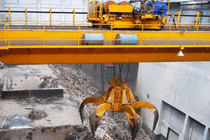
Поводження з відходами
-
Збірний
-
потужність
-
Камінь
-
виготовлення паперу
-
Виробництво металу
-
Будівництво мостів
-
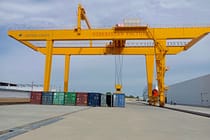
Портові крани: для обробки контейнерів та сипучих матеріалів
-
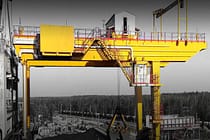
Мостові крани для нафтогазової промисловості: підвищення операційної ефективності
-
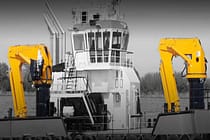
Морські крани для ефективного завантаження вантажів на судна
-
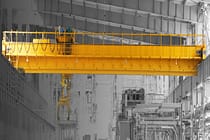
Мостові крани для автомобільної промисловості: ефективні рішення для автоматизації
-
Рішення для мостових кранів для залізниць: прокладання колій, технічне обслуговування рухомого складу та обробка контейнерів
-
Мостові крани для харчових продуктів та напоїв: надійні рішення для ефективного переміщення
-
Мостові крани для ефективного виробництва цементу, скла, цегли та збірного залізобетону
-
Мостові крани для авіаційної промисловості: технічне обслуговування та складання літаків
-
Аерокосмічні мостові крани: точне підйомне навантаження для запуску та транспортування ракет
-
-
Продукти
-
Мостові крани
-
Однобалочні мостові крани
-
Двобалочні мостові крани
-
Однобалкові мостові крани європейського типу
-
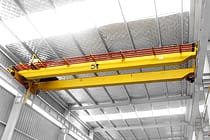
Двобалкові мостові крани європейського типу
-
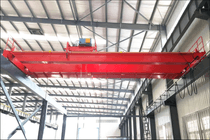
Вибухозахищені мостові крани
-
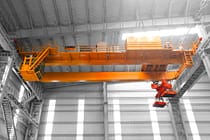
Грейферні та магнітні мостові крани
-
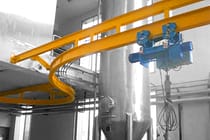
Монорельсові крани
-
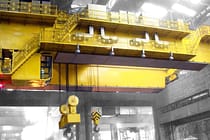
Ливарні мостові крани
-
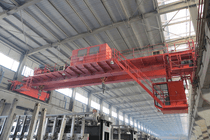
Ізоляція Мостові крани
-
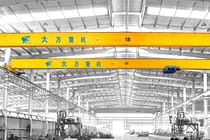
Мостові крани з низьким висотою
-
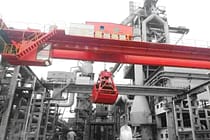
Підйомні мостові крани
-
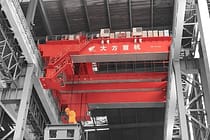
Мостові крани-ковші
-
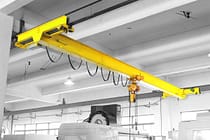
Підвісні мостові крани
-
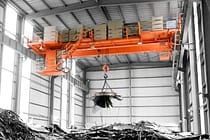
Електромагнітні мостові крани
-
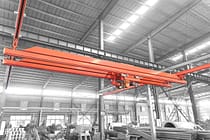
Крани для робочих станцій: легка конструкція, просте встановлення та безпроблемна експлуатація
-
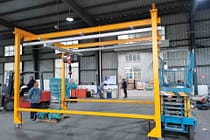
Окремостоячі мостові крани для робочих станцій
-
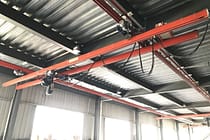
Стельовий мостовий кран
-
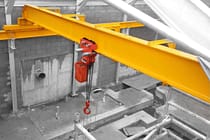
Ручні мостові крани
-
-
Козлові крани
-
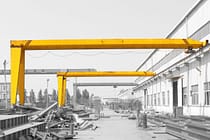
Напівкозлові крани
-
Однобалочні козлові крани
-
Двобалочні козлові крани
-
Контейнерні козлові крани
-
Фермові козлові крани
-
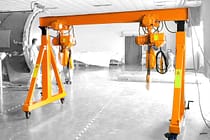
Регульовані козлові крани
-
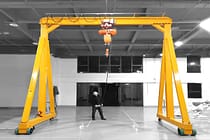
Портативні козлові крани
-
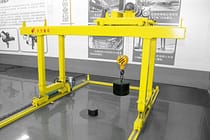
Європейські козлові крани
-
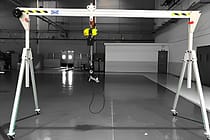
Алюмінієві портальні крани
-
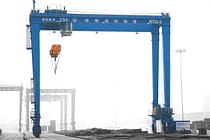
Портальні контейнерні крани на гумових шинах
-
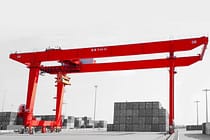
Портальні контейнерні крани на рейках
-
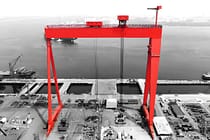
Портальний кран верфі
-
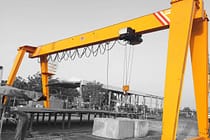
Європейські однобалкові козлові крани
-
Європейські двобалкові козлові крани
-
-
Стріловидні крани
-
Окремо стоячі стрілові крани
-
Настінні пересувні стрілові крани
-
Настінні стрілові крани
-
Балансувальні стрілові крани
-
Електричні окремостоячі стрілові крани
-
Ручні окремостоячі стрілові крани
-
Алюмінієві стрілові крани
-
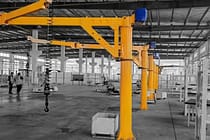
Шарнірно-стрілові крани
-
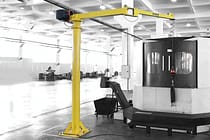
Розумні стрілові крани
-
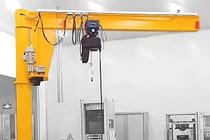
Стандартні стрілові крани FEM
-
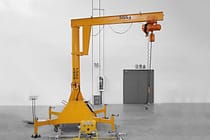
Переносні стрілові крани
-
-
Спеціальні крани
-
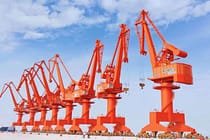
Портальні крани порту
-
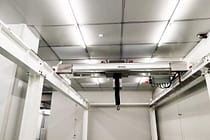
Крани для чистих приміщень
-
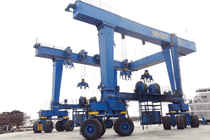
Мобільні човнові підйомники
-
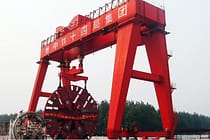
Козловий кран зі щитом для буріння тунелів
-
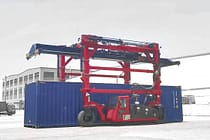
Перевізники верхової їзди
-
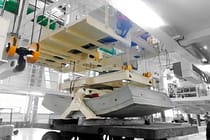
Система обробки сегментів
-
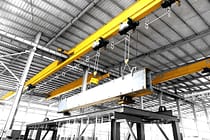
Цинкування перевантажувальних кранів Interlock
-
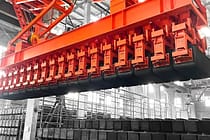
Кран для штабелювання анодних вуглецевих блоків
-
Штабелювальний кран
-
Електролітичний мідний мостовий кран
-
- Електричні підйомники
- Трансферні візки
-
Мостові крани
-
Запчастини крана
-
Захопіть відра
-
Електричне відро з нержавіючої сталі
-
Чотири мотузкові механічні захоплення апельсинової шкірки
-
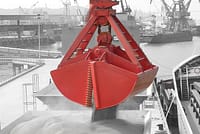
Механічний грейферний ковш із чотирма мотузками
-
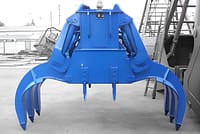
Електрогідравлічні прямокутні грейфери
-
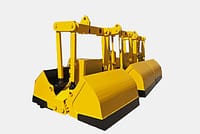
Електрогідравлічні грейфери
-
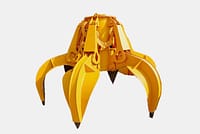
Електрогідравлічні захоплення апельсинової шкірки, гідравлічні захоплення кактусів
-
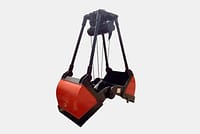
Електродвигун Grab
-
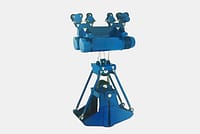
Електричний монорейковий ковш із монорейковим підйомником
-
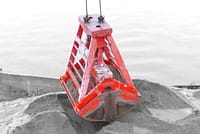
Розкладачки з дистанційним керуванням
-
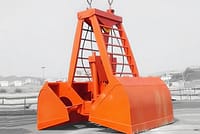
Механічні грейфери з двома мотузками
-
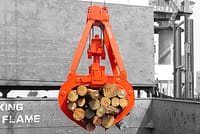
Захвати деревини
-
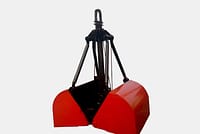
Ківш для захвату мотузки
-
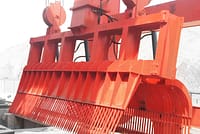
Машини для прибирання сміттєвих полиць
-
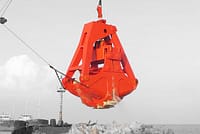
Днопоглиблення
-
Захвати для обрізки
-
- Крановий розкидувач
-
Запчастини для кранів
-
Шкиви крана
-
Пучки дроту
-
Крановий канатний барабан
-
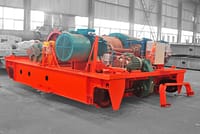
Крановий візок
-
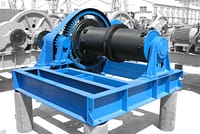
Лебідка електрична
-
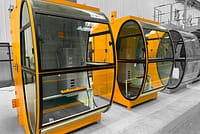
Кабіна кранівника
-
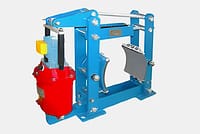
Мостові кранові гальма
-
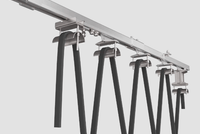
Кабелі мостового крана
-
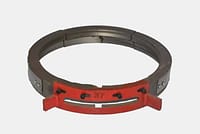
Направляючі для тросу мостового крана
-
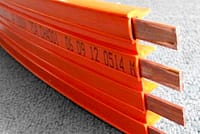
Провідники мостових кранів і лінії електропостачання
-
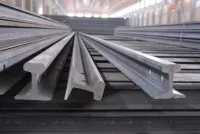
Рейки мостових кранів
-
Затискачі для рейок мостового крана
-
Двигуни для мостових кранів
-
Редуктори мостових кранів
-
Муфти для мостового крана
-
- Кранові колеса
-
Захопіть відра
- Компанія
- контакт
-
Галузі промисловості
-
Загальне виробництво
-
Поводження з відходами
-
Збірний
-
потужність
-
Камінь
-
виготовлення паперу
-
Виробництво металу
-
Будівництво мостів
-
Портові крани: для обробки контейнерів та сипучих матеріалів
-
Мостові крани для нафтогазової промисловості: підвищення операційної ефективності
-
Морські крани для ефективного завантаження вантажів на судна
-
Мостові крани для автомобільної промисловості: ефективні рішення для автоматизації
-
Рішення для мостових кранів для залізниць: прокладання колій, технічне обслуговування рухомого складу та обробка контейнерів
-
Мостові крани для харчових продуктів та напоїв: надійні рішення для ефективного переміщення
-
Мостові крани для ефективного виробництва цементу, скла, цегли та збірного залізобетону
-
Мостові крани для авіаційної промисловості: технічне обслуговування та складання літаків
-
Аерокосмічні мостові крани: точне підйомне навантаження для запуску та транспортування ракет
-
-
Продукти
-
Мостові крани
-
Однобалочні мостові крани
-
Двобалочні мостові крани
-
Однобалкові мостові крани європейського типу
-
Двобалкові мостові крани європейського типу
-
Вибухозахищені мостові крани
-
Грейферні та магнітні мостові крани
-
Монорельсові крани
-
Ливарні мостові крани
-
Ізоляція Мостові крани
-
Мостові крани з низьким висотою
-
Підйомні мостові крани
-
Мостові крани-ковші
-
Підвісні мостові крани
-
Електромагнітні мостові крани
-
Крани для робочих станцій: легка конструкція, просте встановлення та безпроблемна експлуатація
-
Окремостоячі мостові крани для робочих станцій
-
Стельовий мостовий кран
-
Ручні мостові крани
-
-
Козлові крани
-
Напівкозлові крани
-
Однобалочні козлові крани
-
Двобалочні козлові крани
-
Контейнерні козлові крани
-
Фермові козлові крани
-
Регульовані козлові крани
-
Портативні козлові крани
-
Європейські козлові крани
-
Алюмінієві портальні крани
-
Портальні контейнерні крани на гумових шинах
-
Портальні контейнерні крани на рейках
-
Портальний кран верфі
-
Європейські однобалкові козлові крани
-
Європейські двобалкові козлові крани
-
-
Стріловидні крани
-
Окремо стоячі стрілові крани
-
Настінні пересувні стрілові крани
-
Настінні стрілові крани
-
Балансувальні стрілові крани
-
Електричні окремостоячі стрілові крани
-
Ручні окремостоячі стрілові крани
-
Алюмінієві стрілові крани
-
Шарнірно-стрілові крани
-
Розумні стрілові крани
-
Стандартні стрілові крани FEM
-
Переносні стрілові крани
-
-
Спеціальні крани
-
Портальні крани порту
-
Крани для чистих приміщень
-
Мобільні човнові підйомники
-
Козловий кран зі щитом для буріння тунелів
-
Перевізники верхової їзди
-
Система обробки сегментів
-
Цинкування перевантажувальних кранів Interlock
-
Кран для штабелювання анодних вуглецевих блоків
-
Штабелювальний кран
-
Електролітичний мідний мостовий кран
-
- Електричні підйомники
- Трансферні візки
-
Мостові крани
-
Запчастини крана
-
Захопіть відра
-
Електричне відро з нержавіючої сталі
-
Чотири мотузкові механічні захоплення апельсинової шкірки
-
Механічний грейферний ковш із чотирма мотузками
-
Електрогідравлічні прямокутні грейфери
-
Електрогідравлічні грейфери
-
Електрогідравлічні захоплення апельсинової шкірки, гідравлічні захоплення кактусів
-
Електродвигун Grab
-
Електричний монорейковий ковш із монорейковим підйомником
-
Розкладачки з дистанційним керуванням
-
Механічні грейфери з двома мотузками
-
Захвати деревини
-
Ківш для захвату мотузки
-
Машини для прибирання сміттєвих полиць
-
Днопоглиблення
-
Захвати для обрізки
-
- Крановий розкидувач
-
Запчастини для кранів
-
Шкиви крана
-
Пучки дроту
-
Крановий канатний барабан
-
Крановий візок
-
Лебідка електрична
-
Кабіна кранівника
-
Мостові кранові гальма
-
Кабелі мостового крана
-
Направляючі для тросу мостового крана
-
Провідники мостових кранів і лінії електропостачання
-
Рейки мостових кранів
-
Затискачі для рейок мостового крана
-
Двигуни для мостових кранів
-
Редуктори мостових кранів
-
Муфти для мостового крана
-
- Кранові колеса
-
Захопіть відра
- Компанія
- контакт



Waste Handling Cranes Operation, Maintenance and Troubleshooting
Зміст
Waste handling crane maintenance supports the continuous feeding, transfer, and mixing of waste in waste-to-energy plants. This article covers the crane’s main components, operating procedures, scheduled inspections, lubrication, and common faults affecting the grab, starting circuit, bridge travel, and wheel–rail system.

In a waste incineration plant, a waste handling crane performs several essential tasks:
- Waste feeding: A grab or gripping attachment picks up waste from delivery vehicles or storage containers and transfers it to the incinerator feed point to support continuous, stable combustion.
- Waste transfer: The crane moves waste between receiving, pretreatment, and furnace-feeding areas, and between other locations within the plant as required.
- Waste mixing: By picking up and moving different types of waste, the crane creates a more uniform mixture. This helps improve combustion efficiency and energy recovery while reducing harmful emissions.
Modern waste handling cranes can also incorporate automatic controls, accurate weighing and metering, and remote monitoring to improve operating convenience, safety, and efficiency.
Main Components of a Waste Handling Crane
A waste handling crane, also described as a waste grab crane, consists mainly of the supporting structure, mechanical drives, electrical equipment, and hydraulic grab.
Опорна конструкція
The bridge frame and trolley frame provide the crane’s structural support.
The bridge frame carries the bridge assembly and mechanical equipment and must maintain adequate strength and stability under operating conditions.
The trolley frame is mounted on the bridge and supports the hoisting mechanism and hydraulic grab. Its design combines a low weight for movement with sufficient strength to maintain stability and positioning accuracy during waste handling.
Mechanical Drives
The hoisting mechanism uses a motor, gearbox, and related components to wind and unwind the wire rope, raising and lowering the hydraulic grab.
The bridge travel mechanism moves the crane along the runway rails so that the grab can reach locations throughout the waste pit. The trolley travel mechanism moves the trolley across the bridge to position the grab horizontally.
Electrical Equipment
Electrical controls, including programmable logic controllers (PLCs), allow the equipment to respond to operating commands accurately and promptly. Power supply wiring and cable trays carry electrical power to the motors and other equipment.
Гідравлічний грейфер
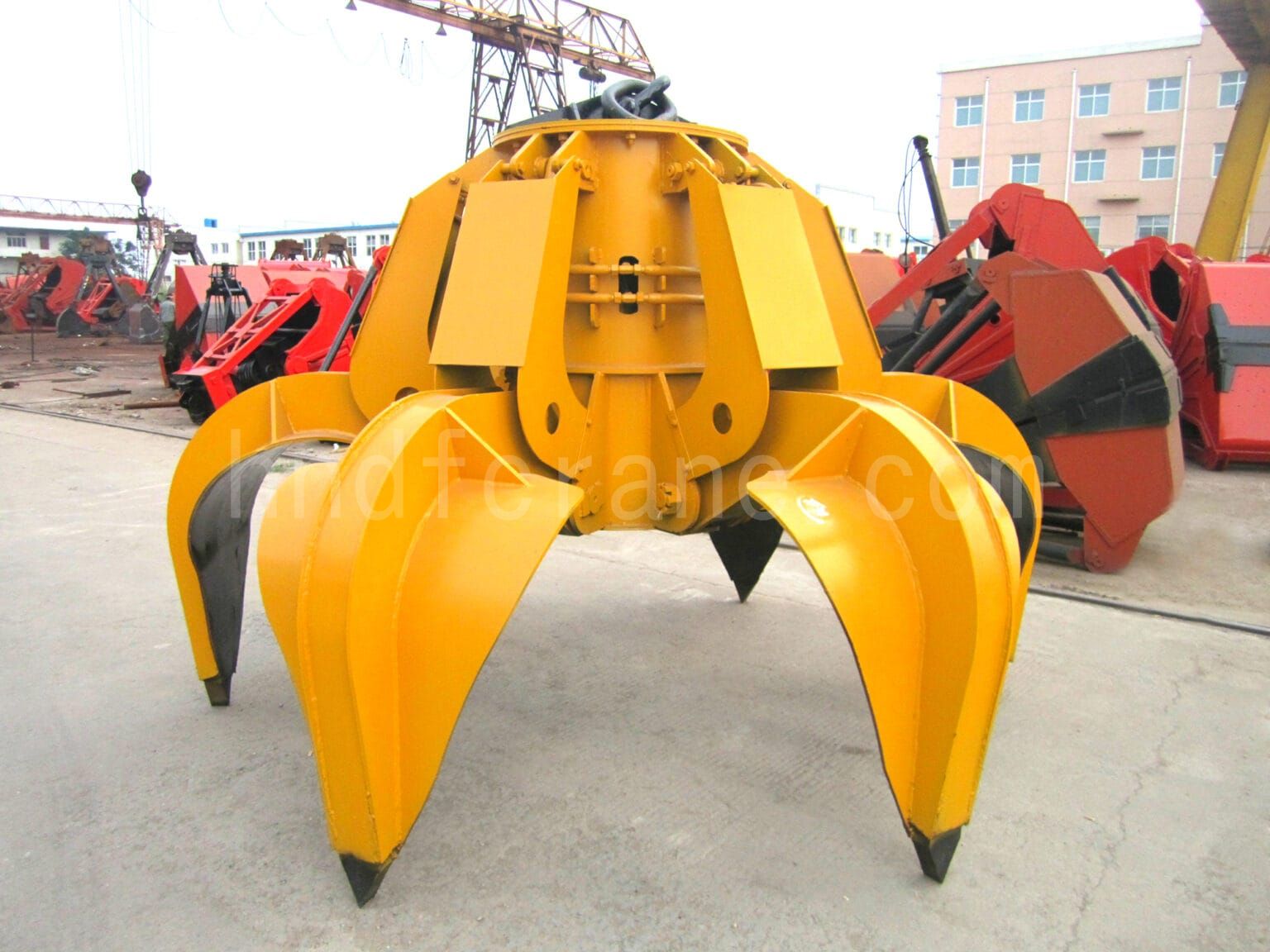
The hydraulic grab directly engages the waste, so its design and condition affect handling efficiency. Hydraulic cylinders use oil pressure to open and close the grab. The grab itself must accommodate the types and shapes of waste being handled.
Waste Handling Crane Operating Procedures
Before Operation
Inspect the supporting structure, mechanical drives, electrical equipment, and hydraulic grab. Check for damage, loose connections, wear, and faults, paying particular attention to the hydraulic and electrical systems.
Operators must understand the buttons, switches, and indicator lights on the control panel, including controls for bridge travel, trolley travel, hoisting, and grab opening and closing. Consult the operating manual or an experienced colleague before attempting an unfamiliar operation.
Wear the required protective equipment, including a safety helmet, work clothing, and protective footwear. Keep the operating area clear of obstacles and ensure that personnel do not stand on or beneath the crane’s travel route. Check that the emergency-stop button is readily accessible.
Picking Up Waste
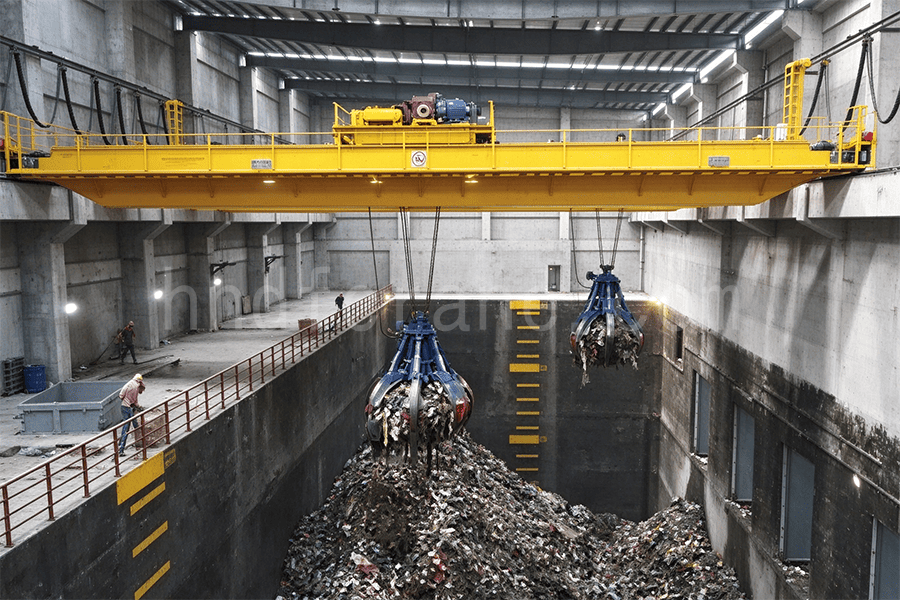
Move the bridge and trolley to position the hydraulic grab above the waste pile. Maintain adequate clearance to avoid collisions and equipment damage.
Lower the grab slowly while opening its tines. Watch the distance to the waste pile and the distribution of material. As the grab contacts the waste, adjust the opening and closing speed and force to achieve a steady pickup.
Control each load according to furnace capacity and waste type. Avoid excessive loads that could cause spillage or overload, while maintaining a pickup quantity sufficient for feeding requirements.
Transferring and Feeding Waste
After picking up the waste, move the bridge and trolley smoothly toward the incinerator feed opening. Keep the grab steady to prevent waste from spilling or slipping out.
Align the grab with the feed opening and adjust its height and orientation for accurate discharge. Control the opening speed and force to avoid impact or damage to the incinerator.
After feeding, observe combustion conditions and adjust the feeding location and quantity as required to maintain stable, efficient incineration.
After Operation
Inspect the crane again, particularly the hydraulic and electrical systems. Report any faults or damage promptly and arrange repairs.
Clean residual waste and dirt from the hydraulic grab. Carry out regular servicing and lubrication to reduce wear and maintain operating performance.
Record equipment condition, load quantities, feeding locations, and other relevant operating information. Report problems and operating feedback to the responsible personnel so that procedures can be improved.
Waste Handling Crane Maintenance Schedule
Inspection, lubrication, and cleaning are central to reliable operation, equipment service life, and operator safety.
Weekly Inspections
- Check brake shoe wear and the security, wear, and lubrication of pivot pins.
- Check contactors and controller contacts for burning or erosion. Inspect the lubrication of cams, rollers, and shafts.
- Check the transmission mechanisms, listen for abnormal sounds, and confirm that connecting bolts are secure.
- Clean the crane thoroughly, remove accumulated dirt, and address gearbox oil leaks.
Monthly Inspections
- Check the foundation bolts securing gearboxes, motors, and angular bearing housings.
- Check the contact condition and wear of slip rings and carbon brushes on wound-rotor motors.
- Inspect the working sections of wire rope for wear and broken wires. Check lubrication and rope-clamp bolt tightness.
- Inspect wire insulation at conduit openings. Check the operation and lubrication of limit devices.
Semiannual or Annual Inspections
- Inspect gear wear in all gearboxes, replace damaged parts, and clean and refill them with lubricating oil.
- Check the security of electrical components inside the protection cabinet and control panel, and inspect electrical insulation.
- Check hooks and grabs for deformation. Verify that grab opening and closing meet the specified technical requirements, and replace damaged components.
Змащення
Regular lubrication reduces wear and supports component life. Lubricate moving shaft-and-bore fits and the mechanical friction surfaces that require lubrication.
- Keep grease clean and free of foreign material.
- Do not mix different grades of grease.
- Inspect lubrication-system seals regularly.
- Open the isolating switch in the protection cabinet before lubrication so that the equipment is disconnected from its power supply.
Прибирання
Remove residual waste, dust, and other debris regularly, particularly from electrical equipment and precision mechanical parts. Use suitable cleaning agents and tools to avoid damaging the equipment. Include corners and difficult-to-reach areas in the cleaning routine.
Regular inspection, lubrication, and cleaning should form part of the plant’s routine waste handling crane maintenance program.
Common Faults and Troubleshooting
Grab Will Not Open or Close
Possible causes include internal leakage in a hydraulic cylinder, a stuck hydraulic check valve in the control block, damaged power cables or cable slip rings, and a tripped circuit breaker.
Check the grab’s hydraulic oil level. Use a pressure gauge to check opening and closing pressures, and examine whether pressure is maintained to help locate the fault. Inspect cables and cable slip rings for damage and replace them when necessary. Repair or replace defective hydraulic components.
Crane Will Not Start
Possible causes include:
- No voltage indication at the operating equipment.
- A mechanism control handle is not in the zero position.
- The emergency-stop circuit is open.
- The crane’s protective devices have not been reset.
- The normally closed contact of the overcurrent relay remains open.
- The main contactor coil has an open circuit.
Check the voltage indication and confirm that the power supply is available. Return all mechanism control handles to zero. Check the emergency-stop switch and confirm that it is in the correct operating state. Check whether the protective devices have been reset and reset them as required. Inspect the overcurrent relay’s normally closed contact and repair or replace defective components. Check the main contactor coil for an open circuit and replace it if necessary.
Protection Trips During Bridge Travel
Possible causes include a relay setting that is too low, poor rail installation, excessive rail-joint gaps causing vibration and momentary relay dropout, operation of the bridge-travel protection, or mechanical binding.
Adjust the relay setting to the appropriate range. Inspect the rails and correct installation problems so that rail levels and joint gaps meet the requirements. Identify and eliminate the cause of protective trips or mechanical binding.
Bridge or Trolley Wheel Flanges Rub Against the Rails
Possible causes include wheel alignment outside the permitted vertical or horizontal tolerances, inconsistent wheel skew, poor rail installation, or rail deformation.
Adjust wheel alignment within the permitted limits and correct inconsistent wheel skew. Inspect rail installation and adjust or replace damaged sections so that the rails remain properly aligned and free of deformation. Maintain the rails regularly to reduce recurring faults and extend service life.
These are common fault examples rather than a complete list. Diagnose each problem according to the actual equipment condition. If the problem cannot be resolved, contact qualified maintenance personnel.
Висновок
Waste handling crane maintenance covers pre-operation checks, waste pickup and feeding, post-operation records, and scheduled servicing. Checking grab operation, starting circuits, bridge travel, and the wheel–rail system, together with cleaning, lubrication, and fault reporting, helps maintain continuous waste transfer and mixing operations.

Мене звати Сінді, я маю 10-річний досвід роботи в крановій промисловості та накопичив багаті професійні знання. Я вибрав задовільні крани для 500+ клієнтів. Якщо у вас є якісь потреби або запитання щодо кранів, будь ласка, не соромтеся зв’язатися зі мною, я використаю свої знання та практичний досвід, щоб допомогти вам вирішити проблему!
Надішліть свій запит
- Електронна пошта: sales@hndfcrane.com
- WhatsApp: +86 191 3738 6654
- Телеграма: +86 191 3738 6654
- Тел.: +86-373-581 8299
- Факс: +86-373-215 7000
- Додати: промисловий район Чаннао, місто Сіньсян, провінція Хенань, Китай
 WeChat
- Мостові крани
- Двобалочні мостові крани
- Однобалочні мостові крани
- Однобалкові мостові крани європейського типу
- Вибухозахищені мостові крани
- Грейферні та магнітні мостові крани
- Монорельсові крани
- Ливарні мостові крани
- Крани для робочих станцій: легка конструкція, просте встановлення та безпроблемна експлуатація
- Стріловидні крани
- Настінні стрілові крани
- Настінні пересувні стрілові крани
- Окремо стоячі стрілові крани
- Алюмінієві стрілові крани: легкий, плавно обертається стріла для легкого підйому
- Балансувальні стрілові крани: ефективне легке підйомне навантаження для механічного складання на короткі відстані
- Ручні вільностоячі стрілові крани: ефективні рішення для ручного підйому вантажів для операцій в обмеженому просторі
- Електричні окремостоячі стрілові крани: повністю електричне рішення для швидкого підйому великої вантажопідйомності
- Шарнірно-колінчасті стрілові крани: точне підйомне навантаження з подвійною гнучкістю стріли
- Козлові крани
- Двобалочні козлові крани
- Напівкозлові крани
- Однобалочні козлові крани
- Фермові козлові крани
- Контейнерні козлові крани
- Регульовані козлові крани
- Портативні козлові крани
- Європейські козлові крани
- Галузі промисловості
- Загальне виробництво
- Поводження з відходами
- Збірний
- потужність
- Камінь
- виготовлення паперу
- Виробництво металу
- Будівництво мостів
- Портові крани: для обробки контейнерів та сипучих матеріалів
- Мостові крани для нафтогазової промисловості: підвищення операційної ефективності
- Морські крани для ефективного завантаження вантажів на судна
- Мостові крани для автомобільної промисловості: ефективні рішення для автоматизації
- Електричні підйомники
- Електричні канатні підйомники
- Талі ланцюгові електричні
- Електричні підйомники європейського типу
- Європейські електричні ланцюгові талі: плавна робота, низький рівень шуму та енергоефективність
- Ручні важільні талі: ідеально підходять для вантажопідйомних робіт
- Ручні ланцюгові талі: ручний підйом для місць без електропостачання
- Електричні підйомники з низьким висотою: компактний дизайн для максимального використання простору
- Пневматичні ланцюгові талі: плавне керування для промислового використання
- Вибухозахищені ручні ланцюгові талі: іскростійка конструкція з мідного сплаву для небезпечних зон
- Вибухобезпечні електричні ланцюгові талі для підйому вантажів у небезпечних зонах
- про
- Справи
- Новини
- Часті запитання
- Завантажити
- Блоги
- Інструменти для розрахунку навантаження на колеса крана онлайн
- VR Панорама
- Зв'яжіться з нами
- Електронна пошта: sales@hndfcrane.com
- WhatsApp: +86 191 3738 6654
- Телеграма: +86 191 3738 6654
- Тел.: +86-373-581 8299
-