-
Branże
-
Produkcja ogólna
-
Zarządzanie odpadami
-
Prefabrykaty
-
Moc
-
Kamień
-
Papiernictwo
-
Produkcja metalowa
-
Budowa mostu
-
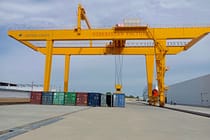
Suwnice portowe: do obsługi kontenerów i materiałów masowych
-
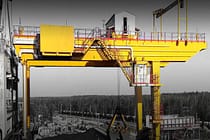
Suwnice dla przemysłu naftowego i gazowego: Zwiększ wydajność operacyjną
-
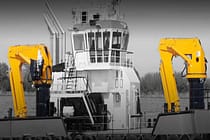
Dźwigi morskie zapewniające efektywny załadunek ładunków na statkach
-
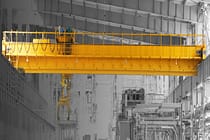
Suwnice dla przemysłu motoryzacyjnego: wydajne rozwiązania automatyzacyjne
-
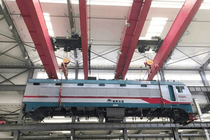
Rozwiązania suwnicowe dla kolei: układanie torów, konserwacja taboru kolejowego i obsługa kontenerów
-
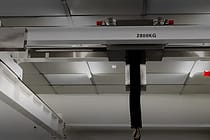
Suwnice pomostowe do żywności i napojów: niezawodne rozwiązania zapewniające efektywną obsługę
-
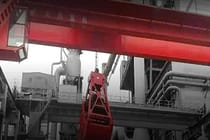
Suwnice pomostowe do wydajnej produkcji cementu, szkła, cegieł i prefabrykatów betonowych
-
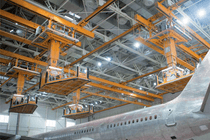
Suwnice dla przemysłu lotniczego: konserwacja i montaż samolotów
-
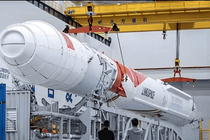
Suwnice pomostowe dla lotnictwa i kosmonautyki: precyzyjne podnoszenie podczas startów i transportu rakiet
-
-
Produkty
-
Suwnice
-
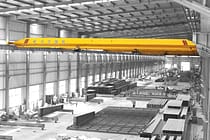
Suwnice jednodźwigarowe
-
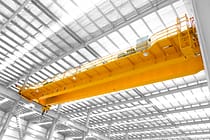
Suwnice dwudźwigarowe
-
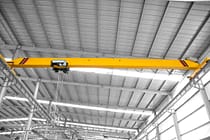
Suwnice pomostowe jednodźwigarowe typu europejskiego
-
Suwnice dwudźwigarowe typu europejskiego
-
Suwnice przeciwwybuchowe
-
Chwytaki i suwnice magnetyczne
-
Żurawie jednoszynowe
-
Suwnice odlewnicze
-
Suwnice izolacyjne
-
Suwnice o niskim prześwicie
-
Chwyć dźwigi pomostowe
-
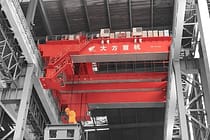
Suwnice kadziowe
-
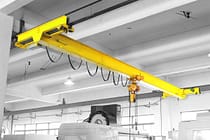
Suwnice podwieszane
-
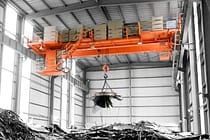
Suwnice elektromagnetyczne
-
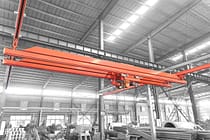
Suwnice stanowiskowe: lekka konstrukcja, łatwa instalacja i bezproblemowa obsługa
-
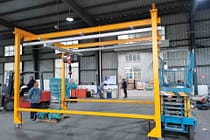
Suwnice mostowe wolnostojące
-
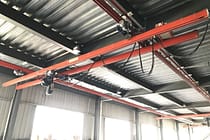
Suwnica mostowa montowana na suficie
-
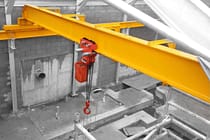
Suwnice ręczne
-
-
Suwnice
-
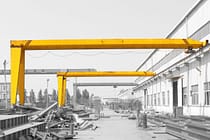
Suwnice półbramowe
-
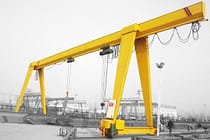
Jednodźwigarowe suwnice bramowe
-
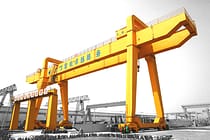
Suwnice bramowe dwudźwigarowe
-
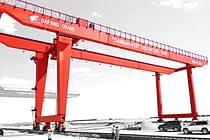
Kontenerowe suwnice bramowe
-
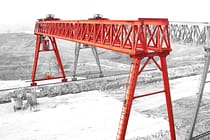
Kratownicowe suwnice bramowe
-
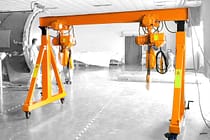
Regulowane suwnice bramowe
-
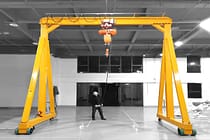
Przenośne suwnice bramowe
-
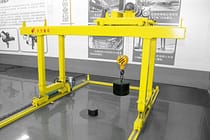
Europejskie suwnice bramowe
-
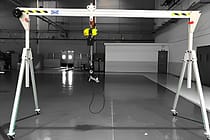
Aluminiowe suwnice bramowe
-
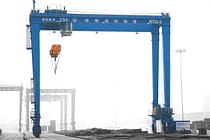
Suwnice bramowe kontenerowe z oponami gumowymi
-
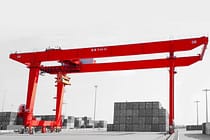
Suwnice bramowe kontenerowe montowane na szynach
-
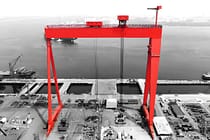
Suwnica bramowa stoczniowa
-
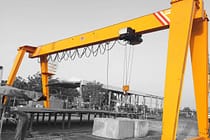
Europejskie suwnice bramowe jednodźwigarowe
-
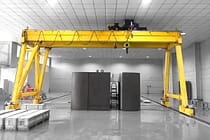
Europejskie suwnice bramowe dwudźwigarowe
-
-
Żurawie
-
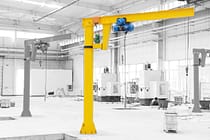
Żurawie wolnostojące
-
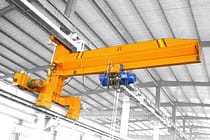
Żurawie przesuwne ścienne
-
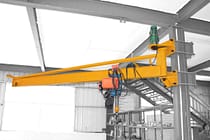
Żurawie ścienne
-
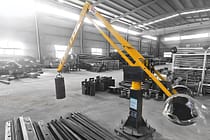
Żurawie wysięgnikowe
-
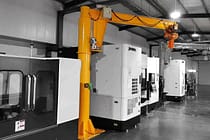
Elektryczne żurawie wolnostojące
-
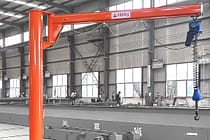
Ręczne żurawie wolnostojące
-
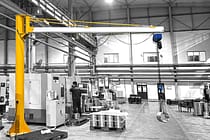
Żurawie wysięgnikowe aluminiowe
-
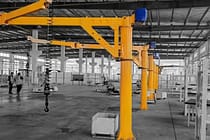
Żurawie przegubowe
-
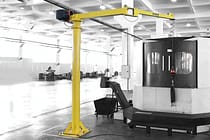
Inteligentne żurawie wysięgnikowe
-
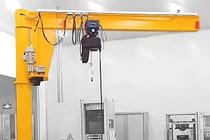
Żurawie wysięgnikowe zgodne ze standardem FEM
-
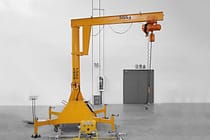
Przenośne żurawie wysięgnikowe
-
-
Specjalne dźwigi
-
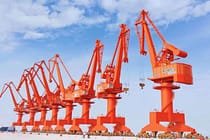
Żurawie portalowe
-
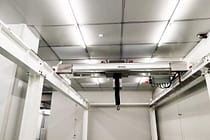
Suwnice do pomieszczeń czystych
-
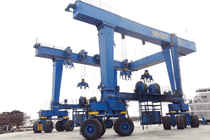
Mobilne podnośniki łodzi
-
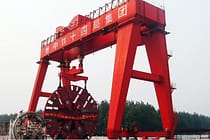
Suwnica bramowa z osłoną do wiercenia tuneli
-
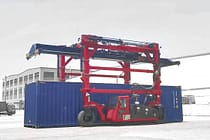
Nośniki bramowe
-
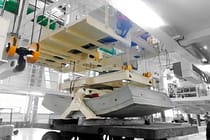
System obsługi segmentów
-
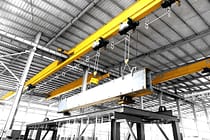
Suwnice transferowe z blokadą cynkową
-
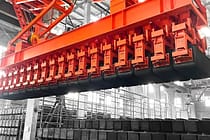
Suwnica do układania bloków węglowych anodowych
-
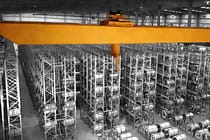
Suwnica układnicowa
-
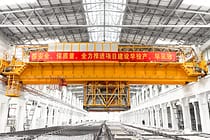
Suwnica z miedzi elektrolitycznej
-
- Wciągniki elektryczne
- Wózki transferowe
-
Suwnice
-
Części dźwigów
-
Chwytaki wiaderkowe
-
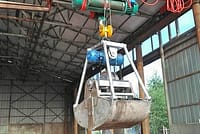
Elektryczny chwytak ze stali nierdzewnej
-
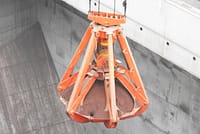
Mechaniczne chwytaki do skórek pomarańczowych na cztery liny
-
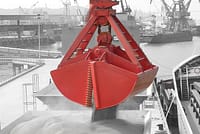
Mechaniczny chwytak czterolinowy typu clamshell
-
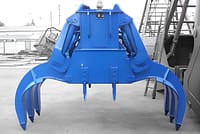
Chwytaki prostokątne elektrohydrauliczne
-
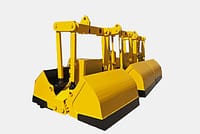
Chwytaki muszlowe elektrohydrauliczne
-
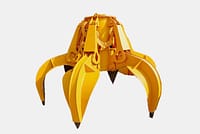
Chwytaki hydrauliczne do skórek pomarańczy, hydrauliczne chwytaki do kaktusów
-
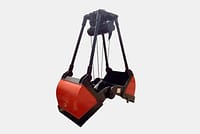
Chwytak silnika elektrycznego
-
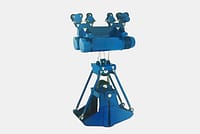
Elektryczny chwytak jednoszynowy z wciągnikiem jednoszynowym
-
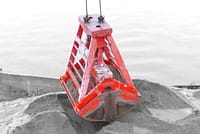
Zdalnie sterowane chwytaki muszlowe
-
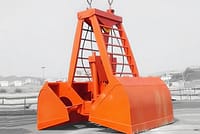
Mechaniczne chwytaki dwulinowe
-
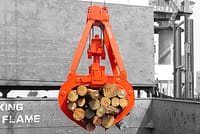
Chwytaki do drewna
-
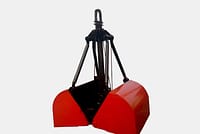
Pojedynczy chwytak linowy
-
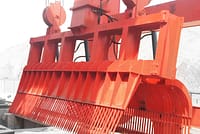
Maszyny do czyszczenia koszy na śmieci
-
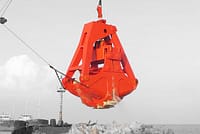
Chwytaki pogłębiarskie
-
Chwytaki do przycinania
-
- Rozpieracz dźwigu
-
Części zamienne do dźwigów
-
Snopy dźwigowe
-
krążki linowe
-
Żurawowy bęben linowy
-
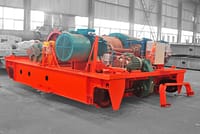
Wózek dźwigowy
-
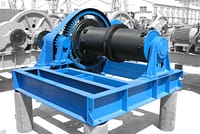
Wyciągarka elektryczna
-
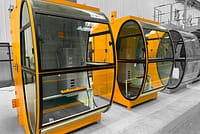
Kabina operatora dźwigu
-
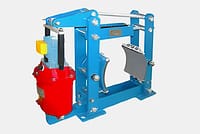
Hamulce suwnicowe
-
Kable suwnicowe
-
Prowadnice linowe suwnic
-
Przewody suwnicowe i linie zasilające
-
Szyny suwnicowe
-
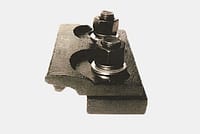
Zaciski szynowe suwnicy
-
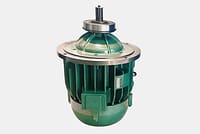
Silniki suwnic
-
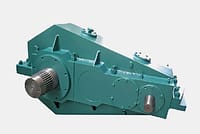
Reduktory suwnicowe
-
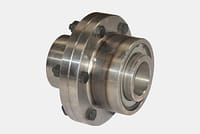
Sprzęgła do suwnicy
-
- Koła dźwigu
-
Chwytaki wiaderkowe
- Firma
- Kontakt
-
Branże
-
Produkcja ogólna
-
Zarządzanie odpadami
-
Prefabrykaty
-
Moc
-
Kamień
-
Papiernictwo
-
Produkcja metalowa
-
Budowa mostu
-
Suwnice portowe: do obsługi kontenerów i materiałów masowych
-
Suwnice dla przemysłu naftowego i gazowego: Zwiększ wydajność operacyjną
-
Dźwigi morskie zapewniające efektywny załadunek ładunków na statkach
-
Suwnice dla przemysłu motoryzacyjnego: wydajne rozwiązania automatyzacyjne
-
Rozwiązania suwnicowe dla kolei: układanie torów, konserwacja taboru kolejowego i obsługa kontenerów
-
Suwnice pomostowe do żywności i napojów: niezawodne rozwiązania zapewniające efektywną obsługę
-
Suwnice pomostowe do wydajnej produkcji cementu, szkła, cegieł i prefabrykatów betonowych
-
Suwnice dla przemysłu lotniczego: konserwacja i montaż samolotów
-
Suwnice pomostowe dla lotnictwa i kosmonautyki: precyzyjne podnoszenie podczas startów i transportu rakiet
-
-
Produkty
-
Suwnice
-
Suwnice jednodźwigarowe
-
Suwnice dwudźwigarowe
-
Suwnice pomostowe jednodźwigarowe typu europejskiego
-
Suwnice dwudźwigarowe typu europejskiego
-
Suwnice przeciwwybuchowe
-
Chwytaki i suwnice magnetyczne
-
Żurawie jednoszynowe
-
Suwnice odlewnicze
-
Suwnice izolacyjne
-
Suwnice o niskim prześwicie
-
Chwyć dźwigi pomostowe
-
Suwnice kadziowe
-
Suwnice podwieszane
-
Suwnice elektromagnetyczne
-
Suwnice stanowiskowe: lekka konstrukcja, łatwa instalacja i bezproblemowa obsługa
-
Suwnice mostowe wolnostojące
-
Suwnica mostowa montowana na suficie
-
Suwnice ręczne
-
-
Suwnice
-
Suwnice półbramowe
-
Jednodźwigarowe suwnice bramowe
-
Suwnice bramowe dwudźwigarowe
-
Kontenerowe suwnice bramowe
-
Kratownicowe suwnice bramowe
-
Regulowane suwnice bramowe
-
Przenośne suwnice bramowe
-
Europejskie suwnice bramowe
-
Aluminiowe suwnice bramowe
-
Suwnice bramowe kontenerowe z oponami gumowymi
-
Suwnice bramowe kontenerowe montowane na szynach
-
Suwnica bramowa stoczniowa
-
Europejskie suwnice bramowe jednodźwigarowe
-
Europejskie suwnice bramowe dwudźwigarowe
-
-
Żurawie
-
Żurawie wolnostojące
-
Żurawie przesuwne ścienne
-
Żurawie ścienne
-
Żurawie wysięgnikowe
-
Elektryczne żurawie wolnostojące
-
Ręczne żurawie wolnostojące
-
Żurawie wysięgnikowe aluminiowe
-
Żurawie przegubowe
-
Inteligentne żurawie wysięgnikowe
-
Żurawie wysięgnikowe zgodne ze standardem FEM
-
Przenośne żurawie wysięgnikowe
-
-
Specjalne dźwigi
-
Żurawie portalowe
-
Suwnice do pomieszczeń czystych
-
Mobilne podnośniki łodzi
-
Suwnica bramowa z osłoną do wiercenia tuneli
-
Nośniki bramowe
-
System obsługi segmentów
-
Suwnice transferowe z blokadą cynkową
-
Suwnica do układania bloków węglowych anodowych
-
Suwnica układnicowa
-
Suwnica z miedzi elektrolitycznej
-
- Wciągniki elektryczne
- Wózki transferowe
-
Suwnice
-
Części dźwigów
-
Chwytaki wiaderkowe
-
Elektryczny chwytak ze stali nierdzewnej
-
Mechaniczne chwytaki do skórek pomarańczowych na cztery liny
-
Mechaniczny chwytak czterolinowy typu clamshell
-
Chwytaki prostokątne elektrohydrauliczne
-
Chwytaki muszlowe elektrohydrauliczne
-
Chwytaki hydrauliczne do skórek pomarańczy, hydrauliczne chwytaki do kaktusów
-
Chwytak silnika elektrycznego
-
Elektryczny chwytak jednoszynowy z wciągnikiem jednoszynowym
-
Zdalnie sterowane chwytaki muszlowe
-
Mechaniczne chwytaki dwulinowe
-
Chwytaki do drewna
-
Pojedynczy chwytak linowy
-
Maszyny do czyszczenia koszy na śmieci
-
Chwytaki pogłębiarskie
-
Chwytaki do przycinania
-
- Rozpieracz dźwigu
-
Części zamienne do dźwigów
-
Snopy dźwigowe
-
krążki linowe
-
Żurawowy bęben linowy
-
Wózek dźwigowy
-
Wyciągarka elektryczna
-
Kabina operatora dźwigu
-
Hamulce suwnicowe
-
Kable suwnicowe
-
Prowadnice linowe suwnic
-
Przewody suwnicowe i linie zasilające
-
Szyny suwnicowe
-
Zaciski szynowe suwnicy
-
Silniki suwnic
-
Reduktory suwnicowe
-
Sprzęgła do suwnicy
-
- Koła dźwigu
-
Chwytaki wiaderkowe
- Firma
- Kontakt



Waste Handling Cranes Operation, Maintenance and Troubleshooting
Spis treści
Waste handling crane maintenance supports the continuous feeding, transfer, and mixing of waste in waste-to-energy plants. This article covers the crane’s main components, operating procedures, scheduled inspections, lubrication, and common faults affecting the grab, starting circuit, bridge travel, and wheel–rail system.

In a waste incineration plant, a waste handling crane performs several essential tasks:
- Waste feeding: A grab or gripping attachment picks up waste from delivery vehicles or storage containers and transfers it to the incinerator feed point to support continuous, stable combustion.
- Waste transfer: The crane moves waste between receiving, pretreatment, and furnace-feeding areas, and between other locations within the plant as required.
- Waste mixing: By picking up and moving different types of waste, the crane creates a more uniform mixture. This helps improve combustion efficiency and energy recovery while reducing harmful emissions.
Modern waste handling cranes can also incorporate automatic controls, accurate weighing and metering, and remote monitoring to improve operating convenience, safety, and efficiency.
Main Components of a Waste Handling Crane
A waste handling crane, also described as a waste grab crane, consists mainly of the supporting structure, mechanical drives, electrical equipment, and hydraulic grab.
Konstrukcja nośna
The bridge frame and trolley frame provide the crane’s structural support.
The bridge frame carries the bridge assembly and mechanical equipment and must maintain adequate strength and stability under operating conditions.
The trolley frame is mounted on the bridge and supports the hoisting mechanism and hydraulic grab. Its design combines a low weight for movement with sufficient strength to maintain stability and positioning accuracy during waste handling.
Mechanical Drives
The hoisting mechanism uses a motor, gearbox, and related components to wind and unwind the wire rope, raising and lowering the hydraulic grab.
The bridge travel mechanism moves the crane along the runway rails so that the grab can reach locations throughout the waste pit. The trolley travel mechanism moves the trolley across the bridge to position the grab horizontally.
Electrical Equipment
Electrical controls, including programmable logic controllers (PLCs), allow the equipment to respond to operating commands accurately and promptly. Power supply wiring and cable trays carry electrical power to the motors and other equipment.
Chwytak hydrauliczny
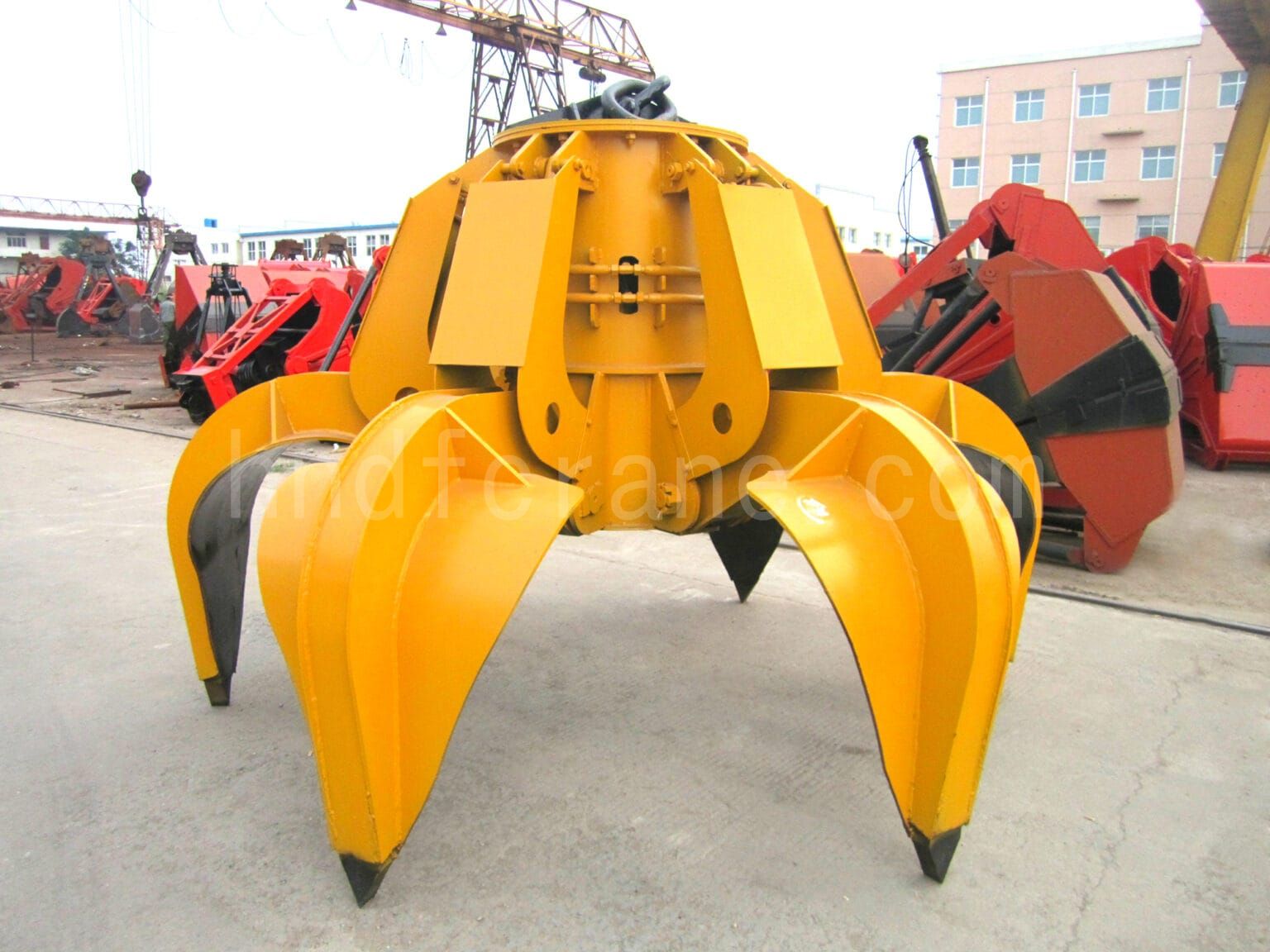
The hydraulic grab directly engages the waste, so its design and condition affect handling efficiency. Hydraulic cylinders use oil pressure to open and close the grab. The grab itself must accommodate the types and shapes of waste being handled.
Waste Handling Crane Operating Procedures
Before Operation
Inspect the supporting structure, mechanical drives, electrical equipment, and hydraulic grab. Check for damage, loose connections, wear, and faults, paying particular attention to the hydraulic and electrical systems.
Operators must understand the buttons, switches, and indicator lights on the control panel, including controls for bridge travel, trolley travel, hoisting, and grab opening and closing. Consult the operating manual or an experienced colleague before attempting an unfamiliar operation.
Wear the required protective equipment, including a safety helmet, work clothing, and protective footwear. Keep the operating area clear of obstacles and ensure that personnel do not stand on or beneath the crane’s travel route. Check that the emergency-stop button is readily accessible.
Picking Up Waste
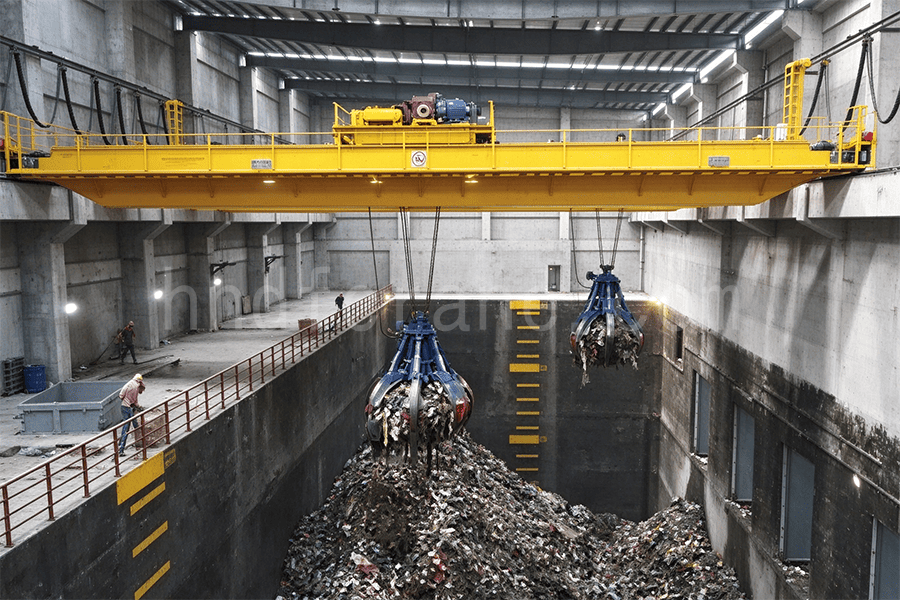
Move the bridge and trolley to position the hydraulic grab above the waste pile. Maintain adequate clearance to avoid collisions and equipment damage.
Lower the grab slowly while opening its tines. Watch the distance to the waste pile and the distribution of material. As the grab contacts the waste, adjust the opening and closing speed and force to achieve a steady pickup.
Control each load according to furnace capacity and waste type. Avoid excessive loads that could cause spillage or overload, while maintaining a pickup quantity sufficient for feeding requirements.
Transferring and Feeding Waste
After picking up the waste, move the bridge and trolley smoothly toward the incinerator feed opening. Keep the grab steady to prevent waste from spilling or slipping out.
Align the grab with the feed opening and adjust its height and orientation for accurate discharge. Control the opening speed and force to avoid impact or damage to the incinerator.
After feeding, observe combustion conditions and adjust the feeding location and quantity as required to maintain stable, efficient incineration.
After Operation
Inspect the crane again, particularly the hydraulic and electrical systems. Report any faults or damage promptly and arrange repairs.
Clean residual waste and dirt from the hydraulic grab. Carry out regular servicing and lubrication to reduce wear and maintain operating performance.
Record equipment condition, load quantities, feeding locations, and other relevant operating information. Report problems and operating feedback to the responsible personnel so that procedures can be improved.
Waste Handling Crane Maintenance Schedule
Inspection, lubrication, and cleaning are central to reliable operation, equipment service life, and operator safety.
Weekly Inspections
- Check brake shoe wear and the security, wear, and lubrication of pivot pins.
- Check contactors and controller contacts for burning or erosion. Inspect the lubrication of cams, rollers, and shafts.
- Check the transmission mechanisms, listen for abnormal sounds, and confirm that connecting bolts are secure.
- Clean the crane thoroughly, remove accumulated dirt, and address gearbox oil leaks.
Monthly Inspections
- Check the foundation bolts securing gearboxes, motors, and angular bearing housings.
- Check the contact condition and wear of slip rings and carbon brushes on wound-rotor motors.
- Inspect the working sections of wire rope for wear and broken wires. Check lubrication and rope-clamp bolt tightness.
- Inspect wire insulation at conduit openings. Check the operation and lubrication of limit devices.
Semiannual or Annual Inspections
- Inspect gear wear in all gearboxes, replace damaged parts, and clean and refill them with lubricating oil.
- Check the security of electrical components inside the protection cabinet and control panel, and inspect electrical insulation.
- Check hooks and grabs for deformation. Verify that grab opening and closing meet the specified technical requirements, and replace damaged components.
Smarowanie
Regular lubrication reduces wear and supports component life. Lubricate moving shaft-and-bore fits and the mechanical friction surfaces that require lubrication.
- Keep grease clean and free of foreign material.
- Do not mix different grades of grease.
- Inspect lubrication-system seals regularly.
- Open the isolating switch in the protection cabinet before lubrication so that the equipment is disconnected from its power supply.
Czyszczenie
Remove residual waste, dust, and other debris regularly, particularly from electrical equipment and precision mechanical parts. Use suitable cleaning agents and tools to avoid damaging the equipment. Include corners and difficult-to-reach areas in the cleaning routine.
Regular inspection, lubrication, and cleaning should form part of the plant’s routine waste handling crane maintenance program.
Common Faults and Troubleshooting
Grab Will Not Open or Close
Possible causes include internal leakage in a hydraulic cylinder, a stuck hydraulic check valve in the control block, damaged power cables or cable slip rings, and a tripped circuit breaker.
Check the grab’s hydraulic oil level. Use a pressure gauge to check opening and closing pressures, and examine whether pressure is maintained to help locate the fault. Inspect cables and cable slip rings for damage and replace them when necessary. Repair or replace defective hydraulic components.
Crane Will Not Start
Possible causes include:
- No voltage indication at the operating equipment.
- A mechanism control handle is not in the zero position.
- The emergency-stop circuit is open.
- The crane’s protective devices have not been reset.
- The normally closed contact of the overcurrent relay remains open.
- The main contactor coil has an open circuit.
Check the voltage indication and confirm that the power supply is available. Return all mechanism control handles to zero. Check the emergency-stop switch and confirm that it is in the correct operating state. Check whether the protective devices have been reset and reset them as required. Inspect the overcurrent relay’s normally closed contact and repair or replace defective components. Check the main contactor coil for an open circuit and replace it if necessary.
Protection Trips During Bridge Travel
Possible causes include a relay setting that is too low, poor rail installation, excessive rail-joint gaps causing vibration and momentary relay dropout, operation of the bridge-travel protection, or mechanical binding.
Adjust the relay setting to the appropriate range. Inspect the rails and correct installation problems so that rail levels and joint gaps meet the requirements. Identify and eliminate the cause of protective trips or mechanical binding.
Bridge or Trolley Wheel Flanges Rub Against the Rails
Possible causes include wheel alignment outside the permitted vertical or horizontal tolerances, inconsistent wheel skew, poor rail installation, or rail deformation.
Adjust wheel alignment within the permitted limits and correct inconsistent wheel skew. Inspect rail installation and adjust or replace damaged sections so that the rails remain properly aligned and free of deformation. Maintain the rails regularly to reduce recurring faults and extend service life.
These are common fault examples rather than a complete list. Diagnose each problem according to the actual equipment condition. If the problem cannot be resolved, contact qualified maintenance personnel.
Wniosek
Waste handling crane maintenance covers pre-operation checks, waste pickup and feeding, post-operation records, and scheduled servicing. Checking grab operation, starting circuits, bridge travel, and the wheel–rail system, together with cleaning, lubrication, and fault reporting, helps maintain continuous waste transfer and mixing operations.

Jestem Cindy, mam 10 lat doświadczenia w branży dźwigowej i zgromadziłam bogactwo wiedzy zawodowej. Wybrałam satysfakcjonujące dźwigi dla ponad 500 klientów. Jeśli masz jakiekolwiek potrzeby lub pytania dotyczące dźwigów, skontaktuj się ze mną, wykorzystam swoją wiedzę specjalistyczną i praktyczne doświadczenie, aby pomóc Ci rozwiązać problem!
Wyślij zapytanie
- E-mail: sprzedaż@hndfcrane.com
- WhatsApp: +86 191 3738 6654
- Telegram: +86 191 3738 6654
- Tel: +86-373-581 8299
- Faks: +86-373-215 7000
- Dodaj: dzielnica przemysłowa Changnao, miasto Xinxiang, prowincja Henan, Chiny
 WeChat
- Suwnice
- Suwnice dwudźwigarowe
- Suwnice jednodźwigarowe
- Suwnice pomostowe jednodźwigarowe typu europejskiego
- Suwnice przeciwwybuchowe
- Chwytaki i suwnice magnetyczne
- Żurawie jednoszynowe
- Suwnice odlewnicze
- Suwnice stanowiskowe: lekka konstrukcja, łatwa instalacja i bezproblemowa obsługa
- Żurawie
- Żurawie ścienne
- Żurawie przesuwne ścienne
- Żurawie wolnostojące
- Żurawie wysięgnikowe aluminiowe: lekkie, płynnie obracające się ramię ułatwiające podnoszenie
- Żurawie wysięgnikowe Balance: wydajne podnoszenie lekkie przy montażu mechanicznym na krótkich dystansach
- Żurawie wysięgnikowe ręczne wolnostojące: wydajne rozwiązania ręcznego podnoszenia do operacji w ograniczonej przestrzeni
- Elektryczne żurawie wolnostojące: w pełni elektryczne rozwiązanie do szybkiego podnoszenia o dużej ładowności
- Żurawie z wysięgnikiem przegubowym: precyzyjne podnoszenie z elastycznością dwóch ramion
- Suwnice
- Suwnice bramowe dwudźwigarowe
- Suwnice półbramowe
- Jednodźwigarowe suwnice bramowe
- Kratownicowe suwnice bramowe
- Kontenerowe suwnice bramowe
- Regulowane suwnice bramowe
- Przenośne suwnice bramowe
- Europejskie suwnice bramowe
- Branże
- Produkcja ogólna
- Zarządzanie odpadami
- Prefabrykaty
- Moc
- Kamień
- Papiernictwo
- Produkcja metalowa
- Budowa mostu
- Suwnice portowe: do obsługi kontenerów i materiałów masowych
- Suwnice dla przemysłu naftowego i gazowego: Zwiększ wydajność operacyjną
- Dźwigi morskie zapewniające efektywny załadunek ładunków na statkach
- Suwnice dla przemysłu motoryzacyjnego: wydajne rozwiązania automatyzacyjne
- Wciągniki elektryczne
- Elektryczne wciągniki linowe
- Elektryczne wciągniki łańcuchowe
- Wciągniki elektryczne typu europejskiego
- Europejskie wciągniki łańcuchowe elektryczne: płynna praca, niski poziom hałasu i energooszczędność
- Wciągniki dźwigniowe ręczne: idealne do zadań związanych z ciągnięciem i podnoszeniem
- Wciągniki łańcuchowe ręczne: ręczne podnoszenie w miejscach bez zasilania
- Wciągniki elektryczne o niskim prześwicie: kompaktowa konstrukcja zapewniająca maksymalną efektywność wykorzystania przestrzeni
- Pneumatyczne wciągniki łańcuchowe: płynna obsługa w zastosowaniach przemysłowych
- Wciągniki łańcuchowe ręczne przeciwwybuchowe: konstrukcja ze stopu miedzi odpornego na iskry do stref zagrożonych wybuchem
- Elektryczne wciągniki łańcuchowe przeciwwybuchowe do podnoszenia w strefach niebezpiecznych
- O
- Sprawy
- Aktualności
- Często zadawane pytania
- Pobierać
- Blogi
- Narzędzia do obliczania obciążenia kół dźwigu online
- Panorama VR
- Skontaktuj się z nami
- E-mail: sprzedaż@hndfcrane.com
- WhatsApp: +86 191 3738 6654
- Telegram: +86 191 3738 6654
- Tel: +86-373-581 8299
-