
-
工業
-
一般製造業
-
廃棄物処理
-
プレキャスト
-
パワー
-
石
-
製紙
-
金属製造
-
橋梁工事
-
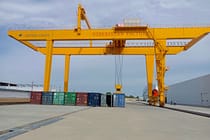
港湾クレーン:コンテナおよびバルク材の取り扱い
-
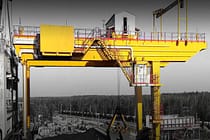
石油・ガス産業向け天井クレーン:運用効率の向上
-
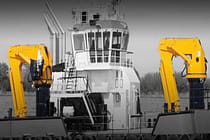
船舶への効率的な貨物積み込みのための海上クレーン
-
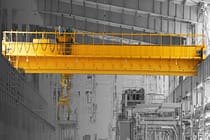
自動車産業向け天井クレーン:効率的な自動化ソリューション
-
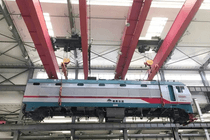
鉄道向け天井クレーンソリューション:線路敷設、車両保守、コンテナハンドリング
-
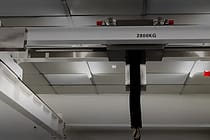
食品・飲料向け天井クレーン:効率的なハンドリングのための信頼性の高いソリューション
-
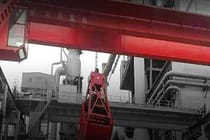
効率的なセメント、ガラス、レンガ、プレキャストコンクリート製造のための天井クレーン
-
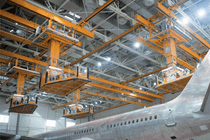
航空業界向け天井クレーン:航空機の整備と組立
-
航空宇宙用オーバーヘッドクレーン:ロケットの打ち上げと輸送のための精密な吊り上げ
-
- 製品
- クレーン部品
- 会社概要
- 連絡先
-
工業
-
一般製造業
-
廃棄物処理
-
プレキャスト
-
パワー
-
石
-
製紙
-
金属製造
-
橋梁工事
-
港湾クレーン:コンテナおよびバルク材の取り扱い
-
石油・ガス産業向け天井クレーン:運用効率の向上
-
船舶への効率的な貨物積み込みのための海上クレーン
-
自動車産業向け天井クレーン:効率的な自動化ソリューション
-
鉄道向け天井クレーンソリューション:線路敷設、車両保守、コンテナハンドリング
-
食品・飲料向け天井クレーン:効率的なハンドリングのための信頼性の高いソリューション
-
効率的なセメント、ガラス、レンガ、プレキャストコンクリート製造のための天井クレーン
-
航空業界向け天井クレーン:航空機の整備と組立
-
航空宇宙用オーバーヘッドクレーン:ロケットの打ち上げと輸送のための精密な吊り上げ
-
- 製品
- クレーン部品
- 会社概要
- 連絡先



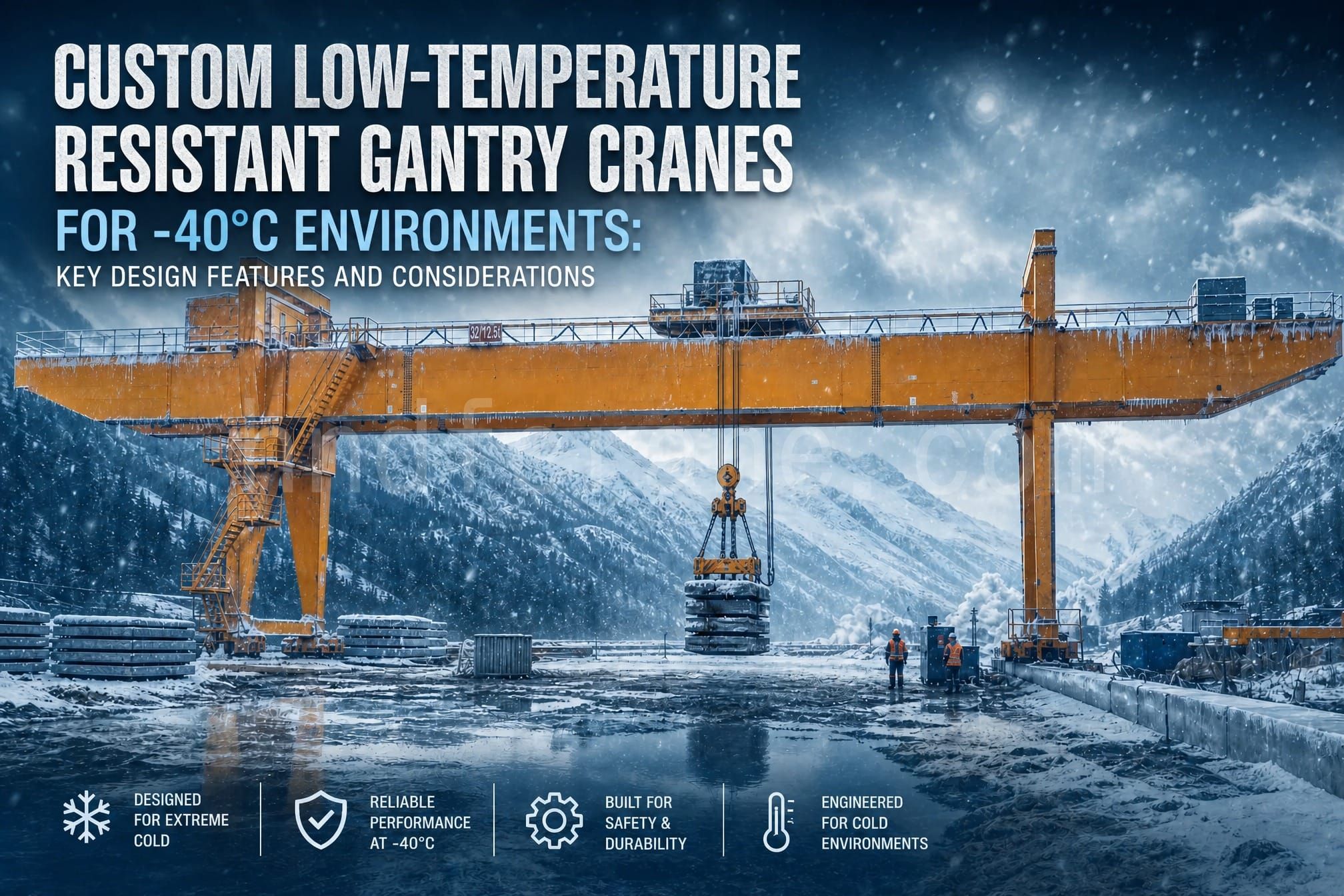
-40℃環境向けカスタム耐低温ガントリークレーン:主な設計上の特徴と考慮事項
目次
標準的なガントリークレーンは通常、-20℃~+40℃の周囲温度範囲で動作するように設計されています。しかし、-40℃といった極低温環境にさらされると、従来のクレーンは鋼材の強度低下、電気系統の故障、部品損傷リスクの増加など、さまざまな動作上の問題に直面する可能性があります。調達担当者やプロジェクトエンジニアにとって、長期的な信頼性の確保、運用安全性の向上、メンテナンスコストの削減のためには、特注の低温対応ガントリークレーンを選択することが不可欠です。
標準的なガントリークレーンが極寒の環境に対応できない理由
標準的なガントリークレーンは、通常の産業環境向けに設計されており、構造材料、電気部品、潤滑システム、機械構成は、一般的な動作温度下で性能を発揮するように設計されています。しかし、周囲温度が-30℃、あるいは-40℃まで低下すると、これらの標準的な構成では信頼性の高い性能が得られなくなる可能性があります。
最も大きな課題の一つは、従来の構造用鋼の耐衝撃性の低下です。温度が低下すると、鋼材は脆性破壊を起こしやすくなります。吊り上げ荷重、加速・制動力、あるいは運転中の連続的な振動などにより、構造物の破損リスクが高まります。そのため、氷点下環境で使用されるガントリークレーンは、主桁や脚部などの重要な耐荷重部材の信頼性を確保するために、耐衝撃性に優れた低温構造用鋼材を用いて製造する必要があります。
低温は電気系統にも大きな負担をかけます。標準的なケーブルは硬化して柔軟性を失い、繰り返し動く際にひび割れや故障が発生する可能性が高まります。さらに、昼夜の温度変化によって発生する結露は、電気キャビネット、モーター、制御部品に影響を与え、絶縁劣化、短絡、予期せぬダウンタイムにつながる可能性があります。
そのため、-40℃での使用を想定して設計されたガントリークレーンは、単に低温環境で使用される標準的なクレーンでは対応できません。最低周囲温度と実際の運転条件に基づいた専用のエンジニアリングが必要です。低温鋼材の選定から電気保護、熱管理に至るまで、あらゆる重要システムを最適化し、極寒環境下におけるクレーンの耐用期間全体を通して、安全で安定した信頼性の高い性能を確保する必要があります。
-40℃で動作するガントリークレーンの特殊構成
-40℃の低温環境下では、ガントリークレーンは標準的な工業規格以上の性能が求められます。クレーンの構造材料、電気系統、機械部品、および操作設備はすべて、極寒に耐えられるよう特別に設計されなければなりません。これらの最適化により、脆性破壊、電気系統の故障、および不安定な動作を防ぎ、クレーンの耐用年数全体にわたって信頼性の高い性能を確保します。
材料選定:-40℃でも靭性を維持する鋼材の選択
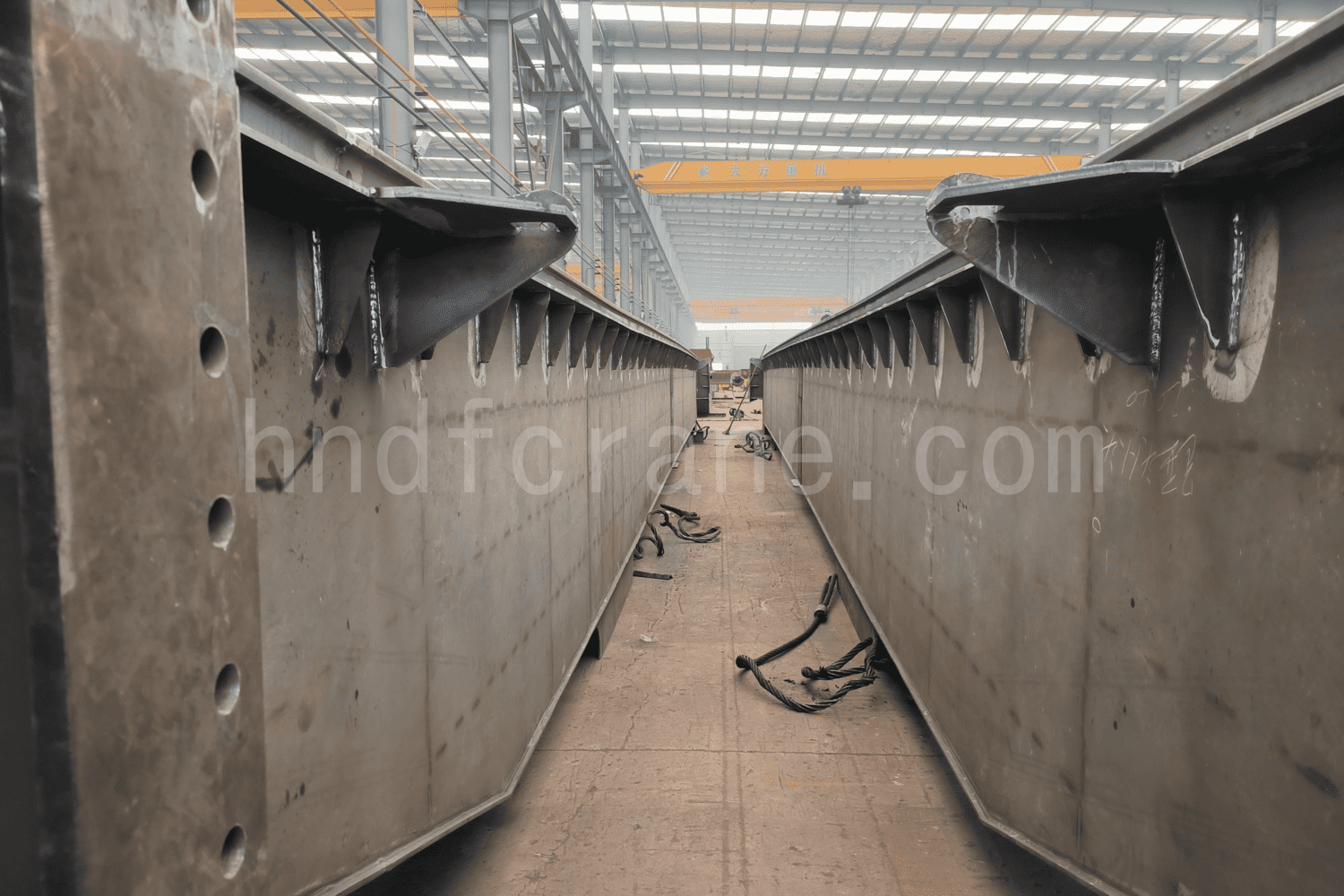
鋼構造はガントリークレーンの主要な耐荷重部材であり、低温環境における安全性を左右する最も重要な要素の一つです。温度が低下すると、従来の構造用鋼は衝撃靭性を失い、脆性破壊を起こしやすくなります。したがって、低温対応ガントリークレーンの設計において、適切な鋼種を選択することが最初にして最も重要なステップとなります。
使用する鋼材は、クレーンの最低使用温度に応じて選定する必要があり、その衝撃靭性は該当する材料規格に適合していなければならない。
Q355シリーズは、天井クレーンやガントリークレーンの構造に広く使用されています。異なるグレードがあり、それぞれ異なる温度でのシャルピーVノッチ衝撃試験の認証を受けています。
| 鋼材グレード | シャルピーVノッチ衝撃試験温度 |
|---|---|
| Q355B | +20℃ |
| Q355C | 0℃ |
| Q355D | -20℃ |
| Q355E | -40℃ |
-40℃での信頼性の高い動作が求められる用途には、Q355Eが最適な構造用鋼材です。この鋼材は-40℃でのシャルピーVノッチ衝撃試験に合格しており、脆性破壊のリスクを最小限に抑えるために必要な低温靭性を備えています。これにより、主桁、エンドトラック、支持脚などの重要な耐荷重部材は、極寒条件下でも構造的完全性と耐荷重能力を維持できます。
対照的に、Q355BやQ355Cなどの標準グレードを、認定温度範囲をはるかに下回る環境で使用すると、靭性が著しく低下する可能性があります。吊り上げ時の衝撃、繰り返し荷重、または溶接残留応力下では、これらの材料は亀裂が発生したり、脆性破壊を起こしたりする可能性がはるかに高くなり、クレーンの安全性、信頼性、および耐用年数を著しく損なう可能性があります。
低温耐性ケーブル:絶縁体のひび割れや停電の防止
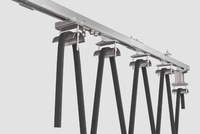
標準的なPVCケーブルは、通常-15℃から-20℃の温度範囲に適しています。周囲温度が-30℃、あるいは-40℃まで低下すると、絶縁体が硬化し、柔軟性を失います。ケーブルリールの巻き取りと巻き戻しの繰り返し、フェストゥーンシステムの連続的な動作、機器の振動などにより、絶縁体に亀裂や損傷が生じやすくなり、短絡、漏電、停電、さらにはクレーンの完全停止につながる可能性があります。
-40℃の環境で稼働するガントリークレーンには、以下のような専用の低温対応フレキシブルケーブルを使用する必要があります。
| ケーブルの種類 | 主な特徴 | 推奨アプリケーション |
|---|---|---|
| NBR(ニトリルゴム)フレキシブルケーブル | 優れた耐低温性、耐油性、耐摩耗性を備えています。低温環境下でも柔軟性を維持します。 | ガントリークレーンや港湾クレーンなどの屋外移動機器用の電源ケーブルおよび制御ケーブル。 |
| PUR(ポリウレタン)被覆フレキシブルケーブル | 優れた耐寒性、耐曲げ性、耐摩耗性、耐油性、耐酸性、耐アルカリ性を備え、抜群の引裂強度と長い耐用年数を誇ります。 | ドラッグチェーンシステム、ケーブルリールシステム、頻繁な移動や引きずりを伴う用途、およびクレーン用マグネットケーブル。 |
モーター加熱テープ:低温始動の信頼性を確保
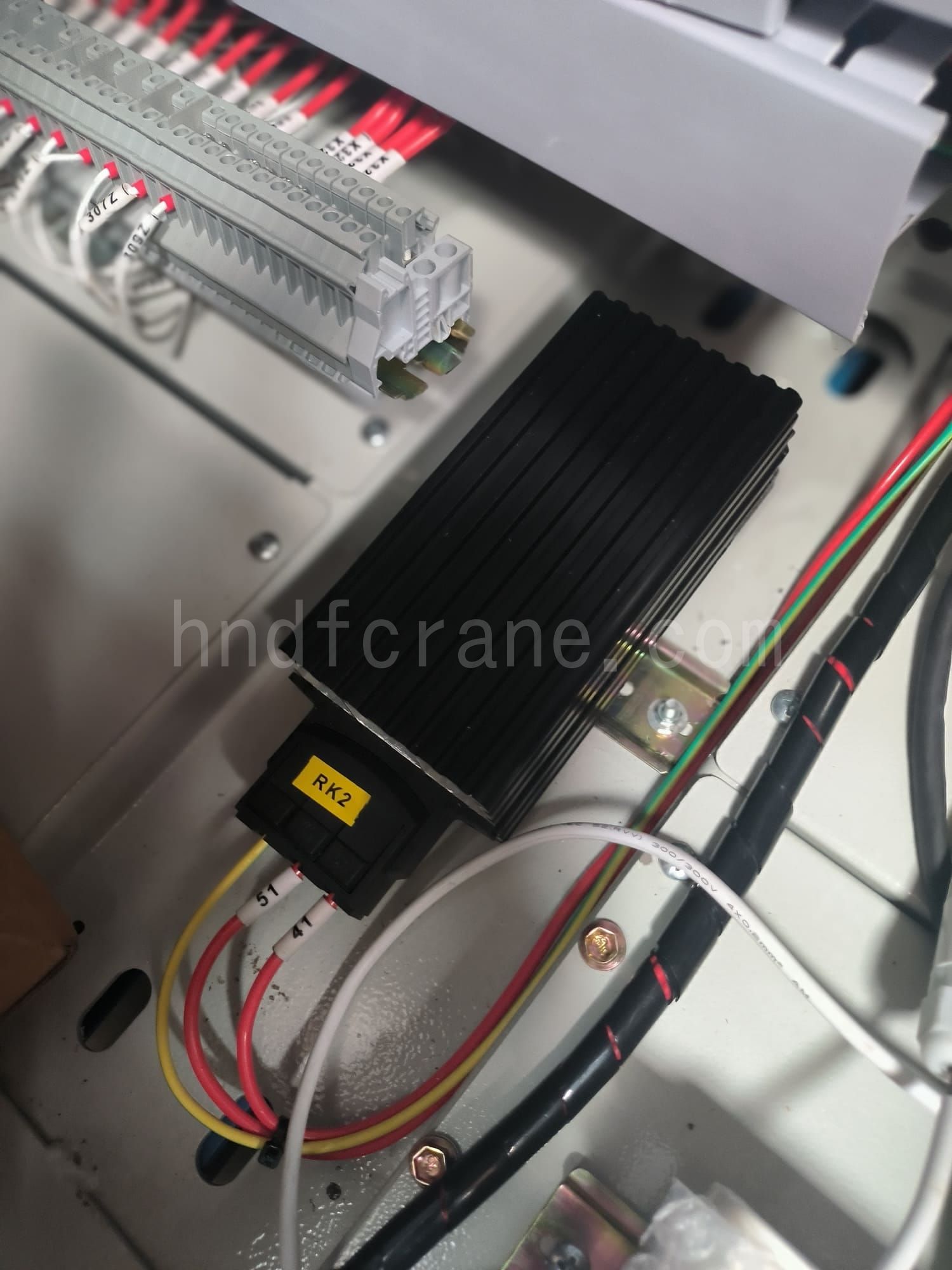
極寒の環境(-40℃まで)では、クレーンモーターは長時間停止した後、急激な温度低下を起こすことがあります。低温はグリースの粘度を高め、始動抵抗を増加させるだけでなく、モーター巻線に結露を引き起こし、絶縁性能を低下させ、始動不良や電気的損傷のリスクを高める可能性があります。
そのため、クレーンモーターには加熱テープが取り付けられており、停止期間中も継続的に熱を供給することで、モーターを適切な温度に保ち、安定した運転を可能にしている。
主な機能は以下のとおりです。
- 低温時の始動不良を防止:加熱テープは運転前にモーターを予熱し、低温で硬化したグリースによる機械的抵抗を低減し、-40℃の環境下でもスムーズなモーター始動を保証します。
- 結露リスクの低減とモーター絶縁の保護:モーターが停止した状態で温度が周囲の露点を下回ると、空気中の水分がモーター巻線に結露する可能性があります。ヒーティングテープはモーター温度を露点以上に保つことで、結露を最小限に抑え、絶縁抵抗の低下を防ぎます。
- モーターの寿命延長:低温ストレス、湿気による損傷、異常な起動状態を軽減することで、加熱テープはモーターの巻線、ベアリング、および関連部品の信頼性を向上させ、同時にメンテナンスの必要性を低減します。
- 断続運転のサポート:冬季の運転、夜間の停止、または長時間の待機期間がある屋外ガントリークレーンの場合、ヒーティングテープを使用することで、機器の再起動時にモーターが安定した運転状態を維持できます。
エアコン付き電気キャビネット:信頼性の高い制御システム性能の確保
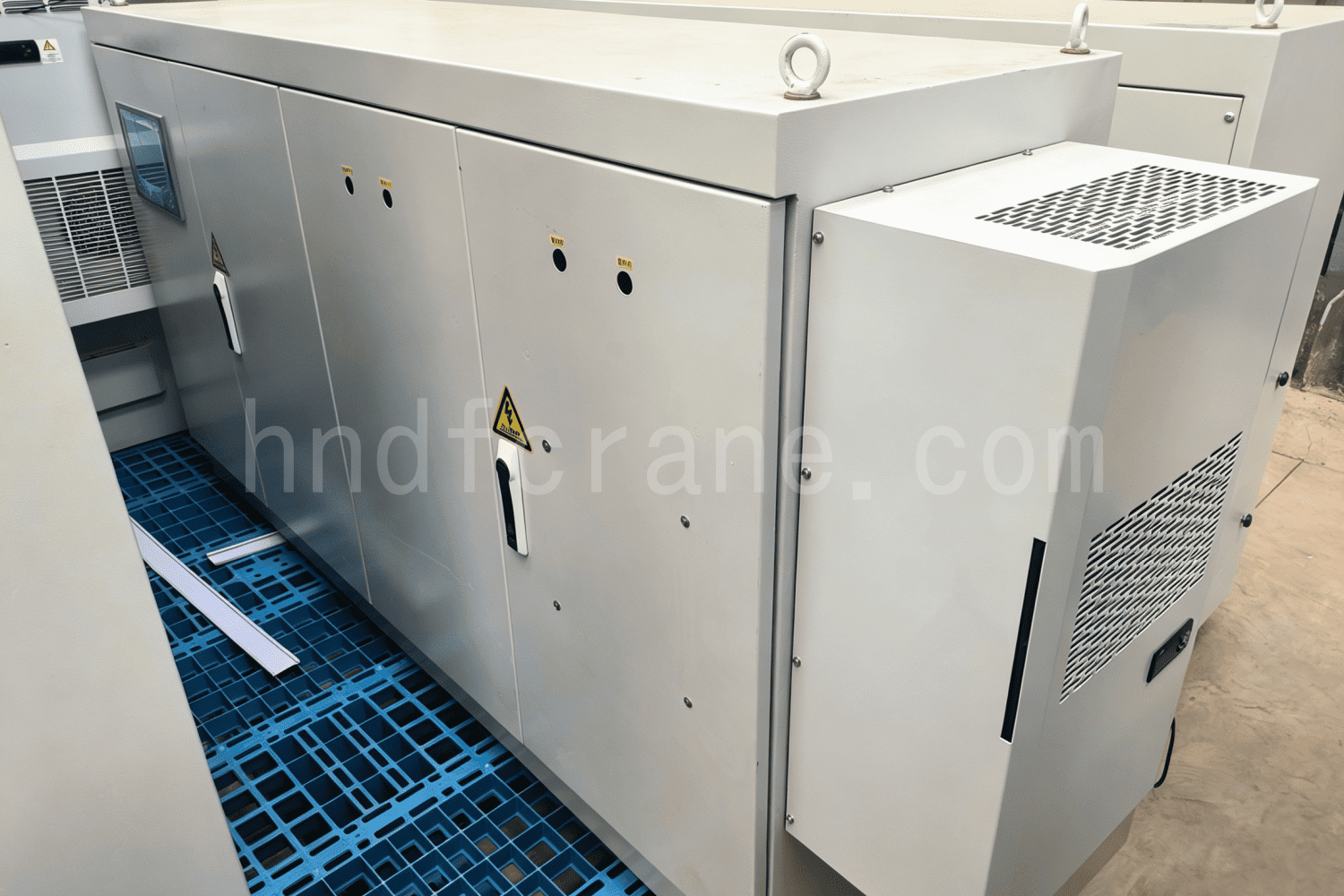
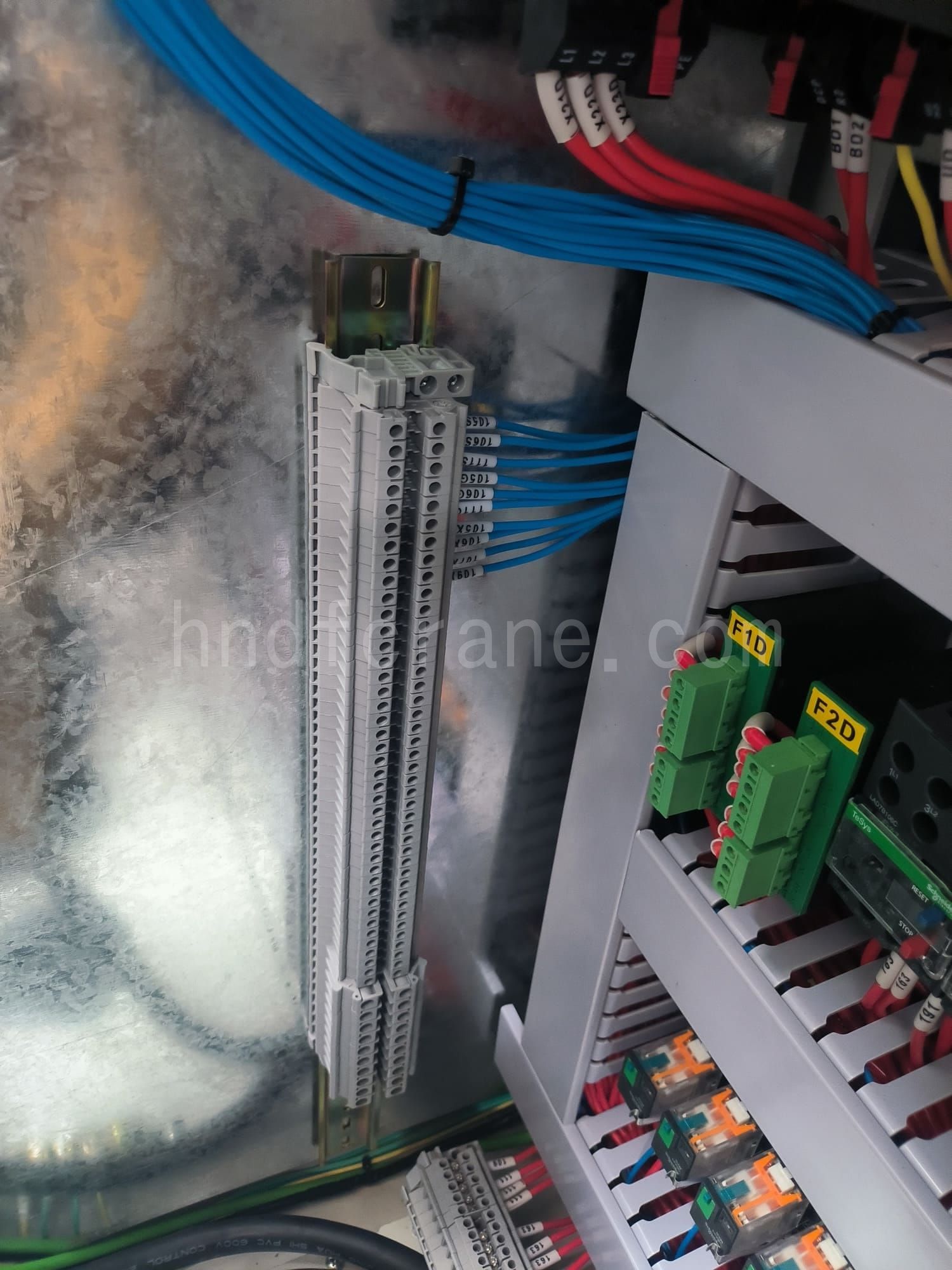
-40℃の低温環境で稼働するガントリークレーンの場合、電気キャビネットには内部温度を調整するためのヒーターまたは空調システムを装備する必要があります。キャビネット内部の温度を適切な状態に保つことで、低温や温度変動が電気部品に与える影響を防ぎ、クレーンの安定した動作を確保します。
- 電気部品の安定動作の確保:PLC、可変周波数ドライブ(VFD)、コンタクタ、リレー、パワーモジュールなどの電気部品は、極低温下では起動性能の低下、異常な応答、または不安定な動作を起こす可能性があります。温度制御システムは、キャビネット内の温度を適切な範囲に維持し、制御システムの安定動作を確保します。
- 結露リスクの低減:極寒環境では、昼夜の温度差や機器の運転中・停止中の温度変化により、電気キャビネット内部に結露が発生することがあります。これにより絶縁性能が低下し、短絡や腐食につながる可能性があります。密閉型の電気キャビネットと温度制御システムを組み合わせることで、冷たく湿った空気の侵入を抑え、結露リスクを効果的に低減できます。
エアコン付き断熱運転席:運転者の快適性と操作安全性の向上
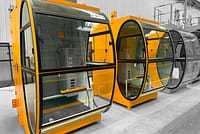
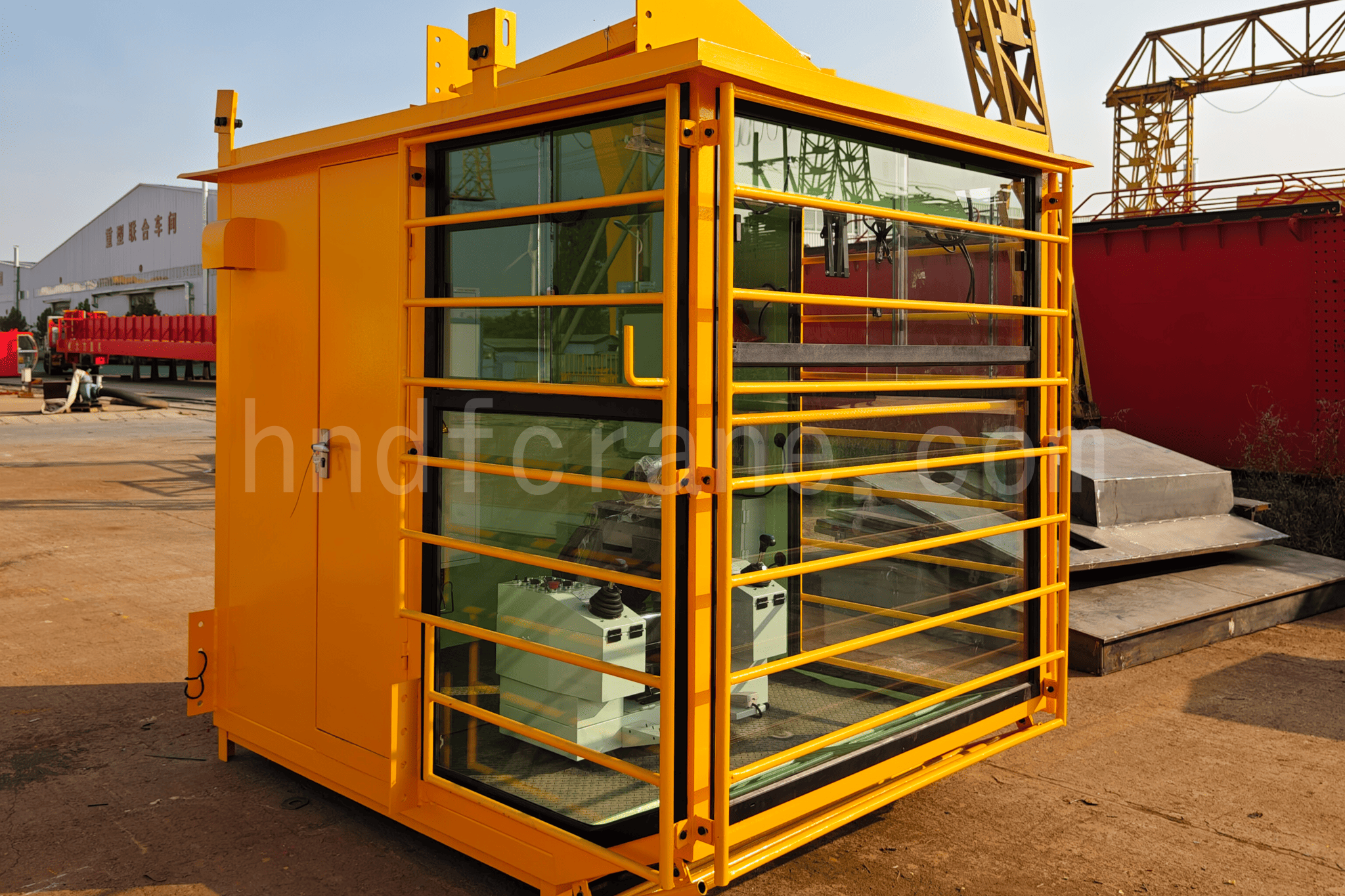
オペレーターキャビンを備えたガントリークレーンでは、低温環境下での作業環境の最適化も必要となります。-40℃では、標準的なオペレーターキャビンの断熱性能は限られているため、快適な室内温度を維持することが困難です。これは、オペレーターの快適性、作業効率、および操作精度を低下させる可能性があります。そのため、低温対応のガントリークレーンには、通常、断熱されたオペレーターキャビンと空調システムが組み合わされています。
そのため、クレーンモーターには加熱テープが取り付けられており、停止期間中も継続的に熱を供給することで、モーターを適切な温度に保ち、安定した運転を可能にしている。
- 断熱された操縦室:完全に密閉された操縦室構造は、冷気の侵入を防ぐように設計されています。操縦室の壁、天井、床には断熱材が充填され、二重ガラスまたは強化ガラスの窓を使用することで、保温性と耐寒性を向上させています。
- HVACシステム:暖房・冷房システムはキャビン内の温度を10℃以上に維持し、極度の寒さによる手の柔軟性の低下や操作精度の低下を防ぎます。長時間の屋外作業においても、オペレーターに快適な作業環境を提供します。また、HVACシステムはキャビン内の温度と湿度を調整し、窓の曇りや内部の結露を軽減することで、視界を確保し、クレーン操作の安全性を高めます。
低温対応ガントリークレーンを選定する際に考慮すべき重要な要素
-40℃以下の環境で稼働するガントリークレーンの場合、調達の決定にあたっては、吊り上げ能力やスパンといった基本的なパラメータだけに焦点を当てるべきではありません。クレーンが低温環境向けに体系的に設計されているかどうかを確認することが不可欠です。以下の要素を慎重に評価する必要があります。
- 最低動作温度要件:作業環境の実際の最低動作温度(-30℃、-40℃、またはそれ以下など)を定義し、鋼構造、電気システム、および機械部品がすべて対応する温度要件を満たすように設計されていることを確認します。
- 低温環境における包括的な設計ソリューション:低温性能は、単一の部品をアップグレードするだけでは実現できません。信頼性の高いソリューションには、鋼材、ケーブル、モーター、電気部品、オペレーターキャビンなど、複数のシステムを包括的に検討する必要があります。部分的なアップグレードでは弱点が生じ、機器全体の信頼性に悪影響を及ぼす可能性があります。
- 主要部品の低温保護:クレーンに、耐低温鋼、耐寒ケーブル、結露防止モーター、温度制御式電気キャビネット、断熱式オペレーターキャビンなど、重要な低温保護機能が備わっているか確認してください。これらの構成により、極寒環境下でも安定した信頼性の高い運転が確保されます。
- メーカーの低温プロジェクト経験:低温クレーンプロジェクトにおいて実績のあるメーカーを選びましょう。経験豊富なサプライヤーは、標準的なクレーン構成をそのまま適用するのではなく、現地の気候条件、電源要件、稼働サイクル、運転条件に基づいたカスタマイズ設計を提供できます。
DAFANG CRANE:低温環境向けカスタムガントリークレーンソリューションのパートナー
DAFANG CRANEは、クレーンの設計、製造、カスタマイズにおいて数十年の経験を有し、過酷な作業環境向けの吊り上げソリューションの開発を専門としています。長年にわたり、極寒地域向けクレーンや、低温環境下でのカスタマイズ用途向けクレーンの供給において豊富な実績を積み重ねてきました。
DAFANG CRANEの低温対応ガントリークレーンは、厳しい寒冷気候条件向けに特別に最適化されており、-40℃の低温衝撃耐性鋼構造、耐寒性電気システム、厳選された部品など、主要な耐寒機能を備え、極限環境下でも信頼性の高い動作を保証します。
DAFANG CRANE製低温対応ガントリークレーンケース
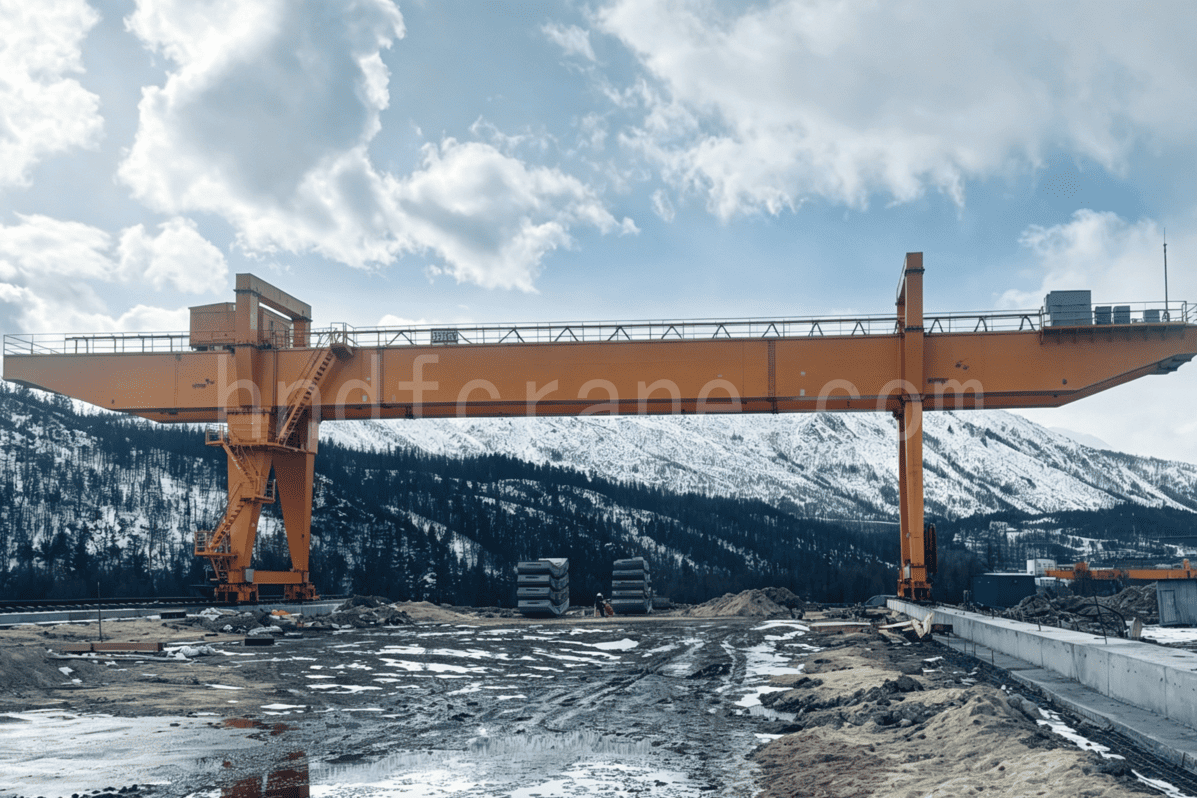
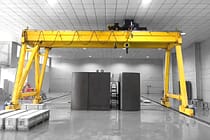
DAFANG CRANE社は、ロシアの顧客向けに、-40℃から+40℃の温度範囲で確実に動作するように設計された、32/12.5トンのダブルガーダーガントリークレーンをカスタマイズしました。厳しい寒冷条件下でも安定した性能を確保するため、このクレーンには以下の低温対応機能が装備されています。
- 主要構造材料:すべての鋼板はQ355E耐低温鋼を使用して製造され、表面品質を向上させ、寒冷環境下での構造的耐久性を高めるためにショットブラスト処理が施されています。
- モーター保護:昇降用および走行用モーターはすべて、長時間の停止後に極端に低い温度になることで発生する起動不良を防ぐため、加熱テープが装備されています。
- 電気系統:電気キャビネットには、適切な内部温度を維持し、極寒条件下でも電気部品の安定した動作を確保するために、一体型のキャビネット用エアコンとヒーターが装備されています。
- オペレーターキャビン:クレーンには、快適な作業環境を維持するために、エアコンとヒーターを備えた断熱仕様のオペレーターキャビンが装備されています。また、オペレーターの作業状況をリアルタイムで監視するためのモニタリングシステムも設置されています。
- ケーブルの選定:クレーン電源システムには、低温環境下でも優れた柔軟性と耐曲げ性を発揮する耐低温フラットケーブルを採用しています。これらのケーブルは、ガントリークレーンの運転中に繰り返される動き、曲げ、巻き取りに耐えるように設計されており、低温による絶縁体のひび割れのリスクを低減します。
DAFANG CRANEの低温対応ガントリークレーンは、極寒環境向けに特別に設計されています。耐低温鋼材、最適化された電気システム、主要部品の保護対策を組み合わせることで、厳しい低温条件下での適応性を向上させています。DAFANG CRANEは、これまでのプロジェクト経験に基づき、ロシアなどの低温地域向けに、-40℃や-45℃の運転環境に適したガントリークレーンソリューションを提供してきました。
当社は、各プロジェクトの実際の温度、運転条件、現場要件に基づき、ソリューション設計、パラメータ調整、機器製造、現場設置、アフターサービスを含む包括的なサービスを提供いたします。標準的なガントリークレーンから、極端な温度環境向けに設計されたクレーンまで、お客様のご要望に応じた専門的かつカスタマイズされたソリューションをご提供いたします。
低温環境に適したガントリークレーンをお探しでしたら、DAFANG CRANEまでお問い合わせください。当社の専門エンジニアリングチームが、お客様のプロジェクト条件に基づいたクレーンの選定と構成設計をサポートし、極寒環境下でも安全かつ安定した効率的な運用を実現いたします。

私はシンディです。クレーン業界で 10 年間の勤務経験があり、豊富な専門知識を蓄積してきました。500 社以上のお客様にご満足いただけるクレーンを選んできました。クレーンに関するご要望やご質問がございましたら、お気軽にご連絡ください。専門知識と実務経験を活かして、問題解決のお手伝いをいたします。
お問い合わせを送信
- Eメール: sales@hndfcrane.com
- ワッツアップ: +86 191 3738 6654
- 電報: +86 191 3738 6654
- 電話: +86-373-581 8299
- ファックス: +86-373-215 7000
- 追加: 中国河南省新郷市長苗工業区
 微信
微信
- お問い合わせ
- Eメール: sales@hndfcrane.com
- ワッツアップ: +86 191 3738 6654
- 電報: +86 191 3738 6654
- 電話: +86-373-581 8299
-