
-
Industrier
-
Generel fremstilling
-
Affaldshåndtering
-
Præfabrikeret
-
Strøm
-
Sten
-
Papirfremstilling
-
Metalproduktion
-
Brobygning
-
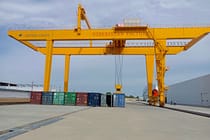
Havnekraner: Til håndtering af containere og bulkmaterialer
-
Traverskraner til olie- og gasindustrien: Forbedrer driftseffektiviteten
-
Marinekraner til effektiv lastning på skibe
-
Traverskraner til bilindustrien: Effektive automatiseringsløsninger
-
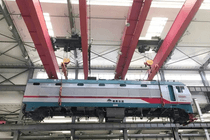
Traverskranløsninger til jernbaner: Sporlægning, vedligeholdelse af rullende materiel og containerhåndtering
-
Traverskraner til fødevarer og drikkevarer: Pålidelige løsninger til effektiv håndtering
-
Traverskraner til effektiv fremstilling af cement, glas, mursten og præfabrikeret beton
-
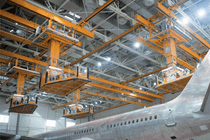
Traverskraner til luftfartsindustrien: Flyvedligeholdelse og montering
-
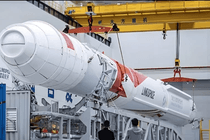
Traverskraner til luftfart: Præcisionsløft til raketopsendelse og -transport
-
-
Produkter
-
Løftekraner
-
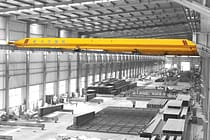
Enkeltbjælke overheadkraner
-
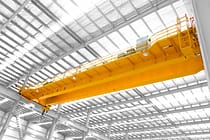
Dobbeltdrager overhead kraner
-
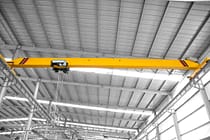
Europæiske type enkeltbjælkekraner
-
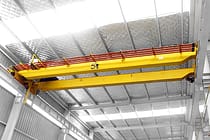
Europæiske dobbeltbjælkekraner
-
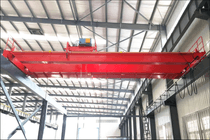
Eksplosionssikre traverskraner
-
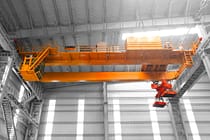
Grab og magnetiske traverskraner
-
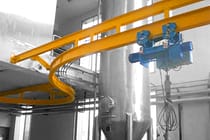
Monorail kraner
-
Støbehovedkraner
-
Isolering traverskraner
-
Løftekraner med lav frihøjde
-
Få fat i traverskraner
-
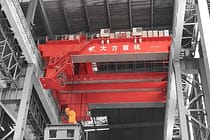
Løse overhead kraner
-
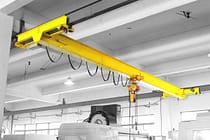
Underhængte traverskraner
-
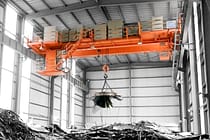
Elektromagnetiske traverskraner
-
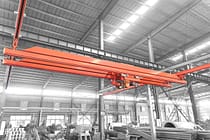
Arbejdsstationskraner
-
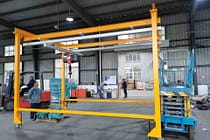
Fritstående arbejdsstationsbrokraner
-
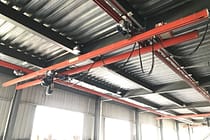
Loftmonteret brokran
-
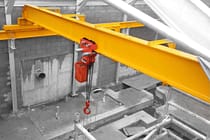
Manuelle traverskraner
-
-
Gantry kraner
-
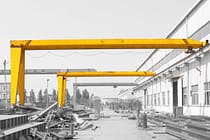
Semi portalkraner
-
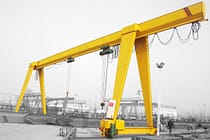
Enkeltbjælke portalkraner
-
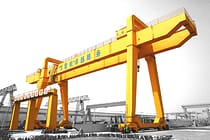
Dobbeltbjælke portalkraner
-
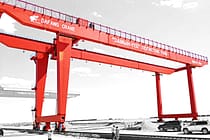
Container portalkraner
-
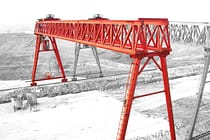
Truss portalkraner
-
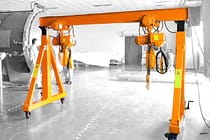
Justerbare portalkraner
-
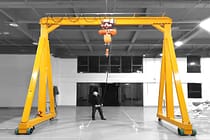
Bærbare portalkraner
-
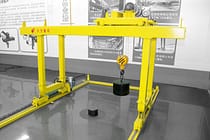
Europæiske portalkraner
-
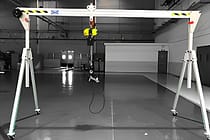
Portalkraner i aluminium
-
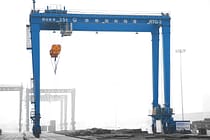
Gummibelagte containerportalkraner
-
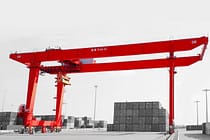
Skinnemonterede containerportalkraner
-
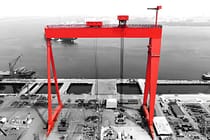
Skibsværfts portalkran
-
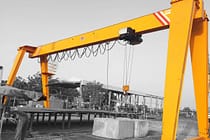
Europæiske portalkraner med enkelt bjælke
-
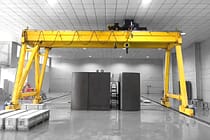
Europæiske dobbeltbjælkeportalkraner
-
- Fokkekraner
- Særlige kraner
- Elektriske hejser
- Overførselsvogne
-
Løftekraner
-
Kran dele
-
Grib Bøtter
-
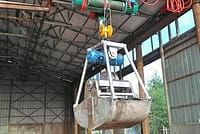
Elektrisk gribespand i rustfrit stål
-
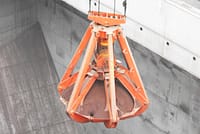
Mekaniske greb med fire reb appelsinskal
-
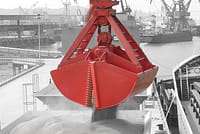
Mekanisk gribespand med fire reb
-
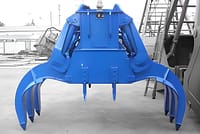
Elektrohydrauliske rektangulære gribere
-
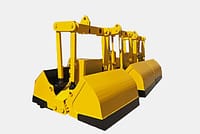
Elektrohydrauliske Clamshell-greb
-
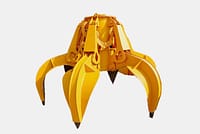
Elektrohydrauliske appelsinskræller, hydrauliske kaktusgreb
-
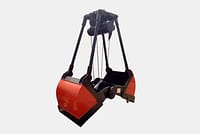
Grib til elektrisk motor
-
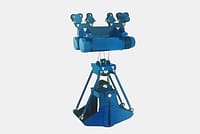
Elektrisk Monorail gribespand med Monorail hejs
-
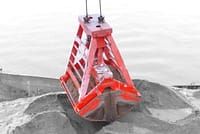
Fjernbetjening Clamshell Gribs
-
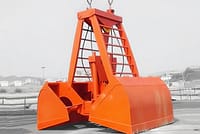
Mekaniske to-reb Clamshell-greb
-
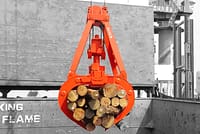
Trægreb
-
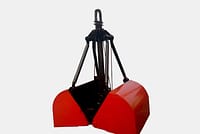
Grab-spand med enkelt reb
-
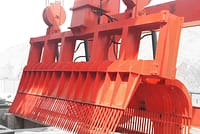
Rengøringsmaskiner til affaldsstativ
-
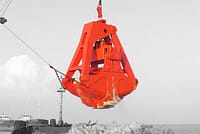
Uddybningsgreb
-
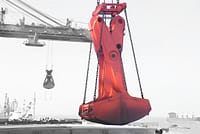
Trimningsgreb
-
- Kranspreder
-
Kran Reservedele
-
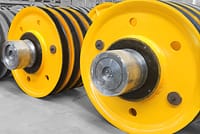
Kranskiver
-
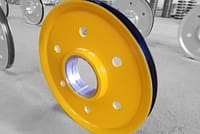
Ståltovskiver
-
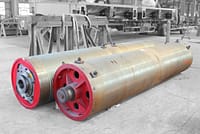
Kranetromle
-
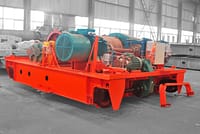
Kranvogn
-
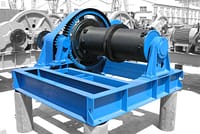
Elektrisk spil
-
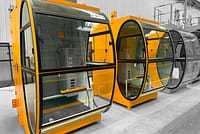
Kranførerkabine
-
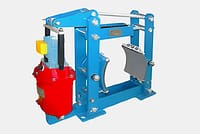
Overheadkranbremser
-
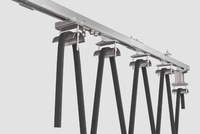
Overheadkrankabler
-
Overhead kran reb guider
-
Luftkranledere og strømforsyningsledninger
-
Skinner til traverskraner
-
Skinneklemmer til traverskraner
-
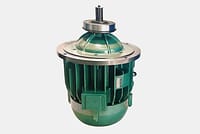
Traverskranmotorer
-
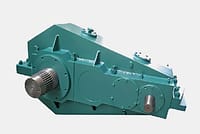
Reduktionsgear til traverskraner
-
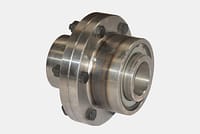
Koblinger til traverskran
-
- Kranhjul
-
Grib Bøtter
- Selskab
- Kontakt
-
Industrier
-
Generel fremstilling
-
Affaldshåndtering
-
Præfabrikeret
-
Strøm
-
Sten
-
Papirfremstilling
-
Metalproduktion
-
Brobygning
-
Havnekraner: Til håndtering af containere og bulkmaterialer
-
Traverskraner til olie- og gasindustrien: Forbedrer driftseffektiviteten
-
Marinekraner til effektiv lastning på skibe
-
Traverskraner til bilindustrien: Effektive automatiseringsløsninger
-
Traverskranløsninger til jernbaner: Sporlægning, vedligeholdelse af rullende materiel og containerhåndtering
-
Traverskraner til fødevarer og drikkevarer: Pålidelige løsninger til effektiv håndtering
-
Traverskraner til effektiv fremstilling af cement, glas, mursten og præfabrikeret beton
-
Traverskraner til luftfartsindustrien: Flyvedligeholdelse og montering
-
Traverskraner til luftfart: Præcisionsløft til raketopsendelse og -transport
-
-
Produkter
-
Løftekraner
-
Enkeltbjælke overheadkraner
-
Dobbeltdrager overhead kraner
-
Europæiske type enkeltbjælkekraner
-
Europæiske dobbeltbjælkekraner
-
Eksplosionssikre traverskraner
-
Grab og magnetiske traverskraner
-
Monorail kraner
-
Støbehovedkraner
-
Isolering traverskraner
-
Løftekraner med lav frihøjde
-
Få fat i traverskraner
-
Løse overhead kraner
-
Underhængte traverskraner
-
Elektromagnetiske traverskraner
-
Arbejdsstationskraner
-
Fritstående arbejdsstationsbrokraner
-
Loftmonteret brokran
-
Manuelle traverskraner
-
-
Gantry kraner
-
Semi portalkraner
-
Enkeltbjælke portalkraner
-
Dobbeltbjælke portalkraner
-
Container portalkraner
-
Truss portalkraner
-
Justerbare portalkraner
-
Bærbare portalkraner
-
Europæiske portalkraner
-
Portalkraner i aluminium
-
Gummibelagte containerportalkraner
-
Skinnemonterede containerportalkraner
-
Skibsværfts portalkran
-
Europæiske portalkraner med enkelt bjælke
-
Europæiske dobbeltbjælkeportalkraner
-
- Fokkekraner
- Særlige kraner
- Elektriske hejser
- Overførselsvogne
-
Løftekraner
-
Kran dele
-
Grib Bøtter
-
Elektrisk gribespand i rustfrit stål
-
Mekaniske greb med fire reb appelsinskal
-
Mekanisk gribespand med fire reb
-
Elektrohydrauliske rektangulære gribere
-
Elektrohydrauliske Clamshell-greb
-
Elektrohydrauliske appelsinskræller, hydrauliske kaktusgreb
-
Grib til elektrisk motor
-
Elektrisk Monorail gribespand med Monorail hejs
-
Fjernbetjening Clamshell Gribs
-
Mekaniske to-reb Clamshell-greb
-
Trægreb
-
Grab-spand med enkelt reb
-
Rengøringsmaskiner til affaldsstativ
-
Uddybningsgreb
-
Trimningsgreb
-
- Kranspreder
-
Kran Reservedele
-
Kranskiver
-
Ståltovskiver
-
Kranetromle
-
Kranvogn
-
Elektrisk spil
-
Kranførerkabine
-
Overheadkranbremser
-
Overheadkrankabler
-
Overhead kran reb guider
-
Luftkranledere og strømforsyningsledninger
-
Skinner til traverskraner
-
Skinneklemmer til traverskraner
-
Traverskranmotorer
-
Reduktionsgear til traverskraner
-
Koblinger til traverskran
-
- Kranhjul
-
Grib Bøtter
- Selskab
- Kontakt



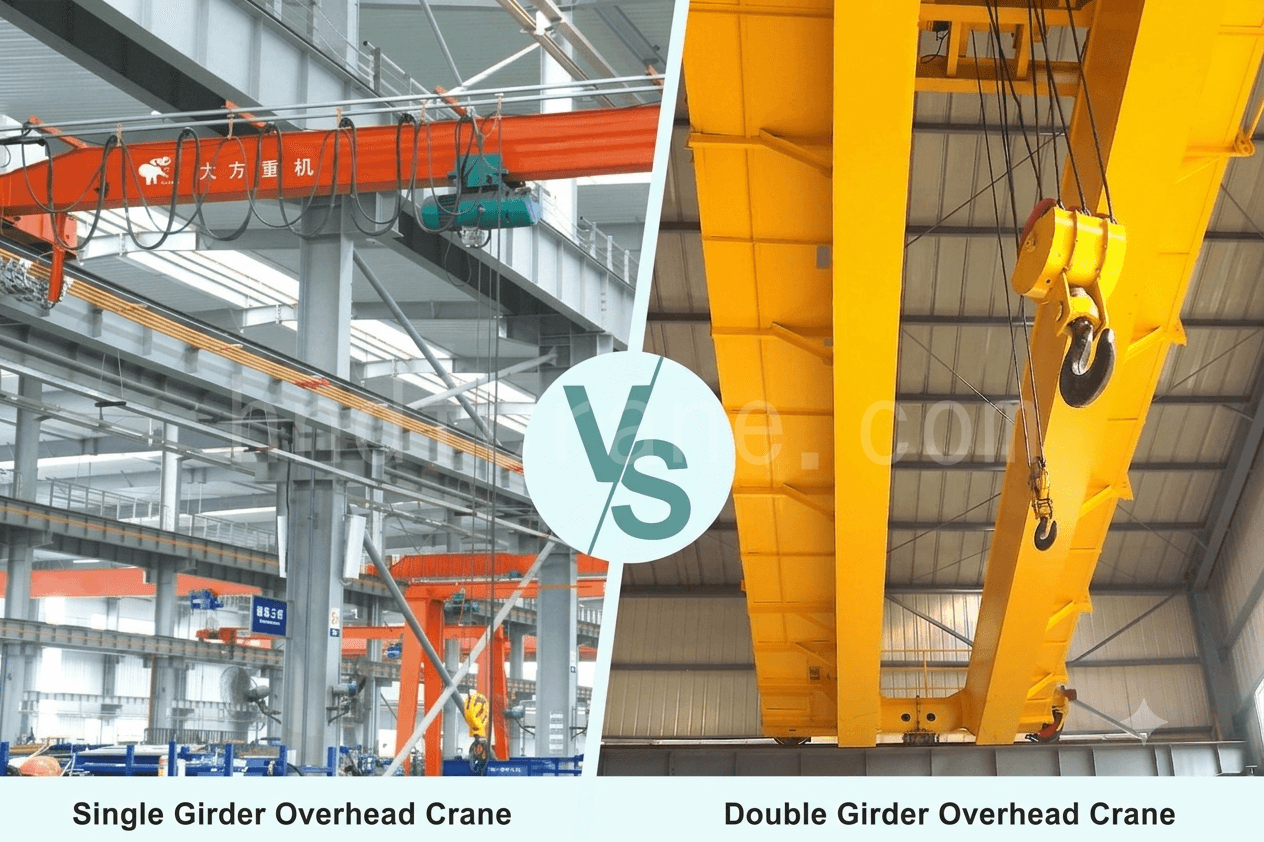
Enkeltbjælke vs. dobbeltbjælke traverskran: Den komplette valgguide til industrielle købere
Indholdsfortegnelse
Hvis dine driftsforhold involverer lette belastninger, lavfrekvent brug og drift i et enkelthold, er en enkeltbjælke-traverskran det mere økonomiske valg i langt de fleste scenarier. Dette skyldes, at købsprisen typisk er 30%-50% lavere end for en dobbeltbjælke-traverskran med tilsvarende specifikationer, installationen er hurtigere, og kravene til fabriksbygningen er mindre krævende. Men hvis dit produktionstempo er intensivt, løfteoperationer er hyppige, eller den nødvendige tonnage falder inden for det overlapningsområde, hvor både enkeltbjælke-traverskraner og dobbeltbjælke-traverskraner er levedygtige muligheder, skal du ikke træffe en endelig beslutning endnu. Læs videre, og lad os gennemgå tallene.
Den reelle forskel i hjulbelastning
De fleste købere danner sig ud fra specifikationsarkene det indtryk, at enkeltbjælkekraner er lette og billige, mens dobbeltbjælkekraner er tunge og dyre. Selvom det er sandt, overser dette det afgørende punkt. Den virkelige forskel ligger ikke i de synlige specifikationer, men i noget usynligt: hjulbelastning.
Overvej specifikationerne fra et faktisk DAFANGCRANE casestudie: en 10-tons LD enkeltbjælke traverskran med et spændvidde på 18 meter. Under fuld belastning er den maksimale hjulbelastning 65,4 kN og minimum 14,5 kN. Når løbekaten kører til slutpositionen med en last på 10 tons, udøver de to hjul på lastsiden hver et tryk på cirka 6,7 tons, mens de to hjul på den modsatte side hver udøver mindre end 1,5 tons - en 4,5-dobbelt forskel mellem de to sider.
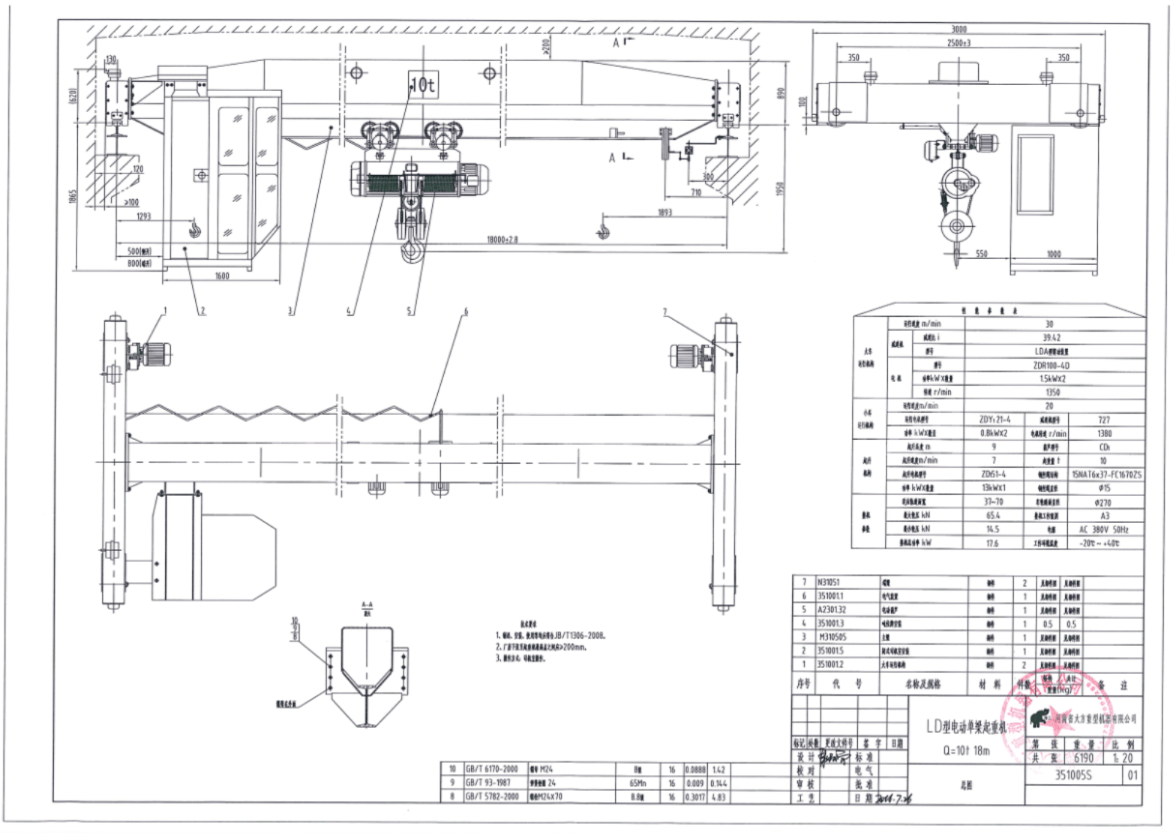
Hvorfor er der så stor en forskel? En traverskran med én bjælke har kun én hovedbjælke, hvor taljen er ophængt skævt og løber langs bundflangen på den ene side. Belastningen genererer ikke kun et lodret bøjningsmoment, men også et torsionsmoment, der virker omkring hovedbjælkens længdeakse. Dette drejningsmoment overføres gennem endevognene til hjulene, hvilket maksimerer hjulbelastningen på den side, der bærer lasten, mens den minimeres på den modsatte side. Den minimale hjulbelastning kan dog ikke falde under en bestemt tærskel. Hvis den gør det, bliver friktionen mellem hjulet og skinnen utilstrækkelig, hvilket potentielt kan få kranen til at glide under opstart eller bremsning. Derfor er tallet på 14,5 kN ikke vilkårligt. Det repræsenterer et ligevægtspunkt bestemt af endevognens spændvidde, traverskranens egenvægt og stabiliseringsmomentet.
Hvad betyder denne excentriske belastningseffekt for fabriksbygningen? Dine banebjælker og konsoller udsættes ikke for en jævnt fordelt belastning; i stedet bærer de en koncentreret belastning, der forskydes frem og tilbage med løbekattens position. Punktet med maksimalt hjultryk bevæger sig sammen med løbekatten. Ved design af banebjælkerne kan du ikke basere beregninger på "gennemsnitsværdier". Du skal verificere tværsnittet i forhold til den mest ugunstige belastningstilstand - specifikt bøjningsmomentet og forskydningskraften, der genereres, når det maksimale hjultryk virker på bjælkens midterspænd.
Dobbeltbjælkekraner oplever ikke denne grad af excenterbelastning. Med de to hovedbjælker arrangeret symmetrisk og hejsevognen kørende centralt mellem dem, fordeles lasten jævnt på tværs af endevognene via begge bjælker; forskellen i hjultryk mellem venstre og højre side falder typisk inden for en faktor på 1,2 til 1,5. Dette er ikke et tilfælde af "jævn fordeling, fordi dobbeltbjælkekranens struktur er tung". Det er snarere selve det strukturelle design, der sikrer lastsymmetri.
En anden forskel ligger i kroghøjden. På en enkeltbjælkekran er taljen ophængt under hovedbjælken; for eksempel har en 10-tons CD1 wiretalje typisk en minimumsfrihøjde på omkring 560 mm fra krogen til toppen af skinnen. Selv når krogen er hævet til sin grænse, kan den ikke komme ind i rummet over bjælkens bund; dette lodrette rum går effektivt tabt, når løftehøjden beregnes. I modsætning hertil sidder taljevognen på en dobbeltbjælkekran på skinner oven på hovedbjælkerne, hvilket gør det muligt for krogen at hæve sig ind i rummet mellem de to bjælker uden at gribe ind i den effektive løftehøjde under dem.
Hvis du bygger et nyt anlæg, kan begge problemer nemt håndteres. I designfasen kan du blot få statikeren til at dimensionere konsoltværsnittene baseret på den maksimale hjulbelastning og tillade en ekstra halv meter højde – en mindre justering, der næsten ikke tilføjer nogen omkostninger. Men eftermontering af et eksisterende anlæg er en anden historie. Konsolerne er allerede støbt, hvilket betyder, at deres tværsnit og bæreevne er faste. Hvis hjulbelastningen overstiger grænserne, har du kun to valgmuligheder: forstærke konsollerne eller skifte til en krankonfiguration med en lavere hjulbelastning. Omkostningerne og tiden, der kræves til forstærkning, tvinger ofte kunderne til at vælge sidstnævnte mulighed. Den samme logik gælder for utilstrækkelig lofthøjde: da taghøjden er fast, er din eneste mulighed at reducere kranens tonnage eller skifte til et mere kompakt bjælkedesign. Kort sagt: For et nyt anlæg vælger du kranen; for et eksisterende anlæg er det bygningens begrænsninger, der afgør valget for dig.
Når en enkeltbjælkekran er det klogere valg
Efter at have talt om så meget grundlæggende viden, lad os se på en faktisk case, vi stødte på, som er mere overbevisende end noget andet. Vi har en kunde, hvis fabriksspændvidde er 28 meter og har brug for en 10-tons traverskran. Ved første øjekast var kravene klare, men da vi lærte hans arbejdsforhold at kende i dybden, fandt vi ud af, at tingene ikke var så enkle. Hans job er opdelt i to typer: det meste af tiden laver han montering af lette stålkomponenter, arbejder 4-6 timer om dagen, og løftefrekvensen er ikke høj, men lejlighedsvis. Han modtager en række ordrer på tunge stålkonstruktioner, og han skal arbejde kontinuerligt. Han spurgte os: Er en traverskran med én bjælke nok? Vi gav ham to sæt planer på samme tid, så han tydeligt kunne se forskellene:
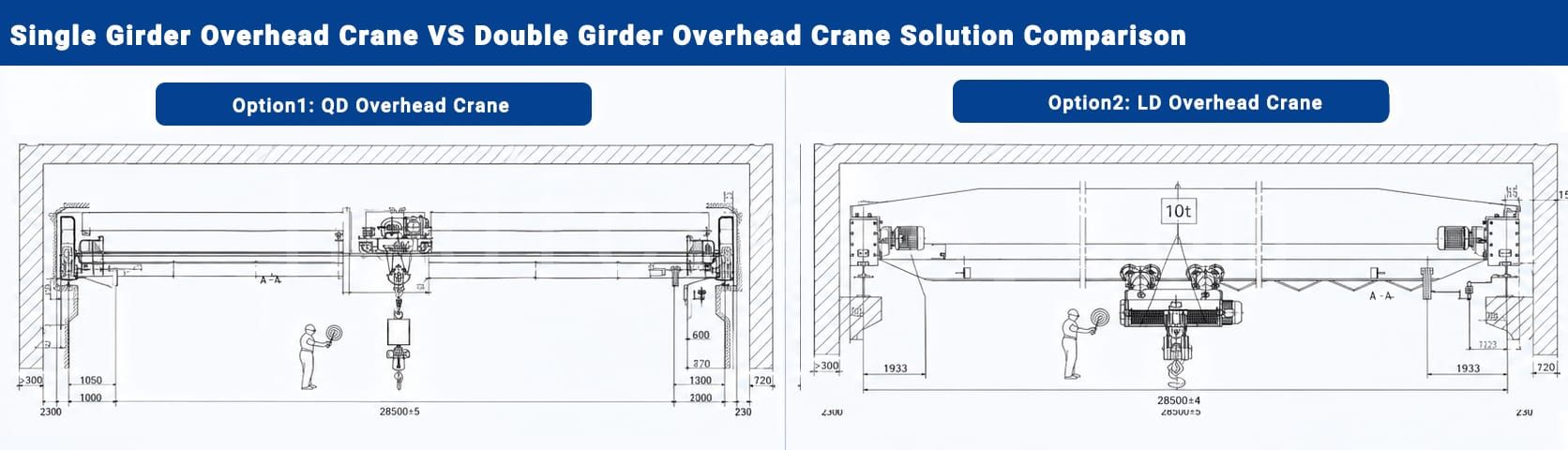
| Sammenligningselement | QD dobbeltdrager traverskran | LD Enkeltdrager traverskran |
|---|---|---|
| Strukturtype | Dobbeltbjælkestruktur; løbekatten kører mellem de to hovedbjælker | Enkeltbjælkekonstruktion; hejsevognen kører under hovedbjælken |
| Løftekapacitet | 10 tons | 10 tons |
| Spændvidde | 28 meter | 28 meter |
| Løftehøjde | Højere (stor løfteplads tilgængelig) | Relativt lavere |
| Kranens kørehastighed | 20 m/min | 20 m/min |
| Lang vandringsmekanisme | Traverskranen kører oven på dobbeltbjælkerne | Løbevognen kører på den nederste flange af den enkelte bjælke |
| Toldklassificering | A5 | A3 |
| Strømforsyning | 3-faset 380V 50Hz | 3-faset 380V 50Hz |
| Belastningskapacitet | Høj (egnet til kraftig og højfrekvent brug) | Moderat (egnet til mellemstor og lavfrekvent brug) |
| Gældende scenarier | Tung industri, hyppig drift, løft af tunge tonnager | Let industri, lavfrekvente operationer, små til mellemstore værksteder |
| Fordele | Stærk bæreevne, fremragende stabilitet, lang levetid | Enkel struktur, let egenvægt, lave startomkostninger, nem installation og vedligeholdelse |
| Ulemper | Stor dødvægt, høj initialinvestering, højt energiforbrug | Relativt lav lasteevne, lidt dårlig stabilitet, begrænset løftehøjde |
| Pris | 230.000 RMB | 70.000 RMB |
For den samme fabriksbygning og de samme specifikationer. En kapacitet på 10 tons og et spænd på 28 meter – 3 m – var en prisforskel på 160.000 yen mellem de to tilbud. Da kunden så denne sammenligning, var hans første reaktion den samme som de fleste af vores: "Hvordan er traverskranen med én bjælke så meget billigere? Skærer de over hjørner et sted?" Svaret er nej. Disse to traverskraner var simpelthen designet til forskellige typer arbejde.
- Forslag 1 blev konfigureret efter A5-standarden: det havde en hærdet gearreduktion, tromler og skiver med større diameter, motorisolering af høj kvalitet og en "tre-i-en"-drivmekanisme. Dobbeltbjælkekranen blev designet til at fungere 16 timer om dagen med over et dusin løft i timen, hvilket sikrede et årtis problemfri drift. Selvom dens løftehastighed på 3,2 m/min kan virke langsom, inkluderer den en lavhastighedstilstand på 0,32 m/min. Denne langsomme hastighed er afgørende for opgaver som formlukning og præcisionspositionering - operationer, hvor hastighed ikke bare er unødvendig, men faktisk uønsket.
- Forslag 2 blev konfigureret efter A3-standarden: en enkeltbjælke-traverskran brugte en standard industriel reduktionsgearkasse og konventionel stålwireopsætning. Den er designet til 4-6 timers daglig drift med et mere moderat løftetempo og er adræt og responsiv. Faktisk er dens løftehastighed på 8 m/min mere end dobbelt så høj som forslag 1. Hvis din daglige rutine involverer lastning og losning af stålkomponenter, der vejer et par tons, er forslag 2 ikke kun tilstrækkeligt, men også mere effektivt.
I sidste ende er nøglen ikke, om en enkelt- eller dobbeltbjælke traverskran er "bedre", men snarere hvilken driftsklasse der passer til dine specifikke driftsforhold. At tildele A5-niveau opgaver til en A3 traverskran vil forårsage gearkassefejl inden for seks måneder; omvendt betyder brugen af en A5 traverskran til A3-niveau opgaver, at den ekstra investering på 160.000 ¥ muligvis aldrig tjener sig selv hjem. Hvad med den pågældende klient? Han valgte enkeltbjælke traverskranen. Efter at have gennemgået sine ordrer fra de sidste tre år, indså han, at over 90% af hans arbejde involverede lette stålkonstruktioner med en gennemsnitlig daglig driftstid på mindre end seks timer. Han håndterede kun tunge stålordrer, der krævede overarbejde to eller tre gange om året. For ham gav det ikke økonomisk mening at bruge ekstra 160.000 ¥ til disse få lejligheder. I stedet brugte han det sparede budget til at opgradere sin malelinje og CNC-skæremaskine. Investeringer, der gav et langt større løft af produktkvaliteten end opgraderingen af traverskranen ville have gjort.
Resumé og anbefalinger:
- Hvis dine produktionskrav involverer tunge belastninger, højfrekvent drift og lange driftscyklusser, anbefales mulighed 1 (QD dobbeltbjælkekran).
- Hvis dine produktionskrav involverer moderate belastninger, lavfrekvent brug og et begrænset budget, anbefales mulighed 2 (LD enkeltbjælkekran).
TCO for traverskraner bestemmer, hvad du skal købe
Dette er et emne, som de fleste sammenlignende artikler undgår. Hvorfor? Fordi der ikke er noget standardsvar for dette kapacitetsområde. Alligevel er det netop her, at enhver beslutning, du træffer, omsættes til reelle penge. For belastninger mellem 10 og 20 tons er både enkeltbjælke- og dobbeltbjælke-kraner teknisk mulige. Så hvordan vælger du? Prøv at se på det fra en anden vinkel: fokuser ikke kun på købsprisen; overvej de samlede ejeromkostninger (TCO). En traverskran holder typisk i 20 år, og de penge, du bruger på den, overstiger langt den oprindelige anskaffelsespris. Når vi opdeler omkostningsdataene fra projekter, vi har håndteret i løbet af det sidste årti eller mere, falder de samlede ejeromkostninger konsekvent i disse fire kategorier:
| Omkostningskomponent | Andel af 20-årig total omkostninger | Beskrivelse |
|---|---|---|
| Indledende indkøb | 25% – 35% | Udstyrspris + Transport + Installation og idriftsættelse + Godkendelsesinspektion |
| Vedligeholdelse og service | 40% – 50% | Rutinemæssige inspektioner, udskiftning af sliddele, periodiske eftersyn |
| Energiforbrug | 10% – 15% | Strømforbrug for hejse- og lang-/tværgående motorer |
| Uplanlagt nedetid | 10% – 20% | Reparationer af nedbrud + Tab ved produktionsafbrydelse |
Med andre ord repræsenterer den pris, du ser ved første øjekast, kun en lille brøkdel af de samlede omkostninger, du vil pådrage dig for denne kran over de næste 20 år. Mere end to tredjedele af de samlede udgifter vil blive drænet fra din lomme – øre for øre – gennem vedligeholdelsesgebyrer, elomkostninger og tab på grund af nedbrud. Lad os sammenligne de relative omkostninger ved at undersøge de samlede udgifter for en enkeltbjælke- og dobbeltbjælkekran over en 20-årig levetid på tværs af fem typiske scenarier:
| Scenarie | TCO for enkeltbjælkekran (relativ) | Dobbelt bjælke Overheadkran Totalomkostninger (relativ) | Henstilling |
|---|---|---|---|
| 10t / A3 / Letvægtslast | 1.0 (benchmark) | 2.0 – 2.5 | Enkeltbjælkekran — Ekstra brugte penge vil aldrig blive indtjent |
| 10t / A5 / Mellemvægt | 1.4 – 2.0 | 1.8 – 2.5 | Dobbeltbjælkekran — De samlede omkostninger begynder at vende om 6 til 8 år |
| 15t / A4 / Letvægtspapir | 1.2 – 1.4 | 2.0 – 2.3 | Enkeltbjælke-traverskran er fortsat fordelagtig |
| 15t / A5 / Kraftig | 2.0 – 2.5 | 2.0 – 2.5 | De samlede omkostninger er tæt på hinanden, men pålideligheden af en dobbeltbjælkekran overvælder en enkeltbjælkekran |
| 20t / A5 / Kraftig | Ikke anbefalet | 2.2 – 2.8 | Dobbeltbjælkekran er det eneste valg |
Logikken bag ovenstående tabel er enkel: Selvom den indledende prisforskel er fast, afhænger de efterfølgende omkostninger af dine specifikke driftsforhold. Til lette opgaver med et enkelt skift er en A3-traverskran med enkelt bjælke helt tilstrækkelig; den ekstra omkostning. Mere end det dobbelte af prisen på en A5-traverskran med dobbelt bjælke ville ikke give nogen reel fordel over en levetid på 20 år. Det svarer til at købe et terrængående køretøj kun til bypendling: de ekstra penge, du bruger, køber dig ingen merværdi.
Omvendt, ved tunge belastninger i dobbelthold, køber de ekstra ¥160.000, der bruges på en A5 dobbeltbjælkekran, en mere holdbar struktur og reduceret nedetid. Denne prisforskel tjener sig selv ind inden for cirka 6 til 8 år gennem besparelser på reparationer og undgåelse af produktionstab, hvilket gør den stadig mere omkostningseffektiv over tid.
Konklusionen: Vælg en enkeltbjælkekran til let arbejde i et enkelthold og en dobbeltbjælkekran til tungt arbejde i to hold. Lad ikke den oprindelige pris bestemme for dig; lad dine driftsforhold diktere valget.
De fleste udvælgelsesguider fortæller dig blot, "hvad du skal vælge". Vi mener, at det er langt mere nyttigt for købere at forstå, "hvad der sker, hvis du vælger forkert".
I-bjælke vs. kassebjælke: Hvad bjælketypen betyder for din kranbeslutning
Når man diskuterer enkelt- og dobbeltbjælkekraner, stopper de fleste artikler ved antallet af hovedbjælker. Der er dog en anden dimension, der sjældent udforskes i dybden: hovedbjælkens tværsnitsprofil. Hvorfor bruger enkeltbjælkekraner I-bjælker, mens dobbeltbjælkekraner bruger kassebjælker? Dette er ikke blot et spørgsmål om materialevalg; det bestemmer fundamentalt forskellene mellem de to typer kraner med hensyn til stivhed, egenvægt, hjullast og loftshøjde.
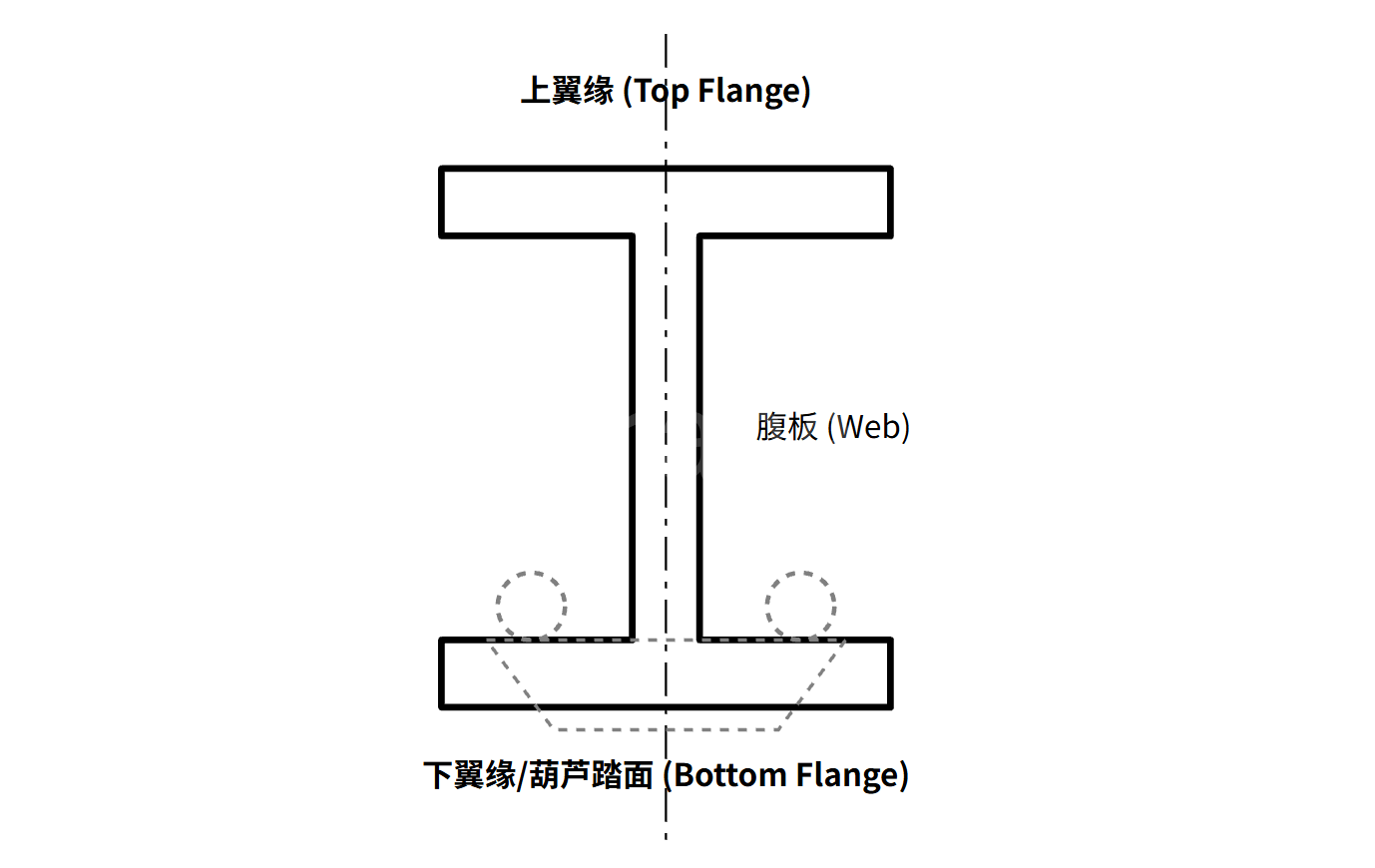
For traditionelle enkeltbjælkekraner er standardkonfigurationen for hovedbjælken en varmvalset H-bjælke (GB/T11263) eller en svejset I-bjælke. Taljen er ophængt direkte fra hovedbjælkens bundflange, hvor taljehjulene bevæger sig langs overfladen af den bundflange. Der er to tekniske begrundelser for dette design:
- For det første dikterer taljens betjeningsmekanisme, at tværsnittet skal være åbent. Taljen er ophængt under bjælken, og hjulene løber langs flangen. En konfiguration, der involverer undermontering og bundflangesporing. Hovedbjælken kræver naturligvis et I-formet tværsnit med både top- og bundflanger. Man kan ikke ophænge en talje under en lukket kassebjælke og lade den løbe langs bunden; dette arrangement tilhører den strukturelle logik i dobbeltbjælkekraner.
- For det andet er der faktoren omkostningseffektivitet i fremstillingen. Varmvalsede I-bjælker er standardprofiler, der produceres direkte af stålværker; de kommer fra valseværket med deres top- og bundflanger og krop allerede dannet, hvilket eliminerer behovet for at svejse fire separate stålplader sammen, som det kræves for kassebjælker. For den maksimale tonnage og typiske spændvidder for enkeltbjælkekraner tilbyder standard I-bjælker tilstrækkelig styrke og stivhed, hvilket gør de ydelsesforbedringer, der opnås gennem mere komplekse fremstillingsprocesser, ikke værd at de ekstra omkostninger.
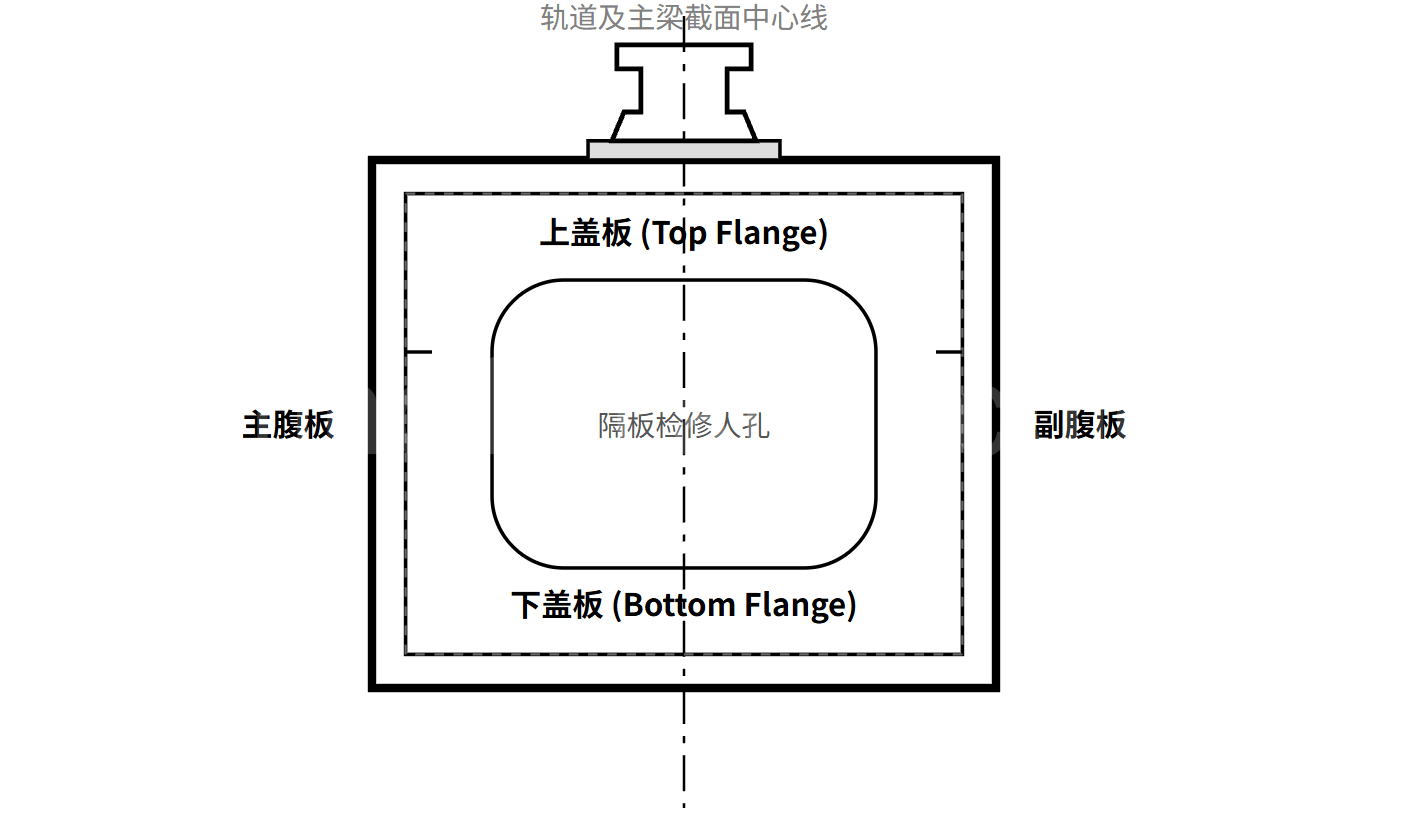
For traditionelle dobbeltbjælkebrokraner er standardkonfigurationen for hovedbjælkerne den svejsede kassebjælke. Denne består af fire stålplader, der er svejset sammen for at danne et lukket rektangulært tværsnit, med indvendige tværgående membraner anbragt med regelmæssige mellemrum. Dette valg dikteres af selve den strukturelle konfiguration, snarere end at det ene design i sagens natur er "overlegent" i forhold til det andet:
- For det første, fordi løbekatten bevæger sig langs toppen af bjælkerne, er der større frihed i valget af tværsnit. I en dobbeltbjælkeopsætning kører løbekatten på skinner oven på de to hovedbjælker; bjælketværsnittet er ikke længere begrænset af behovet for at rumme et "ophængt hejs + bundflangeskinneunderstøtning"-arrangement. Designere kan frit vælge den tværsnitsform, der giver den bedste mekaniske ydeevne, og det lukkede rektangulære tværsnit (kassebjælke) er tilfældigvis en af de optimale løsninger til både bøjnings- og vridningsmodstand.
- For det andet arbejder de to bjælker sammen for at bære belastninger, hvilket ændrer vridningsmodstanden fra en "individuel kraft" til en "samarbejdende rammevirkning". De to hovedbjælker og to endevogne danner en lukket rektangulær ramme i det vandrette plan. Når løbekaten arbejder i midten af spændet, bæres den vridning, der genereres af lasten, ikke af en enkelt bjælke isoleret, men fordeles og overføres gennem de fire hjørnesamlinger i hele rammen. Mekanisk er dette en langt mere robust og effektiv måde at håndtere vridning på sammenlignet med en kran med én bjælke, hvor en H-bjælke skal modstå vridningskræfterne på egen hånd.
Konklusionen er faktisk ret simpel: at bruge en I-bjælke til en enkeltbjælkekran handler ikke kun om at "bespare", og at bruge en kassebjælke til en dobbeltbjælkekran handler ikke kun om at "opskalere" designet. Hver tværsnitsform bestemmes af dens specifikke krav til dens strukturelle lastvej. Næste gang nogen fortæller dig, at "dobbeltbjælkekraner simpelthen er bedre end enkeltbjælkekraner", kan du fortælle dem: det har intet at gøre med overlegenhed; beslutningen om, hvorvidt løbekatten kører ovenpå eller hænger nedenunder, dikterer effektivt valget af hovedbjælkens tværsnit.
Hvad sker der, når du gør det forkert: 5 udvælgelsesfejl
Fejl 1: Fokus udelukkende på tonnage, mens toldklassen ignoreres
Dette er den mest almindelige og dyreste fejl i vores branche. En kunde på en cementfabrik i Pakistan købte en 20-tons dobbeltbjælkekran til deres produktionslinje. På papiret virkede specifikationerne perfekte: en 20-tons dobbeltbjælkeenhed – robust og stabil nok til jobbet.
Problemet lå i driftsklassen. De købte en traverskran i klasse A4/A5 – enheder designet til periodiske vedligeholdelsesopgaver. De faktiske driftsforhold involverede dog kontinuerlig produktion i 16 timer om dagen med et gennemsnit på 12 til 15 løft i timen. Inden for seks måneder begyndte gearkassens tandhjul at vise tegn på grubetæring, sliddet på stålwiren var tre gange det normale, og to motorer brændte ud på grund af hyppig start og stop. For en 20-tons kran går forskellen mellem A3- og A5-konfigurationer langt ud over blot at udskifte et typeskilt: A5 kræver hærdede gearreduktioner, tromler og skiver med større diameter samt motorisolering af højere kvalitet. Disse faktorer tilsammen kan resultere i en forskel på 50% til 90% i købspris. Alligevel er denne investering bestemt billigere end omkostningerne ved at stoppe produktionen til reparation af udstyr.
Fejl 2: At forfølge "større er bedre" og overvælte modeller
Det daglige løftebehov i et maskinværksted er kun 2-3 tons. Men på det tidspunkt sagde chefen: "Hvad nu hvis jeg skal løfte noget stort i fremtiden?", så han købte en 10-tons enkeltbjælke.
Konsekvens: Større tonnage betyder større motorer. En 10-tons taljemotor starter normalt ved 7,5 kW, mens en 3-tons talje kun kræver 3 kW. 8 timers drift om dagen vil koste dig mere end et år i elregninger. Hvad der er mere problematisk er, at egenvægten af en stor talje gør hovedbjælken tungere, og skinnerne og konsollerne er også forøgede. Sporene har udviklet ujævn synkning efter års brug. Fordi den oprindelige bygning ikke var designet i henhold til denne faktiske belastning.
Fejl 3: Bestemmelse af spændvidde baseret på bygningens dimensioner i stedet for det faktiske arbejdsområde.
Hvis fabriksbygningen er 24 meter bred, køber du så bare en kran med et spændvidde på 24 meter? Medmindre dit arbejdsområde rent faktisk strækker sig fra væg til væg, er det spild af tid.
Vores generelle anbefaling er: Spændvidde = Faktisk arbejdsområdebredde + 1,5 meter sikkerhedsafstand til kroghovedet. Hvis det område, du rent faktisk skal dække, er 18 meter, sparer du en kran med et spændvidde på 22 meter en betydelig sum penge sammenlignet med en kran med et spændvidde på 24 meter. En hovedbjælke, der er 2 meter kortere, reducerer egenvægten med cirka 8%, sænker transportomkostningerne og forenkler installationen.
Der er også en mere betydelig skjult omkostning: jo større spændvidde, desto større er nedbøjningen. Ved fuld belastning kan den nedadgående nedbøjning af en kran med 24 meter spændvidde overstige 32 mm. Selvom dette forbliver inden for L/600-standarden, påvirker det mærkbart driftsoplevelsen: at flytte løbekatten mod midten føles som at skubbe en last ned ad bakke, mens at flytte mod enderne føles som at skubbe op ad bakke. Operatører skal konstant justere deres input, hvilket fører til et synligt fald i effektiviteten.
Fejl 4: Ignorering af de negative virkninger af for høje toldsatser
I modsætning til Fejl 2 kan man forestille sig et fødevareemballeringsværksted, der kun kører to timer om dagen med meget sjældne løftecyklusser, men alligevel har købt en A5-klassificeret kran. A5-bremser er designet til hyppige starter og opretholder en stabil friktionskoefficient under konstant tør friktion. Men hvad sker der i lange perioder med inaktivitet? Støv ophobes på bremsefladerne, hvilket forårsager unormal støj og rystelser under den første bremsevirkning efter opstart. Inden for tre måneder slides bremseklodserne ujævnt. Vi har set lignende tilfælde – i de mest ekstreme tilfælde skulle bremserne udskiftes hvert kvartal. Dette er ikke et kvalitetsproblem, men en uoverensstemmelse i valget af udstyr; en A3-klassificering er tilstrækkelig til let belastning og lavfrekvente operationer.
Fejl 5: Fokuserer kun på det oprindelige tilbud i stedet for den samlede pris over 20 år
Dette er den mest lumske fejl. Mange indkøbsbeslutninger træffes inden for en ramme, hvor "den laveste byder vinder", hvor budgettet kun tager højde for købsprisen, mens drifts- og vedligeholdelsesomkostninger betragtes som en anden afdelings bekymring – irrelevant for beslutningstageren.
Du vil dog leve med denne kran i over 20 år. Hver ekstra krone, der bruges på købstidspunktet, udgør et ubetydeligt årligt beløb, når det amortiseres over to årtier. Omvendt kan hver krone, der spares på forhånd, meget vel tjenes tilbage gennem højere vedligeholdelsesomkostninger, der starter allerede i det tredje år.
Inden for industrielt indkøb er der en gylden regel, der er blevet bevist igen og igen: Der findes ikke dårligt udstyr – kun udstyr, der er dårligt egnet til den aktuelle opgave. En enkeltbjælkekran parret med en H-bjælke handler ikke om at springe over; det handler om at bruge et let og omkostningseffektivt design til at betjene agile og hurtige produktionslinjer. Omvendt handler en dobbeltbjælkekran med et kassebjælkedesign ikke om at ophobe overskydende materiale; det handler om at anvende en klippefast strukturel ramme til at håndtere de krævende krav fra højfrekvente, tunge belastninger, hvor nedetid simpelthen ikke er en mulighed.
Som køber er din primære opgave ikke at afgøre, om en enkelt- eller dobbeltbjælkekran er mere "premium". I stedet bør du, ligesom en klog revisor, omhyggeligt beregne præcis, hvilke opgaver udstyret skal udføre i dit værksted i løbet af de næste tyve år, hvor mange timer det skal køre, og hvor meget værdi det vil generere for din virksomhed.
Indkøbskunsten ligger ofte i at finde det "perfekte match". Lad ikke den oprindelige pris diktere dit valg; lad de operationelle krav styre din beslutning – de sparede penge kan trods alt altid geninvesteres i at opgradere dine kerneproduktionslinjer.

Jeg er Cindy, med 10 års erhvervserfaring i kranindustrien og oparbejdet et væld af faglig viden. Jeg har valgt de tilfredsstillende kraner til 500+ kunder. Hvis du har behov eller spørgsmål til kraner, er du velkommen til at kontakte mig, jeg vil bruge min ekspertise og praktiske erfaring til at hjælpe dig med at løse problemet!
Send din forespørgsel
- E-mail: sales@hndfcrane.com
- WhatsApp: +86 191 3738 6654
- Telegram: +86 191 3738 6654
- Tlf.: +86-373-581 8299
- Fax: +86-373-215 7000
- Tilføj: Changnao Industrial District, Xinxiang City, Henan-provinsen, Kina
 WeChat
- Løftekraner
- Dobbeltdrager overhead kraner
- Enkeltbjælke overheadkraner
- Europæiske type enkeltbjælkekraner
- Eksplosionssikre traverskraner
- Grab og magnetiske traverskraner
- Monorail kraner
- Støbehovedkraner
- Arbejdsstationskraner
- Fokkekraner
- Vægmonterede svingkraner
- Vægkørende svingkraner
- Fritstående svingkraner
- Aluminiumsvingkraner: Let, jævnt roterende arm for nem løftning
- Balancesvingkraner: Effektiv let løftning til mekanisk montering over korte afstande
- Manuelle fritstående svingkraner: Effektive manuelle løfteløsninger til operationer med begrænset plads
- Elektriske fritstående svingkraner: Fuldt elektrisk løsning til hurtig løft med høj kapacitet
- Leddelte svingkraner: Præcisionsløft med dobbeltarmsfleksibilitet
- Gantry kraner
- Dobbeltbjælke portalkraner
- Semi portalkraner
- Enkeltbjælke portalkraner
- Truss portalkraner
- Container portalkraner
- Justerbare portalkraner
- Bærbare portalkraner
- Europæiske portalkraner
- Industrier
- Generel fremstilling
- Affaldshåndtering
- Præfabrikeret
- Strøm
- Sten
- Papirfremstilling
- Metalproduktion
- Brobygning
- Havnekraner: Til håndtering af containere og bulkmaterialer
- Traverskraner til olie- og gasindustrien: Forbedrer driftseffektiviteten
- Marinekraner til effektiv lastning på skibe
- Traverskraner til bilindustrien: Effektive automatiseringsløsninger
- Elektriske hejser
- Elektriske wireløftere
- Elektriske kædetaljer
- Elektriske hejser af europæisk type
- Europæiske elektriske kædetaljer: Jævn drift, lav støj og energieffektivitet
- Manuelle løfteanordninger: Ideel til træk- og løfteopgaver
- Håndkædetaljer: Manuel løftning til områder uden strøm
- Elektriske løftere med lav frihøjde: Kompakt design for maksimal pladseffektivitet
- Pneumatiske kædetaljer: Nem håndtering til industriel brug
- Eksplosionssikre manuelle kædetaljer: Gnistsikker konstruktion af kobberlegering til eksplosionsfarlige områder
- Eksplosionssikre elektriske kædetaljer til løft i farlige områder
- Om
- Sager
- Nyheder
- Ofte stillede spørgsmål
- Hent
- Blogs
- Onlineværktøjer til beregning af kranhjulsbelastning
- VR Panorama
- Kontakt os
- E-mail: sales@hndfcrane.com
- WhatsApp: +86 191 3738 6654
- Telegram: +86 191 3738 6654
- Tlf.: +86-373-581 8299
-