
-
Industri
-
Manufaktur Umum
-
Penanganan Limbah
-
Pracetak
-
Kekuatan
-
Batu
-
Pembuatan kertas
-
Produksi Logam
-
Konstruksi Jembatan
-
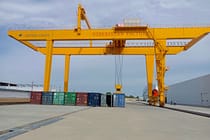
Crane Pelabuhan: Untuk Penanganan Kontainer dan Material Massal
-
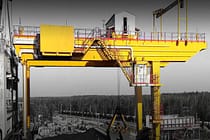
Crane Overhead untuk Industri Perminyakan dan Gas: Meningkatkan Efisiensi Operasional
-
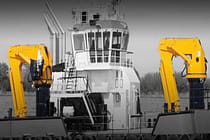
Crane Laut untuk Pemuatan Kargo yang Efisien di Kapal
-

Derek Atas untuk Industri Otomotif: Solusi Otomasi yang Efisien
-
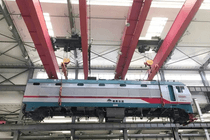
Solusi Derek Atas untuk Perkeretaapian: Pemasangan Rel, Perawatan Kendaraan Bermotor, dan Penanganan Kontainer
-
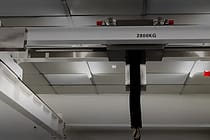
Derek Atas untuk Makanan dan Minuman: Solusi Andal untuk Penanganan yang Efisien
-
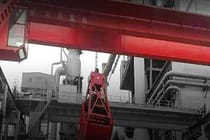
Derek Atas untuk Produksi Semen, Kaca, Bata dan Beton Pracetak yang Efisien
-
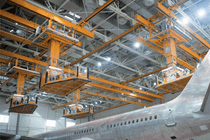
Overhead Crane untuk Industri Penerbangan: Perawatan dan Perakitan Pesawat
-
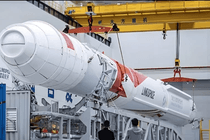
Derek Overhead Dirgantara: Pengangkatan Presisi untuk Peluncuran dan Pengangkutan Roket
-
-
Produk
-
Derek Overhead
-
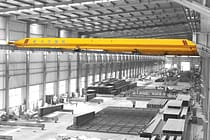
Derek Overhead Girder Tunggal
-
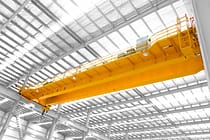
Derek Overhead Girder Ganda
-
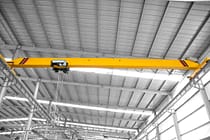
Derek Overhead Girder Tunggal Tipe Eropa
-
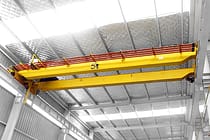
Derek Gantung Balok Ganda Tipe Eropa
-
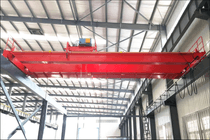
Derek Overhead Bukti Ledakan
-
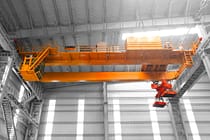
Ambil Dan Derek Overhead Magnetik
-
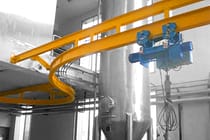
Derek Monorel
-
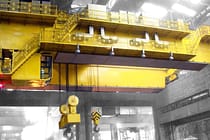
Derek Overhead Pengecoran
-
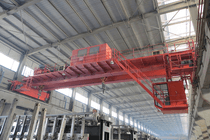
Derek Atas Isolasi
-
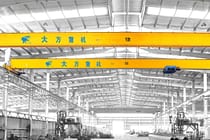
Derek Overhead dengan Ruang Kepala Rendah
-
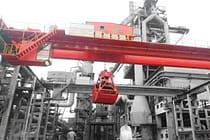
Ambil Derek Di Atas Kepala
-
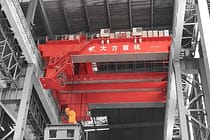
Sendok Derek Di Atas Kepala
-
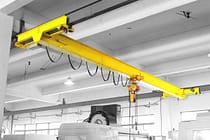
Derek Atas Gantung
-
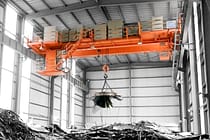
Derek Overhead Elektromagnetik
-
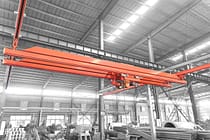
Derek Stasiun Kerja: Solusi Pengangkatan Modular
-
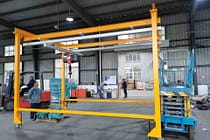
Derek Jembatan Stasiun Kerja yang Berdiri Sendiri
-
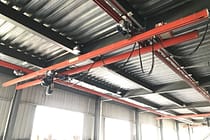
Derek Jembatan yang Dipasang di Langit-langit
-
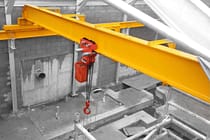
Derek Manual di Atas Kepala
-
-
Gantry Crane
-
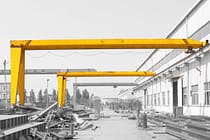
Derek Semi Gantry
-
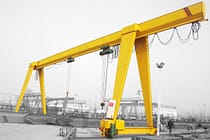
Crane Gantry Girder Tunggal
-
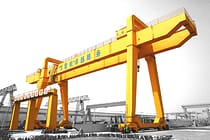
Crane Gantry Girder Ganda
-
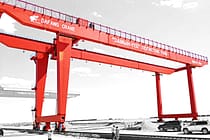
Crane Gantry Kontainer
-
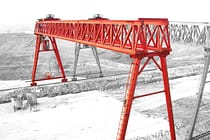
Truss Gantry Crane
-
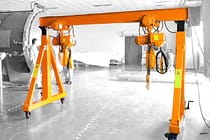
Gantry Crane yang Dapat Disesuaikan
-
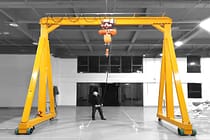
Gantry Crane Portabel
-
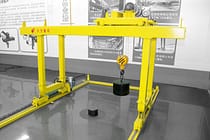
Derek Gantry Eropa
-

Derek Gantry Aluminium
-
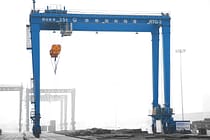
Derek Gantry Kontainer Berban Karet
-
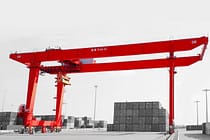
Derek Gantry Kontainer yang Dipasang di Rel
-
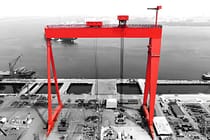
Derek Gantry Galangan Kapal
-
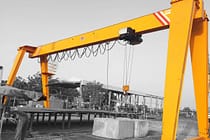
Derek Gantry Balok Tunggal Eropa
-
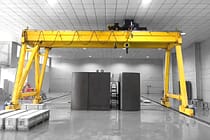
Derek Gantry Balok Ganda Eropa
-
- Derek Jib
- Derek Khusus
- Hoist Listrik
- Gerobak Transfer
-
Derek Overhead
-
Bagian Derek
-
Ambil Ember
-
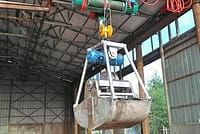
Ember Genggam Elektrik Stainless Steel
-
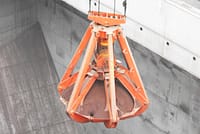
Penjepit Kulit Jeruk Mekanik Empat Tali
-
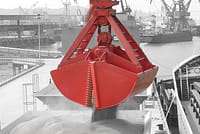
Ember Penjepit Kerang Empat Tali Mekanik
-
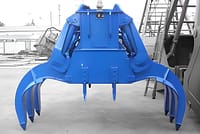
Pegangan Persegi Panjang Elektro Hidrolik
-
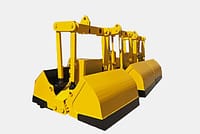
Pegangan Kerang Elektro Hidrolik
-
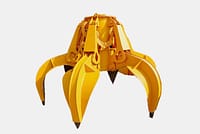
Penjepit Kulit Jeruk Elektro Hidrolik, Penjepit Kaktus Hidrolik
-
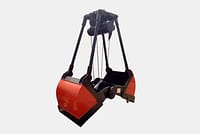
Pegangan Motor Listrik
-
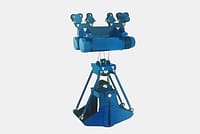
Bucket Genggam Monorel Elektrik dengan Kerekan Monorel
-
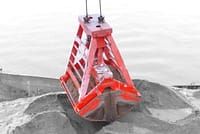
Pegangan Kerang Kendali Jarak Jauh
-
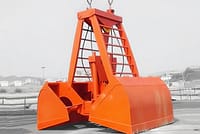
Pegangan Kerang Dua Tali Mekanik
-
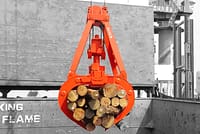
Perampasan Kayu
-
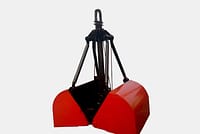
Ember Penjepit Tali Tunggal
-
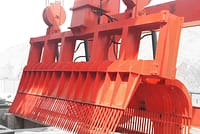
Mesin Pembersih Rak Sampah
-
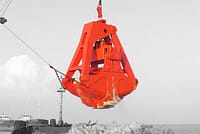
Penangkapan Pengerukan
-
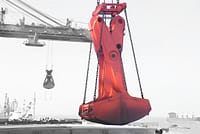
Pegangan Pemangkasan
-
- Penyebar Derek
-
Suku Cadang Crane
-
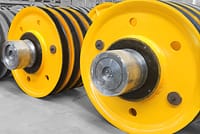
Katrol Derek
-
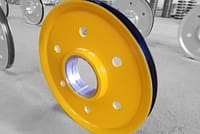
Berkas Tali Kawat
-
Drum Tali Derek
-
Troli Derek
-
Winch Listrik
-
Kabin Operator Derek
-
Rem Derek di Atas Kepala
-
Kabel Derek Atas
-
Panduan Tali Derek di Atas Kepala
-
Konduktor Derek di Atas Kepala dan Saluran Catu Daya
-
Rel Derek Atas
-
Klip Rel Derek di Atas Kepala
-
Motor Derek Overhead
-
Pereduksi Derek Overhead
-
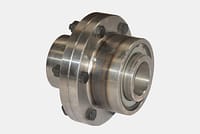
Kopling untuk Overhead Crane
-
- Roda Derek
-
Ambil Ember
- Perusahaan
- Kontak

-
Industri
-
Manufaktur Umum
-
Penanganan Limbah
-
Pracetak
-
Kekuatan
-
Batu
-
Pembuatan kertas
-
Produksi Logam
-
Konstruksi Jembatan
-
Crane Pelabuhan: Untuk Penanganan Kontainer dan Material Massal
-
Crane Overhead untuk Industri Perminyakan dan Gas: Meningkatkan Efisiensi Operasional
-
Crane Laut untuk Pemuatan Kargo yang Efisien di Kapal
-
Derek Atas untuk Industri Otomotif: Solusi Otomasi yang Efisien
-
Solusi Derek Atas untuk Perkeretaapian: Pemasangan Rel, Perawatan Kendaraan Bermotor, dan Penanganan Kontainer
-
Derek Atas untuk Makanan dan Minuman: Solusi Andal untuk Penanganan yang Efisien
-
Derek Atas untuk Produksi Semen, Kaca, Bata dan Beton Pracetak yang Efisien
-
Overhead Crane untuk Industri Penerbangan: Perawatan dan Perakitan Pesawat
-
Derek Overhead Dirgantara: Pengangkatan Presisi untuk Peluncuran dan Pengangkutan Roket
-
-
Produk
-
Derek Overhead
-
Derek Overhead Girder Tunggal
-
Derek Overhead Girder Ganda
-
Derek Overhead Girder Tunggal Tipe Eropa
-
Derek Gantung Balok Ganda Tipe Eropa
-
Derek Overhead Bukti Ledakan
-
Ambil Dan Derek Overhead Magnetik
-
Derek Monorel
-
Derek Overhead Pengecoran
-
Derek Atas Isolasi
-
Derek Overhead dengan Ruang Kepala Rendah
-
Ambil Derek Di Atas Kepala
-
Sendok Derek Di Atas Kepala
-
Derek Atas Gantung
-
Derek Overhead Elektromagnetik
-
Derek Stasiun Kerja: Solusi Pengangkatan Modular
-
Derek Jembatan Stasiun Kerja yang Berdiri Sendiri
-
Derek Jembatan yang Dipasang di Langit-langit
-
Derek Manual di Atas Kepala
-
-
Gantry Crane
-
Derek Semi Gantry
-
Crane Gantry Girder Tunggal
-
Crane Gantry Girder Ganda
-
Crane Gantry Kontainer
-
Truss Gantry Crane
-
Gantry Crane yang Dapat Disesuaikan
-
Gantry Crane Portabel
-
Derek Gantry Eropa
-
Derek Gantry Aluminium
-
Derek Gantry Kontainer Berban Karet
-
Derek Gantry Kontainer yang Dipasang di Rel
-
Derek Gantry Galangan Kapal
-
Derek Gantry Balok Tunggal Eropa
-
Derek Gantry Balok Ganda Eropa
-
- Derek Jib
- Derek Khusus
- Hoist Listrik
- Gerobak Transfer
-
Derek Overhead
-
Bagian Derek
-
Ambil Ember
-
Ember Genggam Elektrik Stainless Steel
-
Penjepit Kulit Jeruk Mekanik Empat Tali
-
Ember Penjepit Kerang Empat Tali Mekanik
-
Pegangan Persegi Panjang Elektro Hidrolik
-
Pegangan Kerang Elektro Hidrolik
-
Penjepit Kulit Jeruk Elektro Hidrolik, Penjepit Kaktus Hidrolik
-
Pegangan Motor Listrik
-
Bucket Genggam Monorel Elektrik dengan Kerekan Monorel
-
Pegangan Kerang Kendali Jarak Jauh
-
Pegangan Kerang Dua Tali Mekanik
-
Perampasan Kayu
-
Ember Penjepit Tali Tunggal
-
Mesin Pembersih Rak Sampah
-
Penangkapan Pengerukan
-
Pegangan Pemangkasan
-
- Penyebar Derek
-
Suku Cadang Crane
-
Katrol Derek
-
Berkas Tali Kawat
-
Drum Tali Derek
-
Troli Derek
-
Winch Listrik
-
Kabin Operator Derek
-
Rem Derek di Atas Kepala
-
Kabel Derek Atas
-
Panduan Tali Derek di Atas Kepala
-
Konduktor Derek di Atas Kepala dan Saluran Catu Daya
-
Rel Derek Atas
-
Klip Rel Derek di Atas Kepala
-
Motor Derek Overhead
-
Pereduksi Derek Overhead
-
Kopling untuk Overhead Crane
-
- Roda Derek
-
Ambil Ember
- Perusahaan
- Kontak



Crane Wire Rope Lubrication: Lubricant Requirements, Types, and Methods
Daftar isi
Crane wire rope lubrication is essential for reducing wear, preventing corrosion, and extending wire rope service life. Improper lubrication and maintenance can lead to premature damage and replacement. Only 10%–15% of wire ropes scrapped due to damage are attributed to fatigue, while 70%–80% are associated with corrosion and inadequate protection. In harsh operating environments such as metallurgy, mining, and ports, proper lubrication is particularly important for maintaining wire rope performance and service life.
1. Crane Wire Rope Lubrication Conditions and Lubricant Requirements
Wire ropes are pre-lubricated during manufacture, regardless of whether they use a steel core or a fiber core. Therefore, wire rope lubricant mainly provides lubrication and protection during service. It reduces friction between the wires in the strands and between the wire rope and sheave groove, thereby reducing wear. The lubricant film also helps prevent harmful substances such as rainwater, harmful gases, and dust from attacking the wire rope, preventing corrosion, extending equipment service life, and ensuring safe and stable operation.
1.1 High- and Low-Temperature Performance
Wire ropes used on cranes in the metallurgical industry, such as ladle overhead cranes and billet handling cranes, on rolling lines for hot-rolled coil handling, and on hoisting equipment in ironmaking, are exposed to heat radiation for long periods. Loss of lubricant at high temperature not only affects wire rope lubrication, but dripping lubricant can also affect product quality. The lubricant must therefore have good high-temperature resistance. For wire rope lubricants used on lifting equipment operating at low temperatures, inadequate low-temperature performance can cause the lubricant to become brittle and peel off.
1.2 Adhesion
Wire rope lubricant should adhere to the rope surface and form a firm film. The base oil generally has relatively high viscosity. The kinematic viscosity of the base oil for wire rope lubricants used with different equipment is shown in Table 1.
| Application range | Application equipment | Kinematic viscosity of base oil at 40°C / mm²·s⁻¹ |
|---|---|---|
| Low-speed, heavy-load wire ropes | Jib cranes, overhead cranes, excavators, electric shovels | 320–680 |
| High-speed lifting wire ropes | Mining hoists, hoisting machines, elevators | 100–320 |
| High-speed, heavy-load traction wire ropes operating on slopes | Timber and ore handling equipment, boiler coal cars, blast furnace and clamshell hoist equipment | 220–320 |
| Medium- to high-speed rotating, heavy-load traction wire ropes | Traction machines, cargo trucks, cargo hoists | 220–320 |
| Traction wire ropes fixed or exposed to wet chemical atmospheres | Reinforcement and suspension ropes | 220 |
1.3 Penetration
The lubricant should rapidly form a film under load. After the equipment is unloaded, the lubricant on the surface should rapidly penetrate into the rope core and between the strands, providing good lubrication and protection and reducing friction between the wires.
1.4 Extreme-Pressure and Anti-Wear Performance
Under medium and heavy loads, extremely high friction can occur between wires and between the wire rope and equipment during lifting and unloading. The film formed by the wire rope lubricant on the rope surface should have excellent load-carrying capacity, reducing friction and extending wire rope service life.
1.5 Corrosion and Rust Protection
Port equipment is exposed to salt spray for long periods, while tourist cableway and cable-car equipment operates in all-weather conditions. Wire rope lubricant should therefore provide good corrosion and rust protection, keeping the wire rope free from attack by moisture, rainwater, and salt spray.
1.6 Compatibility with Pre-Lubricants
Wire rope lubricant should be compatible with the surface lubricant and fiber-core lubricant applied during pre-lubrication. It should not become diluted and run off after mixing because of structural differences.
To meet special operating conditions, some wire rope lubricants also provide additional properties. For example, petroleum and port machinery users require wire rope surface lubricants to be environmentally degradable and non-polluting to the working environment. Lubricants for mining hoist wire ropes and elevator wire ropes must provide a certain degree of friction increase to increase friction between the wire rope and drive wheel and transmit power effectively.
2. Types of Wire Rope Lubricants
According to their composition, wire rope lubricants can be divided into hydrocarbon-based wire rope surface lubricants, asphalt-based wire rope surface lubricants, soap-based greases, and other types.
2.1 Hydrocarbon-Based Wire Rope Surface Lubricants
Early wire rope surface lubricants and fiber-core lubricants were hydrocarbon-based greases, generally prepared from paraffin wax and mineral wax. They had a relatively low dropping point and an operating temperature range of approximately 45–55°C. Because their melting point was not high, wire rope manufacturers could pre-lubricate ropes conveniently by passing them through an oil bath. However, hydrocarbon-based wire rope surface lubricants are paste-like at room temperature. They melt and flow easily at high temperatures, while at low temperatures they are prone to cracking and peeling.
2.2 Asphalt-Based Wire Rope Surface Lubricants
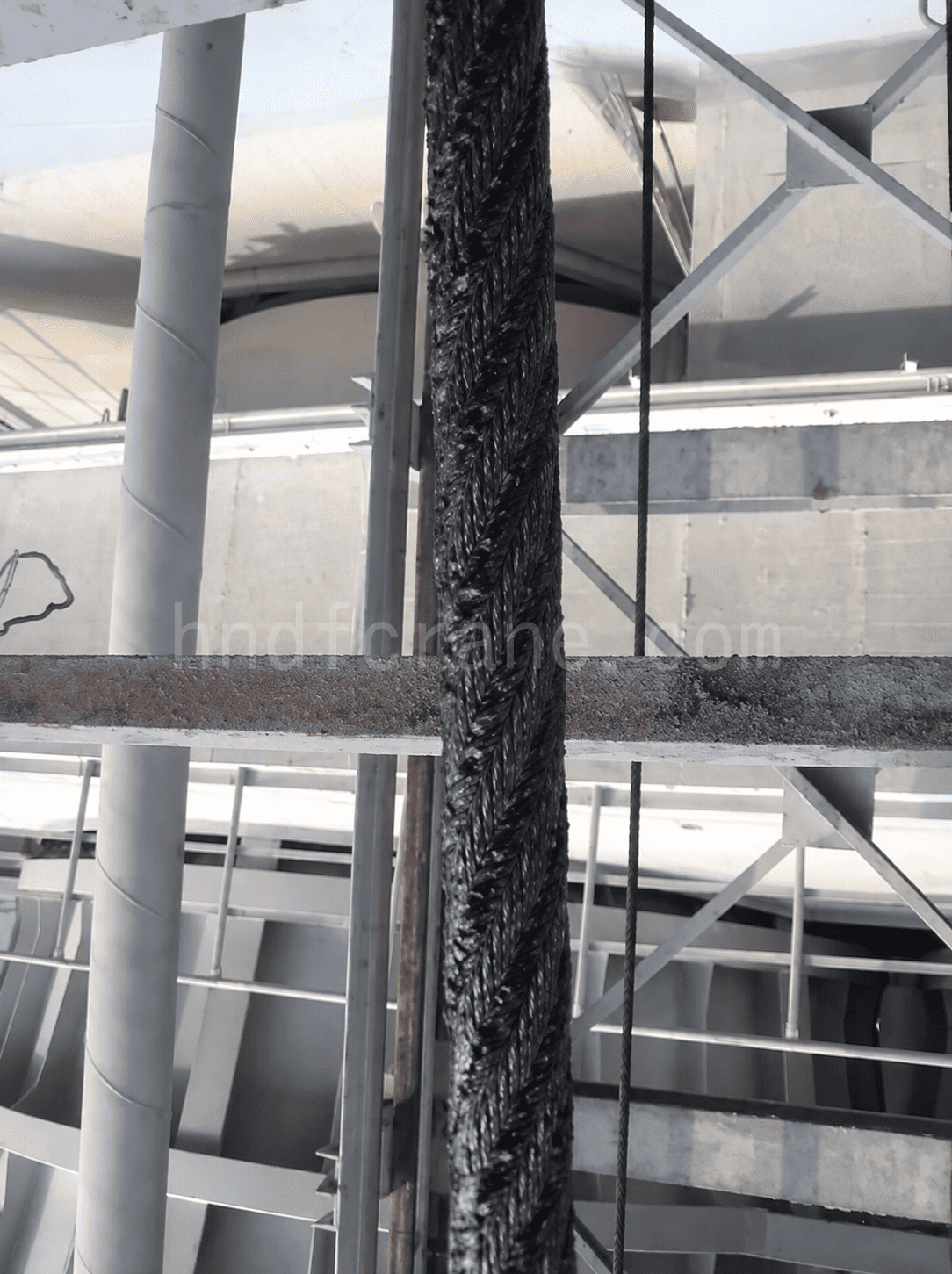
Like bentonite grease, asphalt-based wire rope surface lubricants have no dropping point. They must be heated or mixed with a diluting solvent during application. After coating, they can cure into a hard black surface that makes inspection inconvenient. They are also prone to cracking and breaking at low temperatures.
2.3 Soap-Based Greases
Common soap-based greases include lithium grease, lithium complex grease, polyurea grease, calcium sulfonate complex grease, and aluminum complex grease. They have semi-fluid flexibility and can partially penetrate the wire rope. They are especially suitable for lubricating wire rope used for low-speed, heavy-load lifting in humid, sea-breeze, and flue-gas environments. Their advantages include a high dropping point and good high-temperature performance.
3. Crane Wire Rope Lubrication Methods
Wire rope lubrication has generally not received sufficient attention from equipment maintenance personnel. Overhead crane wire ropes are mostly lubricated manually, while some equipment uses periodic drip lubrication at the sheave. The source recommends mechanical automatic lubrication, considering it a more reasonable method that can provide effective lubrication and protection, extend equipment service life, and ensure safe and stable operation.
Automatic Lubrication System: Components and Installation
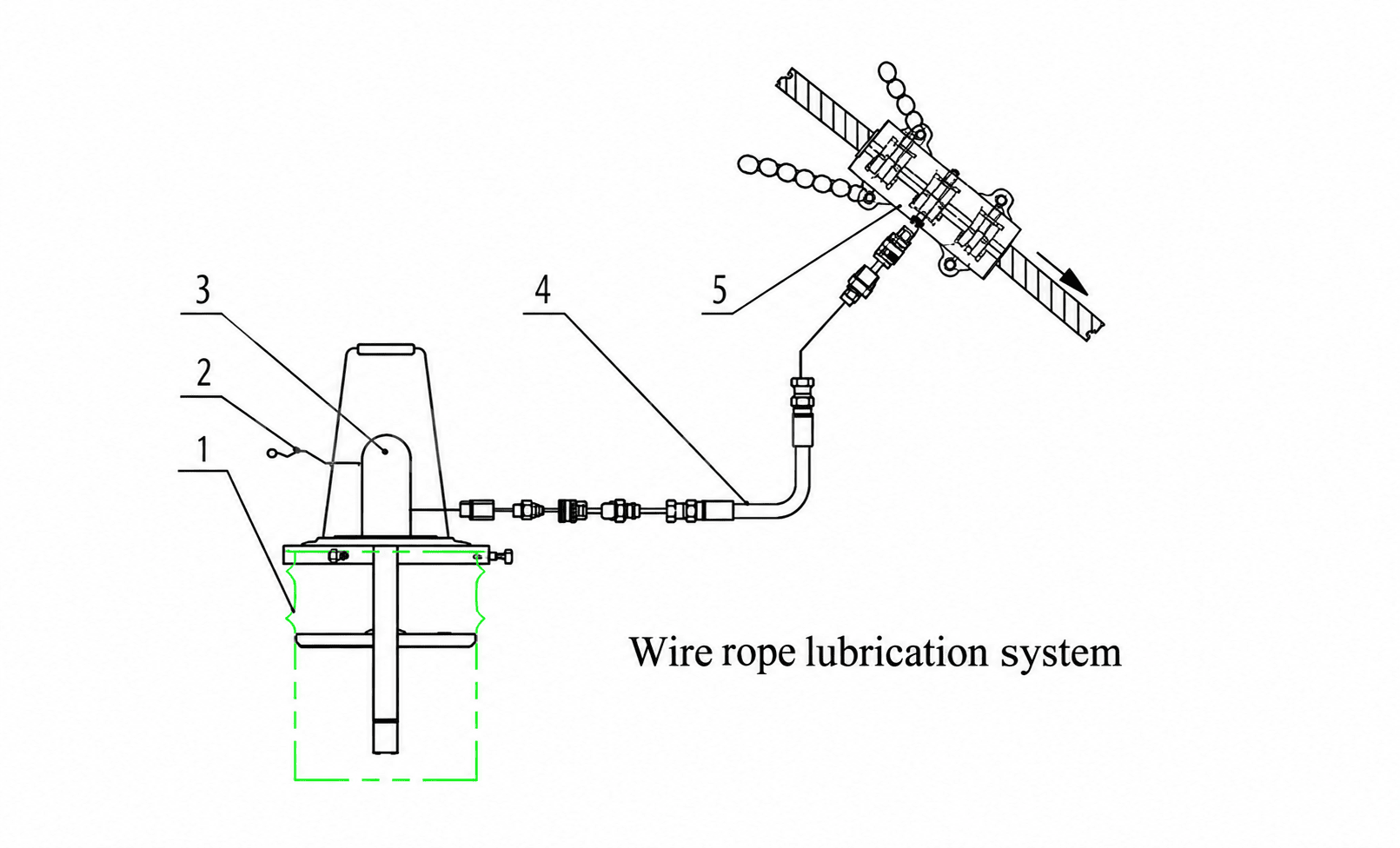
The components shown are: 1. grease drum; 2. air hose assembly with quick connector; 3. pneumatic pump; 4. oil hose assembly with quick connector; and 5. wire rope lubricator.
The wire rope lubrication system consists of a wire rope lubricator, a pneumatic drum pump, an air hose assembly, and an oil hose assembly.
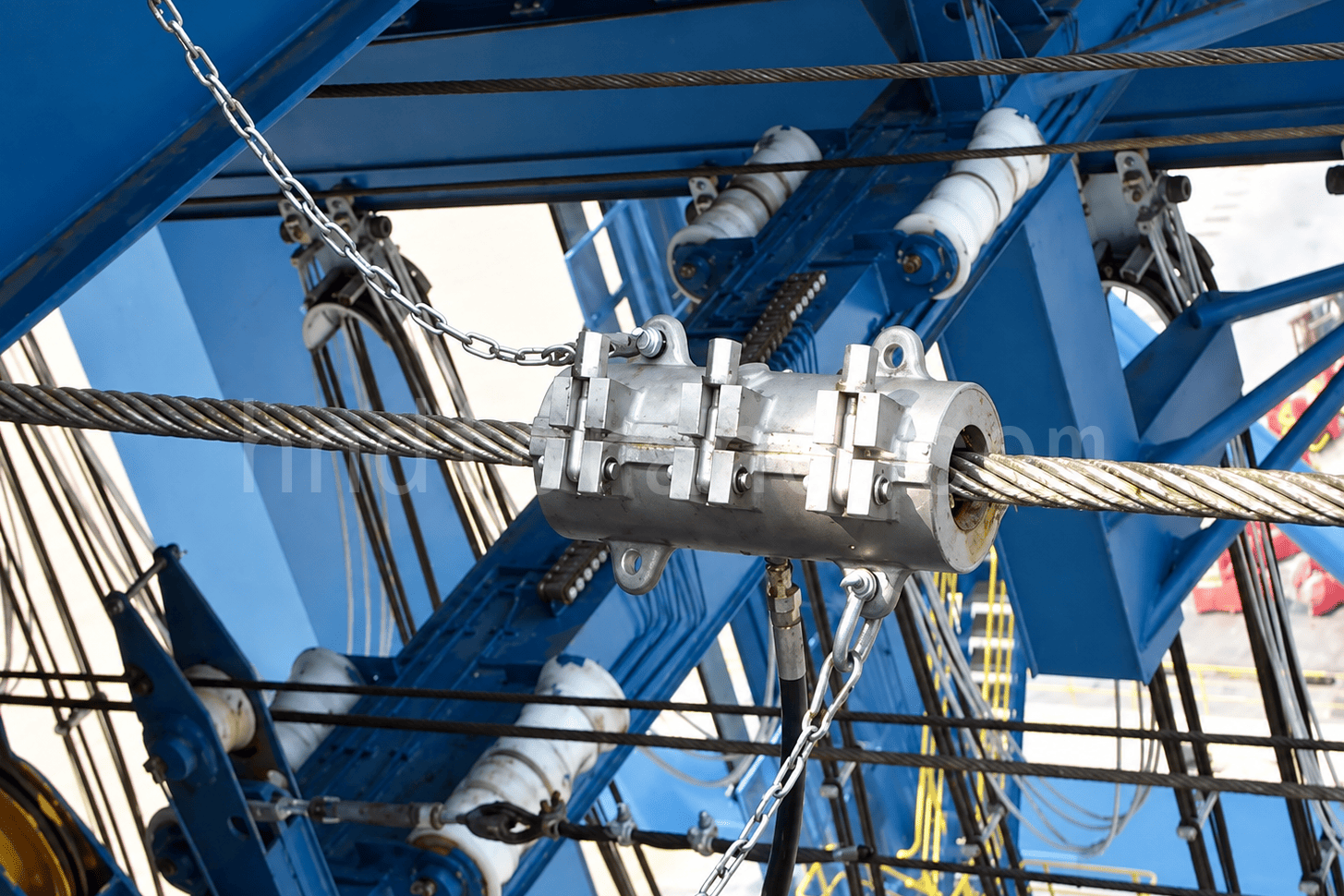
Install the lubricator on the wire rope and use two chain clamps to attach it to a fixed component near the rope being lubricated. It can be positioned vertically, horizontally, or at an angle.
To install the lubricator, first place the four matching sealing rings around the wire rope, with all V-grooves facing the center. Then install the lubricator housing and tighten the bolts.
Install the pneumatic drum pump on the lubricant drum and tighten the screws on the outside of the drum cover against the drum. Connect the pneumatic pump to the grease lubricator with the oil hose.
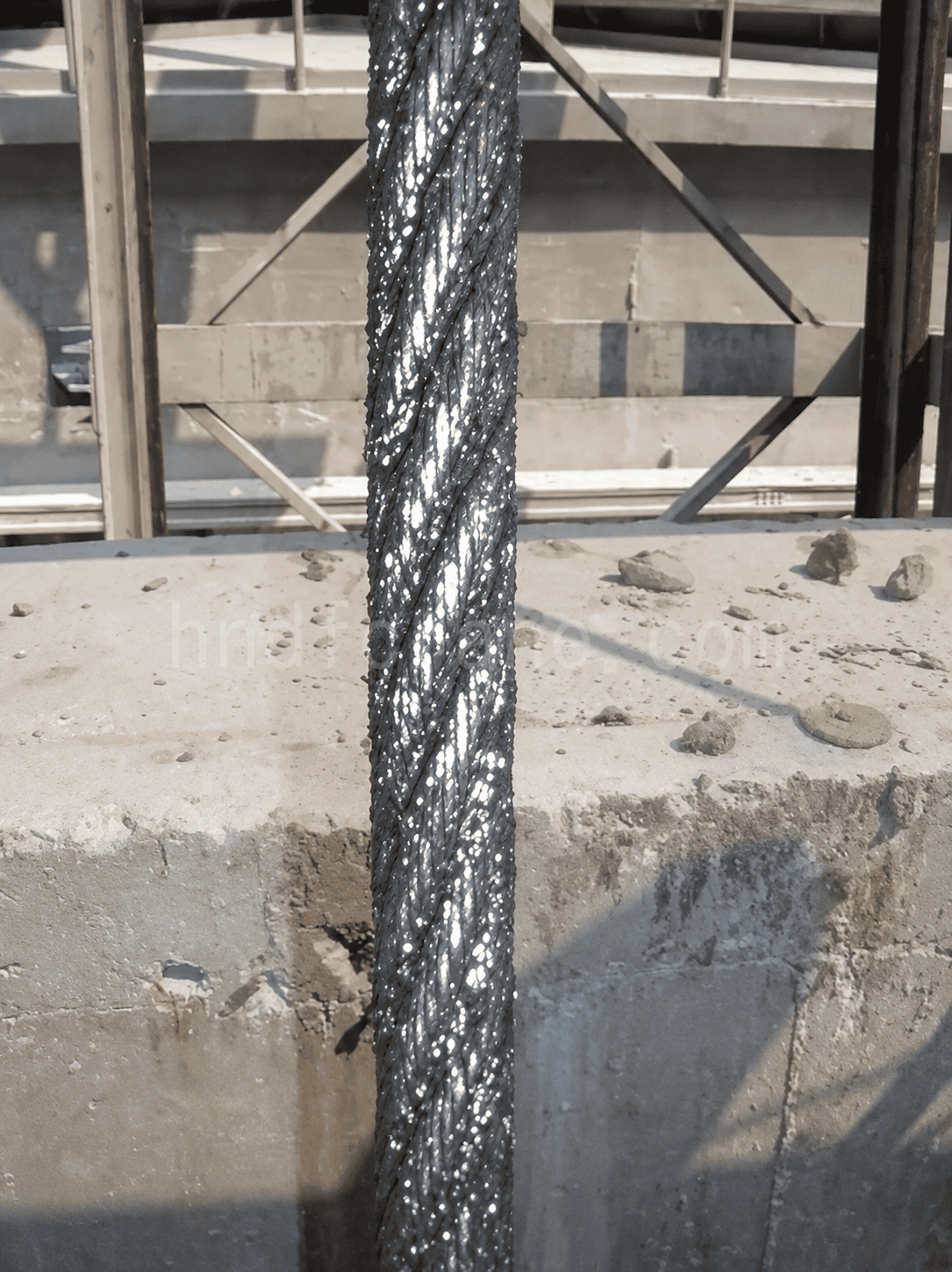
Connect the pneumatic pump to the air supply and start the wire rope moving. The wire rope surface will then be evenly coated with a layer of lubricant.
Kesimpulan
Effective crane wire rope lubrication requires the lubricant’s properties and application method to match the operating conditions. High- and low-temperature performance, adhesion, penetration, extreme-pressure and anti-wear performance, corrosion protection, and compatibility with pre-lubricants are all discussed in this article. Manual application, drip lubrication, and mechanical automatic lubrication are available methods, with the pneumatic drum pump and wire rope lubricator presented as an example of automatic application.

Saya Cindy, dengan 10 tahun pengalaman kerja di industri derek dan telah mengumpulkan banyak pengetahuan profesional. Saya telah memilih derek yang memuaskan bagi 500+ pelanggan. Jika Anda memiliki kebutuhan atau pertanyaan tentang derek, jangan ragu untuk menghubungi saya, saya akan menggunakan keahlian dan pengalaman praktis saya untuk membantu Anda memecahkan masalah!
Kirim Pertanyaan Anda
- Surel: sales@hndfcrane.com
- Ada apa: +86 191 3738 6654
- Telegram: +86 191 3738 6654
- Telp: +86-373-581 8299
- Faks: +86-373-215 7000
- Tambahkan: Distrik Industri Changnao, Kota Xinxiang, Provinsi Henan, Cina
 Wechat wechat
- Derek Overhead
- Derek Overhead Girder Ganda
- Derek Overhead Girder Tunggal
- Derek Overhead Girder Tunggal Tipe Eropa
- Derek Overhead Bukti Ledakan
- Ambil Dan Derek Overhead Magnetik
- Derek Monorel
- Derek Overhead Pengecoran
- Derek Stasiun Kerja: Solusi Pengangkatan Modular
- Derek Jib
- Derek Jib Terpasang di Dinding
- Derek Jib Perjalanan Dinding
- Derek Jib Berdiri Bebas
- Derek Jib Aluminium: Lengan Putar Ringan dan Halus untuk Pengangkatan Mudah
- Derek Jib Keseimbangan: Pengangkatan Ringan yang Efisien untuk Perakitan Mekanis Jarak Pendek
- Jib Crane Manual Berdiri Bebas: Solusi Pengangkatan Manual yang Efisien untuk Operasi Ruang Terbatas
- Derek Jib Mandiri Elektrik: Solusi Sepenuhnya Elektrik untuk Pengangkatan Cepat dan Kapasitas Tinggi
- Derek Jib Artikulasi: Pengangkatan Presisi dengan Fleksibilitas Lengan Ganda
- Gantry Crane
- Crane Gantry Girder Ganda
- Derek Semi Gantry
- Crane Gantry Girder Tunggal
- Truss Gantry Crane
- Crane Gantry Kontainer
- Gantry Crane yang Dapat Disesuaikan
- Gantry Crane Portabel
- Derek Gantry Eropa
- Industri
- Manufaktur Umum
- Penanganan Limbah
- Pracetak
- Kekuatan
- Batu
- Pembuatan kertas
- Produksi Logam
- Konstruksi Jembatan
- Crane Pelabuhan: Untuk Penanganan Kontainer dan Material Massal
- Crane Overhead untuk Industri Perminyakan dan Gas: Meningkatkan Efisiensi Operasional
- Crane Laut untuk Pemuatan Kargo yang Efisien di Kapal
- Derek Atas untuk Industri Otomotif: Solusi Otomasi yang Efisien
- Hoist Listrik
- Kerek Tali Kawat Listrik
- Kerek Rantai Listrik
- Hoist Listrik Tipe Eropa
- Kerekan Rantai Listrik Eropa: Pengoperasian yang Lancar, Kebisingan Rendah, dan Efisiensi Energi
- Hoist Tuas Manual: Ideal untuk Tugas Menarik dan Mengangkat
- Kerekan Rantai Tangan: Pengangkatan Manual untuk Area Tanpa Tenaga
- Kerekan Listrik dengan Ruang Kepala Rendah: Desain Kompak untuk Efisiensi Ruang Maksimal
- Hoist Rantai Pneumatik: Penanganan Halus untuk Penggunaan Industri
- Derek Rantai Manual Tahan Ledakan: Konstruksi Paduan Tembaga Tahan Percikan Api untuk Area Berbahaya
- Derek Rantai Listrik Tahan Ledakan untuk Pengangkatan di Area Berbahaya
- Hubungi kami
- Surel: sales@hndfcrane.com
- Ada apa: +86 191 3738 6654
- Telegram: +86 191 3738 6654
- Telp: +86-373-581 8299
-