-
Industrie
-
Produzione generale
-
Gestione dei rifiuti
-
Prefabbricato
-
Energia
-
Calcolo
-
Fabbricazione della carta
-
Produzione di metallo
-
Costruzione di ponti
-
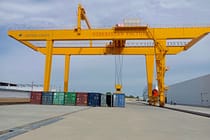
Gru portuali: per la movimentazione di container e materiali sfusi
-
Gru a ponte per l'industria petrolifera e del gas: migliorare l'efficienza operativa
-
Gru a ponte per l'industria automobilistica: soluzioni di automazione efficienti
-
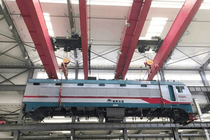
Soluzioni per gru a ponte per ferrovie: posa binari, manutenzione del materiale rotabile e movimentazione container
-
Gru a ponte per alimenti e bevande: soluzioni affidabili per una movimentazione efficiente
-
Gru a ponte per la produzione efficiente di cemento, vetro, mattoni e calcestruzzo prefabbricato
-
Gru a ponte per l'industria aeronautica: manutenzione e assemblaggio di aeromobili
-
Gru a ponte aerospaziali: sollevamento di precisione per il lancio e il trasporto di razzi
-
-
Prodotti
-
Gru a ponte
-
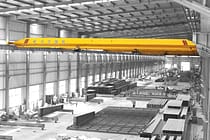
Gru a ponte monotrave
-
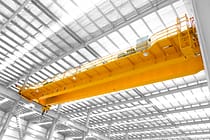
Gru a ponte bitrave
-
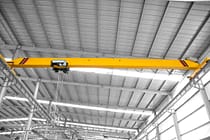
Gru a ponte monotrave di tipo europeo
-
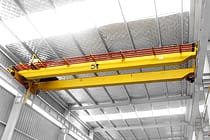
Gru a ponte a doppia trave di tipo europeo
-
Gru a ponte antideflagranti
-
Grab E Carroponti Magnetici
-
Gru monorotaia
-
Gru a ponte per fonderia
-
Gru a ponte per isolamento
-
Gru a ponte a bassa altezza
-
Afferrare le gru a ponte
-
Gru a ponte siviera
-
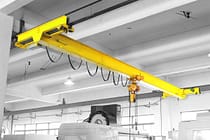
Gru a ponte sospese
-
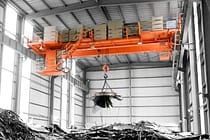
Gru a ponte elettromagnetiche
-
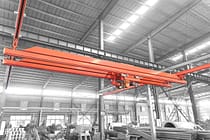
Gru da postazione di lavoro: design leggero, installazione semplice e funzionamento senza sforzo.
-
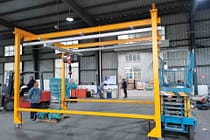
Gru a ponte per postazioni di lavoro autoportanti
-
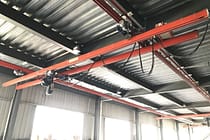
Gru a ponte montata a soffitto
-
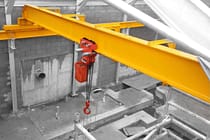
Gru a ponte manuali
-
-
Gru a cavalletto
-
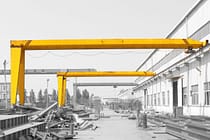
Gru a cavalletto semi
-
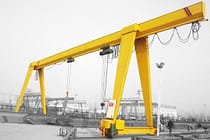
Gru a cavalletto monotrave
-
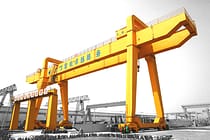
Gru a cavalletto a doppia trave
-
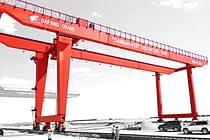
Gru a cavalletto per container
-
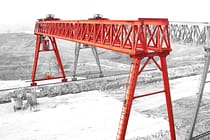
Gru a cavalletto a traliccio
-
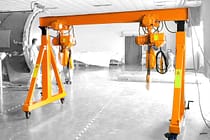
Gru a cavalletto regolabili
-
Gru a cavalletto portatili
-
Gru a cavalletto europee
-
Gru a cavalletto in alluminio
-
Gru a portale per container su pneumatici in gomma
-
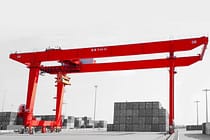
Gru a portale per container montate su rotaia
-
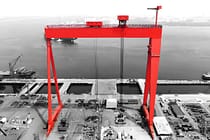
Gru a cavalletto per cantieri navali
-
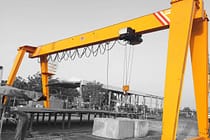
Gru a portale monotrave europee
-
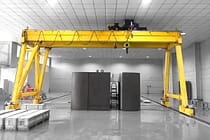
Gru a portale a doppia trave europee
-
-
Gru a bandiera
-
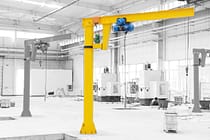
Gru a bandiera autoportanti
-
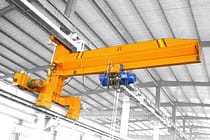
Gru a bandiera a parete mobile
-
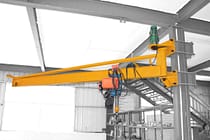
Gru a bandiera a parete
-
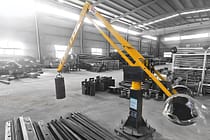
Gru a braccio di bilanciamento
-
Gru a bandiera elettriche autoportanti
-
Gru a bandiera manuali autoportanti
-
Gru a bandiera in alluminio
-
Gru a braccio articolato
-
Gru a braccio intelligenti
-
Gru a bandiera standard FEM
-
Gru a bandiera portatili
-
-
Gru speciali
-
Gru a portale portuale
-
Gru per camere bianche
-
Montacarichi mobili per barche
-
Gru a portale con scudo per perforazione tunnel
-
Carri a cavalcioni
-
Sistema di gestione dei segmenti
-
Gru di trasferimento con interblocco di zincatura
-
Gru di impilamento a blocchi di carbonio anodici
-
Gru a trasloelevatore
-
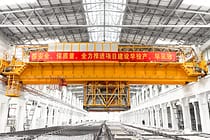
Gru a ponte in rame elettrolitico
-
- Paranchi elettrici
- Carrelli di trasferimento
-
Gru a ponte
-
Parti della gru
-
Secchielli di presa
-
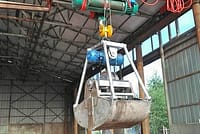
Benna elettrica in acciaio inossidabile
-
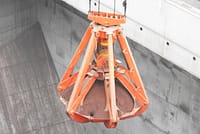
Pinze meccaniche a quattro corde per bucce d'arancia
-
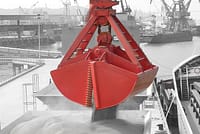
Benna con benna a quattro funi meccanica
-
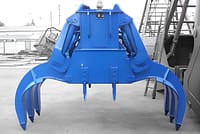
Pinze rettangolari elettroidrauliche
-
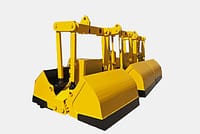
Benne mordenti elettroidrauliche
-
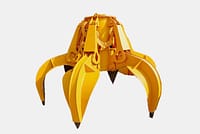
Pinze elettroidrauliche per bucce d'arancia, pinze idrauliche per cactus
-
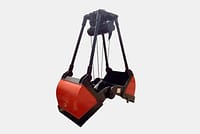
Pinza per motore elettrico
-
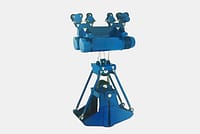
Benna con pinza elettrica monorotaia con paranco monorotaia
-
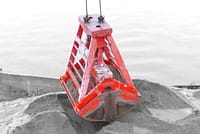
Pinze a conchiglia telecomandate
-
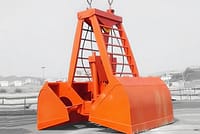
Pinze meccaniche a conchiglia con due funi
-
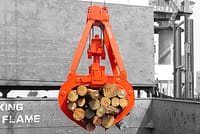
Pinze per legname
-
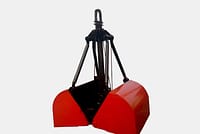
Benna con pinza a corda singola
-
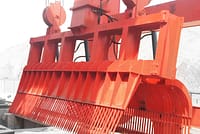
Macchine per la pulizia dei cestini della spazzatura
-
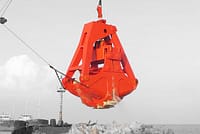
Pinze per dragaggio
-
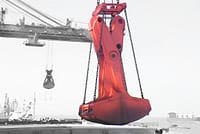
Pinze per rifinitura
-
- Spanditore per gru
-
Pezzi di ricambio per gru
-
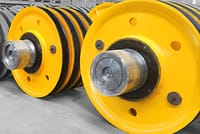
Pulegge per gru
-
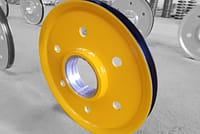
Pulegge per funi metalliche
-
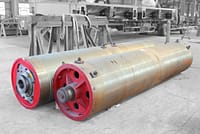
Tamburo della fune della gru
-
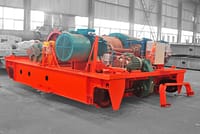
Carrello gru
-
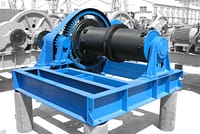
Argano elettrico
-
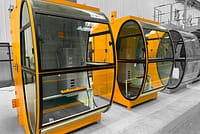
Cabina dell'operatore della gru
-
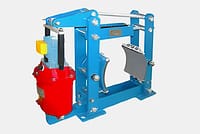
Freni per gru a ponte
-
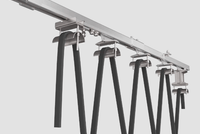
Cavi per gru a ponte
-
Guide per funi di gru a ponte
-
Conduttori per gru a ponte e linee di alimentazione elettrica
-
Rotaie della gru a ponte
-
Clip per rotaie della gru a ponte
-
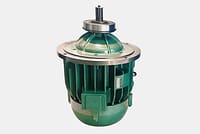
Motori per gru a ponte
-
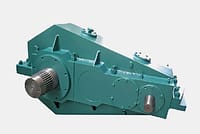
Riduttori per gru a ponte
-
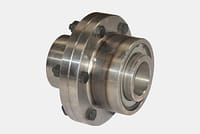
Giunti per gru a ponte
-
- Ruote della gru
-
Secchielli di presa
- Azienda
- Contatto
-
Industrie
-
Produzione generale
-
Gestione dei rifiuti
-
Prefabbricato
-
Energia
-
Calcolo
-
Fabbricazione della carta
-
Produzione di metallo
-
Costruzione di ponti
-
Gru portuali: per la movimentazione di container e materiali sfusi
-
Gru a ponte per l'industria petrolifera e del gas: migliorare l'efficienza operativa
-
Gru a ponte per l'industria automobilistica: soluzioni di automazione efficienti
-
Soluzioni per gru a ponte per ferrovie: posa binari, manutenzione del materiale rotabile e movimentazione container
-
Gru a ponte per alimenti e bevande: soluzioni affidabili per una movimentazione efficiente
-
Gru a ponte per la produzione efficiente di cemento, vetro, mattoni e calcestruzzo prefabbricato
-
Gru a ponte per l'industria aeronautica: manutenzione e assemblaggio di aeromobili
-
Gru a ponte aerospaziali: sollevamento di precisione per il lancio e il trasporto di razzi
-
-
Prodotti
-
Gru a ponte
-
Gru a ponte monotrave
-
Gru a ponte bitrave
-
Gru a ponte monotrave di tipo europeo
-
Gru a ponte a doppia trave di tipo europeo
-
Gru a ponte antideflagranti
-
Grab E Carroponti Magnetici
-
Gru monorotaia
-
Gru a ponte per fonderia
-
Gru a ponte per isolamento
-
Gru a ponte a bassa altezza
-
Afferrare le gru a ponte
-
Gru a ponte siviera
-
Gru a ponte sospese
-
Gru a ponte elettromagnetiche
-
Gru da postazione di lavoro: design leggero, installazione semplice e funzionamento senza sforzo.
-
Gru a ponte per postazioni di lavoro autoportanti
-
Gru a ponte montata a soffitto
-
Gru a ponte manuali
-
-
Gru a cavalletto
-
Gru a cavalletto semi
-
Gru a cavalletto monotrave
-
Gru a cavalletto a doppia trave
-
Gru a cavalletto per container
-
Gru a cavalletto a traliccio
-
Gru a cavalletto regolabili
-
Gru a cavalletto portatili
-
Gru a cavalletto europee
-
Gru a cavalletto in alluminio
-
Gru a portale per container su pneumatici in gomma
-
Gru a portale per container montate su rotaia
-
Gru a cavalletto per cantieri navali
-
Gru a portale monotrave europee
-
Gru a portale a doppia trave europee
-
-
Gru a bandiera
-
Gru a bandiera autoportanti
-
Gru a bandiera a parete mobile
-
Gru a bandiera a parete
-
Gru a braccio di bilanciamento
-
Gru a bandiera elettriche autoportanti
-
Gru a bandiera manuali autoportanti
-
Gru a bandiera in alluminio
-
Gru a braccio articolato
-
Gru a braccio intelligenti
-
Gru a bandiera standard FEM
-
Gru a bandiera portatili
-
-
Gru speciali
-
Gru a portale portuale
-
Gru per camere bianche
-
Montacarichi mobili per barche
-
Gru a portale con scudo per perforazione tunnel
-
Carri a cavalcioni
-
Sistema di gestione dei segmenti
-
Gru di trasferimento con interblocco di zincatura
-
Gru di impilamento a blocchi di carbonio anodici
-
Gru a trasloelevatore
-
Gru a ponte in rame elettrolitico
-
- Paranchi elettrici
- Carrelli di trasferimento
-
Gru a ponte
-
Parti della gru
-
Secchielli di presa
-
Benna elettrica in acciaio inossidabile
-
Pinze meccaniche a quattro corde per bucce d'arancia
-
Benna con benna a quattro funi meccanica
-
Pinze rettangolari elettroidrauliche
-
Benne mordenti elettroidrauliche
-
Pinze elettroidrauliche per bucce d'arancia, pinze idrauliche per cactus
-
Pinza per motore elettrico
-
Benna con pinza elettrica monorotaia con paranco monorotaia
-
Pinze a conchiglia telecomandate
-
Pinze meccaniche a conchiglia con due funi
-
Pinze per legname
-
Benna con pinza a corda singola
-
Macchine per la pulizia dei cestini della spazzatura
-
Pinze per dragaggio
-
Pinze per rifinitura
-
- Spanditore per gru
-
Pezzi di ricambio per gru
-
Pulegge per gru
-
Pulegge per funi metalliche
-
Tamburo della fune della gru
-
Carrello gru
-
Argano elettrico
-
Cabina dell'operatore della gru
-
Freni per gru a ponte
-
Cavi per gru a ponte
-
Guide per funi di gru a ponte
-
Conduttori per gru a ponte e linee di alimentazione elettrica
-
Rotaie della gru a ponte
-
Clip per rotaie della gru a ponte
-
Motori per gru a ponte
-
Riduttori per gru a ponte
-
Giunti per gru a ponte
-
- Ruote della gru
-
Secchielli di presa
- Azienda
- Contatto



10T Double Girder Overhead Crane for Kazakhstan: Adapted to an Existing Workshop
Sommario
We supplied a QDX 10t double girder overhead crane for a customer in Kazakhstan, with a span of 16.5 m and a lifting height of 9 m. The crane was designed for an existing workshop, so the configuration had to fit the available installation space while accommodating a shared conductor bar power supply and a compatible current collector for the customer’s existing 20t crane. We considered the workshop layout, crane configuration, and power supply components together.
Customer Requirements: Adding a 10T Overhead Crane to an Existing Workshop
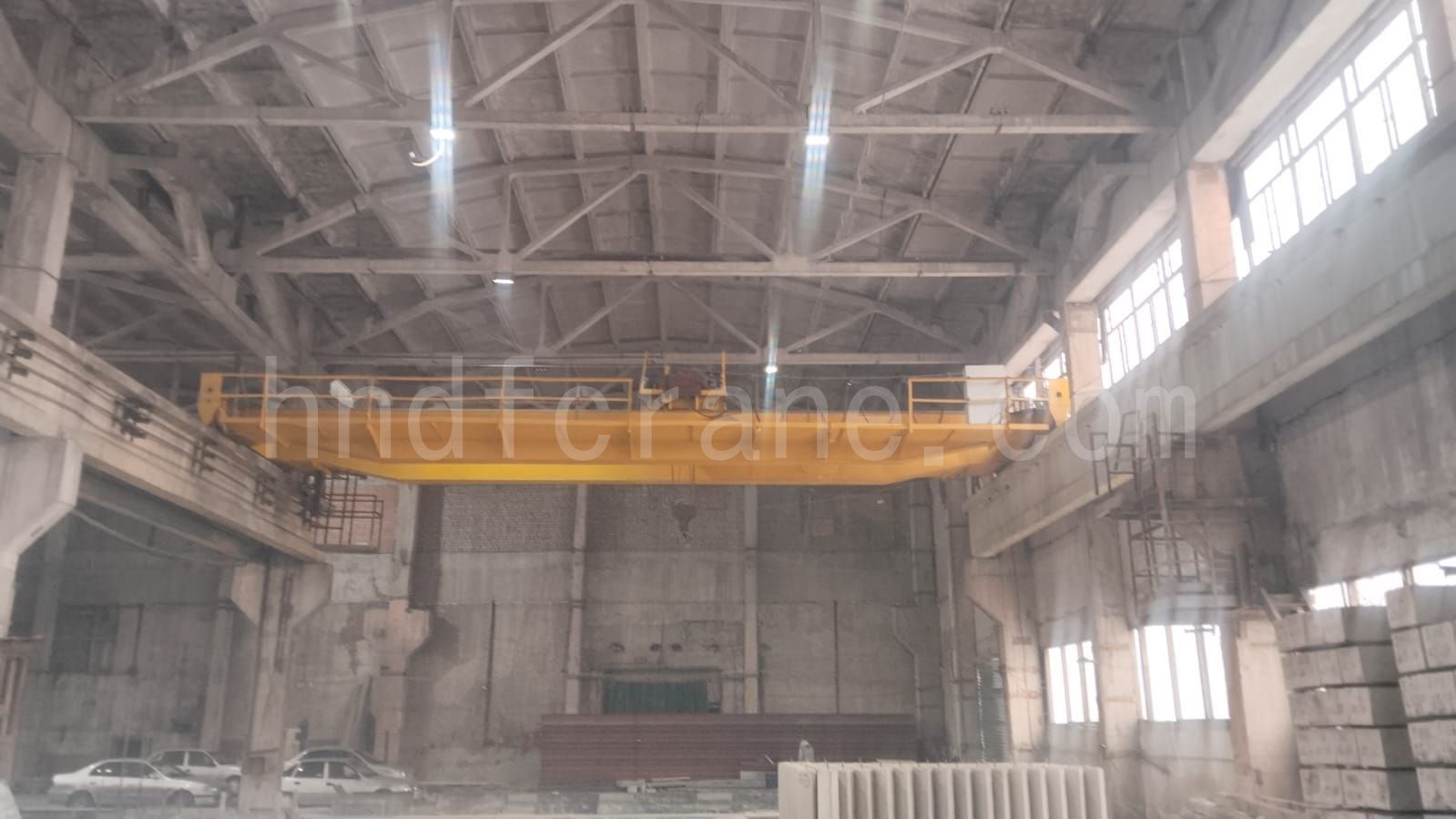
The customer needed to add a 10t carroponte bitrave to a workshop that already had lifting equipment. The new crane’s span, overall dimensions, and operating envelope had to suit the site. Crane selection therefore required both confirmation of the lifting requirements and checks of the runway and available space on both sides of the workshop.
The main equipment requirements were:
- Rated lifting capacity: 10 tonnes
- Span: 16.5 m
- Lifting height: 9 m
- Duty classification: A6
- Operation: remote control
- Power supply: 380 V, 50 Hz, three-phase
The new 10-ton crane and the existing 20-ton crane needed to share a conductor bar power supply. This meant that the existing crane’s power pickup interface also had to be considered, particularly its current collector arrangement.
The crane dimensions, operating parameters, control method, and shared power requirements all needed to be reflected in the final equipment configuration.
Our Solution: 10T Double Girder Overhead Crane with Coordinated Power Supply Components
Arranging the Bridge and Travel Mechanisms to Fit the Existing Workshop
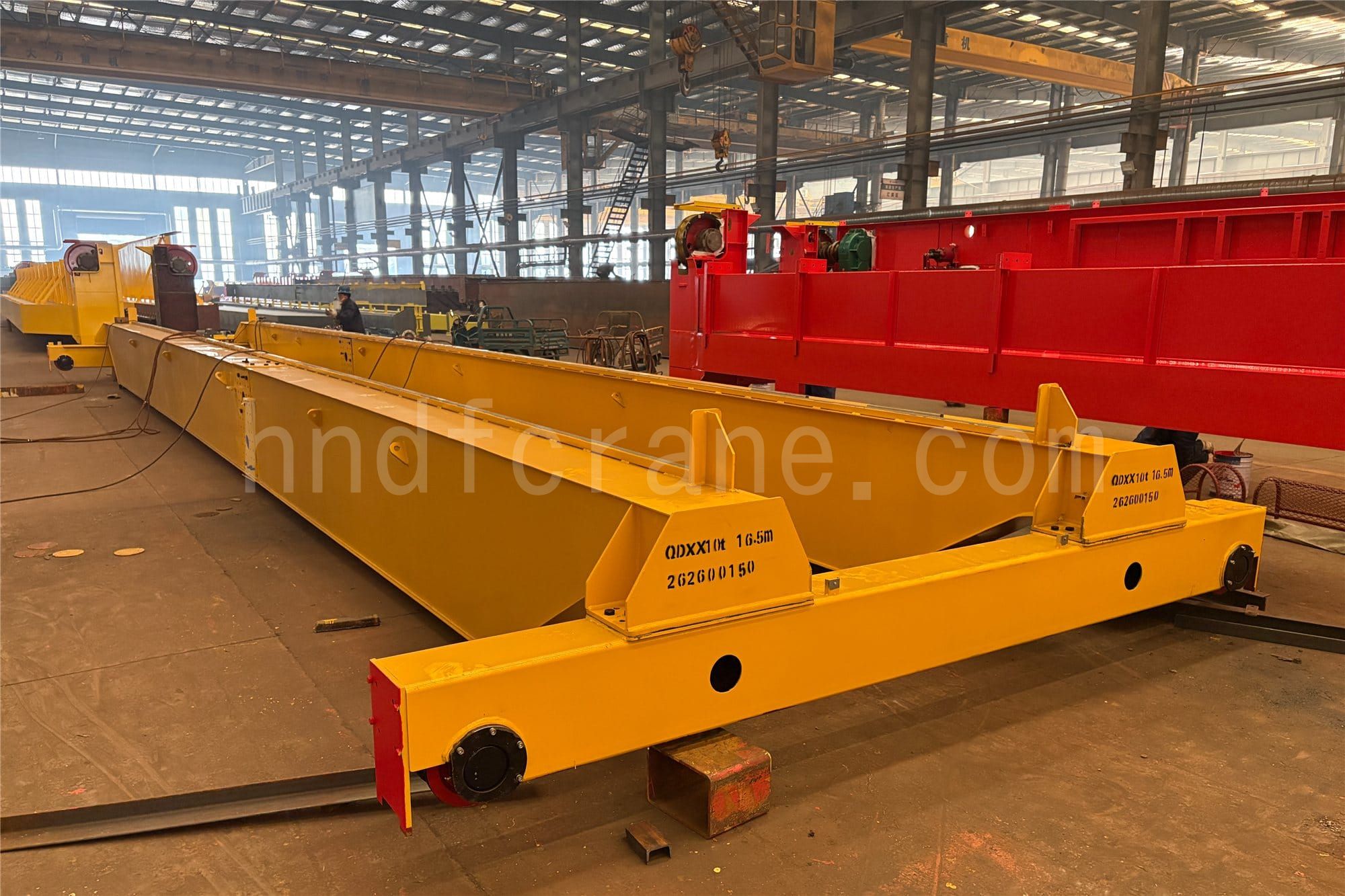
The workshop and installation space were already defined, so the new crane had to fit those conditions. We specified a 16.5 m span to match the required runway rail center distance and arranged the bridge travel mechanisms accordingly. We also considered the overall dimensions of the bridge, end carriages, and associated structures to define the clearances required between the crane ends and the workshop boundaries.
Matching the available space involves more than checking the span. The space occupied by the end carriages and travel mechanisms, together with the position of the walkway relative to the bridge, also affects the installation layout. Our design coordinated these structures and defined the space required on each side so that the customer could check the installation position and operating envelope against the crane’s overall dimensions.
In the vertical direction, the crane was configured for the required 9 m lifting height. The trolley position on the bridge and the upper structural envelope were also defined. Lifting height describes the hook’s vertical working range, while the upper structure determines the headroom needed in the workshop; both conditions must be checked together.
10-Ton Lifting Capacity with Variable-Speed Drives and Remote Control
We selected a QDX double girder overhead crane and configured its capacity, span, lifting height, and duty classification to the customer’s requirements. The mechanism speeds and electrical parameters were specified as follows:
- Hoisting speed: 0.73–7.3 m/min
- Trolley travel speed: 2.6–26 m/min
- Bridge travel speed: 4.5–45 m/min
- Crane power supply: 380 V, 50 Hz, three-phase
- Control voltage: 48 V
Low speeds can be used for adjustments during lifting, lowering, and final positioning. During load transfer, the appropriate speed can be selected according to site conditions, balancing positioning control with handling efficiency.
Remote control allows the operator to choose a suitable observation point within the permitted operating area, taking account of the load position and available access routes.
Shared Conductor Bars and a Current Collector for the Existing 20-Ton Crane
The customer required the new 10-ton crane and the existing 20-ton crane to share one conductor bar system. We supplied a 140 m long conductor bar system rated at 400 A to provide power along the travel route. The equipment power figures considered for this arrangement were 19.1 kW for the 10-ton crane and 36 kW for the existing 20-ton crane.
In addition to the conductor bars, we supplied one current collector set for the existing 20-ton crane. The conductor bars form the power supply line along the runway, while the current collector is mounted on the crane and draws power as the crane moves. Supplying them together addressed both the new crane’s power supply and the existing crane’s required power pickup components within the same scope of supply.
Protective Packaging Suited to Each Component
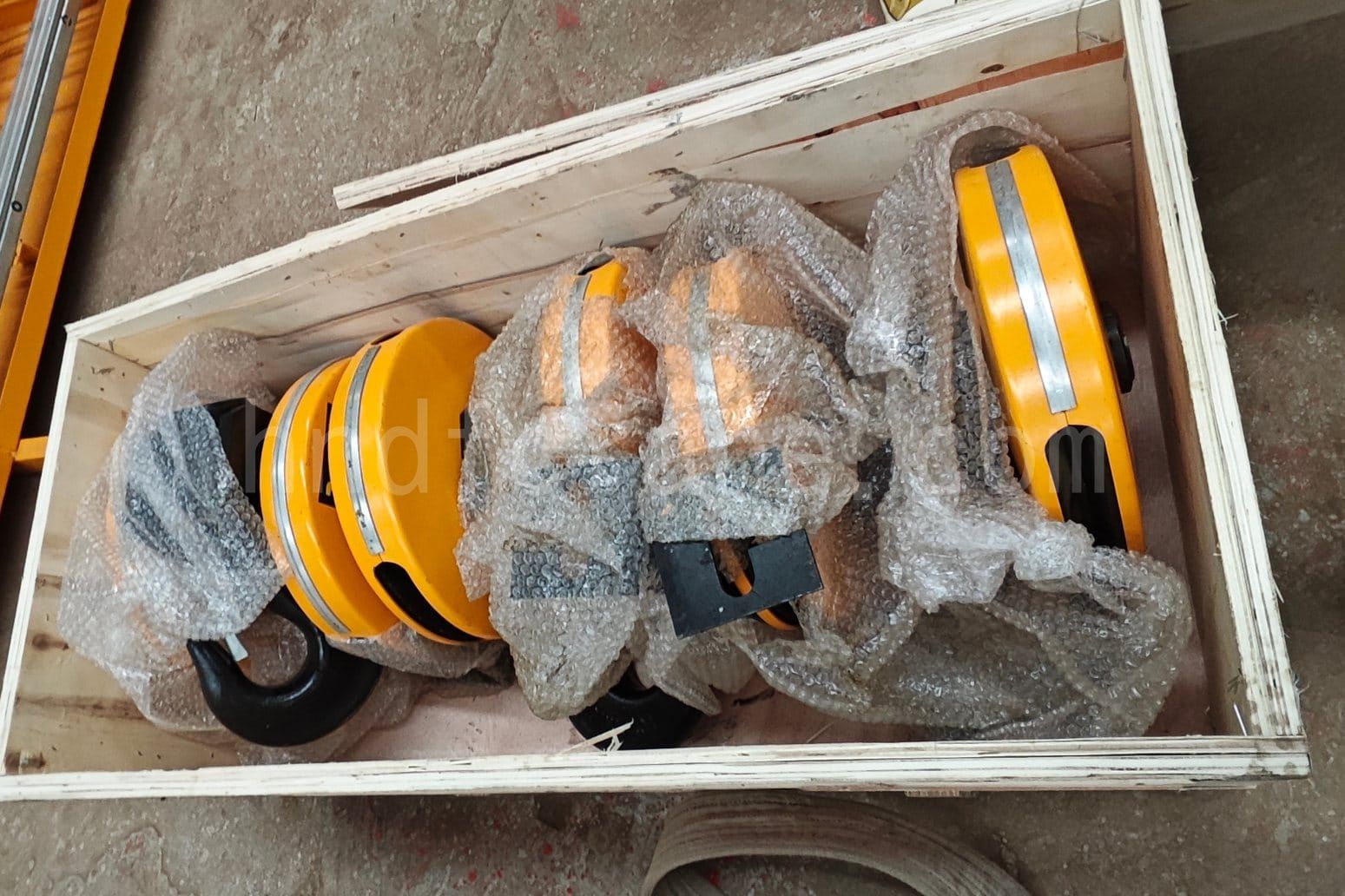
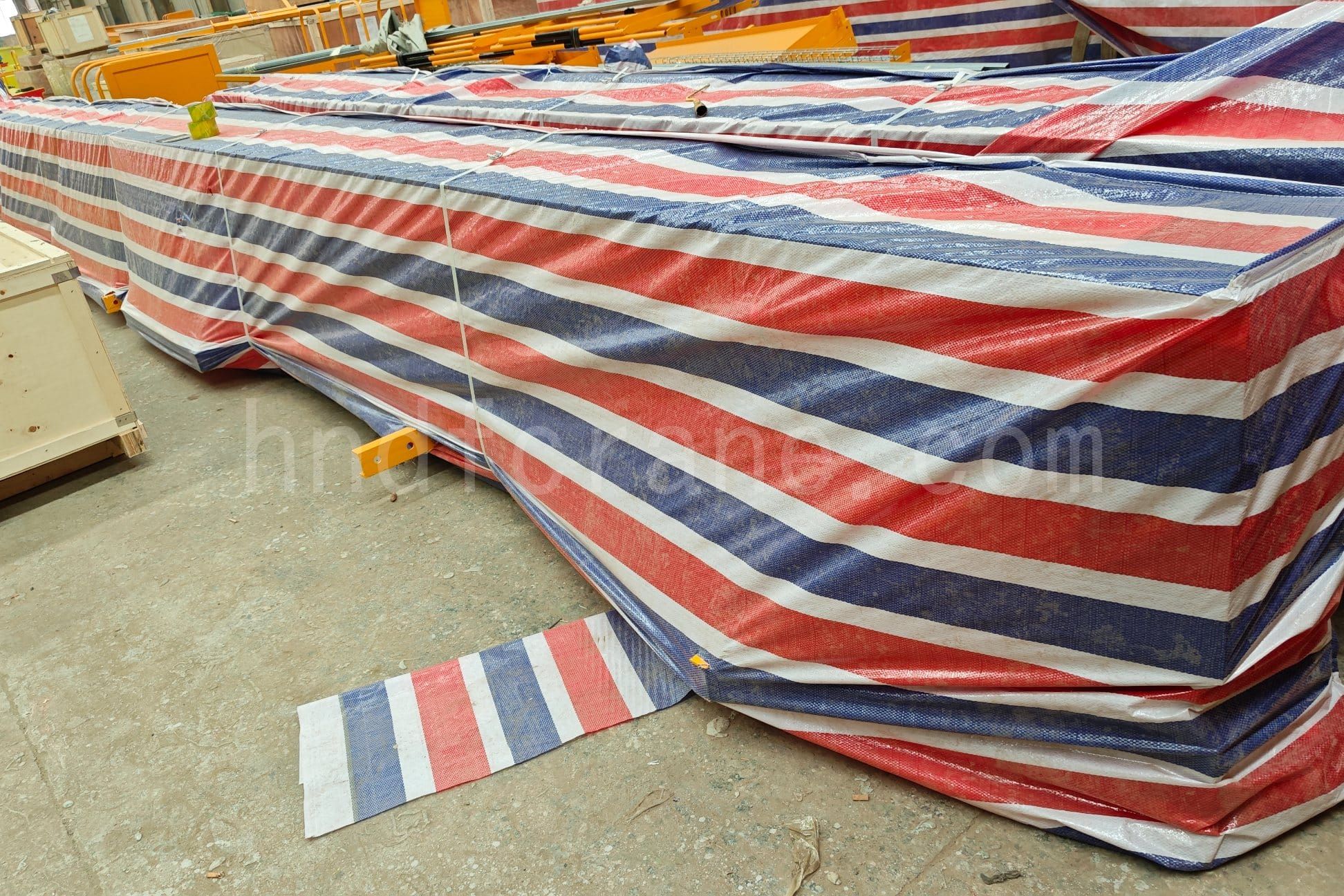
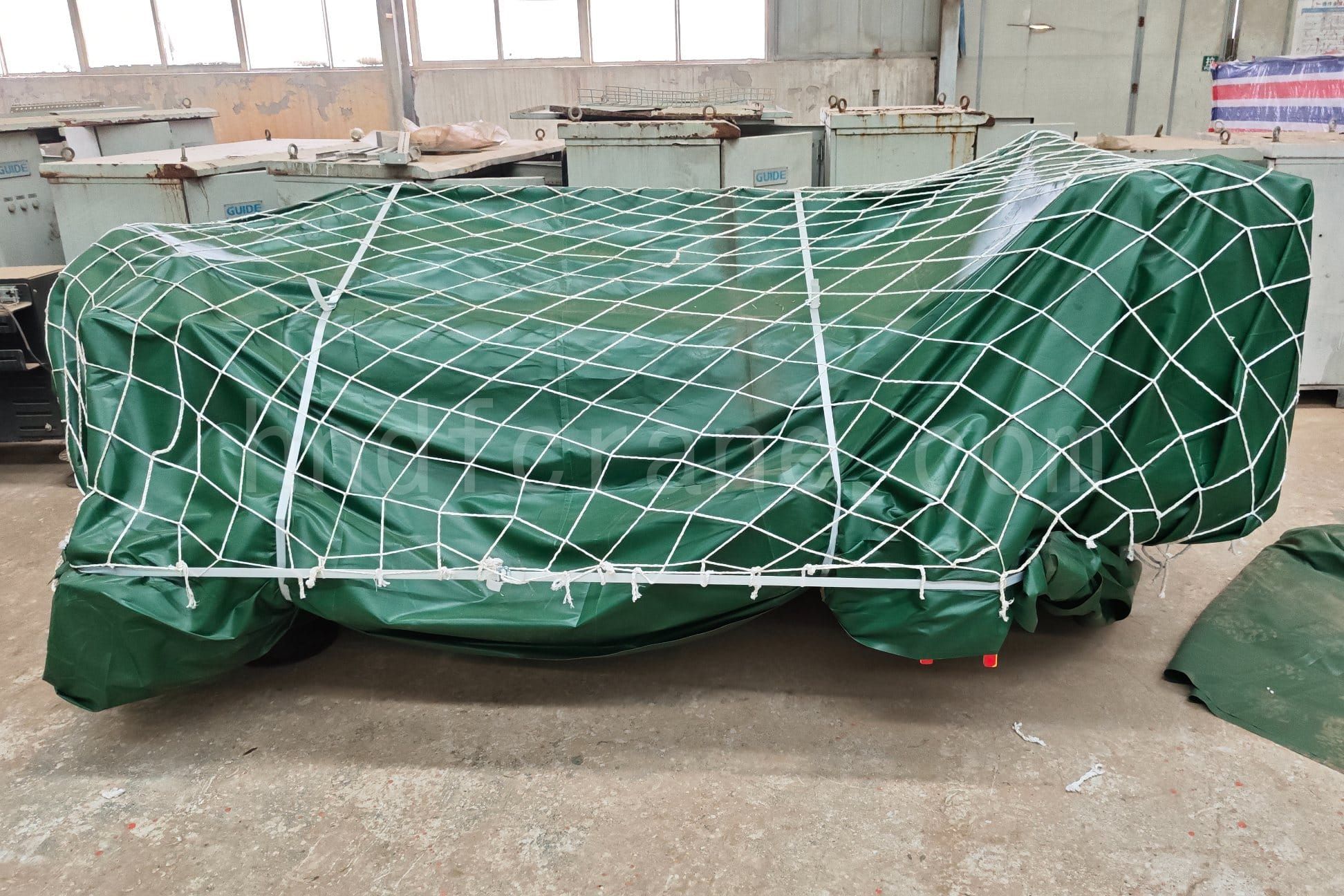
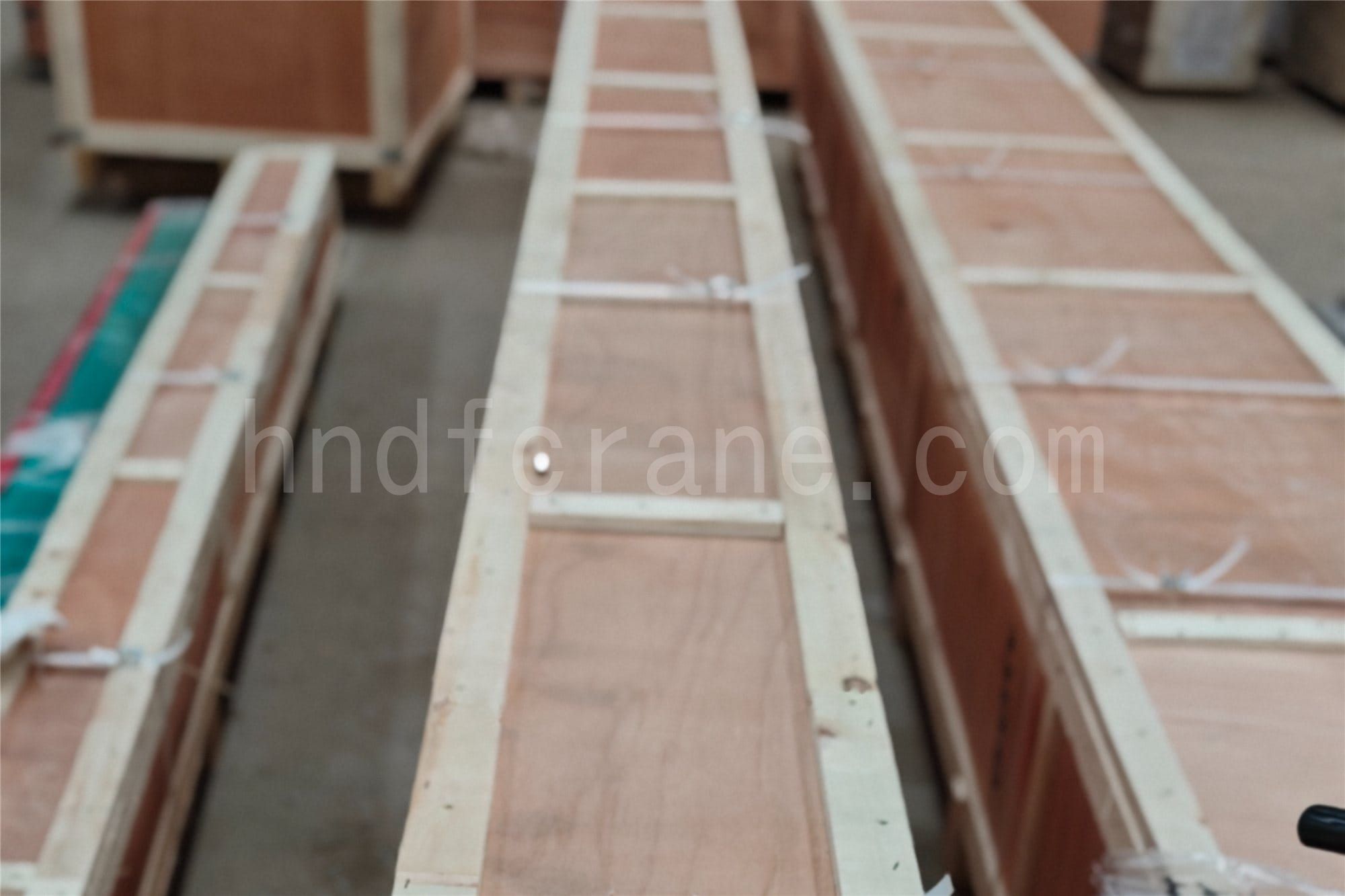
Production and assembly covered the bridge, end carriages, and travel mechanisms. Packaging protection was selected according to the shape of each component: long structural members were wrapped in tarpaulins and secured with straps; selected mechanisms received protective covers; hooks were wrapped in cushioning material and placed in wooden crates; and other accessories were packed in appropriately sized wooden crates.
Planning an Additional Crane for Your Workshop?
This Kazakhstan project combined a 10t double girder overhead crane with its power supply components. Alongside the 16.5 m span and 9 m lifting height, the supply also included a current collector set for the existing 20t crane.
If you are planning to add an overhead crane to your workshop, send us the workshop dimensions, runway information, existing equipment specifications, and power supply conditions. Together with the materials to be handled, typical loads, and operating frequency, these details help us define the crane selection and the required scope of supply.

Sono Cindy, con 10 anni di esperienza lavorativa nel settore delle gru e un bagaglio di conoscenze professionali accumulato. Ho scelto le gru soddisfacenti per oltre 500 clienti. Se hai esigenze o domande sulle gru, non esitare a contattarmi, userò la mia competenza ed esperienza pratica per aiutarti a risolvere il problema!
Invia la tua richiesta
- E-mail: sales@hndfcrane.com
- WhatsApp: +86 191 3738 6654
- Telegramma: +86 191 3738 6654
- Tel: +86-373-581 8299
- Fax: +86-373-215 7000
- Aggiungi: distretto industriale di Changnao, città di Xinxiang, provincia di Henan, Cina
 WeChat
- Gru a ponte
- Gru a ponte bitrave
- Gru a ponte monotrave
- Gru a ponte monotrave di tipo europeo
- Gru a ponte antideflagranti
- Grab E Carroponti Magnetici
- Gru monorotaia
- Gru a ponte per fonderia
- Gru da postazione di lavoro: design leggero, installazione semplice e funzionamento senza sforzo.
- Gru a bandiera
- Gru a bandiera a parete
- Gru a bandiera a parete mobile
- Gru a bandiera autoportanti
- Gru a braccio in alluminio: braccio rotante leggero e scorrevole per un sollevamento facile
- Gru a braccio bilanciato: sollevamento leggero ed efficiente per assemblaggi meccanici su brevi distanze
- Gru a bandiera manuali autoportanti: soluzioni di sollevamento manuale efficienti per operazioni in spazi limitati
- Gru a bandiera elettriche autoportanti: soluzione completamente elettrica per sollevamenti rapidi ad alta capacità
- Gru a braccio articolato: sollevamento di precisione con flessibilità a doppio braccio
- Gru a cavalletto
- Gru a cavalletto a doppia trave
- Gru a cavalletto semi
- Gru a cavalletto monotrave
- Gru a cavalletto a traliccio
- Gru a cavalletto per container
- Gru a cavalletto regolabili
- Gru a cavalletto portatili
- Gru a cavalletto europee
- Industrie
- Produzione generale
- Gestione dei rifiuti
- Prefabbricato
- Energia
- Calcolo
- Fabbricazione della carta
- Produzione di metallo
- Costruzione di ponti
- Gru portuali: per la movimentazione di container e materiali sfusi
- Gru a ponte per l'industria petrolifera e del gas: migliorare l'efficienza operativa
- Gru a ponte per l'industria automobilistica: soluzioni di automazione efficienti
- Soluzioni per gru a ponte per ferrovie: posa binari, manutenzione del materiale rotabile e movimentazione container
- Paranchi elettrici
- Paranchi elettrici a fune
- Paranchi elettrici a catena
- Paranchi elettrici di tipo europeo
- Paranchi elettrici a catena europei: funzionamento regolare, bassa rumorosità ed efficienza energetica
- Paranchi manuali a leva: ideali per attività di trazione e sollevamento
- Paranchi a catena manuali: sollevamento manuale per aree senza corrente elettrica
- Paranchi elettrici a bassa altezza: design compatto per la massima efficienza dello spazio
- Paranchi pneumatici a catena: movimentazione fluida per uso industriale
- Paranchi manuali a catena antideflagranti: costruzione in lega di rame antiscintilla per aree pericolose
- Paranchi elettrici a catena antideflagranti per sollevamento in aree pericolose
- Parti della gru
- Pulegge per funi metalliche
- Carrello gru
- Benne a benna per gru
- Pinze di sollevamento per gru
- Cabine personalizzabili per operatori di gru: maggiore comfort e protezione
- Freni della gru a ponte: essenziali per operazioni sicure
- Cavi per gru a ponte: soluzioni di alimentazione mobile affidabili
- Di
- Casi
- Notizia
- Domande frequenti
- Scaricamento
- Blog
- Strumenti di calcolo del carico delle ruote della gru online
- Panorama VR
- Contattaci
- E-mail: sales@hndfcrane.com
- WhatsApp: +86 191 3738 6654
- Telegramma: +86 191 3738 6654
- Tel: +86-373-581 8299
-