
-
الصناعات
-
التصنيع العام
-
معالجة النفايات
-
مسبقة الصنع
-
قوة
-
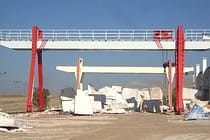
حجر
-
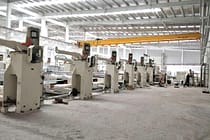
صناعة الورق
-
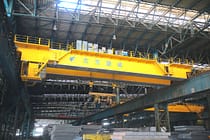
انتاج المعادن
-
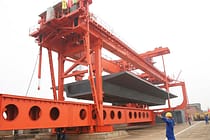
بناء الجسر
-
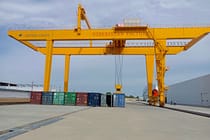
رافعات الموانئ: لمناولة الحاويات والمواد السائبة
-
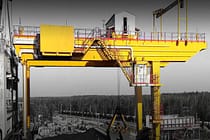
الرافعات العلوية لصناعة البترول والغاز: تعزيز الكفاءة التشغيلية
-
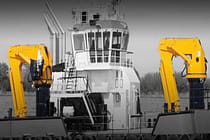
الرافعات البحرية لتحميل البضائع بكفاءة على السفن
-
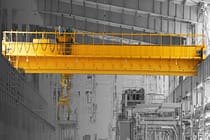
الرافعات العلوية لصناعة السيارات: حلول أتمتة فعّالة
-
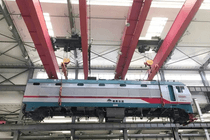
حلول الرافعات العلوية للسكك الحديدية: وضع المسارات، وصيانة المركبات المتحركة، ومناولة الحاويات
-
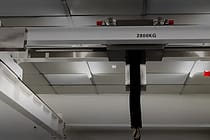
الرافعات العلوية للأغذية والمشروبات: حلول موثوقة للتعامل الفعال
-
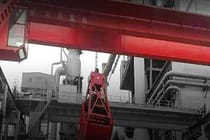
رافعات علوية لتصنيع الأسمنت والزجاج والطوب والخرسانة الجاهزة بكفاءة
-
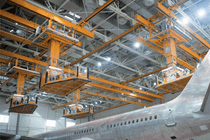
الرافعات العلوية لصناعة الطيران: صيانة وتجميع الطائرات
-
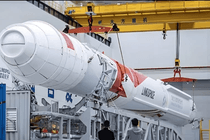
الرافعات العلوية في مجال الطيران والفضاء: رفع دقيق لإطلاق الصواريخ ونقلها
-
-
منتجات
-
الرافعات العلوية
-
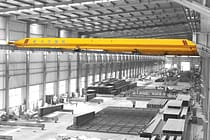
الرافعات العلوية ذات العارضة الواحدة
-
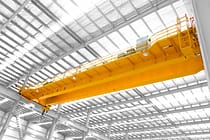
الرافعات العلوية ذات العارضة المزدوجة
-
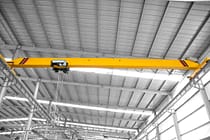
رافعات علوية أحادية العارضة من النوع الأوروبي
-
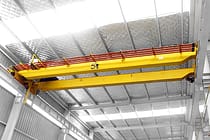
رافعات علوية مزدوجة العارضة من النوع الأوروبي
-
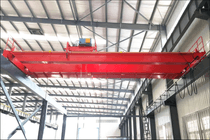
الرافعات العلوية المقاومة للانفجار
-
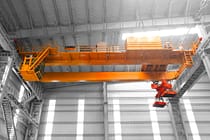
الرافعات العلوية المغناطيسية والإمساك
-
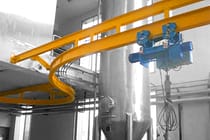
الرافعات أحادية السكة
-
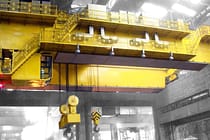
الرافعات العلوية مسبك
-
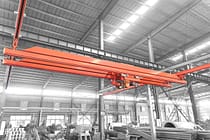
رافعات محطات العمل
-
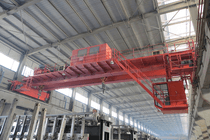
رافعات علوية معزولة
-
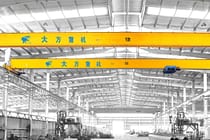
رافعات علوية ذات ارتفاع رأس منخفض
-
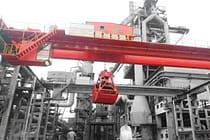
الاستيلاء على الرافعات العلوية
-
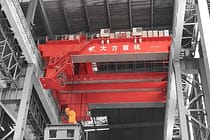
رافعات علوية مغرفة
-
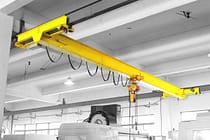
رافعات علوية معلقة
-
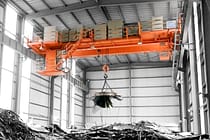
الرافعات الكهرومغناطيسية العلوية
-
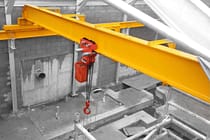
الرافعات العلوية اليدوية
-
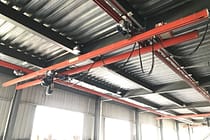
رافعة جسرية مثبتة على السقف
-
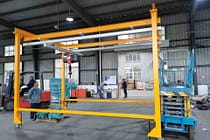
رافعات جسرية لمحطات العمل المستقلة
-
-
رافعات
-
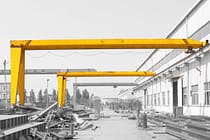
رافعات نصف قنطرية
-
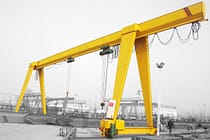
الرافعات الجسرية ذات العارضة الواحدة
-
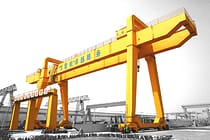
الرافعات الجسرية ذات العارضة المزدوجة
-
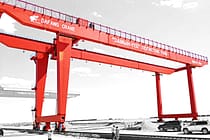
الرافعات الجسرية للحاويات
-
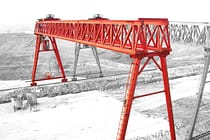
رافعات جسرية تروس
-
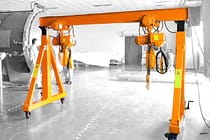
الرافعات الجسرية القابلة للتعديل
-
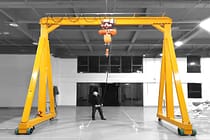
الرافعات الجسرية المحمولة
-
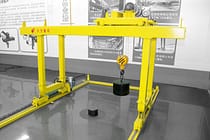
الرافعات الجسرية الأوروبية
-
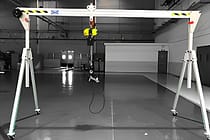
الرافعات الجسرية المصنوعة من الألومنيوم
-
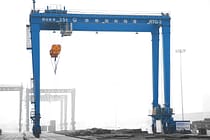
رافعات حاويات ذات إطارات مطاطية
-
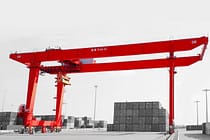
رافعات حاويات جسرية مثبتة على سكة حديدية
-
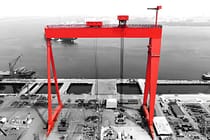
رافعة جسرية لحوض بناء السفن
-
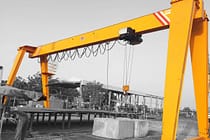
رافعات جسرية أوروبية أحادية العارضة
-
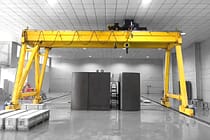
رافعات جسرية أوروبية مزدوجة العوارض
-
- الرافعات الجيب
- رافعات خاصة
- روافع كهربائية
- عربات النقل
-
الرافعات العلوية
-
قطع غيار رافعة
-
دلاء الاستيلاء
-
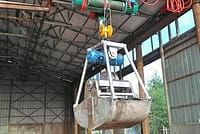
دلو كهربائي من الفولاذ المقاوم للصدأ
-
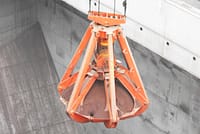
قابض ميكانيكي بأربعة حبال لقشر البرتقال
-
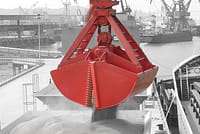
دلو ميكانيكي مزود بأربعة حبال صدفية
-
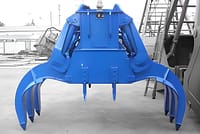
مقابض كهروهيدروليكية مستطيلة الشكل
-
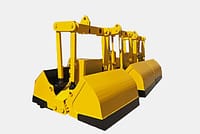
مقابض صدفية هيدروليكية كهربائية
-
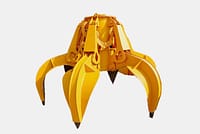
قابضات قشر البرتقال الكهربائية الهيدروليكية، قابضات الصبار الهيدروليكية
-
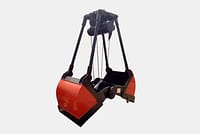
محرك كهربائي
-
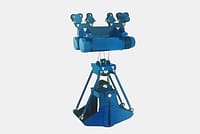
دلو كهربائي أحادي السكة مع رافعة أحادية السكة
-
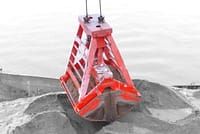
جهاز التحكم عن بعد بمقابض صدفية
-
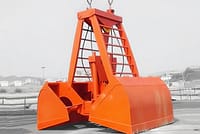
قابضات ميكانيكية ذات حبلين
-
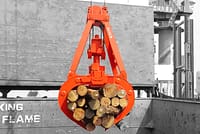
مسكات الأخشاب
-
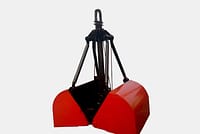
دلو حمل بحبل واحد
-
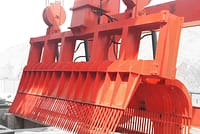
آلات تنظيف رفوف القمامة
-
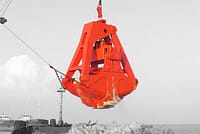
التجريف الاستيلاء
-
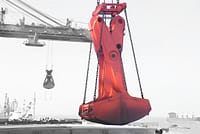
تقليم الاستيلاء
-
- ناشرة الرافعة
-
قطع غيار الرافعات
-
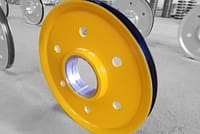
حزم حبل الأسلاك
-
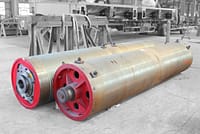
طبل حبل الرافعة
-
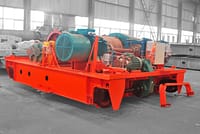
عربة كرين
-
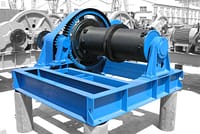
ونش كهربائي
-
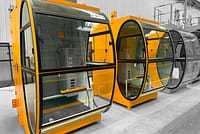
كابينة مشغل الرافعة
-
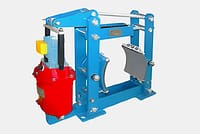
فرامل الرافعات العلوية
-
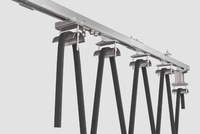
كابلات الرافعات العلوية
-
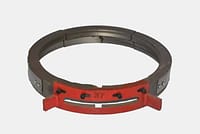
أدلة حبل الرافعة العلوية
-
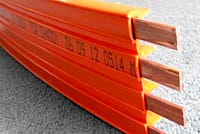
موصلات الرافعات العلوية وخطوط إمداد الطاقة
-
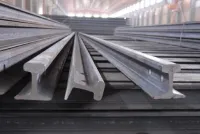
قضبان الرافعة العلوية
-
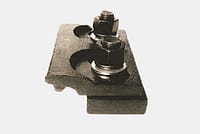
مشابك سكك الرافعة العلوية
-
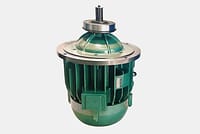
محركات الرافعات العلوية
-
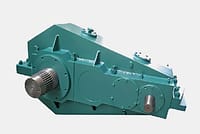
مخفضات الرافعات العلوية
-
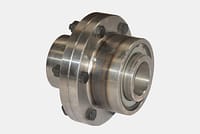
وصلات للرافعات العلوية
-
- عجلات الرافعة
-
دلاء الاستيلاء
- شركة
- اتصال

-
الصناعات
-
التصنيع العام
-
معالجة النفايات
-
مسبقة الصنع
-
قوة
-
حجر
-
صناعة الورق
-
انتاج المعادن
-
بناء الجسر
-
رافعات الموانئ: لمناولة الحاويات والمواد السائبة
-
الرافعات العلوية لصناعة البترول والغاز: تعزيز الكفاءة التشغيلية
-
الرافعات البحرية لتحميل البضائع بكفاءة على السفن
-
الرافعات العلوية لصناعة السيارات: حلول أتمتة فعّالة
-
حلول الرافعات العلوية للسكك الحديدية: وضع المسارات، وصيانة المركبات المتحركة، ومناولة الحاويات
-
الرافعات العلوية للأغذية والمشروبات: حلول موثوقة للتعامل الفعال
-
رافعات علوية لتصنيع الأسمنت والزجاج والطوب والخرسانة الجاهزة بكفاءة
-
الرافعات العلوية لصناعة الطيران: صيانة وتجميع الطائرات
-
الرافعات العلوية في مجال الطيران والفضاء: رفع دقيق لإطلاق الصواريخ ونقلها
-
-
منتجات
-
الرافعات العلوية
-
الرافعات العلوية ذات العارضة الواحدة
-
الرافعات العلوية ذات العارضة المزدوجة
-
رافعات علوية أحادية العارضة من النوع الأوروبي
-
رافعات علوية مزدوجة العارضة من النوع الأوروبي
-
الرافعات العلوية المقاومة للانفجار
-
الرافعات العلوية المغناطيسية والإمساك
-
الرافعات أحادية السكة
-
الرافعات العلوية مسبك
-
رافعات محطات العمل
-
رافعات علوية معزولة
-
رافعات علوية ذات ارتفاع رأس منخفض
-
الاستيلاء على الرافعات العلوية
-
رافعات علوية مغرفة
-
رافعات علوية معلقة
-
الرافعات الكهرومغناطيسية العلوية
-
الرافعات العلوية اليدوية
-
رافعة جسرية مثبتة على السقف
-
رافعات جسرية لمحطات العمل المستقلة
-
-
رافعات
-
رافعات نصف قنطرية
-
الرافعات الجسرية ذات العارضة الواحدة
-
الرافعات الجسرية ذات العارضة المزدوجة
-
الرافعات الجسرية للحاويات
-
رافعات جسرية تروس
-
الرافعات الجسرية القابلة للتعديل
-
الرافعات الجسرية المحمولة
-
الرافعات الجسرية الأوروبية
-
الرافعات الجسرية المصنوعة من الألومنيوم
-
رافعات حاويات ذات إطارات مطاطية
-
رافعات حاويات جسرية مثبتة على سكة حديدية
-
رافعة جسرية لحوض بناء السفن
-
رافعات جسرية أوروبية أحادية العارضة
-
رافعات جسرية أوروبية مزدوجة العوارض
-
- الرافعات الجيب
- رافعات خاصة
- روافع كهربائية
- عربات النقل
-
الرافعات العلوية
-
قطع غيار رافعة
-
دلاء الاستيلاء
-
دلو كهربائي من الفولاذ المقاوم للصدأ
-
قابض ميكانيكي بأربعة حبال لقشر البرتقال
-
دلو ميكانيكي مزود بأربعة حبال صدفية
-
مقابض كهروهيدروليكية مستطيلة الشكل
-
مقابض صدفية هيدروليكية كهربائية
-
قابضات قشر البرتقال الكهربائية الهيدروليكية، قابضات الصبار الهيدروليكية
-
محرك كهربائي
-
دلو كهربائي أحادي السكة مع رافعة أحادية السكة
-
جهاز التحكم عن بعد بمقابض صدفية
-
قابضات ميكانيكية ذات حبلين
-
مسكات الأخشاب
-
دلو حمل بحبل واحد
-
آلات تنظيف رفوف القمامة
-
التجريف الاستيلاء
-
تقليم الاستيلاء
-
- ناشرة الرافعة
-
قطع غيار الرافعات
-
حزم حبل الأسلاك
-
طبل حبل الرافعة
-
عربة كرين
-
ونش كهربائي
-
كابينة مشغل الرافعة
-
فرامل الرافعات العلوية
-
كابلات الرافعات العلوية
-
أدلة حبل الرافعة العلوية
-
موصلات الرافعات العلوية وخطوط إمداد الطاقة
-
قضبان الرافعة العلوية
-
مشابك سكك الرافعة العلوية
-
محركات الرافعات العلوية
-
مخفضات الرافعات العلوية
-
وصلات للرافعات العلوية
-
- عجلات الرافعة
-
دلاء الاستيلاء
- شركة
- اتصال



مقارنة بين الرافعات العلوية الجديدة والمستعملة: التكلفة والسلامة ودورة الحياة
جدول المحتويات
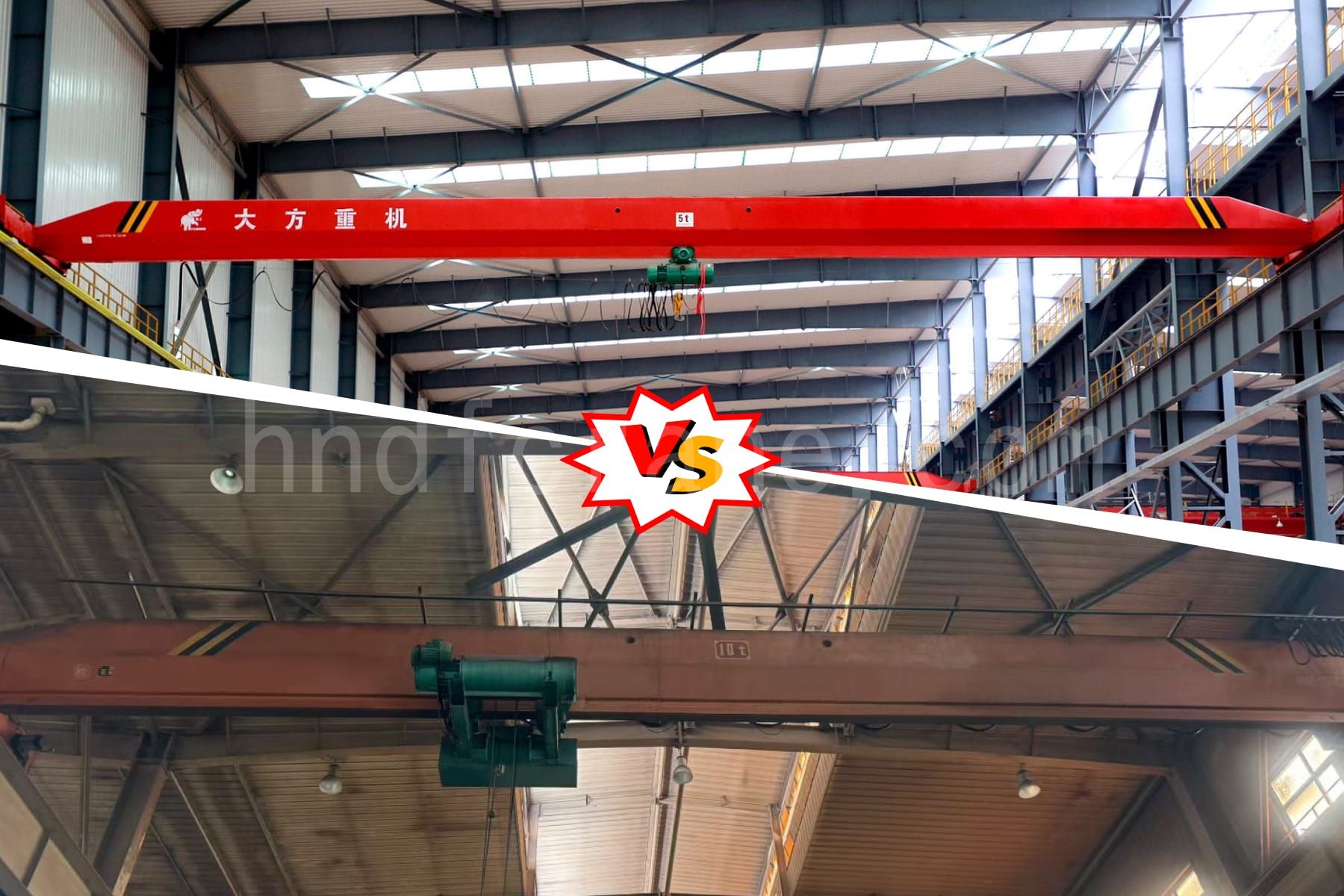
في مجال شراء الرافعات، لا يقتصر الفرق بين الرافعات "الجديدة" و"المستعملة" على العمر فحسب، بل هما حلان مختلفان تمامًا من حيث الحالة الفنية والمخاطر والإدارة. وتعتمد ملاءمتهما على مدى توافق المعدات مع التطبيق، وليس على المعدات نفسها.
تتمثل الميزة الرئيسية للرافعات المستعملة في تكلفتها المنخفضة. فمع مواصفات مماثلة، عادةً ما تكون الرافعات المستعملة أرخص من الجديدة بما يتراوح بين 40 و60 طنًا، مما يجعلها خيارًا جذابًا للمشاريع ذات الميزانيات المحدودة أو الجداول الزمنية القصيرة. ومع ذلك، غالبًا ما تعاني هذه الرافعات من قصور في الشفافية الفنية، وعمر الخدمة المتبقي، وإمكانية التنبؤ بأداء التشغيل، وخدمات ما بعد البيع، مما يستلزم فحصًا وصيانة أكثر دقة.
من منظور هندسي وتشغيلي، تقارن هذه المقالة بين الرافعات الجديدة والمستعملة عبر أربعة أبعاد: الميزانية، والسلامة والمتطلبات الفنية، وعمر الخدمة، ودعم ما بعد البيع، مما يوفر إرشادات لأنواع مختلفة من المشاريع والمؤسسات.
مقارنة سريعة: رافعة علوية جديدة مقابل رافعة علوية مستعملة
| عامل القرار | رافعة علوية جديدة | رافعة علوية مستعملة |
| السعر المبدئي | استثمار أولي أعلى | 40-60% سعر شراء أقل |
| التكلفة طويلة الأجل | يمكن التنبؤ به ومستقر | الوضع مماثل على المدى الطويل بسبب ارتفاع تكاليف الصيانة |
| السلامة والحالة الفنية | شفافية تقنية كاملة، تبدأ دورة حياة التصميم من الصفر | يعتمد الوضع على الاستخدام السابق؛ نسبة عدم اليقين أعلى |
| عمر الخدمة | العمر التصميمي الكامل (عادةً 15-20+ سنة) | العمر التشغيلي المتبقي فقط |
| الصيانة والدعم | دعم كامل من الشركة المصنعة، وسهولة الوصول إلى قطع الغيار | يعتمد ذلك على عمر الطراز ومصدره؛ وقد يختلف توافر قطع الغيار |
| المشاريع الأنسب | التشغيل المستمر طويل الأمد، ذو الأهمية البالغة للسلامة | تطبيقات قصيرة الأجل، مؤقتة، ومنخفضة المخاطر |
| متطلبات الإدارة | التشغيل والصيانة القياسيان | زيادة جهود التفتيش والمراقبة والإدارة |
مقارنة الأسعار: ميزة التكلفة الأولية للرافعات المستعملة
بالنسبة لرافعة علوية أحادية العارضة من نوع LD (سعة 10 أطنان، وامتداد 7.5 متر، وارتفاع رفع 9 أمتار)، فإن فرق السعر المبدئي بين المعدات الجديدة والمستعملة كبير.
- سعر الرافعة الجديدة: 3325 دولارًا أمريكيًا
- سعر الرافعة المستعملة: 1458 دولارًا أمريكيًا
يؤدي اختيار رافعة مستعملة بهذا التكوين عادةً إلى خفض التكلفة الأولية بما يقارب 50-60% مقارنة بالرافعة الجديدة.
نقطة رئيسية: تكمن الميزة الأساسية للرافعة العلوية المستعملة في سعر شرائها المنخفض بشكل ملحوظ، وهو ما يمكن أن يكون عاملاً حاسماً للمشاريع ذات الميزانية المحدودة أو قصيرة الأجل.
السلامة والحالة الفنية
توفر الرافعة العلوية الجديدة مستوى عالٍ من الشفافية التقنية. صُممت الرافعة بناءً على فئة تشغيل ودورة عمل محددتين، مع إتمام حسابات عمر الإجهاد في مرحلة التصميم. تبدأ المكونات الهيكلية، مثل العوارض والعربات الطرفية والوصلات الملحومة، عمرها التشغيلي من الصفر. تخضع آليات الرفع والفرامل وأجهزة السلامة لاختبارات المصنع قبل التسليم، ما يضمن معرفة حدود أدائها وظروف تشغيلها بدقة.
لا تُعدّ الرافعات العلوية المستعملة بالضرورة غير آمنة، لكن التحدي الرئيسي يكمن في عدم اليقين بشأن استخدامها السابق. فالأحمال الفعلية التي تمّت مناولتها، وتواتر الرفع، وظروف الصدمات، وجودة الصيانة خلال فترة خدمتها السابقة، لا يمكن إعادة بناء معلوماتها بالكامل، حتى مع الفحص والاختبار. ونتيجةً لذلك، يعتمد تقييم السلامة بشكل أكبر على عمق الفحص، والخبرة الهندسية، وقدرة المشتري على إدارة عدم اليقين.
من منظور هندسي عملي:
- بالنسبة للتطبيقات منخفضة المخاطر، حيث تكون الأحمال مستقرة ولدى الشركة إجراءات فحص ومراقبة وصيانة مناسبة، يمكن إدارة مخاطر السلامة للرافعة المستعملة بشكل فعال.
- بالنسبة للتطبيقات التي تتطلب سلامة بالغة الأهمية أو الإنتاج المستمر، مثل عمليات المناولة الثقيلة أو العمليات التي يكون فيها التوقف عن العمل والحوادث ذات عواقب وخيمة، يفضل المشترون عادةً رافعة جديدة نظرًا لحالتها الفنية الأكثر وضوحًا وانخفاض مستوى عدم اليقين فيها.
دورة الحياة: العمر التصميمي مقابل العمر المتبقي
يُعدّ العمر الافتراضي للرافعة العلوية عاملاً أساسياً في قرارات الشراء، لا سيما عند مقارنة المعدات الجديدة والمستعملة. ولا يكمن الفرق الرئيسي في قدرة الرافعة على العمل، بل في مقدار عمرها التشغيلي المتبقي.
يتم تسليم الرافعة العلوية الجديدة مع ضمان توفر كامل عمرها التشغيلي المصمم له. في ظل ظروف التشغيل العادية والصيانة الدورية، صُممت الرافعة العلوية النموذجية للعمل لمدة تتراوح بين 15 و20 عامًا أو أكثر، وذلك حسب فئة التشغيل وتكرار الاستخدام. وهذا ما يجعل الرافعات الجديدة مناسبة للمشاريع طويلة الأجل، والمنشآت الدائمة، والعمليات ذات الطلب الإنتاجي المستقر أو المتزايد.
على النقيض من ذلك، تكون الرافعات العلوية المستعملة قد استُهلكت بالفعل جزءًا من عمرها الافتراضي. حتى لو كانت الرافعة لا تزال في حالة تشغيل جيدة، فإن عمرها المتبقي أقصر، ويعتمد هذا العمر بشكل كبير على كيفية استخدامها وصيانتها وتحميلها سابقًا. على سبيل المثال، قد يكون للرافعة التي سبق تشغيلها في ظروف عمل شاقة أو بنظام الورديات المتعددة عمر متبقٍ أقل بكثير من تلك التي استُخدمت بشكل متقطع.
الصيانة والدعم: الخدمة، قطع الغيار، والدعم
تأتي الرافعات الجديدة عادةً مزودة بنظام دعم متكامل من الشركة المصنعة، يشمل رسومات المعدات والمواصفات الفنية وقوائم قطع الغيار وإجراءات الصيانة الموحدة. تتميز المكونات الرئيسية، مثل المحركات وعلب التروس والفرامل وأنظمة التحكم، بتصنيفات واضحة للطرازات، مع مسارات محددة جيدًا للصيانة والتحديثات والدعم الفني.
تعتمد إمكانية خدمات ما بعد البيع للرافعات المستعملة بشكل كبير على مصدرها وعمر تصنيعها. قد تواجه بعض المعدات صعوبات في الحصول على قطع الغيار أو الدعم الفني إذا توقف إنتاج بعض الطرازات، أو تم تعديل الأنظمة عدة مرات، أو تم استخدام تكوينات غير قياسية. أي عطل في المكونات الحيوية قد يؤدي إلى توقف غير متوقع للعمليات، مما يؤثر بشكل مباشر على استمرارية الإنتاج.
الاستنتاجات:
- متطلبات عالية لاستمرارية العمليات والاستجابة السريعة ← توفر الرافعات الجديدة ضمانًا أكبر
- امتلاك قدرات صيانة داخلية متطورة وقنوات قطع غيار متوفرة ← قد تكون الرافعات المستعملة مقبولة
ملخص الاختيار: كيفية اتخاذ القرار الصحيح
من منظور هندسي، يعكس الاختيار بين الرافعات الجديدة والمستعملة بشكل أساسي استراتيجية الاستخدام وتفضيل المخاطرة:
- تُعد الرافعات المستعملة مناسبة للتطبيقات ذات الميزانيات المحدودة، وفترات الخدمة المحددة، والمخاطر التي يمكن التحكم بها.
- تُعد الرافعات الجديدة أكثر ملاءمة للتشغيل طويل الأمد، ومتطلبات السلامة العالية، ومهام الإنتاج الحرجة.
ينبغي أن يستند قرار شراء الرافعة الرشيد إلى تقييم شامل لظروف التشغيل، وحجم العمل، ومتطلبات السلامة، وقدرات الصيانة، وليس إلى السعر فقط. فقط عندما تكون المعدات متوافقة تمامًا مع التطبيق، يمكن للرافعة أن تستمر في تقديم قيمة مضافة طوال دورة حياتها.

أنا سيندي، ولدي 10 سنوات من الخبرة العملية في صناعة الرافعات واكتسبت ثروة من المعرفة المهنية. لقد اخترت الرافعات المرضية لأكثر من 500 عميل. إذا كانت لديك أي احتياجات أو أسئلة حول الرافعات، فلا تتردد في الاتصال بي، وسأستخدم خبرتي وخبرتي العملية لمساعدتك في حل المشكلة!
أرسل استفسارك
- بريد إلكتروني: sales@hndfcrane.com
- واتساب: +86 191 3738 6654
- برقية: +86 191 3738 6654
- هاتف: +86-373-581 8299
- فاكس: +86-373-215 7000
- إضافة: منطقة Changnao الصناعية ، مدينة Xinxiang ، مقاطعة Henan ، الصين
 وي تشات
- الرافعات العلوية
- الرافعات الجسرية ذات العارضتين من الطراز الأوروبي: كفاءة عالية، وأمان، وموثوقية
- الرافعات العلوية ذات العارضة المزدوجة
- رافعات جسرية مستقلة لمحطات العمل: حلول رفع فعّالة للمرافق الصناعية الحديثة
- رافعة جسرية مثبتة على السقف: تصميم بدون أعمدة لتوفير مساحة أرضية خالية من العوائق
- الرافعات العلوية المعلقة: حل خفيف الوزن مثبت على مسار لورش العمل والمستودعات
- الرافعات العلوية الكهرومغناطيسية: حل فعال للتعامل مع الألواح والسبائك والخردة المعدنية
- رافعات علوية بمغرفة: حلول موثوقة للتعامل مع المعادن الساخنة لمصانع الصلب
- رافعة علوية: رفع عالي التحمل مع تحكم دقيق للمواد السائبة
- رافعة علوية ذات ارتفاع منخفض: حل فعال لتوفير المساحة
- الرافعات العلوية اليدوية: حلول فعّالة للبيئات التي تفتقر إلى الطاقة
- رافعات علوية معزولة QY سعة 5~50 طن لرفع آمن في البيئات الخطرة
- رافعات الغرف النظيفة
- رافعات محطات العمل
- الرافعات العلوية مسبك
- الرافعات أحادية السكة
- الرافعات العلوية المغناطيسية والإمساك
- الرافعات العلوية المقاومة للانفجار
- رافعات علوية أحادية العارضة من النوع الأوروبي
- الرافعات العلوية ذات العارضة الواحدة
- الرافعات الجيب
- رافعات الجيب المثبتة على الحائط
- رافعات جسرية متحركة على الحائط
- رافعات الجيب القائمة بذاتها
- رافعات ذراعية من الألومنيوم: خفيفة الوزن، ذراع دوارة ناعمة لسهولة الرفع
- رافعات ذراع التوازن: رفع خفيف وفعال للتجميع الميكانيكي لمسافات قصيرة
- رافعات ذراعية يدوية قائمة بذاتها: حلول رفع يدوية فعّالة للعمليات في المساحات المحدودة
- رافعات ذراع كهربائية قائمة بذاتها: حل كهربائي بالكامل لرفع سريع وعالي القدرة
- رافعات ذراع مفصلية: رفع دقيق مع مرونة الذراع المزدوجة
- رافعات ذراع ذكية: حلول عائمة ذكية مع رفع بدون جاذبية
- رافعات ذراع الجيب القياسية من FEM: أنظمة عالية الأداء مزودة برافعات أوروبية
- رافعات ذراع متحركة: حل قاعدة متحركة لمناطق عمل متعددة
- رافعات ذراع حرة قائمة بذاتها مزودة بقضيب ربط وعارضة على شكل حرف I: تصميم ثابت مدعوم بدعامة مثلثة
- رافعات ذراع قائمة بذاتها بقضيب ربط وعارضة على شكل حرف C: تدفق يدوي فائق السلاسة لمحطات العمل
- رافعات ذراع الرفع ذات المسار المغلق: أنظمة رفع محطات العمل ذات ذراع الرفع الشبكي
- رافعات
- الرافعات الجسرية ذات العارضة المزدوجة
- رافعات نصف قنطرية
- الرافعات الجسرية ذات العارضة الواحدة
- رافعات جسرية تروس
- الرافعات الجسرية للحاويات
- الرافعات الجسرية القابلة للتعديل
- الرافعات الجسرية المحمولة
- الرافعات الجسرية الأوروبية
- رافعات جسرية صغيرة من الألومنيوم: خفيفة الوزن وقابلة للحمل وقابلة للتخصيص لرفع عالي الكفاءة
- رافعات حاويات متحركة بإطارات مطاطية سعة 35 طنًا للتعامل بكفاءة
- رافعات حاويات جسرية مثبتة على سكة حديدية من شركة RMG للتعامل بكفاءة
- رافعة جسرية لبناء السفن: تصميم الانقلاب الجوي يساعدك بسهولة على إنجاز تجميع الهيكل
- رافعات جسرية أوروبية مزدوجة العوارض: تصميم ونش أوروبي لرفع فعال
- رافعات جسرية أوروبية أحادية العارضة: تقنية أوروبية مبتكرة للتحميل والتفريغ في الهواء الطلق
- الصناعات
- قوة
- حجر
- بناء الجسر
- رافعات الموانئ: لمناولة الحاويات والمواد السائبة
- الرافعات العلوية في مجال الطيران والفضاء: رفع دقيق لإطلاق الصواريخ ونقلها
- الرافعات العلوية لصناعة الطيران: صيانة وتجميع الطائرات
- رافعات علوية لتصنيع الأسمنت والزجاج والطوب والخرسانة الجاهزة بكفاءة
- حلول الرافعات العلوية للسكك الحديدية: وضع المسارات، وصيانة المركبات المتحركة، ومناولة الحاويات
- الرافعات العلوية للأغذية والمشروبات: حلول موثوقة للتعامل الفعال
- الرافعات العلوية لصناعة السيارات: حلول أتمتة فعّالة
- الرافعات البحرية لتحميل البضائع بكفاءة على السفن
- الرافعات العلوية لصناعة البترول والغاز: تعزيز الكفاءة التشغيلية
- التصنيع العام
- انتاج المعادن
- صناعة الورق
- مسبقة الصنع
- معالجة النفايات
- روافع كهربائية
- رافعات حبل الأسلاك الكهربائية
- الرافعات الكهربائية
- رافعات كهربائية من النوع الأوروبي
- الرافعات الكهربائية الأوروبية: تشغيل سلس، وانخفاض الضوضاء، وكفاءة الطاقة
- رافعات يدوية: مثالية لمهام السحب والرفع
- رافعات سلسلة يدوية: رفع يدوي للمناطق التي لا تتوفر فيها الطاقة
- رافعات كهربائية ذات ارتفاع منخفض: تصميم مضغوط لتحقيق أقصى قدر من كفاءة المساحة
- رافعات السلسلة الهوائية: التعامل السلس للاستخدام الصناعي
- رافعات سلسلة يدوية مقاومة للانفجار: مصنوعة من سبائك نحاسية مقاومة للشرر للمناطق الخطرة
- قطع غيار رافعة
- ونش ديزل للبيئات غير الكهربائية: قوة رفع وسحب عالية
- خطاف كرين
- عربة رفع مفتوحة: عربة رفع قابلة للتخصيص للرافعات العلوية والجسرية
- رافعة حبل سلكية كهربائية: نظام رفع مدمج للأماكن المحدودة
- رافعة الاحتكاك: حل احترافي لسحب السفن ورفع المناجم
- رافعة كهربائية بطيئة السرعة: رفع موثوق به للحمولات الثقيلة للتطبيقات الصناعية
- رافعة كهربائية صناعية عالية السرعة: سريعة وموثوقة وقابلة للتخصيص
- خطافات C للرافعة لرفع الملفات الفولاذية
- شرح مخفّضات الرافعات العلوية: أنواعها تناسب جميع احتياجات الرفع
- محركات الرافعات العلوية لتحسين كفاءة الرفع ودقته
- وصلات للرافعات العلوية
- اختيار مشابك سكك الرافعة العلوية بناءً على الحمل وظروف المسار
- حلول قضبان الرافعات العلوية لتحقيق الاستقرار والدقة الصناعية
- أدلة حبال الرافعات العلوية: تحسين كفاءة تشطيب حبال الأسلاك
- موصلات الرافعات العلوية وخطوط إمداد الطاقة: حلول إمداد طاقة موثوقة
- كابلات الرافعات العلوية: حلول طاقة متنقلة موثوقة
- فرامل الرافعات العلوية: ضرورية للعمليات الآمنة
- كابينة مشغل الرافعة القابلة للتخصيص: راحة وحماية معززة
- ملقط رفع الرافعة
- جرافات انتزاع الرافعة
- طبل حبل الرافعة
- ونش كهربائي
- عربة كرين
- حزم حبل الأسلاك
- عن
- حالات
- أخبار
- الأسئلة الشائعة
- تحميل
- المدونات
- أدوات حساب حمولة عجلات الرافعة عبر الإنترنت
- VR بانوراما
- اتصل بنا
- بريد إلكتروني: sales@hndfcrane.com
- واتساب: +86 191 3738 6654
- برقية: +86 191 3738 6654
- هاتف: +86-373-581 8299
-