












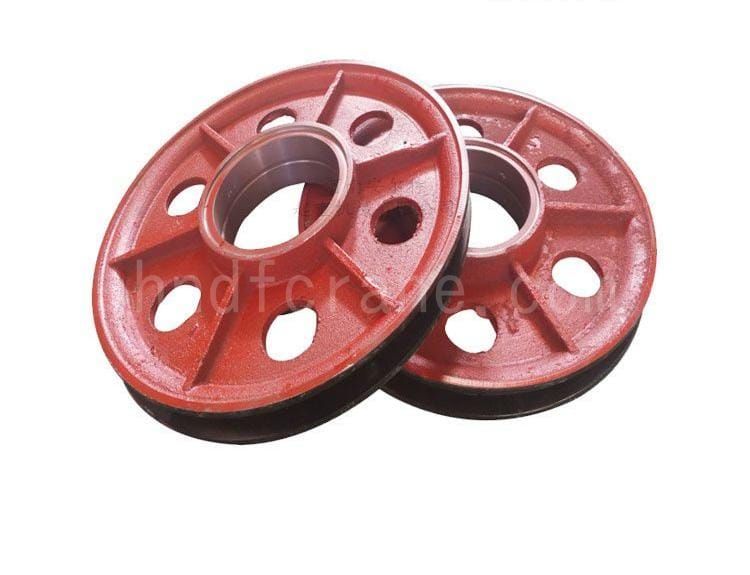
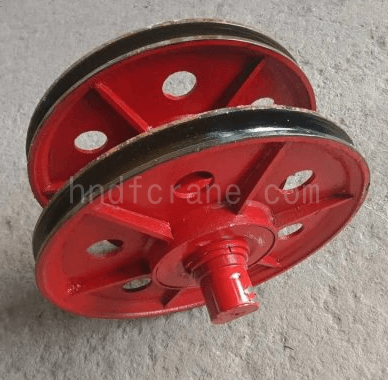
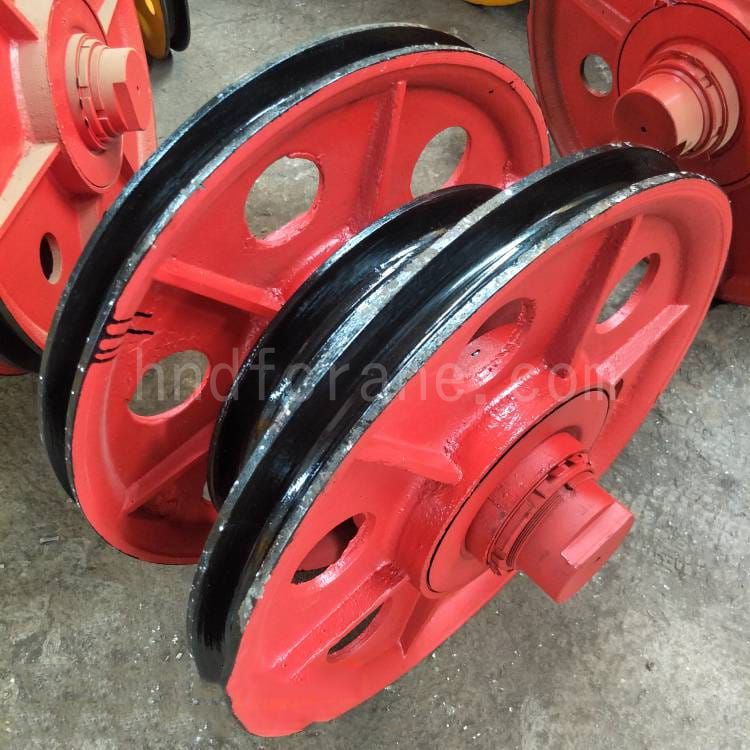
Productintroductie van gegoten kraanschijven
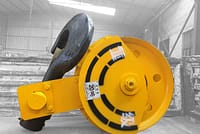
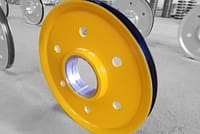
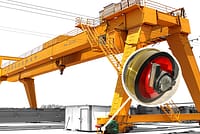
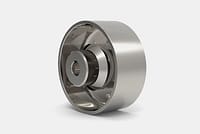
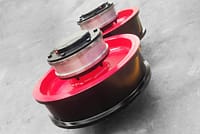
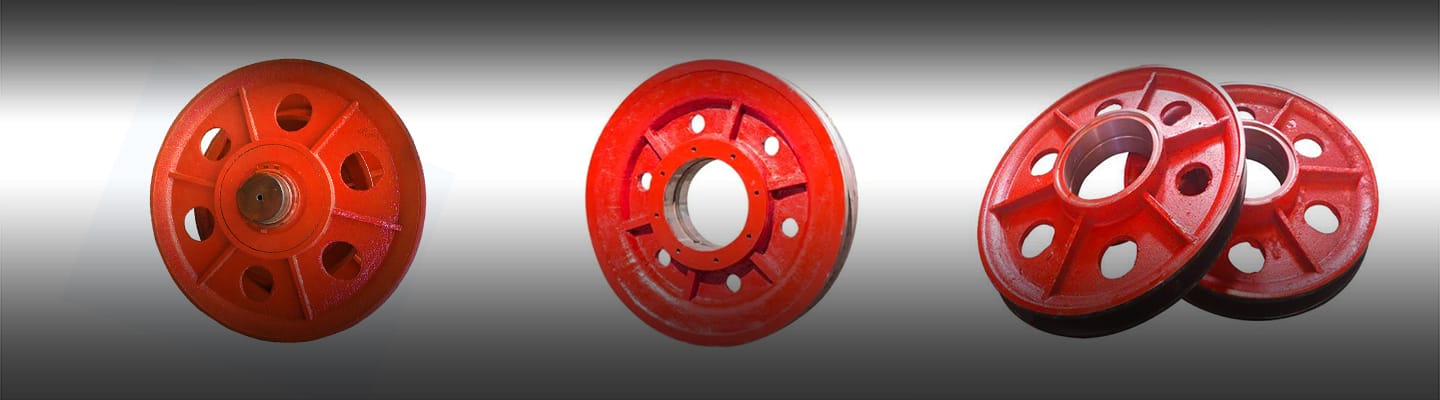
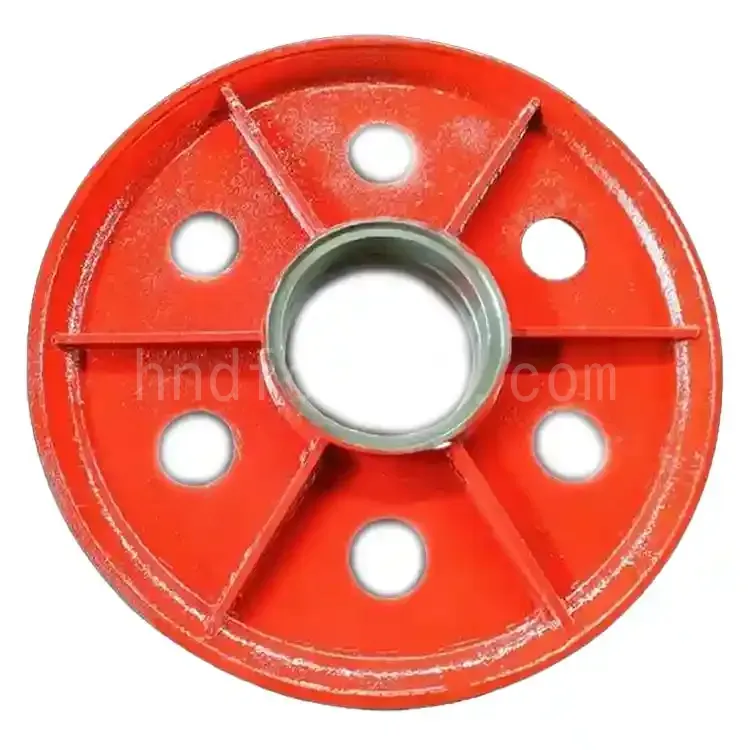
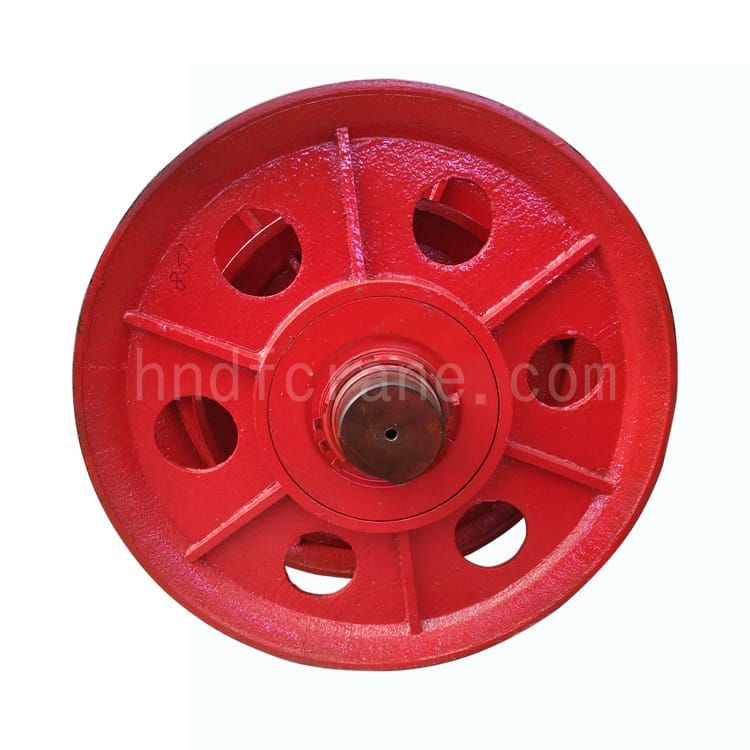
Cast crane sheaves are a production process in which metal is smelted into a molten state that meets specified requirements and then poured into the mold for casting. After cooling, solidification, and cleaning, the pulley’s predetermined shape, size, and performance are achieved. Because the casting pulley blanks are almost fully formed, free machining or small-scale machining is used, reducing costs and production time to some extent. This method offers low production costs and high efficiency. For some pulley products with large size, irregular shape, and complex structure, casting is an ideal production method. Pulley casting is the basic process of the modern device manufacturing industry.
Classificatie van gegoten kraanschijven
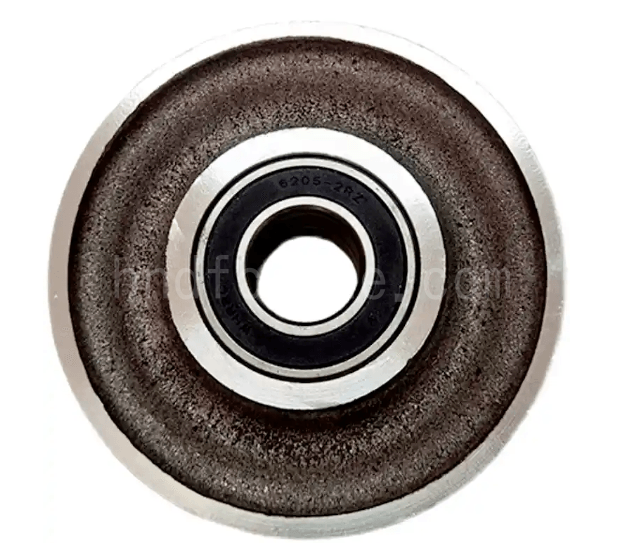
- Capaciteit: Tot 200 ton
- Hoge hardheid: Het ZG25Ⅱ-materiaal heeft een hoge dichtheid en een extreem hoge hardheid.
- Goede slijtvastheid: De eigendichtheid is iets hoger, de slijtvastheid is hoog en het draagvermogen is groter.
- Goede stevigheid en een laag gewicht: Goede mechanische sterkte en hoge slagvastheid.
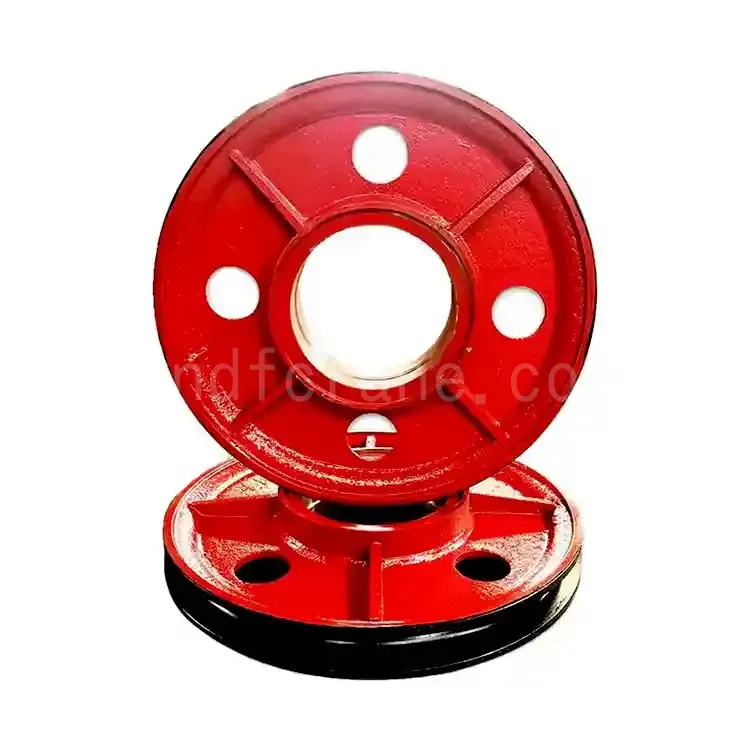
- Capaciteit: Tot 100 ton
- De slijtage van de staalkabel is relatief gering: the HT250 material contains graphite and has self-lubricating properties, which effectively reduce friction and provide good shock-absorption performance.
- Kosteneffectief: Het zandgietproces is eenvoudig en de grondstoffen zijn ruim voorhanden, wat de inkoopkosten aanzienlijk verlaagt en tegelijkertijd aan de standaardvereisten voldoet.
Gegoten stalen kraanschijven
Cast SteelCrane Sheaves Introduction
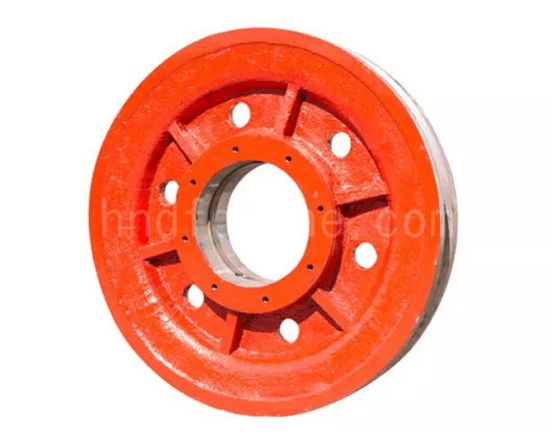
Cast steel crane sheaves have higher strength and can withstand greater tensile pressure, but the wear on the wire rope is greater than that of cast iron sheaves. It is ideal for occasions with high operating conditions. Standard cast steel pulleys generally use lost foam casting, which has a low production cost and high efficiency. For some pulley products with large size, non-standard shape and complex technology, cast steel pulleys are an ideal way to make them. Moreover, the lost foam casting method is used, and the pulley is not limited by the equipment in terms of diameter and other dimensions, which is more flexible. However, due to the influence of factors such as casting technology, the quality directly depends on the quality of the casting blank.
Gegoten staal Voordelen van kraanschijven
Verbeterde taaiheid en plasticiteit
Gegoten stalen kraanschijven zijn vervaardigd met materiaaleigenschappen die vergelijkbaar zijn met die van hoogwaardig staal. Ze hebben een hogere hardheid en superieure flexibiliteit in vergelijking met gietijzer, wat resulteert in een grotere plasticiteit en slagvastheid. Hierdoor zijn ze zeer veelzijdig en geschikt voor een breed scala aan industriële toepassingen.
Lichtgewicht ontwerp voor operationele efficiëntie
Door de lagere dichtheid van gegoten staal in vergelijking met traditioneel ijzer, zijn gegoten stalen katrollen voor kranen aanzienlijk lichter bij hetzelfde volume. Bij hijswerkzaamheden, waarbij de beweegbare katrol met de last meebeweegt, vermindert een lichtere katrol het energieverbruik en de arbeidsintensiteit, wat de wijdverbreide toepassing ervan boven gietijzeren alternatieven verklaart.
Corrosiebestendigheid en een langere levensduur
Tijdens gebruik ontwikkelen gegoten stalen kraanschijven een natuurlijke beschermende oppervlaktelaag die het onderdeel beschermt tegen regen en chemische aantasting. In tegenstelling tot gietijzer, dat gevoelig is voor roest en structurele degradatie bij blootstelling aan vocht, behoudt gegoten staal zijn integriteit en biedt het een aanzienlijk langere levensduur.
Geavanceerde slijtvastheid door vlamharding
Door het koolstofgehalte te optimaliseren, overtreft de structurele sterkte van deze katrollen die van ijzer. Met name door vlamkoeling bereikt de oppervlaktehardheid HRC48–HRC52, waardoor de slijtvastheid met meer dan 30% wordt verlengd.
Geoptimaliseerde spanningsverdeling voor zware hijswerkzaamheden
Featuring a dual-hub design, these sheaves uniformly disperse stress across the structure. This makes them the definitive choice for high-tonnage lifting operations where structural reliability is non-negotiable. Optional configurations with tapered roller bearings or sliding bearings support a wide operating temperature range from -40°C to 200°C. Fully ISO 14001 certified, these cast steel crane sheaves are the ideal choice for extreme environments such as metallurgical blast furnaces and offshore oil drilling platforms.
Cast Steel Crane Sheaves Application
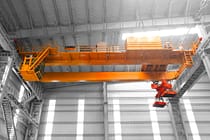
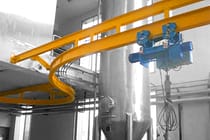
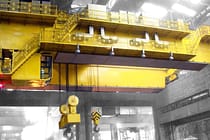
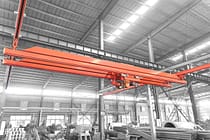
Gegoten katrollen voor explosieveilige bovenloopkranen
Gegoten katrollen voor bovenloopkranen in gieterijen
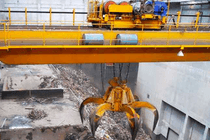
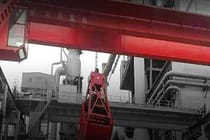
Gegoten kraanschijven voor intelligente cokestankkraan
Gietijzeren kraanschijven
Inleiding tot gietijzeren kraanschijven
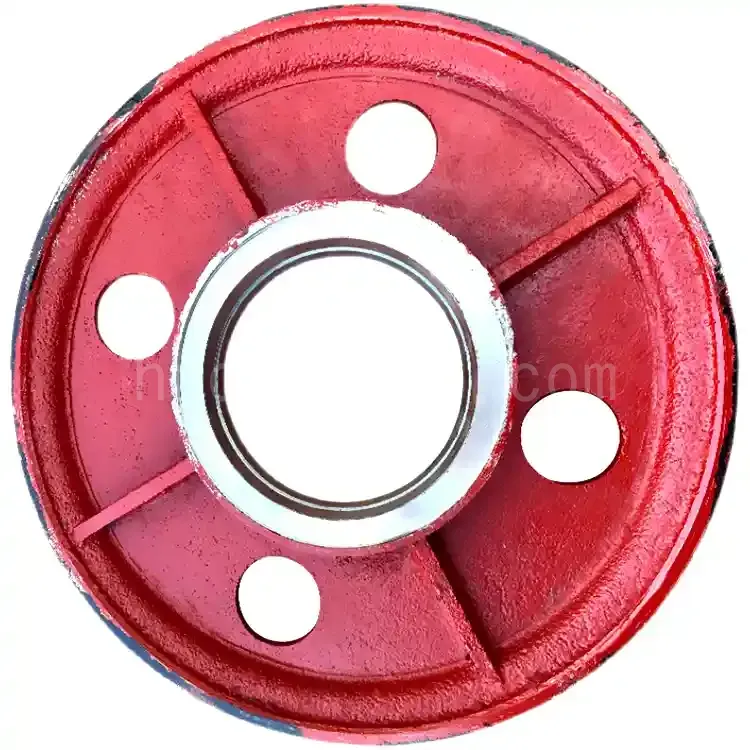
Cast iron crane sheaves uses gray cast iron (HT15-33) or ductile iron (QT-10). The pulley has good process performance and is easy to cut, especially the wear on the wire rope is small, but because of its low strength and brittleness, poor durability, it can easily cause rim fracture and crushing when used, and it is more economical and ideal for small tonnage or infrequent equipment use. Cast iron crane sheaves use sand-cast iron casting technology; cast iron is an ideal material for making crane pulleys because of its good fluidity during casting and relatively few casting defects.
Cast Iron Crane Sheaves Advantage
- Hoog draagvermogen en stabiliteit: High-quality cast iron materials coupled with heat treatment technology ensure reliable carrying capacity.The recommended static safety factor is ≥3 (depending on the application conditions).
- Lange levensduur: Grafiet in gietijzer zorgt voor natuurlijke smering, wat in combinatie met afschrikken, temperen en straalpolijsten wrijving en slijtage van het oppervlak kan verminderen.
- Kostenefficiënte productie: The casting process can achieve integrated, complex geometries, and reduce unit costs in large-scale production.