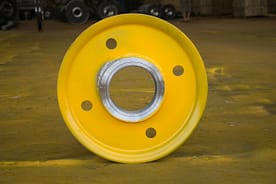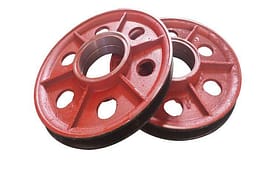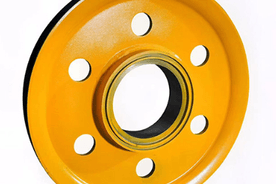






















































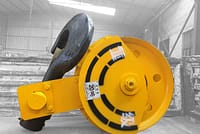

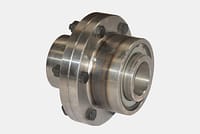
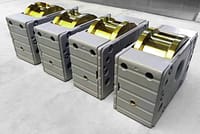

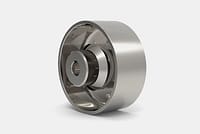
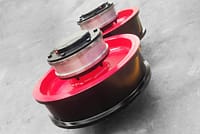



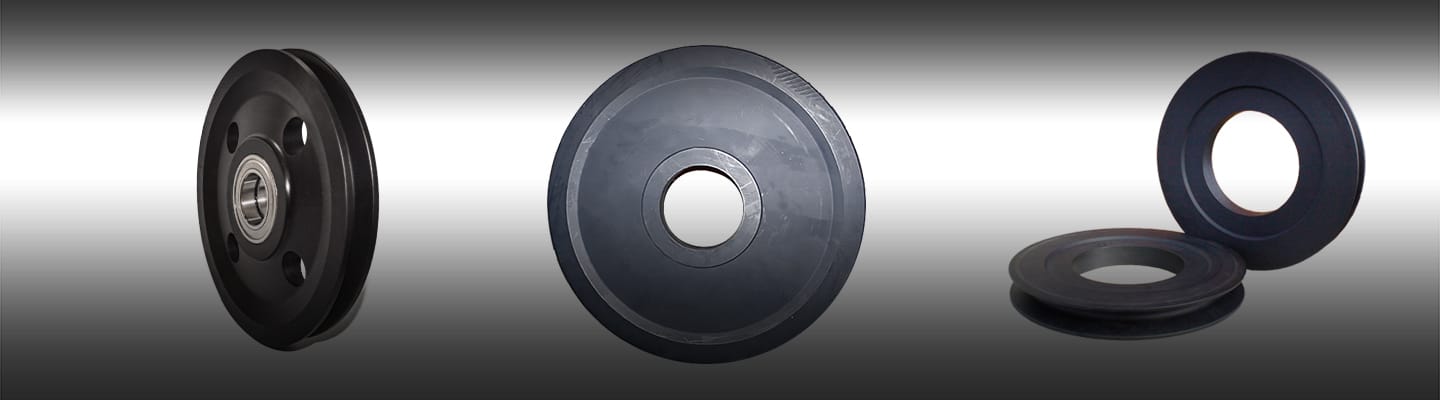


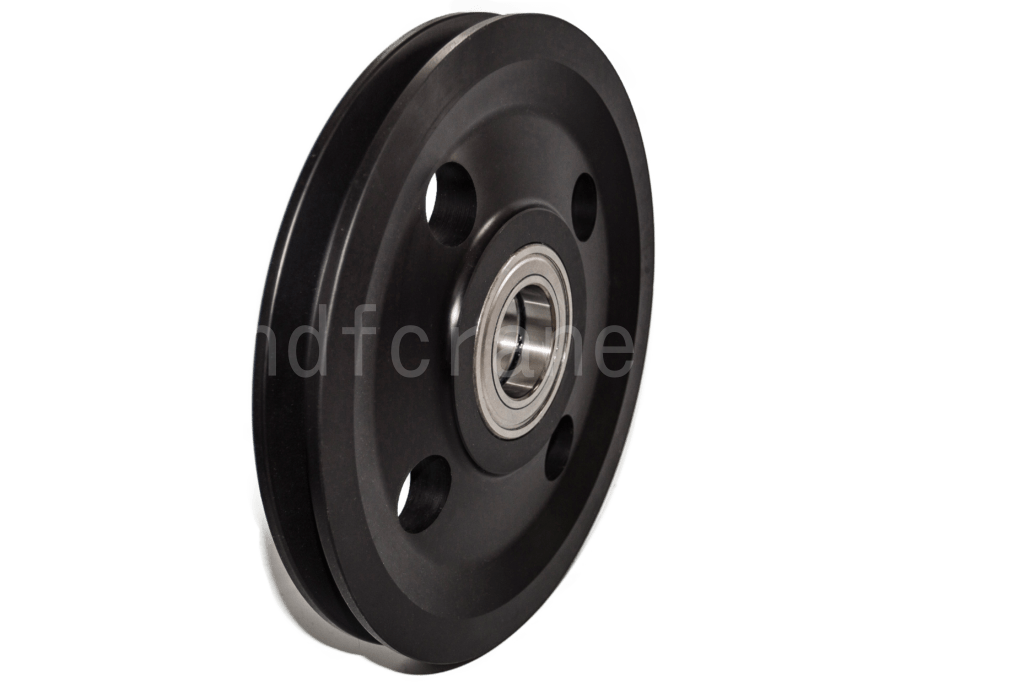
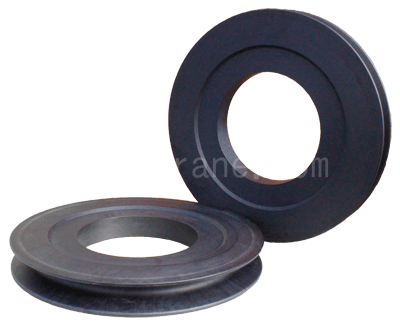
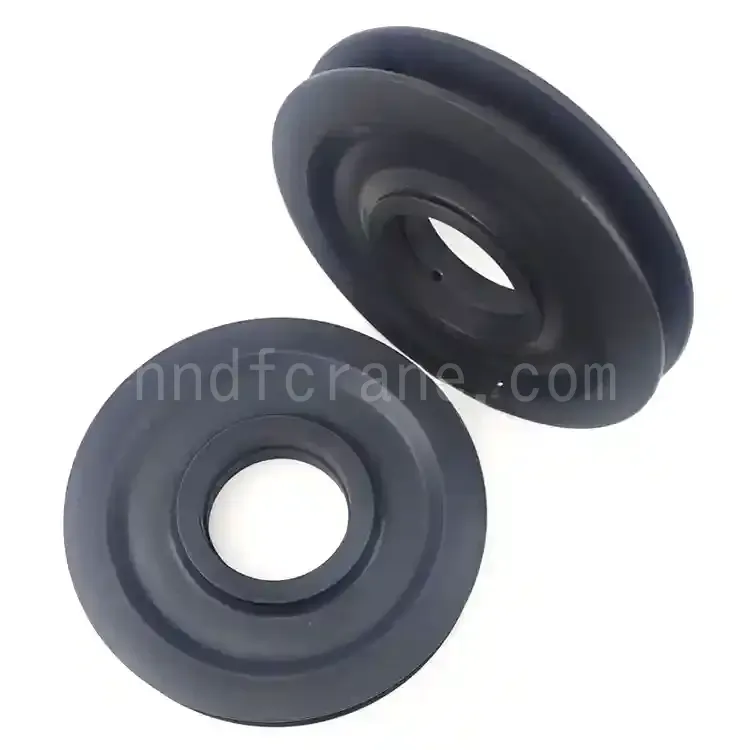
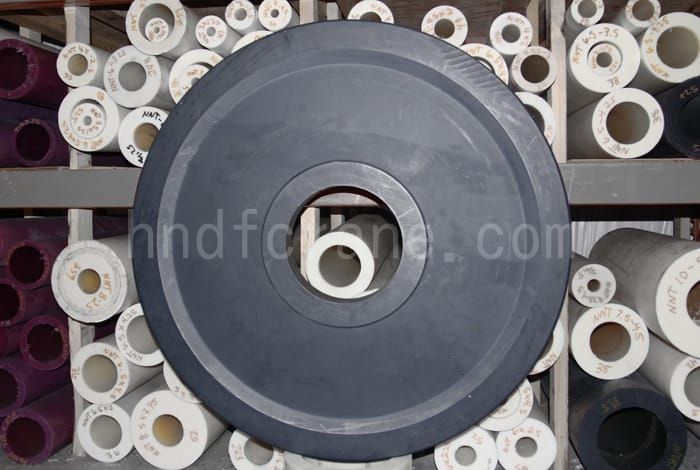
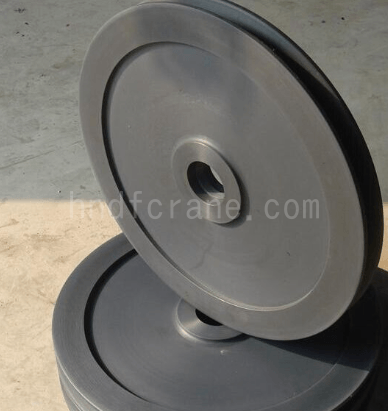
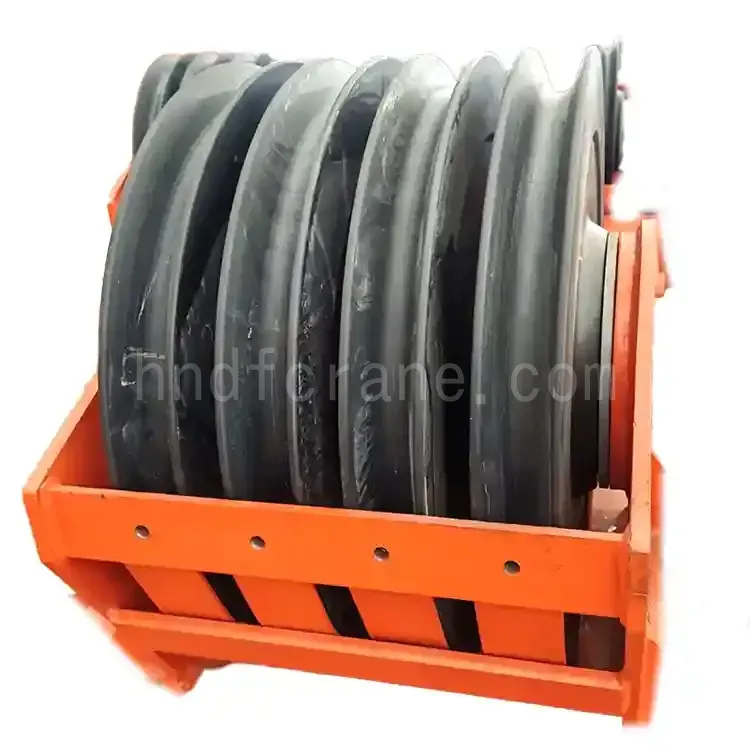
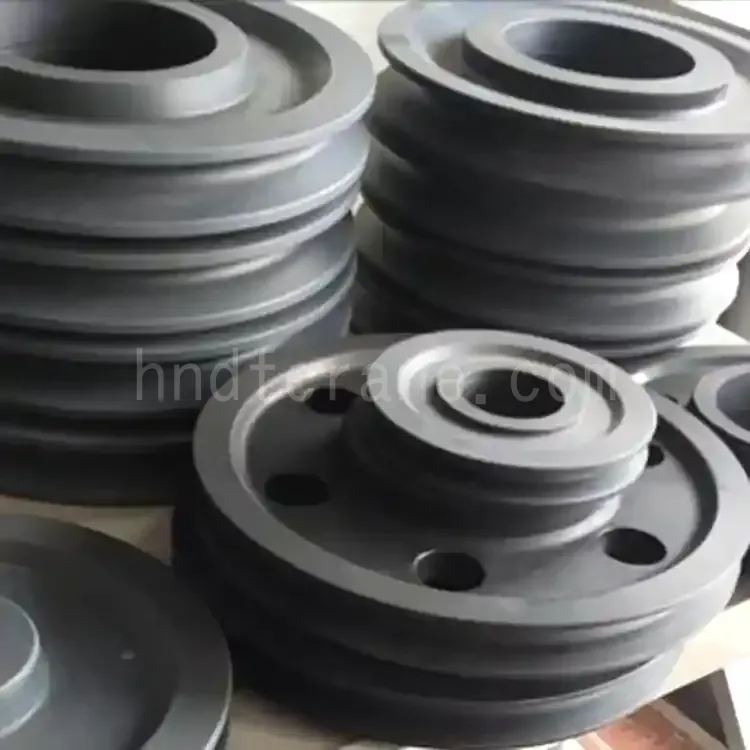
Nylon Crane Sheaves Product Introduction
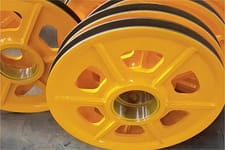
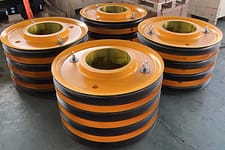
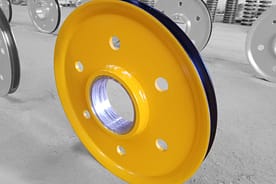
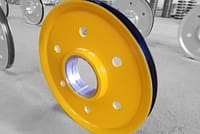
Nylon crane sheaves combine lightweight construction, exceptional wear resistance, and high safety standards; featuring meticulously engineered mounting methods and a fully dimensionally compatible system, they serve as ideal components for a wide range of lifting equipment. The use of MC nylon as the material for crane sheaves extends the service life of the sheaves themselves by approximately 4 to 5 times, and that of the steel wire ropes by about 10 times, thereby significantly enhancing both the crane’s lifting characteristics and its overall operational performance. Its coefficient of friction is 8.8 times lower than that of steel and 8.3 times lower than that of copper, while its specific gravity is merely one-seventh that of steel. Furthermore, thanks to a simple manufacturing process and relatively low production costs, users can effectively reduce expenses, extend the service life of equipment and components, and achieve substantial economic benefits. Consequently, MC nylon products have emerged as an ideal alternative to copper, stainless steel, aluminum alloys, and PTFE.
Nylon Crane Sheaves Advantage
Extremely Lightweight and Easy to Install
The nylon material significantly reduces weight; with a density of approximately 1.15–1.16 g/cm³, it weighs only one-seventh as much as metal (steel). This makes nylon crane sheaves extremely lightweight, facilitating easy installation and handling while reducing the overall weight of the equipment. The reduction in component weight also lowers the system load, thereby enhancing the crane’s operational and working efficiency.
Excellent Wear Resistance and Self-Lubricating Properties
The wear resistance of MC nylon is eight times that of carbon steel and more than ten times that of copper. The low coefficient of friction and self-lubricating properties of nylon crane sheaves allow them to operate smoothly even with minimal or no external lubrication.
Excellent Chemical Stability
Nylon crane sheaves exhibit excellent resistance to common solvents such as gasoline, kerosene, lubricating oils, alcohols, ethers, and ketones. They are particularly resistant to strong alkalis but demonstrate limited resistance to strong acids, such as concentrated sulfuric acid and concentrated nitric acid.
Wire Rope Protection
Compared to steel pulleys, nylon crane sheaves minimize wear on the wire rope, extending its service life by up to eight times and thereby significantly reducing the costs associated with replacing consumables.
Safe and Spark-Free
The operation of nylon crane sheaves does not generate friction-induced sparks, thereby greatly enhancing safety in flammable and explosive environments, such as chemical plants and mines.
Low-Temperature Resistance
They maintain reliable performance even at low temperatures, making them suitable for use across various climatic zones. Their long-term operating temperature should typically not exceed 100°C. Excessive heat generated by friction can lead to deformation, rendering them unsuitable for extreme operating conditions involving high speeds, heavy loads, or continuous, frequent operation.
Nylon Crane Sheaves Applications
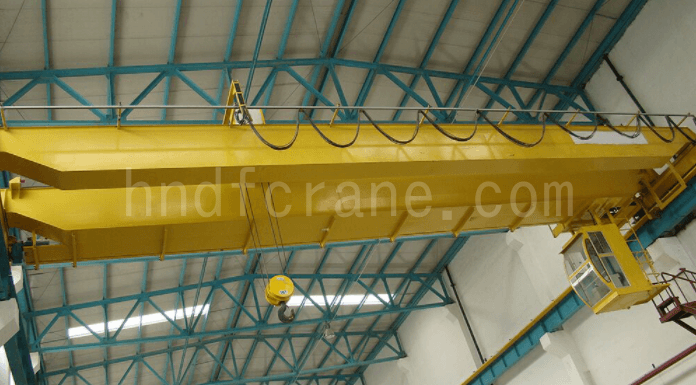
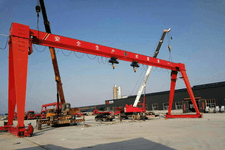
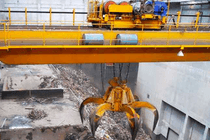
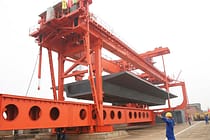
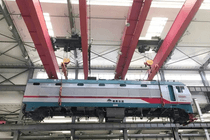
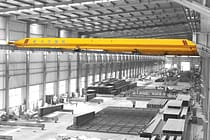
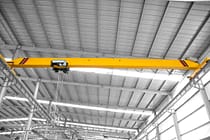
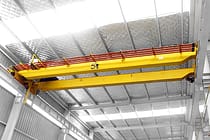
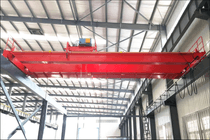
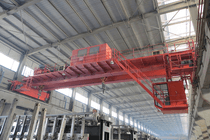
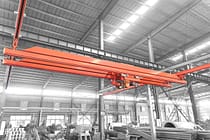
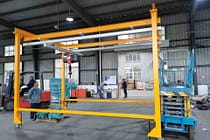
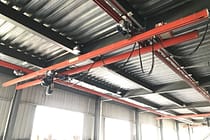
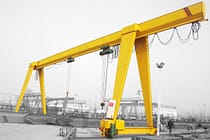
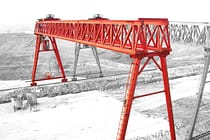
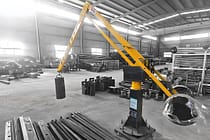
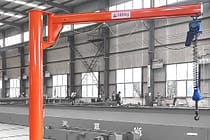
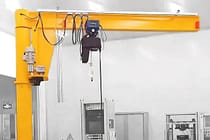
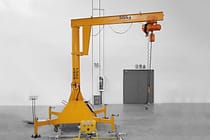
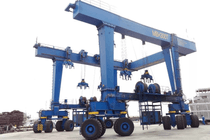
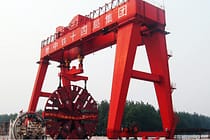
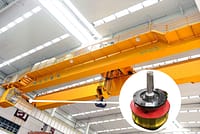
Nylon Crane Sheaves for European Overhead Cranes
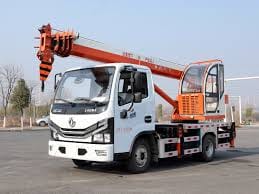
Nylon Crane Sheaves for Truck Crane

Cast Crane Sheaves for Tower Crane

Nylon Crane Sheaves for Offshore Drilling Rigs (Explosion-proof environment)
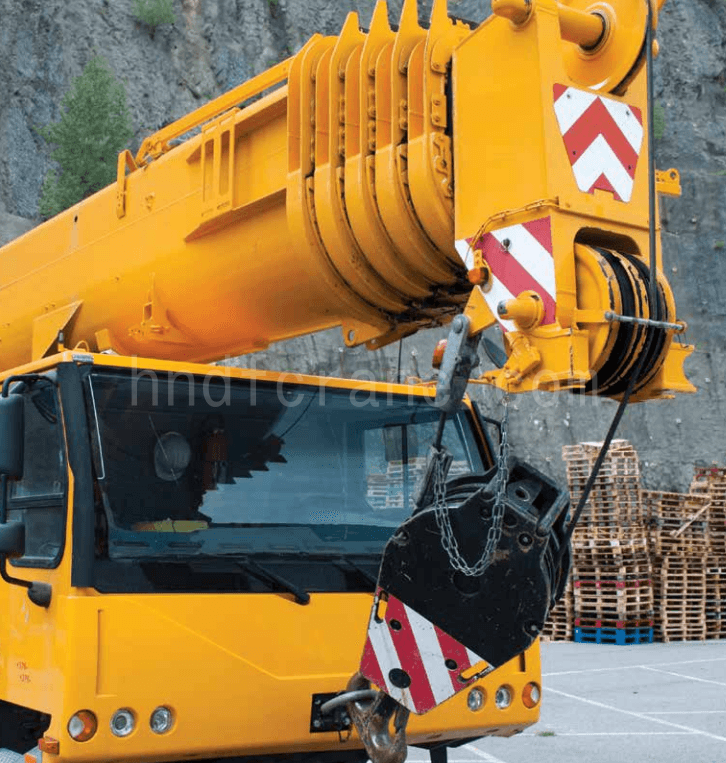
Nylon Crane Sheaves for All-terrain Cranes (In cold conditions)
Nylon Crane Sheaves Professional Assembly Guide
Proper assembly is critical to ensure performance. Follow these requirements strictly:
- Nylon-to‑housing interference fit: Use a larger interference than for metal parts, typically 1.0%–1.2% of the outer diameter, to create sufficient tension after pressing the bushing into the housing and prevent loosening. Typical fits: static fit 0.10–0.15 mm, running fit 0.5–0.8 mm.
- Nylon bushing to shaft clearance: Increase the clearance to 0.8%–1.0% of the shaft diameter. This prevents the bushing from tightening around the shaft due to shrinkage after being pressed, avoiding seizure and overheating during operation.
- Assembly practice: Bushings and housings must be pressed into place using proper press‑fit tools. Do NOT hammer or strike with hard blows to avoid damaging the nylon structure and compromising service life.
Nylon Crane Sheaves Standard Specification Table
| Vinç Kapasitesi (t) | Tel Halat Çapı (mm) | Working Diameter D (mm) | Outer Diameter D1 (mm) | Groove Curvature Radius R (mm) | Total Width b (mm) | Groove Width w (mm) | Flange Thickness t (mm) |
|---|---|---|---|---|---|---|---|
| 3.2 | 10–14 | 300 | 350 | 7 | 40 | 30 | 7.8 |
| 5–10 | 10–14 | 400 | 450 | 8.5 | 40 | 30 | 9.5 |
| 15–20 | 14–19 | 500 | 565 | 10 | 55 | 40 | 9.5 |
| 32 | 19–23.5 | 610 | 680 | 12 | 59 | 45 | 9.5 |
| 52 | 23.5–30 | 710 | 785 | 13 | 64 | 48 | 9.5 |
| 75 | 30–37 | 800 | 920 | 18 | 90 | 70 | 13.5 |
Not: These are standard configuration values. Values marked D (working diameter) should match the wire‑rope diameter. Custom sizes available on request.