




Enclosed Track Jib Cranes Product Introduction
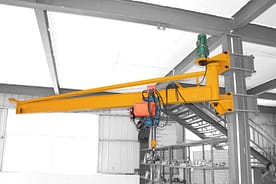
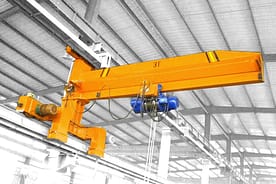
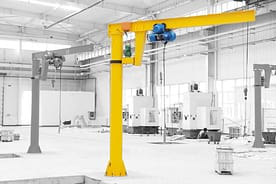
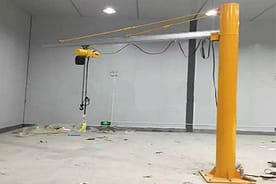
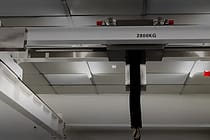
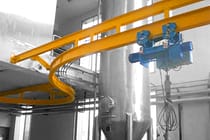
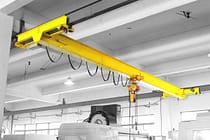
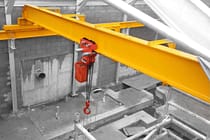
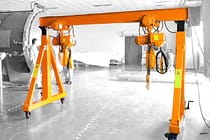
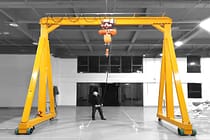
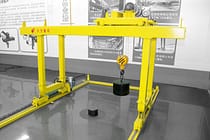
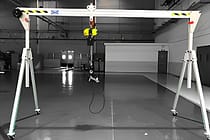
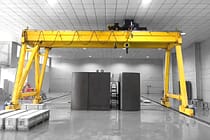
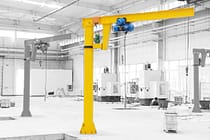
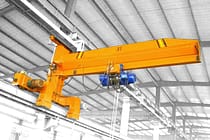
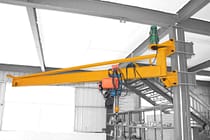
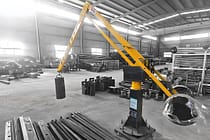
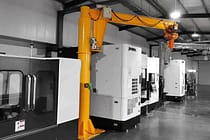
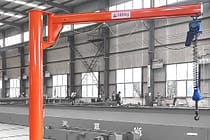
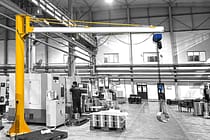
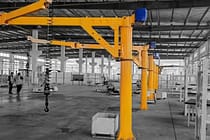
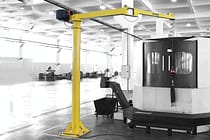
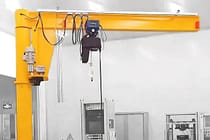
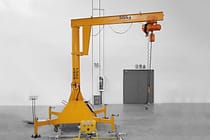
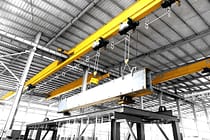
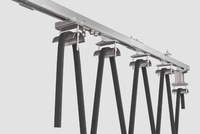
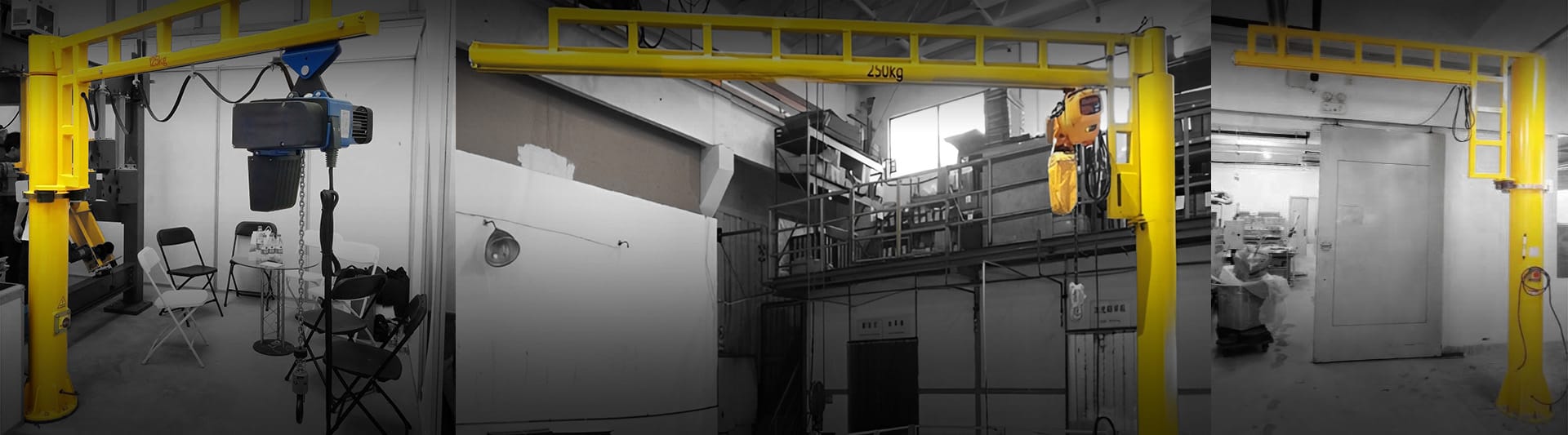
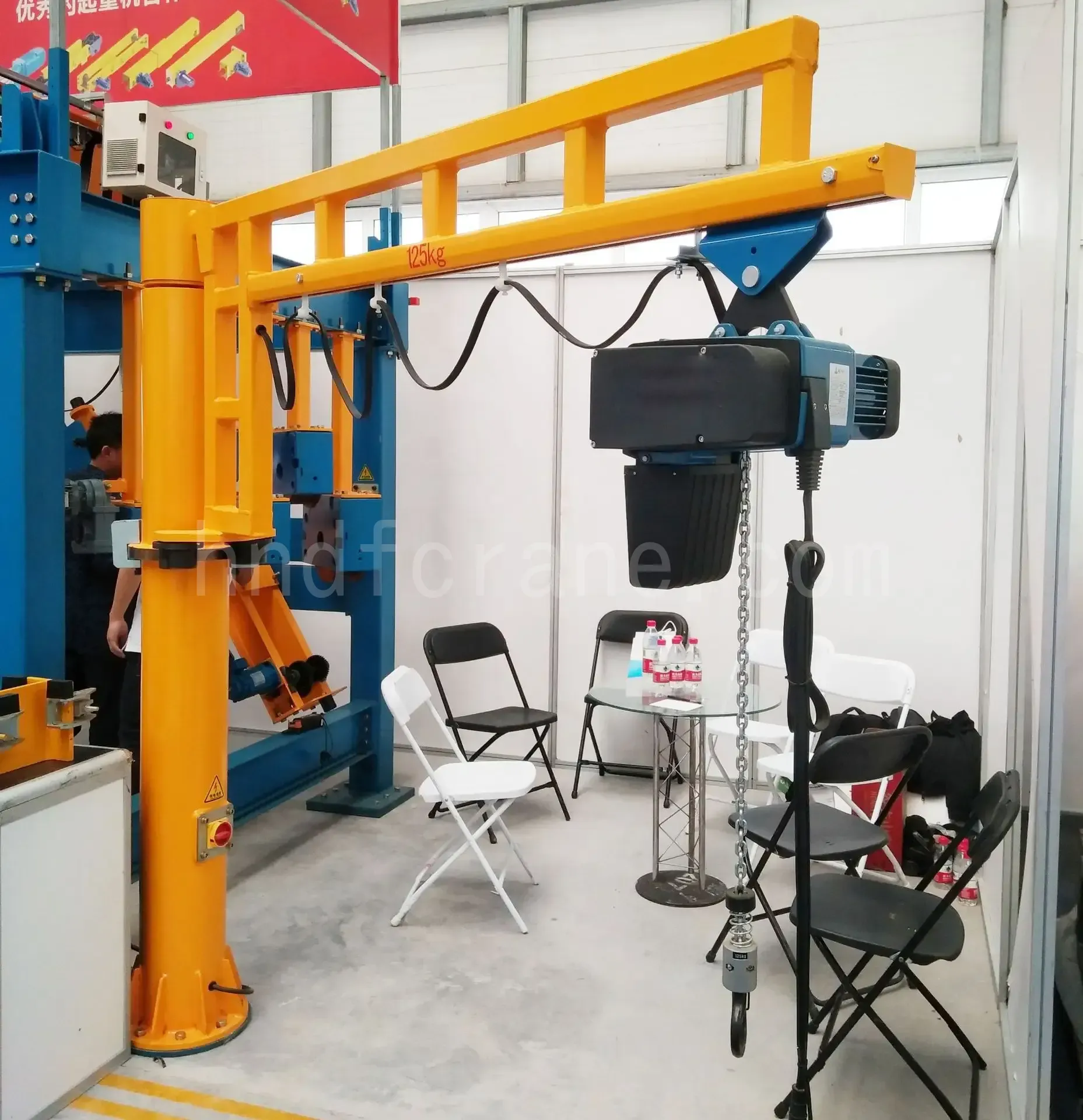
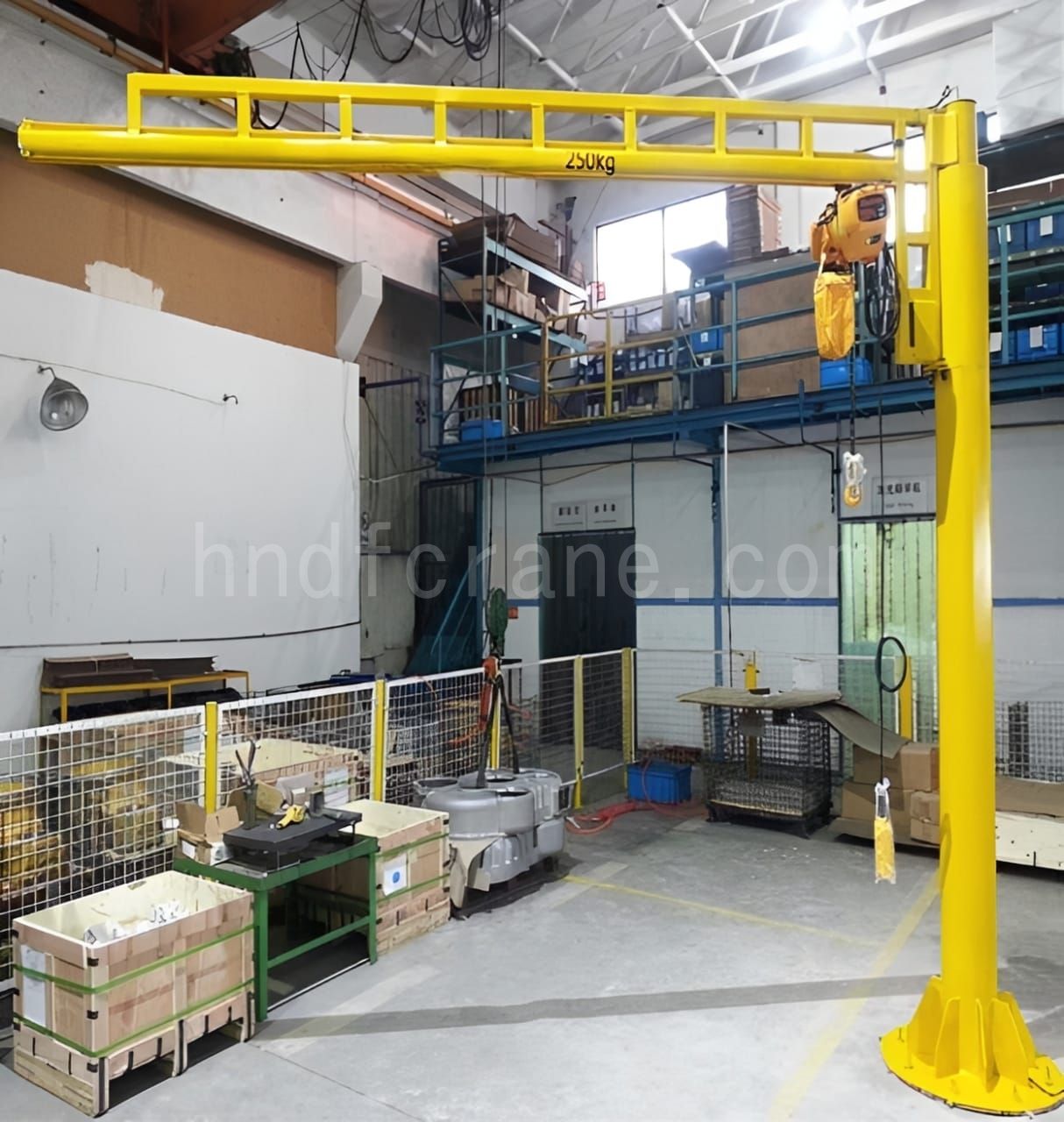
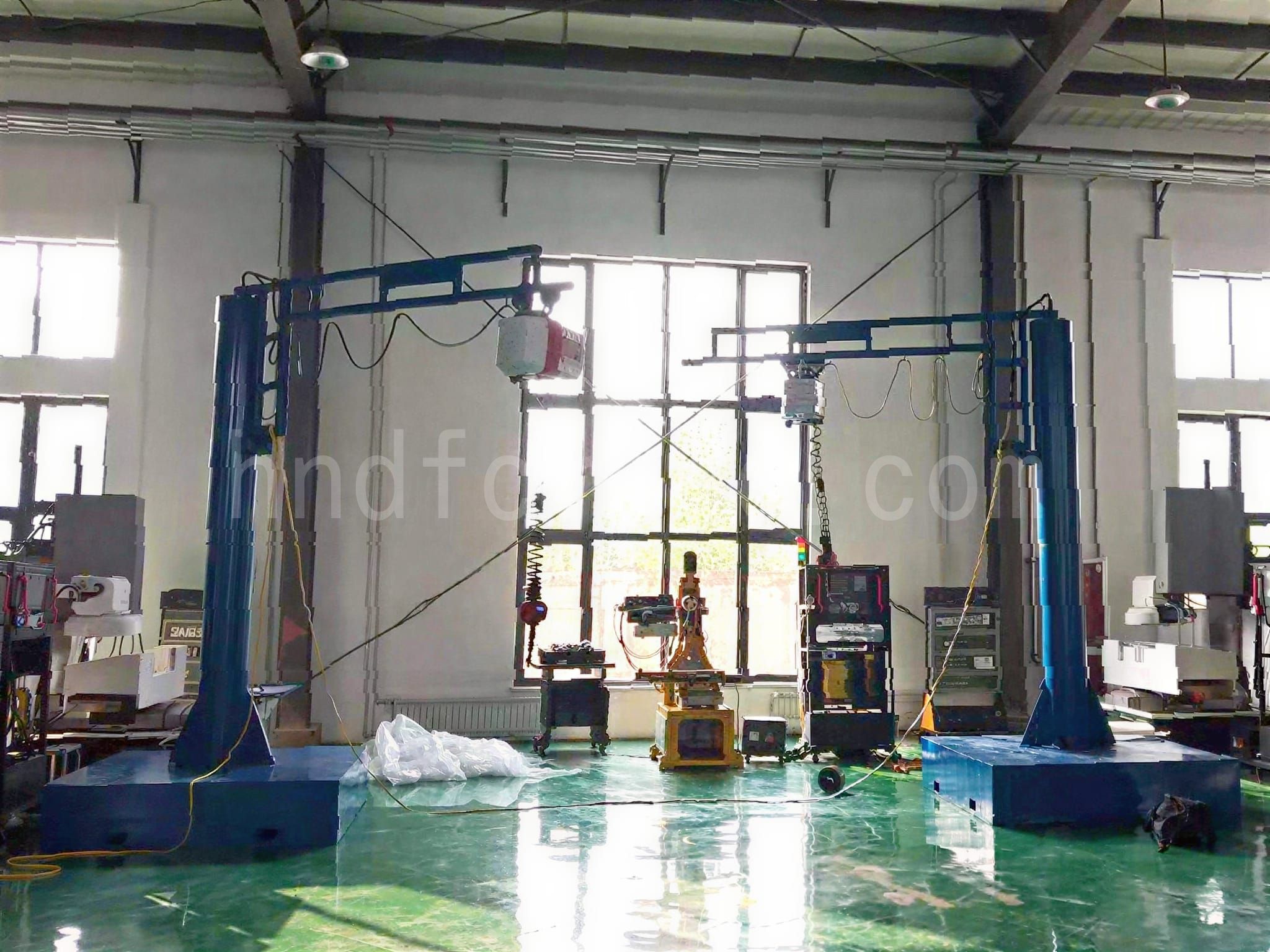
Enclosed track jib cranes adopts C type rail c type rail material with a low headroom design. Enclosed track jib cranes are a kind of manually operated lifting equipment. The manual pulley facilitates lifting and moving goods bymanual pulling. It is used for cargo handling and loading and unloading on industrial production lines. Enclosed track jib cranes consist of an I-beam column, a manual pulley, a truss-type cantilever beam, and a control system. Allows you to use all possible space. Due to its compact design, it is an ideal choice for applications where the plant floor height is low but a lifting height is required. When installed on a column or wall, its rotation angle can reach 180°; when installed on the floor, its rotation angle can reach 360°. It can usually be fixed directly on your existing floor without the need to build a special foundation. Compared with the traditional I-beam cantilever, it is easier to move and adjust the position. Most of them can be directly fixed on the existing floor without the need to add a special foundation. The boom of this steel enclosed rail working platform is lighter in weight and rotates more smoothly, which has more advantages than traditional I-beam cranes.
Enclosed Track Jib Cranes Features
- Optimized Headroom: The truss structure places the reinforcement members above the rail, allowing for a slimmer track profile. This provides increased effective lifting height—a critical advantage for facilities with low ceilings or overhead obstructions like pipes and cables.
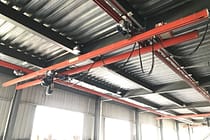
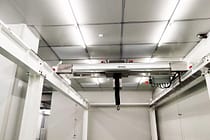
- Enclosed Track Design: Unlike traditional open I-beams, enclosed track jib cranes feature a cold-rolled enclosed track. The specialized internal sloped running surfaces ensure the trolley remains centered while effectively preventing factory dust and debris from accumulating on the rails.
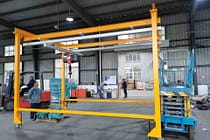
- Self-Supporting / No Building Modifications Required: These jib cranes are completely free-standing, requiring no connection to building pillars or load-bearing walls. They can be bolted directly to any standard 6-inch (approx. 150mm) reinforced concrete floor. This eliminates the pain point of layout restrictions caused by building structures, allowing for flexible deployment anywhere in the workshop.
- Cost-Effective & Durable: With an affordable price point and stable performance, this system significantly reduces upfront investment. The lightweight design also simplifies the installation process, making it the top choice for companies seeking high-value, cost-efficient solutions.
- Ultra-Low Rotational Inertia: The lightweight truss boom results in much lower rotational inertia compared to solid I-beams. This makes starting and stopping the rotation effortless and precise, effectively avoiding positioning difficulties and collision risks caused by excessive momentum.
- Lightweight & Cost-Efficient System: Reduced structural weight lowers installation complexity and foundation costs, delivering a highly economical lifting solution.
Main Components of the Enclosed Track Jib Cranes
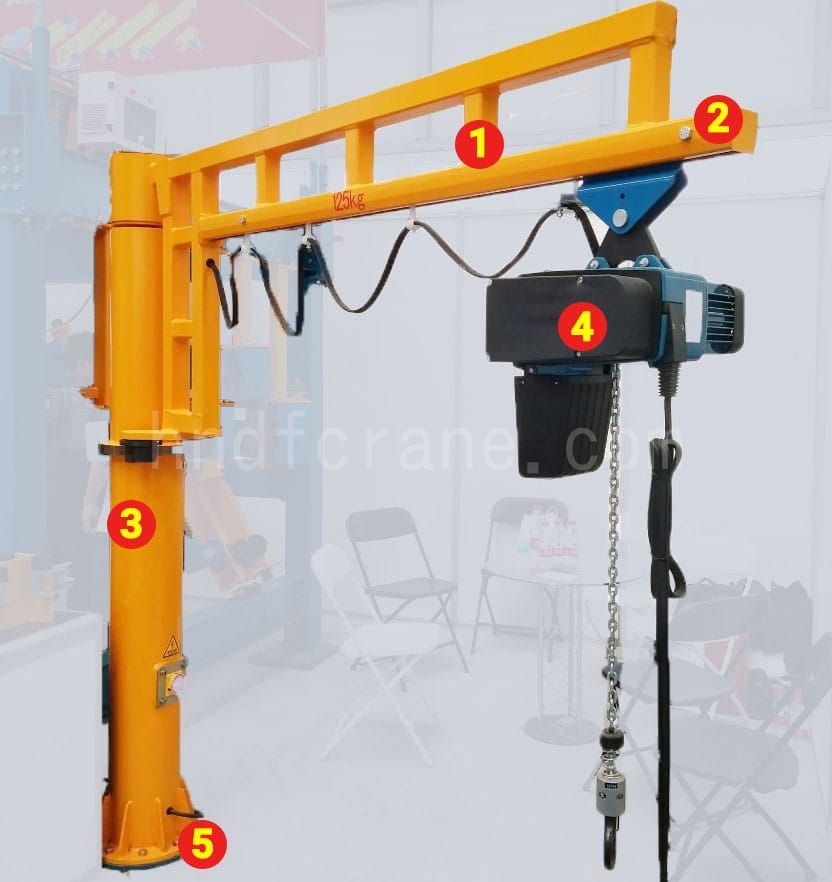
1. Truss Boom Structure: Engineered with a welded multi-member frame to reduce structural weight while maintaining rigidity, enabling smoother rotation and improved positioning control.
2. Enclosed C-Track Rail: Cold-formed steel track with self-cleaning running surface.
3. Main Column: Heavy-duty steel support ensuring structural stability.
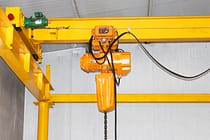
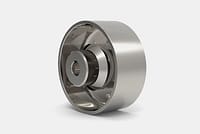
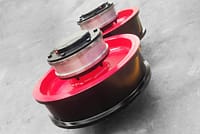
4. Trolley System: Large-diameter wheels with low rolling resistance; manual or motorized options available.
5. Base Plate Assembly: Anchor-bolted mounting system.
Enclosed Track vs I-Beam Comparison
Unlike traditional I-beam jib cranes (electric free standing jib cranes) designed primarily for higher load capacities, truss-type enclosed track jib cranes are engineered for workstation efficiency and ergonomic operation. The open-frame boom reduces structural weight and rotational inertia, making manual rotation smoother and less physically demanding. Combined with an enclosed rail system that minimizes rolling resistance, this design significantly improves load positioning speed and operator control. This makes the system ideal for high-frequency, light-to-medium duty lifting applications such as assembly cells, machine loading, and repetitive material handling tasks.
| فیچر | Enclosed Track | I-Beam Jib |
|---|---|---|
| Rolling Resistance | زیریں | اعلی |
| دیکھ بھال | Minimal | اعلی |
| Ergonomics | Excellent | Moderate |
| Headroom | Optimized | Limited |
| Dust Protection | Yes | نہیں |
If your application involves high-frequency, light-to-medium duty lifting that requires smooth manual rotation and precise positioning, a truss-type enclosed track jib crane is the more efficient choice over a traditional I-beam design.
Enclosed Track Jib Cranes Applications
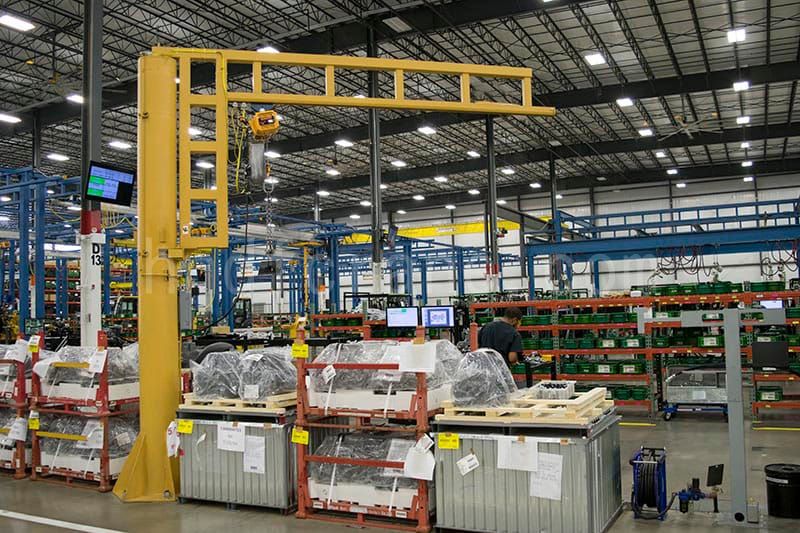
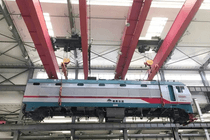
Automotive Manufacturing–Component Handling
- Used for lifting and positioning engine parts, gearbox housings, and axle components between assembly stations.
- Smooth enclosed track travel supports fast cycle times and precise placement in high-frequency assembly workflows.
- Lightweight truss boom reduces rotational inertia, enabling easier manual rotation and reduced operator fatigue.
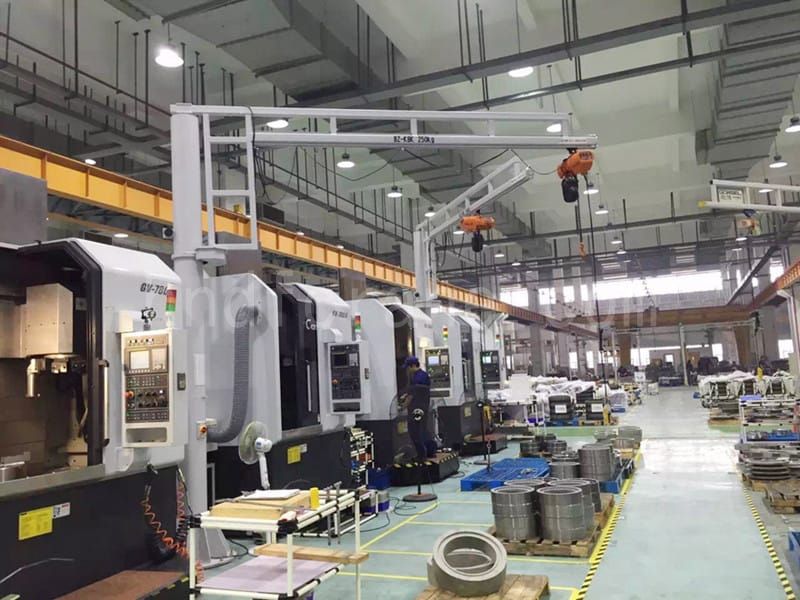
Foundry Workshops-Mold Handling
- Designed for changing and positioning sand molds and small casting molds within production cells.
- Low headroom configuration fits facilities with overhead piping and structural constraints.
- Enclosed rail protects running surfaces from dust accumulation, improving reliability in harsh environments.
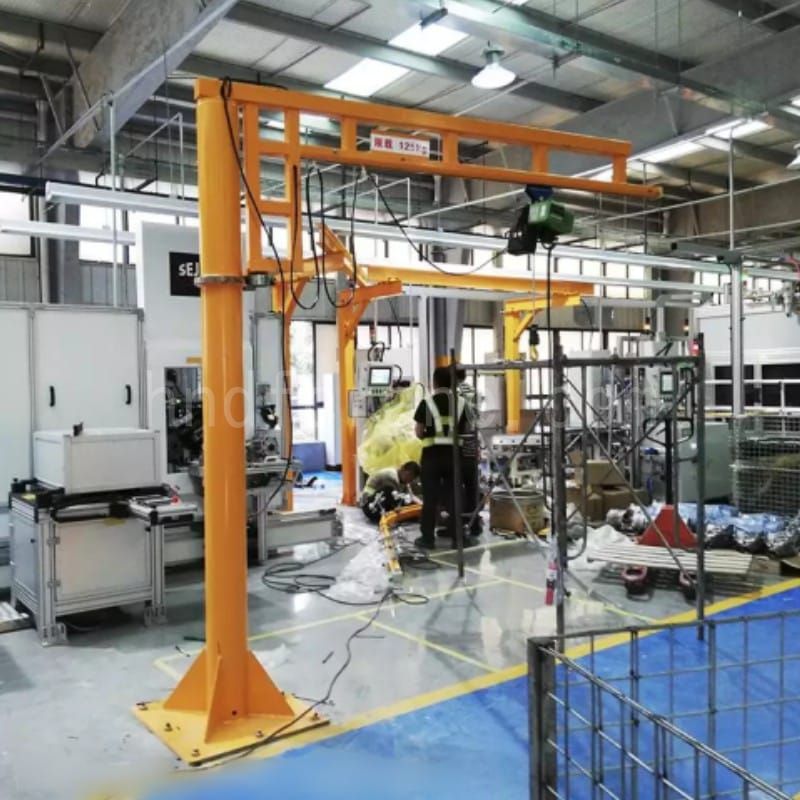
Steel Plants–Material Transfer
- Suitable for handling small steel components, fabricated parts, and tools within localized work areas.
- Lightweight structure allows smoother rotation during frequent short-distance transfers.
- Freestanding installation enables flexible deployment without modifying existing plant structures.
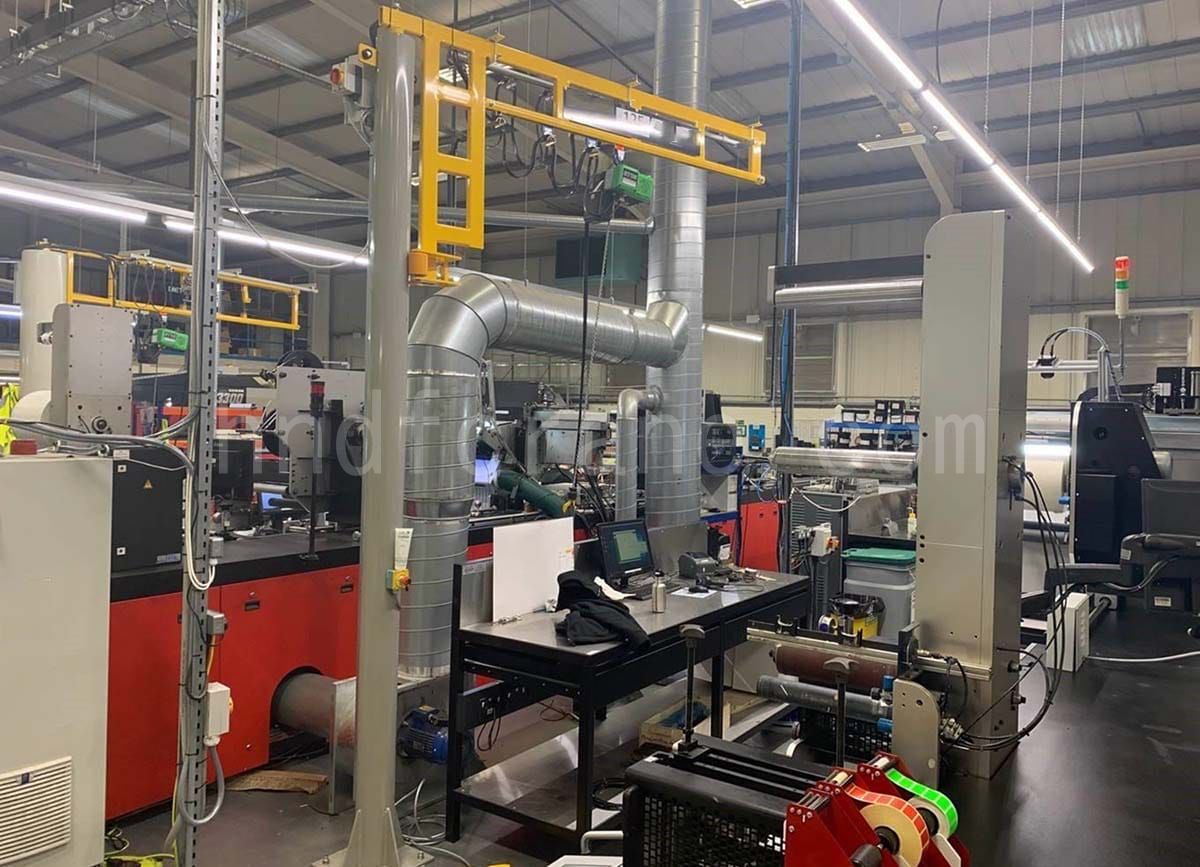
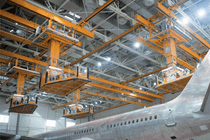
Light Machinery Assembly–Workstation Lifting
- Ideal for lifting motors, gear reducers, and small mechanical assemblies during installation.
- Low rolling resistance supports repetitive, high-cycle assembly operations.
- Precise load positioning reduces component swing and improves assembly accuracy and safety.