
-
صنعتیں
-

جنرل مینوفیکچرنگ
-
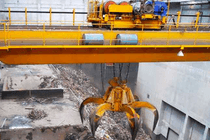
فضلہ ہینڈلنگ
-

پری کاسٹ
-

طاقت
-

پتھر
-

کاغذ سازی
-

دھات کی پیداوار
-
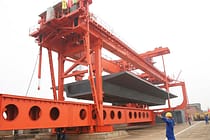
پل کی تعمیر
-

پورٹ کرینز: کنٹینر اور بلک میٹریل ہینڈلنگ کے لیے
-

پیٹرولیم اور گیس کی صنعت کے لیے اوور ہیڈ کرینیں: آپریشنل کارکردگی میں اضافہ
-

بحری کرینیں بحری جہازوں پر کارگو کی موثر لوڈنگ کے لیے
-

آٹوموٹو انڈسٹری کے لیے اوور ہیڈ کرینیں: موثر آٹومیشن حل
-
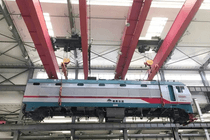
ریلوے کے لیے اوور ہیڈ کرین حل: ٹریک بچھانا، رولنگ اسٹاک مینٹیننس، اور کنٹینر ہینڈلنگ
-

کھانے اور مشروبات کے لیے اوور ہیڈ کرینیں: موثر ہینڈلنگ کے لیے قابل اعتماد حل
-

موثر سیمنٹ، شیشہ، اینٹوں اور پری کاسٹ کنکریٹ کی تیاری کے لیے اوور ہیڈ کرینیں
-
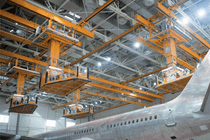
ہوا بازی کی صنعت کے لیے اوور ہیڈ کرینیں: ہوائی جہاز کی بحالی اور اسمبلی
-

ایرو اسپیس اوور ہیڈ کرینز: راکٹ لانچ اور ٹرانسپورٹ کے لیے درستگی اٹھانا
-
-
مصنوعات
-
اوور ہیڈ کرینیں
-
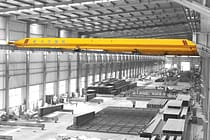
سنگل گرڈر اوور ہیڈ کرینز
-

ڈبل گرڈر اوور ہیڈ کرینیں۔
-
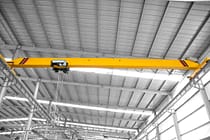
یورپی قسم کا سنگل گرڈر اوور ہیڈ کرین
-
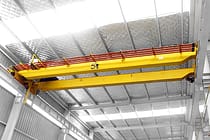
یورپی قسم ڈبل گرڈر اوور ہیڈ کرینیں
-
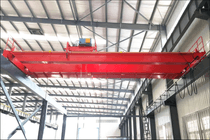
دھماکے کا ثبوت اوور ہیڈ کرینیں۔
-
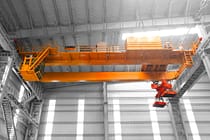
پکڑو اور مقناطیسی اوور ہیڈ کرینیں۔
-

مونوریل کرینیں
-

فاؤنڈری اوور ہیڈ کرینیں۔
-
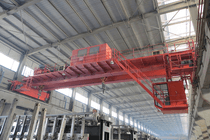
موصلیت اوور ہیڈ کرینیں
-

کم ہیڈ روم اوور ہیڈ کرینیں۔
-

اوور ہیڈ کرینیں پکڑو
-
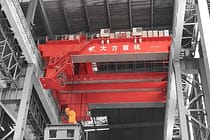
لاڈل اوور ہیڈ کرینز
-
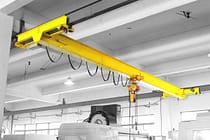
زیر ہنگ اوور ہیڈ کرینیں۔
-

برقی مقناطیسی اوور ہیڈ کرینیں۔
-
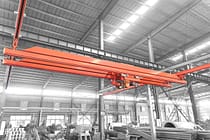
ورک سٹیشن کرینیں: ماڈیولر لفٹنگ حل
-
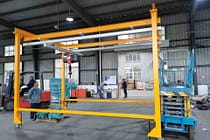
مفت کھڑے ورک سٹیشن پل کرینیں
-
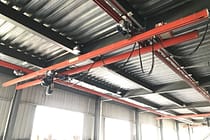
سیلنگ ماونٹڈ برج کرین
-
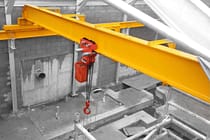
دستی اوور ہیڈ کرینیں۔
-
-
گینٹری کرینز
-

سیمی گینٹری کرینز
-
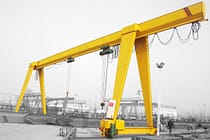
سنگل گرڈر گینٹری کرینز
-

ڈبل گرڈر گینٹری کرینز
-
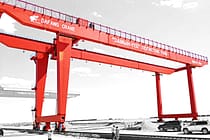
کنٹینر گینٹری کرینیں۔
-
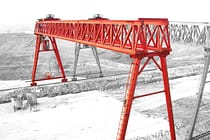
ٹرس گینٹری کرینیں
-
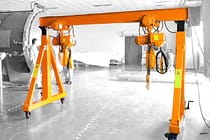
ایڈجسٹ ایبل گینٹری کرینیں
-
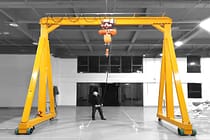
پورٹ ایبل گینٹری کرینیں۔
-
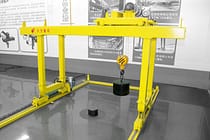
یورپی گینٹری کرینیں
-

ایلومینیم گینٹری کرینیں۔
-
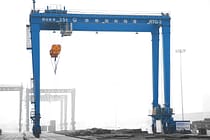
ربڑ کے ٹائرڈ کنٹینر گینٹری کرینیں۔
-
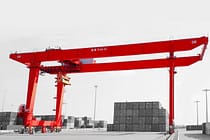
ریل ماونٹڈ کنٹینر گینٹری کرینیں۔
-

شپ یارڈ گینٹری کرین
-
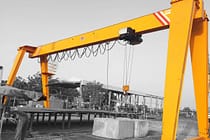
یورپی سنگل گرڈر گینٹری کرینز
-

یورپی ڈبل گرڈر گینٹری کرینیں
-
- جیب کرینز
- خصوصی کرینیں
- الیکٹرک لہرانے والا
- ٹرانسفر کارٹس
-
اوور ہیڈ کرینیں
-
کرین کے حصے
-
بالٹیاں پکڑو
-
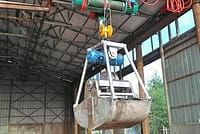
الیکٹرک سٹینلیس سٹیل پکڑو بالٹی
-
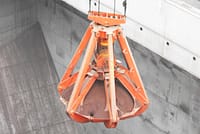
مکینیکل فور رسی اورنج چھلکا پکڑتا ہے۔
-
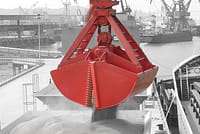
مکینیکل فور رسی کلیم شیل بالٹی پکڑتی ہے۔
-
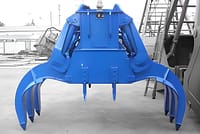
الیکٹرو ہائیڈرولک مستطیل گرابس
-
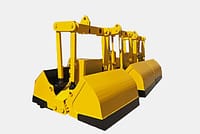
الیکٹرو ہائیڈرولک کلیم شیل گرابس
-
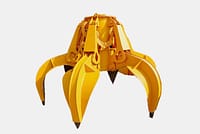
الیکٹرو ہائیڈرولک اورنج پیل گریبس، ہائیڈرولک کیکٹس گریب
-
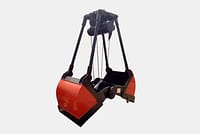
الیکٹرک موٹر پکڑو
-
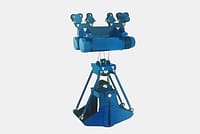
منوریل لہرانے والی الیکٹرک مونوریل گراب بالٹی
-
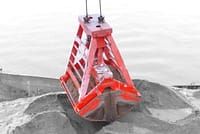
ریموٹ کنٹرول کلیم شیل گرابس
-
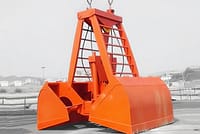
مکینیکل دو رسی کلیم شیل گرابس
-

ٹمبر گرابس
-
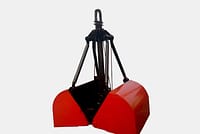
سنگل رسی پکڑو بالٹی
-
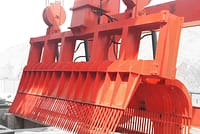
کوڑے دان کی صفائی کی مشینیں
-

ڈریجنگ گرابس
-
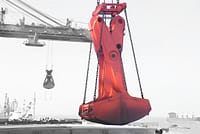
ٹرمنگ گرابس
-
- کرین اسپریڈر
- کرین اسپیئر پارٹس
- کرین پہیے
-
بالٹیاں پکڑو
- کمپنی
- رابطہ کریں۔












-
صنعتیں
-
جنرل مینوفیکچرنگ
-
فضلہ ہینڈلنگ
-
پری کاسٹ
-
طاقت
-
پتھر
-
کاغذ سازی
-
دھات کی پیداوار
-
پل کی تعمیر
-
پورٹ کرینز: کنٹینر اور بلک میٹریل ہینڈلنگ کے لیے
-
پیٹرولیم اور گیس کی صنعت کے لیے اوور ہیڈ کرینیں: آپریشنل کارکردگی میں اضافہ
-
بحری کرینیں بحری جہازوں پر کارگو کی موثر لوڈنگ کے لیے
-
آٹوموٹو انڈسٹری کے لیے اوور ہیڈ کرینیں: موثر آٹومیشن حل
-
ریلوے کے لیے اوور ہیڈ کرین حل: ٹریک بچھانا، رولنگ اسٹاک مینٹیننس، اور کنٹینر ہینڈلنگ
-
کھانے اور مشروبات کے لیے اوور ہیڈ کرینیں: موثر ہینڈلنگ کے لیے قابل اعتماد حل
-
موثر سیمنٹ، شیشہ، اینٹوں اور پری کاسٹ کنکریٹ کی تیاری کے لیے اوور ہیڈ کرینیں
-
ہوا بازی کی صنعت کے لیے اوور ہیڈ کرینیں: ہوائی جہاز کی بحالی اور اسمبلی
-
ایرو اسپیس اوور ہیڈ کرینز: راکٹ لانچ اور ٹرانسپورٹ کے لیے درستگی اٹھانا
-
-
مصنوعات
-
اوور ہیڈ کرینیں
-
سنگل گرڈر اوور ہیڈ کرینز
-
ڈبل گرڈر اوور ہیڈ کرینیں۔
-
یورپی قسم کا سنگل گرڈر اوور ہیڈ کرین
-
یورپی قسم ڈبل گرڈر اوور ہیڈ کرینیں
-
دھماکے کا ثبوت اوور ہیڈ کرینیں۔
-
پکڑو اور مقناطیسی اوور ہیڈ کرینیں۔
-
مونوریل کرینیں
-
فاؤنڈری اوور ہیڈ کرینیں۔
-
موصلیت اوور ہیڈ کرینیں
-
کم ہیڈ روم اوور ہیڈ کرینیں۔
-
اوور ہیڈ کرینیں پکڑو
-
لاڈل اوور ہیڈ کرینز
-
زیر ہنگ اوور ہیڈ کرینیں۔
-
برقی مقناطیسی اوور ہیڈ کرینیں۔
-
ورک سٹیشن کرینیں: ماڈیولر لفٹنگ حل
-
مفت کھڑے ورک سٹیشن پل کرینیں
-
سیلنگ ماونٹڈ برج کرین
-
دستی اوور ہیڈ کرینیں۔
-
-
گینٹری کرینز
-
سیمی گینٹری کرینز
-
سنگل گرڈر گینٹری کرینز
-
ڈبل گرڈر گینٹری کرینز
-
کنٹینر گینٹری کرینیں۔
-
ٹرس گینٹری کرینیں
-
ایڈجسٹ ایبل گینٹری کرینیں
-
پورٹ ایبل گینٹری کرینیں۔
-
یورپی گینٹری کرینیں
-
ایلومینیم گینٹری کرینیں۔
-
ربڑ کے ٹائرڈ کنٹینر گینٹری کرینیں۔
-
ریل ماونٹڈ کنٹینر گینٹری کرینیں۔
-
شپ یارڈ گینٹری کرین
-
یورپی سنگل گرڈر گینٹری کرینز
-
یورپی ڈبل گرڈر گینٹری کرینیں
-
- جیب کرینز
- خصوصی کرینیں
- الیکٹرک لہرانے والا
- ٹرانسفر کارٹس
-
اوور ہیڈ کرینیں
-
کرین کے حصے
-
بالٹیاں پکڑو
-
الیکٹرک سٹینلیس سٹیل پکڑو بالٹی
-
مکینیکل فور رسی اورنج چھلکا پکڑتا ہے۔
-
مکینیکل فور رسی کلیم شیل بالٹی پکڑتی ہے۔
-
الیکٹرو ہائیڈرولک مستطیل گرابس
-
الیکٹرو ہائیڈرولک کلیم شیل گرابس
-
الیکٹرو ہائیڈرولک اورنج پیل گریبس، ہائیڈرولک کیکٹس گریب
-
الیکٹرک موٹر پکڑو
-
منوریل لہرانے والی الیکٹرک مونوریل گراب بالٹی
-
ریموٹ کنٹرول کلیم شیل گرابس
-
مکینیکل دو رسی کلیم شیل گرابس
-
ٹمبر گرابس
-
سنگل رسی پکڑو بالٹی
-
کوڑے دان کی صفائی کی مشینیں
-
ڈریجنگ گرابس
-
ٹرمنگ گرابس
-
- کرین اسپریڈر
- کرین اسپیئر پارٹس
- کرین پہیے
-
بالٹیاں پکڑو
- کمپنی
- رابطہ کریں۔



Overhead Crane Drum Coupling Working Principles and Key Features
مندرجات کا جدول
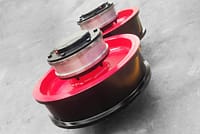
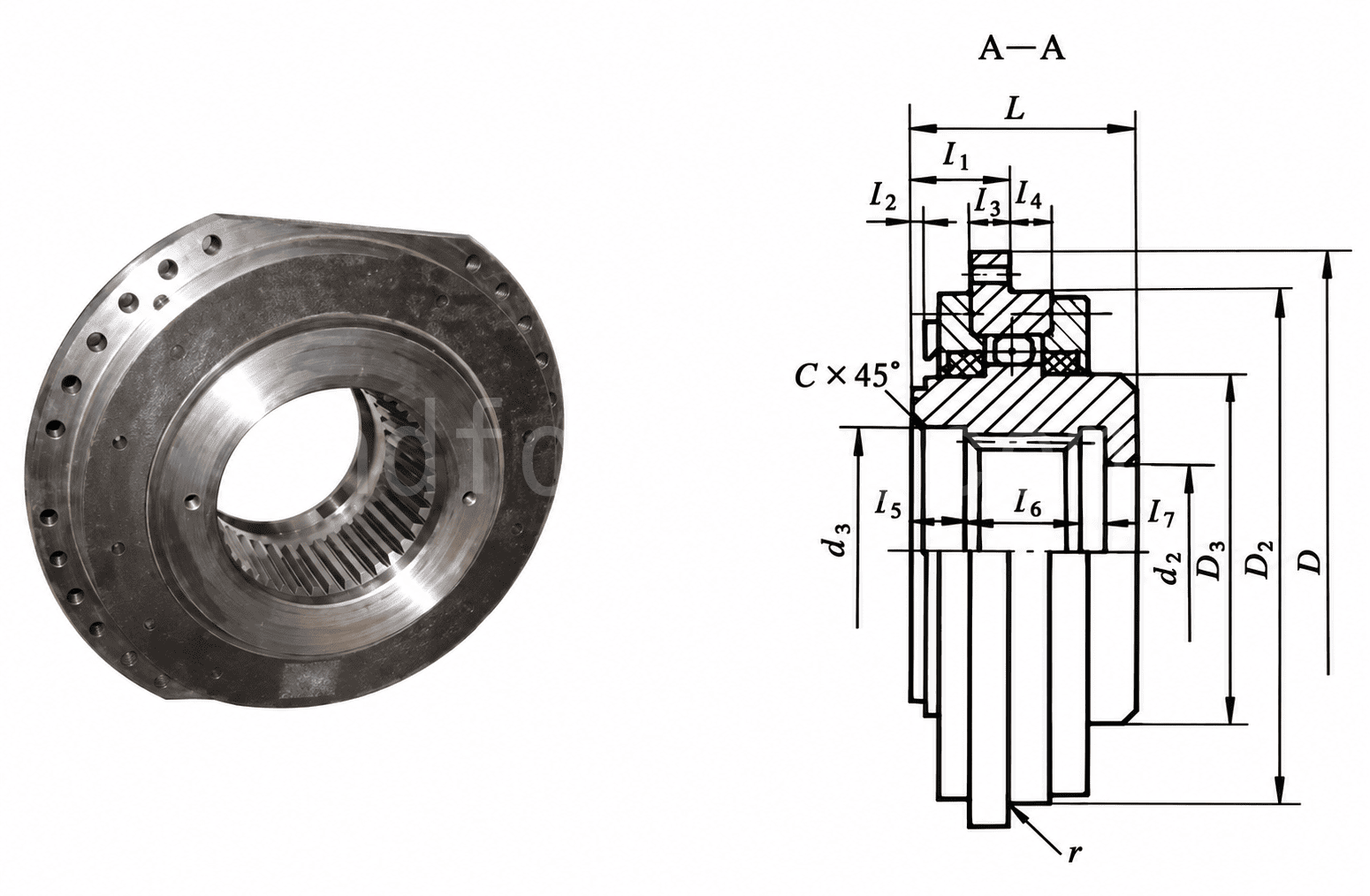
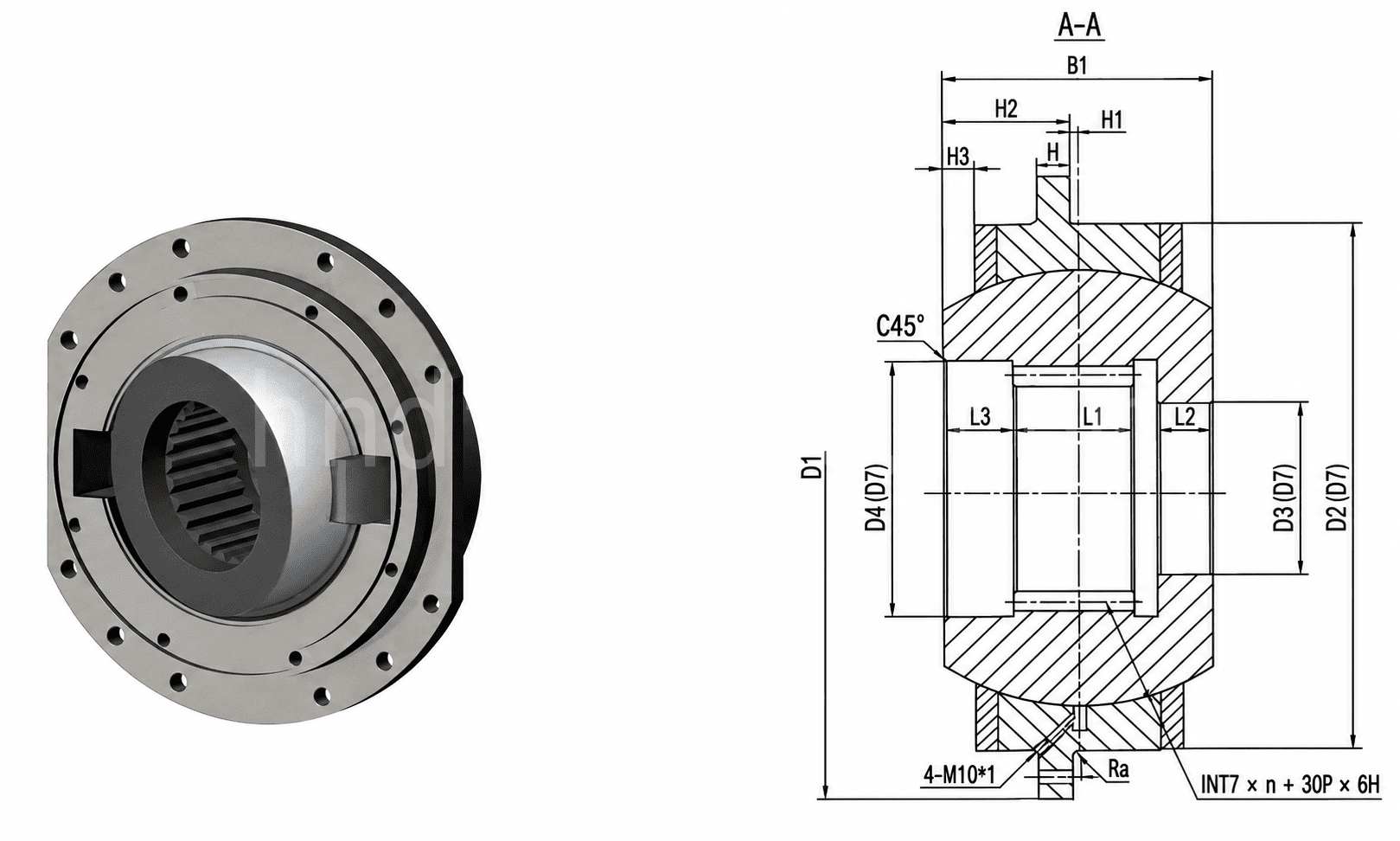
Three types of drum couplings are commonly used on cranes: the WJ spherical roller drum coupling, the WZL spherical hinged drum coupling, and the DC crowned gear drum coupling.
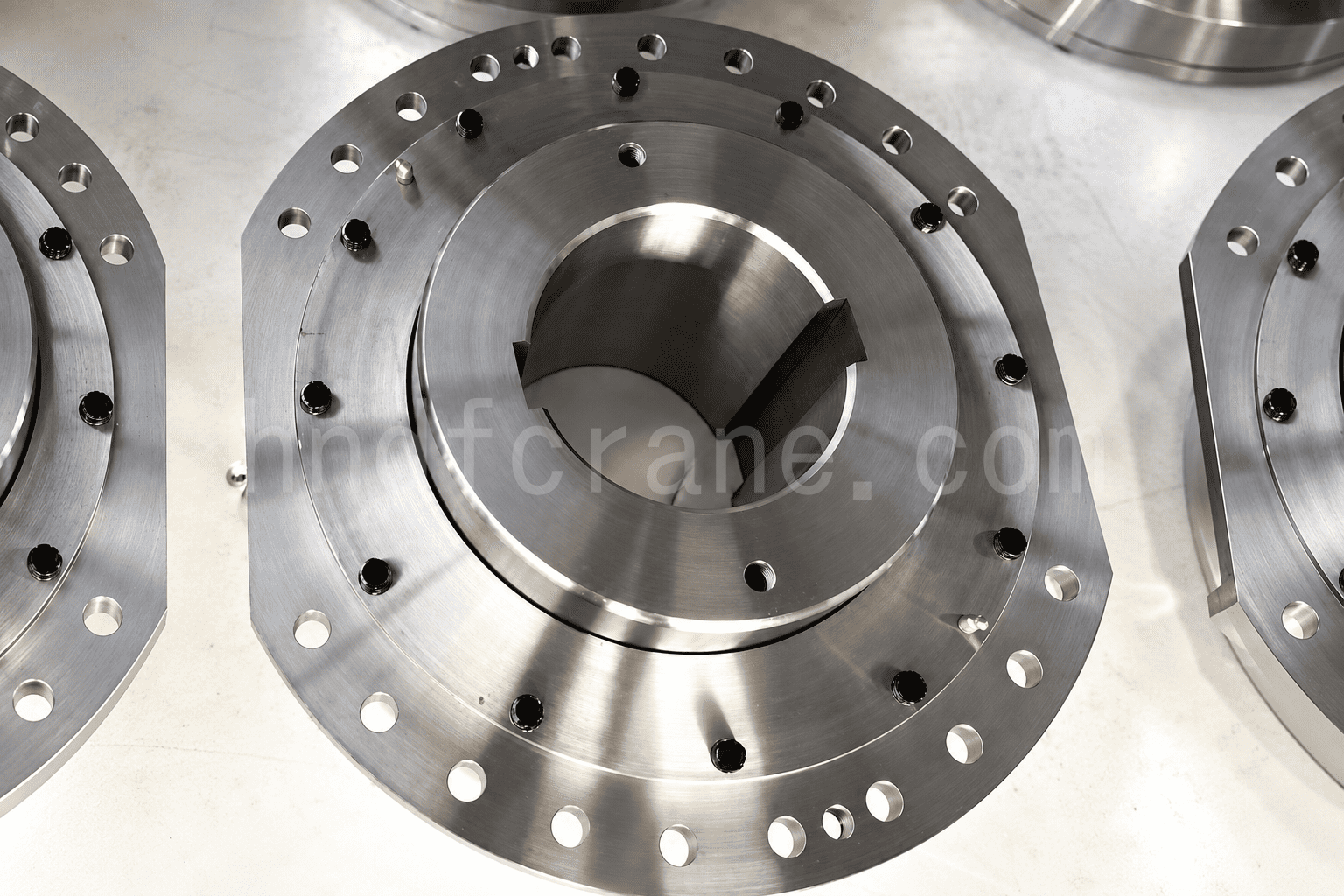
The form and technical requirements for the WJ spherical roller drum coupling are covered by the industry standard JB/T 7009-2007, Spherical Roller Couplings for Drums. The other two types do not currently have their own standards; their external connection dimensions and technical requirements conform to the standard above.
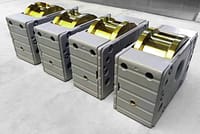
The three types are shown below.
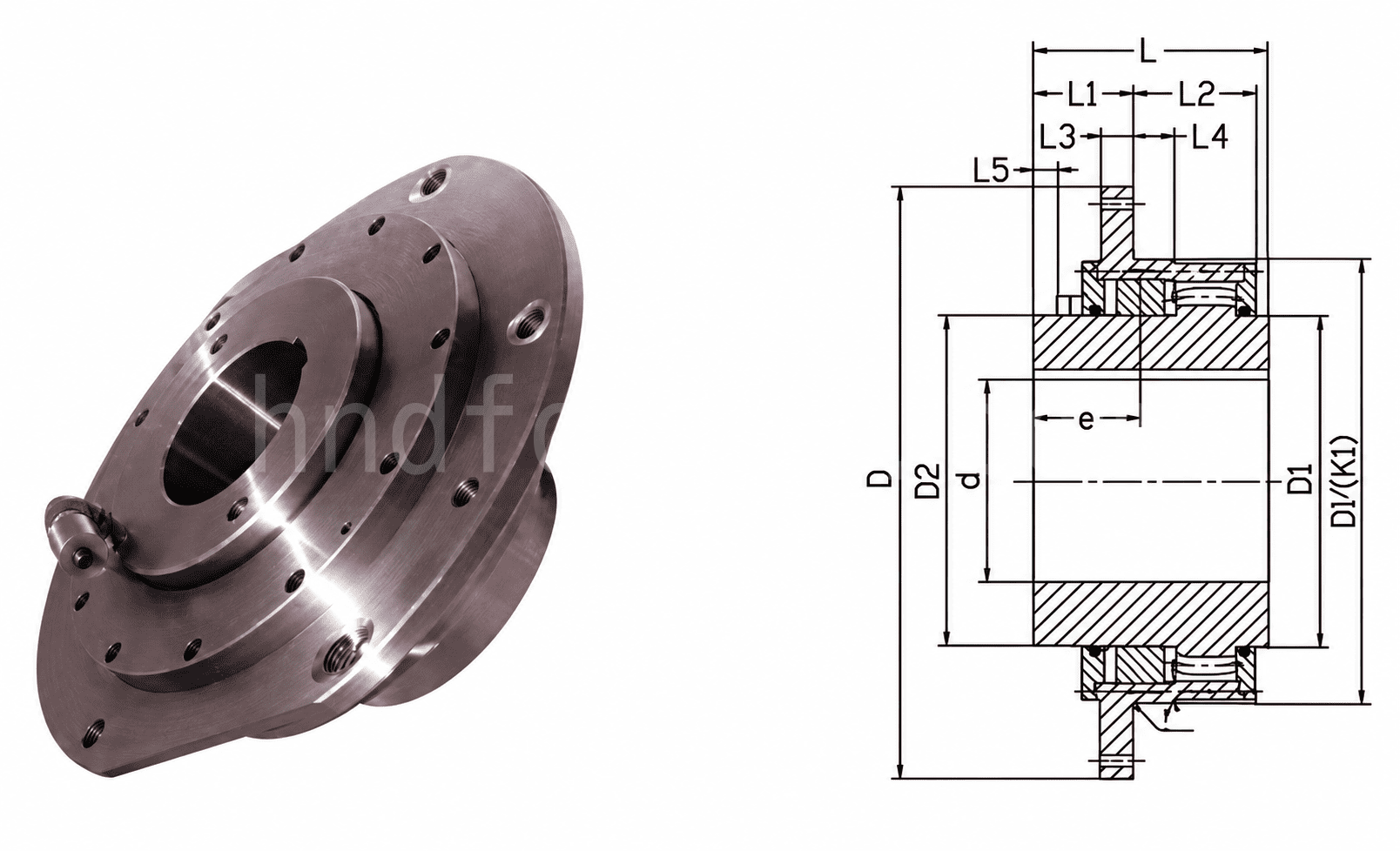
1. Working Principles of Common Overhead Crane Drum Couplings
1.1 WJ spherical roller coupling
Spherical rollers distributed around the circumference are fitted into the cylindrical tooth holes between the inner circumference of the coupling jacket and the outer circumference of the inner sleeve. They transmit torque and carry radial loads. Because the rollers have spherical surfaces, they also act as self-aligning bearings and compensate for a certain amount of angular displacement.
1.2 WZL spherical hinged coupling
The mating surfaces of the outer and inner sleeves form a complete spherical surface. Two special keys that carry shear forces are installed between the mating spherical surfaces to transmit torque.
The part of each key embedded in the outer sleeve is rectangular, while the part embedded in the inner sleeve is cylindrical. This design transmits torque while tolerating a certain angular displacement between the outer and inner sleeves.
1.3 DC crowned gear coupling
Torque is transmitted through the internal and external gear pair. Spherical contact surfaces are provided on the side of the gear ring to carry radial loads.
2. Service Characteristics of Overhead Crane Drum Couplings
2.1 Axis compensation
In actual applications, an angular alignment error between the reducer’s low-speed shaft and the drum shaft is unavoidable. Drum couplings therefore tolerate a certain degree of angular misalignment. Because the three overhead crane drum couplings have different structures, their permissible angular deviations are also different.
- WJ spherical roller coupling: When the axes are inclined, the spherical rollers move to an unstable position in the grooves, which can cause noise and wear. The maximum permissible angular deviation is 1.5°.
- WZL spherical hinged coupling: This coupling works in a way similar to a universal joint. When the axes are inclined, the special keys compensate for the angular displacement. The internal force conditions change relatively little, although the sliding amount increases and transmission efficiency decreases. The maximum permissible angular deviation is 3°.
- DC crowned gear coupling: Because there is a certain distance between the radial locating position and the internal gear pair, axis inclination can disrupt gear meshing. The permissible angular deviation is limited by the clearance of the gear pair and is 0.5°.
Among the three types, the spherical hinged coupling has the lowest requirement for crane installation accuracy.
2.2 Maintenance
The key to coupling maintenance is lubrication, so regular lubrication is necessary. Structurally, the areas requiring lubrication are mainly the torque-transmitting parts and the radial-load-bearing parts.
- WJ spherical roller coupling: The spherical rollers both transmit torque and carry radial loads. Each roller therefore needs good lubrication. Since an oil hole cannot align with every roller, the design of the lubrication passages is important. In practice, this coupling has relatively poor lubrication conditions.
- WZL spherical hinged coupling: Special keys transmit torque, while the spherical surface carries radial loads. Lubricating the special keys is important, but there are only two keys, so the oil hole can be positioned near them. The spherical surface must also be lubricated because its large contact area creates considerable frictional resistance when lubrication is insufficient. Oil retention on the spherical hinge surface is poor, so its lubrication conditions are also not ideal.
- DC crowned gear coupling: The gear pair transmits torque and the spherical surface carries radial loads. The main lubrication area is the spherical contact area. The contact surface of the outer sleeve is actually cylindrical, while only the inner sleeve has a spherical contact surface; this creates line contact and allows oil to remain between the contact surfaces. Its lubrication conditions are therefore relatively good.
2.3 Installation characteristics
Because the three overhead crane drum couplings differ in their sensitivity to axis deviation, the coupling type installed on the hoisting mechanism should be identified before installing the drum. Assembly and adjustment must then be performed strictly according to the applicable technical requirements.
The WJ spherical roller coupling and the DC crowned gear coupling have axial clearance. They provide radial positioning only and allow axial floating. The axial locating point of the drum is therefore at the drum support, and the bearing on the drum tail shaft needs axial positioning.
The WZL spherical hinged coupling forms a complete hinge point with both radial and axial positioning. For a drum equipped with this coupling, the bearing on the tail shaft should have axial floating clearance.
Crane technical specifications generally impose the same installation-accuracy requirements regardless of the coupling type. The smaller the axis deviation, the higher the coupling efficiency and the longer its service life.
نتیجہ
WJ, WZL, and DC drum overhead crane drum couplings all transmit torque and accommodate installation deviations, but their load-bearing structures, permissible angular deviations, lubrication conditions, and axial-location requirements differ. Correctly identifying the coupling type and following its installation and lubrication requirements are essential for stable operation and service life.

میں سنڈی ہوں، کرین انڈسٹری میں کام کرنے کے 10 سال کے تجربے کے ساتھ اور میرے پاس پیشہ ورانہ علم کا خزانہ ہے۔ میں نے 500+ صارفین کے لیے اطمینان بخش کرینوں کا انتخاب کیا ہے۔ اگر آپ کو کرینوں کے بارے میں کوئی ضرورت یا سوالات ہیں، تو براہ کرم مجھ سے بلا جھجھک رابطہ کریں، میں مسئلہ کو حل کرنے میں آپ کی مدد کے لیے اپنی مہارت اور عملی تجربہ استعمال کروں گا!
اپنی انکوائری بھیجیں۔
- ای میل: sales@hndfcrane.com
- واٹس ایپ: +86 191 3738 6654
- ٹیلی گرام: +86 191 3738 6654
- ٹیلی فون: +86-373-581 8299
- فیکس: +86-373-215 7000
- شامل کریں: Changnao صنعتی ضلع، Xinxiang شہر، Henan صوبہ، چین
 WeChat
- اوور ہیڈ کرینیں
- ڈبل گرڈر اوور ہیڈ کرینیں۔
- سنگل گرڈر اوور ہیڈ کرینز
- یورپی قسم کا سنگل گرڈر اوور ہیڈ کرین
- دھماکے کا ثبوت اوور ہیڈ کرینیں۔
- پکڑو اور مقناطیسی اوور ہیڈ کرینیں۔
- مونوریل کرینیں
- فاؤنڈری اوور ہیڈ کرینیں۔
- ورک سٹیشن کرینیں: ماڈیولر لفٹنگ حل
- جیب کرینز
- وال ماونٹڈ جیب کرینز
- وال ٹریولنگ جیب کرینز
- مفت کھڑے جب کرینیں
- ایلومینیم جیب کرینز: ہلکا پھلکا، آسان لفٹنگ کے لیے ہموار گھومنے والا بازو
- بیلنس جیب کرینز: مختصر فاصلے کے مکینیکل اسمبلی کے لیے موثر لائٹ لفٹنگ
- دستی فری اسٹینڈنگ جب کرینیں: محدود خلائی آپریشنز کے لیے موثر دستی لفٹنگ حل
- الیکٹرک فری اسٹینڈنگ جیب کرینز: اعلیٰ صلاحیت کی تیز رفتار لفٹنگ کے لیے مکمل طور پر الیکٹرک سلوشن
- آرٹیکلیوٹنگ جیب کرینز: ڈوئل آرم لچک کے ساتھ پریسجن لفٹنگ
- گینٹری کرینز
- ڈبل گرڈر گینٹری کرینز
- سیمی گینٹری کرینز
- سنگل گرڈر گینٹری کرینز
- ٹرس گینٹری کرینیں
- کنٹینر گینٹری کرینیں۔
- ایڈجسٹ ایبل گینٹری کرینیں
- پورٹ ایبل گینٹری کرینیں۔
- یورپی گینٹری کرینیں
- صنعتیں
- جنرل مینوفیکچرنگ
- فضلہ ہینڈلنگ
- پری کاسٹ
- طاقت
- پتھر
- کاغذ سازی
- دھات کی پیداوار
- پل کی تعمیر
- پورٹ کرینز: کنٹینر اور بلک میٹریل ہینڈلنگ کے لیے
- پیٹرولیم اور گیس کی صنعت کے لیے اوور ہیڈ کرینیں: آپریشنل کارکردگی میں اضافہ
- بحری کرینیں بحری جہازوں پر کارگو کی موثر لوڈنگ کے لیے
- آٹوموٹو انڈسٹری کے لیے اوور ہیڈ کرینیں: موثر آٹومیشن حل
- الیکٹرک لہرانے والا
- الیکٹرک وائر رسی لہرانے والا
- الیکٹرک چین لہرانے والا
- یورپی قسم الیکٹرک Hoists
- یورپی الیکٹرک چین لہرانے: ہموار آپریشن، کم شور، اور توانائی کی کارکردگی
- دستی لیور ہوسٹس: کھینچنے اور اٹھانے کے کاموں کے لیے مثالی۔
- ہاتھ کی زنجیر لہرانے: بجلی کے بغیر علاقوں کے لیے دستی لفٹنگ
- کم ہیڈ روم الیکٹرک ہوسٹس: زیادہ سے زیادہ جگہ کی کارکردگی کے لیے کمپیکٹ ڈیزائن
- نیومیٹک چین Hoists: صنعتی استعمال کے لیے ہموار ہینڈلنگ
- دھماکہ پروف مینوئل چین لہرانے والے: خطرناک علاقوں کے لیے چنگاری مزاحم تانبے کے کھوٹ کی تعمیر
- خطرناک ایریا لفٹنگ کے لیے دھماکہ پروف الیکٹرک چین لہرانے والا
- ہم سے رابطہ کریں۔
- ای میل: sales@hndfcrane.com
- واٹس ایپ: +86 191 3738 6654
- ٹیلی گرام: +86 191 3738 6654
- ٹیلی فون: +86-373-581 8299
-