
-
Industries
-

General Manufacturing
-
Waste Handling
-

Precast
-

Power
-

Stone
-

Papermaking
-
Metal Production
-
Bridge Construction
-
Port Cranes: For Container and Bulk Material Handling
-

Overhead Cranes for Petroleum and Gas Industry: Enhance Operational Efficiency
-

Marine Cranes for Efficient Cargo Loading on Ships
-

Overhead Cranes for the Automotive Industry: Efficient Automation Solutions
-
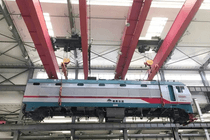
Overhead Crane Solutions for Railways: Track Laying, Rolling Stock Maintenance, and Container Handling
-

Overhead Cranes for Food and Beverages: Reliable Solutions for Efficient Handling
-

Overhead Cranes for Efficient Cement, Glass, Brick and Precast Concrete Manufacturing
-
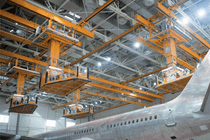
Overhead Cranes for Aviation Industry: Aircraft Maintenance and Assembly
-

Aerospace Overhead Cranes: Precision Lifting for Rocket Launch and Transport
-
-
Products
-
Overhead Cranes
-
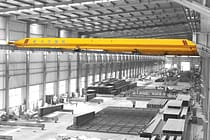
Single Girder Overhead Cranes
-

Double Girder Overhead Cranes
-
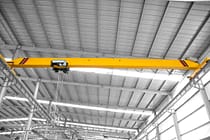
European Type Single Girder Overhead Cranes
-
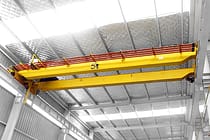
European Type Double Girder Overhead Cranes
-
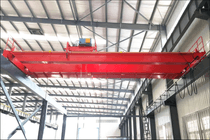
Explosion Proof Overhead Cranes
-
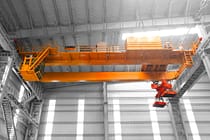
Grab And Magnetic Overhead Cranes
-

Monorail Cranes
-

Foundry Overhead Cranes
-
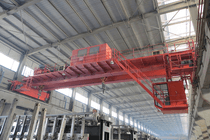
Insulation Overhead Cranes
-

Low Headroom Overhead Cranes
-

Grab Overhead Cranes
-
Ladle Overhead Cranes
-
Underhung Overhead Cranes
-

Electromagnetic Overhead Cranes
-
Workstation Cranes: Modular Lifting Solution
-
Free Standing Workstation Bridge Cranes
-
Ceiling Mounted Bridge Crane
-
Manual Overhead Cranes
-
-
Gantry Cranes
-

Semi Gantry Cranes
-
Single Girder Gantry Cranes
-
Double Girder Gantry Cranes
-
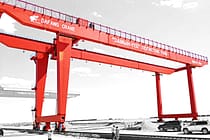
Container Gantry Cranes
-
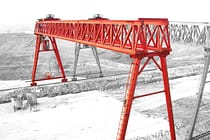
Truss Gantry Cranes
-
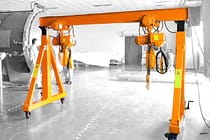
Adjustable Gantry Cranes
-
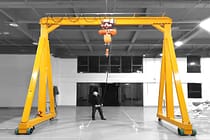
Portable Gantry Cranes
-
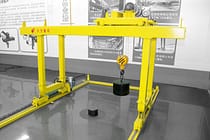
European Gantry Cranes
-

Aluminum Gantry Cranes
-
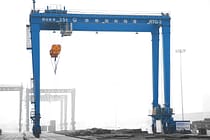
Rubber Tyred Container Gantry Cranes
-
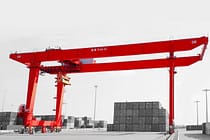
Rail Mounted Container Gantry Cranes
-

Shipyard Gantry Crane
-
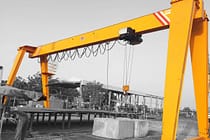
European Single Girder Gantry Cranes
-

European Double Girder Gantry Cranes
-
- Jib Cranes
- Special Cranes
- Electric Hoists
- Transfer Carts
-
Overhead Cranes
-
Crane Parts
-
Grab Buckets
-
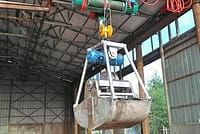
Electric Stainless Steel Grab Bucket
-
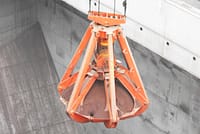
Mechanical Four Rope Orange Peel Grabs
-
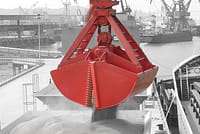
Mechanical Four Rope Clamshell Grabs Bucket
-
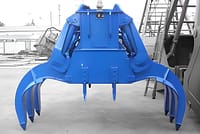
Electro Hydraulic Rectangular Grabs
-
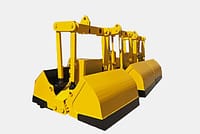
Electro hydraulic Clamshell Grabs
-
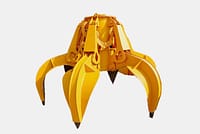
Electro Hydraulic Orange Peel Grabs,Hydraulic Cactus Grab
-
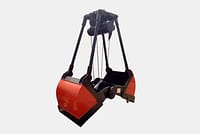
Electric Motor Grab
-
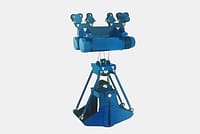
Electric Monorail Grab Bucket with Monorail Hoist
-
Remote Control Clamshell Grabs
-
Mechanical Two Rope Clamshell Grabs
-

Timber Grabs
-

Single Rope Grab Bucket
-
Trash Rack Cleaning Machines
-

Dredging Grabs
-
Trimming Grabs
-
- Crane Spreader
-
Crane Spare Parts
-
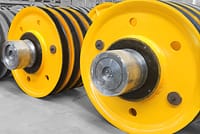
Crane Sheaves
-
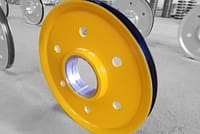
Wire Rope Sheaves
-
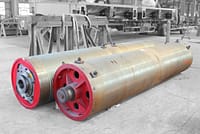
Crane Rope Drum
-
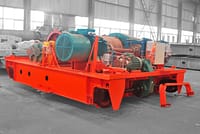
Crane Trolley
-
Electric Winch
-

Crane Operator Cabin
-
Overhead Crane Brakes
-
Overhead Crane Cables
-
Overhead Crane Rope Guides
-
Overhead Crane Conductors and Power Supply Lines
-
Overhead Crane Rails
-
Overhead Crane Rail Clips
-
Overhead Crane Motors
-
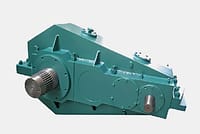
Overhead Crane Reducers
-
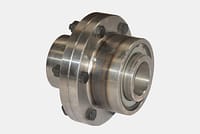
Couplings for Overhead Crane
-
- Crane Wheels
-
Grab Buckets
- Company
- Contact













-
Industries
-
General Manufacturing
-
Waste Handling
-
Precast
-
Power
-
Stone
-
Papermaking
-
Metal Production
-
Bridge Construction
-
Port Cranes: For Container and Bulk Material Handling
-
Overhead Cranes for Petroleum and Gas Industry: Enhance Operational Efficiency
-
Marine Cranes for Efficient Cargo Loading on Ships
-
Overhead Cranes for the Automotive Industry: Efficient Automation Solutions
-
Overhead Crane Solutions for Railways: Track Laying, Rolling Stock Maintenance, and Container Handling
-
Overhead Cranes for Food and Beverages: Reliable Solutions for Efficient Handling
-
Overhead Cranes for Efficient Cement, Glass, Brick and Precast Concrete Manufacturing
-
Overhead Cranes for Aviation Industry: Aircraft Maintenance and Assembly
-
Aerospace Overhead Cranes: Precision Lifting for Rocket Launch and Transport
-
-
Products
-
Overhead Cranes
-
Single Girder Overhead Cranes
-
Double Girder Overhead Cranes
-
European Type Single Girder Overhead Cranes
-
European Type Double Girder Overhead Cranes
-
Explosion Proof Overhead Cranes
-
Grab And Magnetic Overhead Cranes
-
Monorail Cranes
-
Foundry Overhead Cranes
-
Insulation Overhead Cranes
-
Low Headroom Overhead Cranes
-
Grab Overhead Cranes
-
Ladle Overhead Cranes
-
Underhung Overhead Cranes
-
Electromagnetic Overhead Cranes
-
Workstation Cranes: Modular Lifting Solution
-
Free Standing Workstation Bridge Cranes
-
Ceiling Mounted Bridge Crane
-
Manual Overhead Cranes
-
-
Gantry Cranes
-
Semi Gantry Cranes
-
Single Girder Gantry Cranes
-
Double Girder Gantry Cranes
-
Container Gantry Cranes
-
Truss Gantry Cranes
-
Adjustable Gantry Cranes
-
Portable Gantry Cranes
-
European Gantry Cranes
-
Aluminum Gantry Cranes
-
Rubber Tyred Container Gantry Cranes
-
Rail Mounted Container Gantry Cranes
-
Shipyard Gantry Crane
-
European Single Girder Gantry Cranes
-
European Double Girder Gantry Cranes
-
- Jib Cranes
- Special Cranes
- Electric Hoists
- Transfer Carts
-
Overhead Cranes
-
Crane Parts
-
Grab Buckets
-
Electric Stainless Steel Grab Bucket
-
Mechanical Four Rope Orange Peel Grabs
-
Mechanical Four Rope Clamshell Grabs Bucket
-
Electro Hydraulic Rectangular Grabs
-
Electro hydraulic Clamshell Grabs
-
Electro Hydraulic Orange Peel Grabs,Hydraulic Cactus Grab
-
Electric Motor Grab
-
Electric Monorail Grab Bucket with Monorail Hoist
-
Remote Control Clamshell Grabs
-
Mechanical Two Rope Clamshell Grabs
-
Timber Grabs
-
Single Rope Grab Bucket
-
Trash Rack Cleaning Machines
-
Dredging Grabs
-
Trimming Grabs
-
- Crane Spreader
-
Crane Spare Parts
-
Crane Sheaves
-
Wire Rope Sheaves
-
Crane Rope Drum
-
Crane Trolley
-
Electric Winch
-
Crane Operator Cabin
-
Overhead Crane Brakes
-
Overhead Crane Cables
-
Overhead Crane Rope Guides
-
Overhead Crane Conductors and Power Supply Lines
-
Overhead Crane Rails
-
Overhead Crane Rail Clips
-
Overhead Crane Motors
-
Overhead Crane Reducers
-
Couplings for Overhead Crane
-
- Crane Wheels
-
Grab Buckets
- Company
- Contact



Overhead Crane Drum Coupling Working Principles and Key Features
Table of Contents
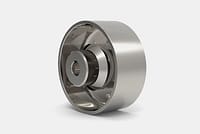
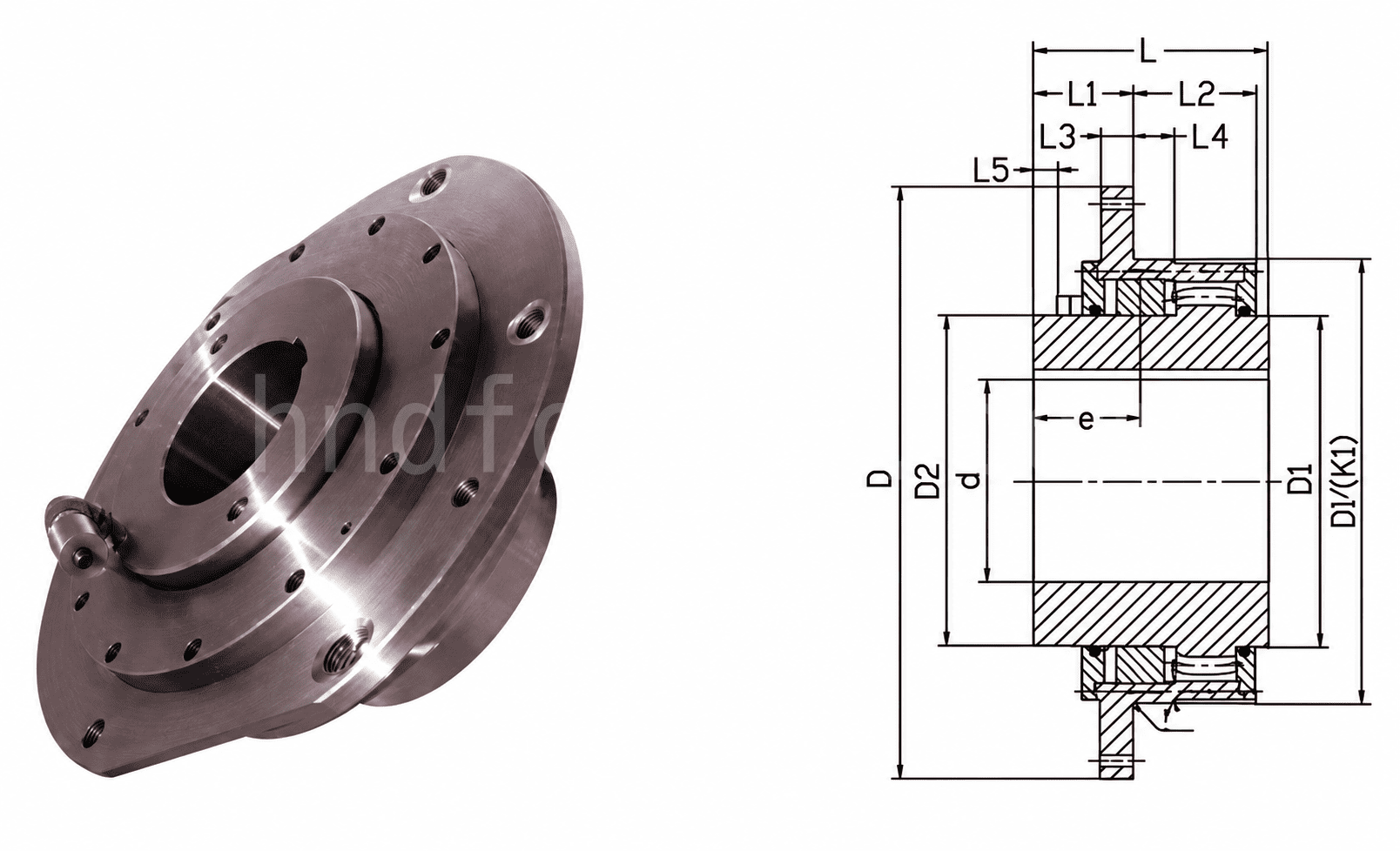
Three types of drum couplings are commonly used on cranes: the WJ spherical roller drum coupling, the WZL spherical hinged drum coupling, and the DC crowned gear drum coupling.
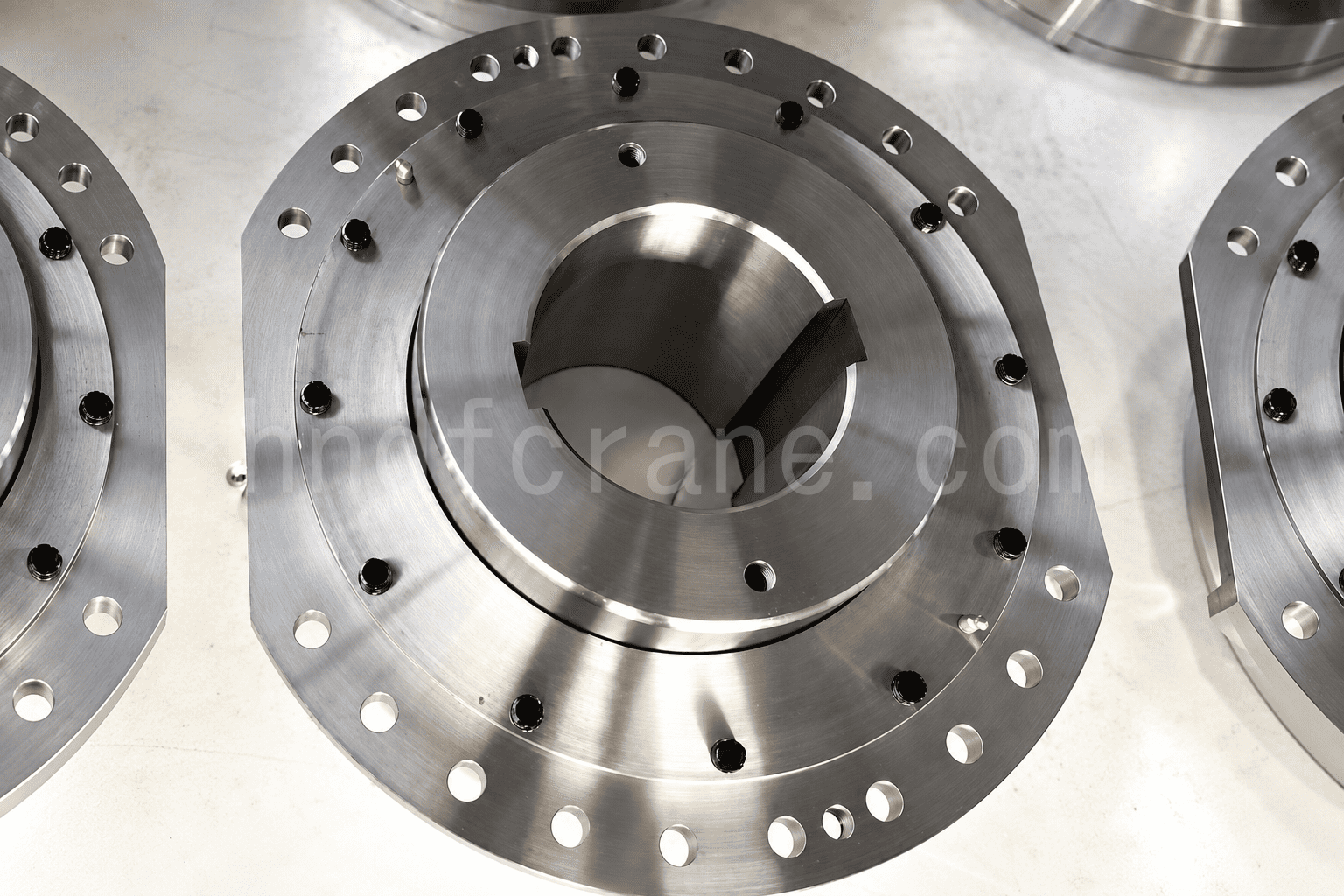
The form and technical requirements for the WJ spherical roller drum coupling are covered by the industry standard JB/T 7009-2007, Spherical Roller Couplings for Drums. The other two types do not currently have their own standards; their external connection dimensions and technical requirements conform to the standard above.
The three types are shown below.
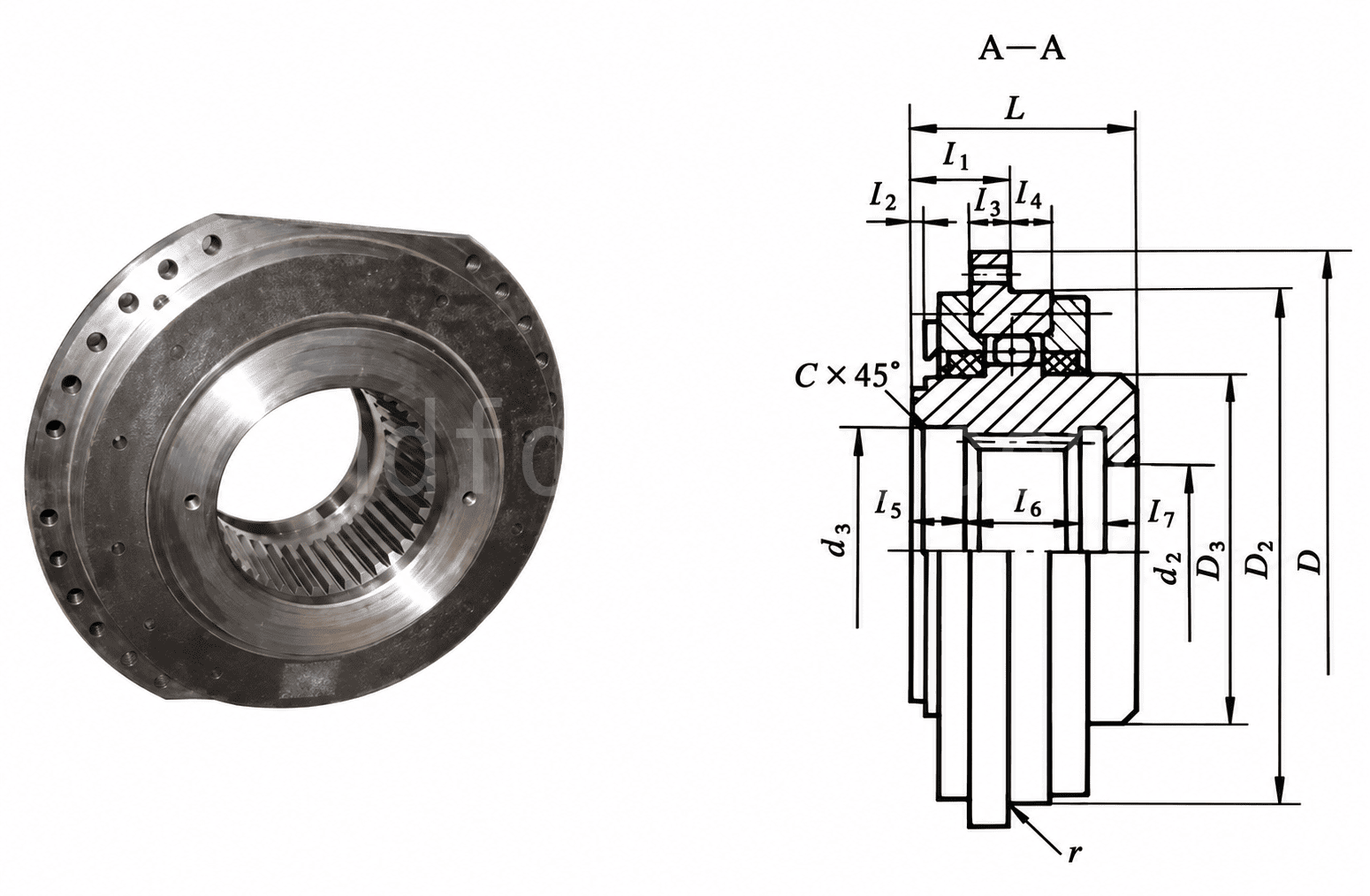
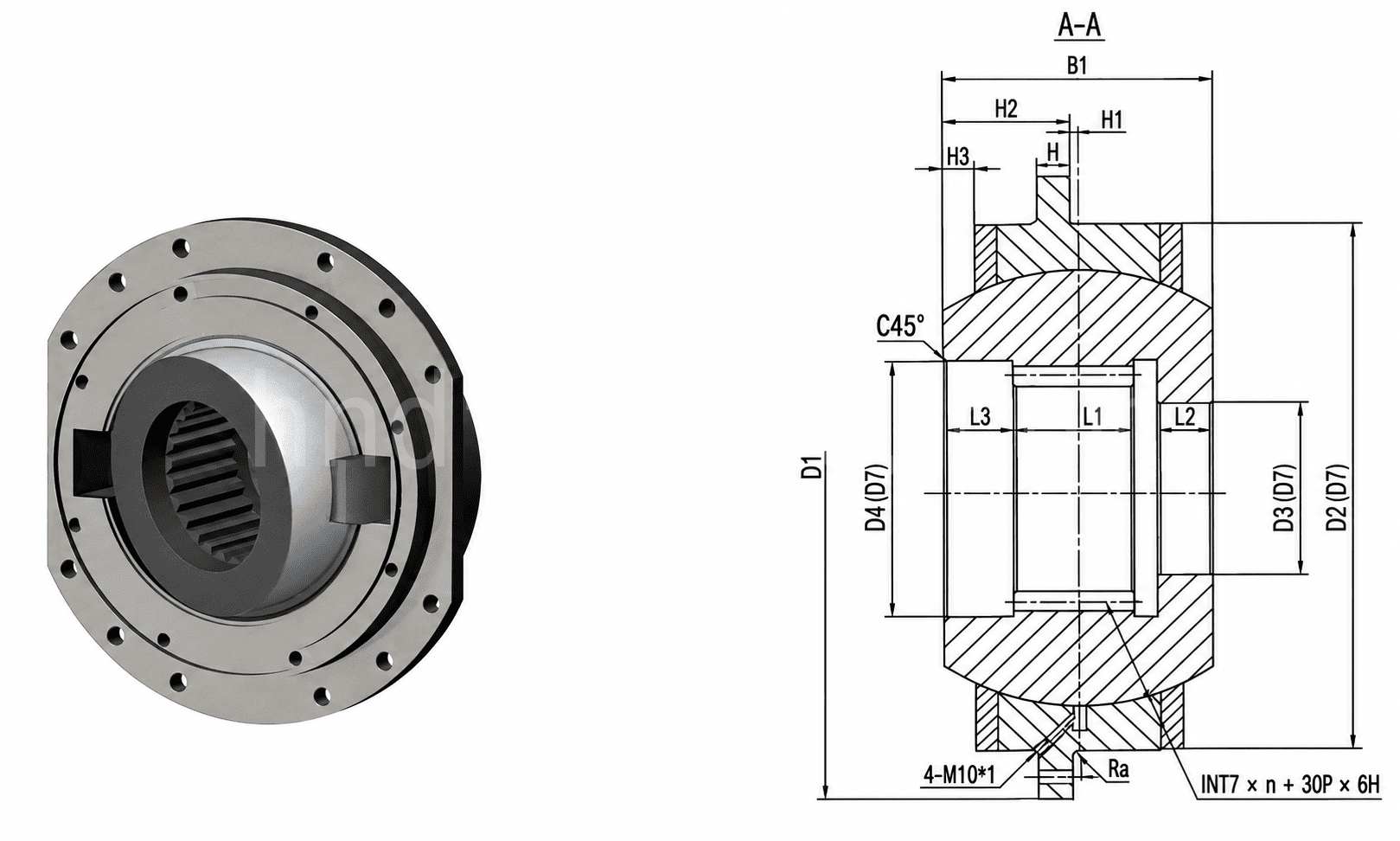
1. Working Principles of Common Overhead Crane Drum Couplings
1.1 WJ spherical roller coupling
Spherical rollers distributed around the circumference are fitted into the cylindrical tooth holes between the inner circumference of the coupling jacket and the outer circumference of the inner sleeve. They transmit torque and carry radial loads. Because the rollers have spherical surfaces, they also act as self-aligning bearings and compensate for a certain amount of angular displacement.
1.2 WZL spherical hinged coupling
The mating surfaces of the outer and inner sleeves form a complete spherical surface. Two special keys that carry shear forces are installed between the mating spherical surfaces to transmit torque.
The part of each key embedded in the outer sleeve is rectangular, while the part embedded in the inner sleeve is cylindrical. This design transmits torque while tolerating a certain angular displacement between the outer and inner sleeves.
1.3 DC crowned gear coupling
Torque is transmitted through the internal and external gear pair. Spherical contact surfaces are provided on the side of the gear ring to carry radial loads.
2. Service Characteristics of Overhead Crane Drum Couplings
2.1 Axis compensation
In actual applications, an angular alignment error between the reducer’s low-speed shaft and the drum shaft is unavoidable. Drum couplings therefore tolerate a certain degree of angular misalignment. Because the three overhead crane drum couplings have different structures, their permissible angular deviations are also different.
- WJ spherical roller coupling: When the axes are inclined, the spherical rollers move to an unstable position in the grooves, which can cause noise and wear. The maximum permissible angular deviation is 1.5°.
- WZL spherical hinged coupling: This coupling works in a way similar to a universal joint. When the axes are inclined, the special keys compensate for the angular displacement. The internal force conditions change relatively little, although the sliding amount increases and transmission efficiency decreases. The maximum permissible angular deviation is 3°.
- DC crowned gear coupling: Because there is a certain distance between the radial locating position and the internal gear pair, axis inclination can disrupt gear meshing. The permissible angular deviation is limited by the clearance of the gear pair and is 0.5°.
Among the three types, the spherical hinged coupling has the lowest requirement for crane installation accuracy.
2.2 Maintenance
The key to coupling maintenance is lubrication, so regular lubrication is necessary. Structurally, the areas requiring lubrication are mainly the torque-transmitting parts and the radial-load-bearing parts.
- WJ spherical roller coupling: The spherical rollers both transmit torque and carry radial loads. Each roller therefore needs good lubrication. Since an oil hole cannot align with every roller, the design of the lubrication passages is important. In practice, this coupling has relatively poor lubrication conditions.
- WZL spherical hinged coupling: Special keys transmit torque, while the spherical surface carries radial loads. Lubricating the special keys is important, but there are only two keys, so the oil hole can be positioned near them. The spherical surface must also be lubricated because its large contact area creates considerable frictional resistance when lubrication is insufficient. Oil retention on the spherical hinge surface is poor, so its lubrication conditions are also not ideal.
- DC crowned gear coupling: The gear pair transmits torque and the spherical surface carries radial loads. The main lubrication area is the spherical contact area. The contact surface of the outer sleeve is actually cylindrical, while only the inner sleeve has a spherical contact surface; this creates line contact and allows oil to remain between the contact surfaces. Its lubrication conditions are therefore relatively good.
2.3 Installation characteristics
Because the three overhead crane drum couplings differ in their sensitivity to axis deviation, the coupling type installed on the hoisting mechanism should be identified before installing the drum. Assembly and adjustment must then be performed strictly according to the applicable technical requirements.
The WJ spherical roller coupling and the DC crowned gear coupling have axial clearance. They provide radial positioning only and allow axial floating. The axial locating point of the drum is therefore at the drum support, and the bearing on the drum tail shaft needs axial positioning.
The WZL spherical hinged coupling forms a complete hinge point with both radial and axial positioning. For a drum equipped with this coupling, the bearing on the tail shaft should have axial floating clearance.
Crane technical specifications generally impose the same installation-accuracy requirements regardless of the coupling type. The smaller the axis deviation, the higher the coupling efficiency and the longer its service life.
Conclusion
WJ, WZL, and DC drum overhead crane drum couplings all transmit torque and accommodate installation deviations, but their load-bearing structures, permissible angular deviations, lubrication conditions, and axial-location requirements differ. Correctly identifying the coupling type and following its installation and lubrication requirements are essential for stable operation and service life.

I am Cindy, with 10 years of working experience in the crane industry and accumulated a wealth of professional knowledge. I have chosen the satisfying cranes for 500+ customers. If you have any needs or questions about cranes, please feel free to contact me, I will use my expertise and practical experience to help you solve the problem!
Send Your Inquiry
- Email: sales@hndfcrane.com
- WhatsApp: +86 191 3738 6654
- Telegram: +86 191 3738 6654
- Tel: +86-373-581 8299
- Fax: +86-373-215 7000
- Add: Changnao Industrial District, Xinxiang City, Henan Province, China
 WeChat
- Overhead Cranes
- Double Girder Overhead Cranes
- Single Girder Overhead Cranes
- European Type Single Girder Overhead Cranes
- Explosion Proof Overhead Cranes
- Grab And Magnetic Overhead Cranes
- Monorail Cranes
- Foundry Overhead Cranes
- Workstation Cranes: Modular Lifting Solution
- Jib Cranes
- Wall Mounted Jib Cranes
- Wall Travelling Jib Cranes
- Free Standing Jib Cranes
- Aluminum Jib Cranes: Lightweight, Smooth Rotating Arm for Easy Lifting
- Balance Jib Cranes: Efficient Light Lifting for Short Distance Mechanical Assembly
- Manual Free Standing Jib Cranes: Efficient Manual Lifting Solutions for Limited Space Operations
- Electric Free Standing Jib Cranes: Fully Electric Solution for High Capacity Fast Lifting
- Articulating Jib Cranes: Precision Lifting with Dual Arm Flexibility
- Gantry Cranes
- Double Girder Gantry Cranes
- Semi Gantry Cranes
- Single Girder Gantry Cranes
- Truss Gantry Cranes
- Container Gantry Cranes
- Adjustable Gantry Cranes
- Portable Gantry Cranes
- European Gantry Cranes
- Industries
- General Manufacturing
- Waste Handling
- Precast
- Power
- Stone
- Papermaking
- Metal Production
- Bridge Construction
- Port Cranes: For Container and Bulk Material Handling
- Overhead Cranes for Petroleum and Gas Industry: Enhance Operational Efficiency
- Marine Cranes for Efficient Cargo Loading on Ships
- Overhead Cranes for the Automotive Industry: Efficient Automation Solutions
- Electric Hoists
- Electric Wire Rope Hoists
- Electric Chain Hoists
- European Type Electric Hoists
- European Electric Chain Hoists: Smooth Operation, Low Noise, and Energy Efficiency
- Manual Lever Hoists: Ideal for Pulling and Lifting Tasks
- Hand Chain Hoists: Manual Lifting for Areas Without Power
- Low Headroom Electric Hoists: Compact Design for Maximum Space Efficiency
- Pneumatic Chain Hoists: Smooth Handling for Industrial Use
- Explosion Proof Manual Chain Hoists: Spark Resistant Copper Alloy Construction for Hazardous Areas
- Explosion Proof Electric Chain Hoists for Hazardous Area Lifting
- Contact Us
- Email: sales@hndfcrane.com
- WhatsApp: +86 191 3738 6654
- Telegram: +86 191 3738 6654
- Tel: +86-373-581 8299
-