
-
Галузі промисловості
-
Загальне виробництво
-
Поводження з відходами
-
Збірний
-
потужність
-
Камінь
-
виготовлення паперу
-
Виробництво металу
-
Будівництво мостів
-
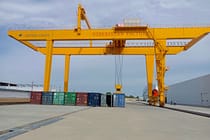
Портові крани: для обробки контейнерів та сипучих матеріалів
-
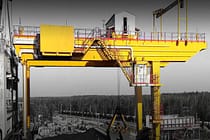
Мостові крани для нафтогазової промисловості: підвищення операційної ефективності
-
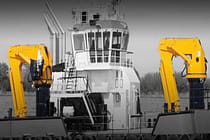
Морські крани для ефективного завантаження вантажів на судна
-
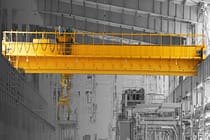
Мостові крани для автомобільної промисловості: ефективні рішення для автоматизації
-
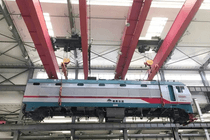
Рішення для мостових кранів для залізниць: прокладання колій, технічне обслуговування рухомого складу та обробка контейнерів
-
Мостові крани для харчових продуктів та напоїв: надійні рішення для ефективного переміщення
-
Мостові крани для ефективного виробництва цементу, скла, цегли та збірного залізобетону
-
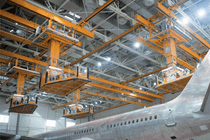
Мостові крани для авіаційної промисловості: технічне обслуговування та складання літаків
-
Аерокосмічні мостові крани: точне підйомне навантаження для запуску та транспортування ракет
-
-
Продукти
-
Мостові крани
-
Однобалочні мостові крани
-
Двобалочні мостові крани
-
Однобалкові мостові крани європейського типу
-
Двобалкові мостові крани європейського типу
-
Вибухозахищені мостові крани
-
Грейферні та магнітні мостові крани
-
Монорельсові крани
-
Ливарні мостові крани
-
Крани робочих станцій
-
Ізоляція Мостові крани
-
Мостові крани з низьким висотою
-
Підйомні мостові крани
-
Мостові крани-ковші
-
Підвісні мостові крани
-
Електромагнітні мостові крани
-
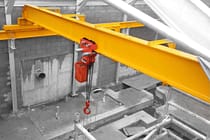
Ручні мостові крани
-
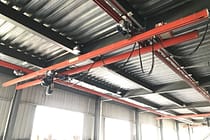
Стельовий мостовий кран
-
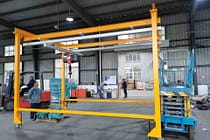
Окремостоячі мостові крани для робочих станцій
-
-
Козлові крани
-
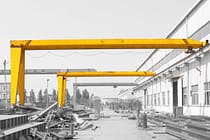
Напівкозлові крани
-
Однобалочні козлові крани
-
Двобалочні козлові крани
-
Контейнерні козлові крани
-
Фермові козлові крани
-
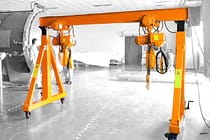
Регульовані козлові крани
-
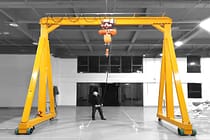
Портативні козлові крани
-
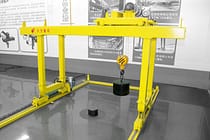
Європейські козлові крани
-
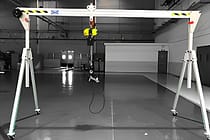
Алюмінієві портальні крани
-
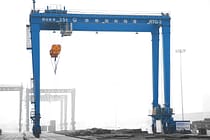
Портальні контейнерні крани на гумових шинах
-
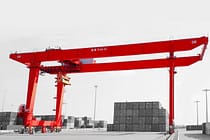
Портальні контейнерні крани на рейках
-
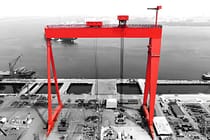
Портальний кран верфі
-
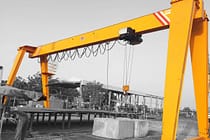
Європейські однобалкові козлові крани
-
Європейські двобалкові козлові крани
-
-
Стріловидні крани
-
Окремо стоячі стрілові крани
-
Настінні пересувні стрілові крани
-
Настінні стрілові крани
-
Балансувальні стрілові крани
-
Електричні окремостоячі стрілові крани
-
Ручні окремостоячі стрілові крани
-
Алюмінієві стрілові крани
-
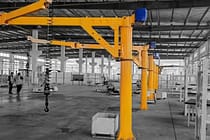
Шарнірно-стрілові крани
-
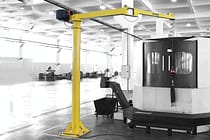
Розумні стрілові крани
-
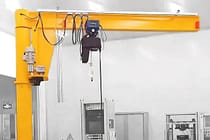
Стандартні стрілові крани FEM
-
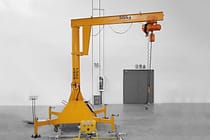
Переносні стрілові крани
-
-
Спеціальні крани
-
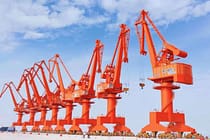
Портальні крани порту
-
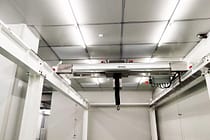
Крани для чистих приміщень
-
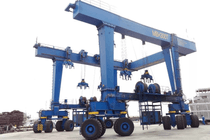
Мобільні човнові підйомники
-
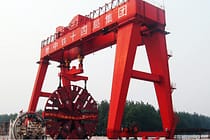
Козловий кран зі щитом для буріння тунелів
-
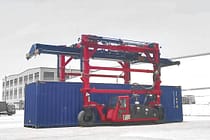
Перевізники верхової їзди
-
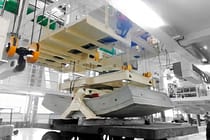
Система обробки сегментів
-
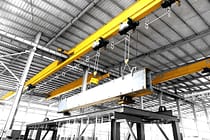
Цинкування перевантажувальних кранів Interlock
-
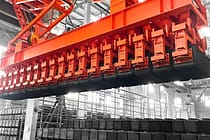
Кран для штабелювання анодних вуглецевих блоків
-
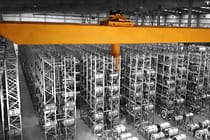
Штабелювальний кран
-
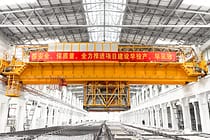
Електролітичний мідний мостовий кран
-
- Електричні підйомники
- Трансферні візки
-
Мостові крани
-
Запчастини крана
-
Захопіть відра
-
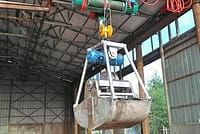
Електричне відро з нержавіючої сталі
-
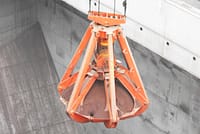
Чотири мотузкові механічні захоплення апельсинової шкірки
-
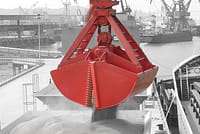
Механічний грейферний ковш із чотирма мотузками
-
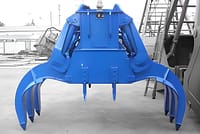
Електрогідравлічні прямокутні грейфери
-
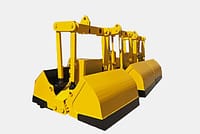
Електрогідравлічні грейфери
-
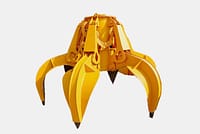
Електрогідравлічні захоплення апельсинової шкірки, гідравлічні захоплення кактусів
-
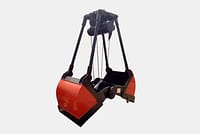
Електродвигун Grab
-
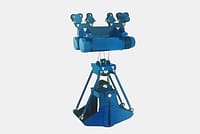
Електричний монорейковий ковш із монорейковим підйомником
-
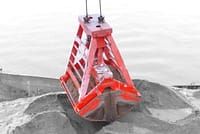
Розкладачки з дистанційним керуванням
-
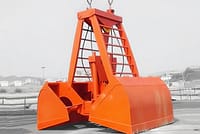
Механічні грейфери з двома мотузками
-
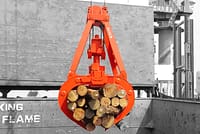
Захвати деревини
-
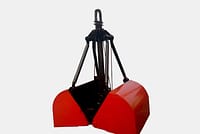
Ківш для захвату мотузки
-
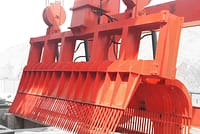
Машини для прибирання сміттєвих полиць
-
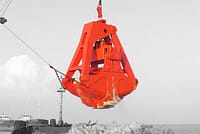
Днопоглиблення
-
Захвати для обрізки
-
- Крановий розкидувач
-
Запчастини для кранів
-
Пучки дроту
-
Крановий канатний барабан
-
Крановий візок
-
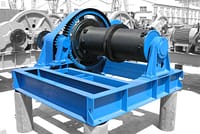
Лебідка електрична
-
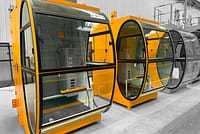
Кабіна кранівника
-
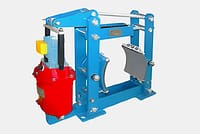
Мостові кранові гальма
-
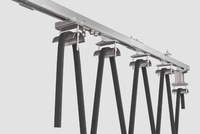
Кабелі мостового крана
-
Направляючі для тросу мостового крана
-
Провідники мостових кранів і лінії електропостачання
-
Рейки мостових кранів
-
Затискачі для рейок мостового крана
-
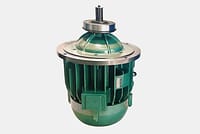
Двигуни для мостових кранів
-
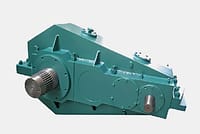
Редуктори мостових кранів
-
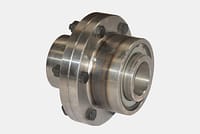
Муфти для мостового крана
-
- Кранові колеса
-
Захопіть відра
- Компанія
- контакт
-
Галузі промисловості
-
Загальне виробництво
-
Поводження з відходами
-
Збірний
-
потужність
-
Камінь
-
виготовлення паперу
-
Виробництво металу
-
Будівництво мостів
-
Портові крани: для обробки контейнерів та сипучих матеріалів
-
Мостові крани для нафтогазової промисловості: підвищення операційної ефективності
-
Морські крани для ефективного завантаження вантажів на судна
-
Мостові крани для автомобільної промисловості: ефективні рішення для автоматизації
-
Рішення для мостових кранів для залізниць: прокладання колій, технічне обслуговування рухомого складу та обробка контейнерів
-
Мостові крани для харчових продуктів та напоїв: надійні рішення для ефективного переміщення
-
Мостові крани для ефективного виробництва цементу, скла, цегли та збірного залізобетону
-
Мостові крани для авіаційної промисловості: технічне обслуговування та складання літаків
-
Аерокосмічні мостові крани: точне підйомне навантаження для запуску та транспортування ракет
-
-
Продукти
-
Мостові крани
-
Однобалочні мостові крани
-
Двобалочні мостові крани
-
Однобалкові мостові крани європейського типу
-
Двобалкові мостові крани європейського типу
-
Вибухозахищені мостові крани
-
Грейферні та магнітні мостові крани
-
Монорельсові крани
-
Ливарні мостові крани
-
Крани робочих станцій
-
Ізоляція Мостові крани
-
Мостові крани з низьким висотою
-
Підйомні мостові крани
-
Мостові крани-ковші
-
Підвісні мостові крани
-
Електромагнітні мостові крани
-
Ручні мостові крани
-
Стельовий мостовий кран
-
Окремостоячі мостові крани для робочих станцій
-
-
Козлові крани
-
Напівкозлові крани
-
Однобалочні козлові крани
-
Двобалочні козлові крани
-
Контейнерні козлові крани
-
Фермові козлові крани
-
Регульовані козлові крани
-
Портативні козлові крани
-
Європейські козлові крани
-
Алюмінієві портальні крани
-
Портальні контейнерні крани на гумових шинах
-
Портальні контейнерні крани на рейках
-
Портальний кран верфі
-
Європейські однобалкові козлові крани
-
Європейські двобалкові козлові крани
-
-
Стріловидні крани
-
Окремо стоячі стрілові крани
-
Настінні пересувні стрілові крани
-
Настінні стрілові крани
-
Балансувальні стрілові крани
-
Електричні окремостоячі стрілові крани
-
Ручні окремостоячі стрілові крани
-
Алюмінієві стрілові крани
-
Шарнірно-стрілові крани
-
Розумні стрілові крани
-
Стандартні стрілові крани FEM
-
Переносні стрілові крани
-
-
Спеціальні крани
-
Портальні крани порту
-
Крани для чистих приміщень
-
Мобільні човнові підйомники
-
Козловий кран зі щитом для буріння тунелів
-
Перевізники верхової їзди
-
Система обробки сегментів
-
Цинкування перевантажувальних кранів Interlock
-
Кран для штабелювання анодних вуглецевих блоків
-
Штабелювальний кран
-
Електролітичний мідний мостовий кран
-
- Електричні підйомники
- Трансферні візки
-
Мостові крани
-
Запчастини крана
-
Захопіть відра
-
Електричне відро з нержавіючої сталі
-
Чотири мотузкові механічні захоплення апельсинової шкірки
-
Механічний грейферний ковш із чотирма мотузками
-
Електрогідравлічні прямокутні грейфери
-
Електрогідравлічні грейфери
-
Електрогідравлічні захоплення апельсинової шкірки, гідравлічні захоплення кактусів
-
Електродвигун Grab
-
Електричний монорейковий ковш із монорейковим підйомником
-
Розкладачки з дистанційним керуванням
-
Механічні грейфери з двома мотузками
-
Захвати деревини
-
Ківш для захвату мотузки
-
Машини для прибирання сміттєвих полиць
-
Днопоглиблення
-
Захвати для обрізки
-
- Крановий розкидувач
-
Запчастини для кранів
-
Пучки дроту
-
Крановий канатний барабан
-
Крановий візок
-
Лебідка електрична
-
Кабіна кранівника
-
Мостові кранові гальма
-
Кабелі мостового крана
-
Направляючі для тросу мостового крана
-
Провідники мостових кранів і лінії електропостачання
-
Рейки мостових кранів
-
Затискачі для рейок мостового крана
-
Двигуни для мостових кранів
-
Редуктори мостових кранів
-
Муфти для мостового крана
-
- Кранові колеса
-
Захопіть відра
- Компанія
- контакт



Новий мостовий кран проти вживаного мостового крана: порівняння вартості, безпеки та життєвого циклу
Зміст
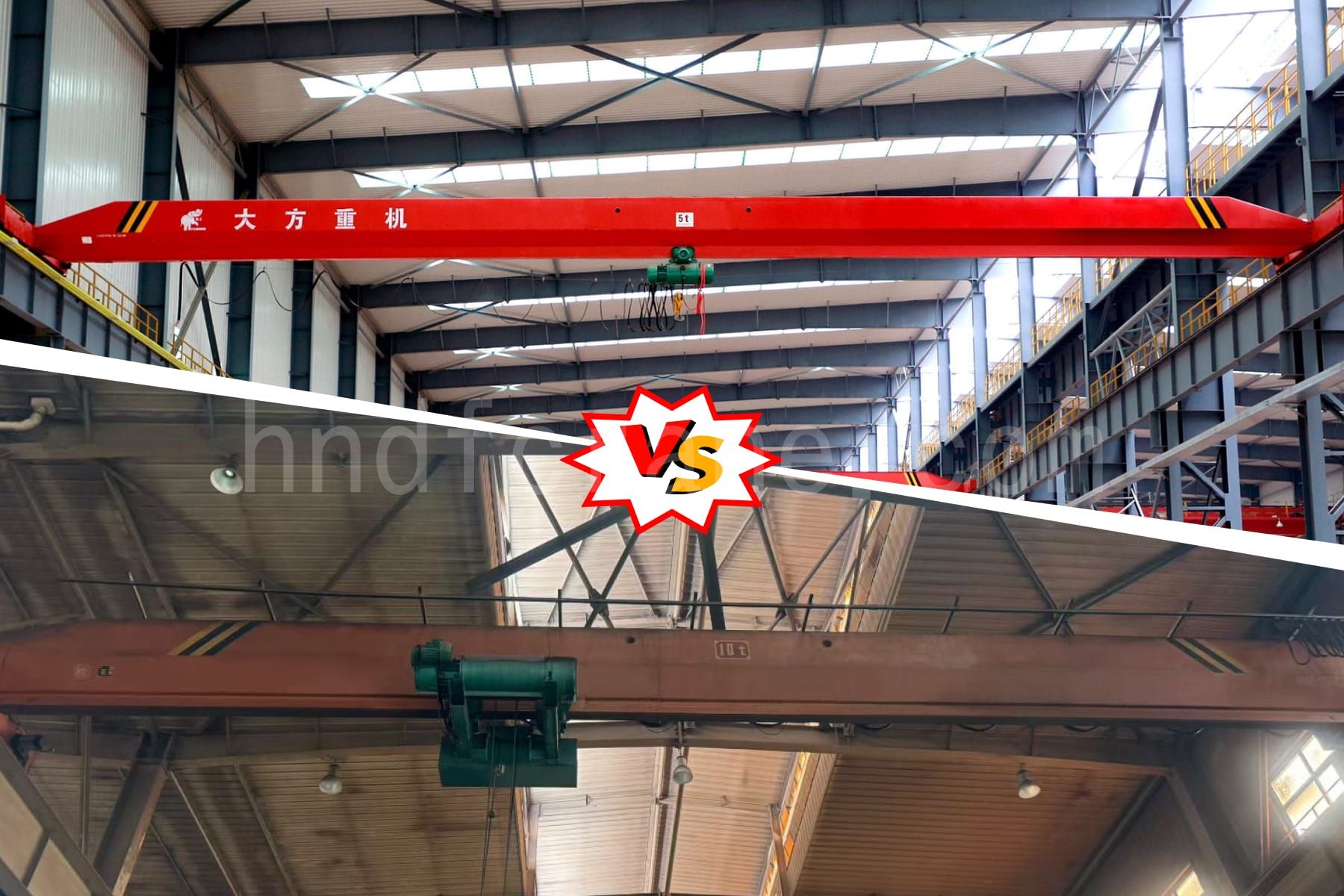
У закупівлі кранів «нові» та «вживані» крани – це не просто питання віку, це принципово різні рішення з точки зору технічного стану, ризиків та управління. Їхня придатність залежить від того, наскільки добре обладнання відповідає застосуванню, а не від самого обладнання.
Головною перевагою вживаних кранів є вартість. Маючи схожі характеристики, вживані крани (40%–60%) зазвичай дешевші за нові, що робить їх привабливими для проектів з обмеженим бюджетом або короткими термінами. Однак вони часто не мають достатньої технічної прозорості, залишкового терміну служби, передбачуваності експлуатації та післяпродажної підтримки, що вимагає більш ретельного огляду та технічного обслуговування.
З інженерної та експлуатаційної точки зору, у цій статті порівнюються нові та вживані крани за чотирма аспектами: бюджет, вимоги безпеки та технічні вимоги, термін служби та післяпродажне обслуговування, надаючи рекомендації для різних типів проектів та підприємств.
Швидке порівняння: новий та вживаний мостовий кран
| Фактор прийняття рішення | Новий мостовий кран | Вживаний мостовий кран |
| Попередня ціна | Вищі початкові інвестиції | 40–60% нижча ціна придбання |
| Довгострокові витрати | Передбачуваний та стабільний | Подібні показники в довгостроковій перспективі завдяки вищим витратам на обслуговування |
| Безпека та технічний стан | Повна технічна прозорість, життєвий цикл проекту починається з нуля | Стан залежить від попереднього використання; вища невизначеність |
| Термін служби | Повний розрахунковий термін служби (зазвичай 15–20+ років) | Лише залишковий термін служби |
| Технічне обслуговування та підтримка | Повна підтримка виробника, легкий доступ до запасних частин | Залежить від віку моделі та джерела; наявність запчастин може відрізнятися |
| Найкраще підходящі проекти | Довготривала, критично важлива для безпеки, безперервна експлуатація | Короткострокові, тимчасові, низькоризикові програми |
| Вимога управління | Стандартна експлуатація та технічне обслуговування | Більше зусиль з інспекції, моніторингу та управління |
Порівняння цін: перевага вживаних кранів у початковій вартості
Для однобалкового мостового крана LD (вантажопідйомність 10 т, проліт 7,5 м, висота підйому 9 м) початкова різниця в ціні між новим та вживаним обладнанням є значною.
- Ціна нового крана: 3325 доларів США
- Ціна вживаного крана: 1458 доларів США
Вибір вживаного крана в такій конфігурації зазвичай призводить до зниження початкових витрат майже на 50–601 тенге за тонну порівняно з новим краном.
Ключовий момент: Головна перевага вживаного мостового крана полягає в його значно нижчій ціні придбання, що може бути вирішальним фактором для проектів з обмеженим бюджетом або короткострокових проектів.
Безпека та технічний стан
Новий мостовий кран пропонує високий рівень технічної прозорості. Кран спроектовано на основі визначеного класу навантаження та робочого циклу, а розрахунки довговічності вже виконані на етапі проектування. Конструкційні компоненти, такі як балки, кінцеві візки та зварні з'єднання, починають свій термін служби з нуля. Вантажопідйомні механізми, гальма та запобіжні пристрої проходять заводські випробування перед постачанням, тому їхні межі продуктивності та умови експлуатації чітко відомі.
Вживаний мостовий кран не обов'язково є небезпечним, але його головна проблема полягає в невизначеності минулого використання. Фактичні вантажі, що перевозилися, частоту підйому, умови ударів та якість обслуговування протягом попереднього терміну служби неможливо повністю відтворити, навіть за допомогою огляду та випробувань. Як результат, оцінка безпеки більше залежить від глибини огляду, інженерного судження та здатності покупця керувати невизначеністю.
З практичної інженерної точки зору:
- Для застосувань з низьким рівнем ризику, де вантажі стабільні, а компанія має належні процедури перевірки, моніторингу та технічного обслуговування, ризики безпеки, пов'язані з вживаним краном, можна ефективно керувати.
- Для застосувань, критично важливих для безпеки або безперервного виробництва, таких як обробка важких вантажів або процеси, де простої та аварії мають серйозні наслідки, покупці зазвичай віддають перевагу новому крану через його чіткіший технічний стан та меншу невизначеність.
Життєвий цикл: термін проектування проти терміну, що залишився
Термін служби мостового крана є ключовим фактором при прийнятті рішень щодо закупівлі, особливо при порівнянні нового та вживаного обладнання. Основна різниця полягає не в тому, чи може кран працювати, а в тому, який термін служби ще залишився.
Новий мостовий кран постачається з повним розрахунковим терміном служби. За нормальних умов експлуатації та належного обслуговування типовий мостовий кран розрахований на роботу протягом 15–20 років і більше, залежно від класу навантаження та частоти використання. Це робить нові крани придатними для довгострокових проектів, постійних об'єктів та операцій зі стабільним або зростаючим виробничим попитом.
Натомість, вживаний мостовий кран вже відпрацював частину свого терміну служби. Навіть якщо кран все ще у справному стані, його термін служби, що залишився, коротший, і цей термін значною мірою залежить від того, як він використовувався, обслуговувався та завантажувався раніше. Наприклад, кран, який раніше працював у умовах високого навантаження або в кілька змін, може мати значно менший термін служби, ніж кран, який використовувався з перервами.
Технічне обслуговування та підтримка: сервіс, запасні частини та підтримка
Нові крани зазвичай постачаються з повною системою підтримки виробника, включаючи креслення обладнання, технічні характеристики, списки запасних частин та стандартизовані процедури технічного обслуговування. Ключові компоненти, такі як двигуни, коробки передач, гальма та системи керування, мають чітку класифікацію моделей з чітко визначеними шляхами технічного обслуговування, модернізації та технічної підтримки.
Можливості післяпродажного обслуговування вживаних кранів значною мірою залежать від їхнього походження та віку виробництва. Деяке обладнання може зіткнутися з труднощами в отриманні запасних частин або технічної підтримки, якщо моделі зняті з виробництва, системи неодноразово модифікувалися або використовуються нестандартні конфігурації. Будь-який вихід з ладу критично важливих компонентів може призвести до непередбачуваного простою, що безпосередньо впливає на безперервність виробництва.
Висновки:
- Високі вимоги до безперервності роботи та швидкого реагування → Нові крани пропонують більшу гарантію
- Розвинені власні можливості технічного обслуговування та канали запасних частин → Вживані крани можуть бути прийнятними
Короткий опис вибору: як зробити правильний вибір
З інженерної точки зору, вибір між новими та вживаними кранами по суті відображає стратегію використання та схильність до ризику:
- Вживані крани підходять для застосувань з обмеженим бюджетом, визначеними термінами обслуговування та контрольованими ризиками.
- Нові крани краще підходять для тривалої експлуатації, високих вимог безпеки та виконання критично важливих виробничих завдань.
Раціональне рішення щодо закупівлі крана має ґрунтуватися на комплексній оцінці умов експлуатації, робочого навантаження, вимог безпеки та можливостей обслуговування, а не лише на ціні. Тільки тоді, коли обладнання точно відповідає застосуванню, кран може продовжувати забезпечувати цінність протягом усього свого життєвого циклу.

Мене звати Сінді, я маю 10-річний досвід роботи в крановій промисловості та накопичив багаті професійні знання. Я вибрав задовільні крани для 500+ клієнтів. Якщо у вас є якісь потреби або запитання щодо кранів, будь ласка, не соромтеся зв’язатися зі мною, я використаю свої знання та практичний досвід, щоб допомогти вам вирішити проблему!
Надішліть свій запит
- Електронна пошта: sales@hndfcrane.com
- WhatsApp: +86 191 3738 6654
- Телеграма: +86 191 3738 6654
- Тел.: +86-373-581 8299
- Факс: +86-373-215 7000
- Додати: промисловий район Чаннао, місто Сіньсян, провінція Хенань, Китай
 WeChat
- Мостові крани
- Двобалкові мостові крани європейського типу: висока ефективність, безпека та надійність
- Двобалочні мостові крани
- Окремостоячі мостові крани для робочих станцій: ефективні рішення для підйому вантажів для сучасних промислових об'єктів
- Мостовий кран, що монтується на стелю: конструкція без колон для вільного простору підлоги
- Підвісні мостові крани: легке гусеничне рішення для майстерень і складів
- Електромагнітні мостові крани: ефективне рішення для обробки слябів, заготовок і металобрухту
- Мостові крани-ковші: надійні рішення для транспортування гарячого металу для сталеливарних заводів
- Підйомний мостовий кран: важкий підйом із точним керуванням для сипучих матеріалів
- Мостовий кран з низьким висотою: рішення для економії місця підйому
- Ручні мостові крани: ефективні рішення для середовищ без електроенергії
- Мостові крани з ізоляцією 5~50 т QY для безпечного підйому в небезпечних середовищах
- Крани для чистих приміщень
- Крани робочих станцій
- Ливарні мостові крани
- Монорельсові крани
- Грейферні та магнітні мостові крани
- Вибухозахищені мостові крани
- Однобалкові мостові крани європейського типу
- Однобалочні мостові крани
- Стріловидні крани
- Настінні стрілові крани
- Настінні пересувні стрілові крани
- Окремо стоячі стрілові крани
- Алюмінієві стрілові крани: легкий, плавно обертається стріла для легкого підйому
- Балансувальні стрілові крани: ефективне легке підйомне навантаження для механічного складання на короткі відстані
- Ручні вільностоячі стрілові крани: ефективні рішення для ручного підйому вантажів для операцій в обмеженому просторі
- Електричні окремостоячі стрілові крани: повністю електричне рішення для швидкого підйому великої вантажопідйомності
- Шарнірно-колінчасті стрілові крани: точне підйомне навантаження з подвійною гнучкістю стріли
- Розумні стрілові крани: інтелектуальні плавучі рішення з підйомом у невагомості
- Стандартні стрілові крани FEM: високопродуктивні системи з європейськими талями
- Переносні стрілові крани: мобільне базове рішення для кількох робочих зон
- Окремостоячі стрілові крани з тягою та I-подібною балкою: трикутна стійка конструкція з кріпленнями
- Окремостоячі стрілові крани з тягою та С-подібною балкою: надзвичайно плавний ручний потік для робочих станцій
- Закриті стрілові крани: Системи підйому робочих станцій зі стрілою-кроквяною фермою
- Козлові крани
- Двобалочні козлові крани
- Напівкозлові крани
- Однобалочні козлові крани
- Фермові козлові крани
- Контейнерні козлові крани
- Регульовані козлові крани
- Портативні козлові крани
- Європейські козлові крани
- Малі алюмінієві портальні крани: легкі, портативні та адаптовані для високоефективного підйому
- 35T Мобільні портальні контейнерні крани на гумових шинах для ефективного транспортування
- Козлові контейнерні крани RMG для ефективного транспортування
- Козловий кран на суднобудівній верфі: конструкція Aerial Flip легко допоможе вам досягти складання корпусу
- Європейські двобалкові козлові крани: конструкція лебідки європейського типу для ефективного підйому
- Європейські однобалкові козлові крани: інноваційна європейська технологія для зовнішнього навантаження та розвантаження
- Галузі промисловості
- потужність
- Камінь
- Будівництво мостів
- Портові крани: для обробки контейнерів та сипучих матеріалів
- Аерокосмічні мостові крани: точне підйомне навантаження для запуску та транспортування ракет
- Мостові крани для авіаційної промисловості: технічне обслуговування та складання літаків
- Мостові крани для ефективного виробництва цементу, скла, цегли та збірного залізобетону
- Рішення для мостових кранів для залізниць: прокладання колій, технічне обслуговування рухомого складу та обробка контейнерів
- Мостові крани для харчових продуктів та напоїв: надійні рішення для ефективного переміщення
- Мостові крани для автомобільної промисловості: ефективні рішення для автоматизації
- Морські крани для ефективного завантаження вантажів на судна
- Мостові крани для нафтогазової промисловості: підвищення операційної ефективності
- Загальне виробництво
- Виробництво металу
- виготовлення паперу
- Збірний
- Поводження з відходами
- Електричні підйомники
- Електричні канатні підйомники
- Талі ланцюгові електричні
- Електричні підйомники європейського типу
- Європейські електричні ланцюгові талі: плавна робота, низький рівень шуму та енергоефективність
- Ручні важільні талі: ідеально підходять для вантажопідйомних робіт
- Ручні ланцюгові талі: ручний підйом для місць без електропостачання
- Електричні підйомники з низьким висотою: компактний дизайн для максимального використання простору
- Пневматичні ланцюгові талі: плавне керування для промислового використання
- Вибухозахищені ручні ланцюгові талі: іскростійка конструкція з мідного сплаву для небезпечних зон
- Запчастини крана
- Дизельна лебідка для неелектричних середовищ: потужне підйомно-тягове обладнання
- Гаки кранові
- Відкритий візок для лебідки: налаштовуваний підйомний візок для мостових та козлових кранів
- Електрична тросова лебідка: компактна підйомна система для обмеженого простору
- Фрикційна лебідка: професійне рішення для тяги суден та підйому в гірничих роботах
- Електрична лебідка низької швидкості: надійне підйомне обладнання для промислового застосування
- Промислова високошвидкісна електрична лебідка: швидка, надійна та настроювана
- Кран C-подібні гаки для підйому сталевих котушок
- Пояснення редукторів мостових кранів: типи для будь-яких потреб підйому
- Мостові кранові двигуни для ефективності та точності підйому
- Муфти для мостового крана
- Вибір рейкових затискачів мостового крана залежно від навантаження та стану колії
- Рішення для мостових кранових рейок для промислової стабільності та точності
- Направляючі для канатів мостового крана: ефективніше покращення обробки дротяних канатів
- Провідники мостового крана та лінії електропостачання: надійні рішення для електропостачання
- Кабелі для мостових кранів: надійні рішення для мобільного живлення
- Гальма мостового крана: критичні для безпечної роботи
- Настроювані кабіни кранівника: покращений комфорт і захист
- Кліщі для підйому крана
- Кранові грейферні ковші
- Крановий канатний барабан
- Лебідка електрична
- Крановий візок
- Пучки дроту
- про
- Справи
- Новини
- Часті запитання
- Завантажити
- Блоги
- Інструменти для розрахунку навантаження на колеса крана онлайн
- VR Панорама
- Зв'яжіться з нами
- Електронна пошта: sales@hndfcrane.com
- WhatsApp: +86 191 3738 6654
- Телеграма: +86 191 3738 6654
- Тел.: +86-373-581 8299
-