
-
Βιομηχανίες
-
Γενική Βιομηχανία
-
Χειρισμός Απορριμμάτων
-
Προκατασκευασμένο
-
Εξουσία
-
Πέτρα
-
Χαρτοποιία
-
Παραγωγή Μετάλλων
-
Κατασκευή Γέφυρας
-
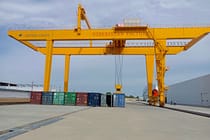
Γερανοί λιμένων: Για χειρισμό εμπορευματοκιβωτίων και χύδην υλικών
-
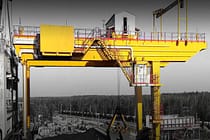
Γερανογέφυρες για τη βιομηχανία πετρελαίου και φυσικού αερίου: Βελτίωση της λειτουργικής αποδοτικότητας
-
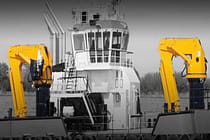
Θαλάσσιοι Γερανοί για Αποδοτική Φόρτωση Φορτίου σε Πλοία
-
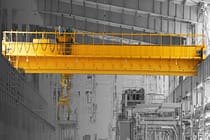
Γερανογέφυρες για την αυτοκινητοβιομηχανία: Αποδοτικές λύσεις αυτοματισμού
-
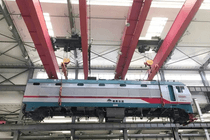
Λύσεις Γερανογεφυρών για Σιδηροδρόμους: Τοποθέτηση Γραμμών, Συντήρηση Τροχαίου Υλικού και Χειρισμός Εμπορευματοκιβωτίων
-
Γερανογέφυρες για τρόφιμα και ποτά: Αξιόπιστες λύσεις για αποτελεσματικό χειρισμό
-
Γερανογέφυρες για Αποδοτική Παραγωγή Τσιμέντου, Γυαλιού, Τούβλων και Προκατασκευασμένου Σκυροδέματος
-
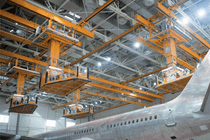
Γερανοί Υπέργειας για την Αεροπορική Βιομηχανία: Συντήρηση και Συναρμολόγηση Αεροσκαφών
-
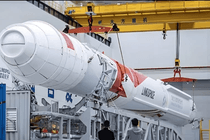
Αεροδιαστημικοί Γερανοί: Ακριβής Ανύψωση για Εκτόξευση και Μεταφορά Πυραύλων
-
-
Προϊόντα
-
Εναέριοι γερανοί
-
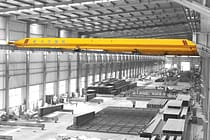
Εναέριοι γερανοί μονής δοκού
-
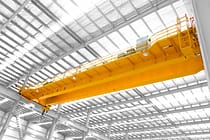
Γερανοί διπλής δοκού
-
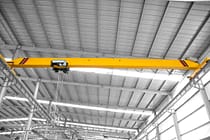
Γερανοί μονής δοκού ευρωπαϊκού τύπου
-
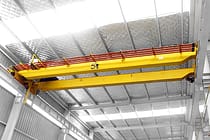
Γερανοί με διπλή δοκό ευρωπαϊκού τύπου
-
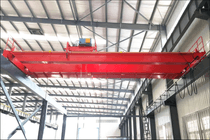
Εναέριοι γερανοί με αντιεκρηκτική προστασία
-
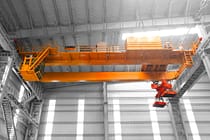
Γερανοί αρπαγής και μαγνητικός
-
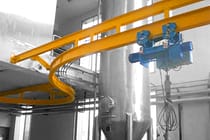
Μονοτροχοί Γερανοί
-
Εναέριοι Γερανοί Χυτηρίου
-
Μονωτικοί γερανοί
-
Γερανοί χαμηλού ύψους
-
Πιάσε τους γερανούς
-
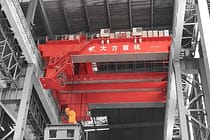
Γερανοί με κουτάλα
-
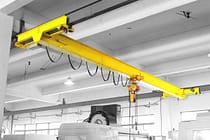
Υπερυψωμένοι γερανοί
-
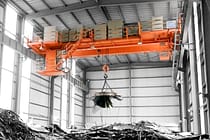
Ηλεκτρομαγνητικοί γερανοί
-
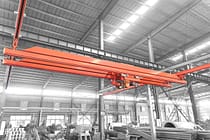
Γερανοί σταθμών εργασίας
-
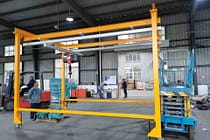
Γερανοί Γέφυρας Ελεύθερου Σταθμού Εργασίας
-
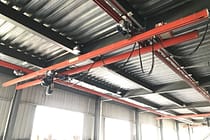
Γερανός γέφυρας τοποθετημένος στην οροφή
-
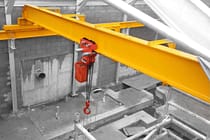
Χειροκίνητες Γερανοί
-
-
Γερανός ατσάλινων σκελετών
-
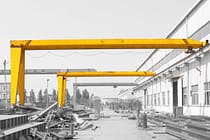
Ημιπυλωτοί Γερανοί
-
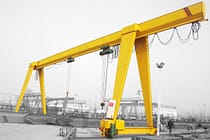
Μονοδοκοί Πυλωτοί Γερανοί
-
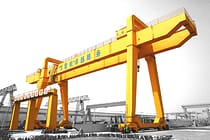
Διδοκοί Πυλωτοί Γερανοί
-
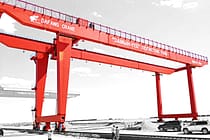
Πυλωτοί Γερανοί Εμπορευματοκιβωτίων
-
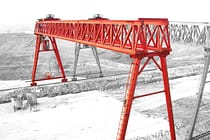
Δικτυωτοί Πυλωτοί Γερανοί
-
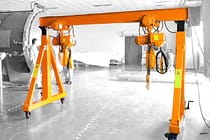
Ρυθμιζόμενοι Πυλωτοί Γερανοί
-
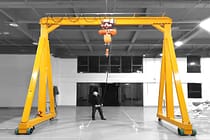
Φορητοί Πυλωτοί Γερανοί
-
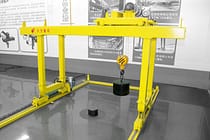
Ευρωπαϊκοί γερανοί γερανογέφυρων
-
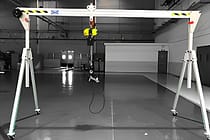
Πυλωτοί Γερανοί Αλουμινίου
-
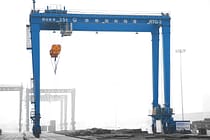
Πυλωτοί Γερανοί Εμπορευματοκιβωτίων με Ελαστικά
-
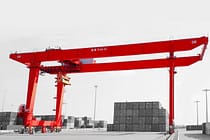
Γερανοί γερανογέφυρων εμπορευματοκιβωτίων που τοποθετούνται σε ράγα
-
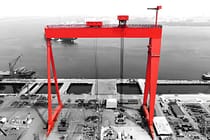
Πυλωτός Γερανός Ναυπηγείου
-
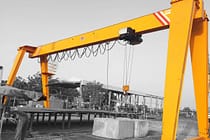
Ευρωπαϊκές γερανογέφυρες μονής δοκού
-
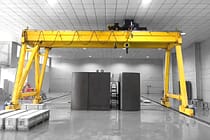
Ευρωπαϊκές γερανογέφυρες διπλής δοκού
-
-
Γερανοί Jib
-
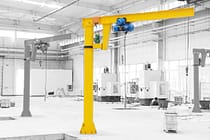
Ελεύθεροι όρθιοι γερανοί φλόκων
-
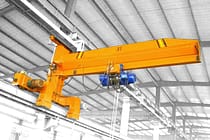
Τοίχοι Ταξιδιωτικοί Γερανοί Jib
-
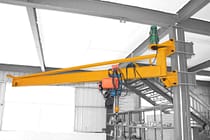
Επιτοίχιοι γερανοί φλόκων
-
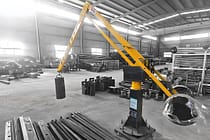
Γερανοί ισορροπίας με φλόκο
-
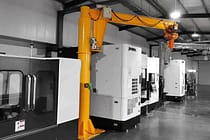
Ηλεκτρικοί γερανοί με κρεμάστρα
-
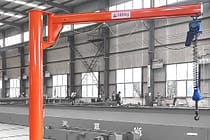
Χειροκίνητοι γερανοί ελεύθερης τοποθέτησης
-
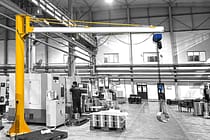
Γερανοί αλουμινίου με φλόκο
-
Γερανοί αρθρώσεων
-
Έξυπνοι γερανοί Jib
-
Γερανοί FEM Standard Jib
-
Φορητοί γερανοί Jib
-
- Ειδικοί Γερανοί
- Ηλεκτρικά Ανυψωτικά
- Καρότσια μεταφοράς
-
Εναέριοι γερανοί
-
Ανταλλακτικά γερανού
-
Πιάστε Κουβάδες
-
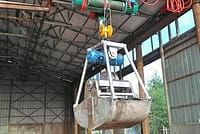
Ηλεκτρικός κάδος από ανοξείδωτο ατσάλι
-
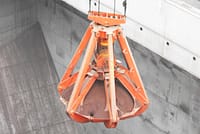
Μηχανικές αρπαγές φλούδας πορτοκαλιού με τέσσερα σχοινιά
-
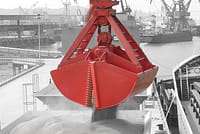
Μηχανικός κάδος αρπαγής με τετρά σχοινιά
-
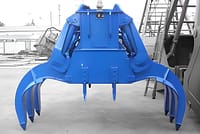
Ηλεκτροϋδραυλικές ορθογώνιες λαβές
-
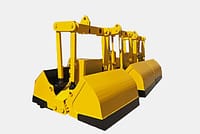
Ηλεκτροϋδραυλικές λαβές Clamshell
-
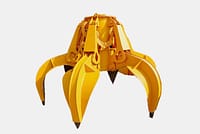
Ηλεκτροϋδραυλικές αρπαγές φλούδας πορτοκαλιού, Υδραυλικές αρπαγές για κάκτους
-
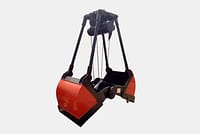
Ηλεκτρική λαβή κινητήρα
-
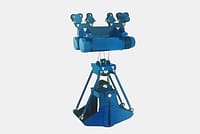
Ηλεκτρικός κάδος αρπάγης μονότροχου με ανυψωτικό μονότροχου
-
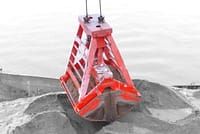
Τηλεχειριστήριο λαβές Clamshell
-
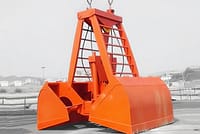
Μηχανικές αρπαγές με δύο σχοινιά
-
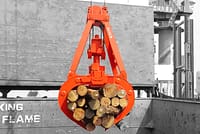
Αρπαγές ξυλείας
-
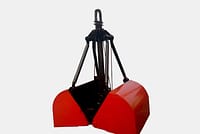
Κάδος αρπαγής με σχοινί
-
Μηχανήματα Καθαρισμού Σχάρων Απορριμμάτων
-
Βυθοκόρηση Αρπαγές
-
Αρπαγές κοπής
-
- Εξοπλισμός ανύψωσης γερανών
-
Ανταλλακτικά γερανών
-
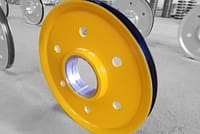
Τροχαλίες γερανών
-
Συρματόσχοινα στάχυα
-
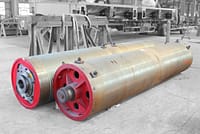
Τύμπανο σχοινιού γερανού
-
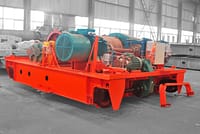
Τρόλεϊ γερανού
-
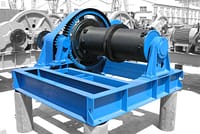
Ηλεκτρικό Βαρούλκο
-
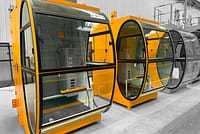
Καμπίνα χειριστή γερανού
-
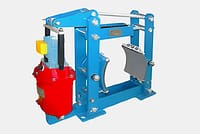
Φρένα γερανού οροφής
-
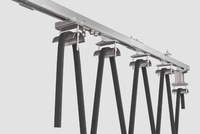
Καλώδια εναέριων γερανών
-
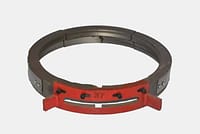
Οδηγοί σχοινιού γερανού
-
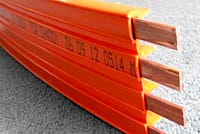
Αγωγοί εναέριων γερανών και γραμμές παροχής ρεύματος
-
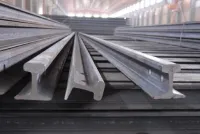
Ράγες γερανού
-
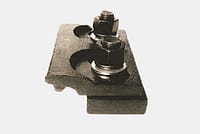
Κλιπ ραγών γερανού
-
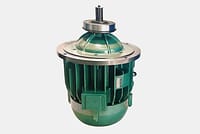
Κινητήρες Γερανών
-
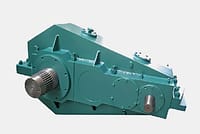
Μειωτήρες Γερανών
-
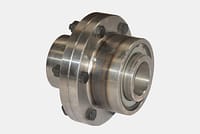
Σύνδεσμοι για εναέριο γερανό
-
- Τροχοί γερανού
-
Πιάστε Κουβάδες
- Εταιρία
- Επικοινωνία
-
Βιομηχανίες
-
Γενική Βιομηχανία
-
Χειρισμός Απορριμμάτων
-
Προκατασκευασμένο
-
Εξουσία
-
Πέτρα
-
Χαρτοποιία
-
Παραγωγή Μετάλλων
-
Κατασκευή Γέφυρας
-
Γερανοί λιμένων: Για χειρισμό εμπορευματοκιβωτίων και χύδην υλικών
-
Γερανογέφυρες για τη βιομηχανία πετρελαίου και φυσικού αερίου: Βελτίωση της λειτουργικής αποδοτικότητας
-
Θαλάσσιοι Γερανοί για Αποδοτική Φόρτωση Φορτίου σε Πλοία
-
Γερανογέφυρες για την αυτοκινητοβιομηχανία: Αποδοτικές λύσεις αυτοματισμού
-
Λύσεις Γερανογεφυρών για Σιδηροδρόμους: Τοποθέτηση Γραμμών, Συντήρηση Τροχαίου Υλικού και Χειρισμός Εμπορευματοκιβωτίων
-
Γερανογέφυρες για τρόφιμα και ποτά: Αξιόπιστες λύσεις για αποτελεσματικό χειρισμό
-
Γερανογέφυρες για Αποδοτική Παραγωγή Τσιμέντου, Γυαλιού, Τούβλων και Προκατασκευασμένου Σκυροδέματος
-
Γερανοί Υπέργειας για την Αεροπορική Βιομηχανία: Συντήρηση και Συναρμολόγηση Αεροσκαφών
-
Αεροδιαστημικοί Γερανοί: Ακριβής Ανύψωση για Εκτόξευση και Μεταφορά Πυραύλων
-
-
Προϊόντα
-
Εναέριοι γερανοί
-
Εναέριοι γερανοί μονής δοκού
-
Γερανοί διπλής δοκού
-
Γερανοί μονής δοκού ευρωπαϊκού τύπου
-
Γερανοί με διπλή δοκό ευρωπαϊκού τύπου
-
Εναέριοι γερανοί με αντιεκρηκτική προστασία
-
Γερανοί αρπαγής και μαγνητικός
-
Μονοτροχοί Γερανοί
-
Εναέριοι Γερανοί Χυτηρίου
-
Μονωτικοί γερανοί
-
Γερανοί χαμηλού ύψους
-
Πιάσε τους γερανούς
-
Γερανοί με κουτάλα
-
Υπερυψωμένοι γερανοί
-
Ηλεκτρομαγνητικοί γερανοί
-
Γερανοί σταθμών εργασίας
-
Γερανοί Γέφυρας Ελεύθερου Σταθμού Εργασίας
-
Γερανός γέφυρας τοποθετημένος στην οροφή
-
Χειροκίνητες Γερανοί
-
-
Γερανός ατσάλινων σκελετών
-
Ημιπυλωτοί Γερανοί
-
Μονοδοκοί Πυλωτοί Γερανοί
-
Διδοκοί Πυλωτοί Γερανοί
-
Πυλωτοί Γερανοί Εμπορευματοκιβωτίων
-
Δικτυωτοί Πυλωτοί Γερανοί
-
Ρυθμιζόμενοι Πυλωτοί Γερανοί
-
Φορητοί Πυλωτοί Γερανοί
-
Ευρωπαϊκοί γερανοί γερανογέφυρων
-
Πυλωτοί Γερανοί Αλουμινίου
-
Πυλωτοί Γερανοί Εμπορευματοκιβωτίων με Ελαστικά
-
Γερανοί γερανογέφυρων εμπορευματοκιβωτίων που τοποθετούνται σε ράγα
-
Πυλωτός Γερανός Ναυπηγείου
-
Ευρωπαϊκές γερανογέφυρες μονής δοκού
-
Ευρωπαϊκές γερανογέφυρες διπλής δοκού
-
-
Γερανοί Jib
-
Ελεύθεροι όρθιοι γερανοί φλόκων
-
Τοίχοι Ταξιδιωτικοί Γερανοί Jib
-
Επιτοίχιοι γερανοί φλόκων
-
Γερανοί ισορροπίας με φλόκο
-
Ηλεκτρικοί γερανοί με κρεμάστρα
-
Χειροκίνητοι γερανοί ελεύθερης τοποθέτησης
-
Γερανοί αλουμινίου με φλόκο
-
Γερανοί αρθρώσεων
-
Έξυπνοι γερανοί Jib
-
Γερανοί FEM Standard Jib
-
Φορητοί γερανοί Jib
-
- Ειδικοί Γερανοί
- Ηλεκτρικά Ανυψωτικά
- Καρότσια μεταφοράς
-
Εναέριοι γερανοί
-
Ανταλλακτικά γερανού
-
Πιάστε Κουβάδες
-
Ηλεκτρικός κάδος από ανοξείδωτο ατσάλι
-
Μηχανικές αρπαγές φλούδας πορτοκαλιού με τέσσερα σχοινιά
-
Μηχανικός κάδος αρπαγής με τετρά σχοινιά
-
Ηλεκτροϋδραυλικές ορθογώνιες λαβές
-
Ηλεκτροϋδραυλικές λαβές Clamshell
-
Ηλεκτροϋδραυλικές αρπαγές φλούδας πορτοκαλιού, Υδραυλικές αρπαγές για κάκτους
-
Ηλεκτρική λαβή κινητήρα
-
Ηλεκτρικός κάδος αρπάγης μονότροχου με ανυψωτικό μονότροχου
-
Τηλεχειριστήριο λαβές Clamshell
-
Μηχανικές αρπαγές με δύο σχοινιά
-
Αρπαγές ξυλείας
-
Κάδος αρπαγής με σχοινί
-
Μηχανήματα Καθαρισμού Σχάρων Απορριμμάτων
-
Βυθοκόρηση Αρπαγές
-
Αρπαγές κοπής
-
- Εξοπλισμός ανύψωσης γερανών
-
Ανταλλακτικά γερανών
-
Τροχαλίες γερανών
-
Συρματόσχοινα στάχυα
-
Τύμπανο σχοινιού γερανού
-
Τρόλεϊ γερανού
-
Ηλεκτρικό Βαρούλκο
-
Καμπίνα χειριστή γερανού
-
Φρένα γερανού οροφής
-
Καλώδια εναέριων γερανών
-
Οδηγοί σχοινιού γερανού
-
Αγωγοί εναέριων γερανών και γραμμές παροχής ρεύματος
-
Ράγες γερανού
-
Κλιπ ραγών γερανού
-
Κινητήρες Γερανών
-
Μειωτήρες Γερανών
-
Σύνδεσμοι για εναέριο γερανό
-
- Τροχοί γερανού
-
Πιάστε Κουβάδες
- Εταιρία
- Επικοινωνία



Overhead Crane Wire Rope: Common Types and Safety Requirements
Πίνακας περιεχομένων
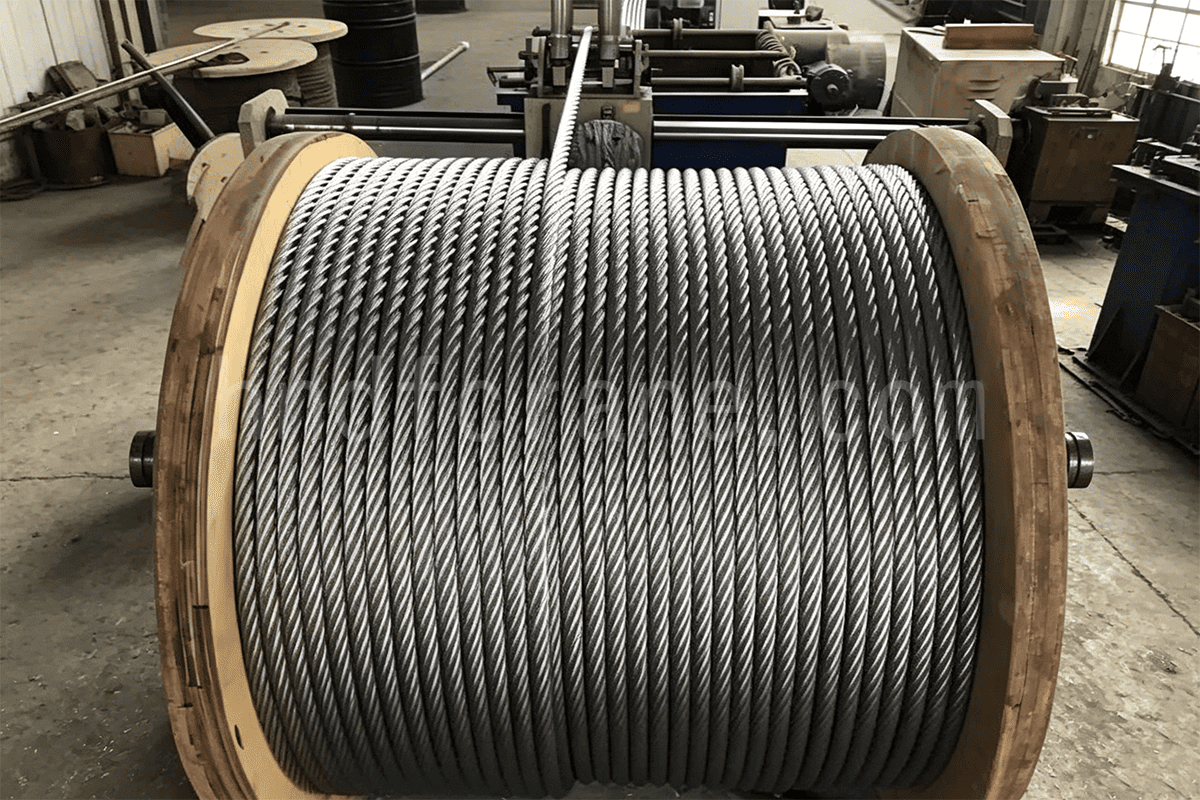
In lifting operations, the overhead crane wire rope is the “lifeline.” It directly affects hoisting safety, equipment stability, and personnel safety. Once it is incorrectly selected, poorly maintained, or used beyond safety standards, serious accidents such as rope breakage and falling loads can easily occur.
Wire ropes used on cranes shall conform to the GB/T 20118 standard; where higher requirements apply, wire ropes conforming to the GB/T 8918 standard are adopted. Line contact wire ropes are generally used, and the wire rope safety factor shall conform to GB/T 3811 or the contract.
The selected wire rope is determined according to the wire rope model, wire strength, wire rope diameter, core material, wire surface condition, and wire grade. The wire rope must be lubricated on time and correctly, and a wire rope oiler may be added as required.
Purpose and Construction of the Overhead Crane Wire Rope
Wire rope is widely used in the hoisting, luffing, and traction mechanisms of lifting machinery, and is also used in slinging, lashing, and tensioning operations.
According to the requirements of use, wire rope is divided into three grades by toughness (allowable number of bending cycles): special-grade rope is used for passenger elevators, Grade I rope for cranes, and Grade II rope for slinging, tensioning, and traction operations.
To prevent corrosion, the wire rope surface is galvanized. According to corrosion resistance, galvanized ropes are divided into three grades—A, B, and C—with Grade A offering the strongest corrosion resistance.
A wire rope is formed by laying steel wires around a core. The tensile strength of overhead crane wire ropes is generally 1570–1960 N/mm²; at present, to make electric hoist drums and sheaves lighter and more compact, wire ropes tend toward higher strength and smaller diameter, so the tensile strength of wire ropes used on foreign electric hoists is currently mostly above 2000 N/mm², making them noticeably lighter and more compact.
The core supports, stabilizes, and lubricates the wire rope and increases its flexibility. Cores are divided into steel cores (steel wires or a thin wire rope), organic cores (hemp core or fiber core), and asbestos cores; steel-core ropes are used for high temperatures or multi-layer winding.
Classification of the Overhead Crane Wire Rope
1. Classification by Number of Twisting Operations
There are single-lay ropes and double-lay ropes.
- Single-lay rope: It is twisted directly from steel wires into a rope in one operation, without the process of first twisting wires into strands and then strands into a rope. It has high rigidity and poor flexibility, is not easy to bend, and is mostly used for tensioning, guy ropes, or load-bearing applications where frequent bending is not required.
- Double-lay rope: The steel wires are first twisted into strands, and then the strands are twisted into a rope, going through two twisting operations. It has good flexibility and bends easily, making it suitable for passing over pulleys and drums, and it is the most widely used wire rope in cranes.
2. Classification by Lay Direction
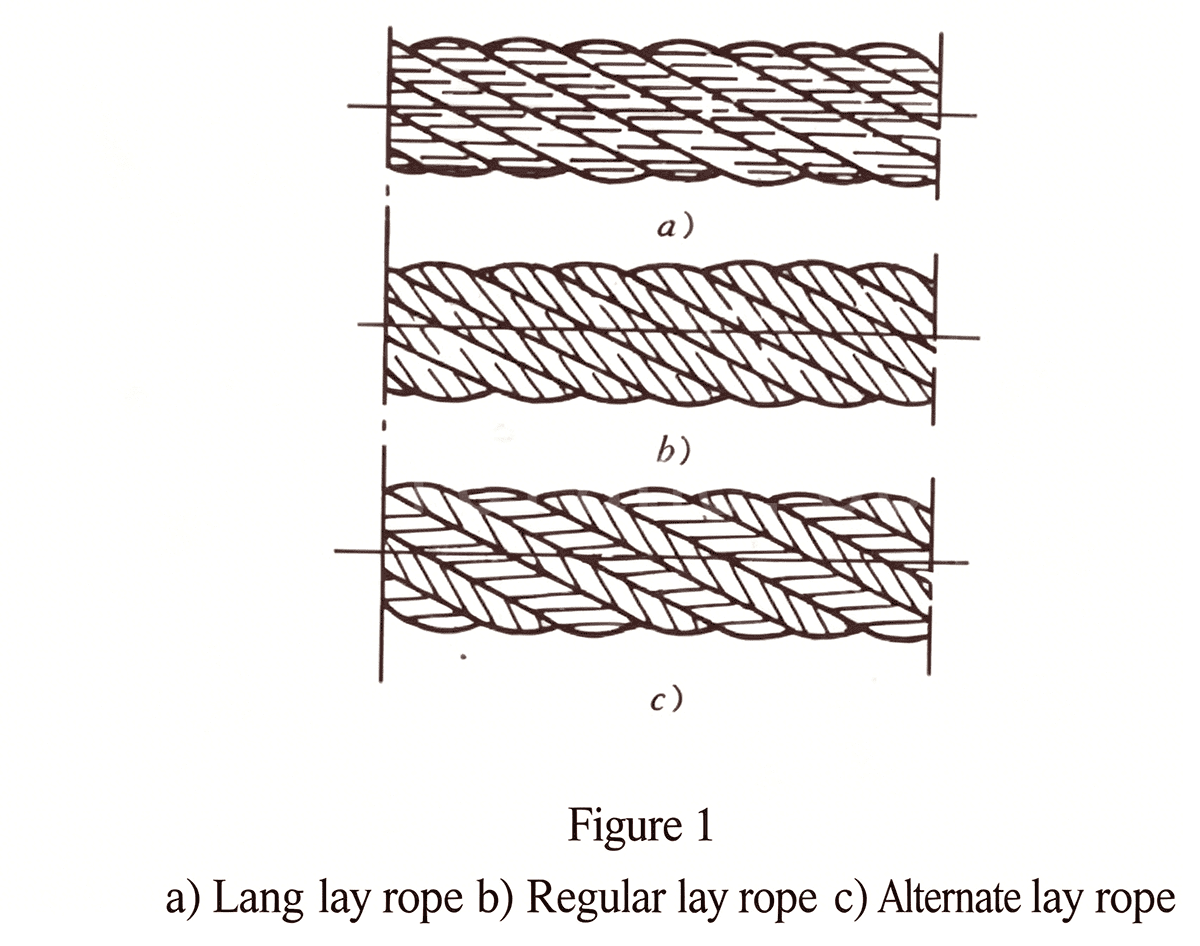
There are lang lay ropes, regular lay ropes, and alternate lay ropes, as shown in Fig. 1. Among them, regular lay ropes are not prone to twisting or loosening and are commonly used.
3. Classification by Lay Type
Direction of lay of the strands: left lay s, right lay z, with the outer wires laid along the strand axis; direction of lay of the rope: left lay S, right lay Z, with the outer strands laid along the wire rope axis.
In the wire rope designation, the first letter is the strand lay direction and the second letter is the rope lay direction; that is, the small strand is first laid as s or z, and the finished large rope is finally laid as S or Z. According to the direction of lay and the type of lay, wire ropes are divided into four types: left regular lay SZ, right regular lay ZS, right lang lay ZZ, and left lang lay SS.
- Regular lay wire rope (sZ, zS): does not loosen or twist, and is commonly used in lifting machinery; however, it has poor contact and a short service life.
- Lang lay wire rope (zZ, sS): has good contact, low wear, a smooth surface, good flexibility, and a long service life; however, it rotates on its own and is prone to loosening.
- Alternate lay wire rope (aZ, aS): has excellent performance (but the process is complex and it is rarely used).
4. Classification by Wire Contact Condition
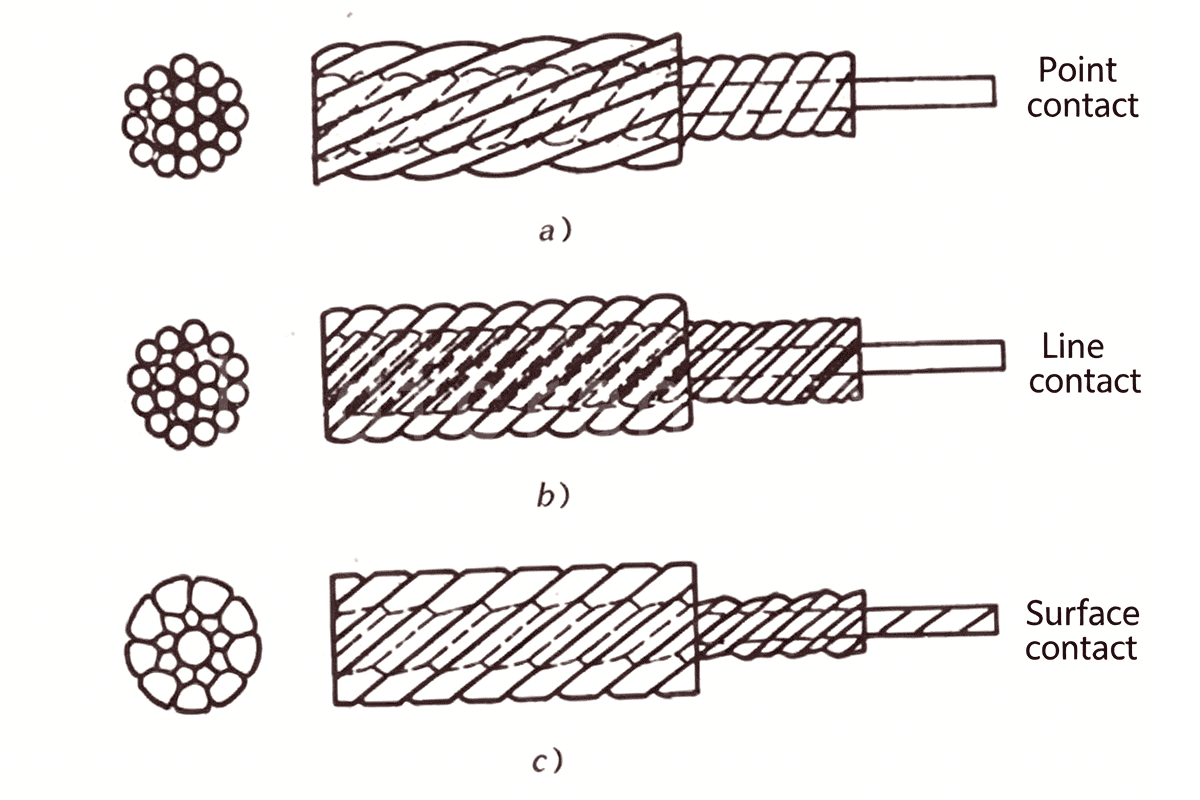
There are point contact ropes, line contact ropes, and face contact ropes, as shown in the following figure. Among them, line contact ropes are widely used on cranes because of their low contact stress between wires, good wear resistance, and long service life.
By cross-section structure, line contact ropes are divided into the coarse outer type (X—Seale type), the coarse-fine type (W—Warrington type), and the dense type (T—Filler type), as shown in Fig. a is the coarse outer type, b is the coarse-fine type, and c is the dense type. Among them, the coarse-fine type b), that is, the Warrington W-type rope, is adopted by electric hoists because of its high fill factor, good flexibility, and strong load-bearing capacity.
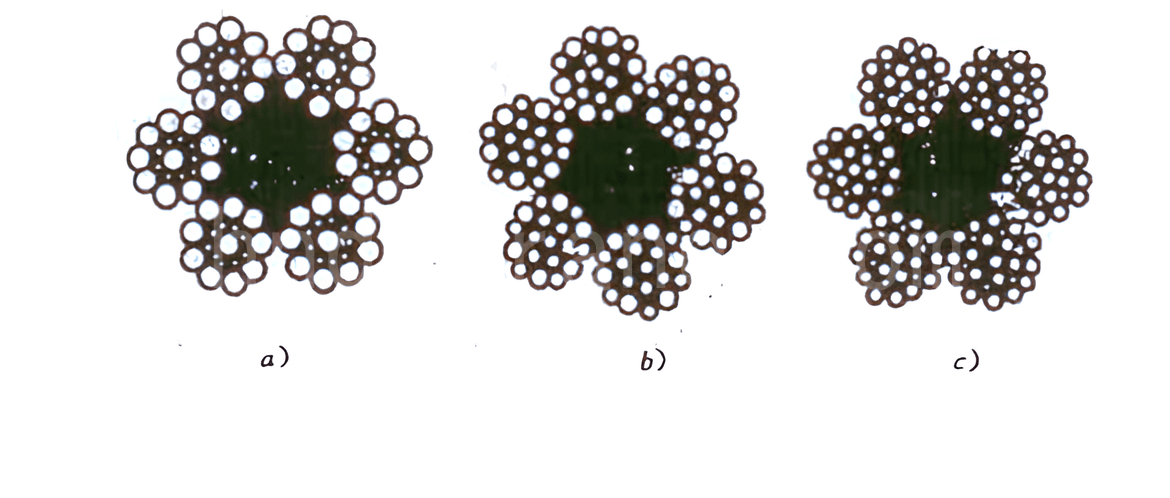
The hoisting mechanism of a crane should preferably adopt a double-lay, line contact, coarse-fine type (W) regular lay wire rope.
5. Non-Standard Steel Wire Ropes
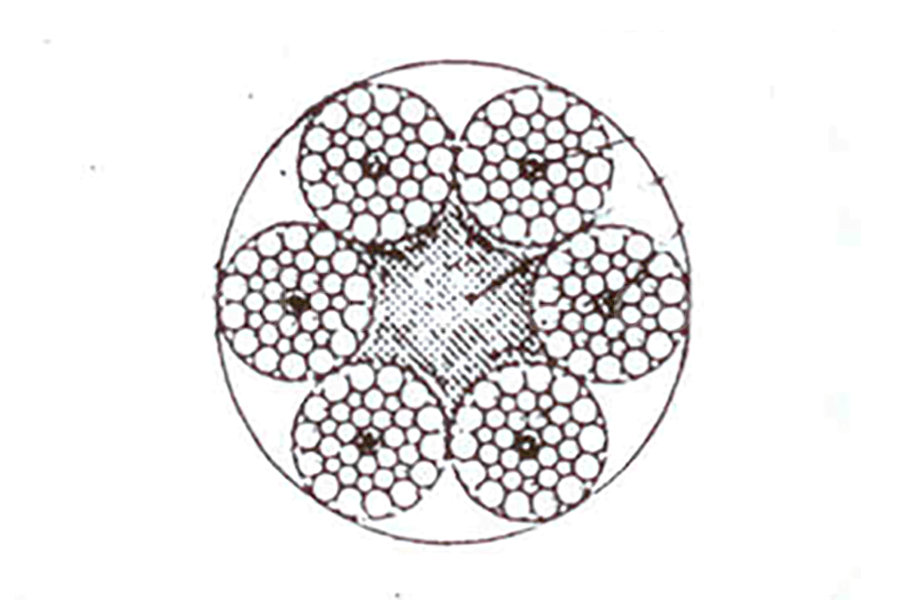
To improve the tensile strength of the wire rope and to reduce its diameter as much as possible, dedicated non-standard wire ropes are currently used abroad. For example, the AS-type electric hoists of Germany’s STAHL company mostly use the German non-standard 6×35+7 (fiber core) Warrington–Seale round-strand wire rope, as shown in the following figure.
6. Low-rotation ropes and non-rotating ropes
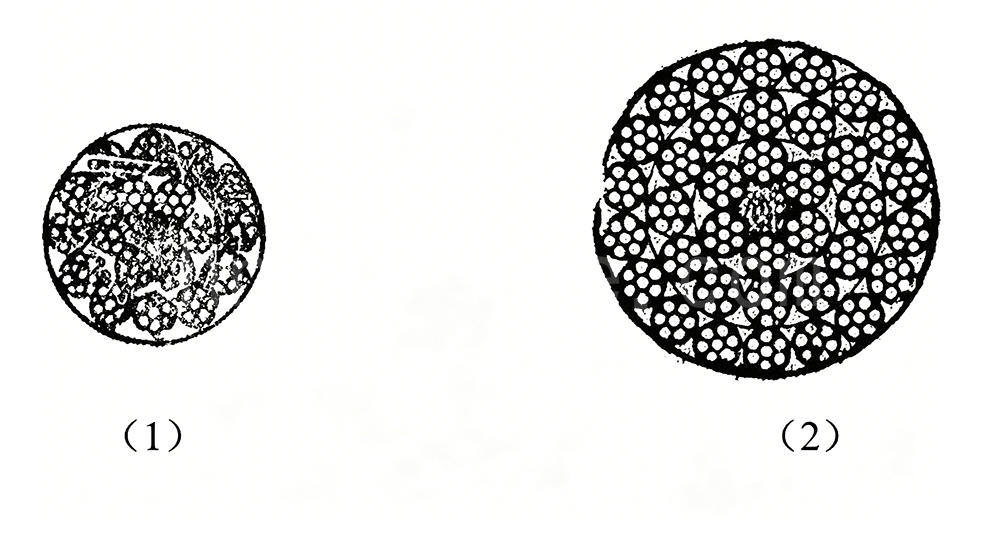
When the hoist reeving ratio is 1/1, that is, with a single-fall hook, a low-rotation rope should be selected, such as the 18×7 (fiber core) rope shown in Fig. (1); when the lifting capacity is large or the lifting height is high (H ≥ 40 m), a non-rotating rope should be adopted, such as the 36×7 (steel core) rope shown in Fig. (2).
Safety Technical Requirements for Overhead Crane Wire Rope Use
- Before use, the wire rope must be checked for damage; before operation, check for broken wires, deformation, corrosion, and flattening.
- The wire rope shall not have defects such as sharp bends, loops, popped wires, or flattening.
- When a loop is formed at the end of the wire rope, at least three wire rope clips shall be used; if the splicing method is used, the spliced length shall be no less than 15 times the wire rope diameter, but no less than 300 mm.
- The wire rope is strictly forbidden to be connected by knotting, and wire rope used on a winch shall have no splices.
- If oil seepage is found on the wire rope during use (except for a new wire rope), it indicates that the wire rope has deformed greatly; work shall be stopped immediately and the rope checked and handled.
- The wire rope shall be kept clean at all times and generally oiled once a year, using wire rope oil or cylinder oil (the oil temperature shall not exceed 80 °C).
- The wire rope on the overhead crane drum must retain at least 3 safety coils.
Overhead Crane Wire Rope Inspection and Maintenance Requirements
- Perform a visual inspection before operation each day.
- Carry out a detailed inspection and record it each week.
- Perform a full maintenance and lubrication once a month.
- Establish a wire rope usage ledger to track service life.

Είμαι η Cindy, με 10ετή εργασιακή εμπειρία στη βιομηχανία γερανών και συσσωρευμένη πληθώρα επαγγελματικών γνώσεων. Έχω επιλέξει τους ικανοποιητικούς γερανούς για 500+ πελάτες. Εάν έχετε οποιεσδήποτε ανάγκες ή ερωτήσεις σχετικά με τους γερανούς, μη διστάσετε να επικοινωνήσετε μαζί μου, θα χρησιμοποιήσω την τεχνογνωσία και την πρακτική εμπειρία μου για να σας βοηθήσω να λύσετε το πρόβλημα!
Στείλτε το ερώτημά σας
- ΗΛΕΚΤΡΟΝΙΚΗ ΔΙΕΥΘΥΝΣΗ: sales@hndfcrane.com
- WhatsApp: +86 191 3738 6654
- Τηλεγράφημα: +86 191 3738 6654
- Τηλ: +86-373-581 8299
- Φαξ: +86-373-215 7000
- Προσθήκη: Changnao Industrial District, πόλη Xinxiang, επαρχία Henan, Κίνα
 WeChat
- Εναέριοι γερανοί
- Γερανοί διπλής δοκού
- Εναέριοι γερανοί μονής δοκού
- Γερανοί μονής δοκού ευρωπαϊκού τύπου
- Εναέριοι γερανοί με αντιεκρηκτική προστασία
- Γερανοί αρπαγής και μαγνητικός
- Μονοτροχοί Γερανοί
- Εναέριοι Γερανοί Χυτηρίου
- Γερανοί σταθμών εργασίας
- Γερανοί Jib
- Επιτοίχιοι γερανοί φλόκων
- Τοίχοι Ταξιδιωτικοί Γερανοί Jib
- Ελεύθεροι όρθιοι γερανοί φλόκων
- Γερανοί αλουμινίου με βραχίονα: Ελαφρύς, ομαλός περιστρεφόμενος βραχίονας για εύκολη ανύψωση
- Γερανοί με ζυγοστάθμιση: Αποδοτική ελαφριά ανύψωση για μηχανική συναρμολόγηση σε μικρές αποστάσεις
- Χειροκίνητες Ελεύθερες Γερανογέφυρες Jib: Αποδοτικές Λύσεις Χειροκίνητης Ανύψωσης για Εργασίες σε Περιορισμένο Χώρο
- Ηλεκτρικοί γερανοί με βραχίονα ανύψωσης: Πλήρως ηλεκτρική λύση για γρήγορη ανύψωση υψηλής χωρητικότητας
- Αρθρωτοί γερανοί Jib: Ανύψωση ακριβείας με ευελιξία διπλού βραχίονα
- Γερανός ατσάλινων σκελετών
- Διδοκοί Πυλωτοί Γερανοί
- Ημιπυλωτοί Γερανοί
- Μονοδοκοί Πυλωτοί Γερανοί
- Δικτυωτοί Πυλωτοί Γερανοί
- Πυλωτοί Γερανοί Εμπορευματοκιβωτίων
- Ρυθμιζόμενοι Πυλωτοί Γερανοί
- Φορητοί Πυλωτοί Γερανοί
- Ευρωπαϊκοί γερανοί γερανογέφυρων
- Βιομηχανίες
- Γενική Βιομηχανία
- Χειρισμός Απορριμμάτων
- Προκατασκευασμένο
- Εξουσία
- Πέτρα
- Χαρτοποιία
- Παραγωγή Μετάλλων
- Κατασκευή Γέφυρας
- Γερανοί λιμένων: Για χειρισμό εμπορευματοκιβωτίων και χύδην υλικών
- Γερανογέφυρες για τη βιομηχανία πετρελαίου και φυσικού αερίου: Βελτίωση της λειτουργικής αποδοτικότητας
- Θαλάσσιοι Γερανοί για Αποδοτική Φόρτωση Φορτίου σε Πλοία
- Γερανογέφυρες για την αυτοκινητοβιομηχανία: Αποδοτικές λύσεις αυτοματισμού
- Ηλεκτρικά Ανυψωτικά
- Ηλεκτρικά συρματόσχοινα ανυψωτικά
- Ηλεκτρικά Ανυψωτικά Αλυσίδας
- Ηλεκτρικά Ανυψωτικά Ευρωπαϊκού Τύπου
- Ευρωπαϊκοί ηλεκτρικοί ανυψωτήρες αλυσίδας: Ομαλή λειτουργία, χαμηλός θόρυβος και ενεργειακή απόδοση
- Χειροκίνητα βαρούλκα με μοχλό: Ιδανικά για εργασίες έλξης και ανύψωσης
- Χειροκίνητα βαρούλκα με αλυσίδα: Χειροκίνητη ανύψωση για περιοχές χωρίς ρεύμα
- Ηλεκτρικά ανυψωτικά με χαμηλό ύψος κεφαλής: Συμπαγής σχεδιασμός για μέγιστη απόδοση χώρου
- Πνευματικά βαρούλκα αλυσίδας: Ομαλό χειρισμό για βιομηχανική χρήση
- Χειροκίνητα βαρούλκα αλυσίδας με αντιεκρηκτική προστασία: Κατασκευή από κράμα χαλκού με αντοχή σε σπινθήρες για επικίνδυνες περιοχές
- Ηλεκτρικά βαρούλκα αλυσίδας με αντιεκρηκτική προστασία για ανύψωση σε επικίνδυνες περιοχές
- Σχετικά με
- Υποθέσεις
- Νέα
- Συχνές ερωτήσεις
- Κατεβάστε
- Blogs
- Εργαλεία υπολογισμού φορτίου τροχού γερανού στο διαδίκτυο
- Πανόραμα VR
- Επικοινωνήστε μαζί μας
- ΗΛΕΚΤΡΟΝΙΚΗ ΔΙΕΥΘΥΝΣΗ: sales@hndfcrane.com
- WhatsApp: +86 191 3738 6654
- Τηλεγράφημα: +86 191 3738 6654
- Τηλ: +86-373-581 8299
-