
-
Industrie
-
Produzione generale
-
Gestione dei rifiuti
-
Prefabbricato
-
Energia
-
Calcolo
-
Fabbricazione della carta
-
Produzione di metallo
-
Costruzione di ponti
-
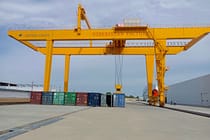
Gru portuali: per la movimentazione di container e materiali sfusi
-
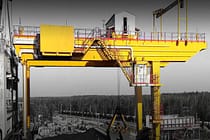
Gru a ponte per l'industria petrolifera e del gas: migliorare l'efficienza operativa
-
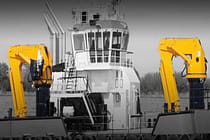
Gru marine per un carico efficiente delle merci sulle navi
-
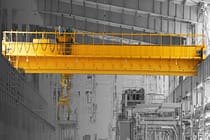
Gru a ponte per l'industria automobilistica: soluzioni di automazione efficienti
-
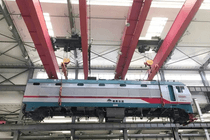
Soluzioni per gru a ponte per ferrovie: posa binari, manutenzione del materiale rotabile e movimentazione container
-
Gru a ponte per alimenti e bevande: soluzioni affidabili per una movimentazione efficiente
-
Gru a ponte per la produzione efficiente di cemento, vetro, mattoni e calcestruzzo prefabbricato
-
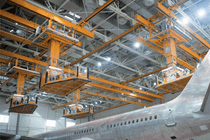
Gru a ponte per l'industria aeronautica: manutenzione e assemblaggio di aeromobili
-
Gru a ponte aerospaziali: sollevamento di precisione per il lancio e il trasporto di razzi
-
-
Prodotti
-
Gru a ponte
-
Gru a ponte monotrave
-
Gru a ponte bitrave
-
Gru a ponte monotrave di tipo europeo
-
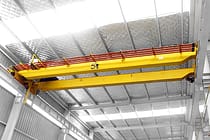
Gru a ponte a doppia trave di tipo europeo
-
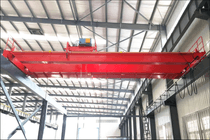
Gru a ponte antideflagranti
-
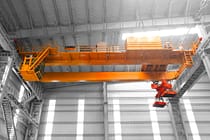
Grab E Carroponti Magnetici
-
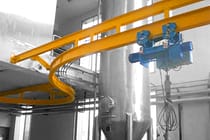
Gru monorotaia
-
Gru a ponte per fonderia
-
Gru a ponte per isolamento
-
Gru a ponte a bassa altezza
-
Afferrare le gru a ponte
-
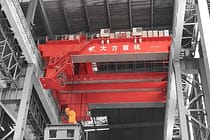
Gru a ponte siviera
-
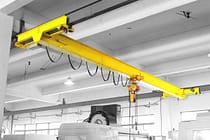
Gru a ponte sospese
-
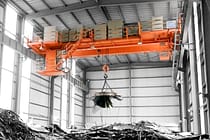
Gru a ponte elettromagnetiche
-
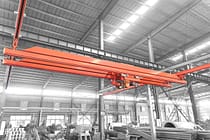
Gru per postazioni di lavoro
-
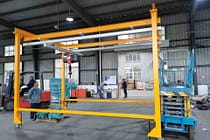
Gru a ponte per postazioni di lavoro autoportanti
-
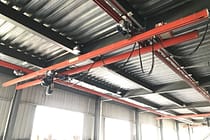
Gru a ponte montata a soffitto
-
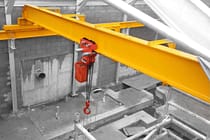
Gru a ponte manuali
-
-
Gru a cavalletto
-
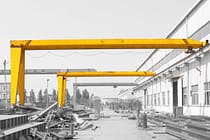
Gru a cavalletto semi
-
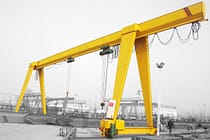
Gru a cavalletto monotrave
-
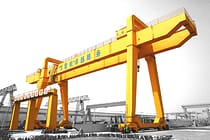
Gru a cavalletto a doppia trave
-
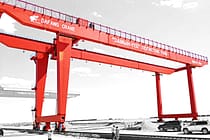
Gru a cavalletto per container
-
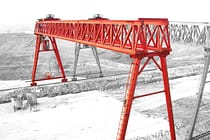
Gru a cavalletto a traliccio
-
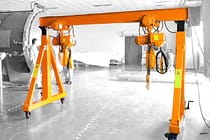
Gru a cavalletto regolabili
-
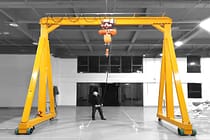
Gru a cavalletto portatili
-
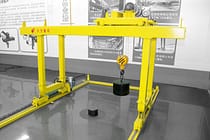
Gru a cavalletto europee
-
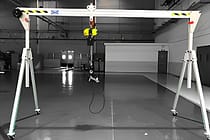
Gru a cavalletto in alluminio
-
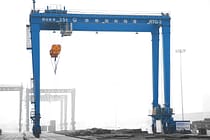
Gru a portale per container su pneumatici in gomma
-
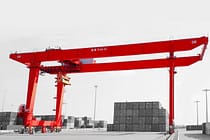
Gru a portale per container montate su rotaia
-
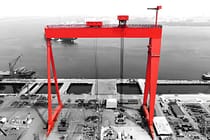
Gru a cavalletto per cantieri navali
-
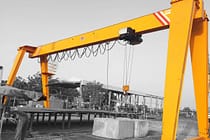
Gru a portale monotrave europee
-
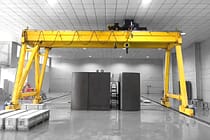
Gru a portale a doppia trave europee
-
-
Gru a bandiera
-
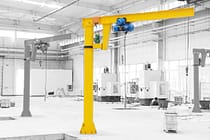
Gru a bandiera autoportanti
-
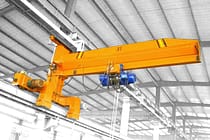
Gru a bandiera a parete mobile
-
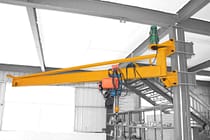
Gru a bandiera a parete
-
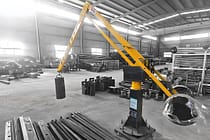
Gru a braccio di bilanciamento
-
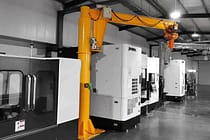
Gru a bandiera elettriche autoportanti
-
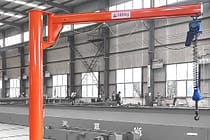
Gru a bandiera manuali autoportanti
-
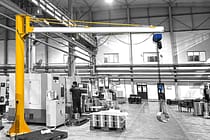
Gru a bandiera in alluminio
-
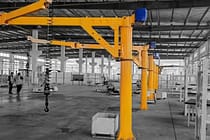
Gru a braccio articolato
-
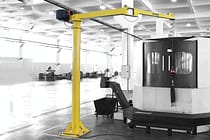
Gru a braccio intelligenti
-
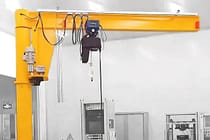
Gru a bandiera standard FEM
-
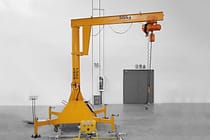
Gru a bandiera portatili
-
-
Gru speciali
-
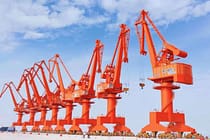
Gru a portale portuale
-
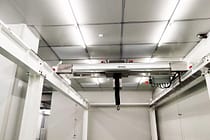
Gru per camere bianche
-
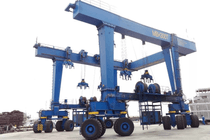
Montacarichi mobili per barche
-
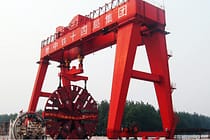
Gru a portale con scudo per perforazione tunnel
-
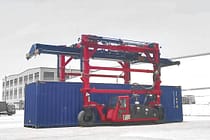
Carri a cavalcioni
-
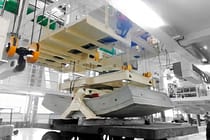
Sistema di gestione dei segmenti
-
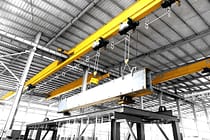
Gru di trasferimento con interblocco di zincatura
-
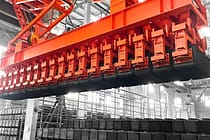
Gru di impilamento a blocchi di carbonio anodici
-
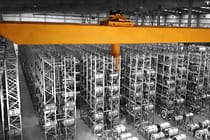
Gru a trasloelevatore
-
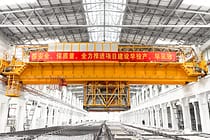
Gru a ponte in rame elettrolitico
-
- Paranchi elettrici
- Carrelli di trasferimento
-
Gru a ponte
-
Parti della gru
-
Secchielli di presa
-
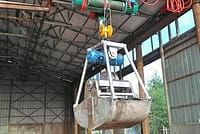
Benna elettrica in acciaio inossidabile
-
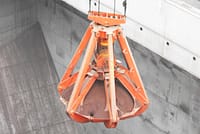
Pinze meccaniche a quattro corde per bucce d'arancia
-
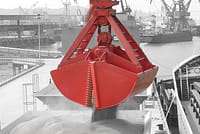
Benna con benna a quattro funi meccanica
-
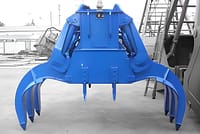
Pinze rettangolari elettroidrauliche
-
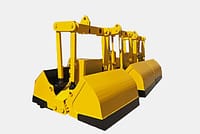
Benne mordenti elettroidrauliche
-
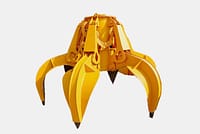
Pinze elettroidrauliche per bucce d'arancia, pinze idrauliche per cactus
-
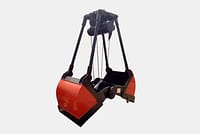
Pinza per motore elettrico
-
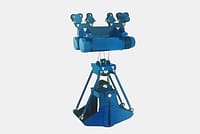
Benna con pinza elettrica monorotaia con paranco monorotaia
-
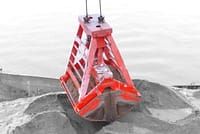
Pinze a conchiglia telecomandate
-
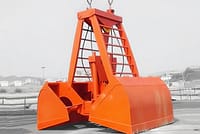
Pinze meccaniche a conchiglia con due funi
-
Pinze per legname
-
Benna con pinza a corda singola
-
Macchine per la pulizia dei cestini della spazzatura
-
Pinze per dragaggio
-
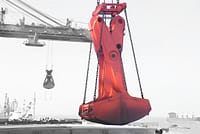
Pinze per rifinitura
-
- Spanditore per gru
-
Pezzi di ricambio per gru
-
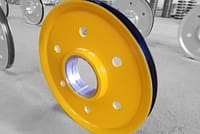
Pulegge per funi metalliche
-
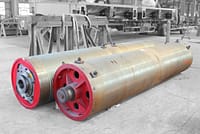
Tamburo della fune della gru
-
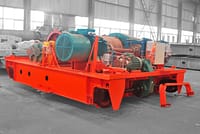
Carrello gru
-
Argano elettrico
-
Cabina dell'operatore della gru
-
Freni per gru a ponte
-
Cavi per gru a ponte
-
Guide per funi di gru a ponte
-
Conduttori per gru a ponte e linee di alimentazione elettrica
-
Rotaie della gru a ponte
-
Clip per rotaie della gru a ponte
-
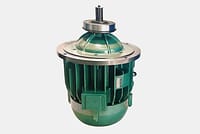
Motori per gru a ponte
-
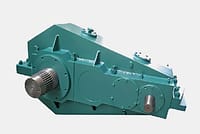
Riduttori per gru a ponte
-
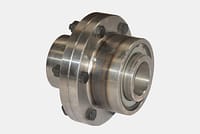
Giunti per gru a ponte
-
- Ruote della gru
-
Secchielli di presa
- Azienda
- Contatto
-
Industrie
-
Produzione generale
-
Gestione dei rifiuti
-
Prefabbricato
-
Energia
-
Calcolo
-
Fabbricazione della carta
-
Produzione di metallo
-
Costruzione di ponti
-
Gru portuali: per la movimentazione di container e materiali sfusi
-
Gru a ponte per l'industria petrolifera e del gas: migliorare l'efficienza operativa
-
Gru marine per un carico efficiente delle merci sulle navi
-
Gru a ponte per l'industria automobilistica: soluzioni di automazione efficienti
-
Soluzioni per gru a ponte per ferrovie: posa binari, manutenzione del materiale rotabile e movimentazione container
-
Gru a ponte per alimenti e bevande: soluzioni affidabili per una movimentazione efficiente
-
Gru a ponte per la produzione efficiente di cemento, vetro, mattoni e calcestruzzo prefabbricato
-
Gru a ponte per l'industria aeronautica: manutenzione e assemblaggio di aeromobili
-
Gru a ponte aerospaziali: sollevamento di precisione per il lancio e il trasporto di razzi
-
-
Prodotti
-
Gru a ponte
-
Gru a ponte monotrave
-
Gru a ponte bitrave
-
Gru a ponte monotrave di tipo europeo
-
Gru a ponte a doppia trave di tipo europeo
-
Gru a ponte antideflagranti
-
Grab E Carroponti Magnetici
-
Gru monorotaia
-
Gru a ponte per fonderia
-
Gru a ponte per isolamento
-
Gru a ponte a bassa altezza
-
Afferrare le gru a ponte
-
Gru a ponte siviera
-
Gru a ponte sospese
-
Gru a ponte elettromagnetiche
-
Gru per postazioni di lavoro
-
Gru a ponte per postazioni di lavoro autoportanti
-
Gru a ponte montata a soffitto
-
Gru a ponte manuali
-
-
Gru a cavalletto
-
Gru a cavalletto semi
-
Gru a cavalletto monotrave
-
Gru a cavalletto a doppia trave
-
Gru a cavalletto per container
-
Gru a cavalletto a traliccio
-
Gru a cavalletto regolabili
-
Gru a cavalletto portatili
-
Gru a cavalletto europee
-
Gru a cavalletto in alluminio
-
Gru a portale per container su pneumatici in gomma
-
Gru a portale per container montate su rotaia
-
Gru a cavalletto per cantieri navali
-
Gru a portale monotrave europee
-
Gru a portale a doppia trave europee
-
-
Gru a bandiera
-
Gru a bandiera autoportanti
-
Gru a bandiera a parete mobile
-
Gru a bandiera a parete
-
Gru a braccio di bilanciamento
-
Gru a bandiera elettriche autoportanti
-
Gru a bandiera manuali autoportanti
-
Gru a bandiera in alluminio
-
Gru a braccio articolato
-
Gru a braccio intelligenti
-
Gru a bandiera standard FEM
-
Gru a bandiera portatili
-
-
Gru speciali
-
Gru a portale portuale
-
Gru per camere bianche
-
Montacarichi mobili per barche
-
Gru a portale con scudo per perforazione tunnel
-
Carri a cavalcioni
-
Sistema di gestione dei segmenti
-
Gru di trasferimento con interblocco di zincatura
-
Gru di impilamento a blocchi di carbonio anodici
-
Gru a trasloelevatore
-
Gru a ponte in rame elettrolitico
-
- Paranchi elettrici
- Carrelli di trasferimento
-
Gru a ponte
-
Parti della gru
-
Secchielli di presa
-
Benna elettrica in acciaio inossidabile
-
Pinze meccaniche a quattro corde per bucce d'arancia
-
Benna con benna a quattro funi meccanica
-
Pinze rettangolari elettroidrauliche
-
Benne mordenti elettroidrauliche
-
Pinze elettroidrauliche per bucce d'arancia, pinze idrauliche per cactus
-
Pinza per motore elettrico
-
Benna con pinza elettrica monorotaia con paranco monorotaia
-
Pinze a conchiglia telecomandate
-
Pinze meccaniche a conchiglia con due funi
-
Pinze per legname
-
Benna con pinza a corda singola
-
Macchine per la pulizia dei cestini della spazzatura
-
Pinze per dragaggio
-
Pinze per rifinitura
-
- Spanditore per gru
-
Pezzi di ricambio per gru
-
Pulegge per funi metalliche
-
Tamburo della fune della gru
-
Carrello gru
-
Argano elettrico
-
Cabina dell'operatore della gru
-
Freni per gru a ponte
-
Cavi per gru a ponte
-
Guide per funi di gru a ponte
-
Conduttori per gru a ponte e linee di alimentazione elettrica
-
Rotaie della gru a ponte
-
Clip per rotaie della gru a ponte
-
Motori per gru a ponte
-
Riduttori per gru a ponte
-
Giunti per gru a ponte
-
- Ruote della gru
-
Secchielli di presa
- Azienda
- Contatto



Gru a ponte con carrello di sollevamento elettrico vs gru a ponte con carrello di sollevamento con argano aperto: guida alla selezione per progetti di sollevamento industriale
Sommario
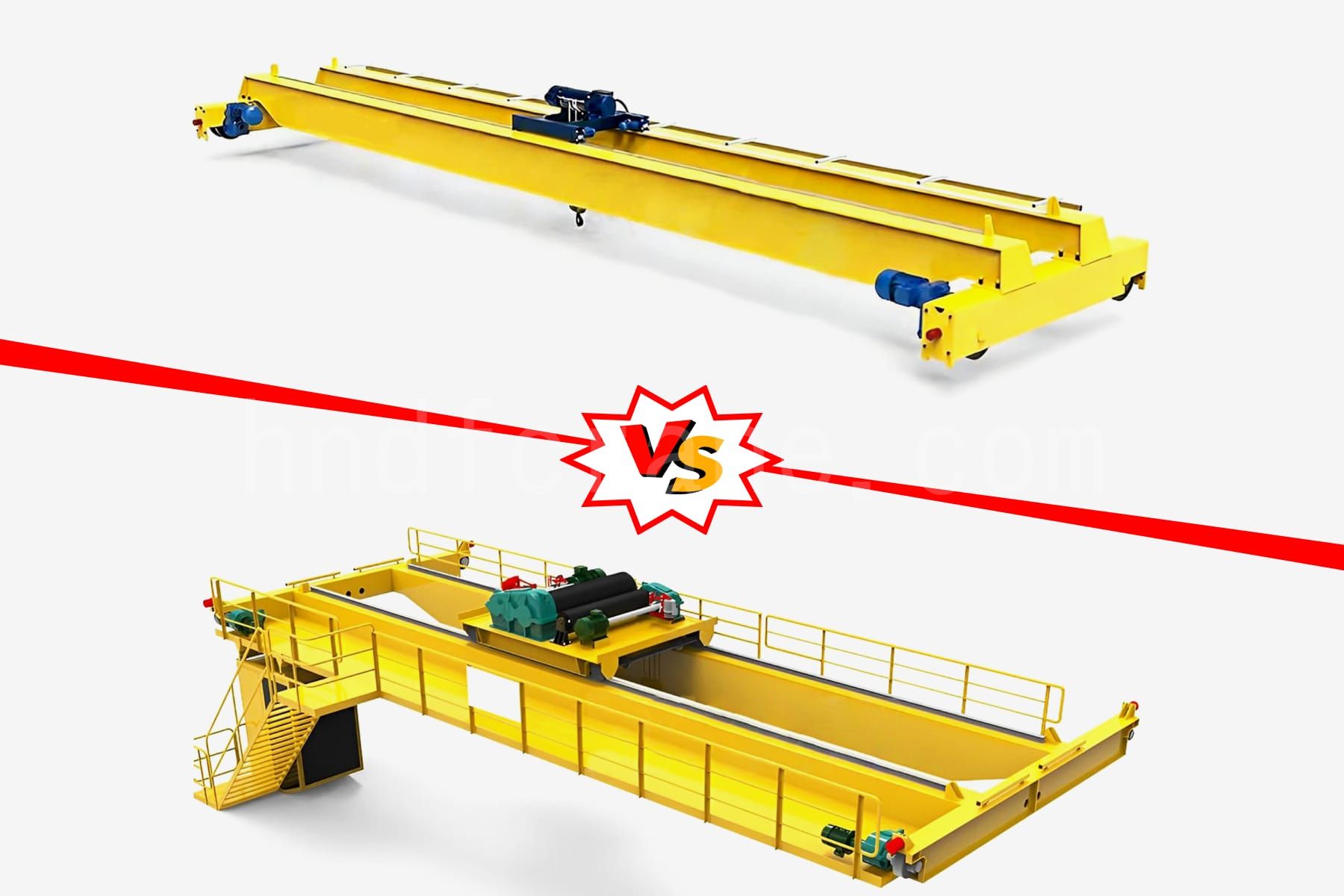
Nella selezione delle attrezzature di sollevamento industriali, il tipo di meccanismo di sollevamento in un carroponte bitrave influisce direttamente sulla configurazione strutturale della gru, sulla classe di servizio, sui costi operativi e sull'adattabilità alle condizioni dell'officina.
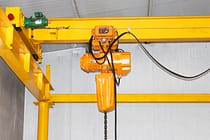
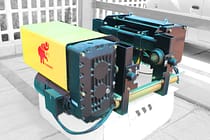
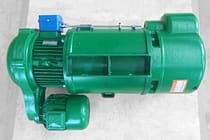
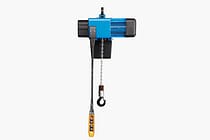
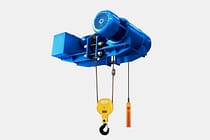
Nei progetti pratici, gru a ponte con carrello di sollevamento elettrico e carrello con argano aperto Le gru a ponte sono le due soluzioni più comuni.
Sebbene entrambe le opzioni possano avere la stessa capacità di sollevamento nominale, esistono differenze significative in termini di struttura, prestazioni e condizioni di lavoro applicabili. Questo articolo fornisce un confronto sistematico tra i due tipi di gru a ponte in base alle dimensioni chiave, aiutando gli utenti a prendere decisioni informate basate sulle condizioni di lavoro effettive.
Classe di servizio e condizioni di lavoro applicabili
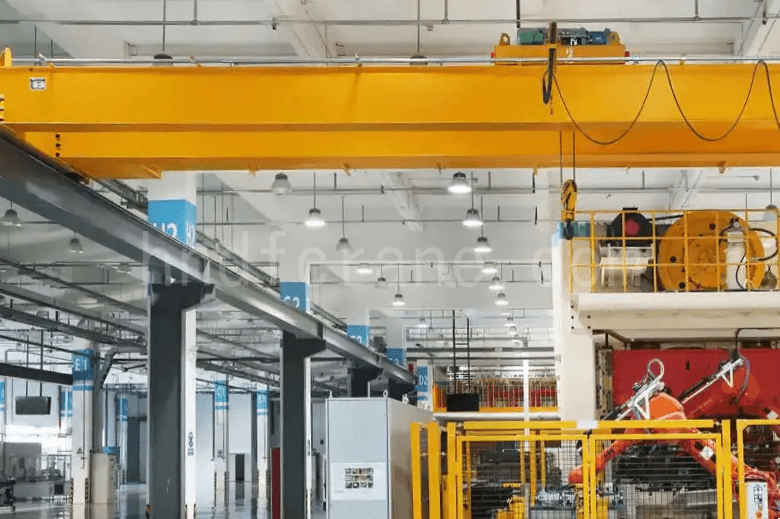
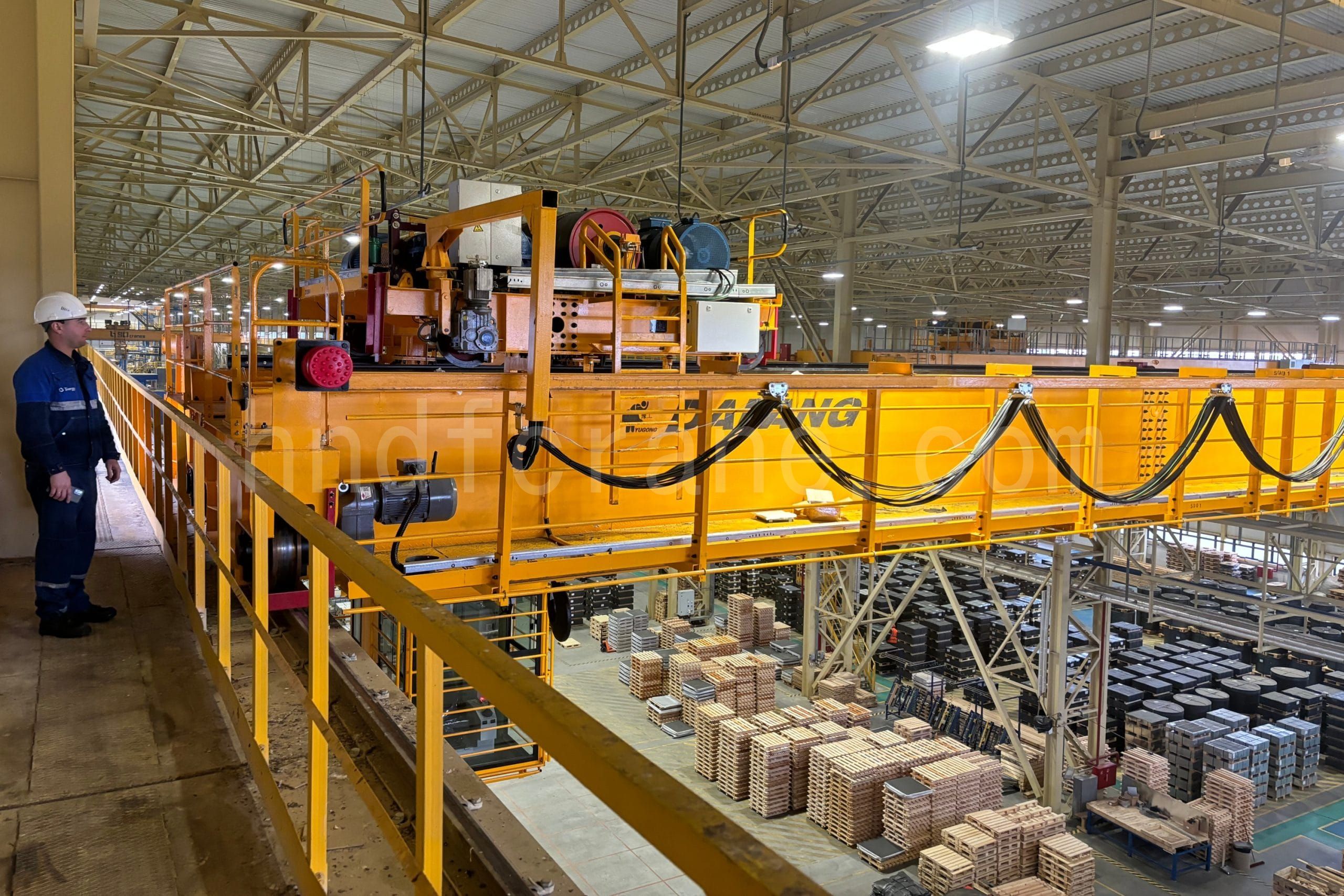
La classe di servizio (Classe di Servizio) di una gru a ponte viene utilizzata per valutare in modo completo i carichi, la frequenza di sollevamento e il tempo di funzionamento che l'attrezzatura sopporterà durante la sua vita utile. Non è correlata solo alla capacità di sollevamento nominale, ma è anche strettamente influenzata da fattori quali il numero di sollevamenti giornalieri, il livello di carico medio (a pieno o parziale), il tempo di funzionamento continuo e la vita utile prevista.
Una classe di servizio più elevata indica che la gru è progettata per gestire operazioni più frequenti, più gravose e di lunga durata. Di conseguenza, i requisiti di resistenza strutturale, sistema di azionamento e ridondanza di sicurezza sono più elevati.
| Confronto | Gru a ponte con carrello di sollevamento elettrico | Gru a ponte con carrello ad argano aperto |
| Classe di servizio tipica | A3 | A3 – A8 (personalizzabile) |
| Significato di classe di servizio | Funzionamento intermittente con piccole variazioni di carico e bassa frequenza di sollevamento | In grado di funzionare ad alta frequenza, con carichi pesanti e in continuo |
| Frequenza di sollevamento | Da basso a medio | Da medio ad alto |
| Durata del funzionamento continuo | Principalmente operazioni di breve durata | In grado di funzionare ininterrottamente per lungo tempo |
| Rapporto di pieno carico | Carico completo occasionale, carico parziale per lo più | Alta percentuale di operazioni a pieno carico o quasi pieno |
| Intensità operativa | Da leggero a medio | Da medio a pesante |
| Caratteristiche strutturali e di progettazione della trasmissione | Progettazione integrata, focalizzata su economia e stabilità | Struttura ad alta resistenza adatta ad alte velocità e carichi di fatica |
| Capacità di sollevamento tipica | 5 – 20 tonnellate (alcuni modelli fino a 32 tonnellate) | 10 tonnellate – 200+ tonnellate |
| Applicazioni tipiche | Officine di lavorazione meccanica, linee di montaggio, cambi stampo, manutenzione attrezzature | Produzione di attrezzature pesanti, linee di produzione di strutture in acciaio, industrie energetiche e metallurgiche |
| Focus sulla selezione | Controllo dei costi, adattabilità dello spazio | Efficienza produttiva, durata e riserva di prestazioni |
Confronto dei meccanismi di sollevamento: carrello di sollevamento elettrico vs carrello di sollevamento aperto
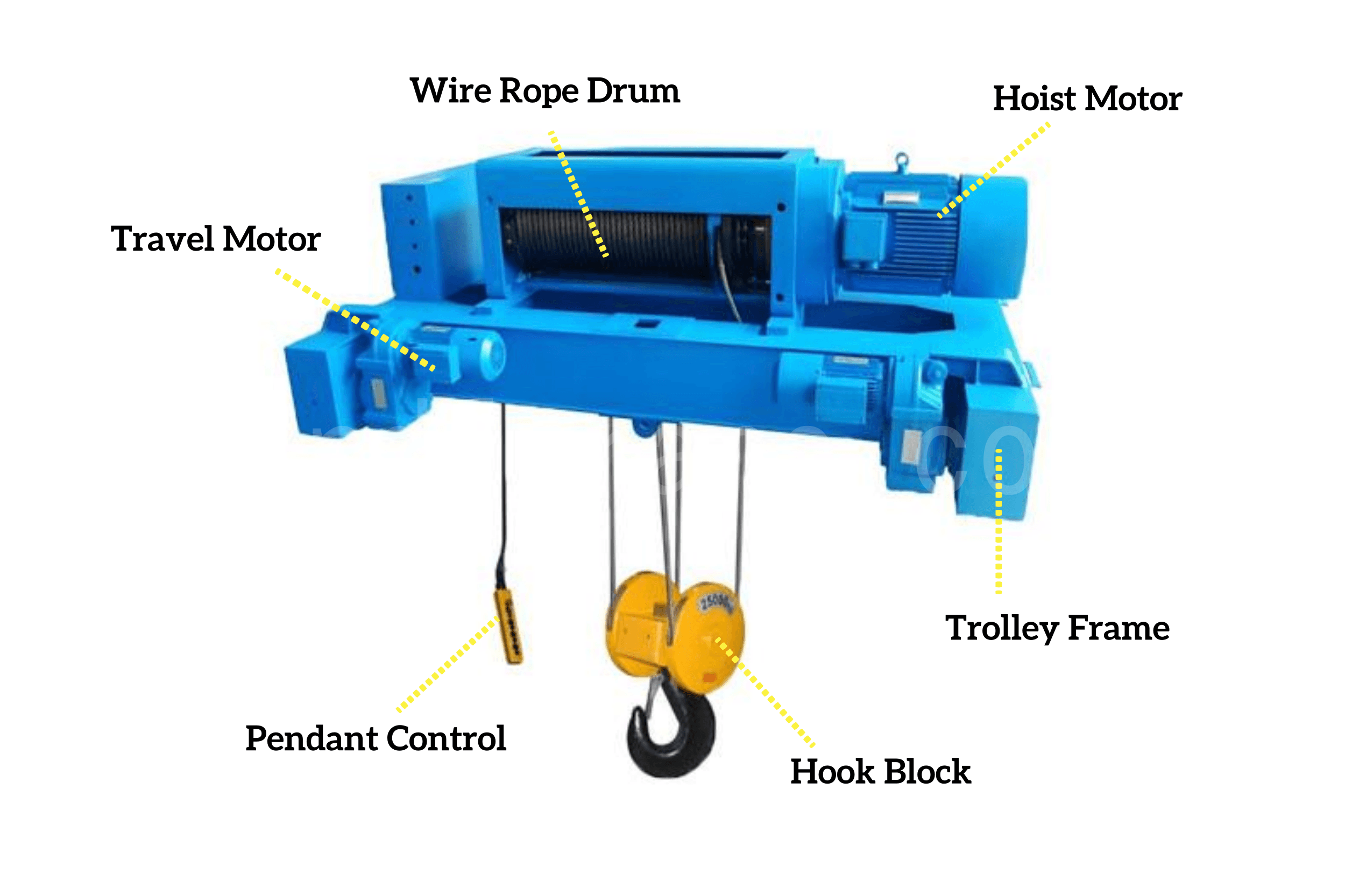
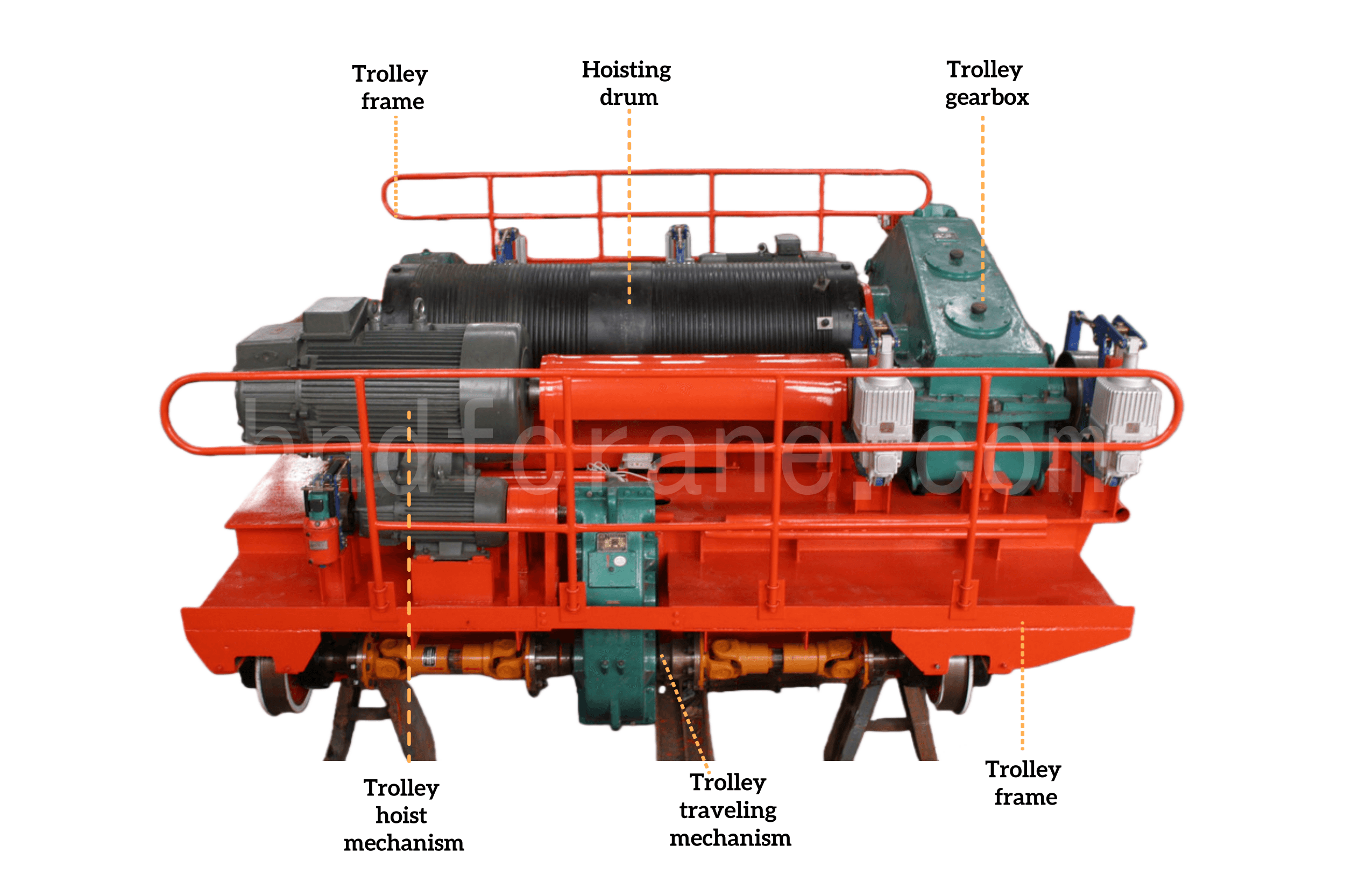
- Meccanismo di sollevamento integrato con altezza complessiva ridotta
- Design leggero e compatto, che aiuta a ridurre il peso totale della gru
- Elevato grado di standardizzazione, che consente una facile installazione e manutenzione
- Disposizione del meccanismo di sollevamento divisa, che garantisce una distribuzione uniforme del carico
- Struttura complessiva robusta e rigida con deformazione minima, che garantisce una maggiore sicurezza in caso di operazioni ad alta frequenza o con carichi pesanti
- Design facile da personalizzare in base alle specifiche condizioni di lavoro
Confronto prezzi: differenze di costo con le stesse specifiche
Prerequisiti: la capacità di sollevamento nominale, la campata, l'altezza di sollevamento e le configurazioni di base sono identiche.
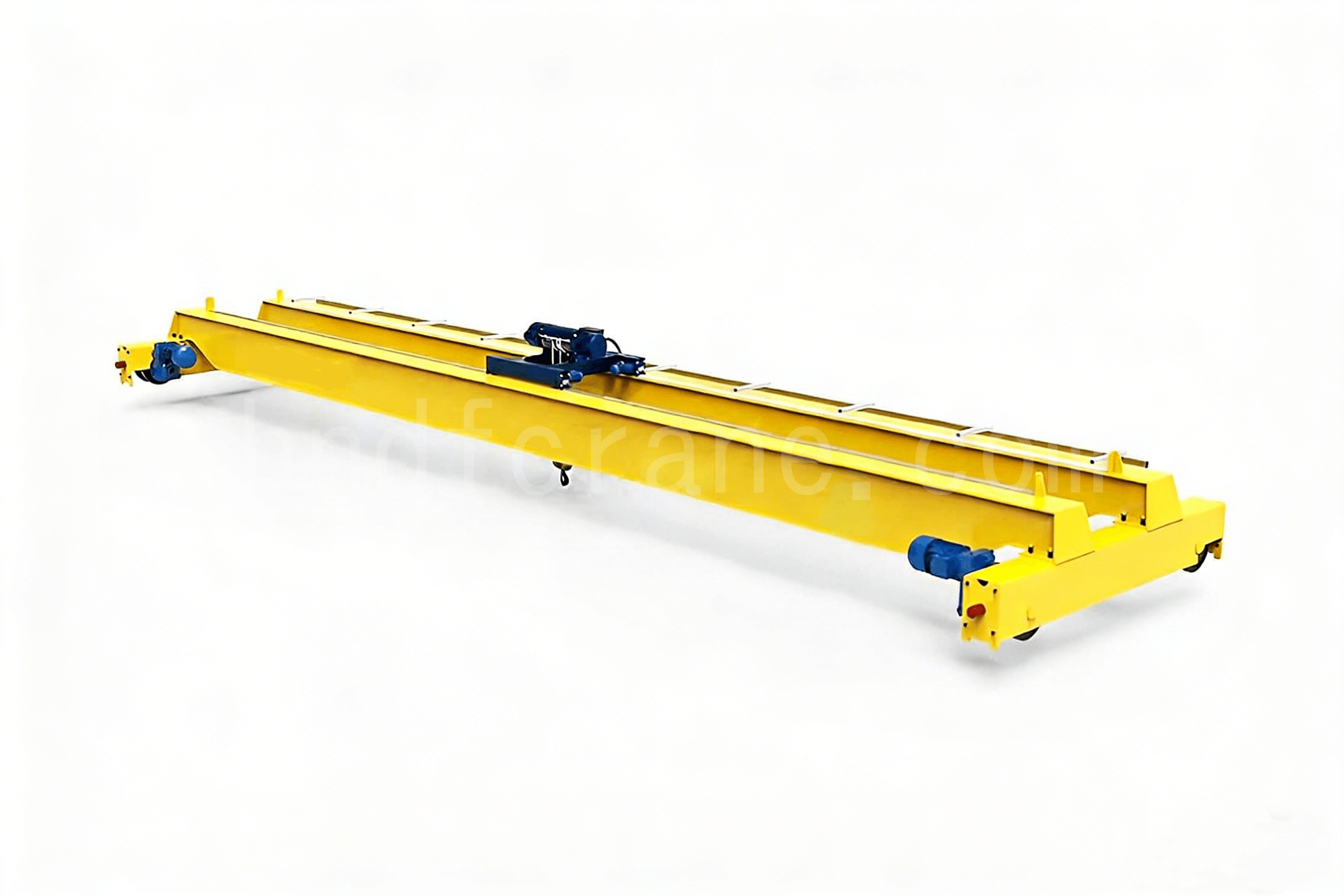
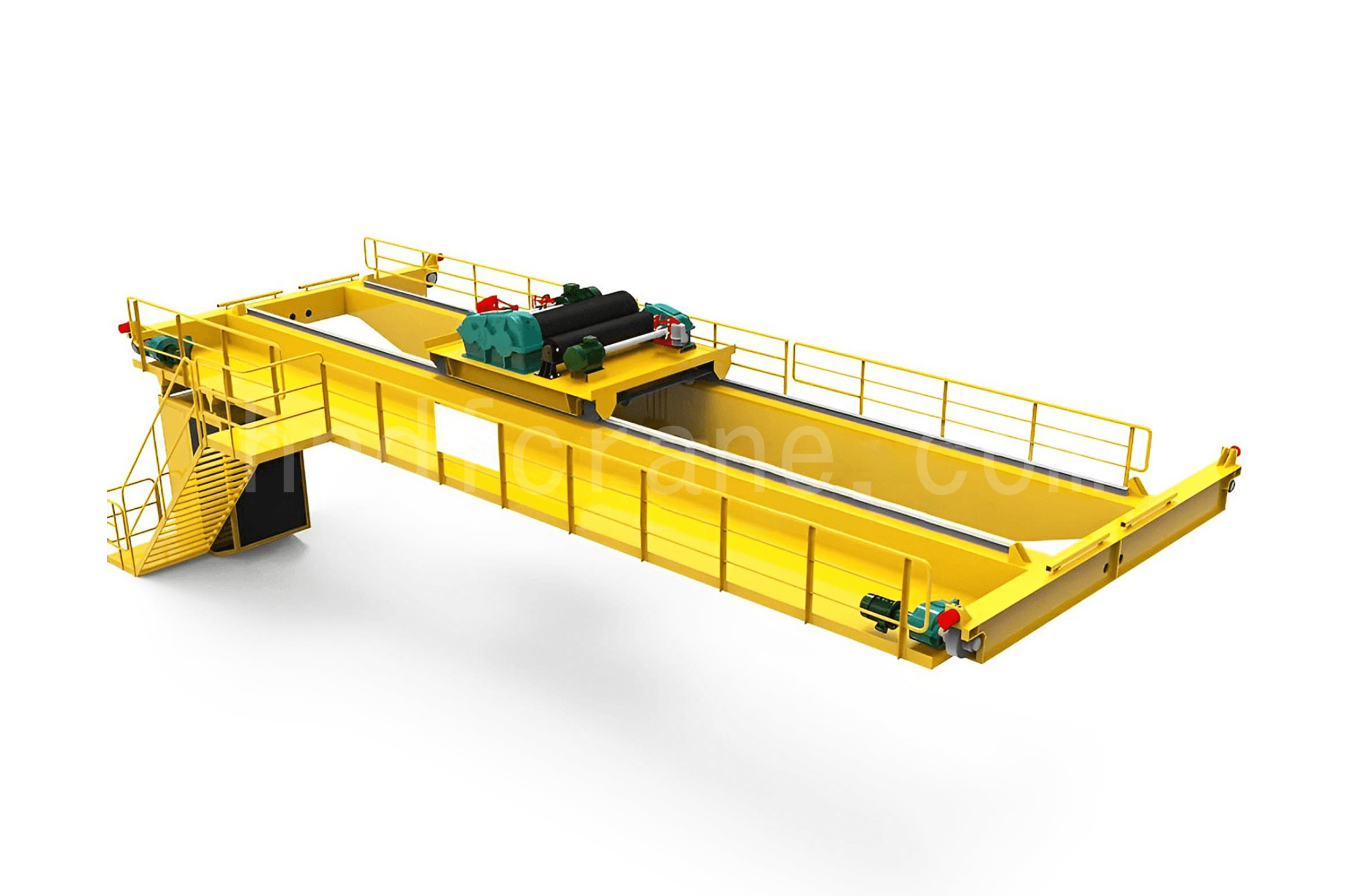
Parametri operativi di base (stesse condizioni)
- Capacità di sollevamento: 16 t
- Campata: 10,5 m
- Altezza di sollevamento: 17 m
Confronto complessivo tra prezzo e prestazioni
| Articolo | Gru a ponte con carrello di sollevamento elettrico | Gru a ponte con carrello a fune metallica (argano) |
| Meccanismo di sollevamento | Carrello di sollevamento elettrico da 16 t | Carrello con verricello da 16 t |
| Prezzo di riferimento | 7.667 dollari USA | 23.000 dollari |
| classe di servizio | A3 | A3 |
| Velocità di sollevamento | 3,5 – 8 metri/min | 7,9 – 14,5 metri/min |
| Velocità di percorrenza del carrello | 20 metri/min | 44,6 metri al minuto |
| Velocità di spostamento della gru | 20 – 30 metri/min | 84,7 metri al minuto |
| Condizioni di lavoro applicabili | Movimentazione generale dei materiali a media e bassa frequenza | Funzionamento continuo, ad alta frequenza e con carichi pesanti |
Fattori chiave di impatto sui costi
- Il carrello di sollevamento elettrico stesso ha un costo unitario inferiore
- Le gru a ponte con carrello di sollevamento sono complessivamente più leggere, riducendo il consumo di acciaio per le travi principali e le strutture di supporto
- La struttura più semplice delle gru a ponte con carrello di sollevamento si traduce in minori costi di trasporto e installazione
- Le gru a ponte con carrello argano richiedono piattaforme e passerelle aggiuntive, aumentando i costi complessivi
Conclusione della selezione
La scelta di una gru a ponte non dovrebbe basarsi esclusivamente sulla capacità di sollevamento nominale. Dovrebbe invece considerare in modo completo la progettazione del meccanismo di sollevamento, la classe di servizio, l'intensità di esercizio, le condizioni dell'officina e il budget del progetto.
Quando la classe di servizio è A3 e l'intensità operativa e la frequenza di lavoro sono moderate, una gru a ponte con carrello di sollevamento elettrico è la scelta più economica e pratica.
Quando il progetto richiede una classe di servizio più elevata, velocità di sollevamento più elevate o una maggiore capacità di sollevamento, una gru a ponte con carrello a fune metallica (argano) può garantire prestazioni e adattabilità superiori.
Abbinando correttamente il tipo di meccanismo di sollevamento si ottiene l'equilibrio ottimale tra investimento in attrezzature ed efficienza operativa a lungo termine, garantendo al contempo sicurezza e affidabilità.

Sono Cindy, con 10 anni di esperienza lavorativa nel settore delle gru e un bagaglio di conoscenze professionali accumulato. Ho scelto le gru soddisfacenti per oltre 500 clienti. Se hai esigenze o domande sulle gru, non esitare a contattarmi, userò la mia competenza ed esperienza pratica per aiutarti a risolvere il problema!
Invia la tua richiesta
- E-mail: sales@hndfcrane.com
- WhatsApp: +86 191 3738 6654
- Telegramma: +86 191 3738 6654
- Tel: +86-373-581 8299
- Fax: +86-373-215 7000
- Aggiungi: distretto industriale di Changnao, città di Xinxiang, provincia di Henan, Cina
 WeChat
- Gru a ponte
- Gru a ponte bitrave
- Gru a ponte monotrave
- Gru a ponte monotrave di tipo europeo
- Gru a ponte antideflagranti
- Grab E Carroponti Magnetici
- Gru monorotaia
- Gru a ponte per fonderia
- Gru per postazioni di lavoro
- Gru a bandiera
- Gru a bandiera a parete
- Gru a bandiera a parete mobile
- Gru a bandiera autoportanti
- Gru a braccio in alluminio: braccio rotante leggero e scorrevole per un sollevamento facile
- Gru a braccio bilanciato: sollevamento leggero ed efficiente per assemblaggi meccanici su brevi distanze
- Gru a bandiera manuali autoportanti: soluzioni di sollevamento manuale efficienti per operazioni in spazi limitati
- Gru a bandiera elettriche autoportanti: soluzione completamente elettrica per sollevamenti rapidi ad alta capacità
- Gru a braccio articolato: sollevamento di precisione con flessibilità a doppio braccio
- Gru a cavalletto
- Gru a cavalletto a doppia trave
- Gru a cavalletto semi
- Gru a cavalletto monotrave
- Gru a cavalletto a traliccio
- Gru a cavalletto per container
- Gru a cavalletto regolabili
- Gru a cavalletto portatili
- Gru a cavalletto europee
- Industrie
- Produzione generale
- Gestione dei rifiuti
- Prefabbricato
- Energia
- Calcolo
- Fabbricazione della carta
- Produzione di metallo
- Costruzione di ponti
- Gru portuali: per la movimentazione di container e materiali sfusi
- Gru a ponte per l'industria petrolifera e del gas: migliorare l'efficienza operativa
- Gru marine per un carico efficiente delle merci sulle navi
- Gru a ponte per l'industria automobilistica: soluzioni di automazione efficienti
- Paranchi elettrici
- Paranchi elettrici a fune
- Paranchi elettrici a catena
- Paranchi elettrici di tipo europeo
- Paranchi elettrici a catena europei: funzionamento regolare, bassa rumorosità ed efficienza energetica
- Paranchi manuali a leva: ideali per attività di trazione e sollevamento
- Paranchi a catena manuali: sollevamento manuale per aree senza corrente elettrica
- Paranchi elettrici a bassa altezza: design compatto per la massima efficienza dello spazio
- Paranchi pneumatici a catena: movimentazione fluida per uso industriale
- Paranchi manuali a catena antideflagranti: costruzione in lega di rame antiscintilla per aree pericolose
- Paranchi elettrici a catena antideflagranti per sollevamento in aree pericolose
- Di
- Casi
- Notizia
- Domande frequenti
- Scaricamento
- Blog
- Strumenti di calcolo del carico delle ruote della gru online
- Panorama VR
- Contattaci
- E-mail: sales@hndfcrane.com
- WhatsApp: +86 191 3738 6654
- Telegramma: +86 191 3738 6654
- Tel: +86-373-581 8299
-