
-
endüstriler
-
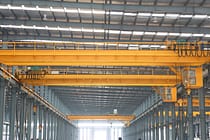
Genel İmalat
-
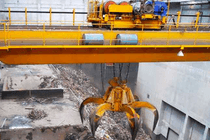
Atık İşleme
-
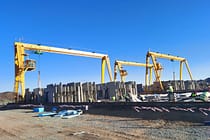
Prekast
-
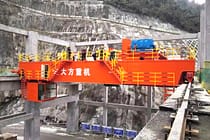
Güç
-
Taş
-

kağıt yapımı
-
metal üretimi
-
Köprü İnşaatı
-
Liman Vinçleri: Konteyner ve Toplu Malzeme Elleçleme İçin
-

Petrol ve Gaz Endüstrisi için Köprülü Vinçler: Operasyonel Verimliliği Artırın
-

Gemilerde Verimli Kargo Yüklemesi için Deniz Vinçleri
-

Otomotiv Endüstrisi için Köprülü Vinçler: Verimli Otomasyon Çözümleri
-
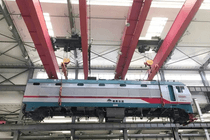
Demiryolları için Köprü Vinç Çözümleri: Ray Döşeme, Demiryolu Araçları Bakımı ve Konteyner Elleçleme
-

Gıda ve İçecekler İçin Köprü Vinçleri: Verimli Taşıma İçin Güvenilir Çözümler
-
Verimli Çimento, Cam, Tuğla ve Prefabrik Beton Üretimi için Köprülü Vinçler
-

Havacılık Endüstrisi için Köprülü Vinçler: Uçak Bakımı ve Montajı
-

Havacılık ve Uzay Vinçleri: Roket Fırlatma ve Taşıma için Hassas Kaldırma
-
-
Ürünler
-
Gezer Vinçler
-
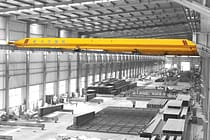
Tek Kirişli Gezer Vinçler
-
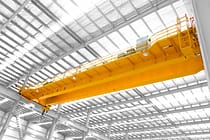
Çift Kirişli Gezer Vinçler
-
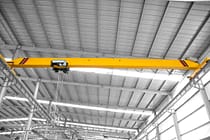
Avrupa Tipi Tek Kirişli Köprülü Vinçler
-
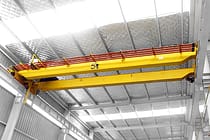
Avrupa Tipi Çift Kirişli Tavan Vinçleri
-
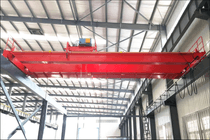
Patlama Korumalı Gezer Vinçler
-
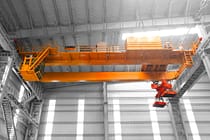
Kepçeli ve Manyetik Gezer Vinçler
-

Monoray Vinçler
-

Dökümhane Vinçleri
-
Yalıtım Köprülü Vinçler
-
Alçak Tavanlı Vinçler
-
Tavan Vinçlerini Tutun
-
Pota Tavan Vinçleri
-
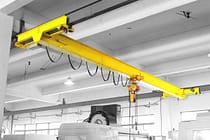
Alt Askılı Vinçler
-
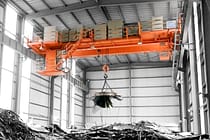
Elektromanyetik Tavan Vinçleri
-
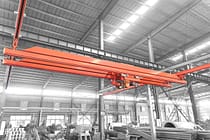
İş İstasyonu Vinçleri
-
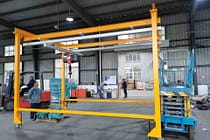
Serbest Duran İş İstasyonu Köprü Vinçleri
-
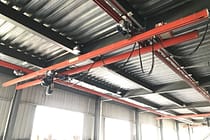
Tavana Monte Köprülü Vinç
-
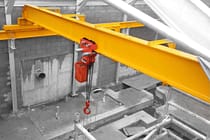
Manuel Köprülü Vinçler
-
-
Portal Vinçler
-
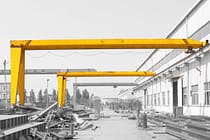
Yarı Portal Vinçler
-
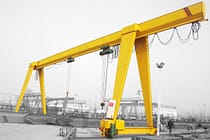
Tek Kiriş Portal Vinçler
-
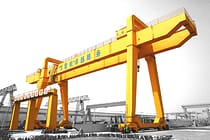
Çift Kiriş Portal Vinçler
-
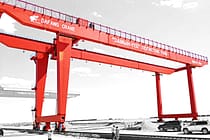
Konteyner Portal Vinçler
-
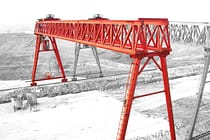
Truss Portal Vinçler
-
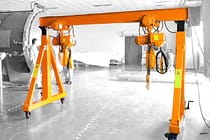
Ayarlanabilir Portal Vinçler
-
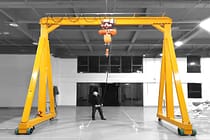
Portatif Portal Vinçler
-
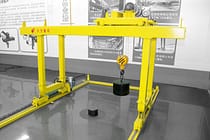
Avrupa Portal Vinçler
-

Alüminyum Portal Vinçler
-
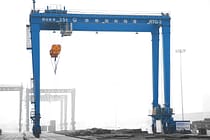
Lastik Tekerlekli Konteyner Gantry Vinçleri
-
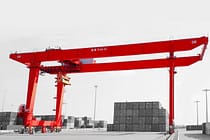
Raylı Konteyner Portal Vinçleri
-
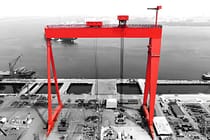
Tersane Gantry Vinç
-
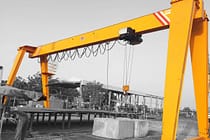
Avrupa Tek Kirişli Portal Vinçleri
-
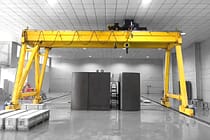
Avrupa Çift Kirişli Portal Vinçleri
-
- Pergel Vinçler
- Özel Vinçler
- Elektrikli Vinçler
- Transfer Arabaları
-
Gezer Vinçler
-
Vinç Parçaları
-
Kepçeler
-
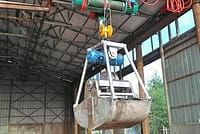
Elektrikli Paslanmaz Çelik Kepçe
-
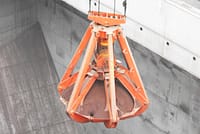
Mekanik Dört Halatlı Portakal Kabuğu Tutucular
-
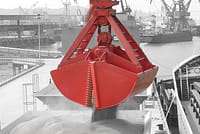
Mekanik Dört Halatlı Midye Kabuğu Kepçe Kovası
-
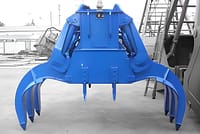
Elektro Hidrolik Dikdörtgen Tutucular
-
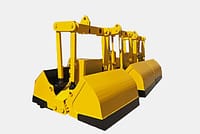
Elektro hidrolik Midye Kabuğu Tutucular
-
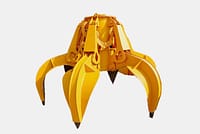
Elektro Hidrolik Portakal Kabuğu Kepçeleri, Hidrolik Kaktüs Kepçesi
-
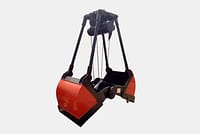
Elektrikli Motor Kepçesi
-
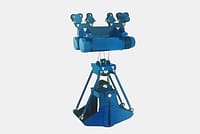
Monoray Vinçli Elektrikli Monoray Kepçe
-
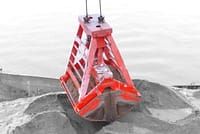
Uzaktan Kumandalı Midye Kabuğu Tutucular
-
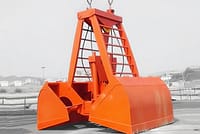
Mekanik İki Halatlı Midye Kabuğu Tutucular
-
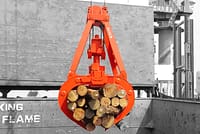
Kereste Kapmacaları
-
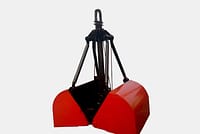
Tek Halatlı Kepçe
-
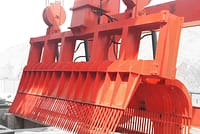
Çöp Rafı Temizleme Makineleri
-
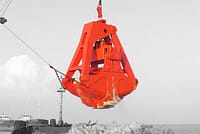
Tarama Kepçeleri
-
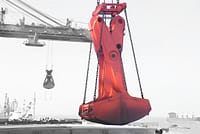
Kırpma Tutma
-
- Vinç Yayıcı
-
Vinç Yedek Parçaları
-
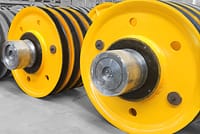
Vinç Makaraları
-
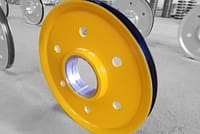
Halat Kasnakları
-
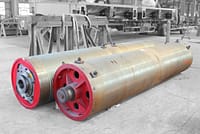
Vinç Halat Tamburu
-
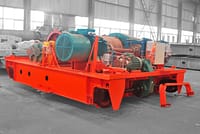
vinç arabası
-
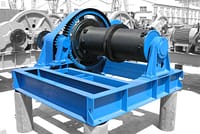
Elektrikli Vinç
-

Vinç Operatör Kabini
-
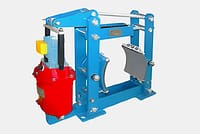
Köprülü Vinç Frenleri
-
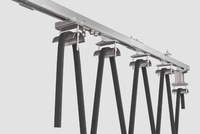
Köprülü Vinç Kabloları
-
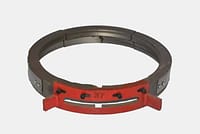
Köprülü Vinç Halat Kılavuzları
-
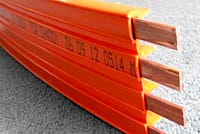
Köprü Vinç İletkenleri ve Güç Besleme Hatları
-
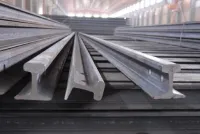
Köprülü Vinç Rayları
-
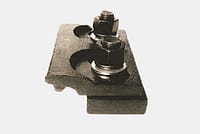
Köprülü Vinç Ray Klipsleri
-
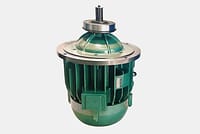
Köprülü Vinç Motorları
-
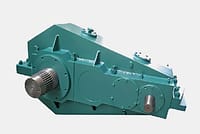
Köprülü Vinç Redüktörleri
-
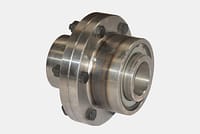
Köprülü Vinçler için Bağlantı Elemanları
-
- Vinç Tekerlekleri
-
Kepçeler
- Şirket
- Temas etmek






-
endüstriler
-
Genel İmalat
-
Atık İşleme
-
Prekast
-
Güç
-
Taş
-
kağıt yapımı
-
metal üretimi
-
Köprü İnşaatı
-
Liman Vinçleri: Konteyner ve Toplu Malzeme Elleçleme İçin
-
Petrol ve Gaz Endüstrisi için Köprülü Vinçler: Operasyonel Verimliliği Artırın
-
Gemilerde Verimli Kargo Yüklemesi için Deniz Vinçleri
-
Otomotiv Endüstrisi için Köprülü Vinçler: Verimli Otomasyon Çözümleri
-
Demiryolları için Köprü Vinç Çözümleri: Ray Döşeme, Demiryolu Araçları Bakımı ve Konteyner Elleçleme
-
Gıda ve İçecekler İçin Köprü Vinçleri: Verimli Taşıma İçin Güvenilir Çözümler
-
Verimli Çimento, Cam, Tuğla ve Prefabrik Beton Üretimi için Köprülü Vinçler
-
Havacılık Endüstrisi için Köprülü Vinçler: Uçak Bakımı ve Montajı
-
Havacılık ve Uzay Vinçleri: Roket Fırlatma ve Taşıma için Hassas Kaldırma
-
-
Ürünler
-
Gezer Vinçler
-
Tek Kirişli Gezer Vinçler
-
Çift Kirişli Gezer Vinçler
-
Avrupa Tipi Tek Kirişli Köprülü Vinçler
-
Avrupa Tipi Çift Kirişli Tavan Vinçleri
-
Patlama Korumalı Gezer Vinçler
-
Kepçeli ve Manyetik Gezer Vinçler
-
Monoray Vinçler
-
Dökümhane Vinçleri
-
Yalıtım Köprülü Vinçler
-
Alçak Tavanlı Vinçler
-
Tavan Vinçlerini Tutun
-
Pota Tavan Vinçleri
-
Alt Askılı Vinçler
-
Elektromanyetik Tavan Vinçleri
-
İş İstasyonu Vinçleri
-
Serbest Duran İş İstasyonu Köprü Vinçleri
-
Tavana Monte Köprülü Vinç
-
Manuel Köprülü Vinçler
-
-
Portal Vinçler
-
Yarı Portal Vinçler
-
Tek Kiriş Portal Vinçler
-
Çift Kiriş Portal Vinçler
-
Konteyner Portal Vinçler
-
Truss Portal Vinçler
-
Ayarlanabilir Portal Vinçler
-
Portatif Portal Vinçler
-
Avrupa Portal Vinçler
-
Alüminyum Portal Vinçler
-
Lastik Tekerlekli Konteyner Gantry Vinçleri
-
Raylı Konteyner Portal Vinçleri
-
Tersane Gantry Vinç
-
Avrupa Tek Kirişli Portal Vinçleri
-
Avrupa Çift Kirişli Portal Vinçleri
-
- Pergel Vinçler
- Özel Vinçler
- Elektrikli Vinçler
- Transfer Arabaları
-
Gezer Vinçler
-
Vinç Parçaları
-
Kepçeler
-
Elektrikli Paslanmaz Çelik Kepçe
-
Mekanik Dört Halatlı Portakal Kabuğu Tutucular
-
Mekanik Dört Halatlı Midye Kabuğu Kepçe Kovası
-
Elektro Hidrolik Dikdörtgen Tutucular
-
Elektro hidrolik Midye Kabuğu Tutucular
-
Elektro Hidrolik Portakal Kabuğu Kepçeleri, Hidrolik Kaktüs Kepçesi
-
Elektrikli Motor Kepçesi
-
Monoray Vinçli Elektrikli Monoray Kepçe
-
Uzaktan Kumandalı Midye Kabuğu Tutucular
-
Mekanik İki Halatlı Midye Kabuğu Tutucular
-
Kereste Kapmacaları
-
Tek Halatlı Kepçe
-
Çöp Rafı Temizleme Makineleri
-
Tarama Kepçeleri
-
Kırpma Tutma
-
- Vinç Yayıcı
-
Vinç Yedek Parçaları
-
Vinç Makaraları
-
Halat Kasnakları
-
Vinç Halat Tamburu
-
vinç arabası
-
Elektrikli Vinç
-
Vinç Operatör Kabini
-
Köprülü Vinç Frenleri
-
Köprülü Vinç Kabloları
-
Köprülü Vinç Halat Kılavuzları
-
Köprü Vinç İletkenleri ve Güç Besleme Hatları
-
Köprülü Vinç Rayları
-
Köprülü Vinç Ray Klipsleri
-
Köprülü Vinç Motorları
-
Köprülü Vinç Redüktörleri
-
Köprülü Vinçler için Bağlantı Elemanları
-
- Vinç Tekerlekleri
-
Kepçeler
- Şirket
- Temas etmek



Overhead Crane Lubrication System: Classification and Maintenance Operation Points
İçindekiler
Against the backdrop of sustained rapid global economic growth, crane machinery is being used more and more widely; in particular, the market demand for special-purpose lifting equipment that can adapt to various special working conditions continues to rise. The lubrication of each crane mechanism is a key link in ensuring safe production, maintaining stable mechanism operation, and extending equipment service life. The lubrication condition of each mechanism must be taken seriously, and the overhead crane lubrication system must be checked frequently to ensure it is working properly.
Overhead Crane Lubrication System Classification
Lubrication for Most Overhead Crane Mechanisms
These lubrication points include: wheel bearings, horizontal guide wheel bearings, wheel equalizer pin bushings, fixed sheave bearings, wire rope equalizer pin bushings, drum bearings, and the like. Some use a manual high-pressure grease gun to inject grease into each oil cup periodically; a centralized lubrication system can also be used as required.
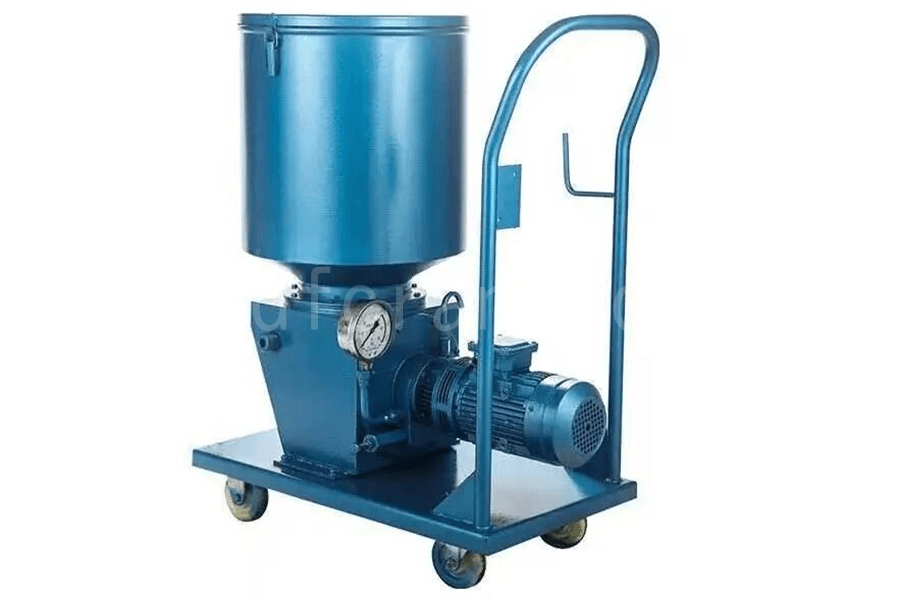
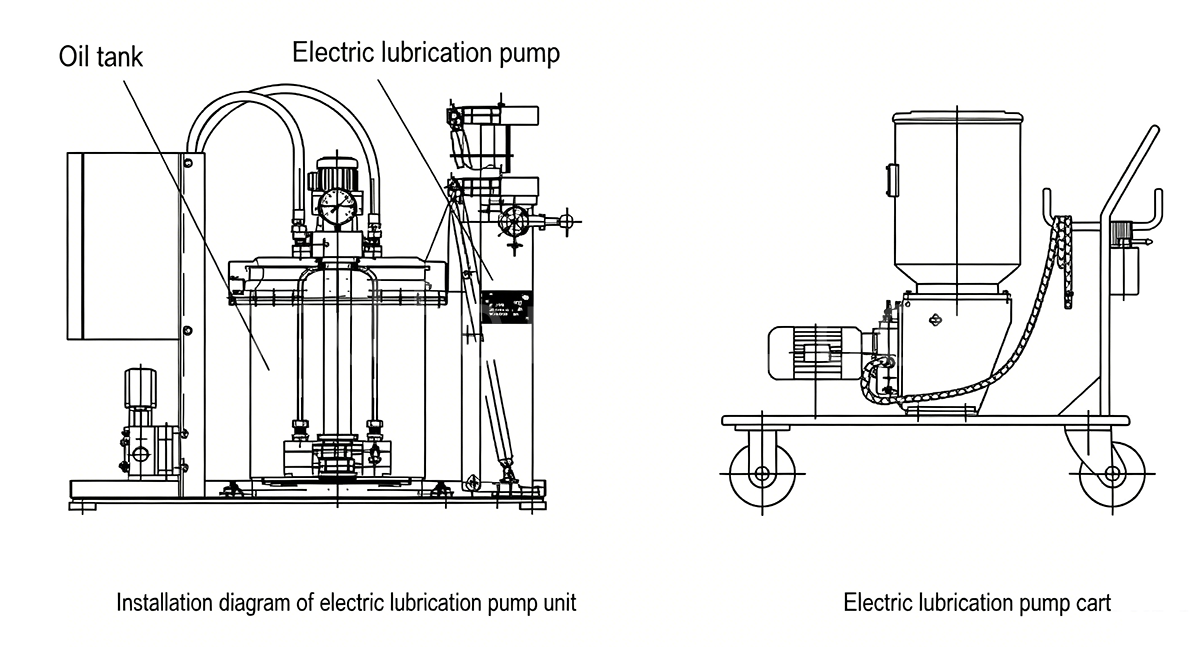
The specific use of the centralized lubrication system (configured as required) is to periodically use a grease pump to inject grease into each lubrication point through a distributor, so that each lubrication point is fully lubricated. The grease pump can be divided into a manual pump or an electric pump. In addition to the fixed installation form, a mobile electric lubricator cart is also used.
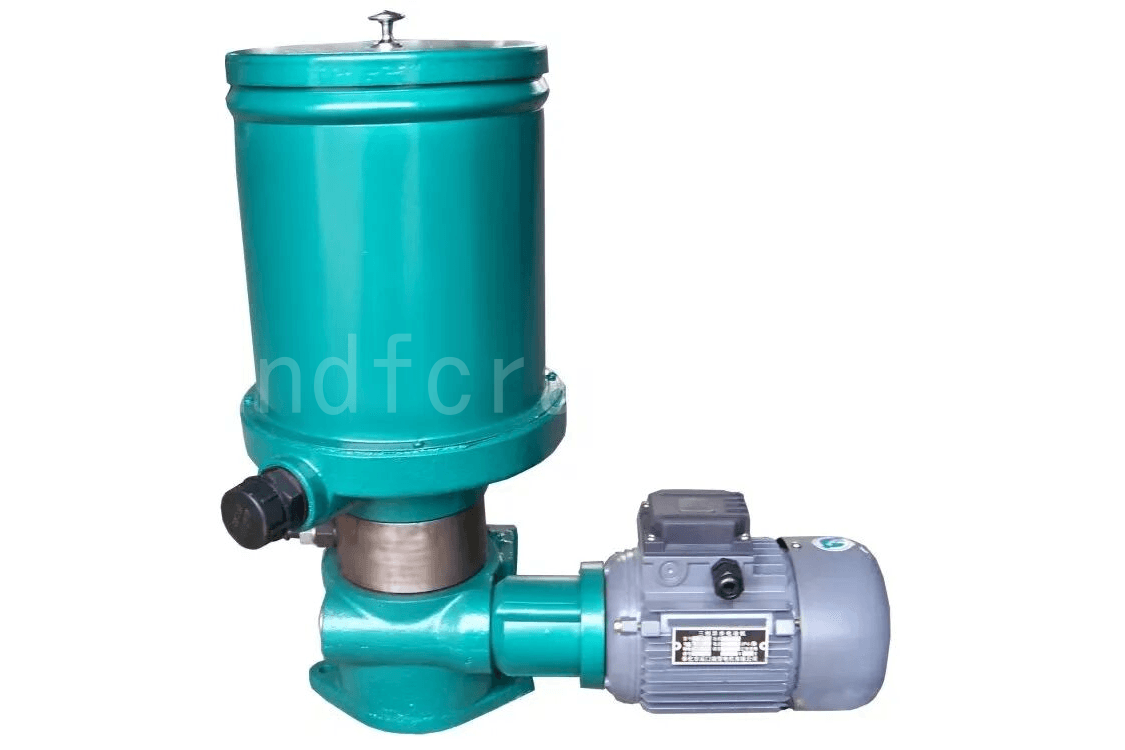
The manual pump pumps out grease by manually operating the handle.
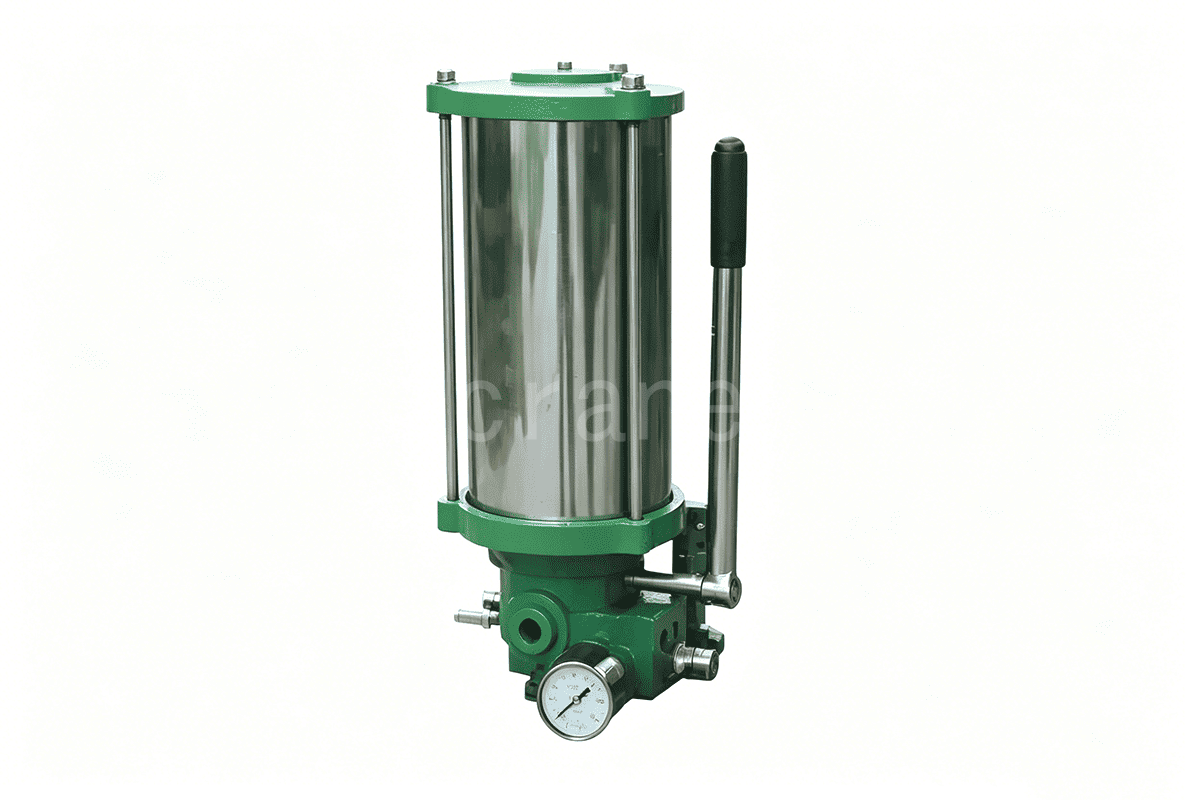
After the electric pump is powered on, it performs the oil suction and pressure function, pumping grease out of the oil reservoir. Because it is equipped with alarm devices such as a pressure switch, a low oil level switch, and a cycle switch, it achieves fully automatic lubrication by means of the electric control box (see the figure below).
The mobile electric lubricator cart is formed by an electric pump equipped with a mobile cart, oil drum, oil pipe, grease gun, and cable (see the figure below).
Overhead Crane Wheel Flange Lubrication
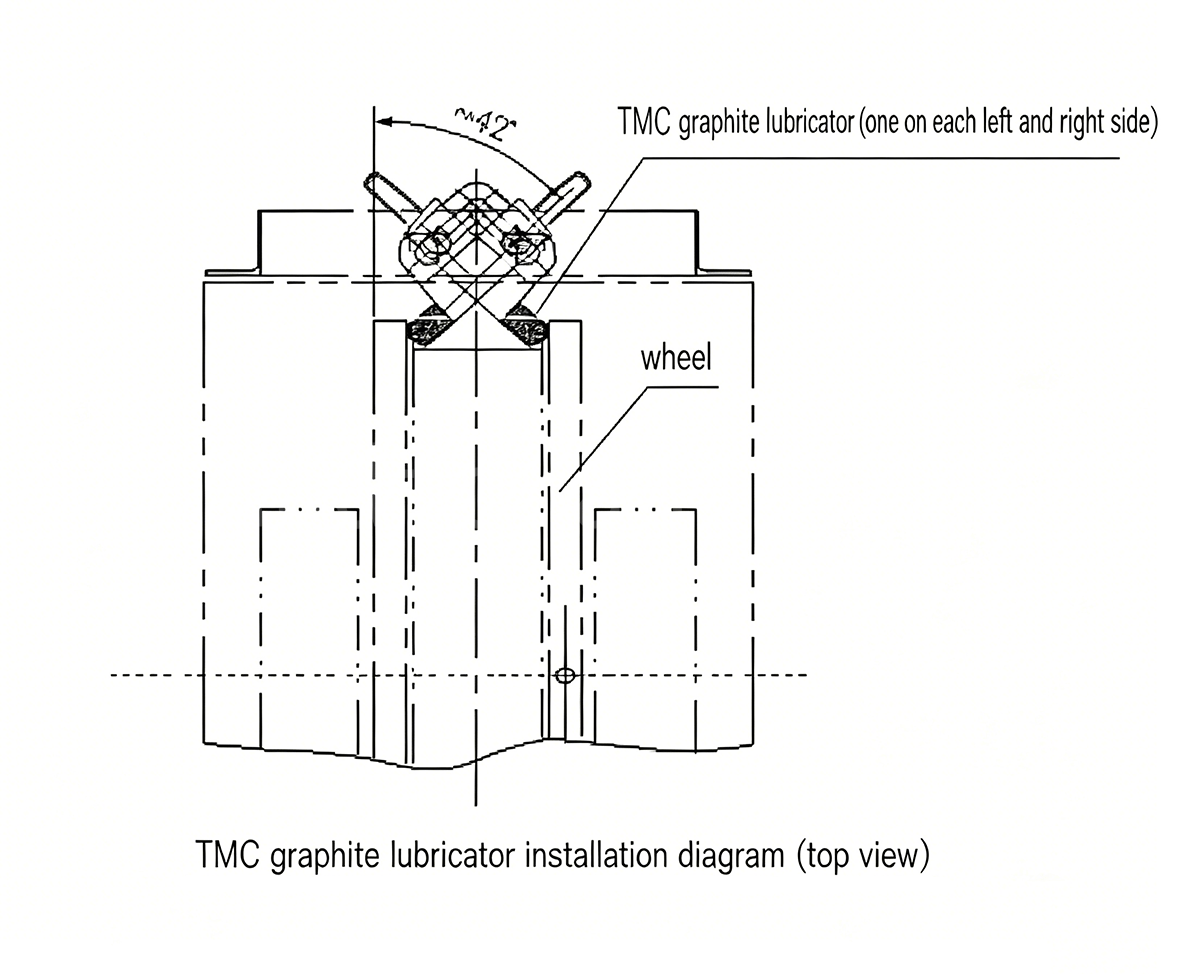
A graphite lubricator or a wheel oiler is used for lubrication (selected as specified in the contract) to reduce the resistance between the wheel and the side of the rail and extend the service life of the wheel and rail.
The graphite lubricating block in the graphite lubricator presses against the inner wheel flange (the graphite lubricating block forms an angle of about 42–45° with the wheel plane), and is adjusted to apply a certain pressure. When the wheel rotates, the graphite continuously lubricates the wheel flange. The elastic element in the lubricator keeps a certain pressure of the graphite against the inner wheel flange.
The oiling wheel of the wheel oiler contacts the inner wheel flange and is more than 3 mm above the wheel tread; its rotation axis forms an angle of about 40° with the wheel tread, and it is adjusted so that the oiling wheel has slight pressure against the wheel. The rotation of the wheel drives the oiling wheel pressed on the flange, so that the oiler oil pump works and continuously applies oil to the flange.
Overhead Crane Wire Rope Lubrication
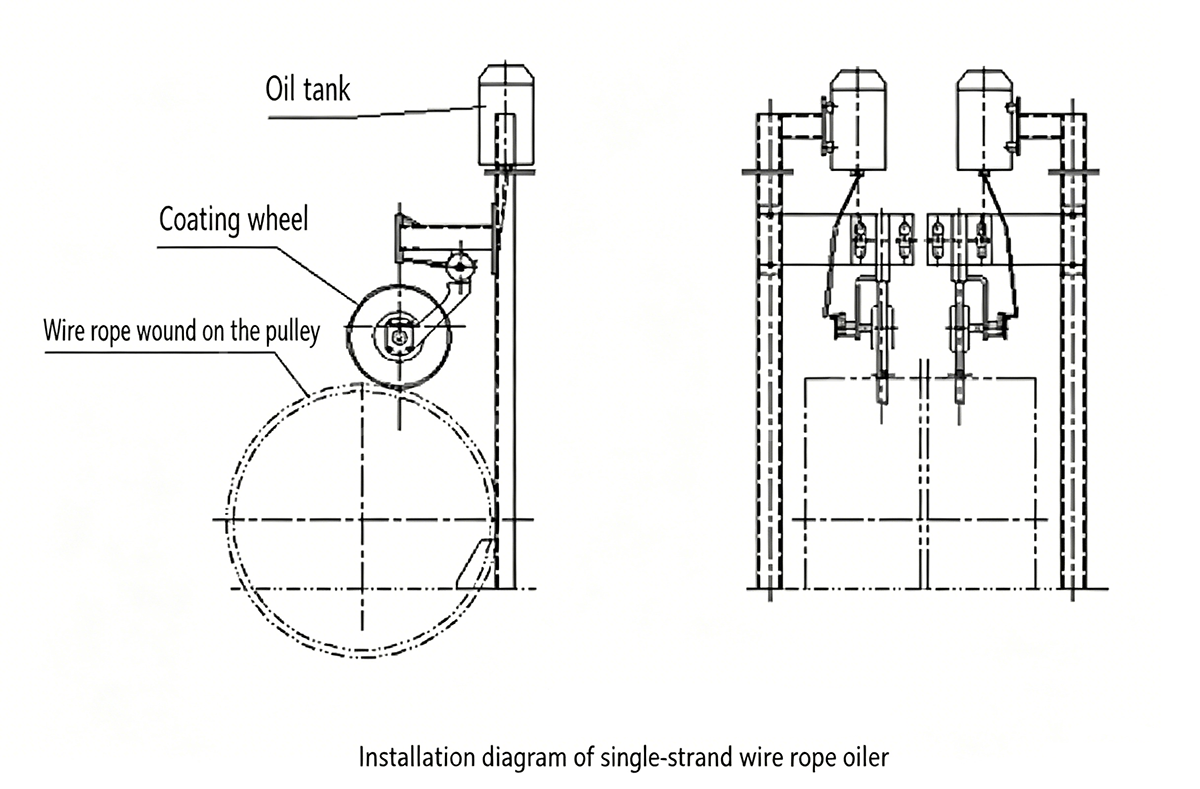
A single-strand wire rope oiler or a mobile wire rope oiler is used to lubricate the wire rope with lubricating oil.
The single-strand wire rope oiler consists of an oil tank, oil pipe, oil pump, mounting bracket, oiling wheel, and other parts. The oiling wheel contacts the wire rope wound on the fixed sheave, applying a small amount of oil to the wire rope passing over that fixed sheave. When the hoisting mechanism is working, the contact between the wire rope wound on the fixed sheave and the oiling wheel produces friction that drives the oiling wheel to rotate, putting the oil pump into working condition and continuously supplying oil to the oiling wheel; the oil seeping out of the oiling wheel lubricates the wire rope.
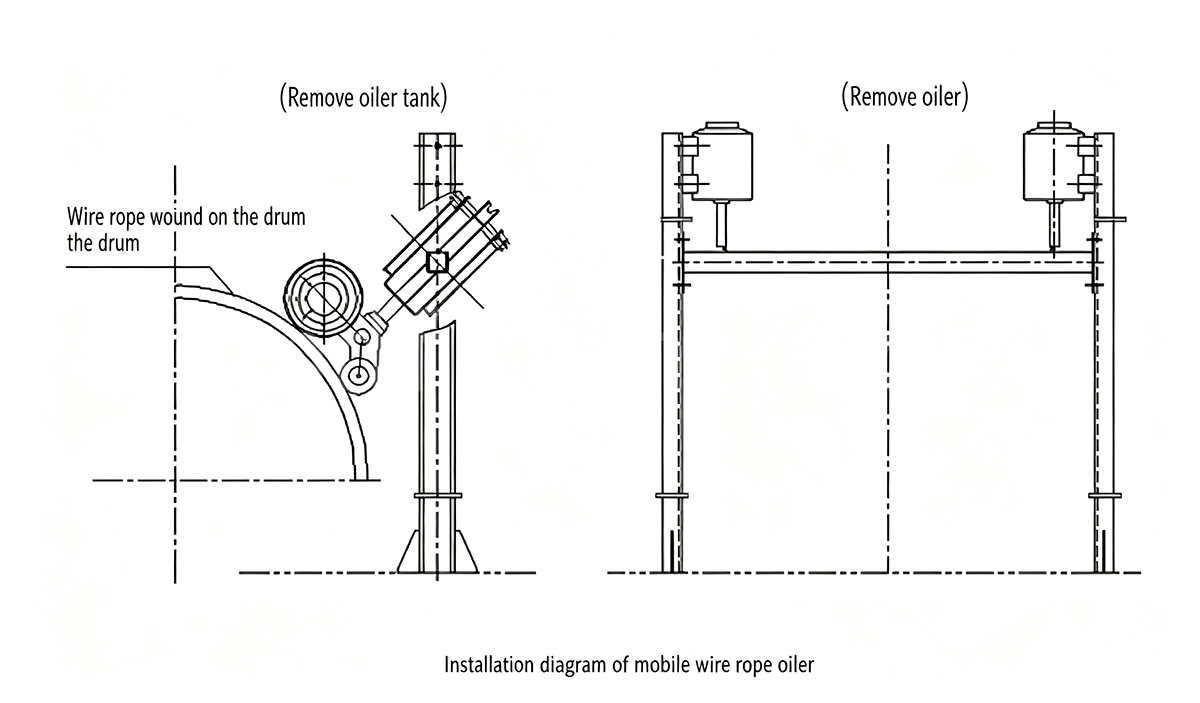
The mobile wire rope oiler consists of an oil tank, oil pipe, oil pump, mounting bracket, guide rail, oiling wheel, and other parts. The oiling wheel contacts the wire rope wound on the drum; the rotation of the drum drives the oiling wheel to rotate accordingly, putting the oil pump into working condition and continuously supplying oil to the oiling wheel; the oil seeping out of the oiling wheel lubricates the wire rope.
Overhead Crane Reducer Lubrication
Generally, the overhead crane reducer uses oil bath lubrication; when required by the contract or needed during reducer operation, forced oil pump lubrication is configured.
Other Lubrication Points
Other lubrication points are equipped with oil cups and can be lubricated by periodic oiling.
Overhead Crane Lubrication Maintenance Operation Points
The service quality and life of each crane mechanism depend to a large extent on frequent and correct lubrication. Specifically, a lubrication schedule can be formulated with reference to the recommended lubricating oil and grease grades and the addition times below, according to the actual conditions of on-site use, and the lubrication condition of the equipment should be checked frequently.
Generally, the lubrication condition of each lubrication part should be checked every three months, with oil added or replaced. For cranes used frequently or used under harsh environmental conditions, the oiling cycle should be shortened as appropriate to ensure good lubrication.
| Lubrication Point or Hydraulic Oil Point | Greasing (Oil) Cycle | Application Method | Recommended Oil (Grease) |
| Wire Rope | Generally once every 15~30 days, or determined based on actual usage conditions | Smearing | Wire Rope Surface Grease (SH0387-1992) |
| Daily, adjusted according to conditions | Wire rope lubricator | Recommended L-HL68 hydraulic oil | |
| redüktör | 1. Medium-hard tooth surface, soft tooth surface reducers: It is recommended to change the lubricating oil once half a month after the reducer is put into use, and then change it once every six months. | Pour oil into the oil tank, between the upper and lower marks of the oil dipstick | <-10℃ L-CKC100; ≥-10℃ L-CKC150 (GB5903-1995) |
| 2. Hard tooth surface reducers: Same cycle as above | Same as above | <-10℃ L-CKC220; ≥-10℃ L-CKC320 (GB5903-1995) | |
| 3. Cycloidal pinwheel reducers for rotary hanging beams: Change oil after initial 300 hours of operation, then change every 6 months. | Same as above | (Under normal temperature) N150 Extreme Pressure Industrial Gear Oil | |
| Motor Bearings | Half a year | Smear until it fills 2/3 of the bearing space | 3# Lithium Base Grease (GB7324-1994) |
| Hinge points of brakes, limit switches, etc. | Three months | Smear until full | 2# Lithium Base Grease (GB7324-1994) |
| Dişli Kaplin | Three months | Press in with a grease gun until it overflows | 2# Lithium Base Grease (GB7324-1994) |
| Universal Joint Bearing | One month | Press in with a grease gun until it overflows | 2# Lithium Base Grease (GB7324-1994) |
| Drum Coupling | One month | When adding grease, add oil to each grease nipple in sequence. Each time, the nipple must be facing downwards until the grease overflows from the spherical surface. | 3# Extreme Pressure Lithium Base Grease (GB7323-1994) |
| Bearings | One month | Press in with a grease gun until it overflows | 2# Lithium Base Grease (GB7324-1994) |
| Centralized lubrication system | 0# or 1# Extreme Pressure Lithium Base Grease (GB7323-1994) |

Ben Cindy, vinç sektöründe 10 yıllık çalışma deneyimim ve çok sayıda profesyonel bilgi birikimim var. 500'den fazla müşteri için tatmin edici vinçleri seçtim. Vinçlerle ilgili herhangi bir ihtiyacınız veya sorunuz varsa lütfen benimle iletişime geçmekten çekinmeyin, uzmanlığımı ve pratik deneyimimi kullanarak sorunu çözmenize yardımcı olacağım!
Sorgunuzu Gönderin
- E-posta: satış@hndfcrane.com
- Naber: +86 191 3738 6654
- Telgraf: +86 191 3738 6654
- Tel: +86-373-581 8299
- Faks: +86-373-215 7000
- Adres: Changnao Sanayi Bölgesi, Xinxiang Şehri, Henan Eyaleti, Çin
 WeChat
- Gezer Vinçler
- Çift Kirişli Gezer Vinçler
- Tek Kirişli Gezer Vinçler
- Avrupa Tipi Tek Kirişli Köprülü Vinçler
- Patlama Korumalı Gezer Vinçler
- Kepçeli ve Manyetik Gezer Vinçler
- Monoray Vinçler
- Dökümhane Vinçleri
- İş İstasyonu Vinçleri
- Pergel Vinçler
- Duvara Monte Pergel Vinçler
- Duvar Gezmeli Pergel Vinçler
- Serbest Daimi Pergel Vinçler
- Alüminyum Jib Vinçler: Kolay Kaldırma için Hafif, Düzgün Dönen Kol
- Dengeli Jib Vinçler: Kısa Mesafeli Mekanik Montaj İçin Verimli Hafif Kaldırma
- Manuel Serbest Duran Jib Vinçler: Sınırlı Alan Operasyonları için Verimli Manuel Kaldırma Çözümleri
- Elektrikli Serbest Duran Bomlu Vinçler: Yüksek Kapasiteli Hızlı Kaldırma İçin Tamamen Elektrikli Çözüm
- Mafsallı Bomlu Vinçler: Çift Kollu Esneklik ile Hassas Kaldırma
- Portal Vinçler
- Çift Kiriş Portal Vinçler
- Yarı Portal Vinçler
- Tek Kiriş Portal Vinçler
- Truss Portal Vinçler
- Konteyner Portal Vinçler
- Ayarlanabilir Portal Vinçler
- Portatif Portal Vinçler
- Avrupa Portal Vinçler
- endüstriler
- Genel İmalat
- Atık İşleme
- Prekast
- Güç
- Taş
- kağıt yapımı
- metal üretimi
- Köprü İnşaatı
- Liman Vinçleri: Konteyner ve Toplu Malzeme Elleçleme İçin
- Petrol ve Gaz Endüstrisi için Köprülü Vinçler: Operasyonel Verimliliği Artırın
- Gemilerde Verimli Kargo Yüklemesi için Deniz Vinçleri
- Otomotiv Endüstrisi için Köprülü Vinçler: Verimli Otomasyon Çözümleri
- Elektrikli Vinçler
- Elektrikli Halatlı Vinçler
- Elektrikli Zincirli Vinçler
- Avrupa Tipi Elektrikli Vinçler
- Avrupa Elektrikli Zincirli Vinçler: Düzgün Çalışma, Düşük Gürültü ve Enerji Verimliliği
- Manuel Kaldıraçlı Vinçler: Çekme ve Kaldırma Görevleri İçin İdeal
- El Zincirli Vinçler: Güç Olmayan Alanlar İçin Manuel Kaldırma
- Düşük Tavan Elektrikli Vinçler: Maksimum Alan Verimliliği için Kompakt Tasarım
- Pnömatik Zincirli Vinçler: Endüstriyel Kullanım İçin Sorunsuz Kullanım
- Patlamaya Dayanıklı Manuel Zincirli Vinçler: Tehlikeli Alanlar İçin Kıvılcım Çıkarmayan Bakır Alaşımlı Yapı
- Tehlikeli Alanlarda Kaldırma İşlemleri İçin Patlamaya Dayanıklı Elektrikli Zincirli Vinçler
- Hakkında
- Vakalar
- Haberler
- SSS
- İndirmek
- Bloglar
- Çevrimiçi Vinç Tekerlek Yükü Hesaplama Araçları
- SG Panoraması
- Bize Ulaşın
- E-posta: satış@hndfcrane.com
- Naber: +86 191 3738 6654
- Telgraf: +86 191 3738 6654
- Tel: +86-373-581 8299
-