-
इंडस्ट्रीज
-
सामान्य विनिर्माण
-
अपशिष्ट संचालन
-
मिल में बना हुआ
-
शक्ति
-
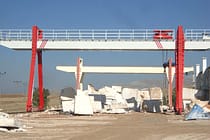
पत्थर
-
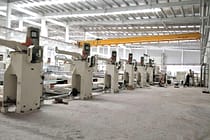
कागज
-
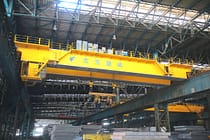
धातु उत्पादन
-
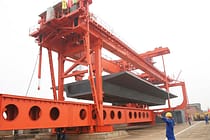
पुल निर्माण
-
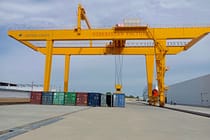
पोर्ट क्रेन: कंटेनर और थोक सामग्री हैंडलिंग के लिए
-
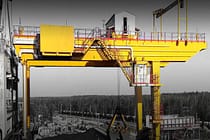
पेट्रोलियम और गैस उद्योग के लिए ओवरहेड क्रेन: परिचालन दक्षता में वृद्धि
-
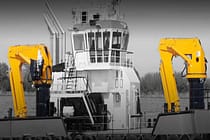
जहाजों पर कुशल कार्गो लोडिंग के लिए समुद्री क्रेन
-

ऑटोमोटिव उद्योग के लिए ओवरहेड क्रेन: कुशल स्वचालन समाधान
-
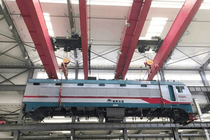
रेलवे के लिए ओवरहेड क्रेन समाधान: ट्रैक बिछाना, रोलिंग स्टॉक रखरखाव और कंटेनर हैंडलिंग
-
खाद्य और पेय पदार्थों के लिए ओवरहेड क्रेन: कुशल हैंडलिंग के लिए विश्वसनीय समाधान
-
सीमेंट, कांच, ईंट और प्रीकास्ट कंक्रीट निर्माण के लिए ओवरहेड क्रेन
-
विमानन उद्योग के लिए ओवरहेड क्रेन: विमान रखरखाव और संयोजन
-
एयरोस्पेस ओवरहेड क्रेन: रॉकेट प्रक्षेपण और परिवहन के लिए सटीक लिफ्टिंग
-
-
उत्पादों
-
ओवरहेड क्रेन
-
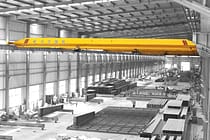
सिंगल गर्डर ओवरहेड क्रेन
-
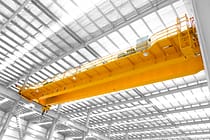
डबल गर्डर ओवरहेड क्रेन
-
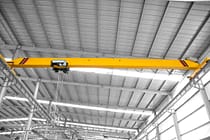
यूरोपीय प्रकार के एकल गर्डर ओवरहेड क्रेन
-
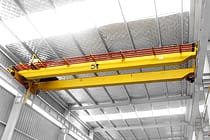
यूरोपीय प्रकार के डबल गर्डर ओवरहेड क्रेन
-
धमाका प्रूफ ओवरहेड क्रेन
-
पकड़ो और चुंबकीय उपरि क्रेन
-
मोनोरेल क्रेन
-
फाउंड्री ओवरहेड क्रेन
-
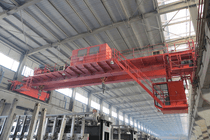
इन्सुलेशन ओवरहेड क्रेन
-
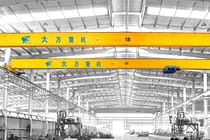
कम हेडरूम ओवरहेड क्रेन
-
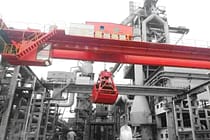
ओवरहेड क्रेन पकड़ो
-
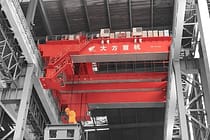
लैडल ओवरहेड क्रेन
-
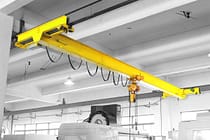
अंडरहंग ओवरहेड क्रेन
-
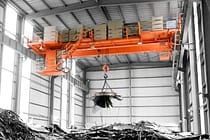
विद्युत चुम्बकीय ओवरहेड क्रेन
-
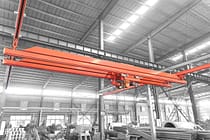
वर्कस्टेशन क्रेन: हल्का डिज़ाइन, आसान इंस्टॉलेशन और सहज संचालन
-
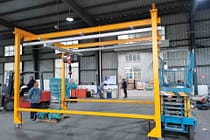
फ्री स्टैंडिंग वर्कस्टेशन ब्रिज क्रेन
-
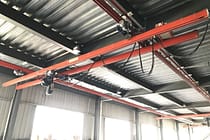
छत पर लगा हुआ ब्रिज क्रेन
-
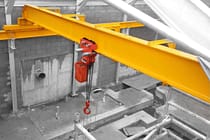
मैनुअल ओवरहेड क्रेन
-
-
गैंट्री क्रेन्स
-
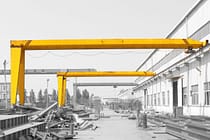
अर्ध गैन्ट्री क्रेन
-
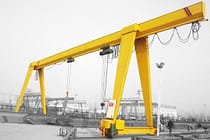
सिंगल गर्डर गैन्ट्री क्रेन
-
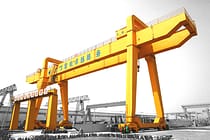
डबल गर्डर गैन्ट्री क्रेन
-
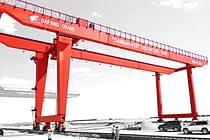
कंटेनर गैन्ट्री क्रेन
-
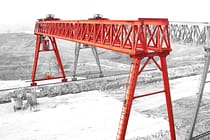
ट्रस गैन्ट्री क्रेन
-
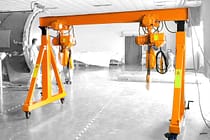
समायोज्य गैन्ट्री क्रेन
-
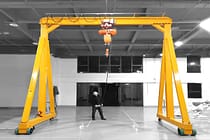
पोर्टेबल गैन्ट्री क्रेन
-
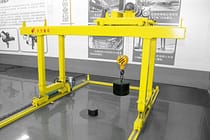
यूरोपीय गैन्ट्री क्रेन
-
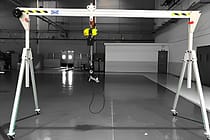
एल्यूमीनियम गैन्ट्री क्रेन
-
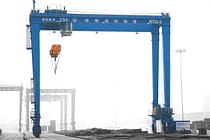
रबर टायर कंटेनर गैन्ट्री क्रेन
-
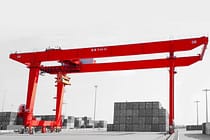
रेल माउंटेड कंटेनर गैन्ट्री क्रेन
-
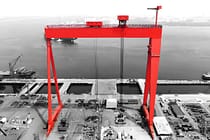
शिपयार्ड गैन्ट्री क्रेन
-
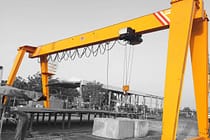
यूरोपीय सिंगल गर्डर गैन्ट्री क्रेन
-
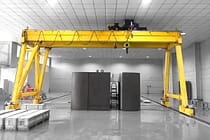
यूरोपीय डबल गर्डर गैन्ट्री क्रेन
-
- जिब सारस
- विशेष क्रेन
- बिजली लहरा
- स्थानांतरण गाड़ियां
-
ओवरहेड क्रेन
-
क्रेन के पुर्जे
-
बाल्टी पकड़ो
-
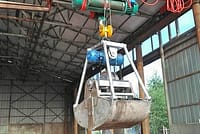
इलेक्ट्रिक स्टेनलेस स्टील ग्रैब बकेट
-
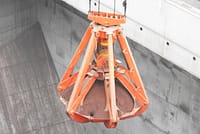
मैकेनिकल चार रस्सी ऑरेंज पील ग्रैब्स
-
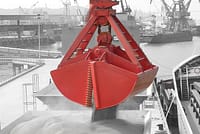
मैकेनिकल चार रस्सी क्लैमशेल ग्रैब्स बाल्टी
-
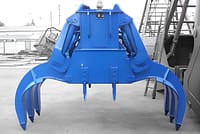
इलेक्ट्रो हाइड्रोलिक आयताकार ग्रैब्स
-
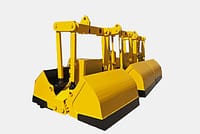
इलेक्ट्रो हाइड्रोलिक क्लैमशेल ग्रैब्स
-
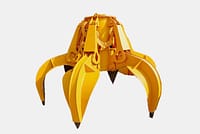
इलेक्ट्रो हाइड्रोलिक ऑरेंज पील ग्रैब्स, हाइड्रोलिक कैक्टस ग्रैब
-
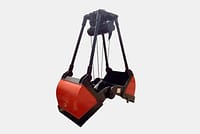
इलेक्ट्रिक मोटर ग्रैब
-
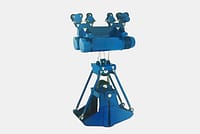
मोनोरेल होइस्ट के साथ इलेक्ट्रिक मोनोरेल ग्रैब बकेट
-
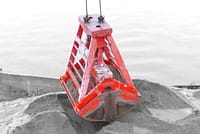
रिमोट कंट्रोल क्लैमशेल ग्रैब्स
-
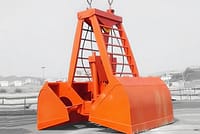
मैकेनिकल दो रस्सी क्लैमशेल ग्रैब्स
-

टिम्बर ग्रैब्स
-
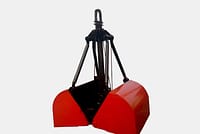
सिंगल रोप ग्रैब बकेट
-
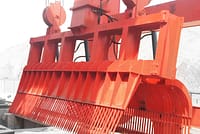
कचरा रैक सफाई मशीनें
-
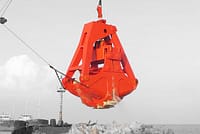
ड्रेजिंग ग्रैब्स
-
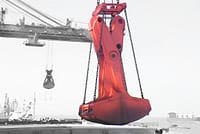
ट्रिमिंग ग्रैब्स
-
- क्रेन स्प्रेडर
-
क्रेन स्पेयर पार्ट्स
-
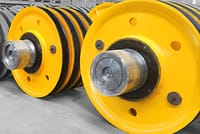
क्रेन शीव्स
-
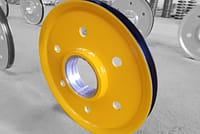
वायर रोप शेव्स
-
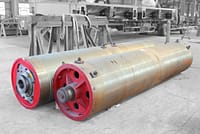
क्रेन रस्सी ड्रम
-
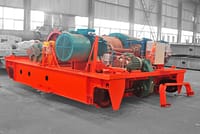
क्रेन ट्रॉली
-
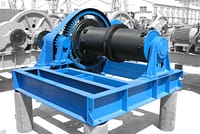
इलेक्ट्रिक चरखी
-
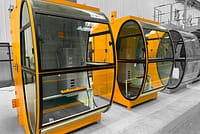
क्रेन ऑपरेटर केबिन
-
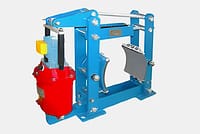
ओवरहेड क्रेन ब्रेक
-
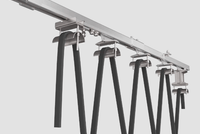
ओवरहेड क्रेन केबल्स
-
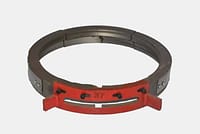
ओवरहेड क्रेन रस्सी गाइड
-
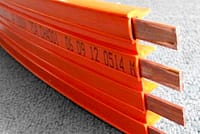
ओवरहेड क्रेन कंडक्टर और बिजली आपूर्ति लाइनें
-
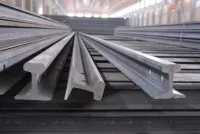
ओवरहेड क्रेन रेल
-
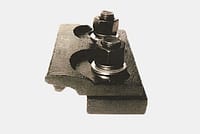
ओवरहेड क्रेन रेल क्लिप्स
-
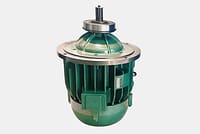
ओवरहेड क्रेन मोटर्स
-
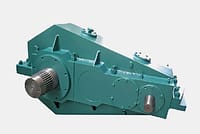
ओवरहेड क्रेन रिड्यूसर
-
ओवरहेड क्रेन के लिए कपलिंग
-
- क्रेन के पहिये
-
बाल्टी पकड़ो
- कंपनी
- संपर्क


-
इंडस्ट्रीज
-
सामान्य विनिर्माण
-
अपशिष्ट संचालन
-
मिल में बना हुआ
-
शक्ति
-
पत्थर
-
कागज
-
धातु उत्पादन
-
पुल निर्माण
-
पोर्ट क्रेन: कंटेनर और थोक सामग्री हैंडलिंग के लिए
-
पेट्रोलियम और गैस उद्योग के लिए ओवरहेड क्रेन: परिचालन दक्षता में वृद्धि
-
जहाजों पर कुशल कार्गो लोडिंग के लिए समुद्री क्रेन
-
ऑटोमोटिव उद्योग के लिए ओवरहेड क्रेन: कुशल स्वचालन समाधान
-
रेलवे के लिए ओवरहेड क्रेन समाधान: ट्रैक बिछाना, रोलिंग स्टॉक रखरखाव और कंटेनर हैंडलिंग
-
खाद्य और पेय पदार्थों के लिए ओवरहेड क्रेन: कुशल हैंडलिंग के लिए विश्वसनीय समाधान
-
सीमेंट, कांच, ईंट और प्रीकास्ट कंक्रीट निर्माण के लिए ओवरहेड क्रेन
-
विमानन उद्योग के लिए ओवरहेड क्रेन: विमान रखरखाव और संयोजन
-
एयरोस्पेस ओवरहेड क्रेन: रॉकेट प्रक्षेपण और परिवहन के लिए सटीक लिफ्टिंग
-
-
उत्पादों
-
ओवरहेड क्रेन
-
सिंगल गर्डर ओवरहेड क्रेन
-
डबल गर्डर ओवरहेड क्रेन
-
यूरोपीय प्रकार के एकल गर्डर ओवरहेड क्रेन
-
यूरोपीय प्रकार के डबल गर्डर ओवरहेड क्रेन
-
धमाका प्रूफ ओवरहेड क्रेन
-
पकड़ो और चुंबकीय उपरि क्रेन
-
मोनोरेल क्रेन
-
फाउंड्री ओवरहेड क्रेन
-
इन्सुलेशन ओवरहेड क्रेन
-
कम हेडरूम ओवरहेड क्रेन
-
ओवरहेड क्रेन पकड़ो
-
लैडल ओवरहेड क्रेन
-
अंडरहंग ओवरहेड क्रेन
-
विद्युत चुम्बकीय ओवरहेड क्रेन
-
वर्कस्टेशन क्रेन: हल्का डिज़ाइन, आसान इंस्टॉलेशन और सहज संचालन
-
फ्री स्टैंडिंग वर्कस्टेशन ब्रिज क्रेन
-
छत पर लगा हुआ ब्रिज क्रेन
-
मैनुअल ओवरहेड क्रेन
-
-
गैंट्री क्रेन्स
-
अर्ध गैन्ट्री क्रेन
-
सिंगल गर्डर गैन्ट्री क्रेन
-
डबल गर्डर गैन्ट्री क्रेन
-
कंटेनर गैन्ट्री क्रेन
-
ट्रस गैन्ट्री क्रेन
-
समायोज्य गैन्ट्री क्रेन
-
पोर्टेबल गैन्ट्री क्रेन
-
यूरोपीय गैन्ट्री क्रेन
-
एल्यूमीनियम गैन्ट्री क्रेन
-
रबर टायर कंटेनर गैन्ट्री क्रेन
-
रेल माउंटेड कंटेनर गैन्ट्री क्रेन
-
शिपयार्ड गैन्ट्री क्रेन
-
यूरोपीय सिंगल गर्डर गैन्ट्री क्रेन
-
यूरोपीय डबल गर्डर गैन्ट्री क्रेन
-
- जिब सारस
- विशेष क्रेन
- बिजली लहरा
- स्थानांतरण गाड़ियां
-
ओवरहेड क्रेन
-
क्रेन के पुर्जे
-
बाल्टी पकड़ो
-
इलेक्ट्रिक स्टेनलेस स्टील ग्रैब बकेट
-
मैकेनिकल चार रस्सी ऑरेंज पील ग्रैब्स
-
मैकेनिकल चार रस्सी क्लैमशेल ग्रैब्स बाल्टी
-
इलेक्ट्रो हाइड्रोलिक आयताकार ग्रैब्स
-
इलेक्ट्रो हाइड्रोलिक क्लैमशेल ग्रैब्स
-
इलेक्ट्रो हाइड्रोलिक ऑरेंज पील ग्रैब्स, हाइड्रोलिक कैक्टस ग्रैब
-
इलेक्ट्रिक मोटर ग्रैब
-
मोनोरेल होइस्ट के साथ इलेक्ट्रिक मोनोरेल ग्रैब बकेट
-
रिमोट कंट्रोल क्लैमशेल ग्रैब्स
-
मैकेनिकल दो रस्सी क्लैमशेल ग्रैब्स
-
टिम्बर ग्रैब्स
-
सिंगल रोप ग्रैब बकेट
-
कचरा रैक सफाई मशीनें
-
ड्रेजिंग ग्रैब्स
-
ट्रिमिंग ग्रैब्स
-
- क्रेन स्प्रेडर
-
क्रेन स्पेयर पार्ट्स
-
क्रेन शीव्स
-
वायर रोप शेव्स
-
क्रेन रस्सी ड्रम
-
क्रेन ट्रॉली
-
इलेक्ट्रिक चरखी
-
क्रेन ऑपरेटर केबिन
-
ओवरहेड क्रेन ब्रेक
-
ओवरहेड क्रेन केबल्स
-
ओवरहेड क्रेन रस्सी गाइड
-
ओवरहेड क्रेन कंडक्टर और बिजली आपूर्ति लाइनें
-
ओवरहेड क्रेन रेल
-
ओवरहेड क्रेन रेल क्लिप्स
-
ओवरहेड क्रेन मोटर्स
-
ओवरहेड क्रेन रिड्यूसर
-
ओवरहेड क्रेन के लिए कपलिंग
-
- क्रेन के पहिये
-
बाल्टी पकड़ो
- कंपनी
- संपर्क



Intelligent Overhead Cranes Definition and Key Technologies
विषयसूची
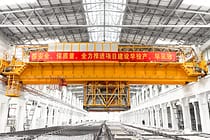
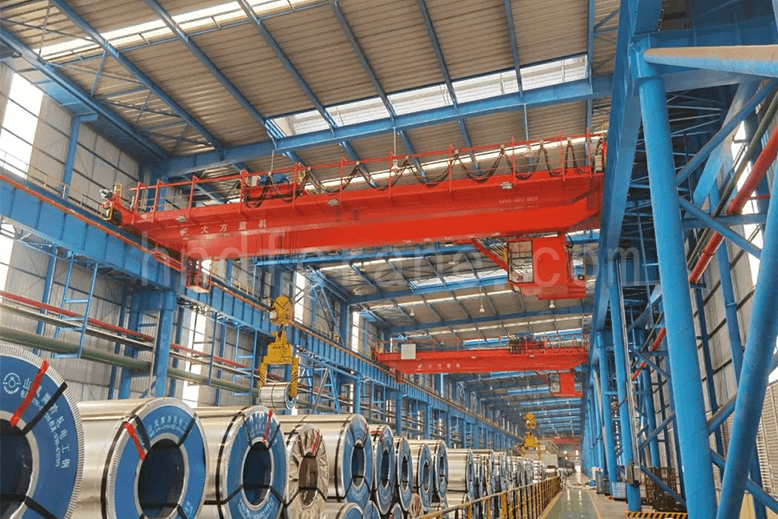
Many overhead cranes now include variable-frequency drives, remote controls, monitoring platforms, or anti-sway functions. However, simply combining these functions does not make a crane truly intelligent. Intelligent overhead crane technologies must enable a crane to identify the load, determine its own position and the working environment, plan its travel path, control load sway, and make maintenance decisions based on equipment condition.
In other words, intelligence is not simply about making a crane move. It is about giving the crane the ability to sense, analyze, make decisions, execute actions, and receive feedback. This article reviews the key technologies required for autonomous crane operation, including load identification, spatial positioning, intelligent lifting attachments, path planning, condition monitoring, and integrated equipment management.
1. What Is an Intelligent Overhead Crane?
Compared with a conventional crane, an intelligent overhead crane does more than replace manual physical work. It can also replace or assist with parts of the operator’s cognitive work. Sensors, intelligent decision-making software, and the crane are integrated to provide sensing, analysis, reasoning, decision-making, and control. This enables interaction and coordination between people, machines, and materials.
An intelligent control system can perform part of the operator’s sensing, judgment, and execution tasks. It allows the crane to adapt to changes in the working environment and perform load identification, condition awareness, automatic operation, and operational management. The basic workflow remains similar to that of a conventional crane, but intelligent functions add sensing, decision-making, and execution capabilities for more autonomous operation.
2. Key Intelligent Overhead Crane Technologies
To replace or assist the operator’s sensing, decision-making, and execution, a crane must be able to detect the load position, identify and verify the load, pick up and place loads automatically, select and optimize travel paths, suppress sway in a flexible hoisting system, stop accurately at the target location, and monitor its own operating condition. It must also be able to diagnose faults and issue alarms during automatic operation.
2.1 Load Identification, Verification, Feedback, and Data Storage
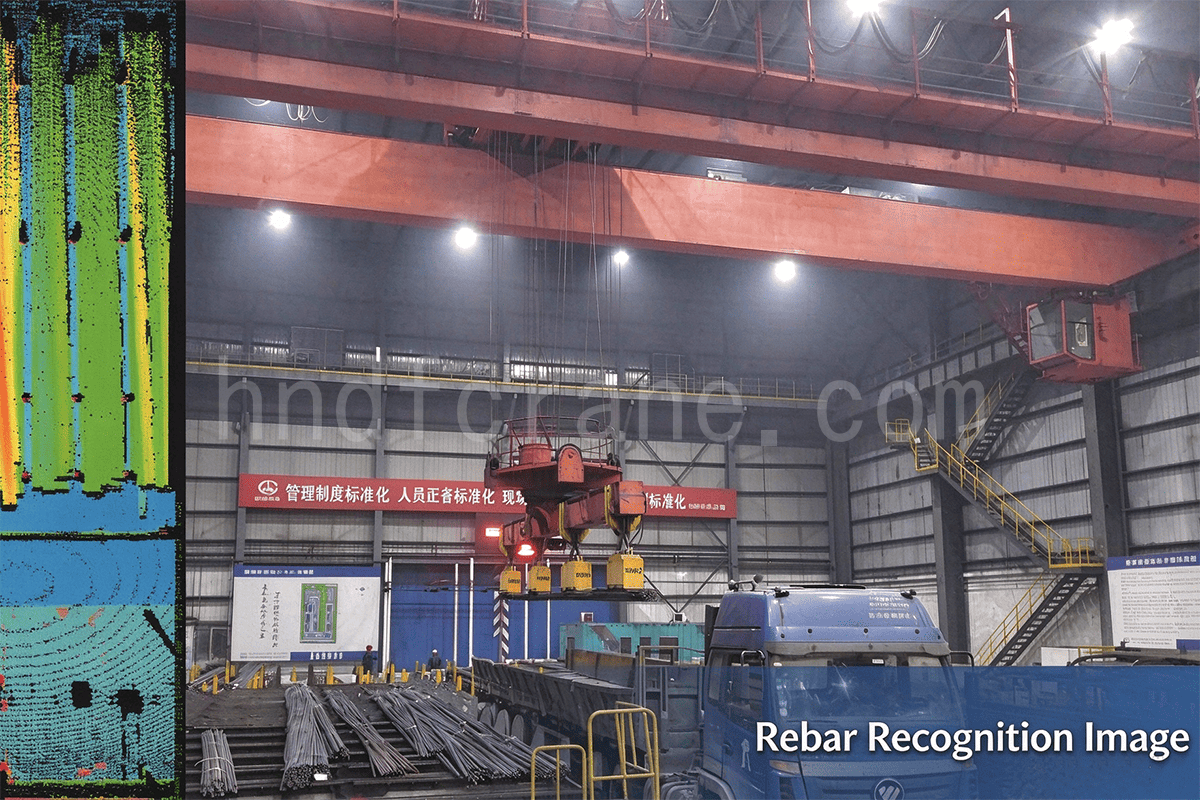
According to their shape, packaging, and storage or transport method, loads can include coils such as steel, paper, and film coils; boxes such as containers, material bins, and transfer boxes; blocks such as steel plates, billets, and shield-tunneling components; bundles such as steel pipes, rebar, rails, and sections; reels such as cable and wire-rod coils; individual items such as buckets and ladles; and long pieces such as rails, I-beams, H-beams, and structural beams.
Automatically identifying, verifying, and feeding back information about loads in different states is the basis for standardized data coding, collection, identification, management, and transmission. Relevant technologies include barcode recognition, RFID, speech recognition, optical character recognition, magnetic identification, image recognition, pattern recognition, and biometric recognition. Load information stored after identification and verification should be broadly applicable, stable, and difficult to duplicate.
2.2 Spatial Positioning
Some high-end cranes use three-dimensional positioning, but positioning accuracy can still be limited by accumulated errors in the complete machine system. Common positioning methods can be divided into two categories:
- Relative addressing: typically using rotary encoders, laser or radar ranging, and visual recognition.
- Absolute addressing: typically using position limit switches, coded cables such as Gray-code busbars, linear encoders, BPS barcodes, sprocket-and-chain systems, and real-time absolute addressing through radio, infrared, wireless RF, GPS, or similar systems.
As wireless communication develops, the accuracy of cellular-network positioning and indoor positioning technologies such as Wi-Fi, Bluetooth, infrared, ultra-wideband RFID, and ultrasound continues to improve. These technologies are gradually being applied to positioning mechanical equipment.
Crane positioning involves more than monitoring the shape of a load, detecting empty storage locations, and determining the load’s one-, two-, or three-dimensional storage position. It also includes one-, two-, and three-dimensional positioning of lifting attachments such as hooks, forks, suction devices, grabs, and buckets.
Because cranes operate over large areas, a single positioning method often cannot provide the required accuracy in complex environments. Large-area and complex applications therefore commonly combine “relative approach addressing + absolute positioning.” Compared with using only relative or absolute addressing, this combined method can provide better accuracy, stability, and cost efficiency, while placing lower demands on civil construction quality.
2.3 Intelligent Lifting Attachments
Traditional cranes mainly use hooks as lifting attachments. These usually require manual attachment and detachment and are suitable for a limited range of load types, which restricts the automation level of material-handling equipment.
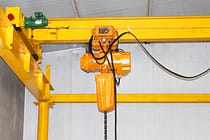
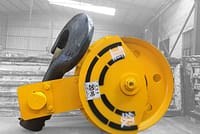
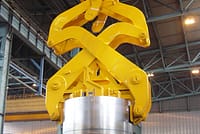
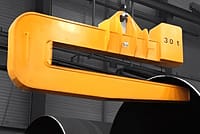
For different loads such as bulk materials, boxes, bottles, and coils, an intelligent overhead crane may require automatic lifting attachments or intelligent lifting devices. These can include automatic-release हुक, C-hooks, electromagnetic lifters, vacuum lifters, forks, clamps, fixtures, lifting beams, container spreaders, ladles, बाल्टी पकड़ो, and gripping devices. Developing an automatic attachment or intelligent lifting device suitable for the load condition is a key step in enabling automatic storage and retrieval.
2.4 Path Planning and Electronic Anti-Sway Control for Flexible Hoisting Systems
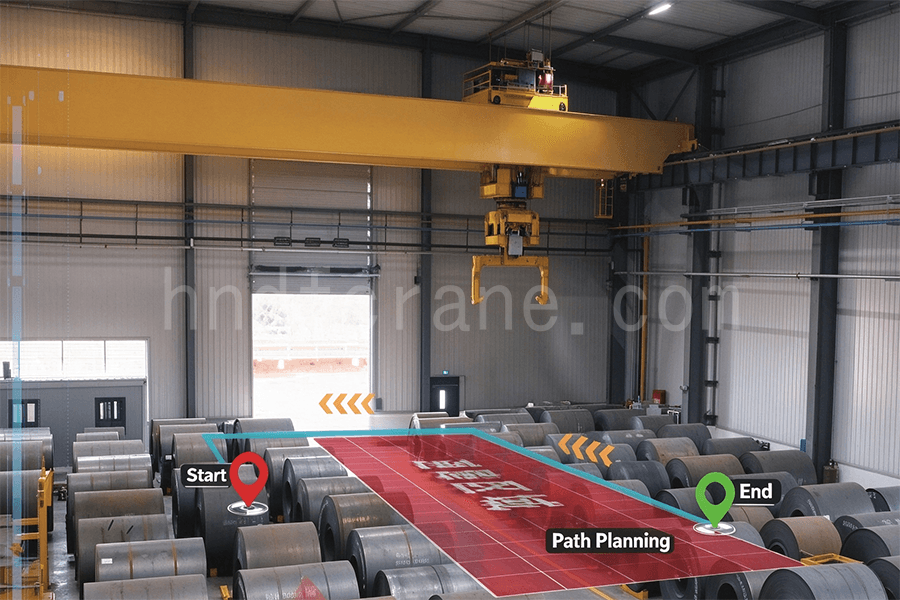
Travel-path planning and anti-sway positioning control for flexible hoisting systems are essential for automatic crane operation. Acceleration and deceleration of the bridge and trolley, together with load hoisting, can cause the load to swing. This reduces operating efficiency and may increase accident risks.
Open-loop and closed-loop control methods are commonly used for path planning and anti-sway control. Open-loop methods mainly include input-shaping-based positioning and anti-sway control and trajectory-planning-based positioning and anti-sway control. Closed-loop methods include feedback linearization, gain-scheduled control, sliding-mode control, predictive control, fuzzy control, neural-network control, and passivity-based control.
Static path planning is generally sufficient when obstacles remain in fixed, known positions. When obstacle positions cannot be determined in advance, or when multiple cranes operate in the same area, dynamic path planning is needed to generate a safe path online. Relevant planning algorithms include the artificial potential field method, probabilistic roadmap method, rapidly exploring random tree method, genetic algorithms, and ant colony algorithms.
With the development of wireless mobile communications, installing gyroscopes, acceleration sensors, heading sensors, and similar devices on lifting attachments can further support three-dimensional load positioning, path planning, and anti-sway control.
2.5 Condition Monitoring and Automatic Fault Diagnosis
Condition monitoring uses defined methods to understand and track equipment operating status. Fault diagnosis analyzes condition-monitoring information together with the equipment’s working principles, structural characteristics, operating parameters, and historical data. It can forecast potential faults and assess faults that have occurred or are developing, including their nature, category, severity, location, and trend.
Common monitoring parameters for lifting machinery include lifting capacity, load moment, lifting height or lowering depth, travel distance, outreach, bridge skew, levelness, wind speed, slewing angle, safety distance between mechanisms on the same or different rails, outrigger verticality, operating time, accumulated operating time, and each work cycle.
Common monitored conditions include the status of motors, brakes, variable-frequency drives, wind protection and anti-sliding devices, interlocks, door limit switches, interlocks between mechanisms, operating-condition settings, power-cable reels, and through-hole or transfer sections. Monitoring can also cover video systems and real-time self-checking of bridge stiffness and strength.
2.6 Real-Time Online Monitoring and Remote Diagnosis
Real-time monitoring and remote diagnosis systems commonly combine sensor monitoring, real-time wireless transmission, data management, information queries, root-cause analysis, trend analysis, expert diagnosis, condition forecasting, and IoT-based remote monitoring.
Installing a monitoring gateway on existing equipment and transmitting operating and fault data through Wi-Fi or cellular networks can enable remote monitoring and visualized management. For new equipment, a remote management system can be integrated into a unified equipment-management platform and connected to an asset maintenance-management system to improve maintenance efficiency and equipment performance.
After collecting real-time equipment status wirelessly, the system can automatically generate maintenance and inspection plans and gradually implement condition-based predictive maintenance through data analysis.
Predictive maintenance uses condition monitoring and fault diagnosis as its foundation and bases maintenance planning on the actual equipment condition and production needs. Its goals include identifying early signs of failure, determining fault type, severity, location, and development trend, and avoiding or reducing major incidents. When a fault occurs, the system can also record the complete fault process to support root-cause analysis and future improvements.
2.7 Integrated Equipment Monitoring and Management
For different storage arrangements and requirements involving bulk materials, boxes, coils, and other loads, an intelligent overhead crane monitoring and management system can combine load identification, spatial positioning, automatic storage and retrieval, and condition monitoring. The system may include an interface subsystem, location and inventory management subsystem, load-identification subsystem, dispatch and crane-operation subsystem, and spatial-positioning subsystem. Together, these functions support efficient, safe, and intelligent overhead crane operation.
3. Conclusion
Demand for intelligent overhead cranes is growing in smart manufacturing, smart logistics, and smart maintenance. The technologies described above can be integrated through software, products, and control technologies into intelligent overhead crane solutions and complete equipment systems. Applications include workstation transfer in metallurgy, papermaking, and automotive manufacturing, as well as storage and material handling in logistics.
The core of an intelligent overhead crane is not simply adding a variable-frequency drive, remote control, or monitoring platform. It is the ability to form a complete loop covering load identification, spatial positioning, automatic handling, path planning, anti-sway control, condition monitoring, fault diagnosis, and equipment management. By completing process operations automatically, recording operating status in real time, and supporting predictive maintenance, intelligent overhead cranes can improve operating efficiency, reduce operating and maintenance costs, and provide data for better equipment design, maintenance, and intrinsic safety.

मैं सिंडी हूँ, क्रेन उद्योग में 10 वर्षों के कार्य अनुभव के साथ और पेशेवर ज्ञान का खजाना जमा किया है। मैंने 500+ ग्राहकों के लिए संतोषजनक क्रेन चुनी हैं। यदि आपके पास क्रेन के बारे में कोई ज़रूरत या प्रश्न हैं, तो कृपया मुझसे संपर्क करने में संकोच न करें, मैं आपकी समस्या को हल करने में आपकी मदद करने के लिए अपनी विशेषज्ञता और व्यावहारिक अनुभव का उपयोग करूँगा!
अपनी जांच भेजें
- ईमेल: sales@hndfcrane.com
- व्हाट्सएप: +86 191 3738 6654
- टेलीग्राम: +86 191 3738 6654
- टेलीफ़ोन: +86-373-581 8299
- फैक्स: +86-373-215 7000
- जोड़ें: चांगनाओ औद्योगिक जिला, झिंजियांग शहर, हेनान प्रांत, चीन
 WeChat
- ओवरहेड क्रेन
- डबल गर्डर ओवरहेड क्रेन
- सिंगल गर्डर ओवरहेड क्रेन
- यूरोपीय प्रकार के एकल गर्डर ओवरहेड क्रेन
- धमाका प्रूफ ओवरहेड क्रेन
- पकड़ो और चुंबकीय उपरि क्रेन
- मोनोरेल क्रेन
- फाउंड्री ओवरहेड क्रेन
- वर्कस्टेशन क्रेन: हल्का डिज़ाइन, आसान इंस्टॉलेशन और सहज संचालन
- जिब सारस
- वॉल माउंटेड जिब क्रेन्स
- वॉल ट्रैवलिंग जिब क्रेन्स
- फ्री स्टैंडिंग जिब क्रेन्स
- एल्युमीनियम जिब क्रेन: आसान उठाने के लिए हल्का, चिकना घूमने वाला आर्म
- बैलेंस जिब क्रेन: कम दूरी की यांत्रिक असेंबली के लिए कुशल प्रकाश लिफ्टिंग
- मैनुअल फ्री स्टैंडिंग जिब क्रेन: सीमित स्थान संचालन के लिए कुशल मैनुअल लिफ्टिंग समाधान
- इलेक्ट्रिक फ्री स्टैंडिंग जिब क्रेन: उच्च क्षमता वाले तीव्र भारोत्तोलन के लिए पूर्णतः इलेक्ट्रिक समाधान
- आर्टिकुलेटिंग जिब क्रेन: दोहरी भुजाओं की लचीलता के साथ सटीक भारोत्तोलन
- गैंट्री क्रेन्स
- डबल गर्डर गैन्ट्री क्रेन
- अर्ध गैन्ट्री क्रेन
- सिंगल गर्डर गैन्ट्री क्रेन
- ट्रस गैन्ट्री क्रेन
- कंटेनर गैन्ट्री क्रेन
- समायोज्य गैन्ट्री क्रेन
- पोर्टेबल गैन्ट्री क्रेन
- यूरोपीय गैन्ट्री क्रेन
- इंडस्ट्रीज
- सामान्य विनिर्माण
- अपशिष्ट संचालन
- मिल में बना हुआ
- शक्ति
- पत्थर
- कागज
- धातु उत्पादन
- पुल निर्माण
- पोर्ट क्रेन: कंटेनर और थोक सामग्री हैंडलिंग के लिए
- पेट्रोलियम और गैस उद्योग के लिए ओवरहेड क्रेन: परिचालन दक्षता में वृद्धि
- जहाजों पर कुशल कार्गो लोडिंग के लिए समुद्री क्रेन
- ऑटोमोटिव उद्योग के लिए ओवरहेड क्रेन: कुशल स्वचालन समाधान
- बिजली लहरा
- इलेक्ट्रिक वायर रोप होइस्ट
- इलेक्ट्रिक चेन होइस्ट
- यूरोपीय प्रकार के इलेक्ट्रिक होइस्ट
- यूरोपीय इलेक्ट्रिक चेन होइस्ट: सुचारू संचालन, कम शोर और ऊर्जा दक्षता
- मैनुअल लीवर होइस्ट: खींचने और उठाने के कार्यों के लिए आदर्श
- हैंड चेन होइस्ट: बिजली रहित क्षेत्रों के लिए मैनुअल लिफ्टिंग
- कम हेडरूम इलेक्ट्रिक होइस्ट: अधिकतम स्थान दक्षता के लिए कॉम्पैक्ट डिज़ाइन
- वायवीय चेन होइस्ट: औद्योगिक उपयोग के लिए सुचारू संचालन
- विस्फोट रोधी मैनुअल चेन होइस्ट: खतरनाक क्षेत्रों के लिए चिंगारी रोधी तांबे की मिश्र धातु से निर्मित।
- खतरनाक क्षेत्रों में भार उठाने के लिए विस्फोट रोधी इलेक्ट्रिक चेन होइस्ट
- के बारे में
- मामलों
- समाचार
- पूछे जाने वाले प्रश्न
- डाउनलोड करना
- ब्लॉग
- ऑनलाइन क्रेन व्हील लोड गणना उपकरण
- वीआर पैनोरमा
- संपर्क करें
- ईमेल: sales@hndfcrane.com
- व्हाट्सएप: +86 191 3738 6654
- टेलीग्राम: +86 191 3738 6654
- टेलीफ़ोन: +86-373-581 8299
-