
-
Viwanda
-
Uzalishaji wa Jumla
-
Ushughulikiaji wa Taka
-
Precast
-
Nguvu
-
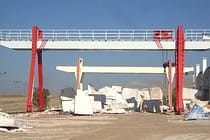
Jiwe
-
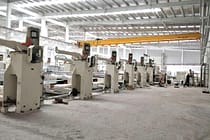
Utengenezaji wa karatasi
-
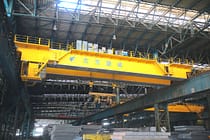
Uzalishaji wa Metal
-
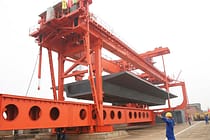
Ujenzi wa Daraja
-
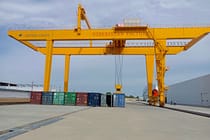
Cranes za Bandari: Kwa Kontena na Ushughulikiaji wa Nyenzo Wingi
-

Cranes za Juu kwa Sekta ya Petroli na Gesi: Boresha Ufanisi wa Kiutendaji
-

Cranes za Baharini kwa Upakiaji Bora wa Mizigo kwenye Meli
-

Cranes za Juu kwa Sekta ya Magari: Suluhisho Bora la Uendeshaji otomatiki
-
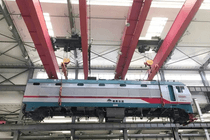
Suluhisho za Crane za Juu kwa Reli: Uwekaji wa Wimbo, Utunzaji wa Hisa zinazozunguka, na Ushughulikiaji wa Kontena.
-
Cranes za Juu kwa Chakula na Vinywaji: Suluhisho za Kutegemewa kwa Utunzaji Bora
-
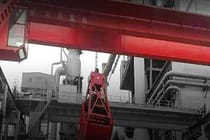
Cranes za Juu kwa Utengenezaji Saruji Ufanisi, Vioo, Matofali na Utengenezaji Saruji Imetolewa
-
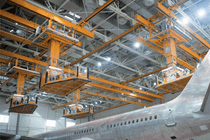
Cranes za Juu kwa Sekta ya Usafiri wa Anga: Matengenezo ya Ndege na Mkutano
-

Cranes za Anga za Juu: Kuinua Usahihi kwa Uzinduzi wa Roketi na Usafiri
-
-
Bidhaa
-
Cranes za Juu
-
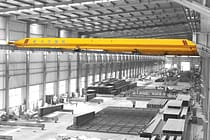
Korongo za Juu za Boriti Moja
-
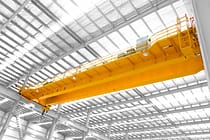
Cranes za Juu za Girder mbili
-
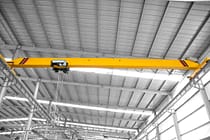
Aina ya Ulaya ya Aina Moja ya Korongo za Juu za Girder
-
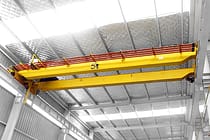
Kreni za Juu za Girder Mbili za Aina ya Ulaya
-
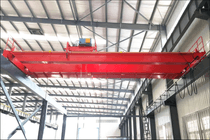
Koreni za Uthibitishaji wa Mlipuko
-
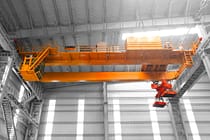
Kunyakua na Magnetic Overhead Cranes
-

Cranes za Monorail
-
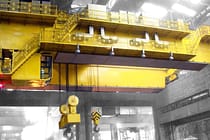
Cranes za Juu za Foundry
-
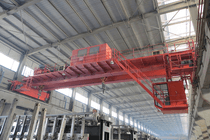
Korongo za Juu Zenye Insulation
-
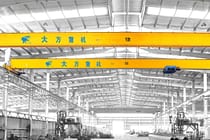
Korongo za Juu za Chumba cha chini
-
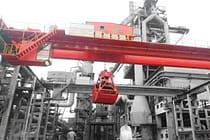
Kunyakua Cranes za Juu
-
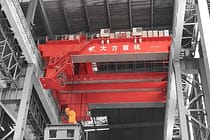
Kreni za Juu za Ladle
-
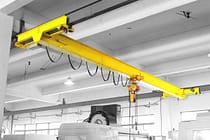
Cranes za Juu Zilizopachikwa
-
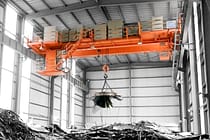
Cranes za Umeme za Juu
-
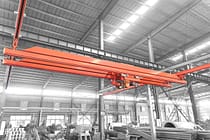
Cranes za Kituo cha Kazi
-
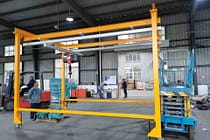
Cranes za Daraja za Kudumu za Kudumu za Bure
-
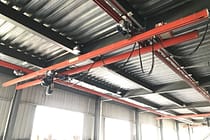
Dari Mlima Bridge Crane
-
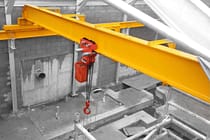
Mwongozo Overhead Cranes
-
-
Korongo za Gantry
-
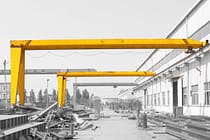
Cranes za Semi Gantry
-
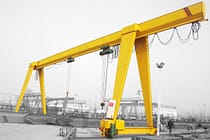
Korongo za Gantry za Boriti Moja
-
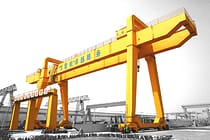
Cranes za Gantry za Girder mbili
-
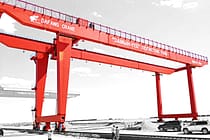
Kontena Gantry Cranes
-
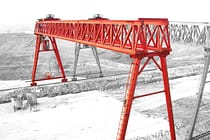
Kreni za Gantry za Truss
-
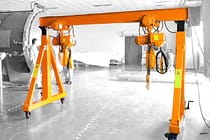
Gantry Cranes zinazoweza kubadilishwa
-
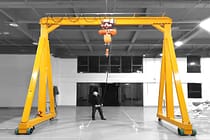
Korongo za Gantry Zinazobebeka
-
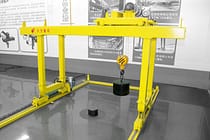
Gantry Cranes za Ulaya
-

Korongo za Gantry za Alumini
-
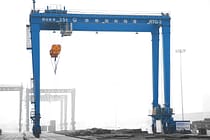
Kontena za Gantry Cranes za Mpira
-
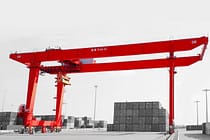
Kontena Zilizowekwa kwenye Reli
-
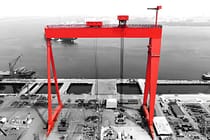
Korongo ya Gantry ya Meli
-
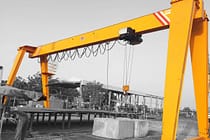
Kreni za Gantry za Ulaya zenye Mzunguko Mmoja
-
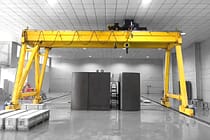
Kreni za Ulaya za Gantry zenye Mizingo Miwili
-
-
Korongo za Jib
-
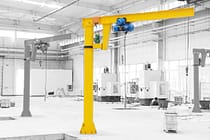
Cranes za Jib za Kudumu za Bure
-
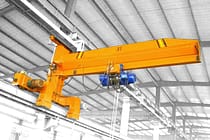
Korongo za Jib Zinazosafiri Ukutani
-
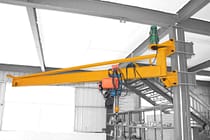
Cranes za Jib Zilizowekwa Ukutani
-
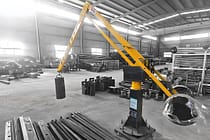
Koreni za Jib za Mizani
-
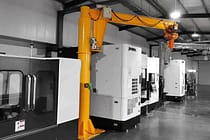
Kreni za Jib Zinazodumu Bila Umeme
-
Kreni za Jib Zinazosimama kwa Mkono Bila Malipo
-
Korongo za Jib za Alumini
-

Kufafanua Jib Cranes
-
Kreni Mahiri za Jib
-
Kreni za Jib za Kawaida za FEM
-
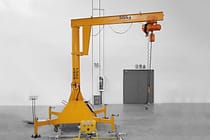
Kreni za Jib Zinazobebeka
-
-
Cranes Maalum
-
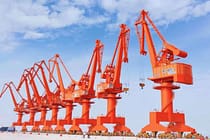
Cranes za bandari za bandari
-
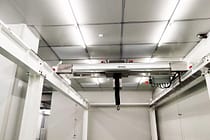
Cranes za Chumba cha Kusafisha
-
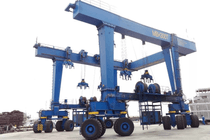
Mkono Boti Hoists
-
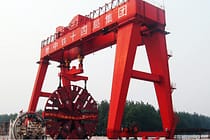
Gantry Crane yenye Ngao ya Kuchosha Tunnel
-
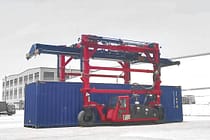
Wabebaji wa Straddle
-
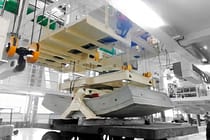
Mfumo wa Kushughulikia Sehemu
-
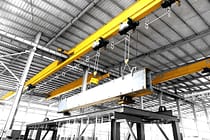
Kreni za Uhamisho wa Kuingiliana kwa Mabati
-
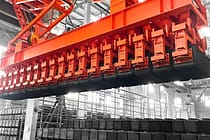
Crane ya Kurundika Vizuizi vya Kaboni ya Anodi
-
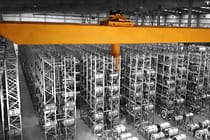
Kreni ya Stacker
-
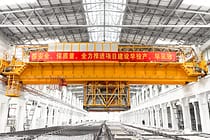
Kreni ya Juu ya Shaba ya Elektroliti
-
- Vipandikizi vya Umeme
- Mikokoteni ya Uhamisho
-
Cranes za Juu
-
Sehemu za Crane
-
Kunyakua Ndoo
-
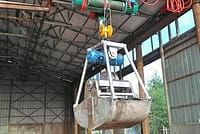
Ndoo ya Kunyakua ya Chuma cha pua ya Umeme
-
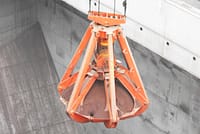
Mitambo ya Kunyakua Peel ya Kamba Nne za Machungwa
-
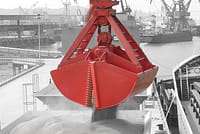
Mechanical Kamba Nne Clamshell Grabs Ndoo
-
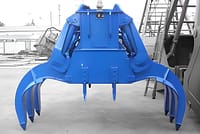
Electro Hydraulic Rectangular Grabs
-
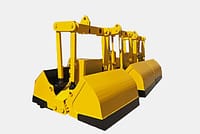
Vishikio vya Clamshell vya Electro-Hydraulic
-
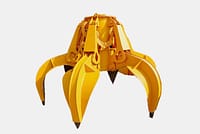
Kunyakua kwa Peel ya Kihaidroli ya Kielektroniki, Kunyakua kwa Cactus ya Hydraulic
-
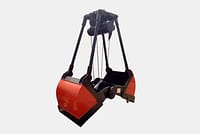
Kunyakua Motor ya Umeme
-
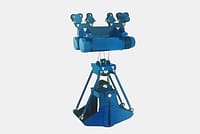
Ndoo ya Kunyakua ya Monorail ya Umeme yenye Hoist ya Monorail
-
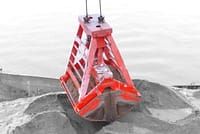
Kunyakua kwa Clamshell ya Udhibiti wa Mbali
-
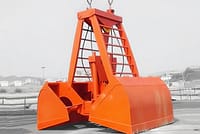
Mitambo ya Kunyakua Clamshell ya Kamba Mbili
-
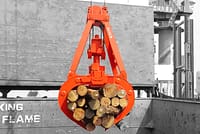
Kunyakua Mbao
-
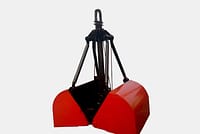
Ndoo ya Kunyakua Kamba Moja
-
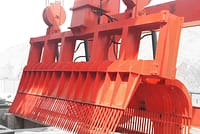
Mashine za Kusafisha Rafu
-
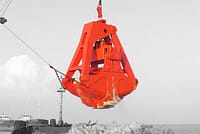
Kunyakua Dredging
-
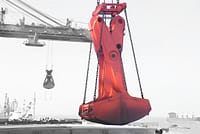
Kunyakua kwa kukata
-
- Msambazaji wa Crane
-
Vipuri vya Crane
-
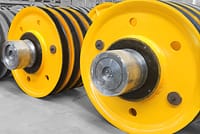
Miganda ya Korongo
-
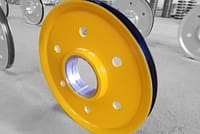
Miganda ya Kamba ya Waya
-
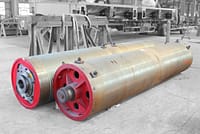
Ngoma ya Kamba ya Crane
-
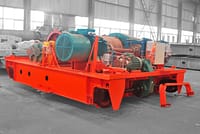
Kitoroli cha Crane
-
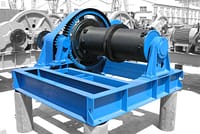
Winch ya Umeme
-
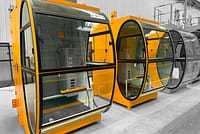
Kabati la Opereta la Crane
-
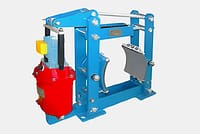
Breki za Crane za Juu
-
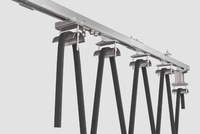
Rudia Crane Cables
-
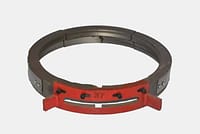
Miongozo ya Kamba ya Crane ya Juu
-
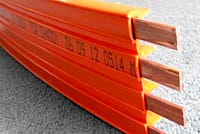
Makondakta ya Crane ya Juu na Laini za Ugavi wa Nguvu
-
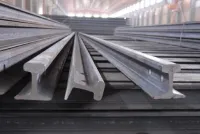
Reli za Crane za Juu
-
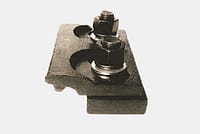
Sehemu za Juu za Reli ya Crane
-
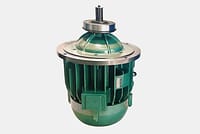
Mota za Korongo za Juu
-
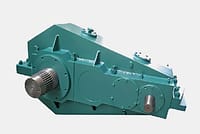
Vipunguza Kasi vya Korongo za Juu
-
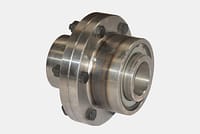
Viunga vya Crane ya Juu
-
- Magurudumu ya Crane
-
Kunyakua Ndoo
- Kampuni
- Wasiliana
-
Viwanda
-
Uzalishaji wa Jumla
-
Ushughulikiaji wa Taka
-
Precast
-
Nguvu
-
Jiwe
-
Utengenezaji wa karatasi
-
Uzalishaji wa Metal
-
Ujenzi wa Daraja
-
Cranes za Bandari: Kwa Kontena na Ushughulikiaji wa Nyenzo Wingi
-
Cranes za Juu kwa Sekta ya Petroli na Gesi: Boresha Ufanisi wa Kiutendaji
-
Cranes za Baharini kwa Upakiaji Bora wa Mizigo kwenye Meli
-
Cranes za Juu kwa Sekta ya Magari: Suluhisho Bora la Uendeshaji otomatiki
-
Suluhisho za Crane za Juu kwa Reli: Uwekaji wa Wimbo, Utunzaji wa Hisa zinazozunguka, na Ushughulikiaji wa Kontena.
-
Cranes za Juu kwa Chakula na Vinywaji: Suluhisho za Kutegemewa kwa Utunzaji Bora
-
Cranes za Juu kwa Utengenezaji Saruji Ufanisi, Vioo, Matofali na Utengenezaji Saruji Imetolewa
-
Cranes za Juu kwa Sekta ya Usafiri wa Anga: Matengenezo ya Ndege na Mkutano
-
Cranes za Anga za Juu: Kuinua Usahihi kwa Uzinduzi wa Roketi na Usafiri
-
-
Bidhaa
-
Cranes za Juu
-
Korongo za Juu za Boriti Moja
-
Cranes za Juu za Girder mbili
-
Aina ya Ulaya ya Aina Moja ya Korongo za Juu za Girder
-
Kreni za Juu za Girder Mbili za Aina ya Ulaya
-
Koreni za Uthibitishaji wa Mlipuko
-
Kunyakua na Magnetic Overhead Cranes
-
Cranes za Monorail
-
Cranes za Juu za Foundry
-
Korongo za Juu Zenye Insulation
-
Korongo za Juu za Chumba cha chini
-
Kunyakua Cranes za Juu
-
Kreni za Juu za Ladle
-
Cranes za Juu Zilizopachikwa
-
Cranes za Umeme za Juu
-
Cranes za Kituo cha Kazi
-
Cranes za Daraja za Kudumu za Kudumu za Bure
-
Dari Mlima Bridge Crane
-
Mwongozo Overhead Cranes
-
-
Korongo za Gantry
-
Cranes za Semi Gantry
-
Korongo za Gantry za Boriti Moja
-
Cranes za Gantry za Girder mbili
-
Kontena Gantry Cranes
-
Kreni za Gantry za Truss
-
Gantry Cranes zinazoweza kubadilishwa
-
Korongo za Gantry Zinazobebeka
-
Gantry Cranes za Ulaya
-
Korongo za Gantry za Alumini
-
Kontena za Gantry Cranes za Mpira
-
Kontena Zilizowekwa kwenye Reli
-
Korongo ya Gantry ya Meli
-
Kreni za Gantry za Ulaya zenye Mzunguko Mmoja
-
Kreni za Ulaya za Gantry zenye Mizingo Miwili
-
-
Korongo za Jib
-
Cranes za Jib za Kudumu za Bure
-
Korongo za Jib Zinazosafiri Ukutani
-
Cranes za Jib Zilizowekwa Ukutani
-
Koreni za Jib za Mizani
-
Kreni za Jib Zinazodumu Bila Umeme
-
Kreni za Jib Zinazosimama kwa Mkono Bila Malipo
-
Korongo za Jib za Alumini
-
Kufafanua Jib Cranes
-
Kreni Mahiri za Jib
-
Kreni za Jib za Kawaida za FEM
-
Kreni za Jib Zinazobebeka
-
-
Cranes Maalum
-
Cranes za bandari za bandari
-
Cranes za Chumba cha Kusafisha
-
Mkono Boti Hoists
-
Gantry Crane yenye Ngao ya Kuchosha Tunnel
-
Wabebaji wa Straddle
-
Mfumo wa Kushughulikia Sehemu
-
Kreni za Uhamisho wa Kuingiliana kwa Mabati
-
Crane ya Kurundika Vizuizi vya Kaboni ya Anodi
-
Kreni ya Stacker
-
Kreni ya Juu ya Shaba ya Elektroliti
-
- Vipandikizi vya Umeme
- Mikokoteni ya Uhamisho
-
Cranes za Juu
-
Sehemu za Crane
-
Kunyakua Ndoo
-
Ndoo ya Kunyakua ya Chuma cha pua ya Umeme
-
Mitambo ya Kunyakua Peel ya Kamba Nne za Machungwa
-
Mechanical Kamba Nne Clamshell Grabs Ndoo
-
Electro Hydraulic Rectangular Grabs
-
Vishikio vya Clamshell vya Electro-Hydraulic
-
Kunyakua kwa Peel ya Kihaidroli ya Kielektroniki, Kunyakua kwa Cactus ya Hydraulic
-
Kunyakua Motor ya Umeme
-
Ndoo ya Kunyakua ya Monorail ya Umeme yenye Hoist ya Monorail
-
Kunyakua kwa Clamshell ya Udhibiti wa Mbali
-
Mitambo ya Kunyakua Clamshell ya Kamba Mbili
-
Kunyakua Mbao
-
Ndoo ya Kunyakua Kamba Moja
-
Mashine za Kusafisha Rafu
-
Kunyakua Dredging
-
Kunyakua kwa kukata
-
- Msambazaji wa Crane
-
Vipuri vya Crane
-
Miganda ya Korongo
-
Miganda ya Kamba ya Waya
-
Ngoma ya Kamba ya Crane
-
Kitoroli cha Crane
-
Winch ya Umeme
-
Kabati la Opereta la Crane
-
Breki za Crane za Juu
-
Rudia Crane Cables
-
Miongozo ya Kamba ya Crane ya Juu
-
Makondakta ya Crane ya Juu na Laini za Ugavi wa Nguvu
-
Reli za Crane za Juu
-
Sehemu za Juu za Reli ya Crane
-
Mota za Korongo za Juu
-
Vipunguza Kasi vya Korongo za Juu
-
Viunga vya Crane ya Juu
-
- Magurudumu ya Crane
-
Kunyakua Ndoo
- Kampuni
- Wasiliana



Overhead Crane Hook Types and Safety Requirements
Jedwali la Yaliyomo
The overhead crane hook is one of the most widely used load-handling devices. It has a simple structure, is easy to manufacture, and can be used in many lifting applications.
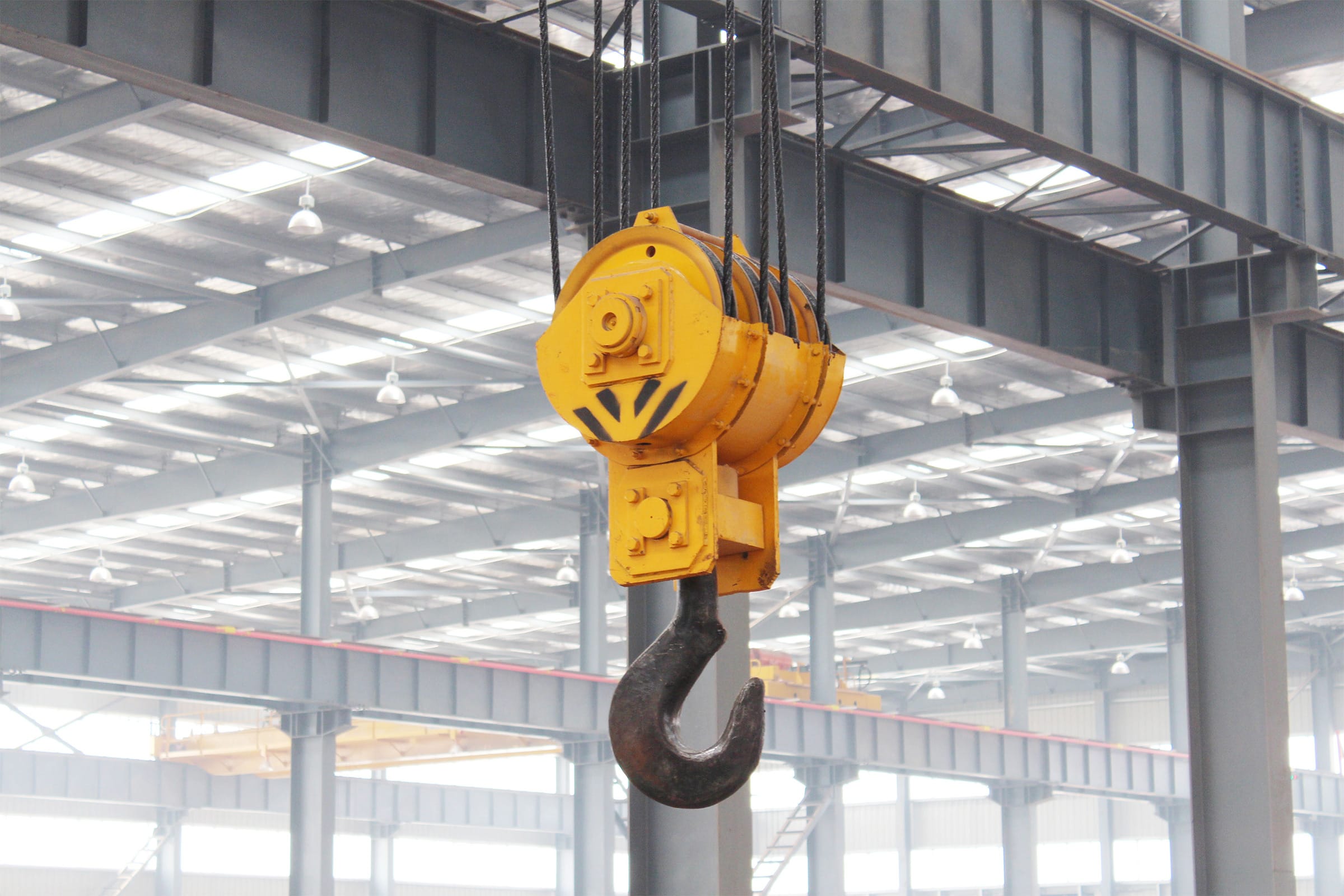
Overhead Crane Hook Types and Structure
According to the hook shape, overhead crane hooks can be divided into single hooks and double hooks. A single hook is easier to manufacture and use, while a double hook has a more favorable force condition. Single hooks are used for smaller lifting capacities. When the lifting capacity is large, double hooks are often used to avoid making the hook too heavy. For casting cranes, laminated single hooks are still used even for large lifting capacities because they must match the ladle.
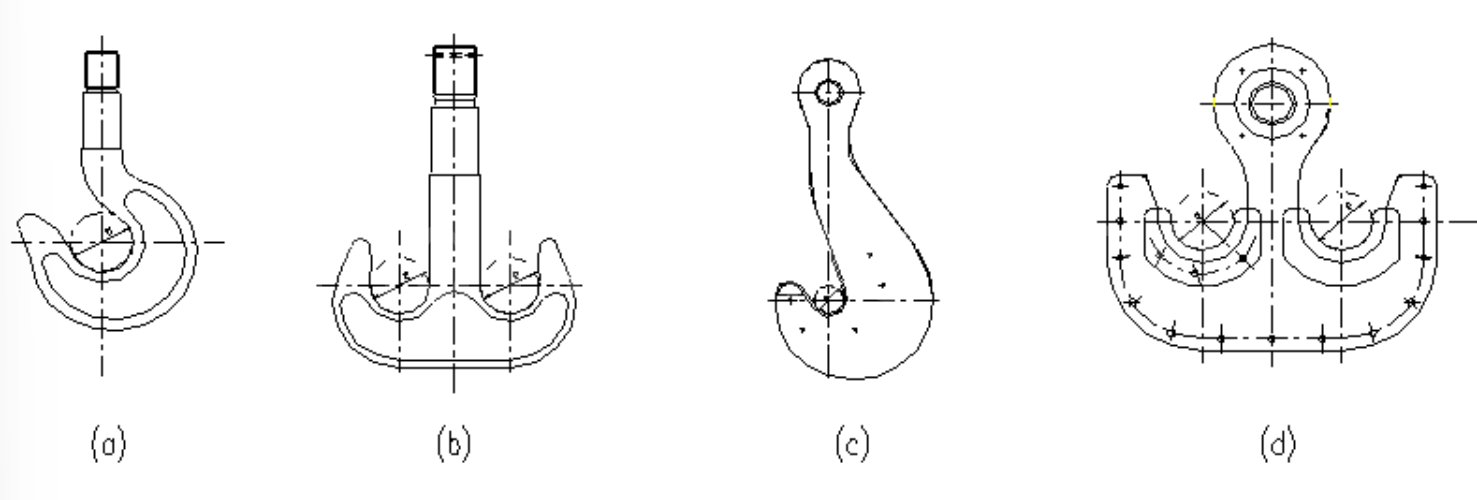
Forged hooks should be marked in a low-stress area with permanent marks that are not easy to wear off. The marks should include the rated lifting capacity, manufacturer’s mark, inspection mark, date, and serial number. After the forged hook manufacturer completes surface inspection and load testing, a certificate of conformity should be provided.
Laminated hooks are fastened by riveting each plate layer. After riveting, the front end and upper end of the hook plates should be welded. To prevent wear at the trunnion area, a metal wear-resistant plate should be installed on the upper side of the hook bend and should be easy to remove and install. A laminated hook is made by stacking several hook-shaped steel plates and connecting them with rivets.
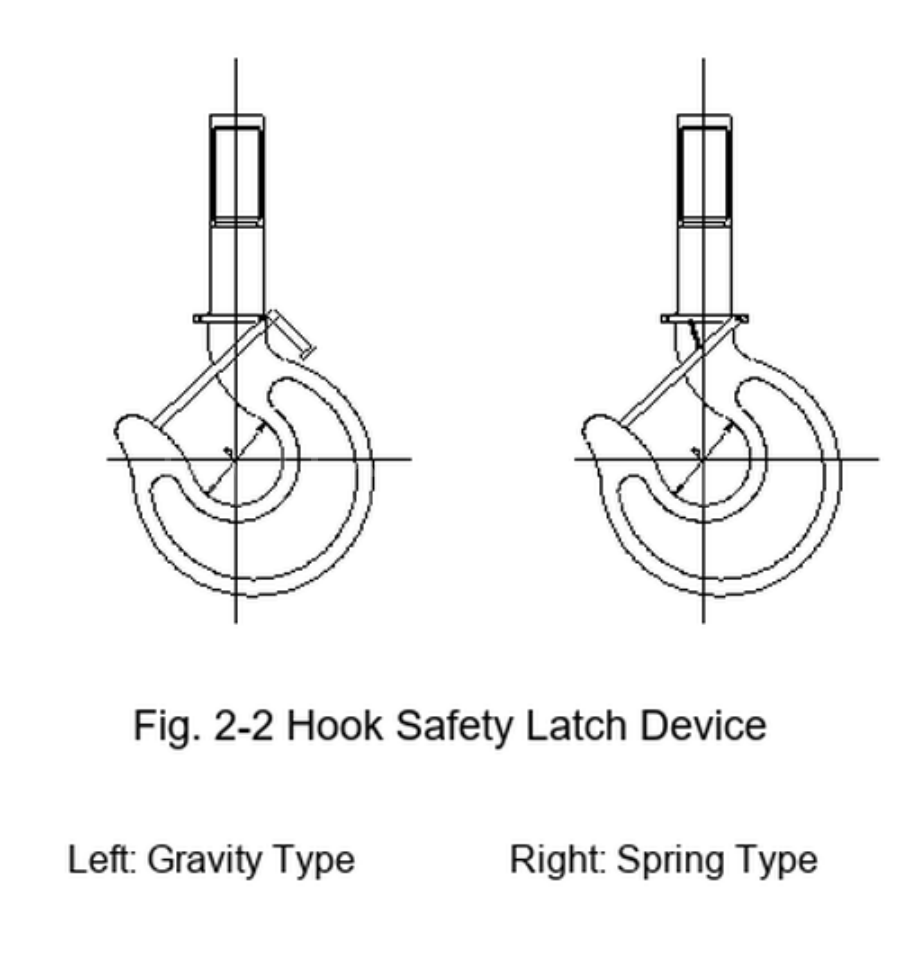
To prevent accidental unhooking, the hook should be equipped with a safety device that prevents the load from slipping off.
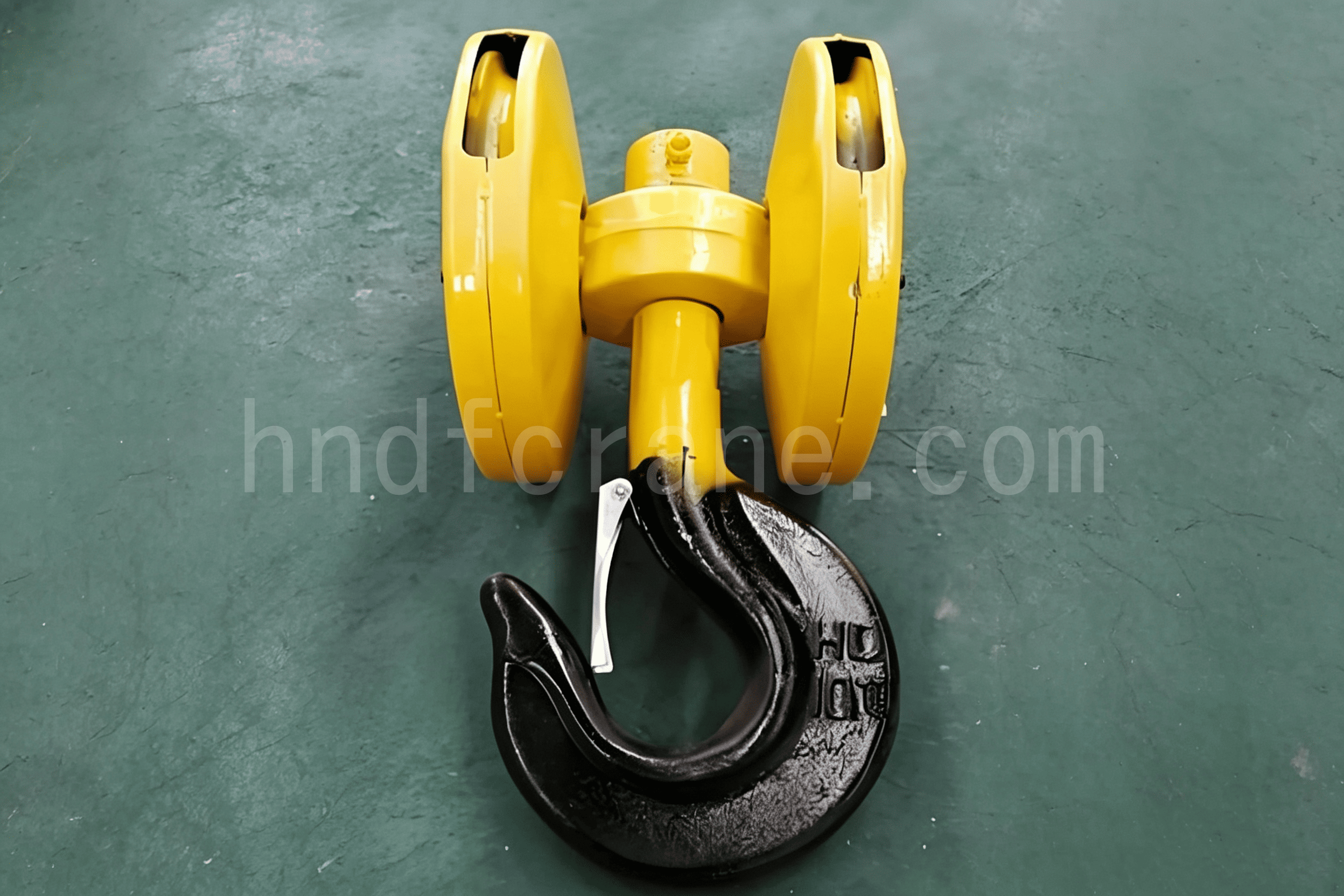
Overhead Crane Hook Blocks
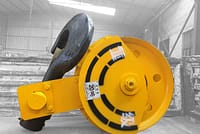
An overhead crane hook block is a combination of the hook and the moving pulley block. Hook blocks include ordinary hook blocks and electric rotating hook blocks. In a typical ordinary hook block, the hook can be manually pushed to rotate. When the hook is not allowed to rotate, a locking device can be added.
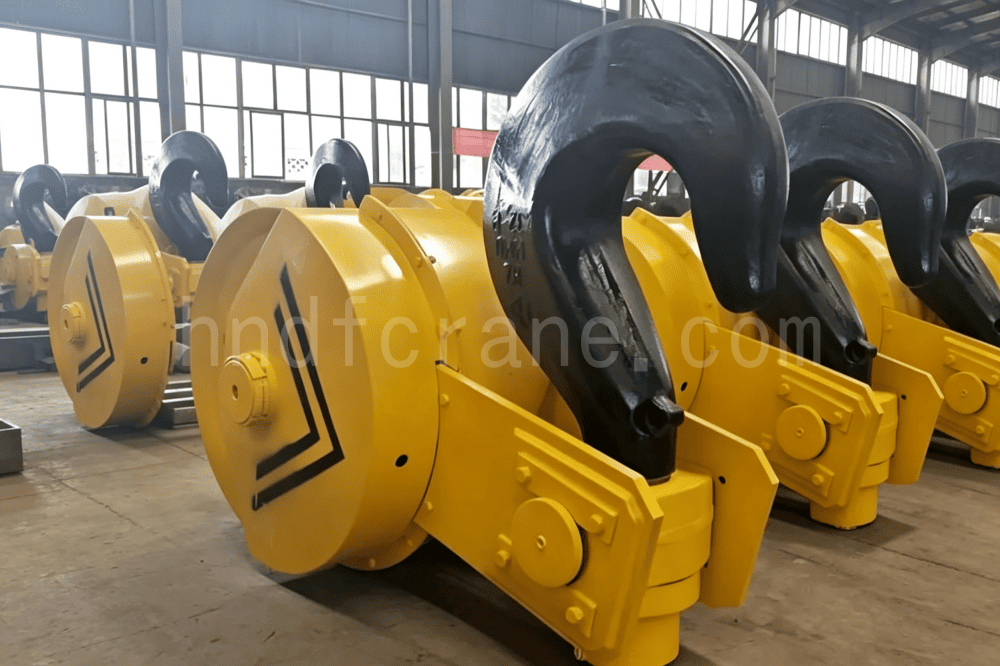
Ordinary hook blocks are available in long-type and short-type structures.
A long-type hook block uses an ordinary short hook with a short shank. The hook is supported on the hook crossbeam, while the sheaves are supported on a separate sheave shaft. This structure has a larger overall height and reduces the effective lifting height.
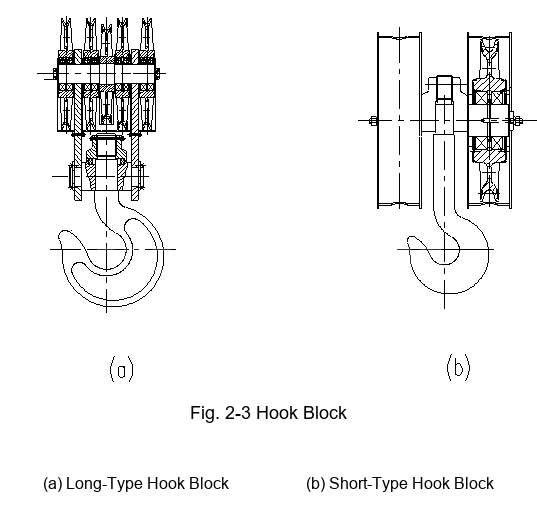
Short-type hook blocks used to use long hooks. In this structure, the sheaves are directly mounted on the hook crossbeam, greatly reducing the height. However, this structure can only be used for double-rope reeving. A short-type hook block is suitable only for smaller reeving ratios. When the reeving ratio is large, the number of sheaves increases, the hook crossbeam becomes too long, the bending moment becomes too large, and the hook’s own weight increases.
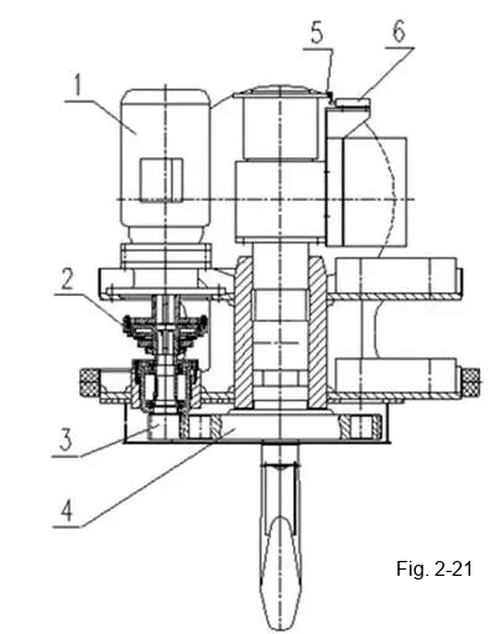
An electric rotating hook block is usually driven by a cycloidal pinwheel geared motor with braking function, marked as item 1 in Fig. 2-21. A three-in-one reducer may also be used. The motor drives gears 3 and 4 through friction coupling 2, causing the hook to rotate. When the hook reaches the specified position, cam switch plate 5 touches limit switch 6, the circuit is cut off, the brake motor brakes, and the hook stops at the set angle. An angle locking device may also be provided according to user requirements.
The rotation speed of an electric rotating hook is generally about 2 r/min, and the rotation angle is not more than 270 degrees.
Dangerous Sections of an Overhead Crane Hook
The dangerous sections of an overhead crane hook are important areas for daily inspection and safety inspection. Based on force analysis, the following dangerous sections can be identified.
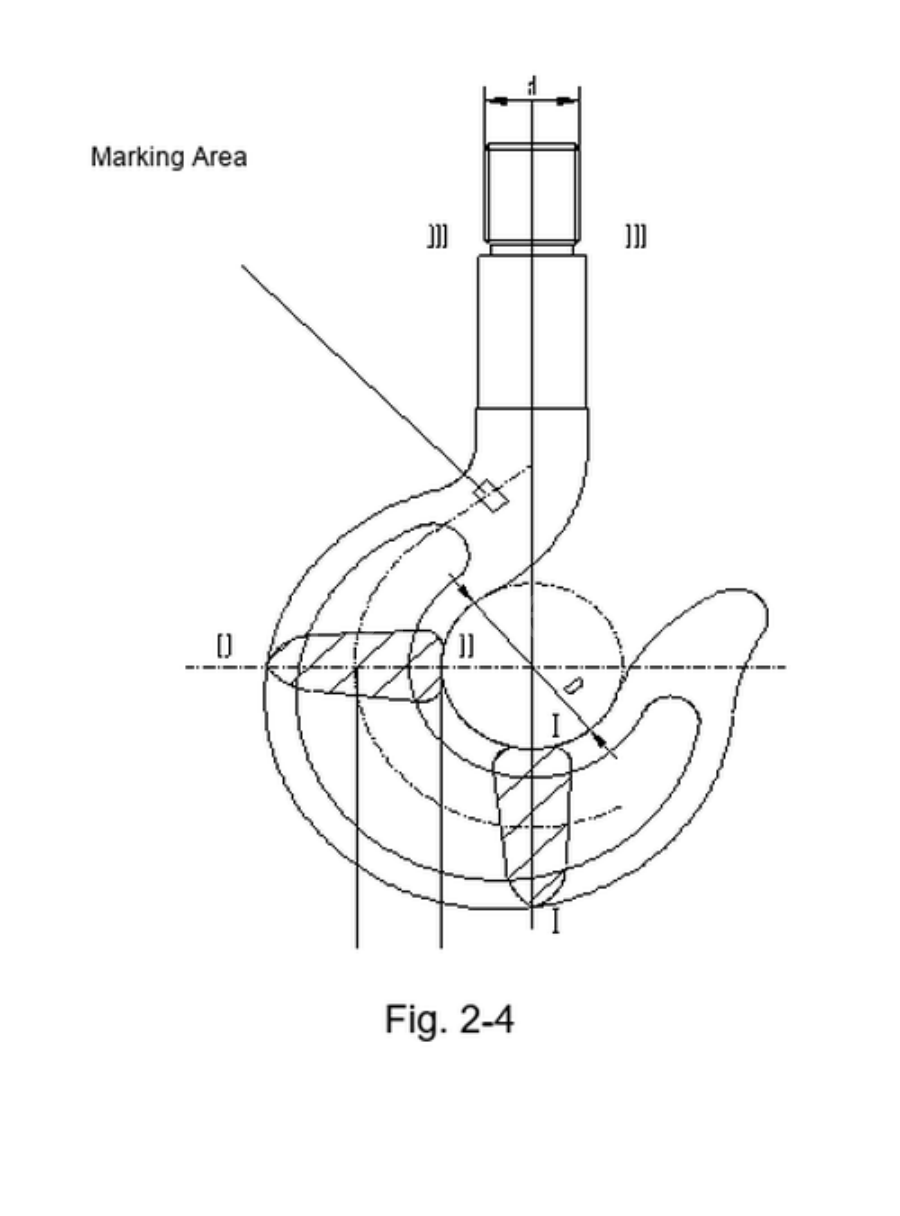
Assume that the weight suspended on the hook is Q.
- I – I: The load acts on section I-I of the hook through the wire rope, creating a tendency to shear the hook. This section is subjected to shear stress.
- III – III: Under the action of weight Q, this section tends to be pulled apart. It is located at the thread relief groove of the cylindrical shank of the hook. This is the smallest section of the hook and has a risk of tensile failure.
- II – II: The inner side is subjected to tensile stress, while the outer side is subjected to compressive stress. According to calculation, the tensile stress on the inner side is greater than the compressive stress on the outer side. Under the action of load Q, the hook is subjected to tensile and shear stress and also tends to be straightened. In the hook shown in Fig. 2-4, the sections to the right of the centerline are subjected not only to tension, but also to moment M.
Overhead Crane Hook Safety Inspection Requirements
Hooks are widely used in different types of lifting machinery. Some hooks are manufactured according to previously used industry standards, while others are manufactured according to GB10051.1-5, Lifting Hooks. During inspection and testing, the inspection items and content are generally the same for different hook types, but the specific requirements may differ slightly.
An overhead crane hook should be inspected once every six months and should be cleaned and lubricated to prevent fatigue cracks.
The general inspection method is to first clean the hook body with kerosene. Then use a 20x magnifying glass to check whether the hook body has fatigue cracks, especially at the dangerous sections. The thread relief groove of the hook shank is a stress concentration area and should be checked carefully for cracks. For a plate hook, the bushing, pins, small holes, lifting lugs, and other fasteners should also be checked for looseness and wear. For hooks used on some large cranes or heavy-duty-class cranes, nondestructive testing should also be used to check for internal defects.
Overhead Crane Hook Load Test
For a new hook, in addition to the technical certificate from the manufacturer, a load test should be carried out according to the marks on the hook. The hook can be used only after its performance is confirmed to be qualified. For a hook that has worn during service, progressive load testing should also be carried out to redetermine the allowable rated lifting capacity.
After the hook under inspection is loaded to the specified test load, the load should be lifted and suspended for 10 minutes. After unloading, there should be no defects or deformation. The hook surface should then be inspected with a 20x magnifying glass and should have no cracks. The hook opening should be measured, and the increase compared with the original value should not exceed 0.25%.
Overhead Crane Hook Scrap Criteria
A hook should be scrapped if any of the following conditions occur:
- Cracks appear on the surface.
- Wear at the dangerous section reaches 10% of the original dimension.
- The hook opening increases by 15% compared with the original dimension.
- Torsional deformation exceeds 10 degrees.
- Plastic deformation occurs at the dangerous section or hook neck.

Mimi ni Cindy, nina uzoefu wa miaka 10 katika tasnia ya kreni na nimekusanya maarifa mengi ya kitaaluma. Nimechagua korongo za kuridhisha kwa wateja 500+. Ikiwa una mahitaji yoyote au maswali kuhusu cranes, tafadhali jisikie huru kuwasiliana nami, nitatumia ujuzi wangu na uzoefu wa vitendo kukusaidia kutatua tatizo!
Tuma Uchunguzi Wako
- Barua pepe: sales@hndfcrane.com
- WhatsApp: +86 191 3738 6654
- Telegramu: +86 191 3738 6654
- Simu: +86-373-581 8299
- Faksi: +86-373-215 7000
- Ongeza: Wilaya ya Viwanda ya Changnao, Jiji la Xinxiang, Mkoa wa Henan, Uchina
 WeChat
- Cranes za Juu
- Cranes za Juu za Girder mbili
- Korongo za Juu za Boriti Moja
- Aina ya Ulaya ya Aina Moja ya Korongo za Juu za Girder
- Koreni za Uthibitishaji wa Mlipuko
- Kunyakua na Magnetic Overhead Cranes
- Cranes za Monorail
- Cranes za Juu za Foundry
- Cranes za Kituo cha Kazi
- Korongo za Jib
- Cranes za Jib Zilizowekwa Ukutani
- Korongo za Jib Zinazosafiri Ukutani
- Cranes za Jib za Kudumu za Bure
- Alumini Jib Cranes: Nyepesi, Mkono Laini Unaozunguka kwa Rahisi Kuinua
- Mizani ya Jib Cranes: Kuinua Mwanga kwa Ufanisi kwa Mkutano wa Mitambo wa Umbali Mfupi
- Mwongozo wa Cranes za Kudumu za Jib: Suluhisho Bora la Kuinua Mwongozo kwa Uendeshaji wa Anga Mchache
- Kreni za Jib Zisizo na Umeme: Suluhisho Kamili la Umeme kwa Kuinua Haraka kwa Uwezo wa Juu
- Koreni za Jib Zinazounganisha: Kuinua kwa Usahihi kwa Unyumbufu wa Mikono Miwili
- Korongo za Gantry
- Cranes za Gantry za Girder mbili
- Cranes za Semi Gantry
- Korongo za Gantry za Boriti Moja
- Kreni za Gantry za Truss
- Kontena Gantry Cranes
- Gantry Cranes zinazoweza kubadilishwa
- Korongo za Gantry Zinazobebeka
- Gantry Cranes za Ulaya
- Viwanda
- Uzalishaji wa Jumla
- Ushughulikiaji wa Taka
- Precast
- Nguvu
- Jiwe
- Utengenezaji wa karatasi
- Uzalishaji wa Metal
- Ujenzi wa Daraja
- Cranes za Bandari: Kwa Kontena na Ushughulikiaji wa Nyenzo Wingi
- Cranes za Juu kwa Sekta ya Petroli na Gesi: Boresha Ufanisi wa Kiutendaji
- Cranes za Baharini kwa Upakiaji Bora wa Mizigo kwenye Meli
- Cranes za Juu kwa Sekta ya Magari: Suluhisho Bora la Uendeshaji otomatiki
- Vipandikizi vya Umeme
- Vipandishi vya Kamba vya Waya za Umeme
- Vipandikizi vya Mnyororo wa Umeme
- Vipandikizi vya Umeme vya Aina ya Ulaya
- Upandishaji wa Msururu wa Umeme wa Ulaya: Uendeshaji Urahisi, Kelele ya Chini, na Ufanisi wa Nishati
- Mwongozo wa Lever Hoists: Inafaa kwa Kuvuta na Kuinua Kazi
- Vipandisho vya Minyororo ya Mikono: Kuinua Mwongozo kwa Maeneo Bila Nguvu
- Vipandishi vya Umeme vya Chumba cha Chini: Muundo Mshikamano wa Ufanisi wa Juu wa Nafasi
- Nyuma ya Minyororo ya Nyuma: Ushughulikiaji Ulaini kwa Matumizi ya Viwandani
- Viunzi vya Mnyororo vya Mwongozo vya Uthibitisho wa Mlipuko: Ujenzi wa Aloi ya Shaba Inayostahimili Cheche kwa Maeneo Hatari
- Viunzi vya Mnyororo wa Umeme Vinavyothibitisha Mlipuko kwa Kuinua Eneo Hatari
- Sehemu za Crane
- Miganda ya Kamba ya Waya
- Kitoroli cha Crane
- Ndoo za kunyakua Crane
- Vibao vya Kuinua Crane
- Kabati Zinazoweza Kubinafsishwa za Opereta wa Crane: Faraja na Ulinzi Ulioimarishwa
- Breki za Crane za Juu: Muhimu kwa Uendeshaji Salama
- Kebo za Crane za Juu: Suluhu za Kutegemewa za Nguvu za Simu
- Kuhusu
- Kesi
- Habari
- Maswali yanayoulizwa mara kwa mara
- Pakua
- Blogu
- Zana za Kukokotoa Mzigo wa Gurudumu mtandaoni
- Panorama ya VR
- Wasiliana nasi
- Barua pepe: sales@hndfcrane.com
- WhatsApp: +86 191 3738 6654
- Telegramu: +86 191 3738 6654
- Simu: +86-373-581 8299
-