-
Industries
-
General Manufacturing
-
Waste Handling
-
Precast
-
Power
-
Stone
-
Papermaking
-
Metal Production
-
Bridge Construction
-
Port Cranes: For Container and Bulk Material Handling
-
Overhead Cranes for Petroleum and Gas Industry: Enhance Operational Efficiency
-
Overhead Cranes for the Automotive Industry: Efficient Automation Solutions
-
Overhead Crane Solutions for Railways: Track Laying, Rolling Stock Maintenance, and Container Handling
-
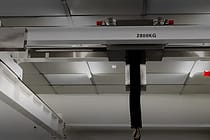
Overhead Cranes for Food and Beverages: Reliable Solutions for Efficient Handling
-
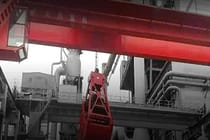
Overhead Cranes for Efficient Cement, Glass, Brick and Precast Concrete Manufacturing
-
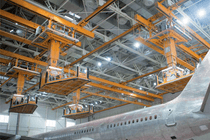
Overhead Cranes for Aviation Industry: Aircraft Maintenance and Assembly
-
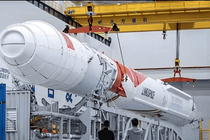
Aerospace Overhead Cranes: Precision Lifting for Rocket Launch and Transport
-
-
Products
-
Overhead Cranes
-
Single Girder Overhead Cranes
-
Double Girder Overhead Cranes
-
European Type Single Girder Overhead Cranes
-
European Type Double Girder Overhead Cranes
-
Explosion Proof Overhead Cranes
-
Grab And Magnetic Overhead Cranes
-
Monorail Cranes
-
Foundry Overhead Cranes
-
Insulation Overhead Cranes
-
Low Headroom Overhead Cranes
-
Grab Overhead Cranes
-
Ladle Overhead Cranes
-
Underhung Overhead Cranes
-
Electromagnetic Overhead Cranes
-
Workstation Cranes: Lightweight Design, Easy Installation, and Effortless Operation
-
Free Standing Workstation Bridge Cranes
-
Ceiling Mounted Bridge Crane
-
Manual Overhead Cranes
-
-
Gantry Cranes
-
Semi Gantry Cranes
-
Single Girder Gantry Cranes
-
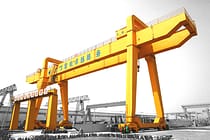
Double Girder Gantry Cranes
-
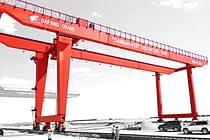
Container Gantry Cranes
-
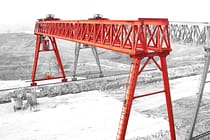
Truss Gantry Cranes
-
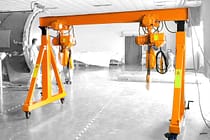
Adjustable Gantry Cranes
-
Portable Gantry Cranes
-
European Gantry Cranes
-
Aluminum Gantry Cranes
-
Rubber Tyred Container Gantry Cranes
-
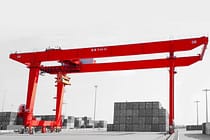
Rail Mounted Container Gantry Cranes
-
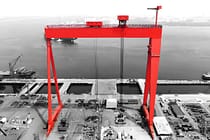
Shipyard Gantry Crane
-
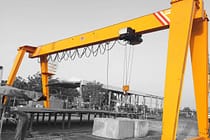
European Single Girder Gantry Cranes
-
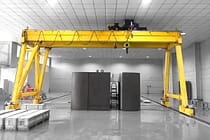
European Double Girder Gantry Cranes
-
- Jib Cranes
- Special Cranes
- Electric Hoists
- Transfer Carts
-
Overhead Cranes
-
Crane Parts
-
Grab Buckets
-
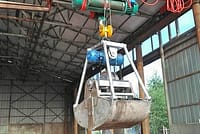
Electric Stainless Steel Grab Bucket
-
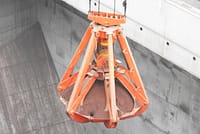
Mechanical Four Rope Orange Peel Grabs
-
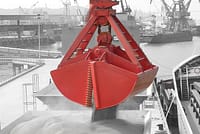
Mechanical Four Rope Clamshell Grabs Bucket
-
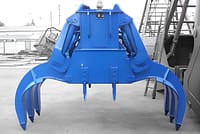
Electro Hydraulic Rectangular Grabs
-
Electro hydraulic Clamshell Grabs
-
Electro Hydraulic Orange Peel Grabs,Hydraulic Cactus Grab
-
Electric Motor Grab
-
Electric Monorail Grab Bucket with Monorail Hoist
-
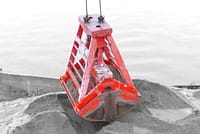
Remote Control Clamshell Grabs
-
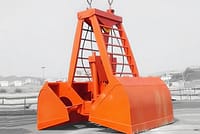
Mechanical Two Rope Clamshell Grabs
-
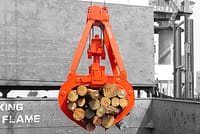
Timber Grabs
-
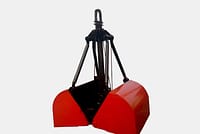
Single Rope Grab Bucket
-
Trash Rack Cleaning Machines
-
Dredging Grabs
-
Trimming Grabs
-
- Crane Spreader
-
Crane Spare Parts
-
Crane Sheaves
-
Wire Rope Sheaves
-
Crane Rope Drum
-
Crane Trolley
-
Electric Winch
-
Crane Operator Cabin
-
Overhead Crane Brakes
-
Overhead Crane Cables
-
Overhead Crane Rope Guides
-
Overhead Crane Conductors and Power Supply Lines
-
Overhead Crane Rails
-
Overhead Crane Rail Clips
-
Overhead Crane Motors
-
Overhead Crane Reducers
-
Couplings for Overhead Crane
-
- Crane Wheels
-
Grab Buckets
- Company
- Contact


-
Industries
-
General Manufacturing
-
Waste Handling
-
Precast
-
Power
-
Stone
-
Papermaking
-
Metal Production
-
Bridge Construction
-
Port Cranes: For Container and Bulk Material Handling
-
Overhead Cranes for Petroleum and Gas Industry: Enhance Operational Efficiency
-
Overhead Cranes for the Automotive Industry: Efficient Automation Solutions
-
Overhead Crane Solutions for Railways: Track Laying, Rolling Stock Maintenance, and Container Handling
-
Overhead Cranes for Food and Beverages: Reliable Solutions for Efficient Handling
-
Overhead Cranes for Efficient Cement, Glass, Brick and Precast Concrete Manufacturing
-
Overhead Cranes for Aviation Industry: Aircraft Maintenance and Assembly
-
Aerospace Overhead Cranes: Precision Lifting for Rocket Launch and Transport
-
-
Products
-
Overhead Cranes
-
Single Girder Overhead Cranes
-
Double Girder Overhead Cranes
-
European Type Single Girder Overhead Cranes
-
European Type Double Girder Overhead Cranes
-
Explosion Proof Overhead Cranes
-
Grab And Magnetic Overhead Cranes
-
Monorail Cranes
-
Foundry Overhead Cranes
-
Insulation Overhead Cranes
-
Low Headroom Overhead Cranes
-
Grab Overhead Cranes
-
Ladle Overhead Cranes
-
Underhung Overhead Cranes
-
Electromagnetic Overhead Cranes
-
Workstation Cranes: Lightweight Design, Easy Installation, and Effortless Operation
-
Free Standing Workstation Bridge Cranes
-
Ceiling Mounted Bridge Crane
-
Manual Overhead Cranes
-
-
Gantry Cranes
-
Semi Gantry Cranes
-
Single Girder Gantry Cranes
-
Double Girder Gantry Cranes
-
Container Gantry Cranes
-
Truss Gantry Cranes
-
Adjustable Gantry Cranes
-
Portable Gantry Cranes
-
European Gantry Cranes
-
Aluminum Gantry Cranes
-
Rubber Tyred Container Gantry Cranes
-
Rail Mounted Container Gantry Cranes
-
Shipyard Gantry Crane
-
European Single Girder Gantry Cranes
-
European Double Girder Gantry Cranes
-
- Jib Cranes
- Special Cranes
- Electric Hoists
- Transfer Carts
-
Overhead Cranes
-
Crane Parts
-
Grab Buckets
-
Electric Stainless Steel Grab Bucket
-
Mechanical Four Rope Orange Peel Grabs
-
Mechanical Four Rope Clamshell Grabs Bucket
-
Electro Hydraulic Rectangular Grabs
-
Electro hydraulic Clamshell Grabs
-
Electro Hydraulic Orange Peel Grabs,Hydraulic Cactus Grab
-
Electric Motor Grab
-
Electric Monorail Grab Bucket with Monorail Hoist
-
Remote Control Clamshell Grabs
-
Mechanical Two Rope Clamshell Grabs
-
Timber Grabs
-
Single Rope Grab Bucket
-
Trash Rack Cleaning Machines
-
Dredging Grabs
-
Trimming Grabs
-
- Crane Spreader
-
Crane Spare Parts
-
Crane Sheaves
-
Wire Rope Sheaves
-
Crane Rope Drum
-
Crane Trolley
-
Electric Winch
-
Crane Operator Cabin
-
Overhead Crane Brakes
-
Overhead Crane Cables
-
Overhead Crane Rope Guides
-
Overhead Crane Conductors and Power Supply Lines
-
Overhead Crane Rails
-
Overhead Crane Rail Clips
-
Overhead Crane Motors
-
Overhead Crane Reducers
-
Couplings for Overhead Crane
-
- Crane Wheels
-
Grab Buckets
- Company
- Contact



How to Choose Rubber Tyred Gantry Crane Lifting Points: Single-Point or Multi-Point Lifting
Table of Contents
The number of rubber tyred gantry crane lifting points depends mainly on the load's weight, length, rigidity, and permitted load-bearing locations. Compact equipment with a clearly defined center of gravity can be lifted with a single hook. Long, slender loads such as precast beams and bundles of long steel pipes usually need several support points along their length to control bending. For large structures that must be positioned accurately, the lifting points must also be able to move in coordination.
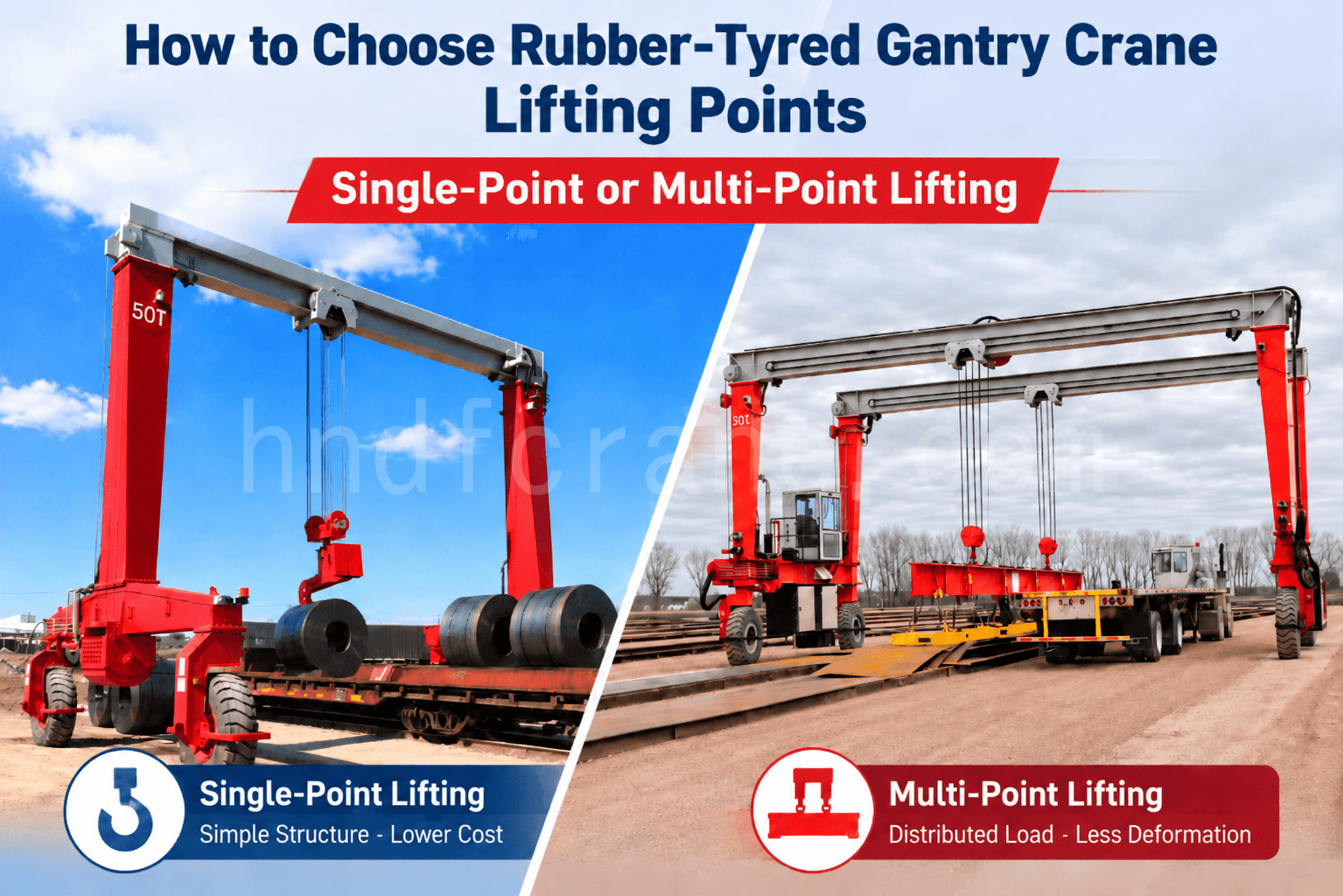
Typical Lifting-Point Arrangements for Common Loads
| Load or operating condition | Typical lifting-point arrangement | Suitable crane configuration |
|---|---|---|
| Short steel pipes or bundled sections (≤ 3 m) | Single-hook lifting; two load attachment points may be used | Single-girder rubber-tyred gantry crane |
| Medium or long steel beams, precast beams, and box girders (6–30 m) | Four-point or other multi-point arrangement with a spreader beam | Double-girder rubber-tyred gantry crane |
| Long bundles of steel pipes (9–18 m) | Multiple lifting points with a hydraulic telescopic lifting beam; adjust point spacing to suit the load specification | Double-girder rubber-tyred gantry crane |
| Wind-turbine blades and towers | Dedicated multi-point lifting beam with a hydraulic synchronization system | Large-span double-girder rubber-tyred gantry crane |
| Modular building units | Dedicated 6–12-point lifting gear with electric or hydraulic synchronization | Double-girder crane or multiple cranes operating in coordination |
| Ship sections and oversized steel structures | Multiple cranes operating together for a synchronized multi-point lift | Double-girder cranes; multiple units can be linked |
| Concrete wall and floor panels | Four-point lifting, with lifting points kept clear of embedded services | Single- or double-girder crane fitted with a lifting beam |
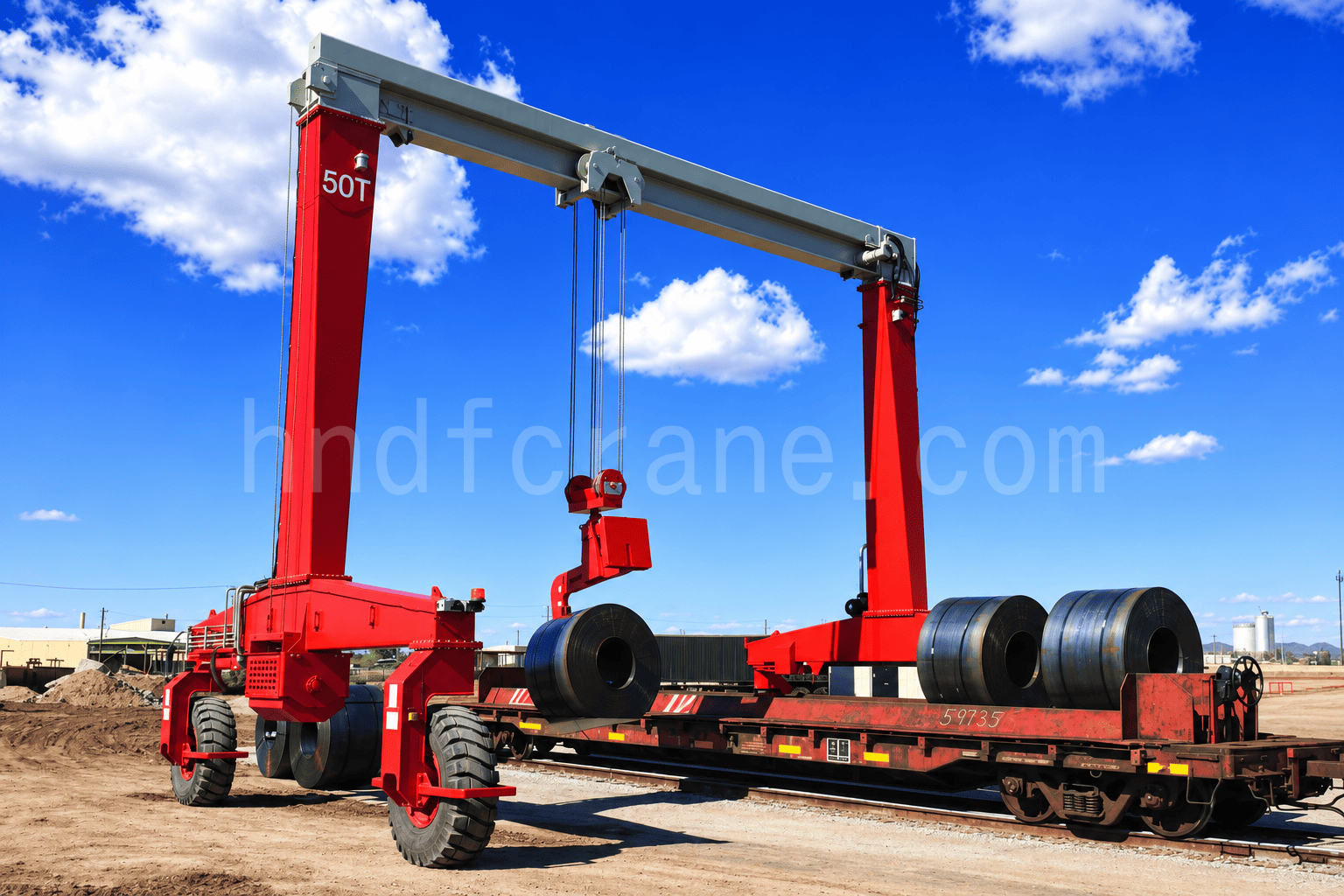
| Steel coils and coiled material | Single-point lifting with a C-hook | Single- or double-girder crane |
| Equipment enclosures, transformers, and compact machinery | Two-point lifting or the manufacturer's lifting lugs; verify the capacity at each point | Single- or double-girder crane |
| Magnetic steel plate and billets | Multi-point magnetic lifting with power-loss load-retention protection | Mainly a double-girder crane |
Can a Single Lifting Point Meet Your Lifting Requirements?
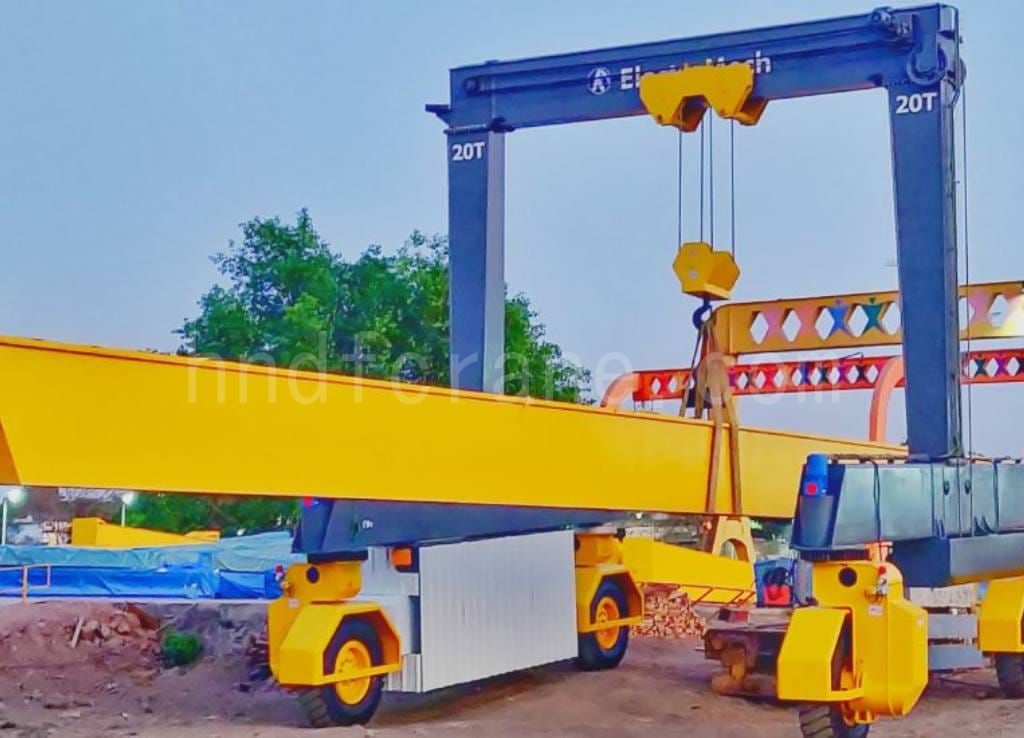
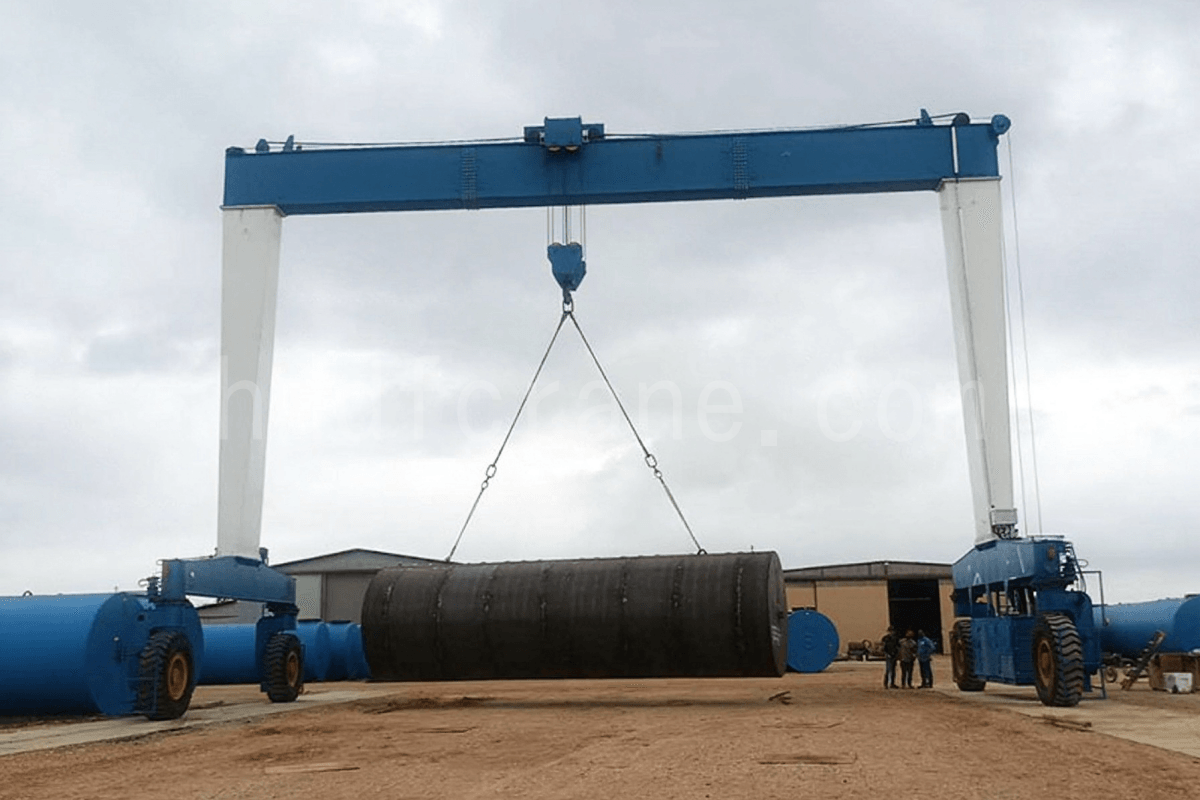
A single lifting point means that the hoisting mechanism lifts the load through one load-bearing center. For the load to remain balanced, the vertical line through the hook must pass through the combined center of gravity of the load and lifting gear. Several slings can be connected below one hook. Therefore, a crane using a single lifting point can still connect to the load at several locations.
When Is a Single Lifting Point Suitable?
A single-point arrangement is a reasonable choice when the load has all of the following characteristics:
- It is compact and sufficiently rigid, with no visible deformation under its own weight.
- Its center of gravity is known and close to its geometric center, so it is easy to align, or it has dedicated lifting lugs designed by the manufacturer.
- It is relatively small. As a rule-of-thumb range, its length is no more than 3 m, or its total weight is no more than 5 t.
- The work mainly involves vertical lifting and short-distance handling, without a need for precise adjustments to the load's attitude.
Advantages of Single-Point Lifting
- Simple structure and fewer failure points. One hoisting mechanism can lift and lower the load. There is no need to synchronize multiple hoists, and routine maintenance is lighter.
- Lower equipment weight and cost. For ordinary single-hook handling, the hook and hoisting mechanism are simpler, reducing purchase and maintenance costs.
- Straightforward operation. When the load has a clear center of gravity and is easy to align, the operator can lift and lower it with one hook, without coordinating the heights of several independent lifting points.
Disadvantages of Single-Point Lifting
- Concentrated local forces. If the load bears the force over a small area, weak structural sections, brittle parts, or surface coatings may be damaged.
- Long, slender components can bend. When a long beam or pipe is lifted from a concentrated point, unsupported sections can bend under their own weight. Long, thin components may also crack.
- Angled slings can squeeze the load inward. When two slings run at an angle from the same hook to opposite sides of the load, they create inward force components. Under symmetrical loading, the larger the angle between the two sling legs, the greater the tension in each sling and the inward squeezing force. This can deform an enclosure or cause a pipe bundle to shift or loosen.
- The load's attitude is harder to adjust in the air. Long or irregular loads can rotate or twist. Accurate placement may require repeated adjustments before the load can be set down.
When Should You Use Multi-Point Lifting?
Multi-point lifting means that two or more separated points share the load. A rubber-tyred gantry crane can use one hook with a spreader beam or a dedicated lifting beam to transfer the hoisting force to several locations on the load. Alternatively, twin hooks or multiple hoisting mechanisms can raise different lifting points in synchronization.
Multi-point lifting is usually needed when the load is long, lacks sufficient rigidity, has a distributed center of gravity, or must remain level and be positioned accurately while being handled. It distributes the load, reduces deformation, and improves lifting stability.
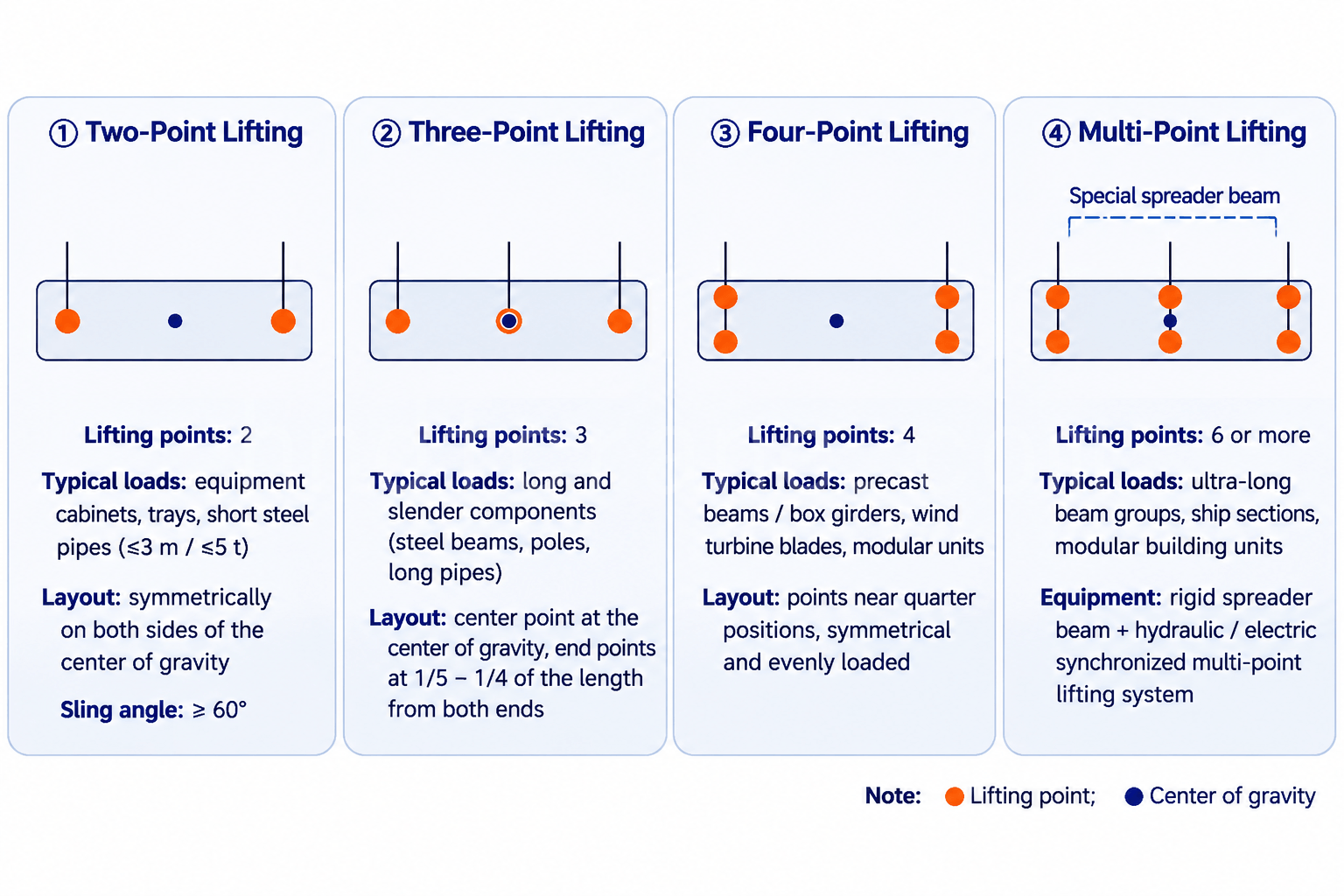
Advantages of Multi-Point Lifting
- Distributes the load and reduces component deformation. Supporting a long beam, pipe, or pipe bundle at several locations reduces local forces and helps control bending under the component's own weight.
- Reduces lateral squeezing. A spreader beam separates the lower lifting points horizontally, allowing the slings connected to the load to hang closer to vertical. This helps prevent pipe bundles from shifting or loosening and enclosures from deforming under compression.
- Makes the load's attitude easier to control. Properly positioned lifting points help reduce tilting and twisting of long loads. With independent hoists and inching controls, the height at each end can also be adjusted separately for module placement or alignment of large structures.
Disadvantages of Multi-Point Lifting
- Higher equipment investment. Multi-point lifting usually requires a spreader beam or dedicated lifting gear. Multiple synchronized hoists also require additional drives, sensors, and controls, increasing commissioning and maintenance work.
- The load at each point must be checked individually. The actual load carried by each point depends on the center of gravity, lifting-point locations, and structural rigidity. If synchronized hoists move at different rates, the load can become uneven and one point may be overloaded. Synchronization controls, load monitoring, and safety interlocks are therefore required.
- Changing load types may require lifting-gear adjustments. The spacing of lifting points on a fixed beam may not be adjustable. If different loads need different support locations, the gear must be adjusted or replaced, which takes operating time.
Single-Point Lifting VS Multi-Point Lifting
| Comparison item | Single-point arrangement | Multi-point arrangement |
|---|---|---|
| Number of lifting points | 1 load-bearing center | 2, 3, 4, 6, or more |
| Load transfer | Concentrated at one load-bearing point | Distributed among several spatially separated load-bearing points |
| Load condition | More prone to concentrated forces and lateral squeezing | More evenly distributed forces; squeezing is largely eliminated |
| Risk of load deformation | High (mid-span deflection, bending, or cracking) | Low |
| Attitude in the air | Harder to control; may rotate or tilt | Controllable, with fine horizontal adjustment possible |
| Synchronization requirement | None | Required (electric, hydraulic, or mechanical synchronization) |
| Typical length/weight threshold | Length ≤ 3 m or weight ≤ 5 t | Length > 6 m or weight > 20 t |
| Sensitivity to sling angle | Sensitive; a large angle requires derating | Less sensitive; slings are close to vertical |
| Overall crane cost | Low | Medium to high; increases with the number of lifting points and synchronization level |
| Maintenance difficulty | Low | Medium to high |
| Typical crane configuration | Single-girder rubber-tyred gantry crane or electric-hoist model | Double-girder rubber-tyred gantry crane or a model with multiple linked mechanisms |
| Typical lifting attachment | Single hook, electric hoist, or telescopic container spreader | Spreader beam, dedicated multi-point lifting beam, twin-hook or multi-hoist system |
How Can You Estimate the Number of Lifting Points from Load Size and Weight?
The table below provides a preliminary guide to the recommended number of lifting points based on load weight and length.
| Load weight | Load length | Preliminary lifting-point recommendation | Suitable lifting gear |
|---|---|---|---|
| ≤ 5 t | ≤ 3 m | Two points may be sufficient (a single-hook arrangement can be used) | Hook or slings |
| 5–20 t | 3–6 m | Prefer four points, or two points plus auxiliary anti-sway support | Four-point sling gear or a small lifting beam |
| > 20 t | > 6 m | Multiple points (three or more); calculate the spacing based on load forces | Dedicated spreader beam or multi-point lifting beam |
| Any weight | > 12 m | Multiple points with a spreader beam or dedicated lifting beam are required | Rigid lifting beam or hydraulic telescopic lifting beam |
| Slender or flexible component | High slenderness ratio | At least three points; single- or two-point lifting is prohibited | Synchronized multi-point system |
| Irregular load or distributed center of gravity | Any size | Use structural stress data to verify the maximum capacity at each point | Custom multi-point lifting beam with tilt monitoring |
FAQs
How do I determine how many lifting points a load needs?
When requesting a quotation, provide the weight of each individual load, its maximum length, the center-of-gravity location, and the positions of any manufacturer-installed lifting lugs or areas that must not bear a load. These details can be used to make a preliminary selection of lifting gear. Engineers can then calculate the exact spacing and load capacity for each point.
Is multi-point lifting always safer?
Not necessarily. Multi-point lifting can address load deformation and attitude-control issues, but it introduces synchronization risks. If one point falls out of synchronization, the load may become skewed and one point may be overloaded. A multi-point arrangement therefore needs synchronization control, load monitoring, and safety interlocks.
Is the extra cost of multi-point lifting worth it?
Assess the cost of potential load damage and the effect on operating efficiency. When long loads are lifted from a single point, they may bend, crack, or suffer coating damage; the damage to one load can cost more than the price difference for the lifting gear. In frequent lifting operations, a single-point arrangement may also require repeated trial lifts and attitude adjustments, adding labor and time.

I am Cindy, with 10 years of working experience in the crane industry and accumulated a wealth of professional knowledge. I have chosen the satisfying cranes for 500+ customers. If you have any needs or questions about cranes, please feel free to contact me, I will use my expertise and practical experience to help you solve the problem!
Send Your Inquiry
- Email: sales@hndfcrane.com
- WhatsApp: +86 191 3738 6654
- Telegram: +86 191 3738 6654
- Tel: +86-373-581 8299
- Fax: +86-373-215 7000
- Add: Changnao Industrial District, Xinxiang City, Henan Province, China
 WeChat
- Overhead Cranes
- Double Girder Overhead Cranes
- Single Girder Overhead Cranes
- European Type Single Girder Overhead Cranes
- Explosion Proof Overhead Cranes
- Grab And Magnetic Overhead Cranes
- Monorail Cranes
- Foundry Overhead Cranes
- Workstation Cranes: Lightweight Design, Easy Installation, and Effortless Operation
- Jib Cranes
- Wall Mounted Jib Cranes
- Wall Travelling Jib Cranes
- Free Standing Jib Cranes
- Aluminum Jib Cranes: Lightweight, Smooth Rotating Arm for Easy Lifting
- Balance Jib Cranes: Efficient Light Lifting for Short Distance Mechanical Assembly
- Manual Free Standing Jib Cranes: Efficient Manual Lifting Solutions for Limited Space Operations
- Electric Free Standing Jib Cranes: Fully Electric Solution for High Capacity Fast Lifting
- Articulating Jib Cranes: Precision Lifting with Dual Arm Flexibility
- Gantry Cranes
- Double Girder Gantry Cranes
- Semi Gantry Cranes
- Single Girder Gantry Cranes
- Truss Gantry Cranes
- Container Gantry Cranes
- Adjustable Gantry Cranes
- Portable Gantry Cranes
- European Gantry Cranes
- Industries
- General Manufacturing
- Waste Handling
- Precast
- Power
- Stone
- Papermaking
- Metal Production
- Bridge Construction
- Port Cranes: For Container and Bulk Material Handling
- Overhead Cranes for Petroleum and Gas Industry: Enhance Operational Efficiency
- Overhead Cranes for the Automotive Industry: Efficient Automation Solutions
- Overhead Crane Solutions for Railways: Track Laying, Rolling Stock Maintenance, and Container Handling
- Electric Hoists
- Electric Wire Rope Hoists
- Electric Chain Hoists
- European Type Electric Hoists
- European Electric Chain Hoists: Smooth Operation, Low Noise, and Energy Efficiency
- Manual Lever Hoists: Ideal for Pulling and Lifting Tasks
- Hand Chain Hoists: Manual Lifting for Areas Without Power
- Low Headroom Electric Hoists: Compact Design for Maximum Space Efficiency
- Pneumatic Chain Hoists: Smooth Handling for Industrial Use
- Explosion Proof Manual Chain Hoists: Spark Resistant Copper Alloy Construction for Hazardous Areas
- Explosion Proof Electric Chain Hoists for Hazardous Area Lifting
- Contact Us
- Email: sales@hndfcrane.com
- WhatsApp: +86 191 3738 6654
- Telegram: +86 191 3738 6654
- Tel: +86-373-581 8299
-