
-
endüstriler
-
Genel İmalat
-
Atık İşleme
-
Prekast
-
Güç
-
Taş
-
kağıt yapımı
-
metal üretimi
-
Köprü İnşaatı
-
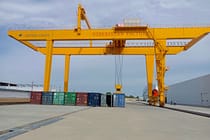
Liman Vinçleri: Konteyner ve Toplu Malzeme Elleçleme İçin
-

Petrol ve Gaz Endüstrisi için Köprülü Vinçler: Operasyonel Verimliliği Artırın
-

Gemilerde Verimli Kargo Yüklemesi için Deniz Vinçleri
-

Otomotiv Endüstrisi için Köprülü Vinçler: Verimli Otomasyon Çözümleri
-
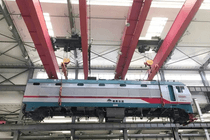
Demiryolları için Köprü Vinç Çözümleri: Ray Döşeme, Demiryolu Araçları Bakımı ve Konteyner Elleçleme
-

Gıda ve İçecekler İçin Köprü Vinçleri: Verimli Taşıma İçin Güvenilir Çözümler
-
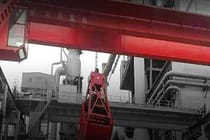
Verimli Çimento, Cam, Tuğla ve Prefabrik Beton Üretimi için Köprülü Vinçler
-
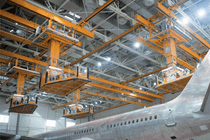
Havacılık Endüstrisi için Köprülü Vinçler: Uçak Bakımı ve Montajı
-

Havacılık ve Uzay Vinçleri: Roket Fırlatma ve Taşıma için Hassas Kaldırma
-
-
Ürünler
-
Gezer Vinçler
-
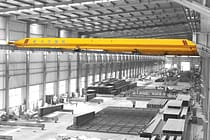
Tek Kirişli Gezer Vinçler
-
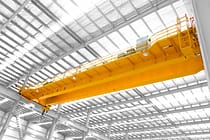
Çift Kirişli Gezer Vinçler
-
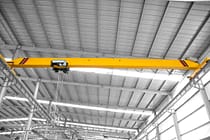
Avrupa Tipi Tek Kirişli Köprülü Vinçler
-
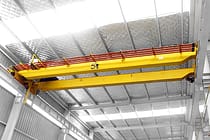
Avrupa Tipi Çift Kirişli Tavan Vinçleri
-
Patlama Korumalı Gezer Vinçler
-
Kepçeli ve Manyetik Gezer Vinçler
-

Monoray Vinçler
-
Dökümhane Vinçleri
-
Yalıtım Köprülü Vinçler
-
Alçak Tavanlı Vinçler
-
Tavan Vinçlerini Tutun
-
Pota Tavan Vinçleri
-
Alt Askılı Vinçler
-
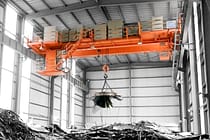
Elektromanyetik Tavan Vinçleri
-
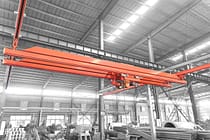
İş İstasyonu Vinçleri
-
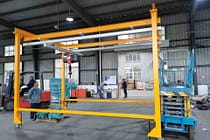
Serbest Duran İş İstasyonu Köprü Vinçleri
-
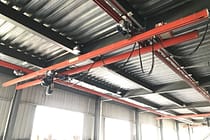
Tavana Monte Köprülü Vinç
-
Manuel Köprülü Vinçler
-
-
Portal Vinçler
-
Yarı Portal Vinçler
-
Tek Kiriş Portal Vinçler
-
Çift Kiriş Portal Vinçler
-
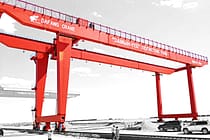
Konteyner Portal Vinçler
-
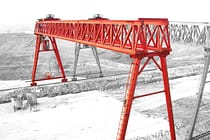
Truss Portal Vinçler
-
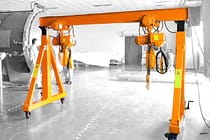
Ayarlanabilir Portal Vinçler
-
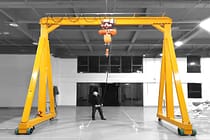
Portatif Portal Vinçler
-
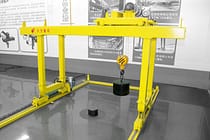
Avrupa Portal Vinçler
-
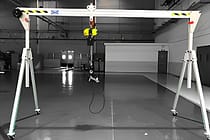
Alüminyum Portal Vinçler
-
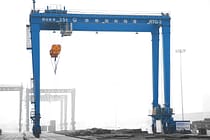
Lastik Tekerlekli Konteyner Gantry Vinçleri
-
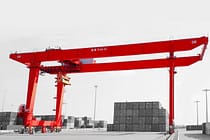
Raylı Konteyner Portal Vinçleri
-
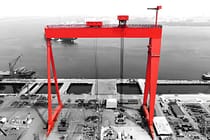
Tersane Gantry Vinç
-
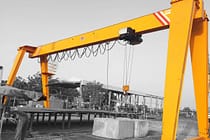
Avrupa Tek Kirişli Portal Vinçleri
-
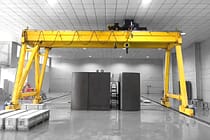
Avrupa Çift Kirişli Portal Vinçleri
-
- Pergel Vinçler
- Özel Vinçler
- Elektrikli Vinçler
- Transfer Arabaları
-
Gezer Vinçler
-
Vinç Parçaları
-
Kepçeler
-
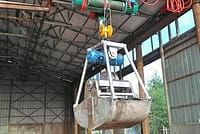
Elektrikli Paslanmaz Çelik Kepçe
-
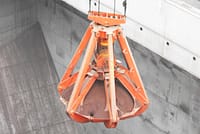
Mekanik Dört Halatlı Portakal Kabuğu Tutucular
-
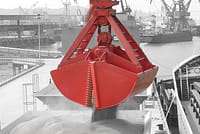
Mekanik Dört Halatlı Midye Kabuğu Kepçe Kovası
-
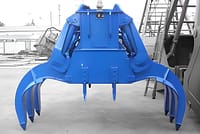
Elektro Hidrolik Dikdörtgen Tutucular
-
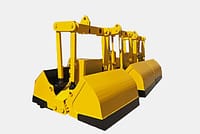
Elektro hidrolik Midye Kabuğu Tutucular
-
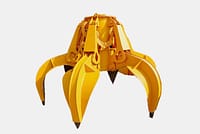
Elektro Hidrolik Portakal Kabuğu Kepçeleri, Hidrolik Kaktüs Kepçesi
-
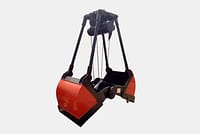
Elektrikli Motor Kepçesi
-
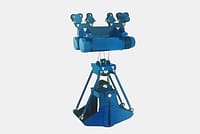
Monoray Vinçli Elektrikli Monoray Kepçe
-
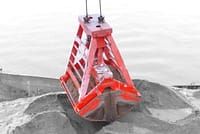
Uzaktan Kumandalı Midye Kabuğu Tutucular
-
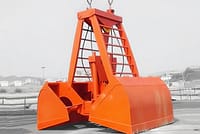
Mekanik İki Halatlı Midye Kabuğu Tutucular
-
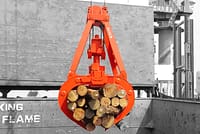
Kereste Kapmacaları
-
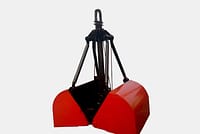
Tek Halatlı Kepçe
-
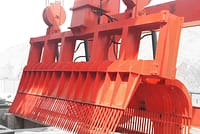
Çöp Rafı Temizleme Makineleri
-
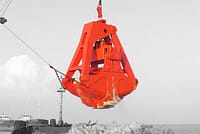
Tarama Kepçeleri
-
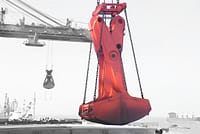
Kırpma Tutma
-
- Vinç Yayıcı
-
Vinç Yedek Parçaları
-
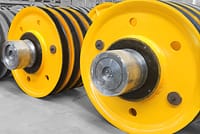
Vinç Makaraları
-
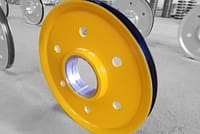
Halat Kasnakları
-
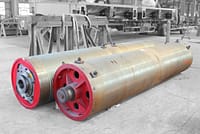
Vinç Halat Tamburu
-
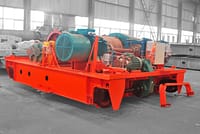
vinç arabası
-
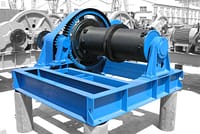
Elektrikli Vinç
-
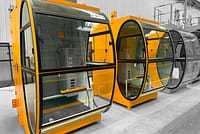
Vinç Operatör Kabini
-
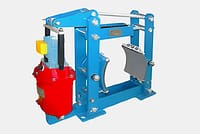
Köprülü Vinç Frenleri
-
Köprülü Vinç Kabloları
-
Köprülü Vinç Halat Kılavuzları
-
Köprü Vinç İletkenleri ve Güç Besleme Hatları
-
Köprülü Vinç Rayları
-
Köprülü Vinç Ray Klipsleri
-
Köprülü Vinç Motorları
-
Köprülü Vinç Redüktörleri
-
Köprülü Vinçler için Bağlantı Elemanları
-
- Vinç Tekerlekleri
-
Kepçeler
- Şirket
- Temas etmek





-
endüstriler
-
Genel İmalat
-
Atık İşleme
-
Prekast
-
Güç
-
Taş
-
kağıt yapımı
-
metal üretimi
-
Köprü İnşaatı
-
Liman Vinçleri: Konteyner ve Toplu Malzeme Elleçleme İçin
-
Petrol ve Gaz Endüstrisi için Köprülü Vinçler: Operasyonel Verimliliği Artırın
-
Gemilerde Verimli Kargo Yüklemesi için Deniz Vinçleri
-
Otomotiv Endüstrisi için Köprülü Vinçler: Verimli Otomasyon Çözümleri
-
Demiryolları için Köprü Vinç Çözümleri: Ray Döşeme, Demiryolu Araçları Bakımı ve Konteyner Elleçleme
-
Gıda ve İçecekler İçin Köprü Vinçleri: Verimli Taşıma İçin Güvenilir Çözümler
-
Verimli Çimento, Cam, Tuğla ve Prefabrik Beton Üretimi için Köprülü Vinçler
-
Havacılık Endüstrisi için Köprülü Vinçler: Uçak Bakımı ve Montajı
-
Havacılık ve Uzay Vinçleri: Roket Fırlatma ve Taşıma için Hassas Kaldırma
-
-
Ürünler
-
Gezer Vinçler
-
Tek Kirişli Gezer Vinçler
-
Çift Kirişli Gezer Vinçler
-
Avrupa Tipi Tek Kirişli Köprülü Vinçler
-
Avrupa Tipi Çift Kirişli Tavan Vinçleri
-
Patlama Korumalı Gezer Vinçler
-
Kepçeli ve Manyetik Gezer Vinçler
-
Monoray Vinçler
-
Dökümhane Vinçleri
-
Yalıtım Köprülü Vinçler
-
Alçak Tavanlı Vinçler
-
Tavan Vinçlerini Tutun
-
Pota Tavan Vinçleri
-
Alt Askılı Vinçler
-
Elektromanyetik Tavan Vinçleri
-
İş İstasyonu Vinçleri
-
Serbest Duran İş İstasyonu Köprü Vinçleri
-
Tavana Monte Köprülü Vinç
-
Manuel Köprülü Vinçler
-
-
Portal Vinçler
-
Yarı Portal Vinçler
-
Tek Kiriş Portal Vinçler
-
Çift Kiriş Portal Vinçler
-
Konteyner Portal Vinçler
-
Truss Portal Vinçler
-
Ayarlanabilir Portal Vinçler
-
Portatif Portal Vinçler
-
Avrupa Portal Vinçler
-
Alüminyum Portal Vinçler
-
Lastik Tekerlekli Konteyner Gantry Vinçleri
-
Raylı Konteyner Portal Vinçleri
-
Tersane Gantry Vinç
-
Avrupa Tek Kirişli Portal Vinçleri
-
Avrupa Çift Kirişli Portal Vinçleri
-
- Pergel Vinçler
- Özel Vinçler
- Elektrikli Vinçler
- Transfer Arabaları
-
Gezer Vinçler
-
Vinç Parçaları
-
Kepçeler
-
Elektrikli Paslanmaz Çelik Kepçe
-
Mekanik Dört Halatlı Portakal Kabuğu Tutucular
-
Mekanik Dört Halatlı Midye Kabuğu Kepçe Kovası
-
Elektro Hidrolik Dikdörtgen Tutucular
-
Elektro hidrolik Midye Kabuğu Tutucular
-
Elektro Hidrolik Portakal Kabuğu Kepçeleri, Hidrolik Kaktüs Kepçesi
-
Elektrikli Motor Kepçesi
-
Monoray Vinçli Elektrikli Monoray Kepçe
-
Uzaktan Kumandalı Midye Kabuğu Tutucular
-
Mekanik İki Halatlı Midye Kabuğu Tutucular
-
Kereste Kapmacaları
-
Tek Halatlı Kepçe
-
Çöp Rafı Temizleme Makineleri
-
Tarama Kepçeleri
-
Kırpma Tutma
-
- Vinç Yayıcı
-
Vinç Yedek Parçaları
-
Vinç Makaraları
-
Halat Kasnakları
-
Vinç Halat Tamburu
-
vinç arabası
-
Elektrikli Vinç
-
Vinç Operatör Kabini
-
Köprülü Vinç Frenleri
-
Köprülü Vinç Kabloları
-
Köprülü Vinç Halat Kılavuzları
-
Köprü Vinç İletkenleri ve Güç Besleme Hatları
-
Köprülü Vinç Rayları
-
Köprülü Vinç Ray Klipsleri
-
Köprülü Vinç Motorları
-
Köprülü Vinç Redüktörleri
-
Köprülü Vinçler için Bağlantı Elemanları
-
- Vinç Tekerlekleri
-
Kepçeler
- Şirket
- Temas etmek



Overhead Crane Brakes: Types, Safety Requirements, and Maintenance
İçindekiler
Overhead crane brake maintenance requirements are essential for safe lifting and traveling operations. Most crane mechanisms use normally closed brakes. Each hoisting mechanism should have at least one brake, and two brakes may be installed when required by the design or by the user. Each traveling mechanism is usually equipped with one brake.
The brake is a key safety component. Its braking torque should be adjusted according to the drawing requirements. For traveling mechanisms, the torque may be adjusted according to actual operating conditions to keep the crane safe and stable.
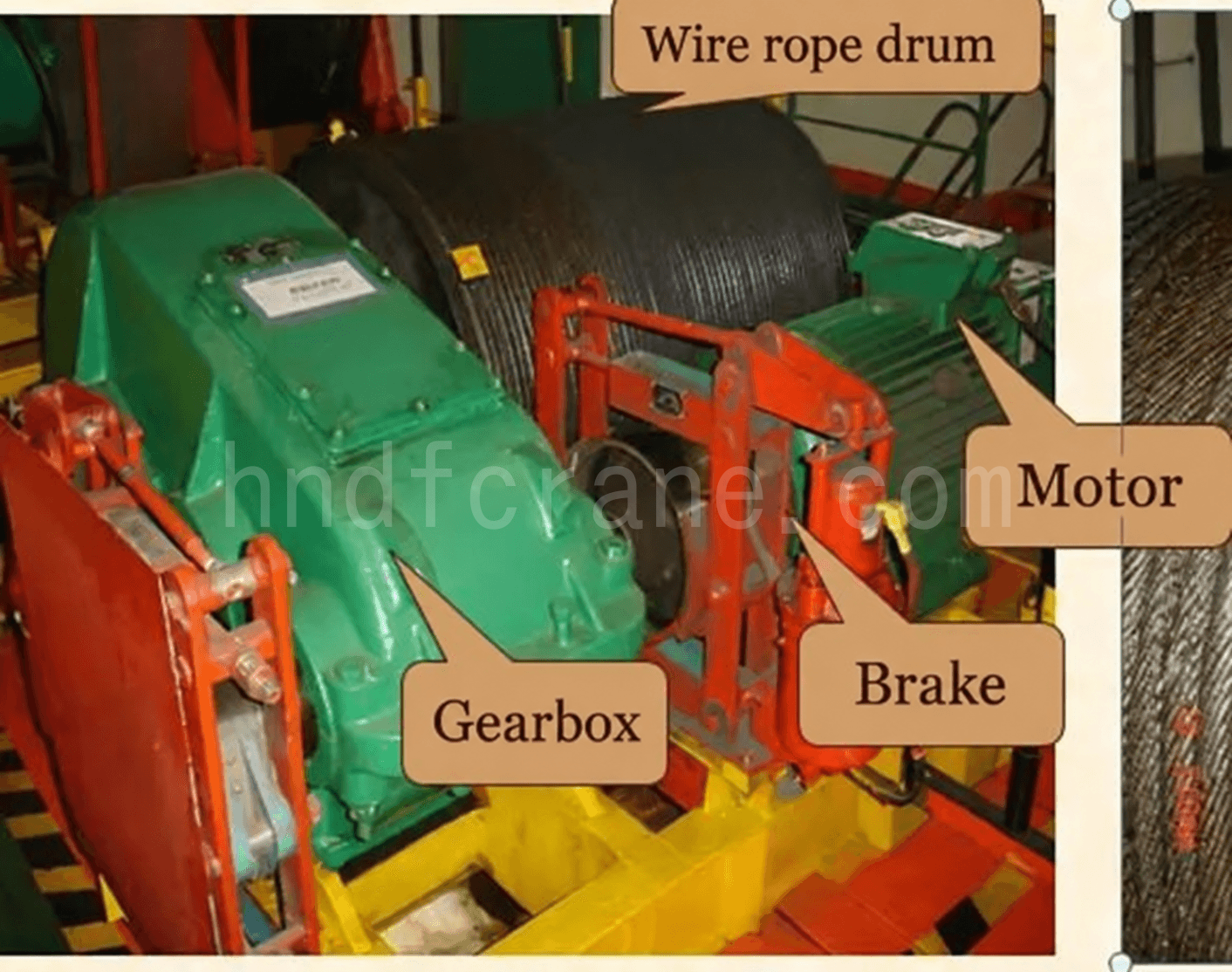
Overhead Crane Brake Types
A brake is an indispensable part of a crane. During lifting operations, it can hold the load at a fixed position in the air, slow down a moving mechanism, and finally stop the motion.
According to the operating state, brakes can be divided into normally closed brakes and normally open brakes. Cranes commonly use normally closed brakes. A normally closed brake remains engaged when the mechanism is not working. When the mechanism needs to run, the brake release device separates the friction pair so the mechanism can move.
Common overhead crane brakes include YWZ, YWZE, YWZB, YWL, and YWH AC electro-hydraulic block brakes. The YWL and YWH series have top-mounted thrusters and a compact structure, so they are often used in traveling mechanisms. Other common types include MW, JZ, TJ, and TZ AC electromagnetic block brakes, MWZ and ZWZ DC electromagnetic block brakes, and YPZ and YP AC electro-hydraulic disc brakes.
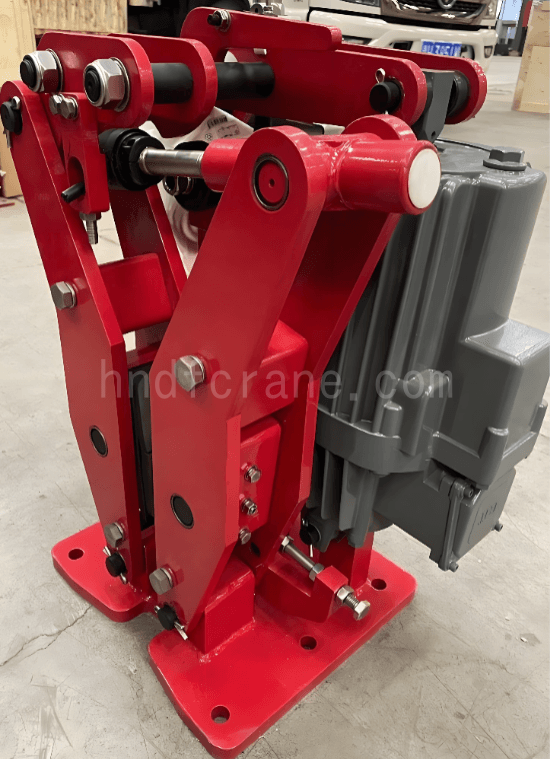
Depending on the application, a brake may also include manual release, automatic wear compensation, wear limit travel switches, and brake opening or closing limit switches.
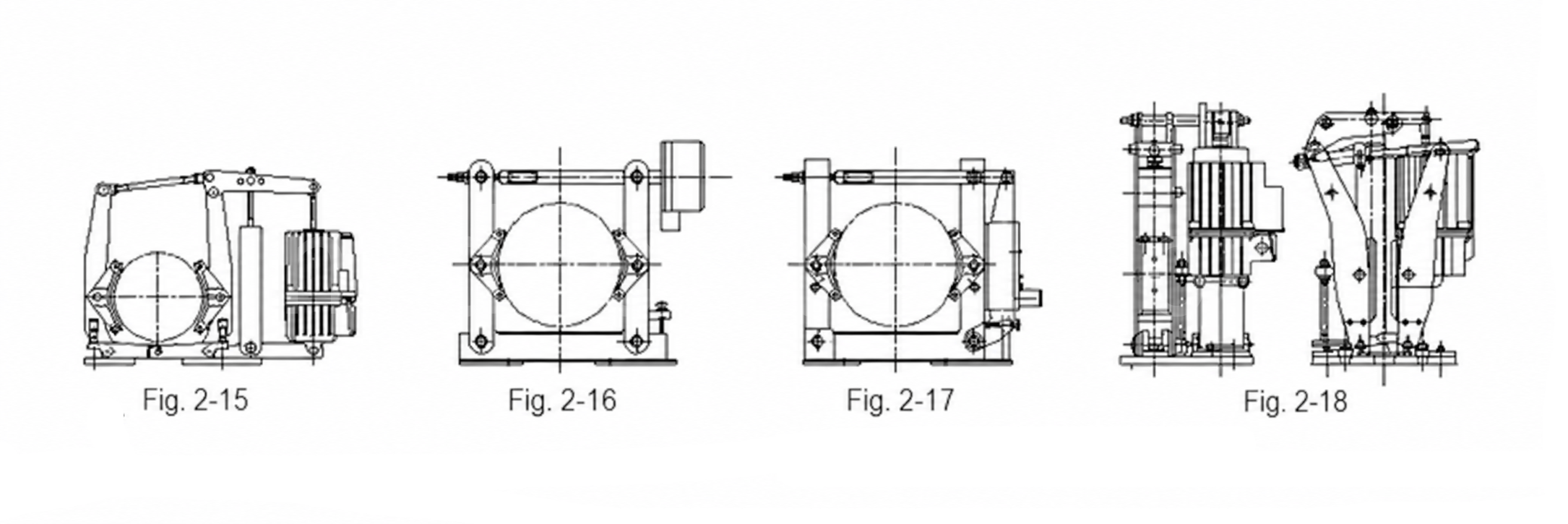
Fig. 2-15 shows the outline of a YWZ AC electro-hydraulic block brake. Fig. 2-16 shows a JZ AC electromagnetic block brake. Fig. 2-17 shows a ZWZ DC electromagnetic block brake. Fig. 2-18 shows a YPZ AC electro-hydraulic disc brake.
By structure, crane brakes can be divided into block brakes, band brakes, disc brakes, and other types.
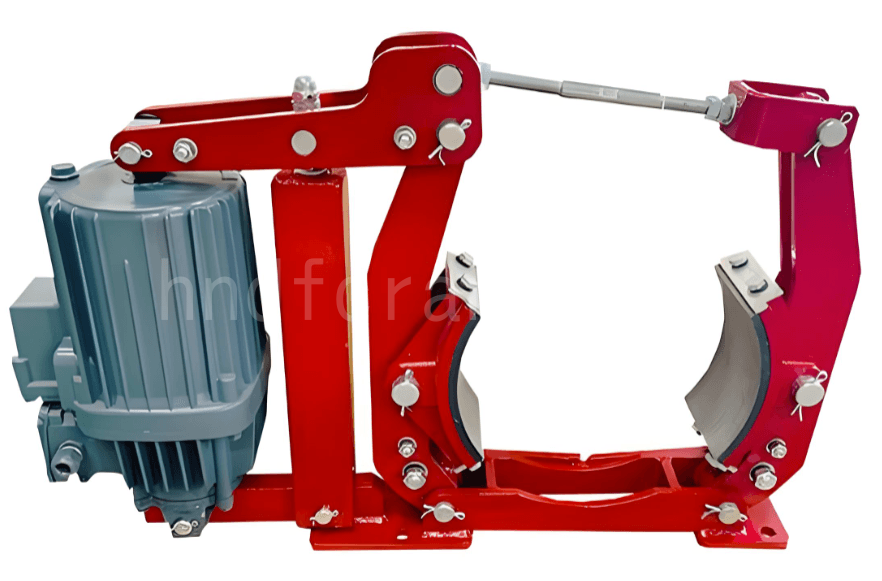
Block brakes feature a simple construction and are relatively easy to manufacture, install, and adjust. They are therefore the most widely used type of brake on cranes. Block brakes can be divided into the following types:
- Short-Stroke Block Brake: Short-stroke block brakes have a simple structure, light weight, and fast braking. Their disadvantages are high impact, high noise, short service life, low braking torque, and residual magnetism. They are not suitable for hoisting mechanisms.
- Long-Stroke Block Brake: Long-stroke block brakes have a larger stroke, fast braking, less residual magnetism, and better safety. Their disadvantages are relatively high impact and noise, short service life, more complex components, larger size and weight, and low efficiency.
- Electro-Hydraulic Block Brake: The electro-hydraulic block brake is usually composed of a brake frame, hydraulic electromagnet, and silicon rectifier. It offers smooth starting and braking, low noise, frequent switching capability, long service life, automatic wear compensation, compact structure, and convenient adjustment and maintenance.
- Electro-Hydraulic Thruster Drum Brake: The electro-hydraulic thruster drum brake provides smooth starting and braking with low noise. It is suitable for frequent operation and offers a long service life, constant thrust, compact construction, and convenient adjustment and maintenance.
Safety Requirements for Overhead Crane Brakes
- Power-driven cranes shall be equipped with brakes on the hoisting, luffing, slewing, and traveling mechanisms.
- The brakes of hoisting and luffing mechanisms shall be normally closed brakes.
- For mechanisms used to lift hot metal, flammable dangerous goods, or loads where failure may cause major danger or loss, each drive unit of the hoisting mechanism should be equipped with two brakes. Each brake should be able to independently hold the rated lifting capacity.
- For separately driven traveling mechanisms, the braking torque of each brake should be adjusted to the same level. This helps prevent bridge skewing and crane wheel rail gnawing.
- The safety factor of brakes installed on each mechanism should meet the applicable requirements.
- Under rated torque, the contact area between the lining of a block brake and the working surface of the brake drum should meet the following requirements:
- For molded brake linings, each lining should contact at least 50% of the designed contact area.
- For ordinary asbestos brake linings, each lining should contact at least 70% of the designed contact area.
- The brake should be properly adjusted, open and close flexibly, and brake smoothly and reliably. It should be checked during the crane load test.
- The friction surface of the brake drum should contact evenly. It must be free from defects or oil contamination that may affect braking performance.
- The brake drum temperature should generally not be more than 120°C above ambient temperature. During inspection, overheating can be judged by checking whether the brake lining is burnt or whether there is a burning smell.
- The brake drum should be installed correctly. Keys and connecting parts must not be loose.
Overhead Crane Brake Maintenance and Adjustment
Braking Travel
Braking travel is important for both crane operation and safety. If the traveling sliding distance is too short, braking may be too sudden, causing impact, load swing, bridge deformation, and component damage. If the sliding distance is too long, load positioning becomes inaccurate and accidents may occur.
Hook slip distance is even more important for the hoisting mechanism. When a loaded hook stops suddenly, the inertia force can cause main girder vibration and may create a short, sharp impact load on the wire rope. In severe cases, this may lead to wire rope breakage. If the hook slip distance is too long, the crane cannot work normally and the accident risk increases. Proper braking torque adjustment helps achieve a suitable hook slip distance.
Adjustment of the Electro-Hydraulic Thruster Drum Brake
For a hydraulic thruster shoe brake, the push rod working stroke should be adjusted first. While ensuring the minimum release clearance of the brake shoe, the hydraulic push rod stroke should be as small as possible. Loosen the lock nut, rotate diagonal rod 6, make the stroke of push rod 17 meet the technical requirements, and then tighten the nut again.
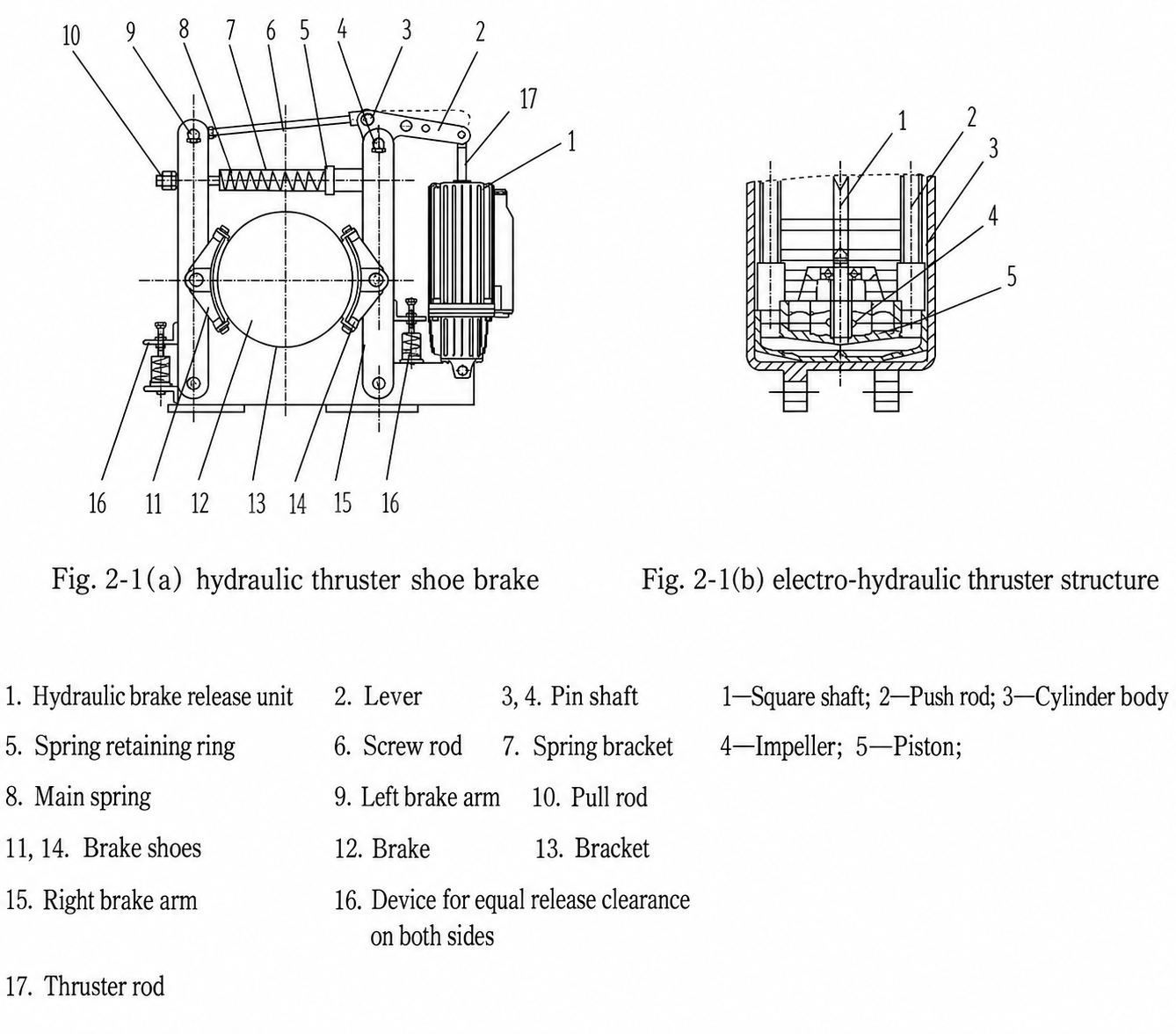
To adjust the main spring length, loosen the lock nut, hold the square head of pull rod 10 with a wrench, and rotate the nut. Compressing or extending main spring 8 changes the braking torque. Tighten the lock nut after adjustment.
To adjust the clearance between the brake shoe and the brake drum, first raise the push rod to the highest position. Loosen the lock nut of the automatic compensator, then rotate the adjusting screw until the clearance between the brake shoe and brake drum meets the requirement.
Brake Maintenance
Brake maintenance should include regular lubrication of all hinge points. Under normal conditions, lubricate them once a week. In high-temperature environments, lubricate them every three days. Do not allow lubricating oil to contact the friction lining or the brake drum.
Dirt between the brake band and the brake drum should be removed in time.
The oil in a hydraulic electromagnetic brake release thruster should be replaced every six months. If mechanical impurities are found in the oil, disassemble the release unit and clean all parts with gasoline. Do not wash the coil with gasoline. Before reassembly, soak the sealing ring in the new oil used for the release unit to prevent seal damage.

Ben Cindy, vinç sektöründe 10 yıllık çalışma deneyimim ve çok sayıda profesyonel bilgi birikimim var. 500'den fazla müşteri için tatmin edici vinçleri seçtim. Vinçlerle ilgili herhangi bir ihtiyacınız veya sorunuz varsa lütfen benimle iletişime geçmekten çekinmeyin, uzmanlığımı ve pratik deneyimimi kullanarak sorunu çözmenize yardımcı olacağım!
Sorgunuzu Gönderin
- E-posta: satış@hndfcrane.com
- Naber: +86 191 3738 6654
- Telgraf: +86 191 3738 6654
- Tel: +86-373-581 8299
- Faks: +86-373-215 7000
- Adres: Changnao Sanayi Bölgesi, Xinxiang Şehri, Henan Eyaleti, Çin
 WeChat
- Gezer Vinçler
- Çift Kirişli Gezer Vinçler
- Tek Kirişli Gezer Vinçler
- Avrupa Tipi Tek Kirişli Köprülü Vinçler
- Patlama Korumalı Gezer Vinçler
- Kepçeli ve Manyetik Gezer Vinçler
- Monoray Vinçler
- Dökümhane Vinçleri
- İş İstasyonu Vinçleri
- Pergel Vinçler
- Duvara Monte Pergel Vinçler
- Duvar Gezmeli Pergel Vinçler
- Serbest Daimi Pergel Vinçler
- Alüminyum Jib Vinçler: Kolay Kaldırma için Hafif, Düzgün Dönen Kol
- Dengeli Jib Vinçler: Kısa Mesafeli Mekanik Montaj İçin Verimli Hafif Kaldırma
- Manuel Serbest Duran Jib Vinçler: Sınırlı Alan Operasyonları için Verimli Manuel Kaldırma Çözümleri
- Elektrikli Serbest Duran Bomlu Vinçler: Yüksek Kapasiteli Hızlı Kaldırma İçin Tamamen Elektrikli Çözüm
- Mafsallı Bomlu Vinçler: Çift Kollu Esneklik ile Hassas Kaldırma
- Portal Vinçler
- Çift Kiriş Portal Vinçler
- Yarı Portal Vinçler
- Tek Kiriş Portal Vinçler
- Truss Portal Vinçler
- Konteyner Portal Vinçler
- Ayarlanabilir Portal Vinçler
- Portatif Portal Vinçler
- Avrupa Portal Vinçler
- endüstriler
- Genel İmalat
- Atık İşleme
- Prekast
- Güç
- Taş
- kağıt yapımı
- metal üretimi
- Köprü İnşaatı
- Liman Vinçleri: Konteyner ve Toplu Malzeme Elleçleme İçin
- Petrol ve Gaz Endüstrisi için Köprülü Vinçler: Operasyonel Verimliliği Artırın
- Gemilerde Verimli Kargo Yüklemesi için Deniz Vinçleri
- Otomotiv Endüstrisi için Köprülü Vinçler: Verimli Otomasyon Çözümleri
- Elektrikli Vinçler
- Elektrikli Halatlı Vinçler
- Elektrikli Zincirli Vinçler
- Avrupa Tipi Elektrikli Vinçler
- Avrupa Elektrikli Zincirli Vinçler: Düzgün Çalışma, Düşük Gürültü ve Enerji Verimliliği
- Manuel Kaldıraçlı Vinçler: Çekme ve Kaldırma Görevleri İçin İdeal
- El Zincirli Vinçler: Güç Olmayan Alanlar İçin Manuel Kaldırma
- Düşük Tavan Elektrikli Vinçler: Maksimum Alan Verimliliği için Kompakt Tasarım
- Pnömatik Zincirli Vinçler: Endüstriyel Kullanım İçin Sorunsuz Kullanım
- Patlamaya Dayanıklı Manuel Zincirli Vinçler: Tehlikeli Alanlar İçin Kıvılcım Çıkarmayan Bakır Alaşımlı Yapı
- Tehlikeli Alanlarda Kaldırma İşlemleri İçin Patlamaya Dayanıklı Elektrikli Zincirli Vinçler
- Hakkında
- Vakalar
- Haberler
- SSS
- İndirmek
- Bloglar
- Çevrimiçi Vinç Tekerlek Yükü Hesaplama Araçları
- SG Panoraması
- Bize Ulaşın
- E-posta: satış@hndfcrane.com
- Naber: +86 191 3738 6654
- Telgraf: +86 191 3738 6654
- Tel: +86-373-581 8299
-