
-
Industries
-
General Manufacturing
-
Waste Handling
-
Precast
-
Power
-
Stone
-
Papermaking
-
Metal Production
-
Bridge Construction
-
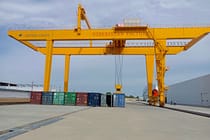
Port Cranes: For Container and Bulk Material Handling
-
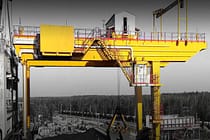
Overhead Cranes for Petroleum and Gas Industry: Enhance Operational Efficiency
-
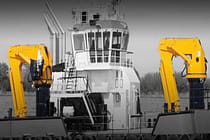
Marine Cranes for Efficient Cargo Loading on Ships
-
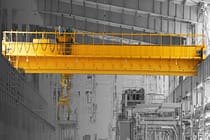
Overhead Cranes for the Automotive Industry: Efficient Automation Solutions
-
Overhead Crane Solutions for Railways: Track Laying, Rolling Stock Maintenance, and Container Handling
-
Overhead Cranes for Food and Beverages: Reliable Solutions for Efficient Handling
-
Overhead Cranes for Efficient Cement, Glass, Brick and Precast Concrete Manufacturing
-
Overhead Cranes for Aviation Industry: Aircraft Maintenance and Assembly
-
Aerospace Overhead Cranes: Precision Lifting for Rocket Launch and Transport
-
-
Products
-
Overhead Cranes
-
Single Girder Overhead Cranes
-
Double Girder Overhead Cranes
-
European Type Single Girder Overhead Cranes
-
European Type Double Girder Overhead Cranes
-
Explosion Proof Overhead Cranes
-
Grab And Magnetic Overhead Cranes
-
Monorail Cranes
-
Foundry Overhead Cranes
-
Workstation Cranes
-
Insulation Overhead Cranes
-
Low Headroom Overhead Cranes
-
Grab Overhead Cranes
-
Ladle Overhead Cranes
-
Underhung Overhead Cranes
-
Electromagnetic Overhead Cranes
-
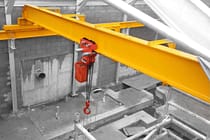
Manual Overhead Cranes
-
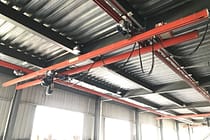
Ceiling Mounted Bridge Crane
-
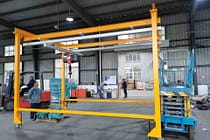
Free Standing Workstation Bridge Cranes
-
-
Gantry Cranes
-
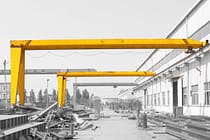
Semi Gantry Cranes
-
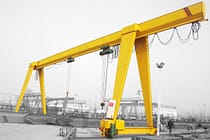
Single Girder Gantry Cranes
-
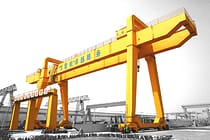
Double Girder Gantry Cranes
-
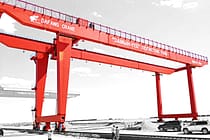
Container Gantry Cranes
-
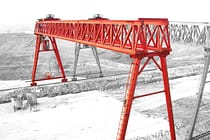
Truss Gantry Cranes
-
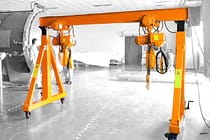
Adjustable Gantry Cranes
-
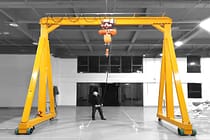
Portable Gantry Cranes
-
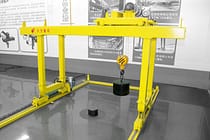
European Gantry Cranes
-
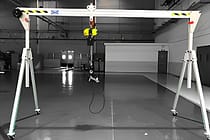
Aluminum Gantry Cranes
-
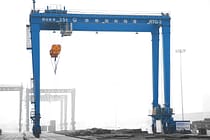
Rubber Tyred Container Gantry Cranes
-
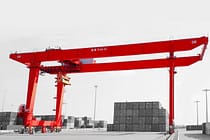
Rail Mounted Container Gantry Cranes
-
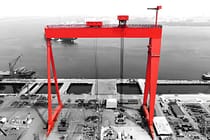
Shipyard Gantry Crane
-
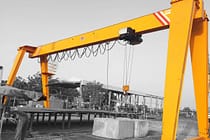
European Single Girder Gantry Cranes
-
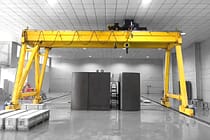
European Double Girder Gantry Cranes
-
- Jib Cranes
- Special Cranes
- Electric Hoists
- Transfer Carts
-
Overhead Cranes
-
Crane Parts
-
Grab Buckets
-
Electric Stainless Steel Grab Bucket
-
Mechanical Four Rope Orange Peel Grabs
-
Mechanical Four Rope Clamshell Grabs Bucket
-
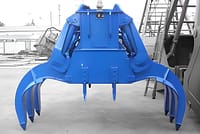
Electro Hydraulic Rectangular Grabs
-
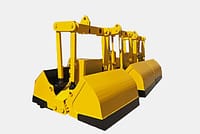
Electro hydraulic Clamshell Grabs
-
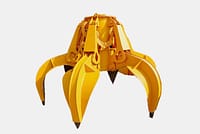
Electro Hydraulic Orange Peel Grabs,Hydraulic Cactus Grab
-
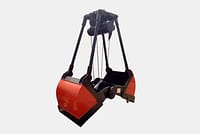
Electric Motor Grab
-
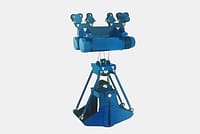
Electric Monorail Grab Bucket with Monorail Hoist
-
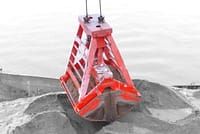
Remote Control Clamshell Grabs
-
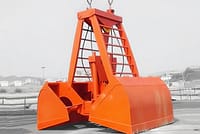
Mechanical Two Rope Clamshell Grabs
-
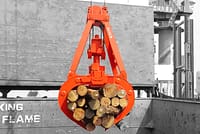
Timber Grabs
-
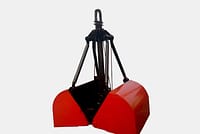
Single Rope Grab Bucket
-
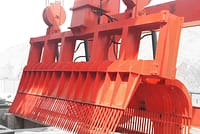
Trash Rack Cleaning Machines
-
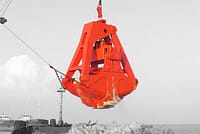
Dredging Grabs
-
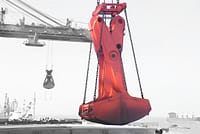
Trimming Grabs
-
- Crane Spreader
-
Crane Spare Parts
-
Wire Rope Sheaves
-
Crane Rope Drum
-
Crane Trolley
-
Electric Winch
-
Crane Operator Cabin
-
Overhead Crane Brakes
-
Overhead Crane Cables
-
Overhead Crane Rope Guides
-
Overhead Crane Conductors and Power Supply Lines
-
Overhead Crane Rails
-
Hand Chain Hoists
-
Manual Lever Hoists
-
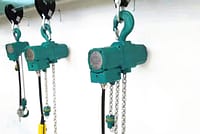
Pneumatic Chain Hoists
-
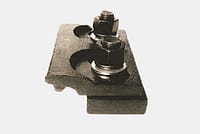
Overhead Crane Rail Clips
-
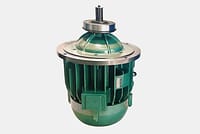
Overhead Crane Motors
-
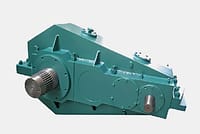
Overhead Crane Reducers
-
Couplings for Overhead Crane
-
- Crane Wheels
-
Grab Buckets
- Company
- Contact

-
Industries
-
General Manufacturing
-
Waste Handling
-
Precast
-
Power
-
Stone
-
Papermaking
-
Metal Production
-
Bridge Construction
-
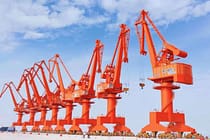
Port Cranes: For Container and Bulk Material Handling
-
Overhead Cranes for Petroleum and Gas Industry: Enhance Operational Efficiency
-
Marine Cranes for Efficient Cargo Loading on Ships
-
Overhead Cranes for the Automotive Industry: Efficient Automation Solutions
-
Overhead Crane Solutions for Railways: Track Laying, Rolling Stock Maintenance, and Container Handling
-
Overhead Cranes for Food and Beverages: Reliable Solutions for Efficient Handling
-
Overhead Cranes for Efficient Cement, Glass, Brick and Precast Concrete Manufacturing
-
Overhead Cranes for Aviation Industry: Aircraft Maintenance and Assembly
-
Aerospace Overhead Cranes: Precision Lifting for Rocket Launch and Transport
-
-
Products
-
Overhead Cranes
-
Single Girder Overhead Cranes
-
Double Girder Overhead Cranes
-
European Type Single Girder Overhead Cranes
-
European Type Double Girder Overhead Cranes
-
Explosion Proof Overhead Cranes
-
Grab And Magnetic Overhead Cranes
-
Monorail Cranes
-
Foundry Overhead Cranes
-
Workstation Cranes
-
Insulation Overhead Cranes
-
Low Headroom Overhead Cranes
-
Grab Overhead Cranes
-
Ladle Overhead Cranes
-
Underhung Overhead Cranes
-
Electromagnetic Overhead Cranes
-
Manual Overhead Cranes
-
Ceiling Mounted Bridge Crane
-
Free Standing Workstation Bridge Cranes
-
-
Gantry Cranes
-
Semi Gantry Cranes
-
Single Girder Gantry Cranes
-
Double Girder Gantry Cranes
-
Container Gantry Cranes
-
Truss Gantry Cranes
-
Adjustable Gantry Cranes
-
Portable Gantry Cranes
-
European Gantry Cranes
-
Aluminum Gantry Cranes
-
Rubber Tyred Container Gantry Cranes
-
Rail Mounted Container Gantry Cranes
-
Shipyard Gantry Crane
-
European Single Girder Gantry Cranes
-
European Double Girder Gantry Cranes
-
- Jib Cranes
- Special Cranes
- Electric Hoists
- Transfer Carts
-
Overhead Cranes
-
Crane Parts
-
Grab Buckets
-
Electric Stainless Steel Grab Bucket
-
Mechanical Four Rope Orange Peel Grabs
-
Mechanical Four Rope Clamshell Grabs Bucket
-
Electro Hydraulic Rectangular Grabs
-
Electro hydraulic Clamshell Grabs
-
Electro Hydraulic Orange Peel Grabs,Hydraulic Cactus Grab
-
Electric Motor Grab
-
Electric Monorail Grab Bucket with Monorail Hoist
-
Remote Control Clamshell Grabs
-
Mechanical Two Rope Clamshell Grabs
-
Timber Grabs
-
Single Rope Grab Bucket
-
Trash Rack Cleaning Machines
-
Dredging Grabs
-
Trimming Grabs
-
- Crane Spreader
-
Crane Spare Parts
-
Wire Rope Sheaves
-
Crane Rope Drum
-
Crane Trolley
-
Electric Winch
-
Crane Operator Cabin
-
Overhead Crane Brakes
-
Overhead Crane Cables
-
Overhead Crane Rope Guides
-
Overhead Crane Conductors and Power Supply Lines
-
Overhead Crane Rails
-
Hand Chain Hoists
-
Manual Lever Hoists
-
Pneumatic Chain Hoists
-
Overhead Crane Rail Clips
-
Overhead Crane Motors
-
Overhead Crane Reducers
-
Couplings for Overhead Crane
-
- Crane Wheels
-
Grab Buckets
- Company
- Contact



Overhead Crane vs Gantry Crane: 3 Key Differences and How to Choose
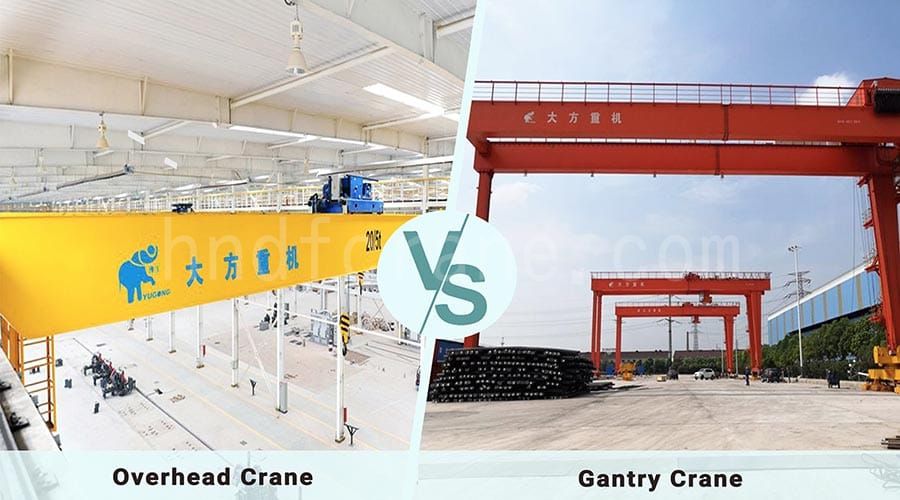
Table of Contents
When selecting lifting equipment for an industrial facility, one of the most common questions buyers face is whether an overhead crane or a gantry crane is the better solution. Although both are designed for material handling, they differ significantly in structure, installation requirements, cost, and application scenarios. Choosing the wrong type can result in higher project costs, inefficient space utilization, or operational limitations over time.
This article is written to provide a clear and practical comparison between overhead cranes and gantry cranes. By analyzing their key differences and typical use cases, we aim to help buyers, engineers, and project managers make informed decisions based on actual operating conditions, not assumptions. Whether you are planning a new facility or upgrading existing equipment, this guide will support you in selecting the right crane solution.
1. Structural Design Differences Between Overhead and Gantry Cranes
Although overhead cranes and gantry cranes may appear similar in lifting function, their engineering logic differs fundamentally at the structural level. Understanding how each crane transfers loads and interacts with its surrounding environment is essential for making the right selection. The following section highlights the core structural distinctions that define their performance, stability, and suitability across different operating conditions.
Overhead Crane Structural Key Advantage: Building Supported, Space-Efficient Design
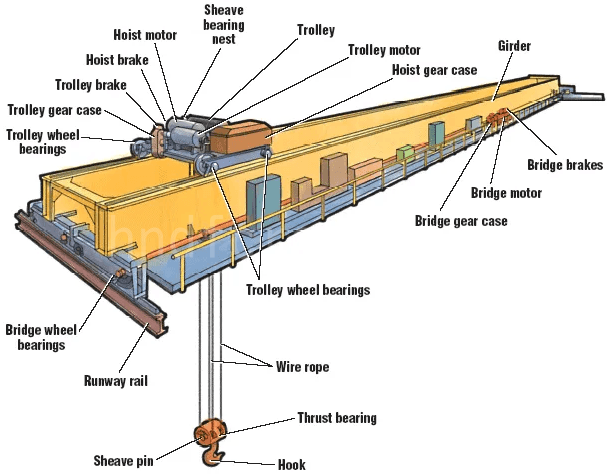
Overhead cranes are lifting systems installed at elevated positions inside workshops, warehouses, and industrial facilities for efficient material handling. The crane runs on overhead rails or tracks typically mounted on building walls or columns, with the hoisting mechanism suspended from the bridge structure. As overhead cranes rely on the building structure for support, they offer excellent operational stability and integrate seamlessly with fixed production lines and material flow systems.
Structurally, an overhead crane consists of a main girder, motors, winches or electric hoists, traveling mechanisms for both bridge and trolley, hooks, and braking systems. Depending on lifting requirements, overhead cranes are available in single girder and double girder configurations, with double-girder designs commonly used for heavy duty and high duty cycle applications. The main girder is usually designed as a box girder or truss girder: box girders feature a hollow, closed-section structure that provides superior strength and rigidity, while truss girders are fabricated from welded structural steel sections, offering reduced self-weight with adequate load-bearing capacity. By operating above ground level, overhead cranes maximise the utilisation of floor space beneath the bridge without interference from ground equipment.
Overhead cranes are supported by the building structure, with loads transferred through runway beams to columns and foundations. This elevated, building-integrated design allows lifting operations to take place without occupying ground space, making overhead cranes particularly suitable for workshops with dense equipment layouts and fixed production lines.
Because the crane operates above floor level, material handling is highly efficient and unobstructed, enabling seamless integration with continuous and repetitive workflows. In addition, the absence of ground rails eliminates interference with vehicles, personnel, and floor-mounted equipment.
Structural Limitation
The primary limitation of an overhead crane lies in its dependence on the building structure. If the workshop was not originally designed to support crane runways, additional structural reinforcement may be required. Once installed, the crane span, travel path, and service area are largely fixed, limiting flexibility for future layout changes.
Gantry Crane Structural Key Advantage: Leg-Supported, Self-Supporting Structure
Gantry cranes are lifting systems commonly used for project-based installations and heavy-duty handling applications where sufficient ground space is available. They are particularly suitable for lifting exceptionally heavy or oversized loads and are widely applied in outdoor environments such as shipyards, construction sites, power stations, and material yards where overhead building support cannot be provided.
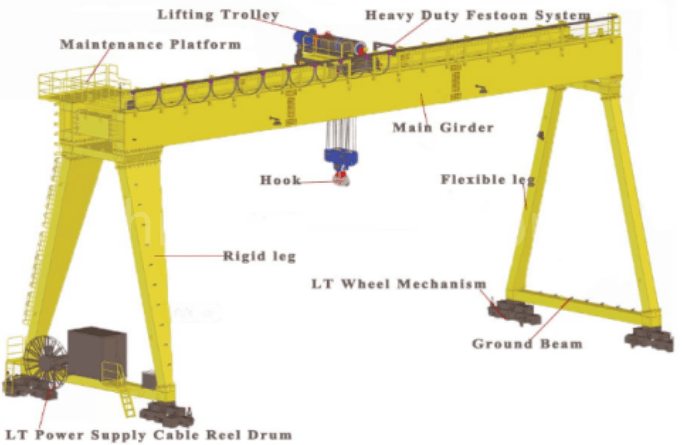
Structurally, a gantry crane consists of a main girder, rigid and/or flexible legs, a hoisting mechanism, bridge and trolley travel systems, and a cable reel. The defining structural feature of a gantry crane is its supporting legs, which transfer loads directly to the ground rather than to a building. This makes gantry cranes structurally independent, allowing them to operate in environments where overhead runways are unavailable, impractical, or too costly to install.
Thanks to this leg-supported design, gantry cranes can be deployed indoors or outdoors, installed on ground rails or wheels, and relocated more easily than overhead cranes. This structural independence provides exceptional adaptability for project-based operations, temporary installations, and large open work areas.
Structural Limitation
The same leg structure that gives gantry cranes flexibility also introduces trade-offs. Ground rails and foundations may be required, increasing civil works and site preparation. The crane legs occupy floor space, potentially interfering with ground traffic and reducing usable working area beneath the crane compared to overhead systems.
2. Application Differences Across Industries for Overhead and Gantry Cranes
Overhead cranes and gantry cranes are widely used across different industries, but their application logic is not interchangeable. Structural form, support method, and installation conditions directly determine where each crane type performs best. In the following section, we present industry-specific application images of overhead and gantry cranes, clearly labeled by industry, to illustrate how each crane type aligns with distinct operational environments and usage requirements in real projects.
Overhead Cranes Application Industry
Across industrial applications, overhead cranes are more commonly deployed in indoor environments, where building structures can support crane runways and stable, repetitive lifting operations are required. Typical applications include production workshops, steel processing lines, automotive manufacturing, pharmaceutical plants, and other enclosed facilities where space utilisation, workflow integration, and operational continuity are critical.
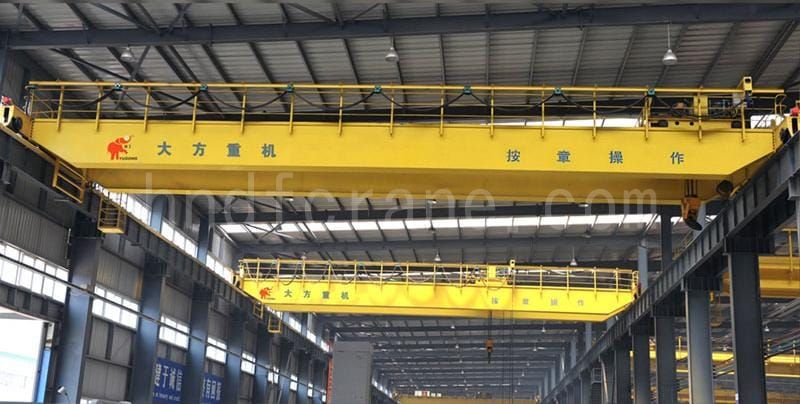
Industrial Workshop Production
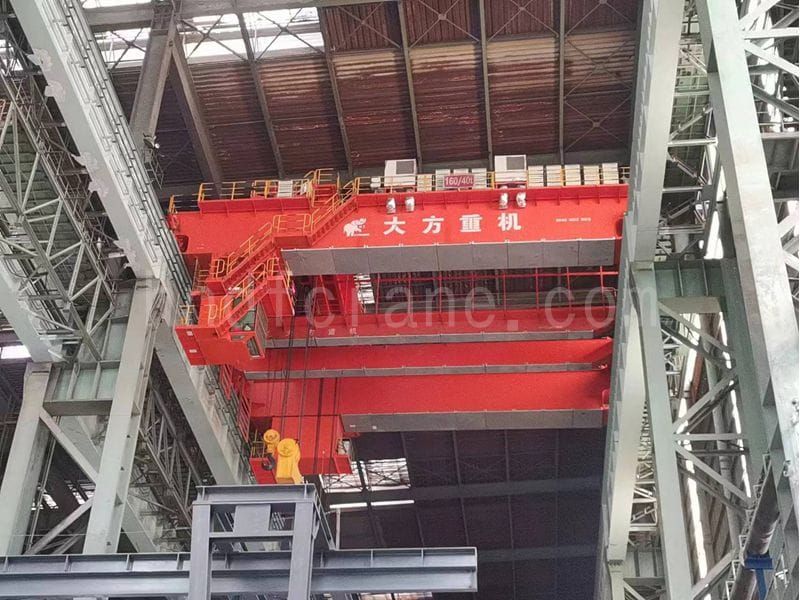
Steel Industry
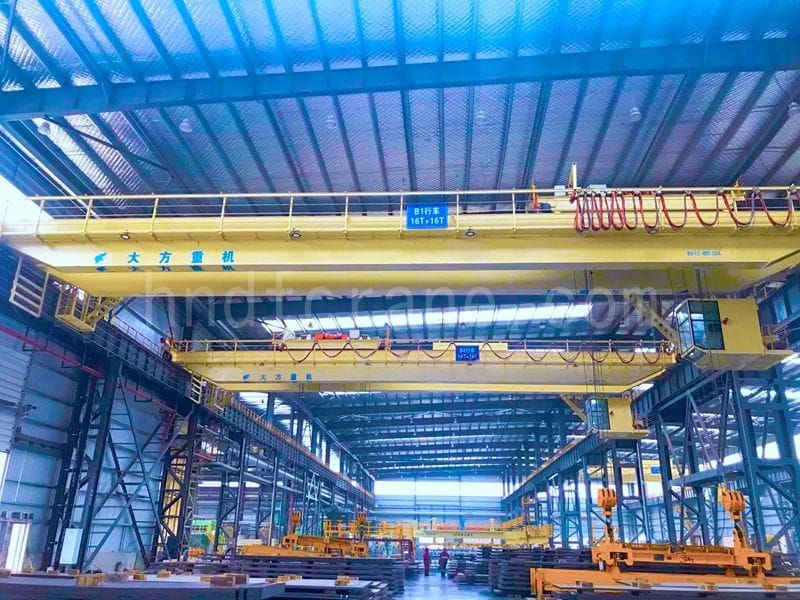
Steel Rolling Industry
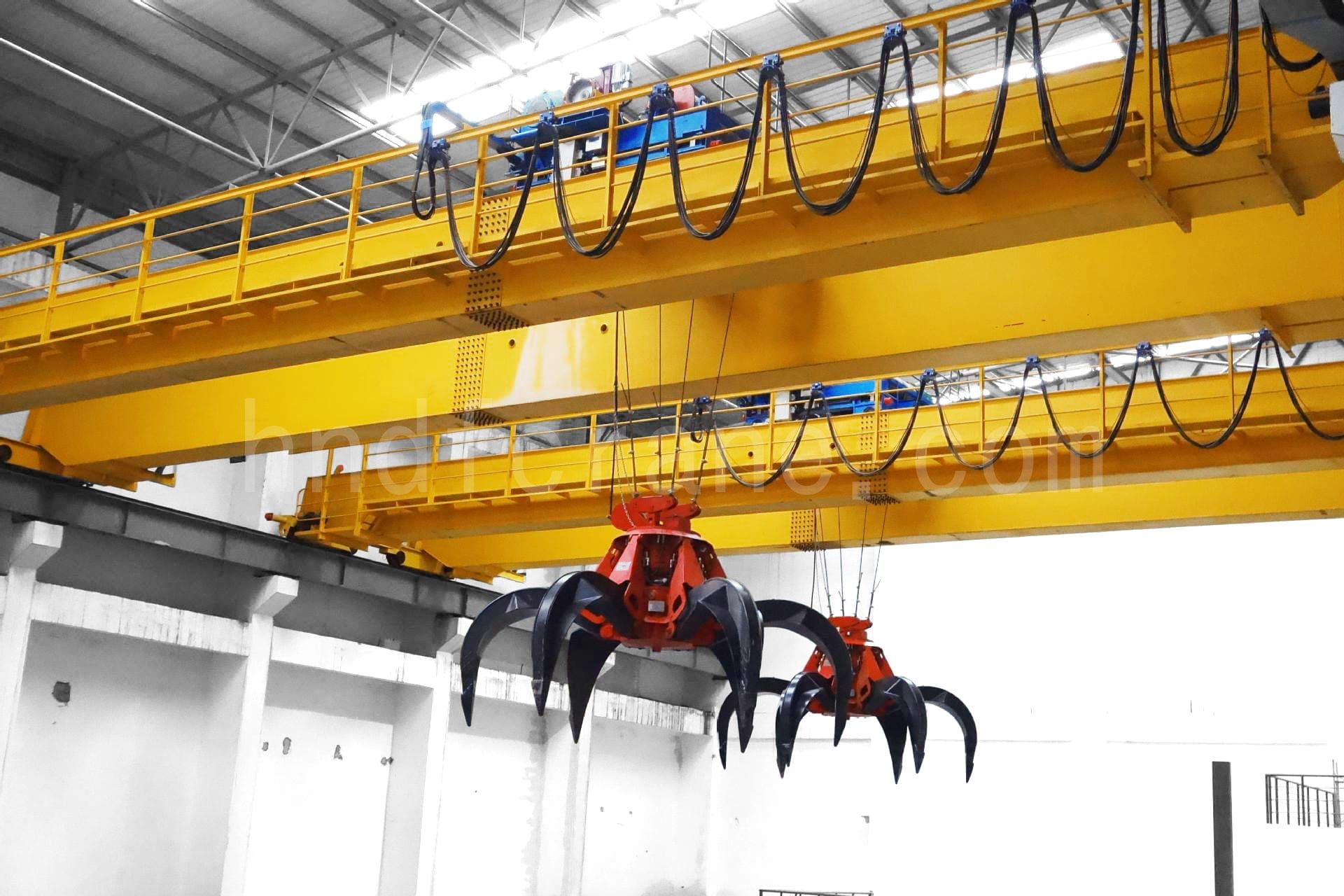
Waste Handling Industry
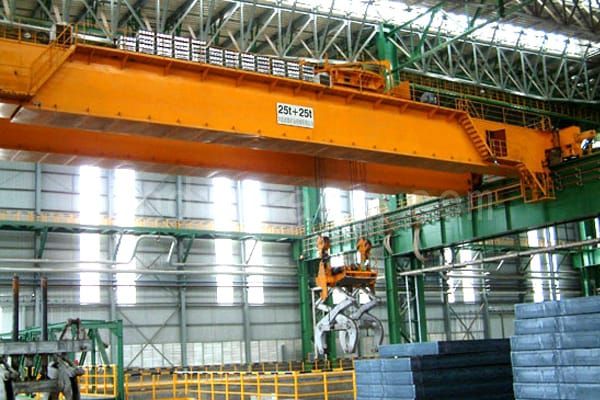
Steel Slabs, Profiles Handling Industry
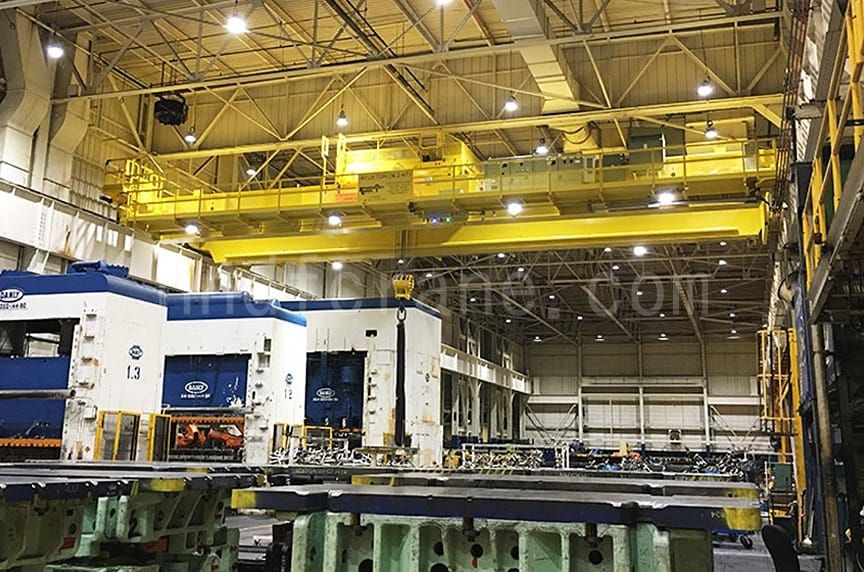
Automotive Industry
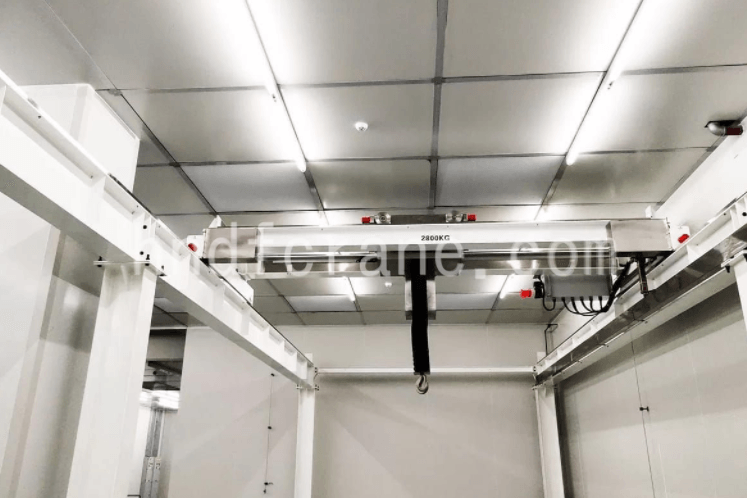
Pharmaceutical Industry
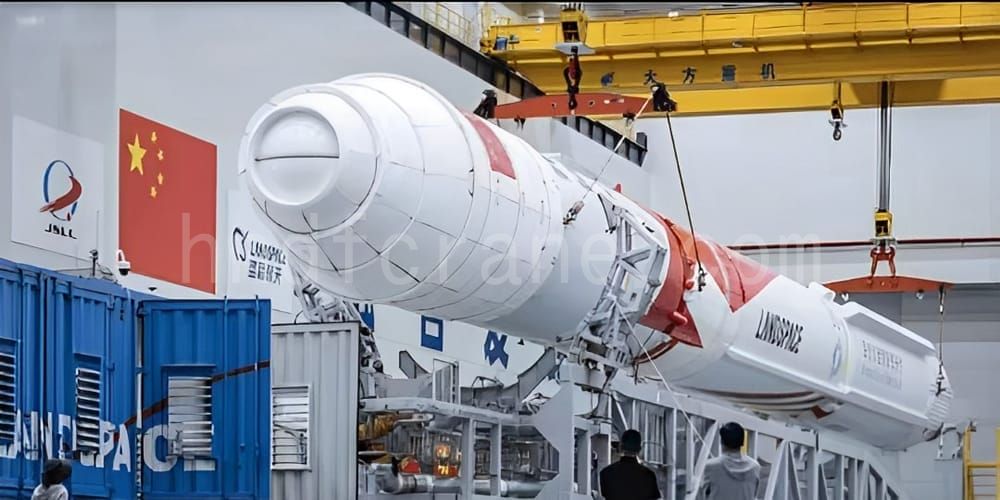
Aerospace Industry
Gantry Cranes Application Industry
Gantry cranes are predominantly applied in outdoor and semi-open environments where large components, long spans, and heavy loads must be handled without relying on building structures. Typical examples include prefabrication yards, precast concrete plants, rolling mill material yards, shipbuilding facilities, container terminals, and petroleum and gas installations.
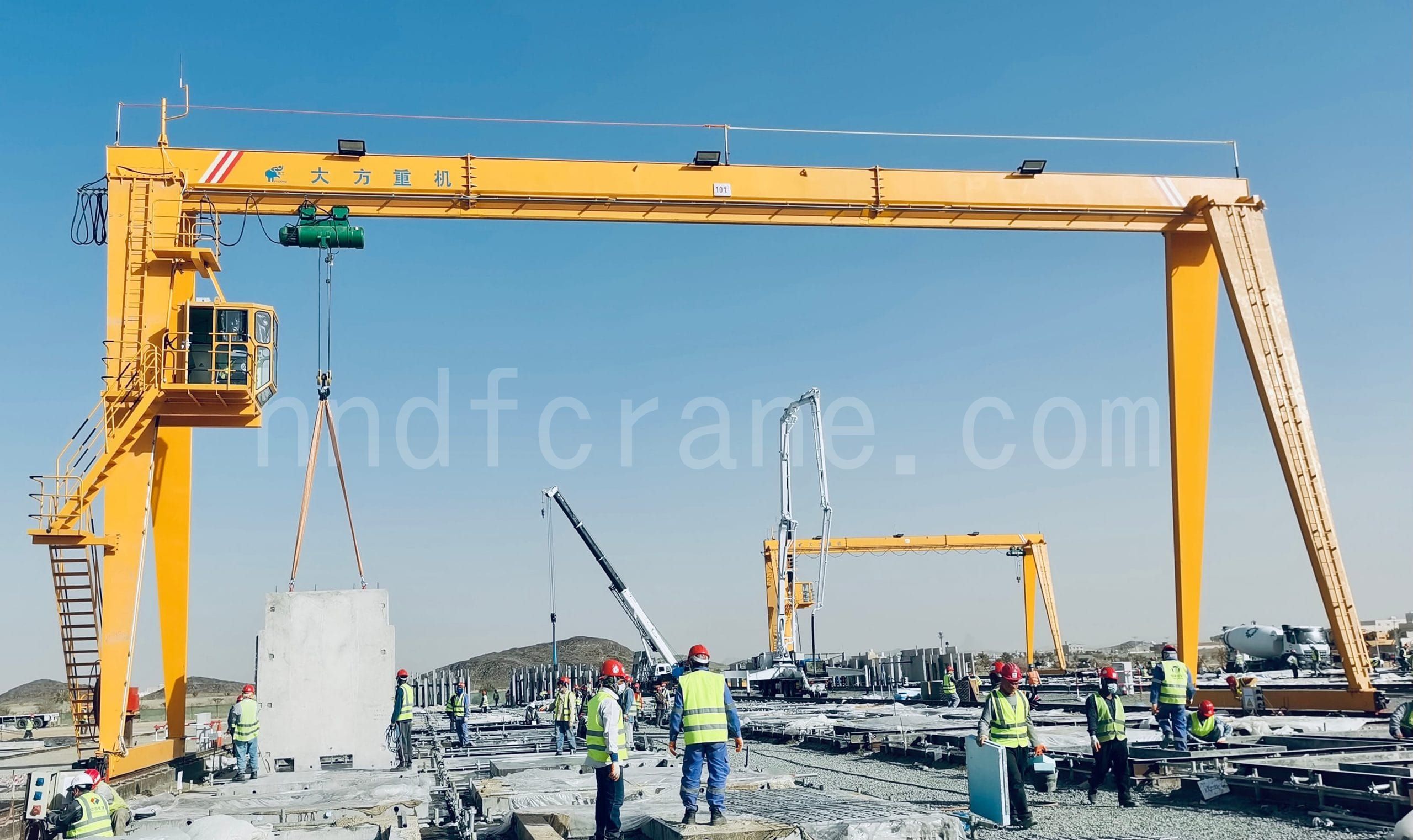
Prefabrication Industry
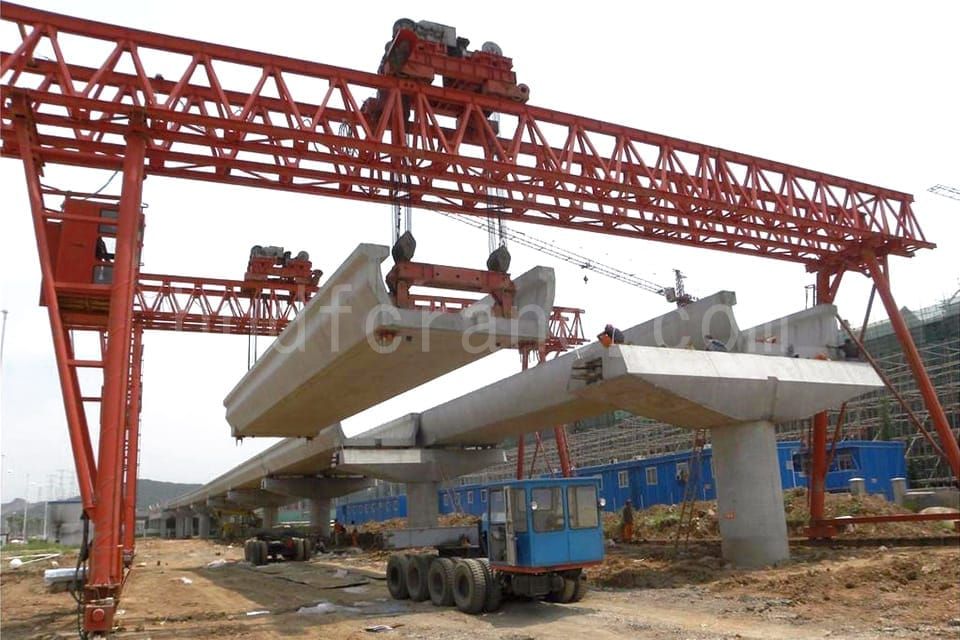
Precast Concrete Industry
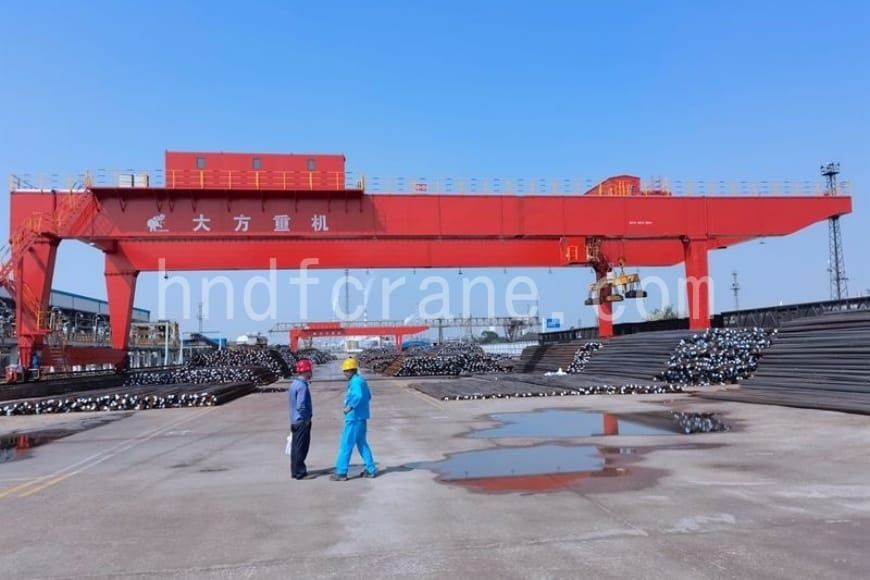
Material Handling in Rolling Mills
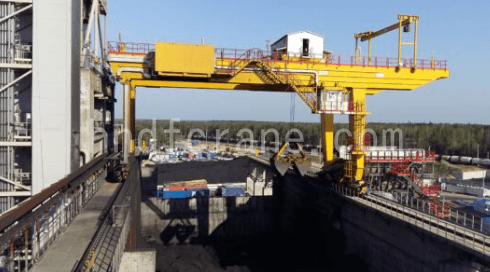
Petroleum and Gas Industry
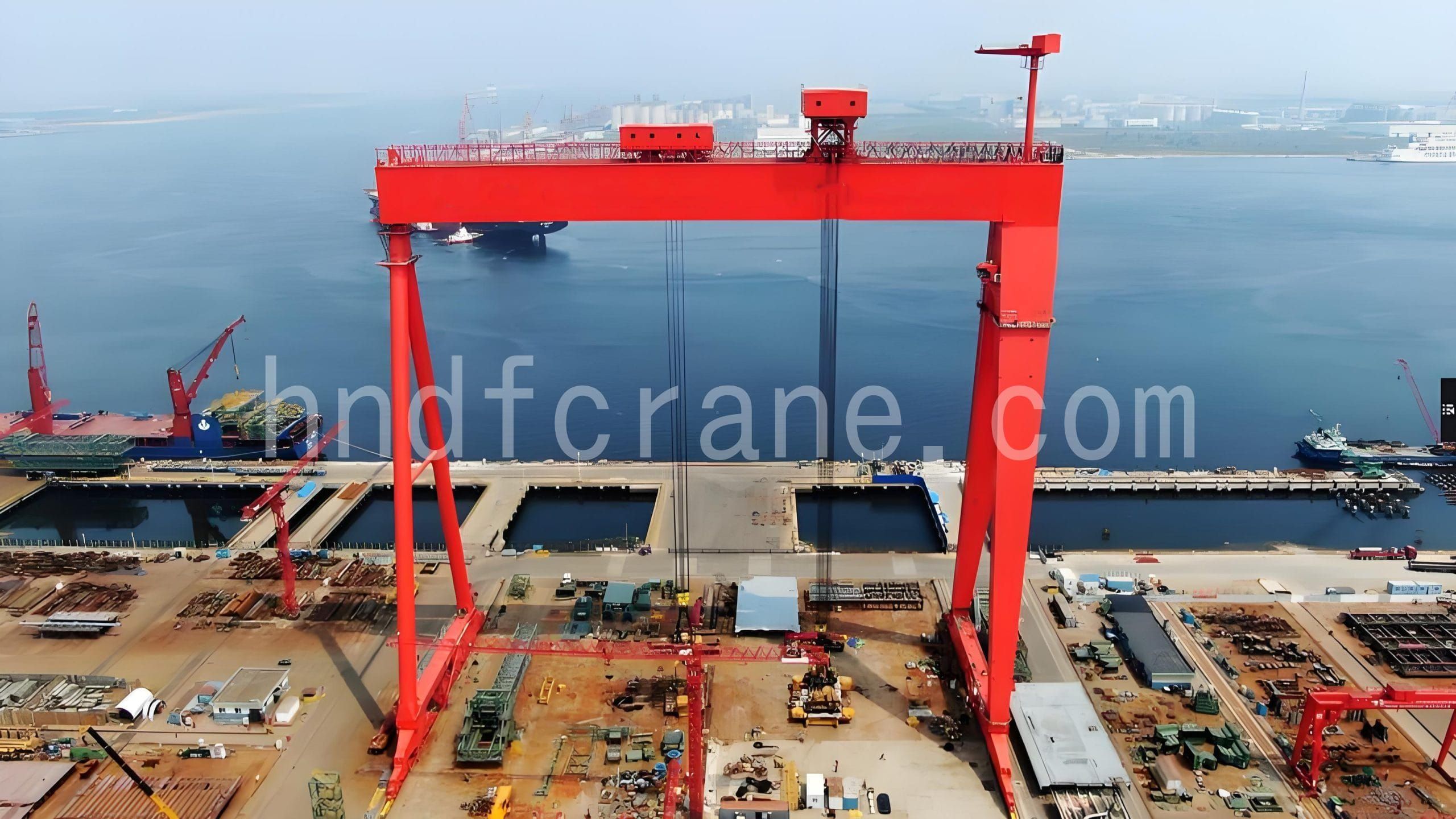
Shipbuilding Industry
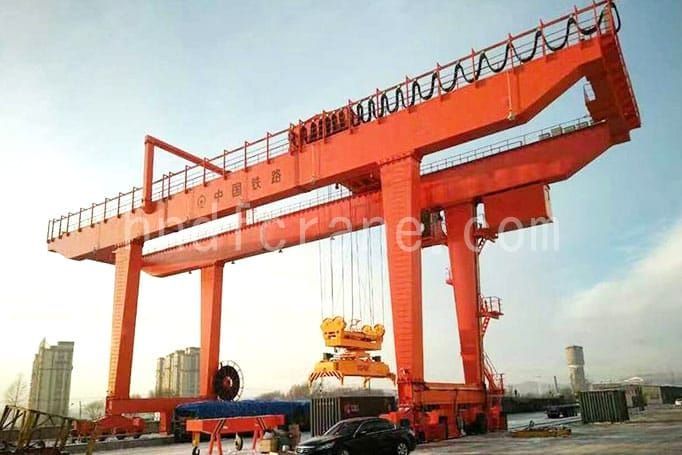
Container Transportation Industry
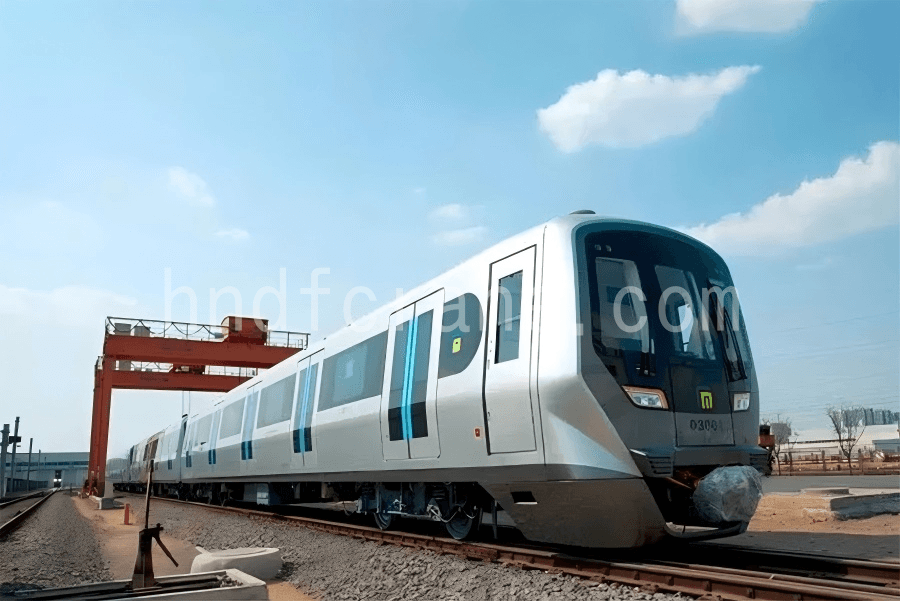
Railway Industry
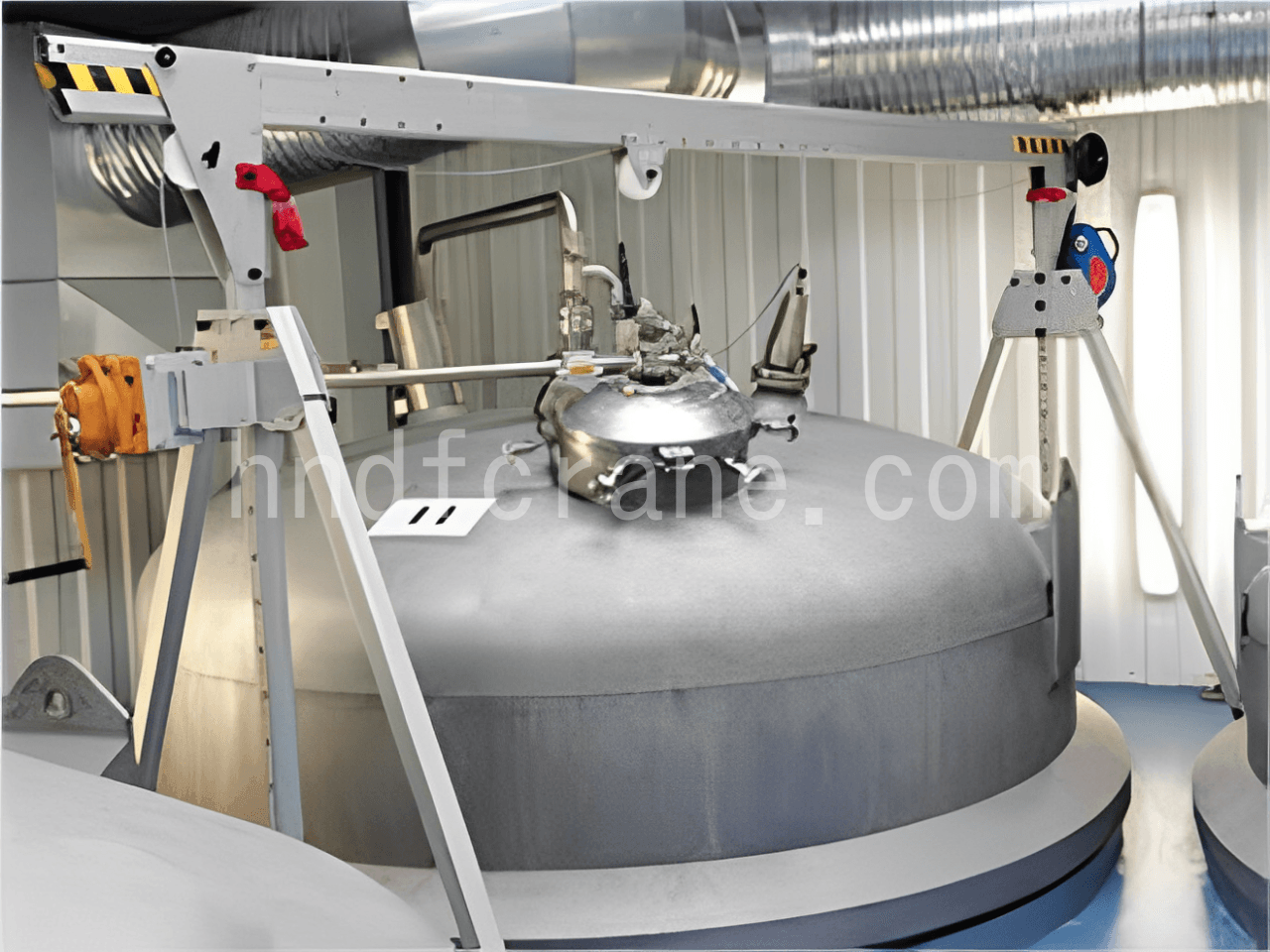
Clean Room Industry
3.Cost Comparison for Overhead and Gantry Cranes
In real-world projects, the total cost of a crane system cannot be judged by crane type alone. Factors such as installation environment, structural conditions, foundation work, and protection requirements often have a greater impact on overall investment than the equipment itself. To provide a more practical and objective comparison, Dafang Crane presents two real projects involving an overhead crane and a gantry crane with the same rated lifting capacity, helping illustrate how application conditions shape total project cost.
| Crane Type | LD Single Girder Overhead Crane | MH Single Girder Gantry Crane |
|---|---|---|
| Application scenario | Used in Hydropower Stations | Used in Hydropower Stations |
| Capacity | 10t | 10t |
| Span | 28.5m | 28.5m |
| Lifting height | 10m | 10m |
| Work level | A4 | A4 |
| Rated voltage | AC 380V | AC 380V |
| Prices/USD | 11161 | 26657 |
| Load Transfer Path | Loads are transferred to the building columns and foundations | Loads are fully transferred to the ground through gantry legs |
| Dependency on Building Structure | High (advantageous when the structure is crane-ready) | Low (structurally independent system) |
The height of the plant of this project is 14 meters. Both the LD type 10 ton single girder overhead crane and the MH type 10 ton single girder gantry crane can be used in the plant of the hydropower station, and both meet the requirements of use at the technical level.
The two schemes are exactly the same in terms of rated lifting weight, span (28.5m), lifting height, voltage and usage scenarios. On this basis, the difference between the two is mainly reflected in the cost composition method, not the lifting capacity itself. From a price point of view, the advantage of bridge cranes comes from the use of plant structures. The lifting load is directly transmitted to the plant column and foundation through the track beam, without the need to set up ground tracks and supporting civil engineering, so that the scope of the project is mainly concentrated in the equipment supply and installation links. Therefore, under the same operating conditions, the overall investment in bridge machinery is significantly lower. In this case, the price of bridge crane equipment is US 11161, which is more suitable for a fixed, long-term indoor maintenance environment.
In contrast, even in the same plant, gantry cranes still need to transfer the load to the ground P38 track through outriggers, which means that the ground rail system, foundation construction and more steel structural parts must be configured. These factors directly drove up the cost of equipment manufacturing and installation, so that the price of gantry cranes under the same conditions reached US 26657, which was significantly higher than that of overhead cranes.
Taken together, under the premise that the height and structural conditions of the plant permit, overhead cranes can achieve the same operating goals at a lower price, which is a more cost-effective solution; while gantry cranes exchange higher costs for structural freedom and engineering flexibility, which are suitable for projects with construction restrictions or future changing needs.
Selecting the Best Crane Solution for Your Operating Environment
Choosing between an overhead crane and a gantry crane should be based on structural conditions, application environment, and total project cost, rather than crane type alone. From an engineering perspective, the decision can be clearly understood through the following three dimensions:
1. Structural Logic: Support Method Determines Feasibility
The fundamental structural difference lies in how the load is supported. An overhead crane transfers loads through runway beams into the building columns and foundations, making it highly dependent on the workshop structure. A gantry crane, by contrast, is a leg-supported, self-bearing system, with loads transferred directly to ground rails or foundations. This structural independence allows gantry cranes to operate where buildings cannot support crane runways or where structural modification is impractical.
2. Application Environment: Indoor Efficiency vs. Outdoor Flexibility
In practice, overhead cranes are more commonly used indoors. Gantry cranes are more frequently applied outdoors or in semi-open areas. That said, this distinction is not absolute. Gantry cranes can be used indoors under specific conditions, and overhead cranes may be adapted for outdoor use when protected structures and duty classifications allow. The operating environment and duty requirements ultimately define suitability.
3. Cost Perspective: Total Project Cost Over Equipment Price
From a cost standpoint, crane selection should focus on total project investment, not just the crane price.
Overhead cranes may involve higher initial structural coordination but often deliver lower lifecycle costs in fixed, high-utilization indoor facilities. Gantry cranes typically require ground rails, foundations, and environmental protection measures, which can increase upfront investment but offer flexibility and structural independence where building conditions are limiting.
Why Choose Dafang Crane for Your Lifting Solutions
- Established Expertise: Founded in 2006 with a registered capital of 84.65 million USD, Dafang Crane has over 18 years of experience in crane manufacturing.
- Advanced Manufacturing Base: 1,053,000 m² intelligent production facility with automated systems ensures reliable and timely delivery.
- Global Reach: Exported to over 100 countries with 130+ international after-sales service centers.
- Proven Performance: In 2024, annual sales reached 500 million USD, with more than 80,000 cranes supplied worldwide.
- Industry Recognition: Member of the Board of Directors of the China Heavy Machinery Industry Association; Vice Chairman of the Bridge Crane Professional Committee.
- Quality and Compliance: Holds multiple internationally recognized certifications. Products meet global safety and quality standards, with customized certification solutions available based on destination country and industry.
- Rigorous Testing: 11 inspection stages, 200+ test items, ensuring proven durability and reliability.
- Comprehensive Product Range: Full-range self-developed cranes and advanced steel structure systems for demanding environments.
- All-in-One Service: Provides design, manufacturing, logistics, installation, and after-sales support.
- Trusted in Critical Projects: Widely used in military and national defense, aerospace, energy, and major infrastructure projects.
- Long-Term Partnership: Committed to consistent supply and lifelong service support for clients worldwide.

I am Cindy, with 10 years of working experience in the crane industry and accumulated a wealth of professional knowledge. I have chosen the satisfying cranes for 500+ customers. If you have any needs or questions about cranes, please feel free to contact me, I will use my expertise and practical experience to help you solve the problem!
Send Your Inquiry
- Email: sales@hndfcrane.com
- WhatsApp: +86 191 3738 6654
- Telegram: +86 191 3738 6654
- Tel: +86-373-581 8299
- Fax: +86-373-215 7000
- Add: Changnao Industrial District, Xinxiang City, Henan Province, China
 WeChat
- Overhead Cranes
- European Type Double Girder Overhead Cranes: High Efficiency, Safety, and Reliability
- Double Girder Overhead Cranes
- Free Standing Workstation Bridge Cranes: Efficient Lifting Solutions for Modern Industrial Facilities
- Ceiling Mounted Bridge Crane: Column-Free Design for Unobstructed Floor Space
- Underhung Overhead Cranes: Lightweight Track Mounted Solution for Workshops and Warehouses
- Electromagnetic Overhead Cranes: Efficient Solution for Handling Slabs, Billets, and Scrap Metal
- Ladle Overhead Cranes: Reliable Hot Metal Handling Solutions for Steel Mills
- Grab Overhead Crane: Heavy Duty Lifting with Precision Control for Bulk Materials
- Low Headroom Overhead Crane: Space Saving Lift Efficiency Solution
- Manual Overhead Cranes: Efficient Solutions for Environments Without Power
- 5~50T QY Insulation Overhead Cranes for Safe Lifting in Hazardous Environments
- Cleanroom Cranes
- Workstation Cranes
- Foundry Overhead Cranes
- Monorail Cranes
- Grab And Magnetic Overhead Cranes
- Explosion Proof Overhead Cranes
- European Type Single Girder Overhead Cranes
- Single Girder Overhead Cranes
- Jib Cranes
- Wall Mounted Jib Cranes
- Wall Travelling Jib Cranes
- Free Standing Jib Cranes
- Aluminum Jib Cranes: Lightweight, Smooth Rotating Arm for Easy Lifting
- Balance Jib Cranes: Efficient Light Lifting for Short Distance Mechanical Assembly
- Manual Free Standing Jib Cranes: Efficient Manual Lifting Solutions for Limited Space Operations
- Electric Free Standing Jib Cranes: Fully Electric Solution for High Capacity Fast Lifting
- Articulating Jib Cranes: Precision Lifting with Dual Arm Flexibility
- Smart Jib Cranes: Intelligent Floating Solutions with Zero-Gravity Lifting
- FEM Standard Jib Cranes: High Performance Systems with European Hoists
- Portable Jib Cranes: Mobile Base Solution for Multiple Work Areas
- Tie Rod Free Standing Jib Cranes with I-Beam: Triangular Braced Stable Design
- Tie Rod Free Standing Jib Cranes with C-Beam: Ultra-Smooth Manual Flow for Workstations
- Enclosed Track Jib Cranes: Truss Boom Workstation Lifting Systems
- Electric Hoists
- Electric Wire Rope Hoists
- Electric Chain Hoists
- European Type Electric Hoists
- European Electric Chain Hoists: Smooth Operation, Low Noise, and Energy Efficiency
- Low Headroom Electric Hoists: Compact Design for Maximum Space Efficiency
- Pneumatic Chain Hoists: Smooth Handling for Industrial Use
- Gantry Cranes
- Double Girder Gantry Cranes
- Semi Gantry Cranes
- Single Girder Gantry Cranes
- Truss Gantry Cranes
- Container Gantry Cranes
- Adjustable Gantry Cranes
- Portable Gantry Cranes
- European Gantry Cranes
- Small Aluminum Gantry Cranes: Lightweight, Portable, and Customizable for High Efficiency Lifting
- 35T Mobile Rubber Tyred Container Gantry Cranes for Efficient Handling
- RMG Rail Mounted Container Gantry Cranes for Efficient Handling
- Shipyard Gantry Crane: Aerial Flip Design Easily Helps You Achieve Hull Assembly
- European Double Girder Gantry Cranes: European Type Winch Design for Efficient Lifting
- European Single Girder Gantry Cranes: Innovative European Technology for Outdoor Loading and Unloading
- Industries
- Power
- Stone
- Bridge Construction
- Port Cranes: For Container and Bulk Material Handling
- Aerospace Overhead Cranes: Precision Lifting for Rocket Launch and Transport
- Overhead Cranes for Aviation Industry: Aircraft Maintenance and Assembly
- Overhead Cranes for Efficient Cement, Glass, Brick and Precast Concrete Manufacturing
- Overhead Crane Solutions for Railways: Track Laying, Rolling Stock Maintenance, and Container Handling
- Overhead Cranes for Food and Beverages: Reliable Solutions for Efficient Handling
- Overhead Cranes for the Automotive Industry: Efficient Automation Solutions
- Marine Cranes for Efficient Cargo Loading on Ships
- Overhead Cranes for Petroleum and Gas Industry: Enhance Operational Efficiency
- General Manufacturing
- Metal Production
- Papermaking
- Precast
- Waste Handling
- Crane Parts
- Diesel Winch for Non-Electric Environments: High-Power Lifting and Pulling
- Crane Hooks
- Open Winch Trolley: Customizable Hoisting Trolley for Overhead and Gantry Cranes
- Electric Wire Rope Winch: Compact Hoisting System for Space-Limited
- Friction Winch: Professional Solution for Ship Traction and Mining Hoisting
- Slow Speed Electric Winch: Reliable Heavy-Duty Lifting for Industrial Applications
- Industrial High Speed Electric Winch: Fast, Reliable, and Customizable
- Crane C Hooks for Steel Coil Lifting
- Overhead Crane Reducers Explained: Types for Every Lifting Need
- Overhead Crane Motors for Lifting Efficiency and Precision
- Couplings for Overhead Crane
- Overhead Crane Rail Clips Selection Based on Load and Track Conditions
- Overhead Crane Rails Solutions for Industrial Stability and Precision
- Overhead Crane Rope Guides: Enhancing Wire Rope Finishing Efficiently
- Overhead Crane Conductors and Power Supply Lines: Reliable Power Supply Solutions
- Overhead Crane Cables: Reliable Mobile Power Solutions
- Hand Chain Hoists: Manual Lifting for Areas Without Power
- Manual Lever Hoists: Ideal for Pulling and Lifting Tasks
- Overhead Crane Brakes: Critical for Safe Operations
- Customizable Crane Operator Cabins: Enhanced Comfort and Protection
- Crane Lifting Tongs
- Crane Grab Buckets
- Crane Rope Drum
- Electric Winch
- Crane Trolley
- Wire Rope Sheaves
- Contact Us
- Email: sales@hndfcrane.com
- WhatsApp: +86 191 3738 6654
- Telegram: +86 191 3738 6654
- Tel: +86-373-581 8299
-