-
Industries
-
General Manufacturing
-
Waste Handling
-
Precast
-
Power
-
Stone
-
Papermaking
-
Metal Production
-
Bridge Construction
-
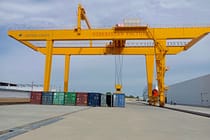
Port Cranes: For Container and Bulk Material Handling
-
Overhead Cranes for Petroleum and Gas Industry: Enhance Operational Efficiency
-

Marine Cranes for Efficient Cargo Loading on Ships
-
Overhead Cranes for the Automotive Industry: Efficient Automation Solutions
-
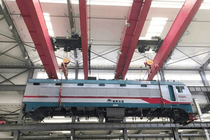
Overhead Crane Solutions for Railways: Track Laying, Rolling Stock Maintenance, and Container Handling
-
Overhead Cranes for Food and Beverages: Reliable Solutions for Efficient Handling
-
Overhead Cranes for Efficient Cement, Glass, Brick and Precast Concrete Manufacturing
-
Overhead Cranes for Aviation Industry: Aircraft Maintenance and Assembly
-
Aerospace Overhead Cranes: Precision Lifting for Rocket Launch and Transport
-
-
Products
-
Overhead Cranes
-
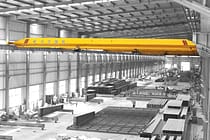
Single Girder Overhead Cranes
-
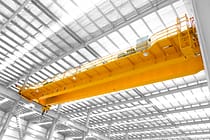
Double Girder Overhead Cranes
-
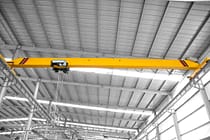
European Type Single Girder Overhead Cranes
-
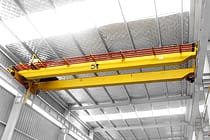
European Type Double Girder Overhead Cranes
-
Explosion Proof Overhead Cranes
-
Grab And Magnetic Overhead Cranes
-
Monorail Cranes
-
Foundry Overhead Cranes
-
Insulation Overhead Cranes
-
Low Headroom Overhead Cranes
-
Grab Overhead Cranes
-
Ladle Overhead Cranes
-
Underhung Overhead Cranes
-
Electromagnetic Overhead Cranes
-
Workstation Cranes: Lightweight Design, Easy Installation, and Effortless Operation
-
Free Standing Workstation Bridge Cranes
-
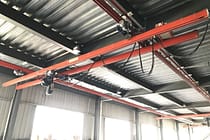
Ceiling Mounted Bridge Crane
-
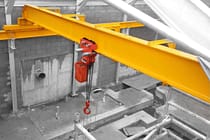
Manual Overhead Cranes
-
-
Gantry Cranes
-
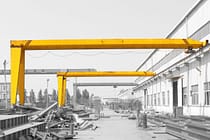
Semi Gantry Cranes
-
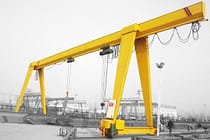
Single Girder Gantry Cranes
-
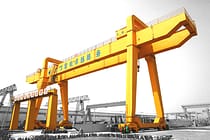
Double Girder Gantry Cranes
-
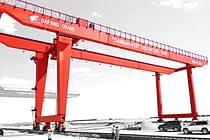
Container Gantry Cranes
-
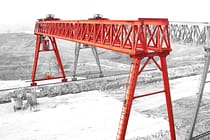
Truss Gantry Cranes
-
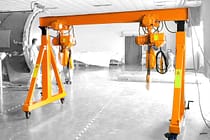
Adjustable Gantry Cranes
-
Portable Gantry Cranes
-
European Gantry Cranes
-
Aluminum Gantry Cranes
-
Rubber Tyred Container Gantry Cranes
-
Rail Mounted Container Gantry Cranes
-
Shipyard Gantry Crane
-
European Single Girder Gantry Cranes
-
European Double Girder Gantry Cranes
-
- Jib Cranes
- Special Cranes
- Electric Hoists
- Transfer Carts
-
Overhead Cranes
-
Crane Parts
-
Grab Buckets
-
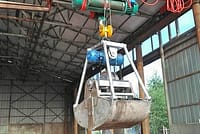
Electric Stainless Steel Grab Bucket
-
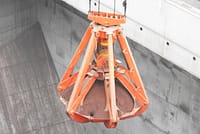
Mechanical Four Rope Orange Peel Grabs
-
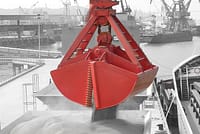
Mechanical Four Rope Clamshell Grabs Bucket
-
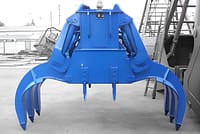
Electro Hydraulic Rectangular Grabs
-
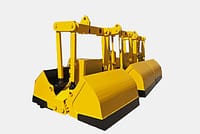
Electro hydraulic Clamshell Grabs
-
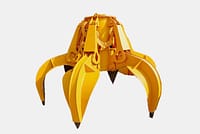
Electro Hydraulic Orange Peel Grabs,Hydraulic Cactus Grab
-
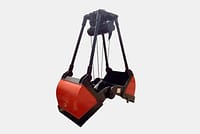
Electric Motor Grab
-
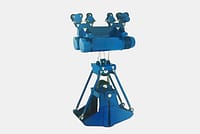
Electric Monorail Grab Bucket with Monorail Hoist
-
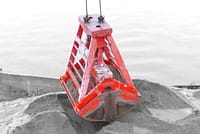
Remote Control Clamshell Grabs
-
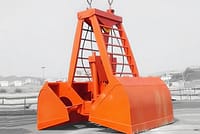
Mechanical Two Rope Clamshell Grabs
-
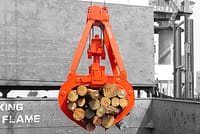
Timber Grabs
-
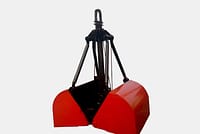
Single Rope Grab Bucket
-
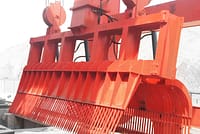
Trash Rack Cleaning Machines
-
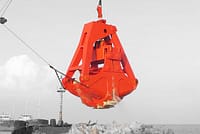
Dredging Grabs
-
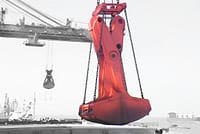
Trimming Grabs
-
- Crane Spreader
-
Crane Spare Parts
-
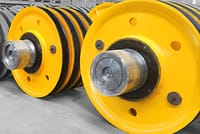
Crane Sheaves
-
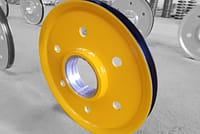
Wire Rope Sheaves
-
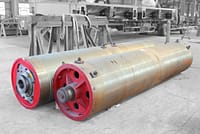
Crane Rope Drum
-
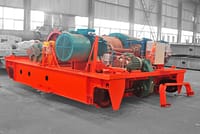
Crane Trolley
-
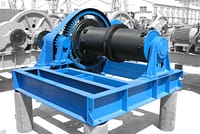
Electric Winch
-
Crane Operator Cabin
-
Overhead Crane Brakes
-
Overhead Crane Cables
-
Overhead Crane Rope Guides
-
Overhead Crane Conductors and Power Supply Lines
-
Overhead Crane Rails
-
Overhead Crane Rail Clips
-
Overhead Crane Motors
-
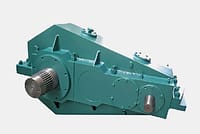
Overhead Crane Reducers
-
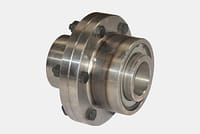
Couplings for Overhead Crane
-
- Crane Wheels
-
Grab Buckets
- Company
- Contact

-
Industries
-
General Manufacturing
-
Waste Handling
-
Precast
-
Power
-
Stone
-
Papermaking
-
Metal Production
-
Bridge Construction
-
Port Cranes: For Container and Bulk Material Handling
-
Overhead Cranes for Petroleum and Gas Industry: Enhance Operational Efficiency
-
Marine Cranes for Efficient Cargo Loading on Ships
-
Overhead Cranes for the Automotive Industry: Efficient Automation Solutions
-
Overhead Crane Solutions for Railways: Track Laying, Rolling Stock Maintenance, and Container Handling
-
Overhead Cranes for Food and Beverages: Reliable Solutions for Efficient Handling
-
Overhead Cranes for Efficient Cement, Glass, Brick and Precast Concrete Manufacturing
-
Overhead Cranes for Aviation Industry: Aircraft Maintenance and Assembly
-
Aerospace Overhead Cranes: Precision Lifting for Rocket Launch and Transport
-
-
Products
-
Overhead Cranes
-
Single Girder Overhead Cranes
-
Double Girder Overhead Cranes
-
European Type Single Girder Overhead Cranes
-
European Type Double Girder Overhead Cranes
-
Explosion Proof Overhead Cranes
-
Grab And Magnetic Overhead Cranes
-
Monorail Cranes
-
Foundry Overhead Cranes
-
Insulation Overhead Cranes
-
Low Headroom Overhead Cranes
-
Grab Overhead Cranes
-
Ladle Overhead Cranes
-
Underhung Overhead Cranes
-
Electromagnetic Overhead Cranes
-
Workstation Cranes: Lightweight Design, Easy Installation, and Effortless Operation
-
Free Standing Workstation Bridge Cranes
-
Ceiling Mounted Bridge Crane
-
Manual Overhead Cranes
-
-
Gantry Cranes
-
Semi Gantry Cranes
-
Single Girder Gantry Cranes
-
Double Girder Gantry Cranes
-
Container Gantry Cranes
-
Truss Gantry Cranes
-
Adjustable Gantry Cranes
-
Portable Gantry Cranes
-
European Gantry Cranes
-
Aluminum Gantry Cranes
-
Rubber Tyred Container Gantry Cranes
-
Rail Mounted Container Gantry Cranes
-
Shipyard Gantry Crane
-
European Single Girder Gantry Cranes
-
European Double Girder Gantry Cranes
-
- Jib Cranes
- Special Cranes
- Electric Hoists
- Transfer Carts
-
Overhead Cranes
-
Crane Parts
-
Grab Buckets
-
Electric Stainless Steel Grab Bucket
-
Mechanical Four Rope Orange Peel Grabs
-
Mechanical Four Rope Clamshell Grabs Bucket
-
Electro Hydraulic Rectangular Grabs
-
Electro hydraulic Clamshell Grabs
-
Electro Hydraulic Orange Peel Grabs,Hydraulic Cactus Grab
-
Electric Motor Grab
-
Electric Monorail Grab Bucket with Monorail Hoist
-
Remote Control Clamshell Grabs
-
Mechanical Two Rope Clamshell Grabs
-
Timber Grabs
-
Single Rope Grab Bucket
-
Trash Rack Cleaning Machines
-
Dredging Grabs
-
Trimming Grabs
-
- Crane Spreader
-
Crane Spare Parts
-
Crane Sheaves
-
Wire Rope Sheaves
-
Crane Rope Drum
-
Crane Trolley
-
Electric Winch
-
Crane Operator Cabin
-
Overhead Crane Brakes
-
Overhead Crane Cables
-
Overhead Crane Rope Guides
-
Overhead Crane Conductors and Power Supply Lines
-
Overhead Crane Rails
-
Overhead Crane Rail Clips
-
Overhead Crane Motors
-
Overhead Crane Reducers
-
Couplings for Overhead Crane
-
- Crane Wheels
-
Grab Buckets
- Company
- Contact



Magnetic Particle Testing VS Penetrant Testing: Choosing the Right Method for Crane Weld Inspection
Table of Contents
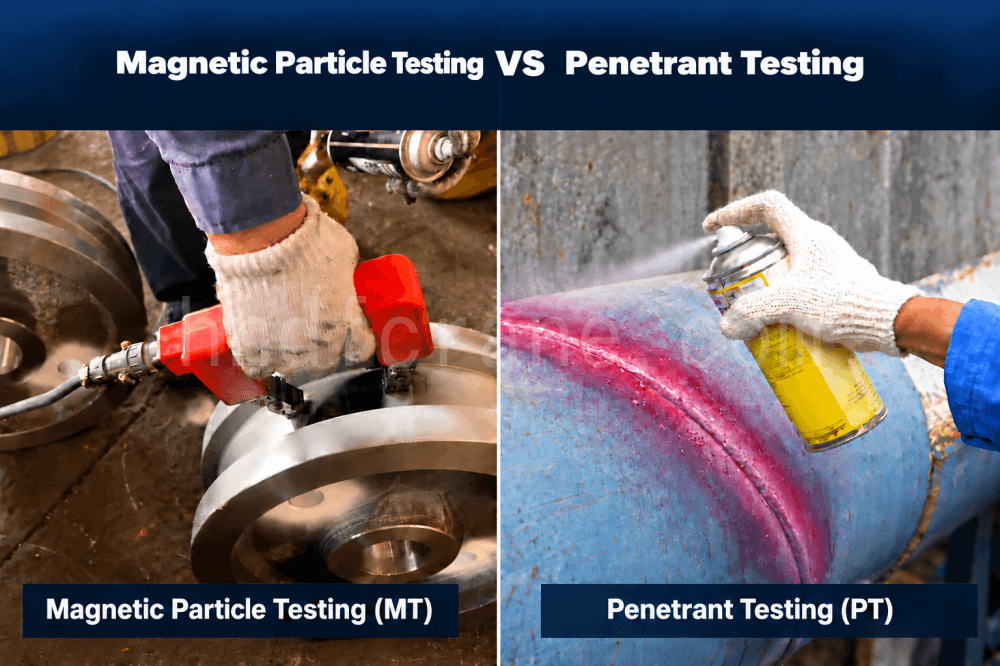
Weld surface inspection is essential for overhead cranes, gantry cranes, jib cranes, and other steel structures. Magnetic particle testing (MT) and penetrant testing (PT) are two commonly used methods. MT relies on a magnetic field, while PT relies on capillary action. MT is limited to ferromagnetic materials, whereas PT has no magnetic-material requirement. Choosing the wrong method may leave a defect undetected.
1. What Do Magnetic Particle Testing and Penetrant Testing Detect?
Both methods inspect surface-related defects, but their detection ranges and material requirements are different.
| Comparison | Magnetic Particle Testing (MT) | Penetrant Testing (PT) |
|---|---|---|
| Detection range | Surface and near-surface defects | Surface-breaking defects only |
| Applicable materials | Ferromagnetic materials, such as carbon steel, low-alloy steel, and martensitic or ferritic stainless steel | Non-porous materials, including stainless steel, aluminum, copper, ceramics, plastics, carbon steel, and low-alloy steel |
| Internal defects | Cannot detect them | Cannot detect them |
| Typical defects | Surface cracks, near-surface cracks, laps, and seams | Surface-breaking cracks, porosity, and open lack of fusion |
In simple terms, MT can detect defects a short distance below the surface, but only in ferromagnetic materials. PT detects only defects connected to the surface, but it can be used on a wider range of materials.
Note: The near-surface detection depth of MT is commonly understood as approximately 1–2 mm below the surface. The actual depth depends on the magnetization method and defect size, and there is no single uniform national definition. The applicable inspection procedure should govern. Deeper defects should be examined using UT or RT.
2. Principles: Magnetic Flux Leakage vs. Capillary Action
Magnetic Particle Testing: Magnetic flux leakage attracts particles
When a ferromagnetic material is magnetized, magnetic flux travels through it in a particular direction. If a crack, pore, or other defect exists at or near the surface, the flux bends and escapes from the material, creating a leakage field. Magnetic particles gather at the leakage field and reveal the defect location.
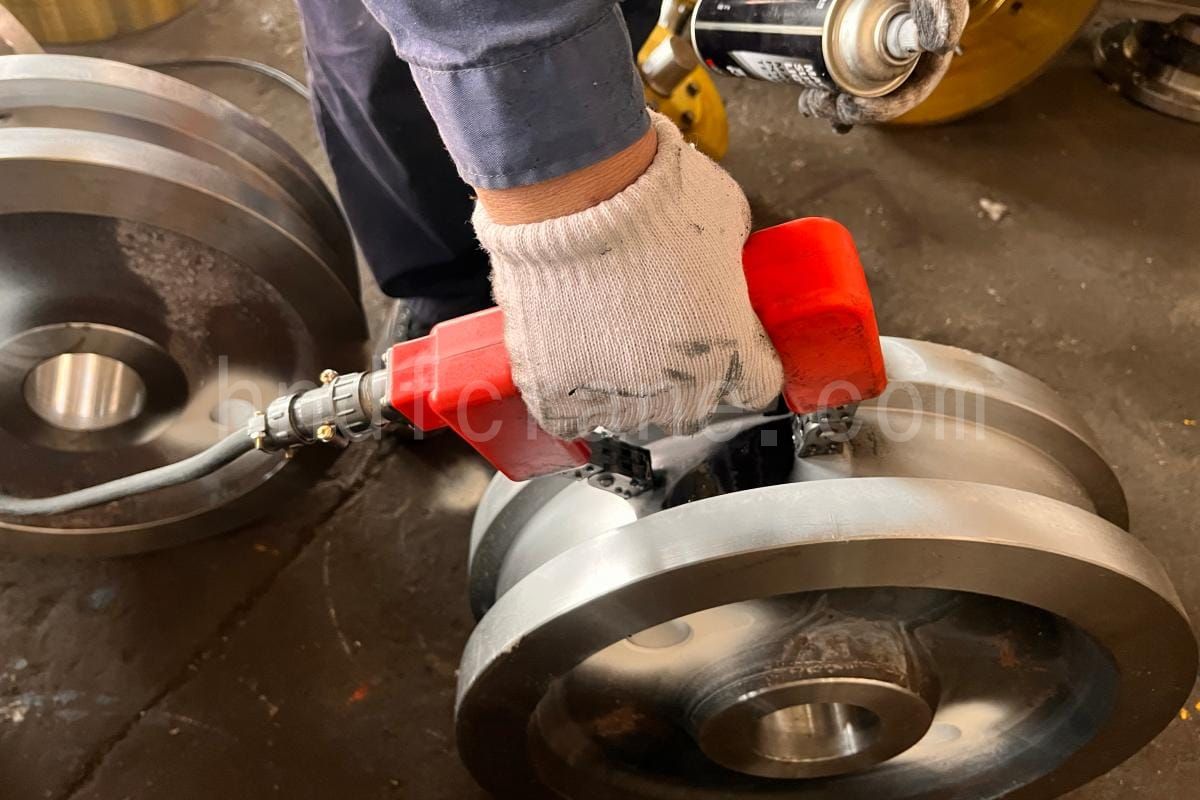
If a defect is parallel to the magnetic flux, the leakage field may be too weak to produce a clear indication. MT therefore normally uses two mutually perpendicular magnetization directions. For crane welds, the yoke method is commonly applied once along the weld and once across it. A cross-yoke can also help cover defects in different orientations.
Penetrant Testing: Penetrant enters the defect and developer draws it out
In PT, penetrant is applied to the workpiece surface and enters surface-breaking defects through capillary action. Excess penetrant is then removed, and developer is applied. The penetrant inside the defect is drawn back to the surface, producing a visible indication.
The defect must be open to the surface. If a crack is blocked by oxide scale, weld slag, paint, or other contamination, penetrant cannot enter and PT may fail to reveal it.
3. Material Selection: The First Decision Point
Magnetic Particle Testing is limited to ferromagnetic materials
Carbon steel and low-alloy steel, such as Q235, Q355, and Q390, are ferromagnetic and can be inspected with MT. Austenitic stainless steel, including 304 and 316 series, as well as aluminum, copper, and titanium, is non-ferromagnetic and cannot be inspected with MT.
Penetrant Testing is suitable for non-porous materials
PT does not require magnetic materials, but the surface must be non-porous. Stainless steel, aluminum, copper, ceramics, plastics, carbon steel, and low-alloy steel can all be inspected with PT. Porous materials such as cast iron and powder-metallurgy parts are generally unsuitable because penetrant can enter the pores and create false indications.
Selection principle for structural welds
According to Clause 8.2.6 of GB 50661-2011, ferromagnetic materials should use magnetic particle testing for surface imperfections. When MT cannot be used, penetrant testing should be used. For common overhead crane and metallurgical crane structures, MT is normally the first choice for carbon-steel and low-alloy-steel welds, while PT is used for austenitic stainless-steel welds and aluminum structures.
4. Advantages and Limitations
| Comparison | Magnetic Particle Testing (MT) | Penetrant Testing (PT) |
|---|---|---|
| Inspection speed | Fast and suitable for batch inspection | Slower because penetration, cleaning, and development take time |
| Sensitivity | High sensitivity to surface and near-surface cracks | High sensitivity to surface-breaking defects |
| Cost | Usually lower | Consumable cost for penetrant and developer |
| Surface requirements | Oil, rust, and weld spatter must be removed | Surface must be clean, dry, and free of coatings |
| Post-inspection treatment | Demagnetization and cleaning may be required | Residual penetrant and developer must be removed |
| Limitations | Ferromagnetic materials only; defects with unfavorable orientations may be missed | Surface-breaking defects only; unsuitable for porous materials |
5. Practical Points for Crane Weld Inspection
Magnetic Particle Testing
- Use at least two mutually perpendicular magnetization directions to reduce the risk of missing orientation-dependent cracks.
- Remove oil, rust, and weld spatter. Select the continuous or residual method according to the procedure.
- Demagnetize after testing when required. Use ultraviolet light to observe fluorescent particles and adequate white light for non-fluorescent particles.
Penetrant Testing
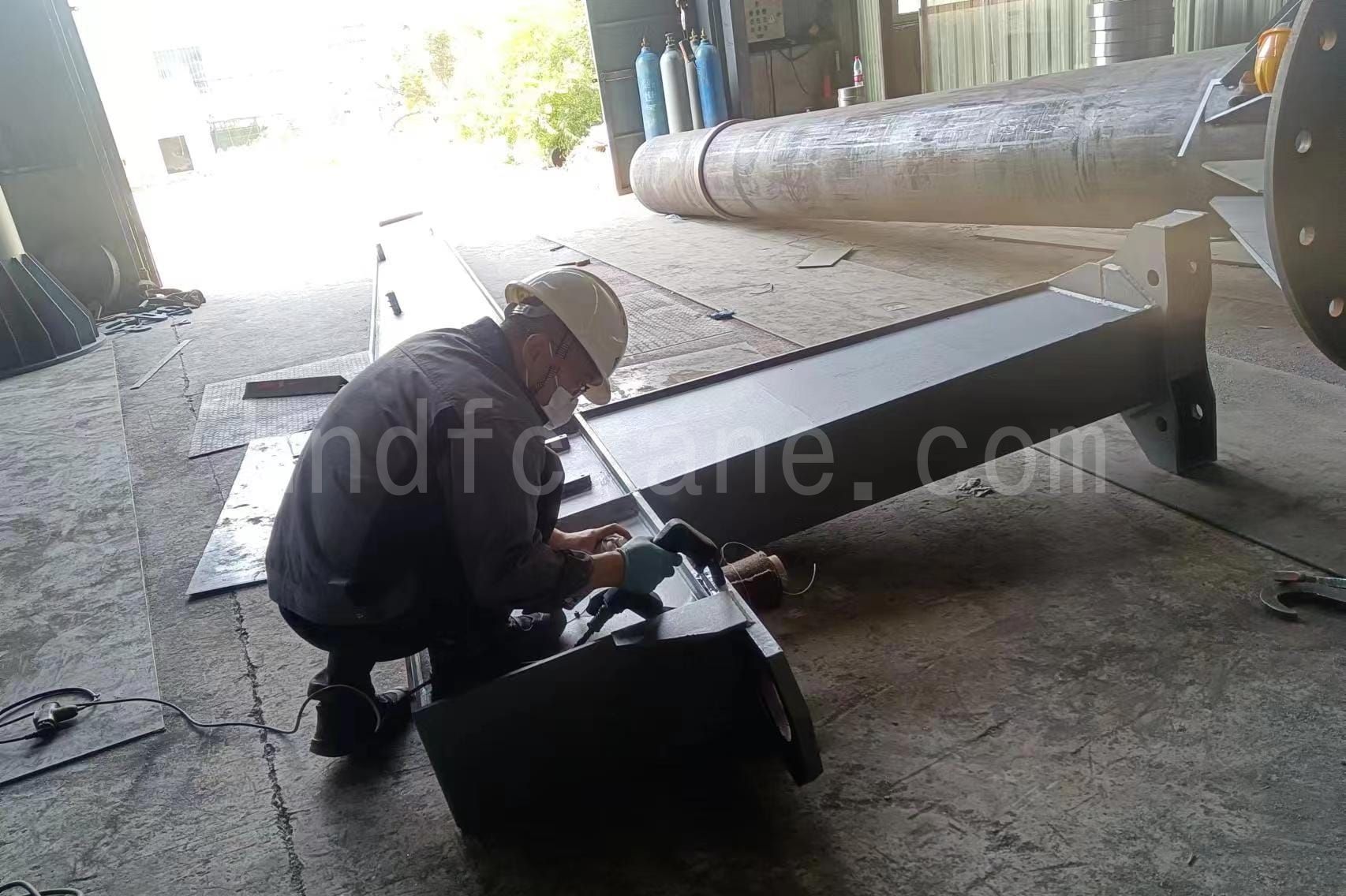
- Remove oil, rust, coatings, and weld slag so that defect openings are not blocked.
- Set the dwell time according to the product instructions and written procedure. It is commonly 5–60 minutes, with 10–30 minutes often used for room-temperature weld inspection, and it must not be shorter than the manufacturer's recommended time.
- The workpiece, test surface, and ambient temperature, except for the drying operation, should generally be 10–50 °C. If conditions fall outside this range, apply the relevant provisions of GB/T 18851.5 and GB/T 18851.6.
- Avoid over-cleaning or under-cleaning. Apply the developer as a thin, even layer, and remove residual penetrant and developer after inspection.
6. Common Misunderstandings
Magnetic Particle Testing and Penetrant Testing are interchangeable
They are not. MT is limited to ferromagnetic materials, while PT is sensitive only to surface-breaking defects.
Penetrant Testing can detect near-surface defects
It cannot. Near-surface defects are generally examined with MT, while deeper internal defects should be examined with UT or RT.
Magnetic Particle Testing is always more sensitive than Penetrant Testing
Not necessarily. PT can be highly sensitive to surface-breaking cracks, while MT can also reveal near-surface defects. The actual result depends on the procedure, surface condition, and defect characteristics.
Magnetic Particle Testing or Penetrant Testing eliminates the need for internal inspection
It does not. MT and PT cannot replace internal inspection. Internal porosity, slag inclusions, lack of fusion, and internal cracks should be examined using UT or RT.
Every stainless-steel weld must use Penetrant Testing
The grade matters. 304 and 316 series austenitic stainless steel is generally non-ferromagnetic and should use PT. 410 and 420 series martensitic stainless steel and 430 series ferritic stainless steel are ferromagnetic and can use MT. 2205 duplex stainless steel also has some magnetic response, but its sensitivity is generally lower than that of carbon steel. Stainless steel should not be assigned to PT without checking the grade.
Conclusion
The difference between MT and PT can be summarized in three points:
- Detection range: MT detects surface and near-surface defects, while PT detects only surface-breaking defects.
- Applicable materials: MT is limited to ferromagnetic materials, while PT is suitable for non-porous materials.
- Selection principle: Use MT first for ferromagnetic materials; use PT when MT cannot be applied.
For common steel welds in overhead cranes, gantry cranes, and jib cranes, consider MT first for carbon steel and low-alloy steel, and use PT for austenitic stainless steel and aluminum structures. Neither method replaces UT or RT for internal weld defects.

I am Cindy, with 10 years of working experience in the crane industry and accumulated a wealth of professional knowledge. I have chosen the satisfying cranes for 500+ customers. If you have any needs or questions about cranes, please feel free to contact me, I will use my expertise and practical experience to help you solve the problem!
Send Your Inquiry
- Email: sales@hndfcrane.com
- WhatsApp: +86 191 3738 6654
- Telegram: +86 191 3738 6654
- Tel: +86-373-581 8299
- Fax: +86-373-215 7000
- Add: Changnao Industrial District, Xinxiang City, Henan Province, China
 WeChat
- Overhead Cranes
- Double Girder Overhead Cranes
- Single Girder Overhead Cranes
- European Type Single Girder Overhead Cranes
- Explosion Proof Overhead Cranes
- Grab And Magnetic Overhead Cranes
- Monorail Cranes
- Foundry Overhead Cranes
- Workstation Cranes: Lightweight Design, Easy Installation, and Effortless Operation
- Jib Cranes
- Wall Mounted Jib Cranes
- Wall Travelling Jib Cranes
- Free Standing Jib Cranes
- Aluminum Jib Cranes: Lightweight, Smooth Rotating Arm for Easy Lifting
- Balance Jib Cranes: Efficient Light Lifting for Short Distance Mechanical Assembly
- Manual Free Standing Jib Cranes: Efficient Manual Lifting Solutions for Limited Space Operations
- Electric Free Standing Jib Cranes: Fully Electric Solution for High Capacity Fast Lifting
- Articulating Jib Cranes: Precision Lifting with Dual Arm Flexibility
- Gantry Cranes
- Double Girder Gantry Cranes
- Semi Gantry Cranes
- Single Girder Gantry Cranes
- Truss Gantry Cranes
- Container Gantry Cranes
- Adjustable Gantry Cranes
- Portable Gantry Cranes
- European Gantry Cranes
- Industries
- General Manufacturing
- Waste Handling
- Precast
- Power
- Stone
- Papermaking
- Metal Production
- Bridge Construction
- Port Cranes: For Container and Bulk Material Handling
- Overhead Cranes for Petroleum and Gas Industry: Enhance Operational Efficiency
- Marine Cranes for Efficient Cargo Loading on Ships
- Overhead Cranes for the Automotive Industry: Efficient Automation Solutions
- Electric Hoists
- Electric Wire Rope Hoists
- Electric Chain Hoists
- European Type Electric Hoists
- European Electric Chain Hoists: Smooth Operation, Low Noise, and Energy Efficiency
- Manual Lever Hoists: Ideal for Pulling and Lifting Tasks
- Hand Chain Hoists: Manual Lifting for Areas Without Power
- Low Headroom Electric Hoists: Compact Design for Maximum Space Efficiency
- Pneumatic Chain Hoists: Smooth Handling for Industrial Use
- Explosion Proof Manual Chain Hoists: Spark Resistant Copper Alloy Construction for Hazardous Areas
- Explosion Proof Electric Chain Hoists for Hazardous Area Lifting
- Contact Us
- Email: sales@hndfcrane.com
- WhatsApp: +86 191 3738 6654
- Telegram: +86 191 3738 6654
- Tel: +86-373-581 8299
-