
-
Industries
-
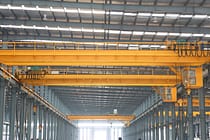
General Manufacturing
-
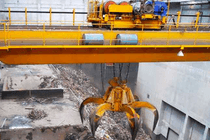
Waste Handling
-
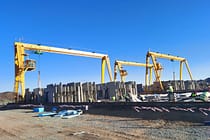
Precast
-
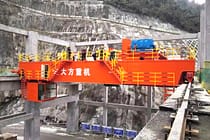
Power
-
Stone
-
Papermaking
-
Metal Production
-
Bridge Construction
-
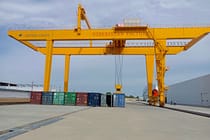
Port Cranes: For Container and Bulk Material Handling
-
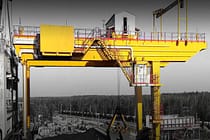
Overhead Cranes for Petroleum and Gas Industry: Enhance Operational Efficiency
-
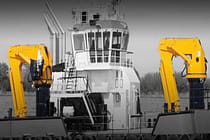
Marine Cranes for Efficient Cargo Loading on Ships
-
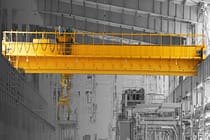
Overhead Cranes for the Automotive Industry: Efficient Automation Solutions
-
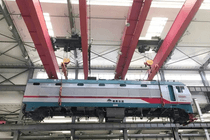
Overhead Crane Solutions for Railways: Track Laying, Rolling Stock Maintenance, and Container Handling
-
Overhead Cranes for Food and Beverages: Reliable Solutions for Efficient Handling
-
Overhead Cranes for Efficient Cement, Glass, Brick and Precast Concrete Manufacturing
-
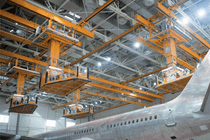
Overhead Cranes for Aviation Industry: Aircraft Maintenance and Assembly
-
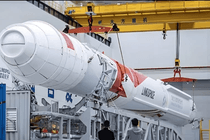
Aerospace Overhead Cranes: Precision Lifting for Rocket Launch and Transport
-
-
Products
-
Overhead Cranes
-
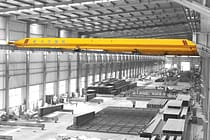
Single Girder Overhead Cranes
-
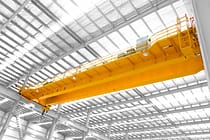
Double Girder Overhead Cranes
-
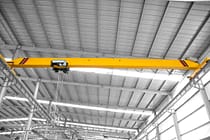
European Type Single Girder Overhead Cranes
-
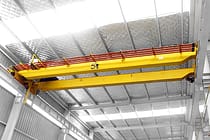
European Type Double Girder Overhead Cranes
-
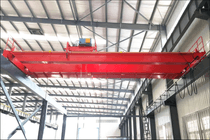
Explosion Proof Overhead Cranes
-
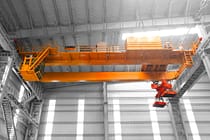
Grab And Magnetic Overhead Cranes
-
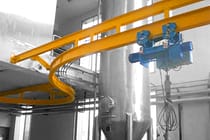
Monorail Cranes
-
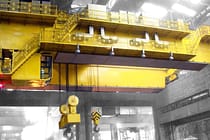
Foundry Overhead Cranes
-
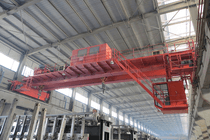
Insulation Overhead Cranes
-
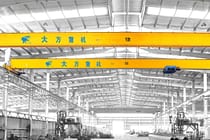
Low Headroom Overhead Cranes
-
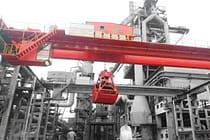
Grab Overhead Cranes
-
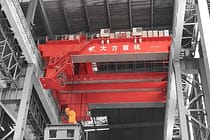
Ladle Overhead Cranes
-
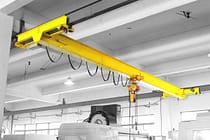
Underhung Overhead Cranes
-
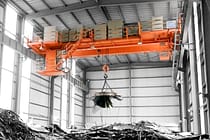
Electromagnetic Overhead Cranes
-
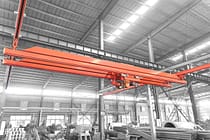
Workstation Cranes
-
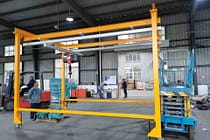
Free Standing Workstation Bridge Cranes
-
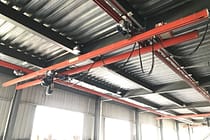
Ceiling Mounted Bridge Crane
-
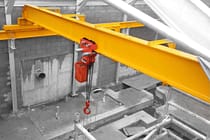
Manual Overhead Cranes
-
-
Gantry Cranes
-
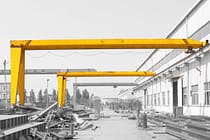
Semi Gantry Cranes
-
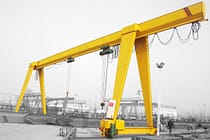
Single Girder Gantry Cranes
-
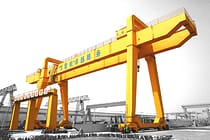
Double Girder Gantry Cranes
-
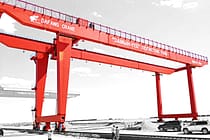
Container Gantry Cranes
-
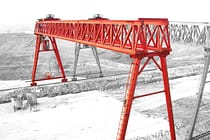
Truss Gantry Cranes
-
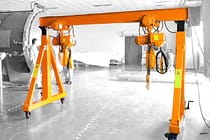
Adjustable Gantry Cranes
-
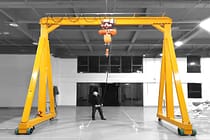
Portable Gantry Cranes
-
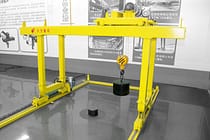
European Gantry Cranes
-
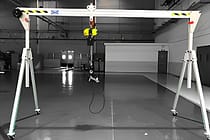
Aluminum Gantry Cranes
-
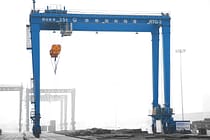
Rubber Tyred Container Gantry Cranes
-
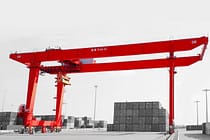
Rail Mounted Container Gantry Cranes
-
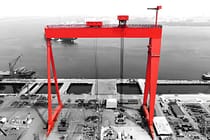
Shipyard Gantry Crane
-
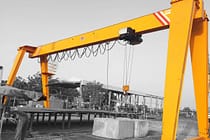
European Single Girder Gantry Cranes
-
European Double Girder Gantry Cranes
-
- Jib Cranes
- Special Cranes
- Electric Hoists
- Transfer Carts
-
Overhead Cranes
-
Crane Parts
-
Grab Buckets
-
Electric Stainless Steel Grab Bucket
-
Mechanical Four Rope Orange Peel Grabs
-
Mechanical Four Rope Clamshell Grabs Bucket
-
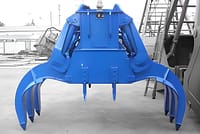
Electro Hydraulic Rectangular Grabs
-
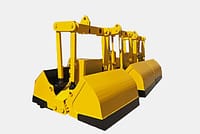
Electro hydraulic Clamshell Grabs
-
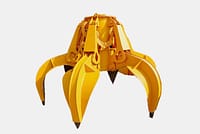
Electro Hydraulic Orange Peel Grabs,Hydraulic Cactus Grab
-
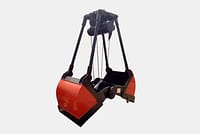
Electric Motor Grab
-
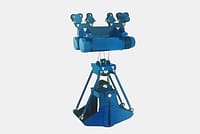
Electric Monorail Grab Bucket with Monorail Hoist
-
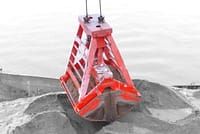
Remote Control Clamshell Grabs
-
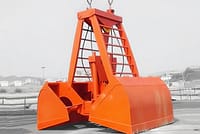
Mechanical Two Rope Clamshell Grabs
-
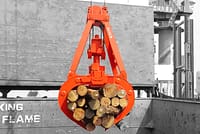
Timber Grabs
-
Single Rope Grab Bucket
-
Trash Rack Cleaning Machines
-
Dredging Grabs
-
Trimming Grabs
-
- Crane Spreader
-
Crane Spare Parts
-
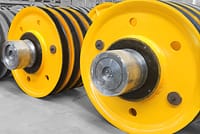
Crane Sheaves
-
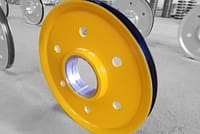
Wire Rope Sheaves
-
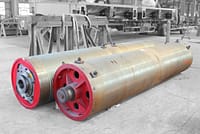
Crane Rope Drum
-
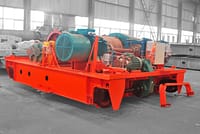
Crane Trolley
-
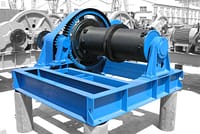
Electric Winch
-
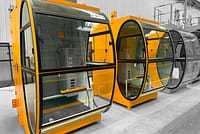
Crane Operator Cabin
-
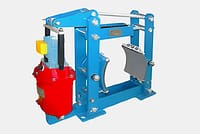
Overhead Crane Brakes
-
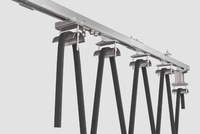
Overhead Crane Cables
-
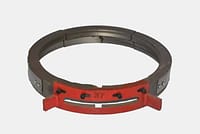
Overhead Crane Rope Guides
-
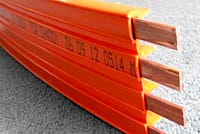
Overhead Crane Conductors and Power Supply Lines
-
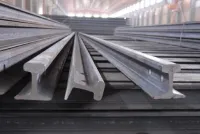
Overhead Crane Rails
-
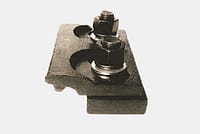
Overhead Crane Rail Clips
-
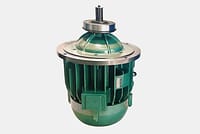
Overhead Crane Motors
-
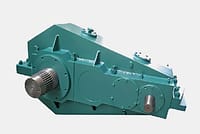
Overhead Crane Reducers
-
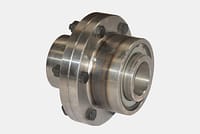
Couplings for Overhead Crane
-
- Crane Wheels
-
Grab Buckets
- Company
- Contact
-
Industries
-
General Manufacturing
-
Waste Handling
-
Precast
-
Power
-
Stone
-
Papermaking
-
Metal Production
-
Bridge Construction
-
Port Cranes: For Container and Bulk Material Handling
-
Overhead Cranes for Petroleum and Gas Industry: Enhance Operational Efficiency
-
Marine Cranes for Efficient Cargo Loading on Ships
-
Overhead Cranes for the Automotive Industry: Efficient Automation Solutions
-
Overhead Crane Solutions for Railways: Track Laying, Rolling Stock Maintenance, and Container Handling
-
Overhead Cranes for Food and Beverages: Reliable Solutions for Efficient Handling
-
Overhead Cranes for Efficient Cement, Glass, Brick and Precast Concrete Manufacturing
-
Overhead Cranes for Aviation Industry: Aircraft Maintenance and Assembly
-
Aerospace Overhead Cranes: Precision Lifting for Rocket Launch and Transport
-
-
Products
-
Overhead Cranes
-
Single Girder Overhead Cranes
-
Double Girder Overhead Cranes
-
European Type Single Girder Overhead Cranes
-
European Type Double Girder Overhead Cranes
-
Explosion Proof Overhead Cranes
-
Grab And Magnetic Overhead Cranes
-
Monorail Cranes
-
Foundry Overhead Cranes
-
Insulation Overhead Cranes
-
Low Headroom Overhead Cranes
-
Grab Overhead Cranes
-
Ladle Overhead Cranes
-
Underhung Overhead Cranes
-
Electromagnetic Overhead Cranes
-
Workstation Cranes
-
Free Standing Workstation Bridge Cranes
-
Ceiling Mounted Bridge Crane
-
Manual Overhead Cranes
-
-
Gantry Cranes
-
Semi Gantry Cranes
-
Single Girder Gantry Cranes
-
Double Girder Gantry Cranes
-
Container Gantry Cranes
-
Truss Gantry Cranes
-
Adjustable Gantry Cranes
-
Portable Gantry Cranes
-
European Gantry Cranes
-
Aluminum Gantry Cranes
-
Rubber Tyred Container Gantry Cranes
-
Rail Mounted Container Gantry Cranes
-
Shipyard Gantry Crane
-
European Single Girder Gantry Cranes
-
European Double Girder Gantry Cranes
-
- Jib Cranes
- Special Cranes
- Electric Hoists
- Transfer Carts
-
Overhead Cranes
-
Crane Parts
-
Grab Buckets
-
Electric Stainless Steel Grab Bucket
-
Mechanical Four Rope Orange Peel Grabs
-
Mechanical Four Rope Clamshell Grabs Bucket
-
Electro Hydraulic Rectangular Grabs
-
Electro hydraulic Clamshell Grabs
-
Electro Hydraulic Orange Peel Grabs,Hydraulic Cactus Grab
-
Electric Motor Grab
-
Electric Monorail Grab Bucket with Monorail Hoist
-
Remote Control Clamshell Grabs
-
Mechanical Two Rope Clamshell Grabs
-
Timber Grabs
-
Single Rope Grab Bucket
-
Trash Rack Cleaning Machines
-
Dredging Grabs
-
Trimming Grabs
-
- Crane Spreader
-
Crane Spare Parts
-
Crane Sheaves
-
Wire Rope Sheaves
-
Crane Rope Drum
-
Crane Trolley
-
Electric Winch
-
Crane Operator Cabin
-
Overhead Crane Brakes
-
Overhead Crane Cables
-
Overhead Crane Rope Guides
-
Overhead Crane Conductors and Power Supply Lines
-
Overhead Crane Rails
-
Overhead Crane Rail Clips
-
Overhead Crane Motors
-
Overhead Crane Reducers
-
Couplings for Overhead Crane
-
- Crane Wheels
-
Grab Buckets
- Company
- Contact



Port Horizontal Transport Equipment: Reach Stackers, Straddle Carriers, and AGVs
Table of Contents
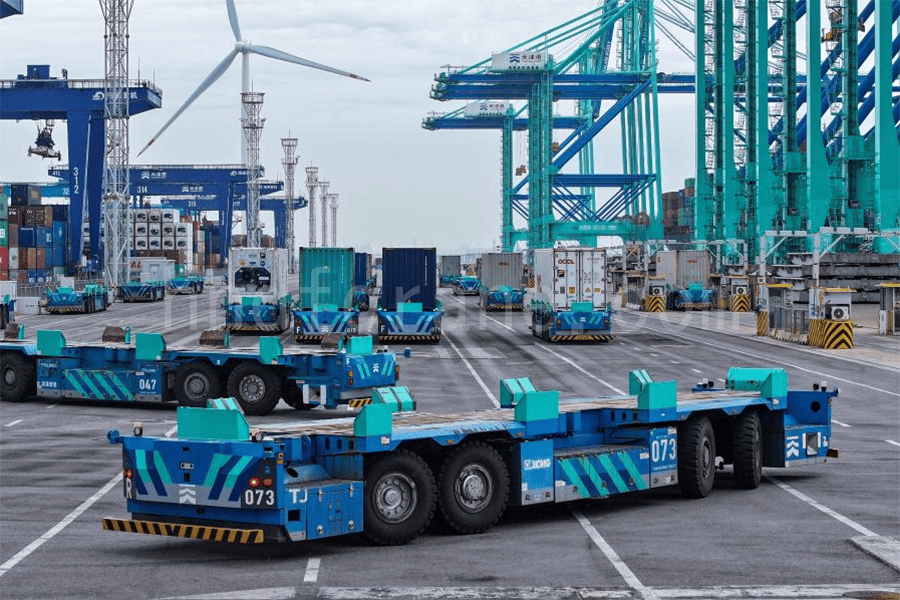
Port horizontal transport equipment includes terminal tractors and trailers, container reach stackers, straddle carriers, automated guided vehicles (AGVs), and empty container handlers. These machines support the horizontal transfer of containers, bulk cargo, and general cargo across terminals. They handle essential tasks such as receiving cargo, repositioning it, gathering and distributing it, and transferring it between operating areas.
Compared with port lifting equipment, horizontal transport equipment operates more frequently, covers a wider area, and connects more stages of the terminal process. Its operating stability, transport efficiency, and coordinated dispatch directly affect the overall pace of port operations.
1. Terminal Tractors and Trailers
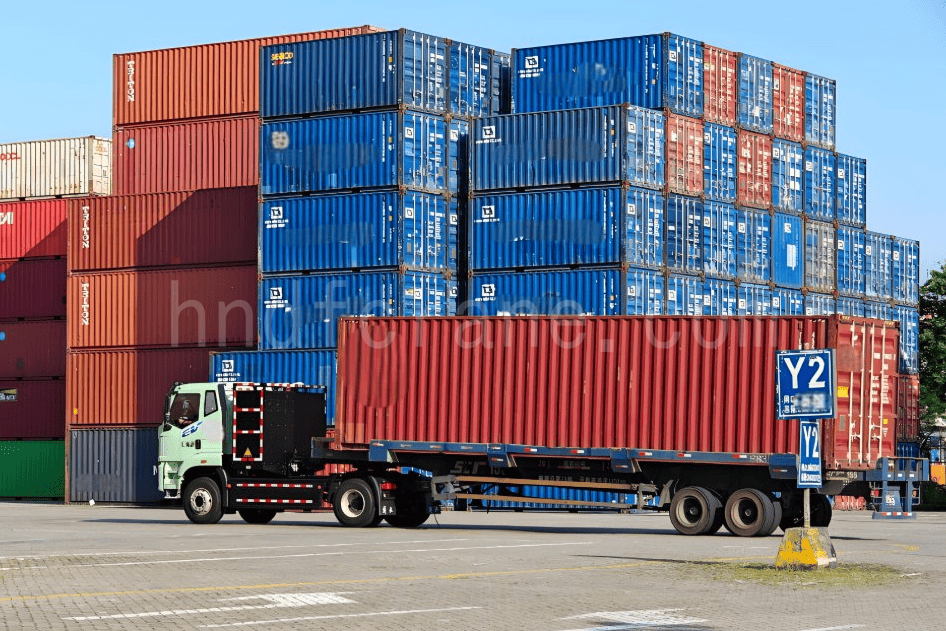
A terminal tractor is generally used to tow a full trailer or semi-trailer. It is a specialized port vehicle for horizontal transport in terminals, cargo yards, warehouses, and loading platforms. Typical working conditions include narrow operating areas, many curves, and frequent steering. Road surfaces can be complicated, requiring frequent braking and gear changes. Port operations commonly run on three shifts, so the vehicle may operate continuously for long periods. The engine therefore needs good heat-dissipation performance and a certain power reserve. In normal operation, loaded and unloaded running time is usually nearly equal.
A terminal tractor is a towing tool and cannot transport cargo independently. It must work with a full trailer or semi-trailer. The tractor connects to a trailer while towing it. After the trailer reaches the designated loading or unloading area, the tractor can disconnect and attach to another trailer, continuing its towing work and improving transport efficiency. Under suitable conditions, the tractor-and-trailer combination can provide better economic benefits than other cargo-handling vehicles, which is why it is widely used in ports.
Based on the trailer arrangement, terminal tractor combinations can be divided into full-trailer and semi-trailer types. With a full-trailer combination, the trailer carries the entire load and is connected to the terminal tractor only by a hitch. The tractor does not carry the trailer load; it only provides the power needed to overcome running resistance. With a semi-trailer combination, the trailer requires an upward vertical support point from the terminal tractor. In addition to providing horizontal pulling force, the tractor also carries part of the trailer load.
2. Container Reach Stackers
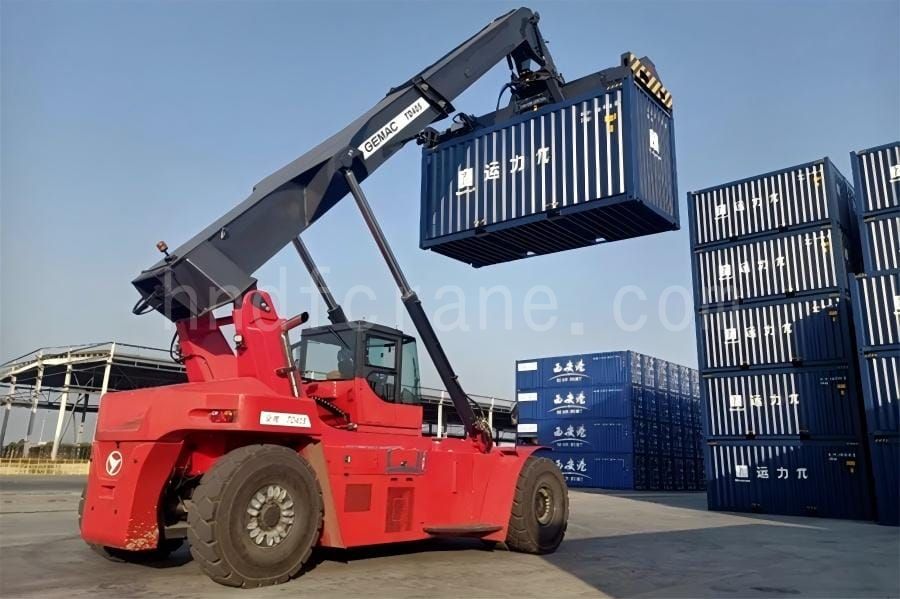
A container reach stacker is a specialized handling machine used for container loading and unloading, stacking, and horizontal transport. It offers high mobility, good operating efficiency, and convenient, comfortable operation, making it common in cargo yards.
Its main structural features include a telescopic boom that performs lifting through load-bearing luffing and can operate together with vehicle travel. It can work across containers and stack containers in multiple layers. A multifunctional automatic telescopic spreader can handle 20 ft and 40 ft containers and perform slewing, lateral movement, and tilting, which helps with container alignment and operation in relatively narrow passages. With special lifting claws installed on the spreader, the machine can lift a container semi-trailer together with the container for combined rail-and-road transport. Lifting lugs at the four corners of the spreader can also be used with wire ropes to lift other heavy loads.
The limitations of reach stackers include limited ability to load or unload across container rows, a relatively high rehandling rate, high operating and maintenance costs per container, high energy consumption, and exhaust emissions that may pollute the environment.
3. Container Straddle Carriers
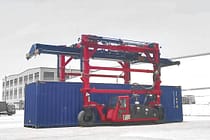
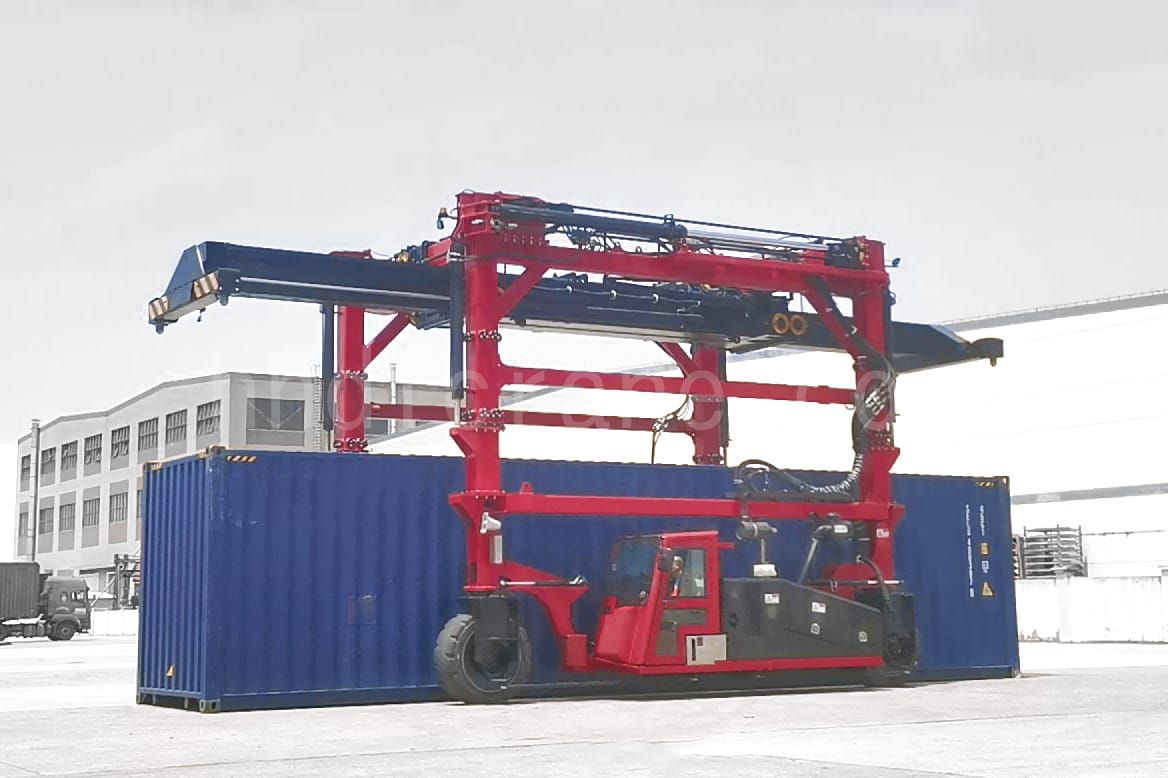
A container straddle carrier is a specialized lifting and transport machine that combines container handling, stacking, transfer, and loading and unloading. Its portal frame straddles the container. A lifting system fitted with a container spreader lifts the container for transport and can stack containers two to three layers high.
In a storage yard, a straddle carrier can also load and unload container trailers. The spreader’s twistlock mechanism engages with or releases the container, while the spreader can move laterally, tilt, and make fine adjustments to support accurate positioning. Straddle carriers are generally used for short- and medium-distance container transport in container terminals and can also be used for yard stacking. They are particularly common in terminals in Europe and North America.
A single straddle carrier can perform several operations, including self-pickup, transport, stacking, loading, and unloading, without assistance from other machines. Ground-level handoff reduces the number of machine types and units required at the terminal and simplifies the handling and transport system, making organization and management easier. The quay crane only needs to place a container at the front of the terminal, after which the straddle carrier can pick it up and transport it away. Compared with terminal tractors and AGVs used for horizontal transport, the quay crane does not need to align the container precisely for loading, allowing the crane to operate more efficiently.
However, straddle carriers have complex mechanical structures and many hydraulic components. They can have a high failure rate, require highly skilled maintenance personnel, and involve high maintenance, operating, and purchase costs. They also require many traffic lanes, stack containers to relatively low heights, and provide lower yard utilization. Rehandling containers within the yard can be difficult. Their high wheel loads impose strict requirements on the yard foundation, so the areas used by straddle carriers generally require ground reinforcement. Compared with rubber-tired gantry cranes or rail-mounted gantry cranes, their initial terminal investment is relatively high.
4. AGV Transfer Carts
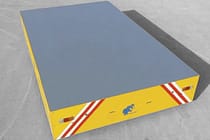
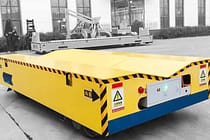
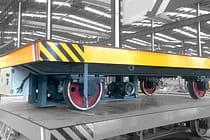
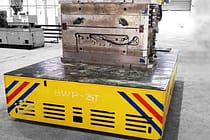
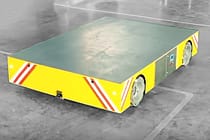
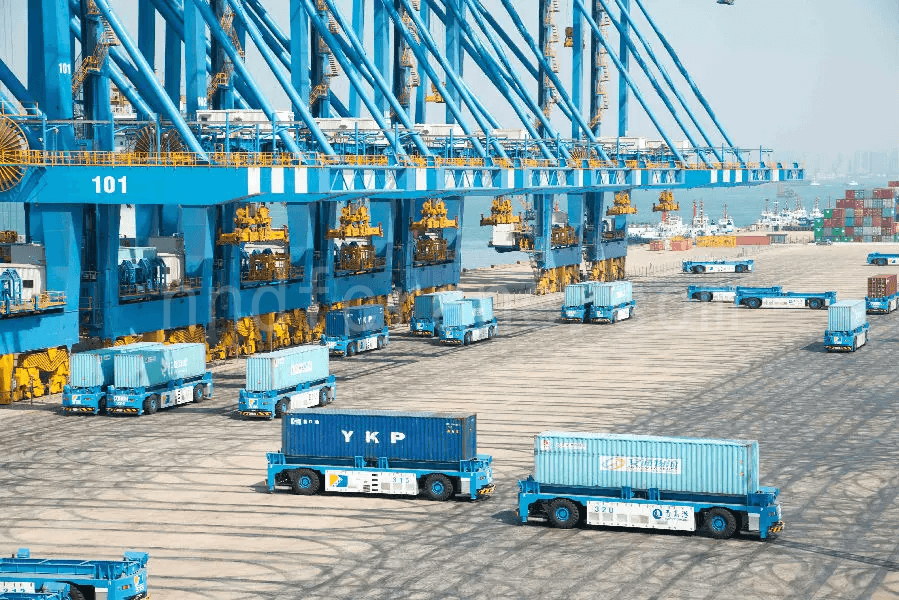
AGV (automated guided vehicle) transfer cart is one of the most commonly used horizontal transport machines between quay cranes and storage yards at automated container terminals. An AGV transfer cart has onboard sensors that determine its position and travel speed accurately and provide a degree of obstacle-detection capability. Under the direction of a navigation system and vehicle management system, it can operate fully automatically without a driver.
Compared with manually driven terminal tractors, AGV transfer carts can reduce labor costs and certain infrastructure costs. They can operate continuously for 24 hours, improving equipment utilization, and can reduce losses caused by personnel accidents.
5. Empty Container Forklifts
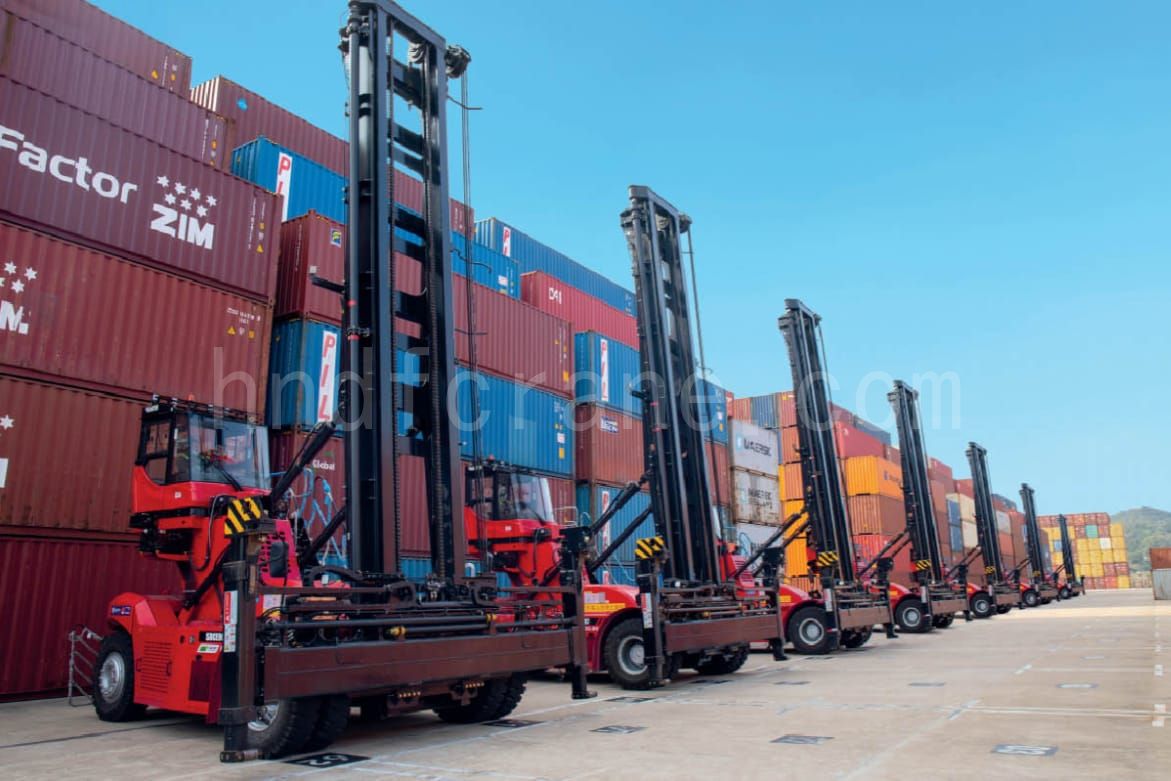
An empty container forklift is a type of port cargo-handling vehicle. As mobile equipment, it offers high mobility and flexible operation. As auxiliary equipment at container terminals, it is mainly used for loading, unloading, and stacking empty containers in storage yards.
Its main operating conditions involve transporting and stacking empty containers. During operation, the lift cylinders are extended or retracted to move the spreader to the position of the container’s top locking devices. The tilt cylinders are then adjusted so that the spreader’s twistlocks align with the container corner-casting holes. The twistlocks engage two corner-casting holes on the top of the container. Extension and retraction of the lift cylinders drive the chains, moving the container up and down along the mast. Extension and retraction of the tilt cylinders move the mast forward and backward. Power from the diesel engine is transmitted through the drivetrain to move the vehicle, completing the transport and stacking of empty containers.
Conclusion
Choosing suitable port horizontal transport equipment depends on the cargo type, transport distance, yard layout, stacking requirements, automation level, and expected operating cycle. Terminal tractors, reach stackers, straddle carriers, AGVs, and empty container handlers each have different strengths and limitations. A well-matched equipment system can improve terminal flow, reduce unnecessary handling, and support safer, more efficient port operations.
Dafang Crane provides customized port and material-handling solutions, including container straddle carriers, AGV transfer carts, and other lifting equipment. If you have any needs, contact us to discuss a solution suited to your operating conditions.

I am Cindy, with 10 years of working experience in the crane industry and accumulated a wealth of professional knowledge. I have chosen the satisfying cranes for 500+ customers. If you have any needs or questions about cranes, please feel free to contact me, I will use my expertise and practical experience to help you solve the problem!
Send Your Inquiry
- Email: sales@hndfcrane.com
- WhatsApp: +86 191 3738 6654
- Telegram: +86 191 3738 6654
- Tel: +86-373-581 8299
- Fax: +86-373-215 7000
- Add: Changnao Industrial District, Xinxiang City, Henan Province, China
 WeChat
- Overhead Cranes
- Double Girder Overhead Cranes
- Single Girder Overhead Cranes
- European Type Single Girder Overhead Cranes
- Explosion Proof Overhead Cranes
- Grab And Magnetic Overhead Cranes
- Monorail Cranes
- Foundry Overhead Cranes
- Workstation Cranes
- Jib Cranes
- Wall Mounted Jib Cranes
- Wall Travelling Jib Cranes
- Free Standing Jib Cranes
- Aluminum Jib Cranes: Lightweight, Smooth Rotating Arm for Easy Lifting
- Balance Jib Cranes: Efficient Light Lifting for Short Distance Mechanical Assembly
- Manual Free Standing Jib Cranes: Efficient Manual Lifting Solutions for Limited Space Operations
- Electric Free Standing Jib Cranes: Fully Electric Solution for High Capacity Fast Lifting
- Articulating Jib Cranes: Precision Lifting with Dual Arm Flexibility
- Gantry Cranes
- Double Girder Gantry Cranes
- Semi Gantry Cranes
- Single Girder Gantry Cranes
- Truss Gantry Cranes
- Container Gantry Cranes
- Adjustable Gantry Cranes
- Portable Gantry Cranes
- European Gantry Cranes
- Industries
- General Manufacturing
- Waste Handling
- Precast
- Power
- Stone
- Papermaking
- Metal Production
- Bridge Construction
- Port Cranes: For Container and Bulk Material Handling
- Overhead Cranes for Petroleum and Gas Industry: Enhance Operational Efficiency
- Marine Cranes for Efficient Cargo Loading on Ships
- Overhead Cranes for the Automotive Industry: Efficient Automation Solutions
- Electric Hoists
- Electric Wire Rope Hoists
- Electric Chain Hoists
- European Type Electric Hoists
- European Electric Chain Hoists: Smooth Operation, Low Noise, and Energy Efficiency
- Manual Lever Hoists: Ideal for Pulling and Lifting Tasks
- Hand Chain Hoists: Manual Lifting for Areas Without Power
- Low Headroom Electric Hoists: Compact Design for Maximum Space Efficiency
- Pneumatic Chain Hoists: Smooth Handling for Industrial Use
- Explosion Proof Manual Chain Hoists: Spark Resistant Copper Alloy Construction for Hazardous Areas
- Explosion Proof Electric Chain Hoists for Hazardous Area Lifting
- Contact Us
- Email: sales@hndfcrane.com
- WhatsApp: +86 191 3738 6654
- Telegram: +86 191 3738 6654
- Tel: +86-373-581 8299
-