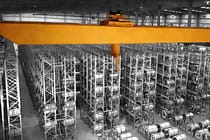
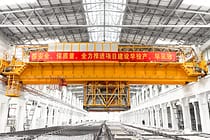






2 Types of Workstation Cranes for Different Workshop Conditions
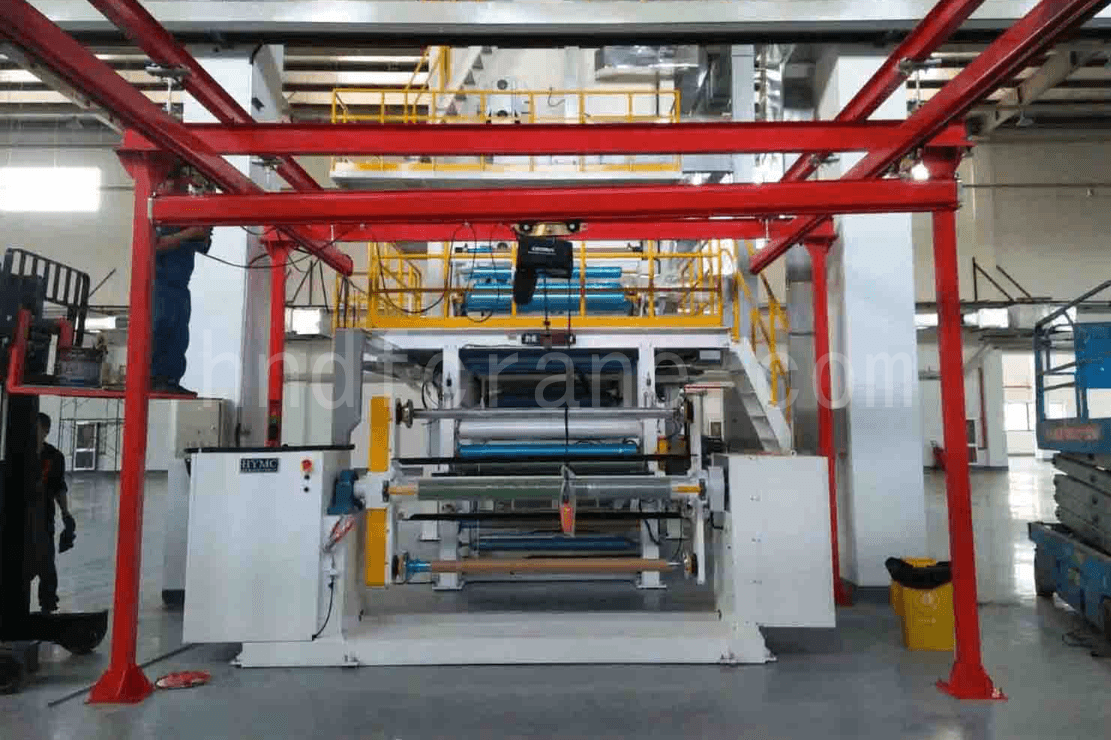
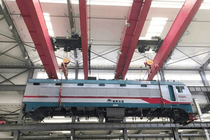
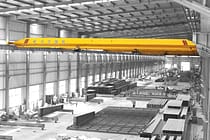
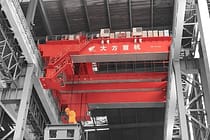
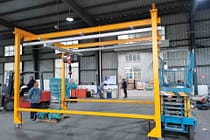
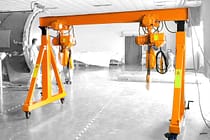
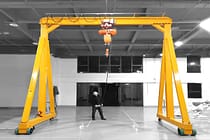
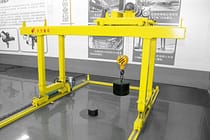
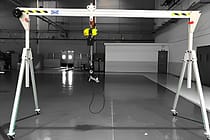
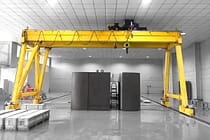
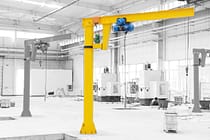
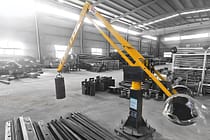
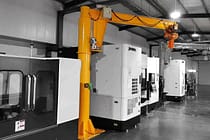
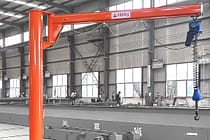
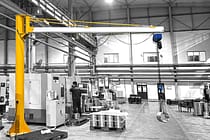
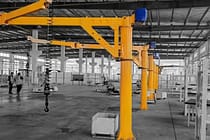
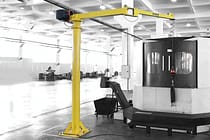
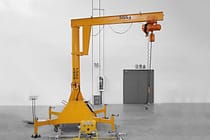
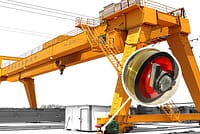
- Uses independent columns and support structures without relying on the building’s roof.
- Can be installed independently in designated work areas.
- Ideal for facilities where the building structure cannot support ceiling-mounted cranes.
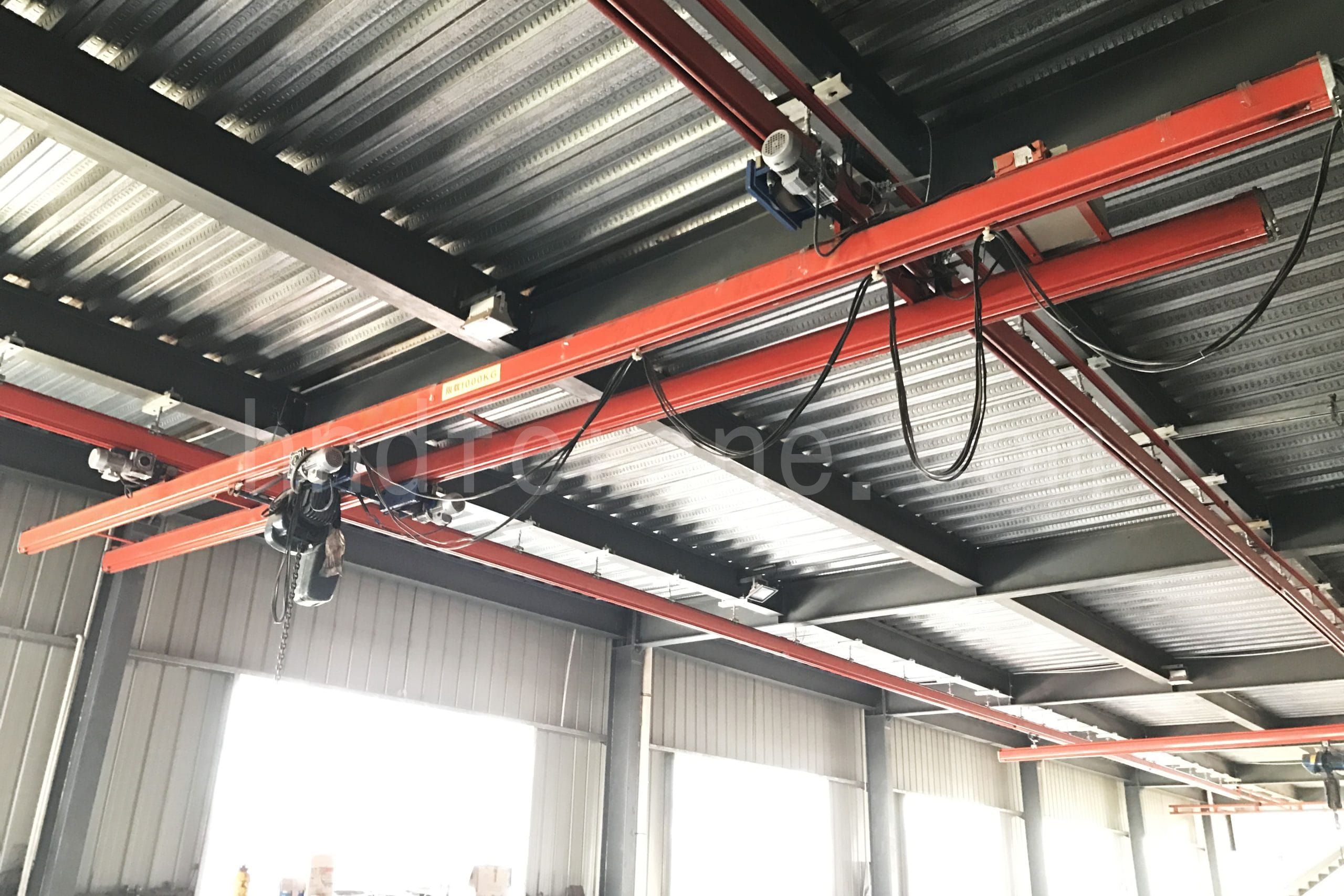
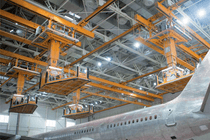
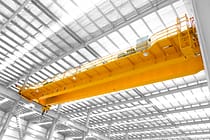
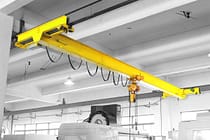
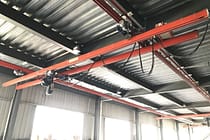
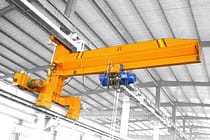
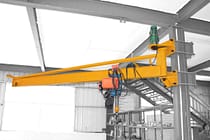
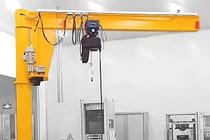
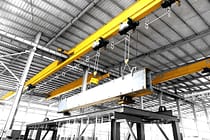
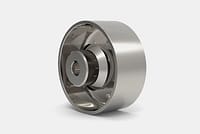
- Mounted directly to the roof or ceiling structure without requiring floor-mounted columns.
- Column-free design keeps the floor space completely unobstructed.
- Ideal for facilities with limited floor space.
Workstation Crane Modular Components
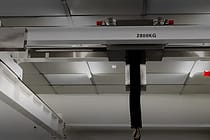
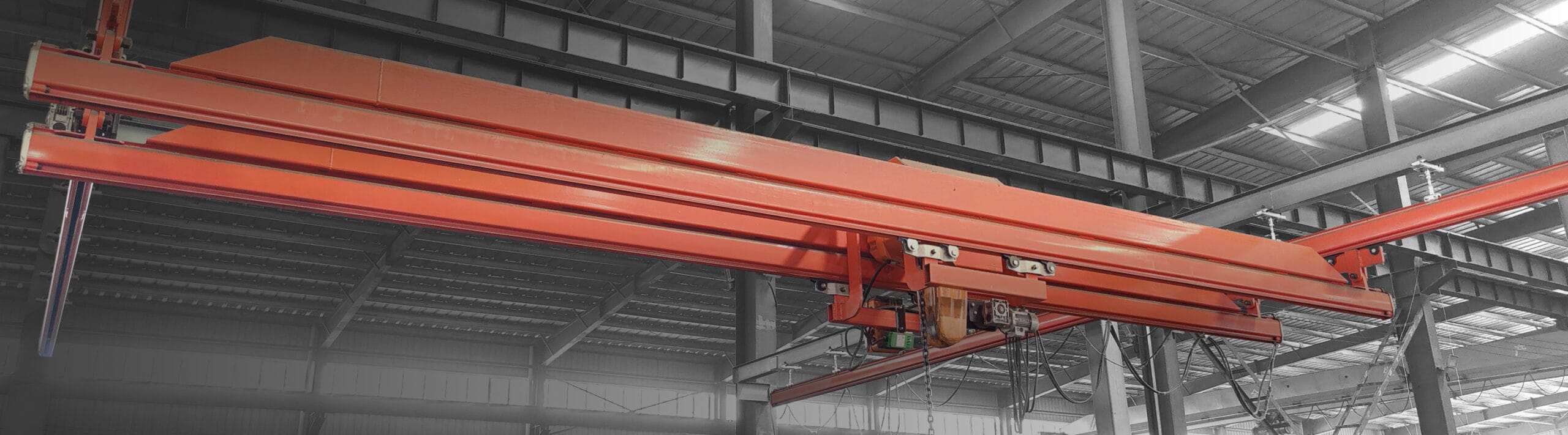
Workstation cranes feature a modular design, consisting of standardized components such as tracks, bridge girders, trolleys, suspension devices, and connectors. These components are assembled like building blocks using bolted connections, reducing on-site welding and fabrication work and making installation easier.
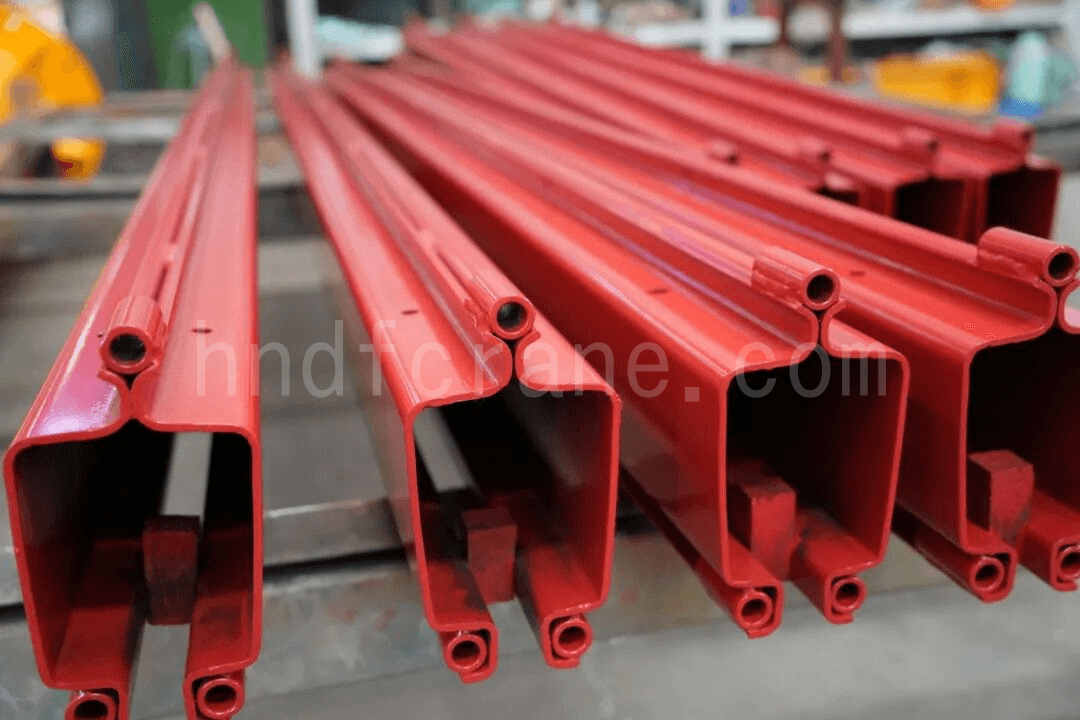
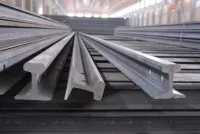
- Made of cold-rolled Q235B carbon steel with an optimized cross-section to reduce weight while maintaining load capacity.
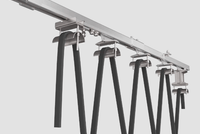
- Enclosed track design prevents dust and debris buildup on running surfaces, reducing rolling resistance for smoother trolley movement.
- Maximum single track length of 9 m.
- Available in multiple sizes, allowing different track specifications to be combined within one crane system.
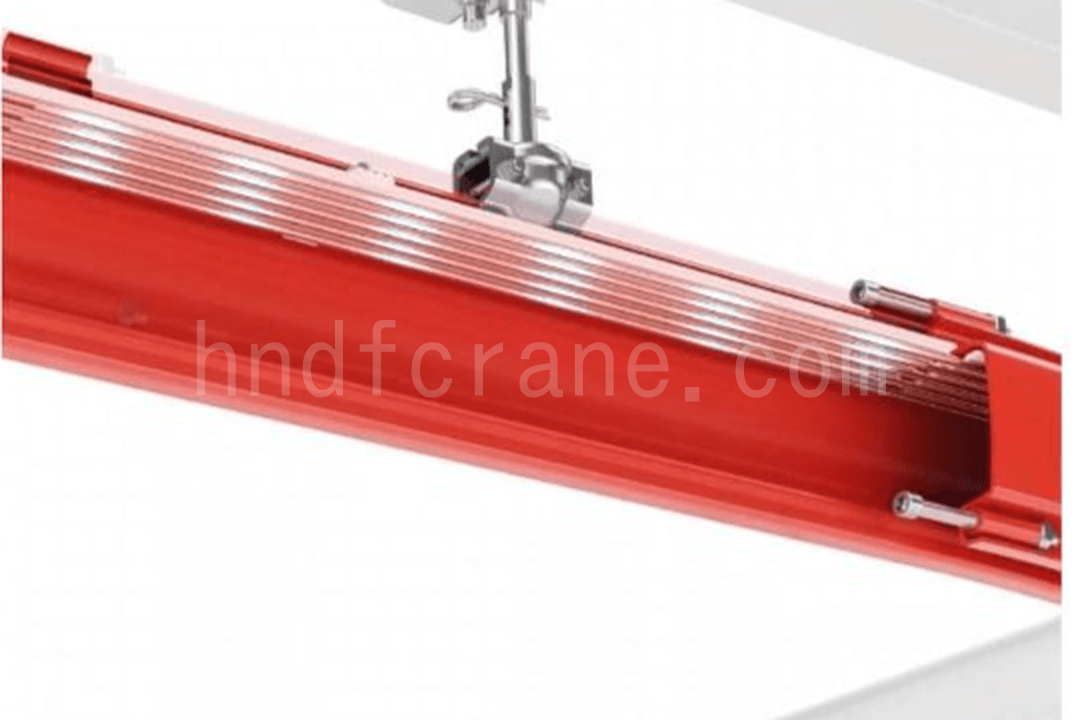
- Improves available headroom.
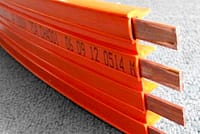
- Cable-free design eliminates the risk of cable collisions.
- No additional external power supply installation is required, saving installation time and costs.
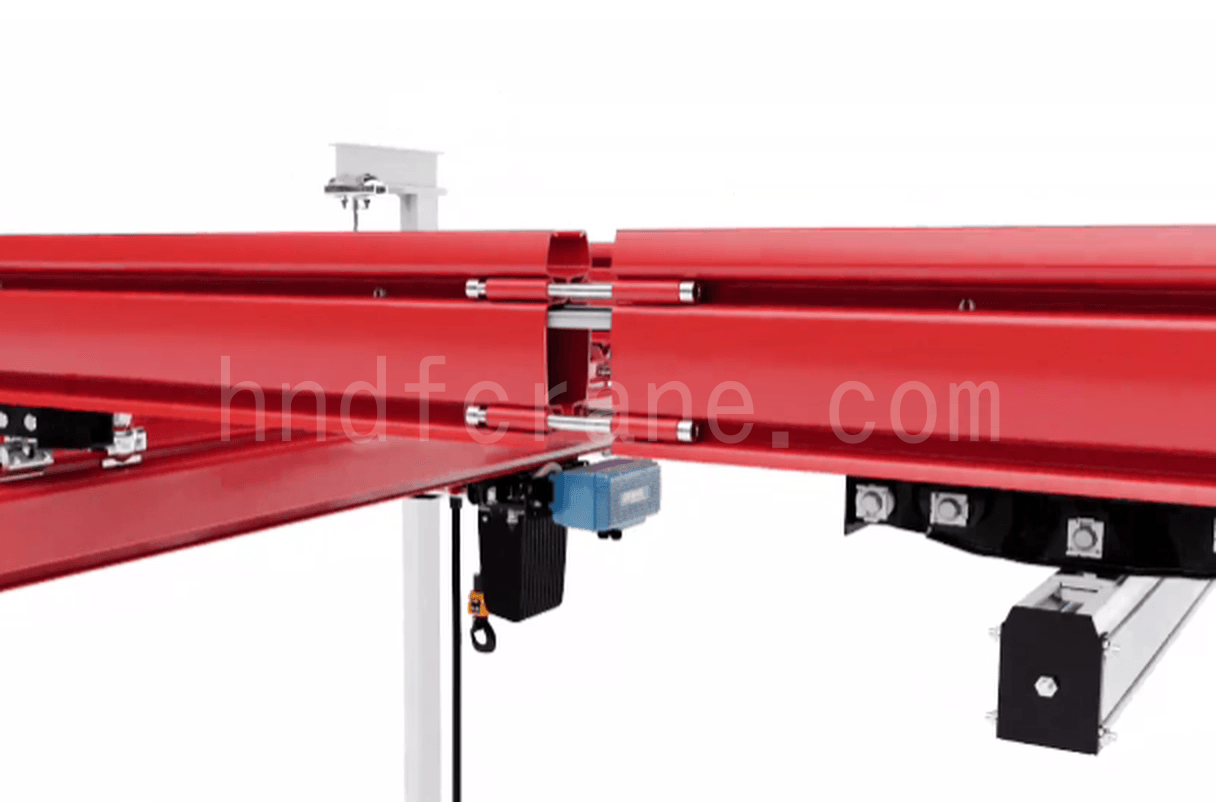
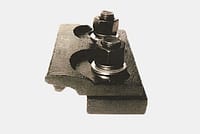
- Quick rail connections using anti-rotation self-locking nuts.
- Minimizes the need for custom-length straight rails, reducing delivery time.
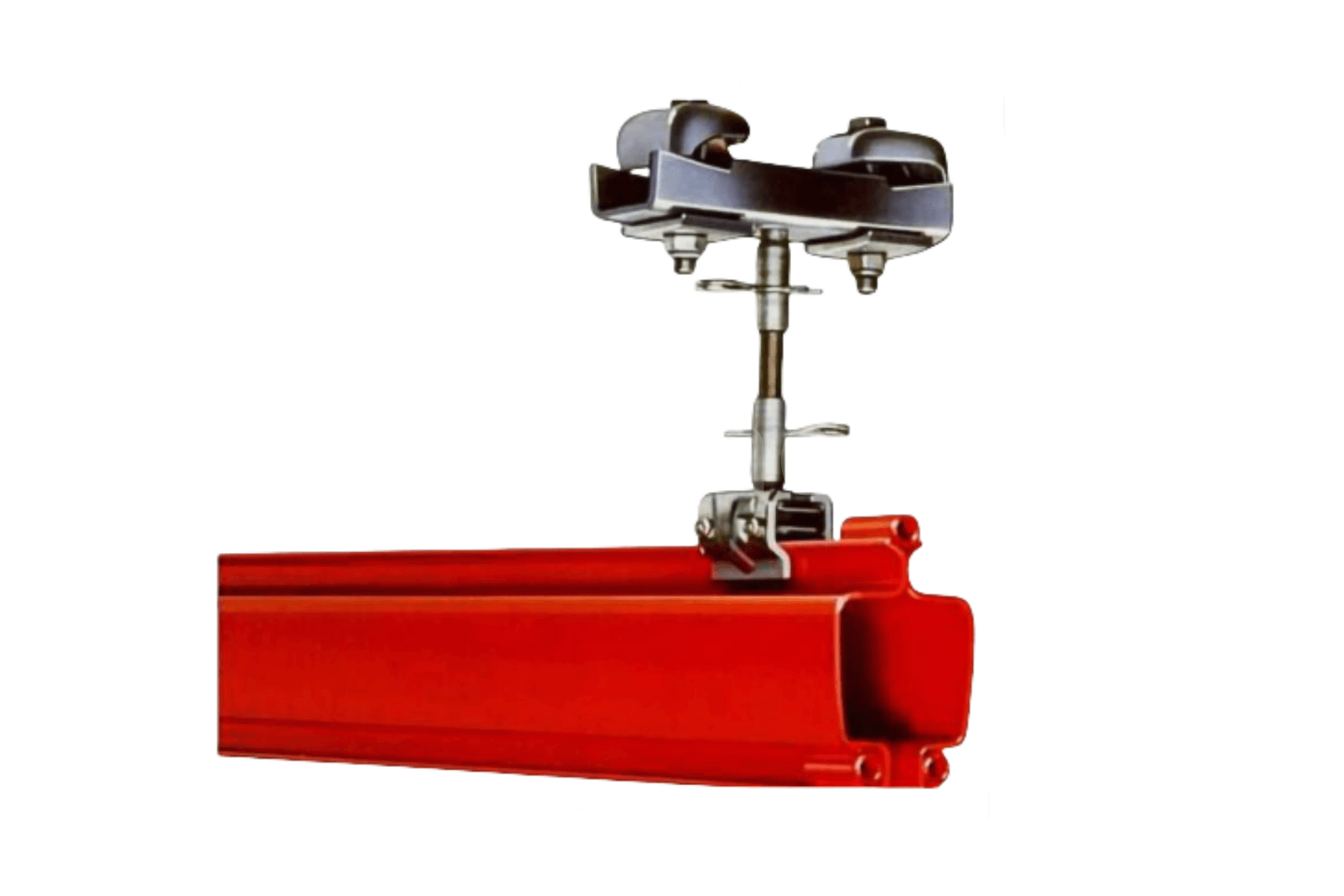
- Precise rail height adjustment to the millimeter using threaded rods.
- Can be attached to different overhead structures for greater installation flexibility.
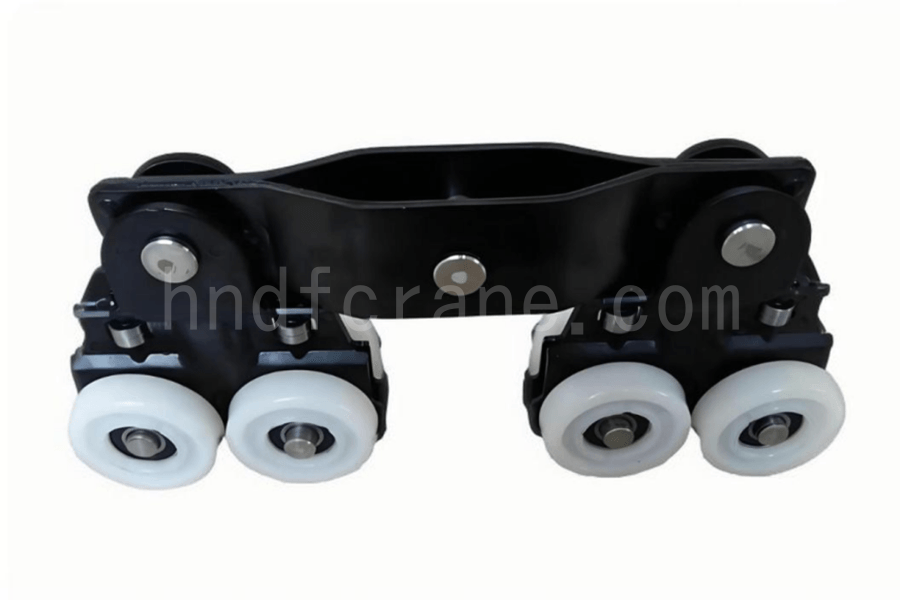
- Rolling resistance is only 0.5% of the load during steady movement.
- Wheels are mounted on low-friction, lifetime-lubricated bearings for quiet and smooth operation.
- Maintenance-free wheels provide effective shock absorption.
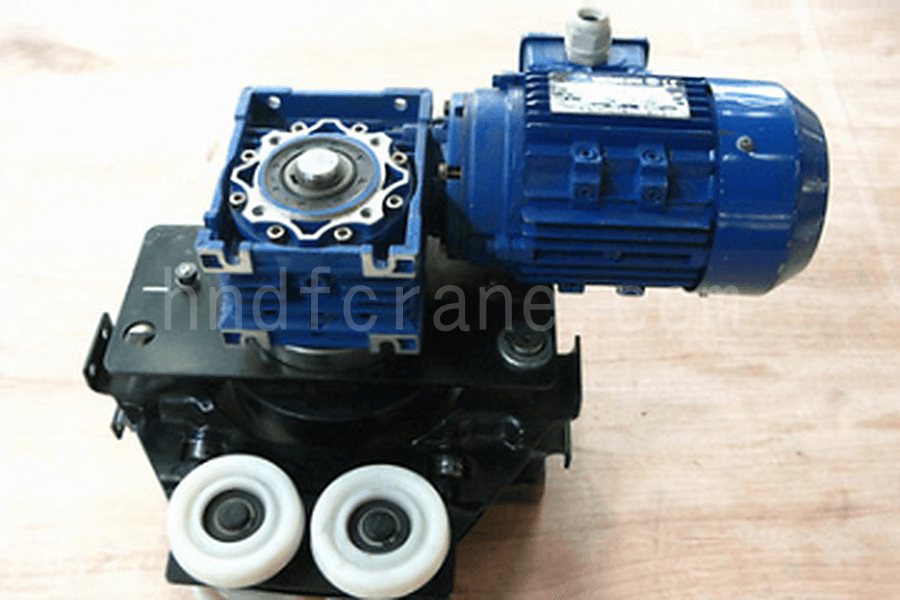
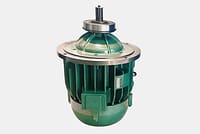
- Available in electric and pneumatic versions.
- Safe transmission of drive torque through a large friction wheel with a high coefficient of friction.
- High traction force.
Workstation Crane Used Across Various Workshops
Free Standing Workstation Bridge Crane for the Environmental Equipment Manufacturing Industry
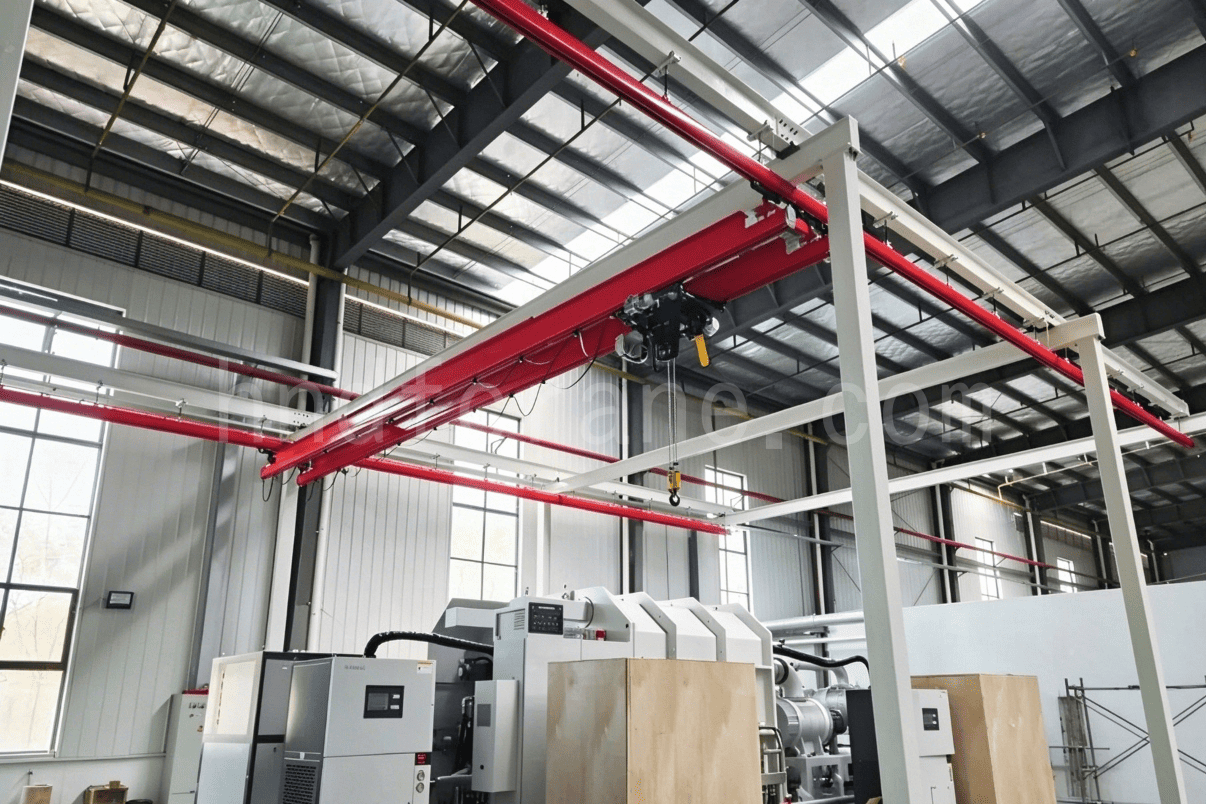
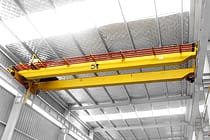
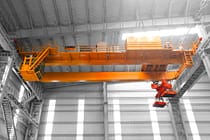
With limited workshop space, the customer needed to handle 2t heavy-duty welding and equipment assembly while maintaining flexibility for future production line layout adjustments. To meet these requirements, a double-girder ultra-low-headroom flexible KBK crane system was adopted, enabling heavy-duty lifting within limited building height while adapting to different workstation requirements through its modular design.
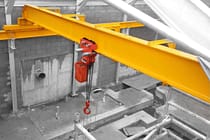
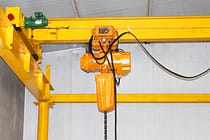
- Ultra-Low Headroom Design: Equipped with a low-headroom electric chain hoist, allowing the hook to approach the lower flange of the track as closely as possible, saving over 20–30 cm of overhead space compared to conventional cranes.
- Stable Heavy-Duty Operation: The double-girder structure provides good rigidity and operational stability, meeting the requirements of 2t heavy-duty welding and equipment assembly.
- Flexible Workstation Layout: Tracks, suspension points, trolleys, and bridge girders feature modular components that can be configured according to production line layouts and equipment positions.
- Quick Adjustments: To accommodate potential production line layout changes, the modular quick-disassembly design allows a 4-meter workstation adjustment to be completed in just 90 minutes, minimizing disruption to production.
Ceiling Mounted Bridge Crane for Automotive Welding Lines
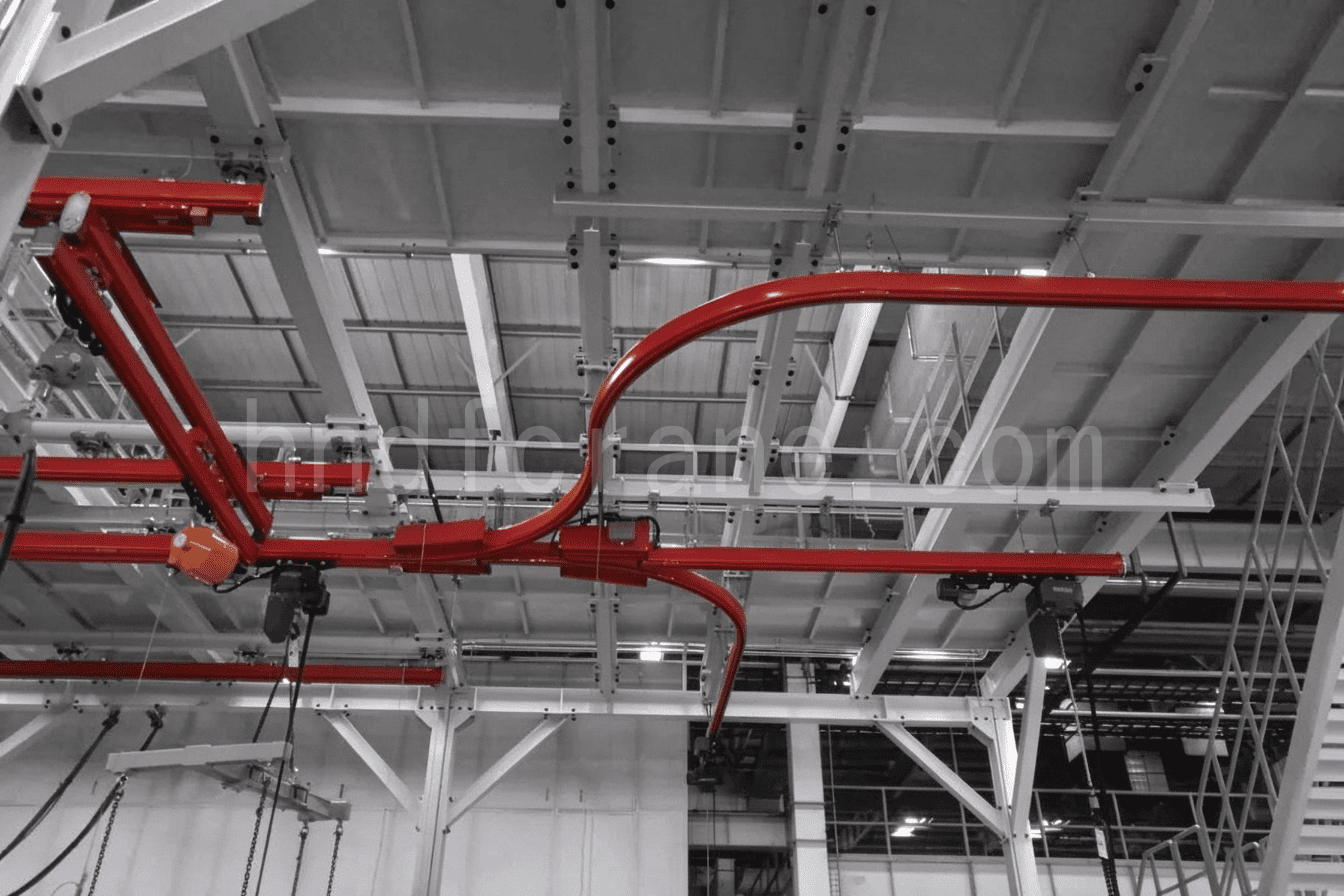
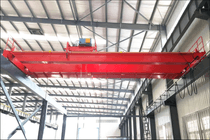
An automotive manufacturer needed a crane system for its body welding production line to support welding gun suspension, large fixture lifting, and material handling across multiple workstations. Due to the dense equipment layout and intersecting track routes, a combined track system consisting of straight tracks, curved tracks, and switches was adopted.
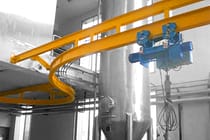
- Flexible Track Configuration for Complex Layouts: Straight tracks, curved tracks, and switches are combined to enable material transfer between different workstations. To address intersections between welding gun tracks and hoist tracks, adjustable-length suspension points allow the two track systems to cross at different heights without interference.
- Utilizing Existing Steel Structures to Reduce Installation Costs: Through on-site measurements and optimized track layouts, the suspension system is mounted to the workshop’s existing steel structures, reducing the need for additional support structures.
- Cantilever and Telescopic Designs for Extended Working Coverage: Single-girder cantilever and telescopic cranes allow loads to be moved beyond the coverage of conventional tracks, with a maximum cantilever reach of 2 meters.
- Synchronized Dual-Hook Lifting for Improved Stability: An LDC dual-hook hoist is used to lift large fixtures. Combined with variable-frequency travel drives and dual-motor synchronization control, the system reduces horizontal load sway and improves operational stability.
Aluminum Workstation Crane Supports Flexible Upgrades in Machining Production Lines
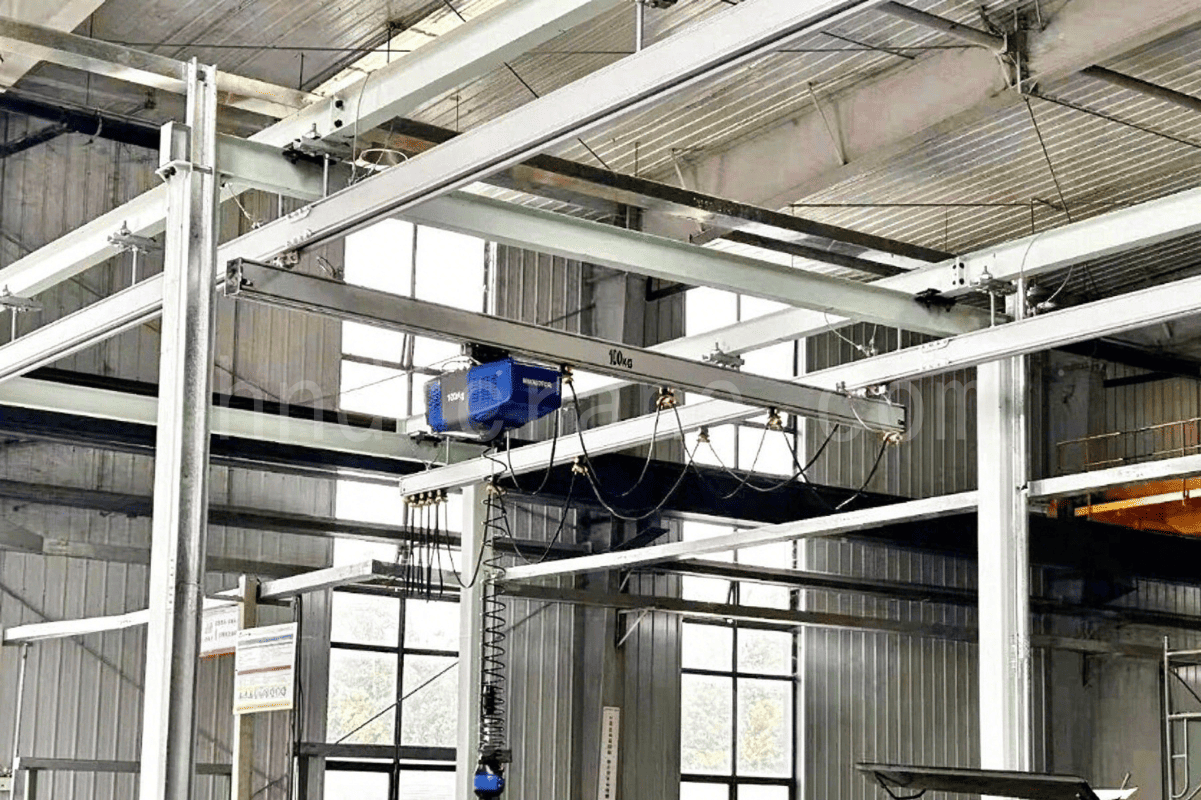
A machining company needed to address challenges in precision workpiece handling, production line layout adjustments, and manual handling efficiency. To meet the space and material handling requirements of small and medium-sized machining workshops, an aluminum KBK crane system combined with an intelligent lifting device was adopted, providing a more flexible lifting solution for machine loading and unloading, workpiece handling, and assembly.
- Lightweight Structure: Aluminum bridge girders reduce the crane’s self-weight to approximately 30% of that of a steel structure, saving over 30% of installation space and making the system suitable for machining workshops with limited space.
- Modular Expansion: The KBK system features a modular design that supports multiple track configurations, allowing flexible adjustments and expansion as production lines and workstation layouts change, with a maximum span of 12 m.
- Smooth and Quiet Operation: Low-rolling-resistance tracks combined with precision bearings keep operating noise below 50 dB, reducing workpiece sway and collisions during handling.
- Precise Intelligent Lifting: The intelligent lifting device supports both handle control and float modes. In float mode, positioning accuracy can reach 0.1 mm, making precision workpiece loading, unloading, and assembly easier.
- Improved Handling Efficiency: Stepless speed control increases handling speed by 40%, reducing manual effort and time spent on repeated positioning adjustments.
Rigid Workstation Crane for Narrow Workspaces in Electronics Manufacturing
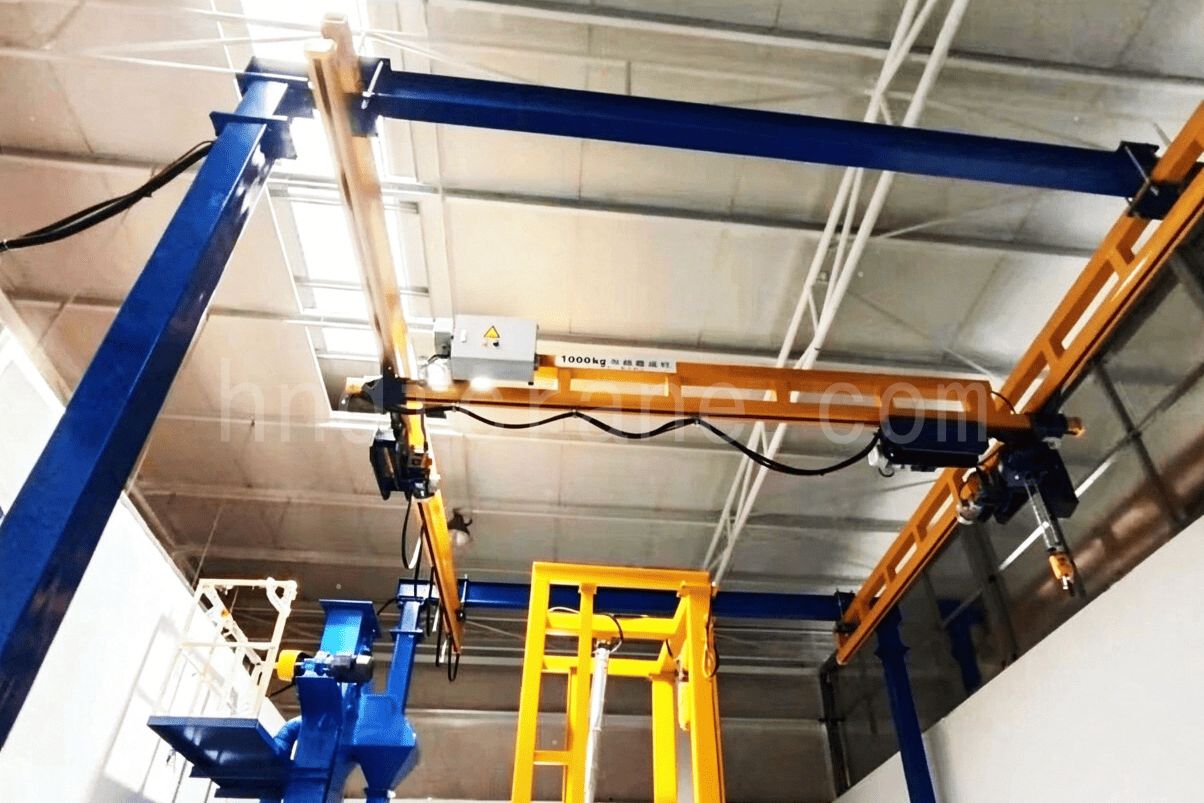
An electronics manufacturing facility faced limited workstation space, with less than 2 m between workstations, making conventional overhead cranes difficult to install. Meanwhile, electronic components and precision instruments required stable handling, while manual handling was inefficient and posed safety risks.
To meet the space constraints and precision handling requirements, a rigid KBK crane system was adopted, with track and bridge girder dimensions customized to the site conditions, ensuring precise coverage within the limited space.
- Compact Customized Design: Tracks are customized according to the equipment and workstation layout to avoid interference with floor-mounted equipment. The bridge girder span is reduced to 1.5 m to accommodate narrow workstations.
- Vertical Space Savings: The rigid KBK structure reduces the space occupied by the crane system, increasing the available vertical clearance by 30%.
- Smooth and Precise Handling: An electric chain hoist combined with variable-frequency control enables smooth lifting and travel, meeting the stable handling requirements of electronic components and precision instruments.
- Efficient Single-Operator Control: Pendant or remote control allows a single operator to complete material handling tasks, improving operational efficiency by 50%.